What Is Steel Structure Construction for Logistics?
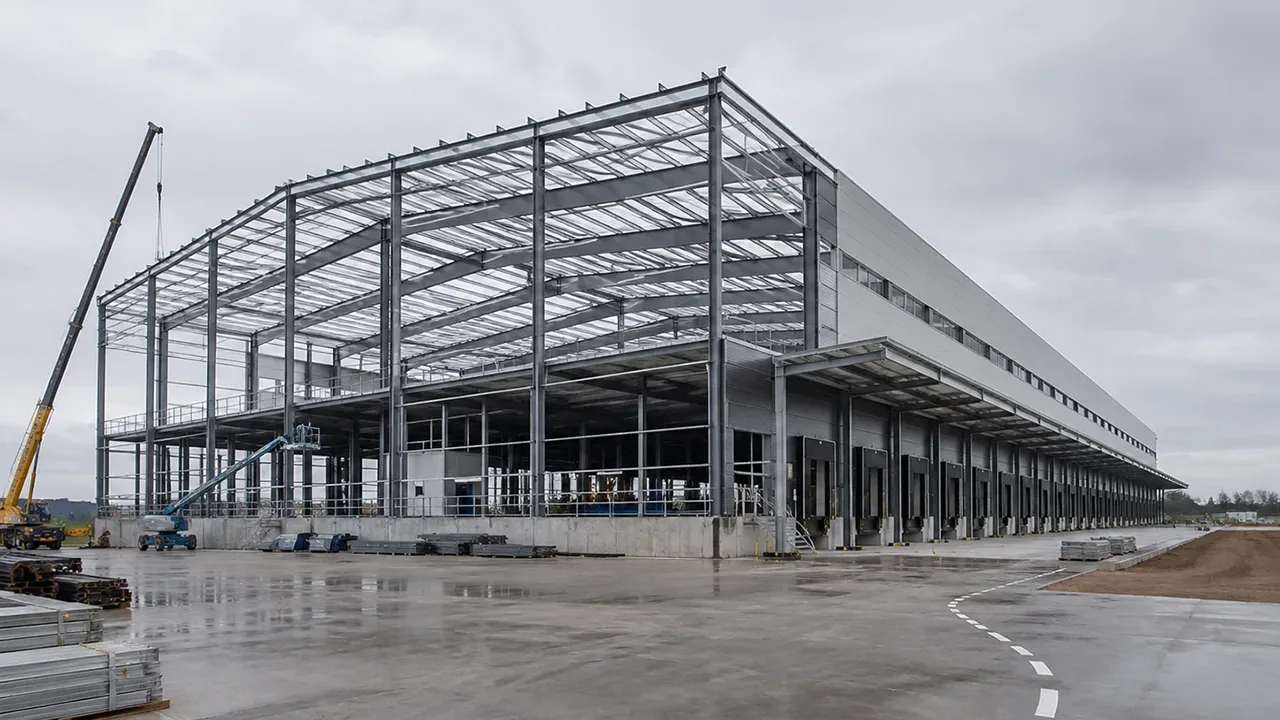
Steel structure construction for logistics refers to the design, fabrication, and erection of steel-framed buildings built specifically for logistics and supply chain operations. These facilities are engineered to support storage systems, truck access, loading docks, material handling equipment, and high-volume product movement.
Unlike conventional building methods that may require more internal support columns, steel structures can create wide clear-span spaces. This makes them highly useful for logistics layouts where forklifts, racks, conveyors, automated systems, and loading routes must operate efficiently.
A logistics steel building typically includes:
- Primary steel frames
- Steel columns and beams
- Long-span roof systems
- Wall and roof cladding
- Loading dock structures
- Insulation and ventilation systems
- Future expansion provisions
Why Logistics Facilities Use Steel Structures
Large Open Storage Areas
Logistics buildings often need wide interior spaces to maximize storage capacity and improve movement efficiency. Steel structures make it possible to reduce interior obstructions and create flexible layouts for racking systems, sorting areas, and transportation lanes.
Large open spaces help logistics operators improve:
- Storage density
- Forklift circulation
- Rack arrangement
- Order picking efficiency
- Loading and unloading flow
Fast Construction Timelines
Speed is critical in logistics projects because facility delays can affect supply chain operations. Steel buildings are often prefabricated in factories while foundation work is prepared on site, reducing the overall construction timeline.
This approach helps companies start operations sooner and respond faster to market demand.
Scalability and Expansion
Logistics networks often grow over time. A steel-framed logistics facility can be designed with future extensions in mind, allowing additional bays, expanded storage zones, or new loading areas to be added later.
This flexibility helps protect long-term investment value and supports changing business needs.
Durability for High-Traffic Operations
Logistics facilities operate continuously, often with trucks, forklifts, pallets, conveyors, and heavy storage systems moving throughout the day. Steel structures provide reliable strength and long-term durability for these high-traffic environments.
Types of Logistics Buildings Constructed
Distribution Centers
Distribution centers serve as important nodes in regional or national supply chains. These facilities require efficient storage, fast loading, and well-planned traffic routes.
Steel structures support large-scale distribution operations by providing wide-span space, strong framing, and flexible expansion options.
Warehousing Facilities
Warehouse facilities are used for inventory storage, product protection, and fulfillment support. Steel construction allows warehouse owners to create efficient layouts for both short-term and long-term storage.
E-Commerce Logistics Centers
E-commerce fulfillment centers require high-volume order processing, organized picking zones, packing areas, and dispatch spaces. Steel buildings can support these functions while allowing layout changes as order volumes increase.
Cross-Docking Facilities
Cross-docking buildings are designed for rapid goods transfer from inbound vehicles to outbound transportation. These facilities need efficient dock placement, clear movement routes, and durable structural systems.
Steel structures help create wide, practical spaces that support fast product movement.
Cold Chain Logistics Buildings
Cold chain logistics facilities require insulated building envelopes and temperature-controlled spaces for food, pharmaceuticals, and sensitive goods. Steel framing provides strong support for insulated panels, refrigeration systems, and controlled storage zones.
Main Components of Logistics Steel Structures
Steel Columns
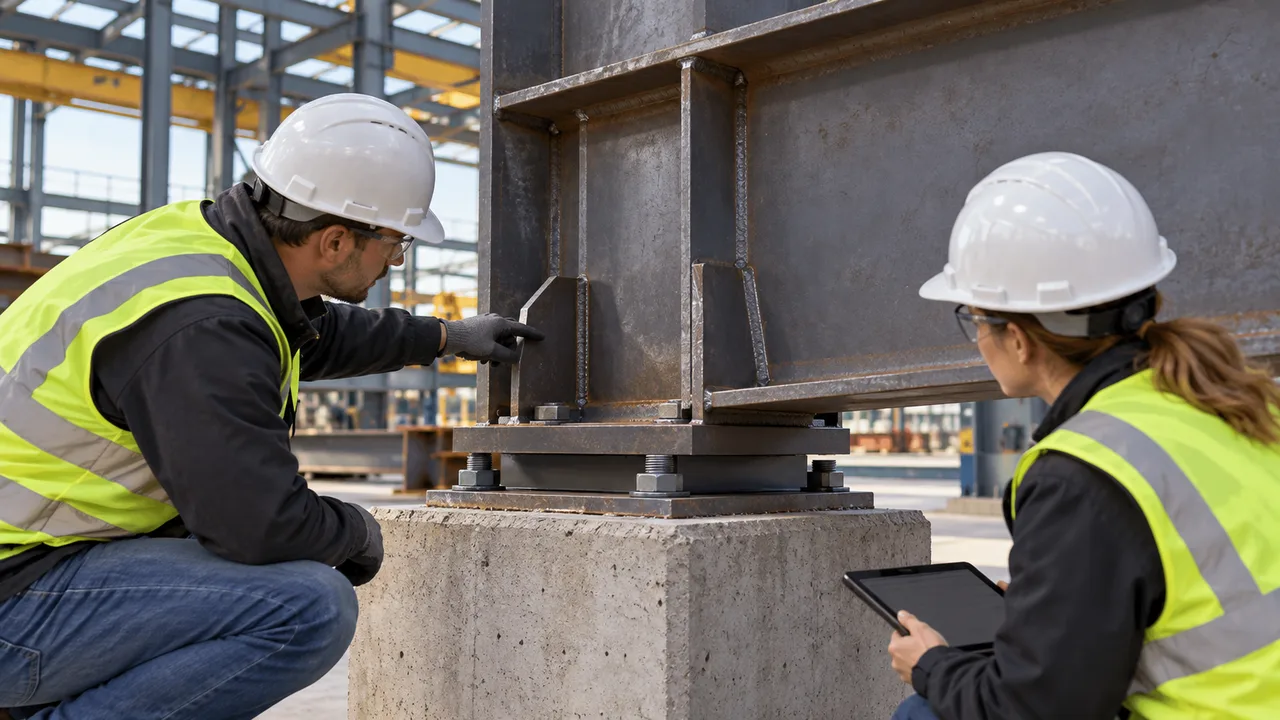
Steel columns provide vertical support and transfer roof, wall, equipment, and storage-related loads to the foundation system.
In logistics buildings, column placement must be carefully planned to avoid disrupting storage layouts and internal traffic flow.
Steel Beams
Steel beams form the main horizontal framing system and support roof structures, wall systems, and other building loads.
Proper beam design helps create stable, efficient, and durable logistics facilities.
Long-Span Roof Systems
Long-span roof systems are especially valuable for logistics projects because they reduce the need for interior columns. This improves storage flexibility and supports equipment movement across large areas.
Roof systems may include portal frames, trusses, or customized structural solutions depending on the project size and span requirements.
Loading and Dock Structures
Loading areas are critical to logistics operations. Structural design must account for truck movement, dock equipment, platform requirements, and frequent loading activities.
Well-designed dock structures help improve operational safety and efficiency.
Engineering Considerations
Storage Load Requirements
Logistics buildings must be designed according to storage systems, rack layouts, inventory weight, and operational loads.
Engineering teams evaluate:
- Rack system loads
- Stored product weight
- Floor loading requirements
- Roof and wall loads
- Future storage changes
Material Handling Equipment
Forklifts, pallet movers, conveyors, automated storage systems, and sorting equipment can influence the building layout and structural planning.
Steel structures provide the flexibility needed to integrate these systems efficiently.
Traffic Flow Planning
Efficient logistics buildings depend on smooth traffic movement. Internal routes, loading docks, truck yards, and circulation zones must be planned carefully.
Good layout planning helps reduce congestion and improve turnaround time.
Future Expansion Capability
Many logistics facilities are designed in phases. Steel construction allows owners to plan future extensions more easily, especially when expansion requirements are considered early in the engineering stage.
Steel Structure Construction Process
Logistics Facility Planning
The project begins with an assessment of operational requirements, storage goals, loading needs, site conditions, and future growth plans.
Structural Engineering Design
Engineers develop the building layout, structural system, load calculations, and fabrication drawings based on the logistics operation requirements.
Fabrication Phase
Steel components are manufactured in controlled factory conditions using precision cutting, drilling, welding, assembly, surface treatment, and quality inspection procedures.
Site Construction
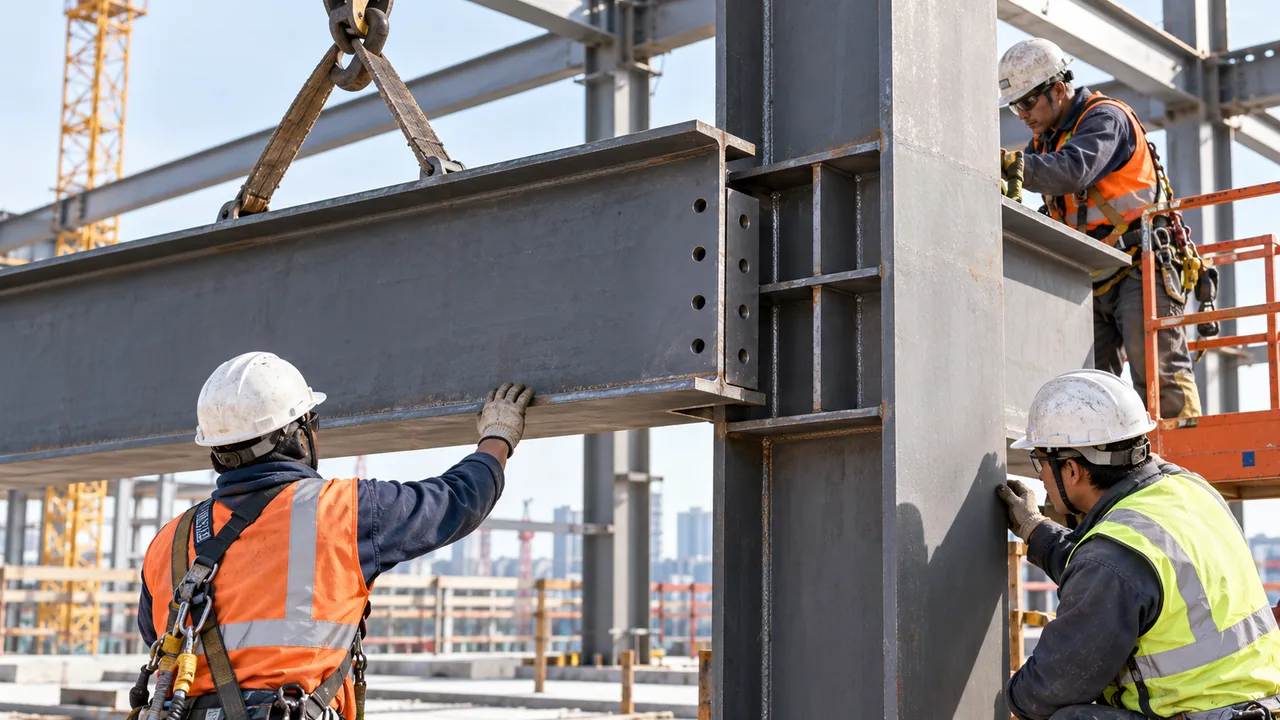
After foundations are prepared, fabricated steel components are delivered to the site and erected according to approved installation procedures.
Final Inspection and Handover
Final inspections verify structural alignment, connection quality, enclosure completion, and readiness for logistics operation.
Advantages of Steel Structure Construction for Logistics
Faster Project Completion
Prefabricated steel components help reduce site work and speed up construction schedules.
Large Clear Spans
Steel structures can create wide spaces with fewer interior columns, supporting efficient warehouse and logistics layouts.
Efficient Storage Layouts
Flexible framing systems allow better rack planning, equipment movement, and product flow.
Lower Lifecycle Costs
Durable steel structures, efficient construction, and lower maintenance requirements can help improve long-term project value.
Long-Term Operational Reliability
Properly engineered steel buildings provide stable performance for high-traffic logistics environments.
Applications Across Logistics Industries
Third-Party Logistics (3PL)
3PL operators use steel logistics buildings to serve multiple clients with flexible storage and distribution needs.
E-Commerce Fulfillment
E-commerce facilities require fast order processing, packing, sorting, and dispatching areas.
Retail Distribution
Retail supply chains use steel distribution buildings for inventory handling and regional delivery operations.
Manufacturing Supply Chains
Manufacturers rely on logistics buildings for raw material storage, finished goods handling, and outbound distribution.
Cold Storage Logistics
Cold chain facilities use steel structures with insulated systems to protect temperature-sensitive goods.
Why Choose XTD Steel Structure
Logistics Facility Expertise
XTD Steel Structure supports logistics building projects with practical structural solutions for warehousing, distribution, fulfillment, and storage operations.
Advanced Engineering Support
Engineering teams help optimize building layouts, structural systems, loading areas, and future expansion plans.
High-Capacity Fabrication
Modern fabrication equipment and quality control systems support accurate production of steel building components.
Global Logistics Project Experience
XTD Steel Structure provides engineering coordination, fabrication, delivery support, and project assistance for logistics and industrial facilities across international markets.
Frequently Asked Questions
Why are steel structures suitable for logistics facilities?
Steel structures provide large spans, fast construction, flexible layouts, and durable performance for high-traffic logistics operations.
Can logistics warehouses be expanded later?
Yes. Many logistics steel buildings can be designed for future expansion with additional bays, storage areas, or loading zones.
Are steel structures suitable for automated logistics systems?
Yes. Steel buildings can be engineered to support conveyor systems, automated storage layouts, and material handling equipment.
How quickly can a logistics building be constructed?
The timeline depends on building size, site conditions, design complexity, and logistics requirements, but prefabricated steel systems usually support faster project delivery.
Start Your Logistics Facility Project
Steel structure construction for logistics helps companies build efficient, durable, and expandable facilities for warehousing, distribution, e-commerce, and cold chain operations. With large-span capability, precision fabrication, and coordinated project delivery, steel structures provide strong support for modern logistics networks.
Working with an experienced partner helps ensure practical facility planning, reliable manufacturing quality, efficient installation, and long-term operational performance.