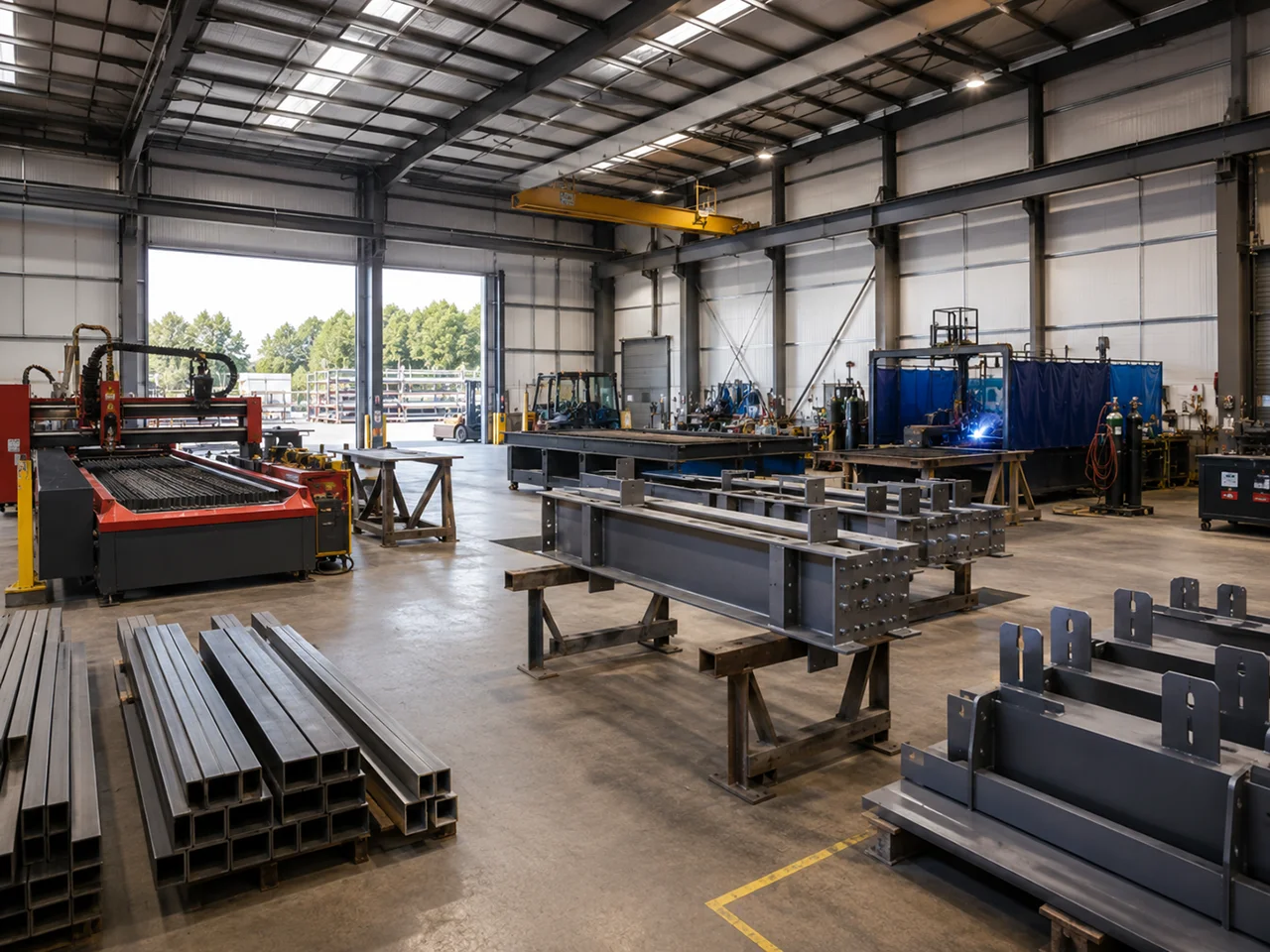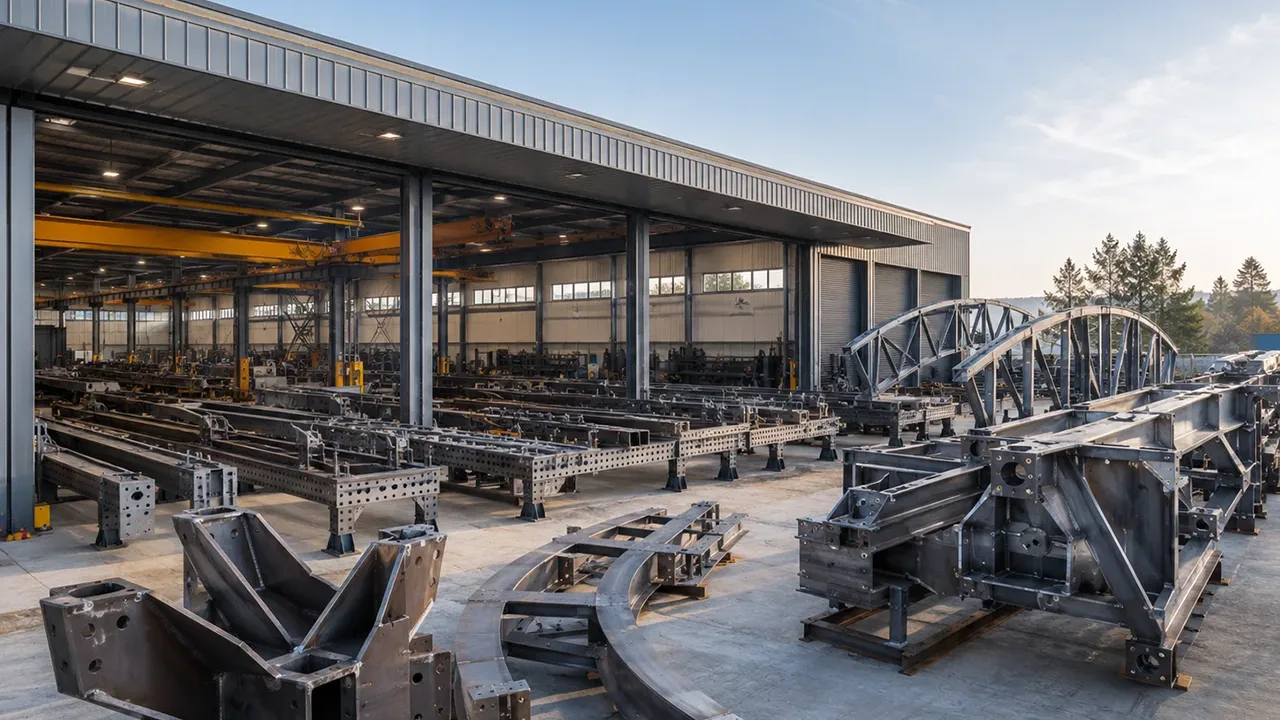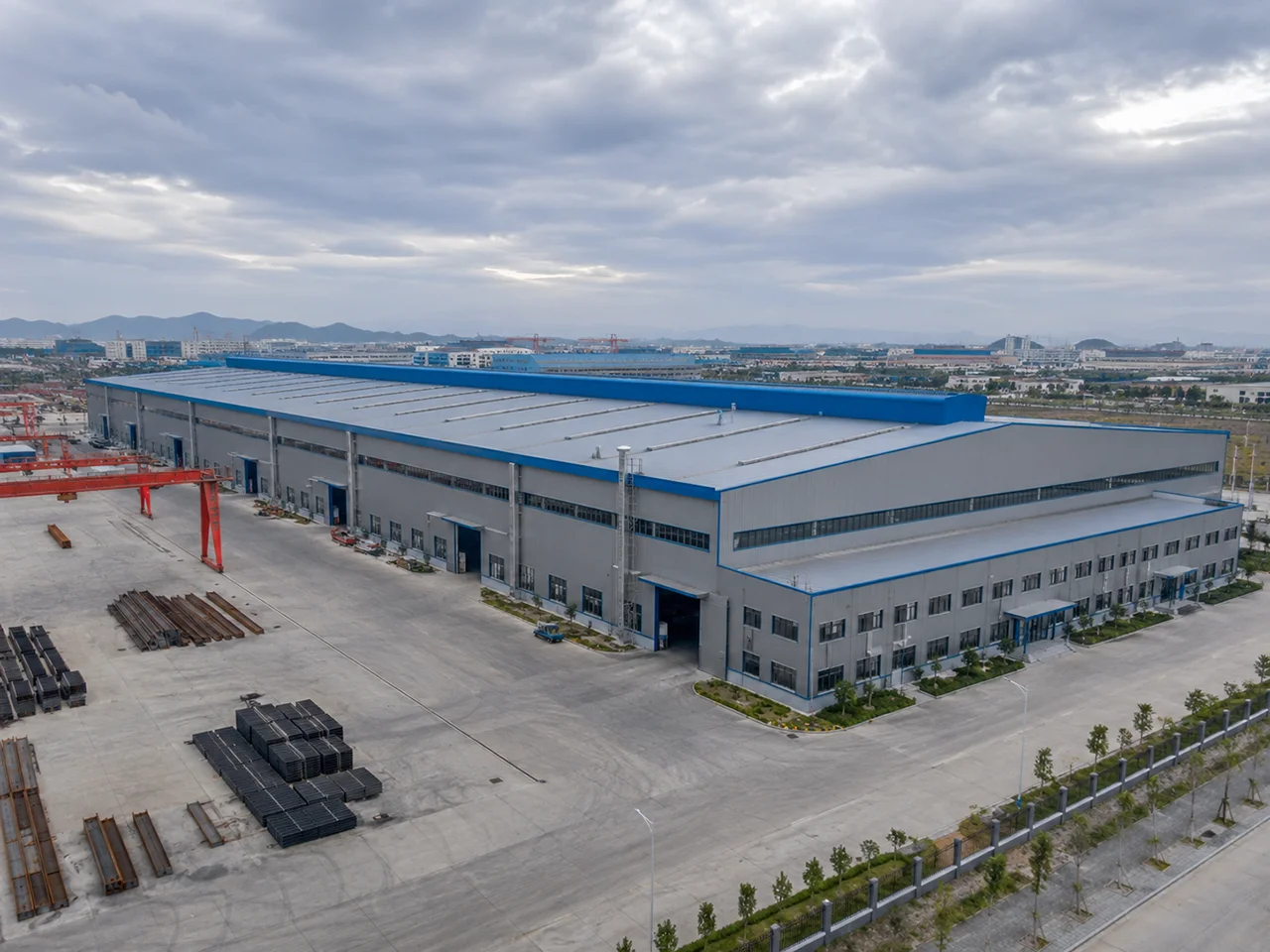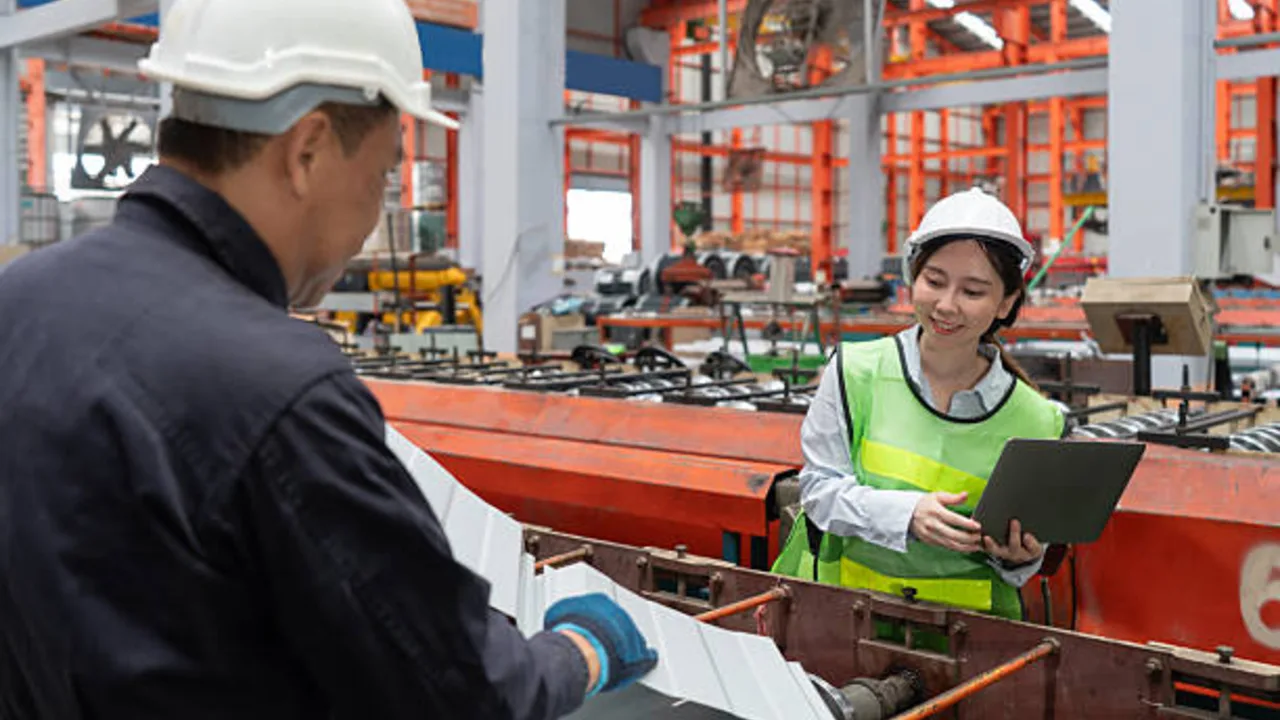
Steel manufacturer internal audit systems play a critical role in ensuring quality, consistency, and compliance in modern steel structure production. As steel construction projects become more complex, manufacturers must implement structured internal auditing processes to maintain high standards and meet client expectations.
A steel manufacturer internal audit refers to a systematic evaluation of production processes, documentation, and quality systems within a steel structure factory. The purpose is to verify that all operations comply with established standards and project requirements.
Internal audits are not only about identifying problems but also about improving efficiency and preventing future issues. By conducting regular audits, manufacturers can ensure that production processes remain consistent and controlled.
Why Steel Manufacturer Internal Audit is Critical
Steel manufacturer internal audit systems are essential for maintaining operational integrity. They help manufacturers identify risks, ensure compliance, and maintain consistent product quality.
- Ensuring adherence to manufacturing standards
- Reducing production errors and defects
- Improving overall efficiency and workflow
Without effective internal audits, steel factories may face quality issues, project delays, and increased costs.
Core Components of Steel Manufacturer Internal Audit Systems
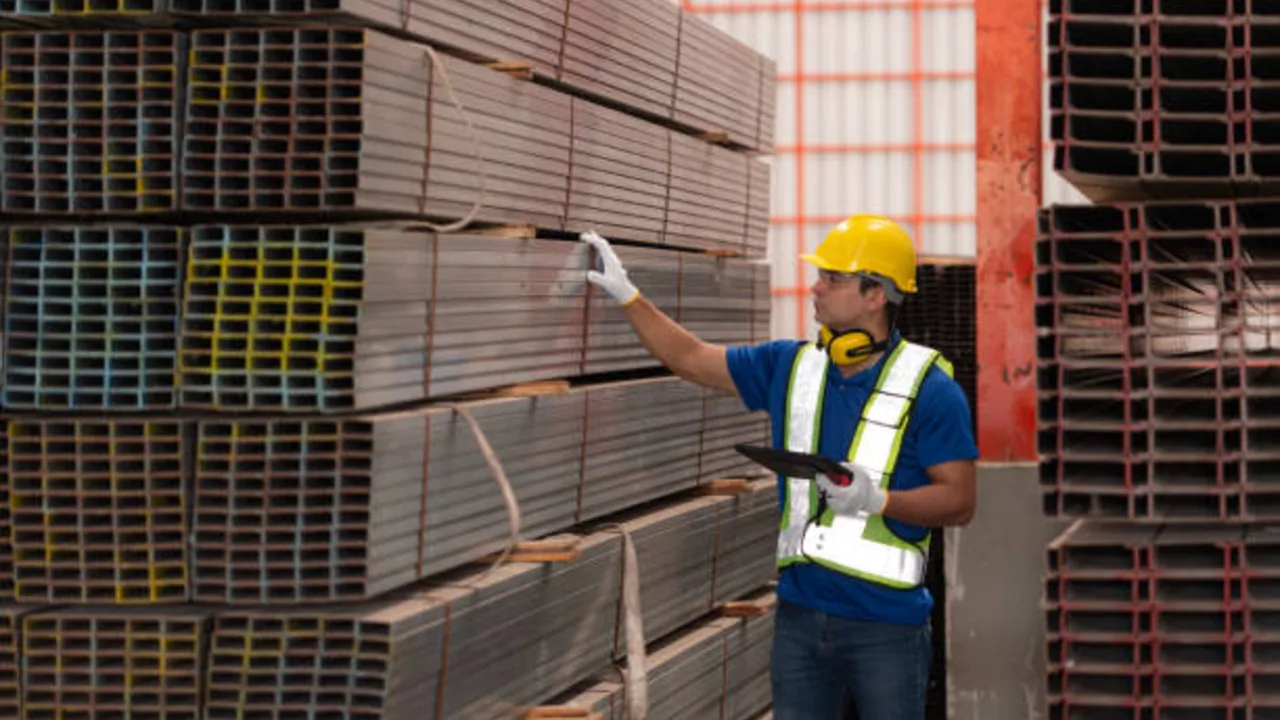
An effective steel manufacturer internal audit system consists of several key components that work together to ensure compliance and quality control.
Documentation and Record Management
Proper documentation is fundamental to any audit system. This includes inspection reports, welding records, and material certificates.
Accurate records provide traceability and ensure that all processes can be verified during audits.
Process Compliance Monitoring
Monitoring process compliance ensures that all production activities follow standard operating procedures. Deviations from these procedures must be identified and corrected promptly.
Maintaining strict process compliance is essential for achieving consistent quality in steel manufacturing.
Quality Assurance Integration
Internal audits are closely linked with quality assurance systems. By integrating audits into QA processes, manufacturers can continuously improve their operations.
This approach helps identify inefficiencies and ensures that corrective actions are implemented effectively.
Types of Internal Audits in Steel Manufacturing
Steel manufacturer internal audit systems typically include multiple types of audits, each designed to address specific stages of production and compliance requirements. Rather than relying on a single inspection point, manufacturers implement layered audit structures to ensure continuous control over quality, documentation, and process compliance throughout the entire fabrication lifecycle.
These audits are strategically scheduled and executed to detect issues early, verify adherence to standards, and prepare for external verification when required. By distributing audit activities across different phases, steel manufacturers can maintain a proactive approach to quality assurance instead of reacting to problems after they occur.
Routine Internal Audits
Routine audits are conducted at regular intervals during production. These audits focus on verifying that day-to-day operations align with standard operating procedures and established quality systems.
They typically involve checking documentation accuracy, monitoring workflow consistency, and ensuring that equipment and personnel are operating within defined parameters. Routine audits are essential for maintaining ongoing process compliance and preventing minor deviations from escalating into major issues.
- Periodic verification of production processes
- Continuous monitoring of documentation and records
- Early detection of inefficiencies or deviations
Pre-Shipment Audits
Pre-shipment audits are performed before fabricated components are released for delivery. The goal is to ensure that all products meet project specifications, quality requirements, and contractual obligations.
This type of audit includes comprehensive checks such as dimensional verification, welding inspection, surface treatment evaluation, and documentation review. Any identified non-conformities must be corrected before shipment to avoid issues during installation.
- Final verification of product quality and specifications
- Inspection of completed components and assemblies
- Validation of supporting documentation before release
Preparation Audits for Third-Party Inspection
Preparation audits are conducted in advance of third-party or client inspections. These audits simulate the official inspection process, allowing manufacturers to identify and resolve potential issues beforehand.
By performing internal pre-checks, manufacturers can ensure that all documentation, processes, and physical components are fully compliant with external requirements. This significantly increases the likelihood of passing formal inspections without delays or rejections.
- Simulation of third-party inspection requirements
- Verification of compliance with international standards
- Prevention of inspection failures and rework
Each type of audit plays a critical role in maintaining quality and ensuring that production meets both internal standards and external expectations. Together, they form a comprehensive steel manufacturer internal audit system that supports consistent performance and reliable project delivery.
Internal Audit Workflow in Steel Factories
The internal audit process in steel factories follows a structured workflow designed to ensure thorough evaluation and effective corrective action. A well-defined workflow enables auditors to systematically assess production activities, identify non-conformities, and implement improvements.
Planning Phase
The planning phase is the foundation of the audit process. During this stage, auditors define the scope, objectives, and criteria of the audit. This includes identifying which processes, departments, or projects will be evaluated.
Proper planning ensures that audits are focused, efficient, and aligned with organizational priorities. It also involves preparing checklists, assigning responsibilities, and scheduling audit activities.
- Defining audit scope and objectives
- Preparing audit checklists and documentation
- Allocating resources and scheduling activities
Execution Phase
During the execution phase, auditors conduct on-site evaluations of processes and systems. This involves observing operations, reviewing documentation, and interviewing personnel to assess compliance with standards.
Data collection is a critical component of this phase, as it provides the evidence needed to support audit findings. Auditors must ensure that all observations are accurately recorded and supported by verifiable data.
- On-site inspection of production activities
- Verification of documentation and records
- Collection of data and evidence
Reporting and Corrective Action Phase
After completing the audit, findings are documented in a detailed report. This report highlights non-conformities, observations, and areas for improvement.
Corrective actions are then developed and implemented to address identified issues. Follow-up audits may be conducted to ensure that corrective measures are effective and sustained over time.
- Documentation of audit findings and observations
- Development of corrective action plans
- Follow-up verification of implemented improvements
This structured workflow ensures that steel manufacturer internal audit systems are not only effective in identifying issues but also in driving continuous improvement across production processes.
Tools and Systems for Internal Auditing
Modern steel factories rely on a combination of tools and systems to support internal audit activities. These tools enhance efficiency, accuracy, and consistency, enabling auditors to manage complex processes more effectively.
Enterprise Resource Planning (ERP) Systems
ERP systems provide centralized data management across all departments, including production, procurement, and quality control. They allow auditors to access real-time information on operations, making it easier to evaluate performance and identify discrepancies.
With integrated data, ERP systems support traceability and improve transparency in audit processes.
Digital Inspection Tools
Digital inspection tools enable auditors to record findings electronically, capture images, and generate reports instantly. These tools reduce paperwork and improve the accuracy of data collection.
They also facilitate real-time communication between teams, ensuring that issues are addressed promptly.
Standardized Audit Checklists
Audit checklists provide a structured approach to evaluations, ensuring that all critical aspects are covered. Standardized checklists help maintain consistency across audits and reduce the risk of overlooking important details.
- Improved accuracy and consistency in audits
- Streamlined data collection and reporting
- Enhanced traceability and documentation control
By leveraging these tools, manufacturers can strengthen their steel manufacturer internal audit systems and achieve higher levels of process compliance.
Role of Technology in Audit Systems
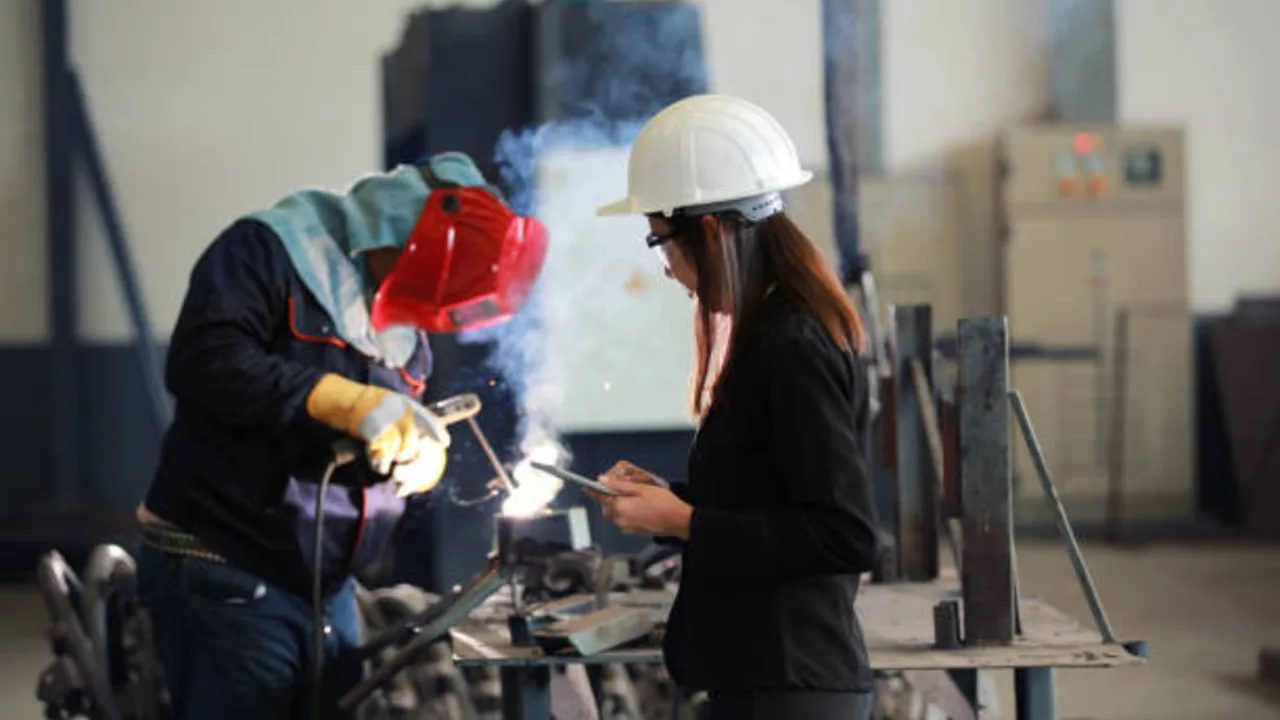
Technology plays a transformative role in enhancing steel manufacturer internal audit systems. Advanced digital solutions enable real-time monitoring, data integration, and predictive analysis, allowing manufacturers to move from reactive to proactive quality management.
Automated systems can detect anomalies and deviations as they occur, enabling immediate corrective action. This reduces the likelihood of defects and minimizes production disruptions.
Data analytics further enhances decision-making by providing insights into trends, performance metrics, and potential risks. By analyzing historical and real-time data, manufacturers can identify patterns and optimize processes.
- Real-time monitoring of production and quality metrics
- Automation of data collection and reporting
- Predictive analysis for risk identification and prevention
As technology continues to evolve, steel manufacturers are increasingly adopting smart systems and digital platforms to improve audit efficiency and strengthen process compliance. These advancements not only enhance audit effectiveness but also contribute to overall operational excellence.
Benefits of Effective Internal Audit Systems
Implementing a strong steel manufacturer internal audit system delivers measurable advantages across production quality, operational efficiency, and overall project outcomes. Rather than functioning as a simple compliance tool, an effective audit system becomes a strategic mechanism that drives continuous improvement and long-term competitiveness.
By systematically identifying inefficiencies, enforcing process compliance, and ensuring consistency across all production stages, internal audits help manufacturers maintain control over complex steel fabrication operations. The benefits extend beyond the factory floor, influencing client satisfaction, project reliability, and business reputation.
| Benefit | Description | Impact on Operations |
|---|---|---|
| Improved Product Quality | Internal audits verify that all processes meet defined standards, ensuring consistent fabrication accuracy and structural integrity. | Reduces defects, enhances reliability, and ensures compliance with project specifications. |
| Reduced Rework and Waste | Early detection of non-conformities allows issues to be corrected before they escalate into major problems. | Lowers material waste, minimizes rework cycles, and reduces production costs. |
| Enhanced Project Performance | Consistent monitoring and process control improve workflow efficiency and reduce delays. | Ensures timely delivery, better coordination, and smoother project execution. |
| Stronger Process Compliance | Audits ensure adherence to standard operating procedures and regulatory requirements. | Improves consistency across production stages and supports certification requirements. |
| Better Risk Management | Systematic audits help identify potential risks before they impact production or delivery. | Reduces unexpected disruptions and improves decision-making. |
| Data-Driven Improvements | Audit findings provide valuable insights into performance trends and inefficiencies. | Supports continuous improvement and long-term operational optimization. |
| Higher Customer Satisfaction | Reliable quality and consistent delivery build trust with clients and stakeholders. | Enhances reputation and increases repeat business opportunities. |
These combined benefits demonstrate that a well-implemented steel manufacturer internal audit system is not just a compliance requirement, but a critical driver of operational excellence and sustainable business growth.
Real Project Example: Internal Audit Application in Shouning County Industrial Project
A practical example of how a steel manufacturer internal audit system supports real project delivery can be seen in the Shouning County Edible Fungi Whole Industry Chain Development Project (Phase I). This project required strict coordination between fabrication, quality control, and installation to ensure that all steel components met both structural and operational requirements.
During the fabrication stage, internal audit systems were applied to monitor process compliance across multiple production steps. This included verification of material certificates, welding procedure adherence, and dimensional accuracy checks. By maintaining structured audit checkpoints, the manufacturer ensured that each component met the required specifications before progressing to the next stage.
The project also demonstrated the importance of documentation control within a steel manufacturer internal audit framework. Inspection records, welding logs, and coating reports were systematically reviewed to guarantee traceability and readiness for delivery. This level of control reduced the risk of errors and ensured smooth coordination with on-site installation teams.
In addition, pre-shipment internal audits played a key role in ensuring that all fabricated elements were fully compliant before dispatch. By identifying potential issues early, the manufacturer avoided delays during installation and minimized the need for on-site corrections.
- Strict process compliance ensured consistent fabrication quality
- Comprehensive documentation supported full traceability
- Pre-shipment audits reduced installation risks
- Coordinated workflow improved overall project efficiency
This project highlights how an effective steel manufacturer internal audit system directly contributes to successful project execution. By integrating audit processes into every stage of production, manufacturers can deliver reliable steel structures while maintaining high standards of quality and compliance.
Choosing a Reliable Steel Structure Manufacturer
Selecting a steel structure manufacturer with a robust internal audit system is crucial. A reliable manufacturer ensures compliance, quality, and efficient production processes. Working with the right partner can significantly impact project outcomes and overall success.
Conclusion
Steel manufacturer internal audit systems are essential for maintaining quality and compliance in steel structure production. By implementing structured audit processes, manufacturers can improve efficiency, reduce risks, and deliver successful projects.