Modern manufacturing depends on stability, synchronization, and operational resilience. In high-volume production environments, even minor supply interruptions can disrupt schedules, delay shipments, and increase costs. This is where a manufacturing buffer warehouse becomes strategically essential. Designed to absorb fluctuations between supply and production demand, a buffer warehouse acts as a stabilizing system that protects factory operations from variability.
Unlike conventional storage facilities, a manufacturing buffer warehouse is engineered specifically to support continuous production cycles. It ensures materials, semi-finished goods, or components are available exactly when needed, maintaining a smooth production flow. As manufacturing facilities expand and automation increases, steel warehouse structures have emerged as the most efficient and scalable solution for buffer storage.
This article explores how steel warehouses enhance buffer storage efficiency, improve production flow stability, and deliver long-term cost advantages for industrial manufacturers.
What Is a Manufacturing Buffer Warehouse?

Definition and Core Purpose
A manufacturing buffer warehouse is a strategically positioned storage facility that temporarily holds raw materials, work-in-progress items, or finished components between different production stages. Its primary function is to prevent disruptions caused by supply delays, uneven production rates, or demand fluctuations.
Unlike a finished goods warehouse, which focuses on outbound logistics and customer distribution, a buffer warehouse operates internally within the manufacturing ecosystem. It acts as a shock absorber between supply chain inputs and production outputs, ensuring operational continuity.
How It Supports Production Flow
A properly designed manufacturing buffer warehouse directly enhances production flow by:
- Reducing downtime caused by supplier delays
- Balancing overproduction and underproduction cycles
- Preventing assembly line bottlenecks
- Allowing flexible scheduling of manufacturing stages
By stabilizing material availability, buffer storage enables factories to operate at optimal efficiency without constant interruptions.
Why Steel Structures Are Ideal for Buffer Storage Facilities
Clear-Span Flexibility
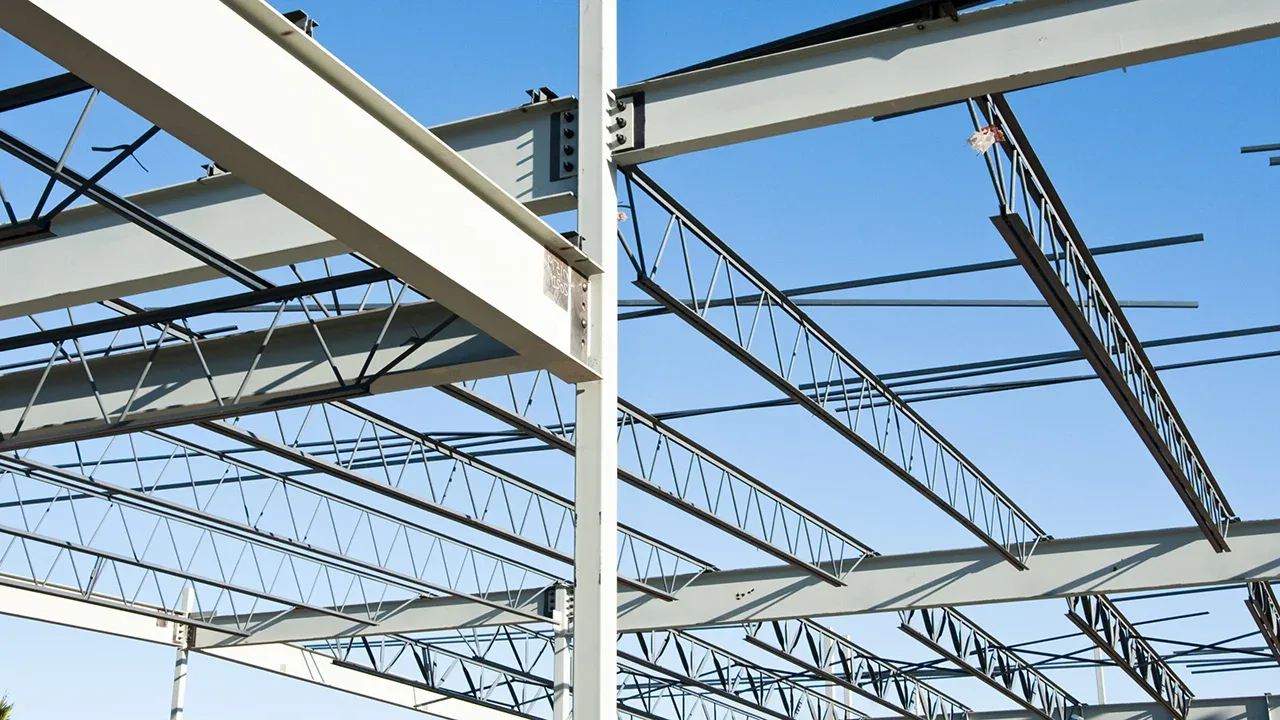
Steel structures are particularly well-suited for a manufacturing buffer warehouse because they allow large clear-span interiors without internal columns. This provides unrestricted space for racking systems, forklift circulation, automated guided vehicles (AGVs), and conveyor integration.
Clear-span design supports layout reconfiguration as production requirements evolve. Manufacturers can adapt storage density, workflow patterns, and automation systems without major structural modifications.
Fast Construction Timeline
Time is critical in manufacturing expansion. Prefabricated steel components significantly reduce project timelines compared to concrete buildings. A steel manufacturing buffer warehouse can be fabricated off-site and assembled quickly, minimizing disruption to ongoing factory operations.
This speed advantage enables companies to respond rapidly to capacity increases, new production lines, or supply chain restructuring.
Cost Efficiency and Scalability
Steel warehouse systems offer lower lifecycle costs due to durability, minimal maintenance, and energy-efficient insulation options. Additionally, modular steel framing allows future expansion without demolishing existing structures.
When growth occurs, manufacturers can extend the building length or width while maintaining uninterrupted production flow. This scalability makes steel the preferred structural system for buffer storage facilities.
Design Considerations for a Manufacturing Buffer Warehouse
Location Strategy Within an Industrial Site
The location of a manufacturing buffer warehouse within a factory complex directly influences operational efficiency. Ideally, it should be positioned between raw material intake and primary assembly lines, or between production and packaging zones.
Strategic placement reduces material handling distance and improves workflow synchronization.
Internal Layout Optimization
Internal layout must align with inventory strategy and production flow. Key design principles include:
- FIFO (First-In, First-Out) systems for perishable or time-sensitive components
- LIFO (Last-In, First-Out) configurations for stable materials
- Optimized dock positioning for inbound and outbound movement
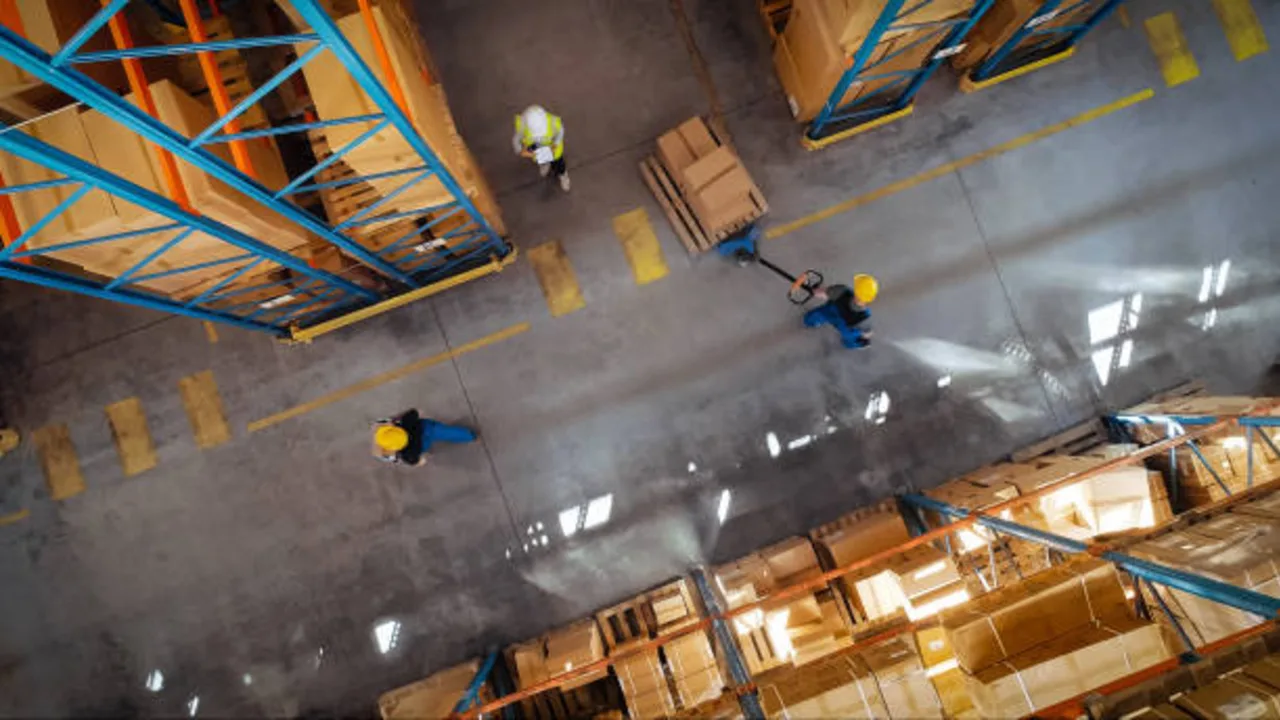
- Wide aisle spacing for forklift and automation traffic
Proper layout design reduces congestion and improves picking accuracy.
Structural Load Requirements
A manufacturing buffer warehouse must accommodate heavy pallet racks, mezzanine systems, and sometimes automated storage systems. Floor slab thickness and load-bearing capacity are critical engineering considerations.
- Reinforced concrete flooring for high rack loads
- High roof clearance for vertical storage optimization
- Steel mezzanines for multi-level buffer storage
These structural decisions directly affect storage capacity and operational safety.
Manufacturing Buffer Warehouse and Production Flow Optimization
Reducing Production Disruptions
A well-planned manufacturing buffer warehouse prevents sudden material shortages from halting assembly lines. When supplier shipments are delayed, the buffer absorbs the impact.
Similarly, when production temporarily exceeds downstream processing capacity, the buffer warehouse stores intermediate goods until operations rebalance.
Supporting Lean Manufacturing Systems
While lean manufacturing promotes minimal inventory, strategic buffering remains essential. A manufacturing buffer warehouse complements Just-In-Time (JIT) systems by providing controlled inventory without excessive stockpiling.
By carefully managing buffer size, manufacturers maintain smooth production flow while avoiding overstock costs.
Digital Integration and Automation
Modern buffer facilities often integrate Warehouse Management Systems (WMS), barcode scanning, IoT tracking, and automated racking systems. These technologies enhance real-time visibility and optimize material movement.
Automation ensures faster retrieval times and improves operational accuracy, strengthening overall production flow efficiency.
Types of Steel Buffer Warehouses
Small-Scale Factory Buffer Units
Designed for mid-sized factories, these facilities typically range from 1,000–3,000 m² and support localized production buffering.
Large Industrial Buffer Warehouses
Large facilities exceeding 5,000 m² serve multi-line production plants and integrate advanced racking and automation systems.
High-Bay Automated Buffer Storage
High-bay steel warehouses maximize vertical storage with automated cranes and robotic retrieval systems, ideal for high-density operations.
Cost Breakdown of a Manufacturing Buffer Warehouse
Cost Components Table
| Component | Cost Impact | Description |
|---|---|---|
| Steel Structure Frame | High | Dependent on span, height, and load requirements |
| Roofing & Wall Panels | Medium | Insulation and weather protection systems |
| Foundation System | Medium | Soil conditions and floor load capacity |
| Dock & Loading Systems | Medium | Number of loading bays and logistics equipment |
| Automation & WMS | Medium–High | Software and automated handling systems |
Estimated Cost Range by Size
| Warehouse Size | Typical Span | Estimated Cost Level |
|---|---|---|
| 1,000–3,000 m² | 20–30 m | Medium |
| 5,000–10,000 m² | 30–50 m | Medium–High |
| 10,000+ m² | 50 m+ | High |
Manufacturing Buffer Warehouse vs Traditional Storage Buildings
Compared to concrete buildings, a steel manufacturing buffer warehouse offers faster construction, lower structural weight, and easier expansion. Concrete structures require longer curing times and are less adaptable to layout changes.
Steel construction also allows future integration of automation systems and mezzanines without major structural redesign. Over time, steel facilities provide stronger ROI due to durability and adaptability.
Case Example: Steel Structure Warehouse Construction for Buffer Storage

A mid-sized electronics manufacturer implemented a 40-meter clear-span manufacturing buffer warehouse integrated directly with its assembly plant. The facility improved material handling efficiency and reduced production downtime by 18%.
The project utilized professional steel structure warehouse construction methods to ensure rapid installation and long-term structural reliability. By aligning warehouse layout with assembly operations, the company strengthened overall production flow consistency.
Step-by-Step Development Process
| Phase | Description | Timeline |
|---|---|---|
| Planning | Capacity analysis and production flow study | 2–3 weeks |
| Engineering | Structural and layout design | 3–6 weeks |
| Fabrication | Steel processing and quality inspection | 4–8 weeks |
| Installation | On-site steel erection and cladding | 3–6 weeks |
| Commissioning | Racking, automation, and WMS integration | 2–4 weeks |
FAQ About Manufacturing Buffer Warehouses
1. What size manufacturing buffer warehouse is ideal for mid-size factories?
Typically 2,000–5,000 m² depending on production volume.
2. Can buffer storage be automated?
Yes. Automated racking, WMS systems, and robotics improve efficiency.
3. How does buffer storage improve production flow?
It absorbs supply and production fluctuations, preventing downtime.
4. What is the typical ROI timeline?
Most facilities achieve ROI within 3–5 years through operational efficiency gains.
5. Can steel buffer warehouses be expanded?
Yes. Modular steel systems allow phased expansion with minimal disruption.
Conclusion
A strategically designed manufacturing buffer warehouse is essential for stabilizing industrial operations and ensuring consistent production flow. Steel warehouse construction delivers speed, scalability, and long-term durability that traditional buildings cannot match.
As manufacturing environments become more automated and globally integrated, buffer storage facilities will continue to play a vital role in operational resilience. Investing in a high-quality steel buffer warehouse is not merely a storage decision—it is a strategic step toward sustainable industrial growth.