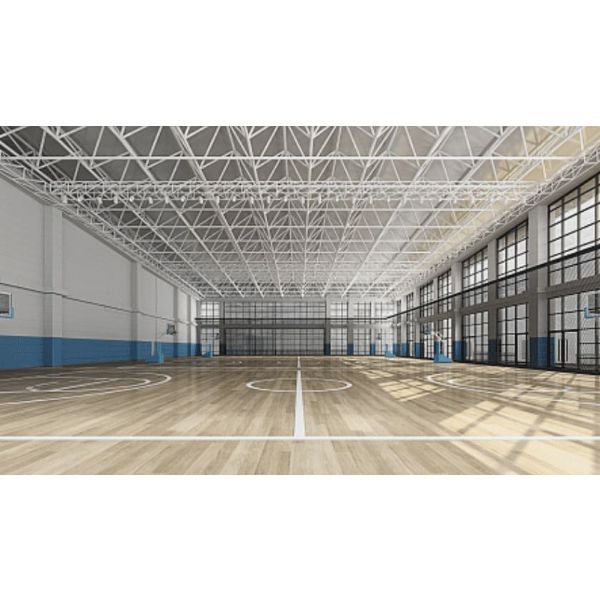
Building a warehouse is a major capital investment, and steel structure warehouses have become the preferred solution for industrial, logistics, and commercial storage projects worldwide. Their speed of construction, structural flexibility, and long service life make them highly cost-effective compared to traditional concrete buildings. However, understanding how costs are formed remains essential for developers, investors, and contractors.
Steel warehouse cost breakdown refers to the detailed analysis of all cost components involved in planning, fabricating, and constructing a steel structure warehouse. From raw materials and labor to accessories and site execution, multiple cost elements combine to determine the final project budget.
This article provides a clear breakdown of the main cost drivers involved in building a steel structure warehouse, helping stakeholders plan budgets more accurately and identify opportunities for cost optimization.
Understanding Steel Warehouse Cost Breakdown
A steel warehouse cost breakdown separates the total project cost into individual components, allowing better visibility and control over expenses. Unlike conventional buildings, steel warehouses rely heavily on prefabrication, which makes costs more transparent but also more sensitive to design decisions and market conditions.
The overall cost of a steel structure warehouse typically includes:
- Structural steel materials
- Fabrication and manufacturing
- Labor and on-site erection
- Accessories and auxiliary systems
- Transportation and logistics
By understanding how each element contributes to the total cost, project owners can make informed decisions early in the planning stage.
Materials Cost in Steel Structure Warehouses
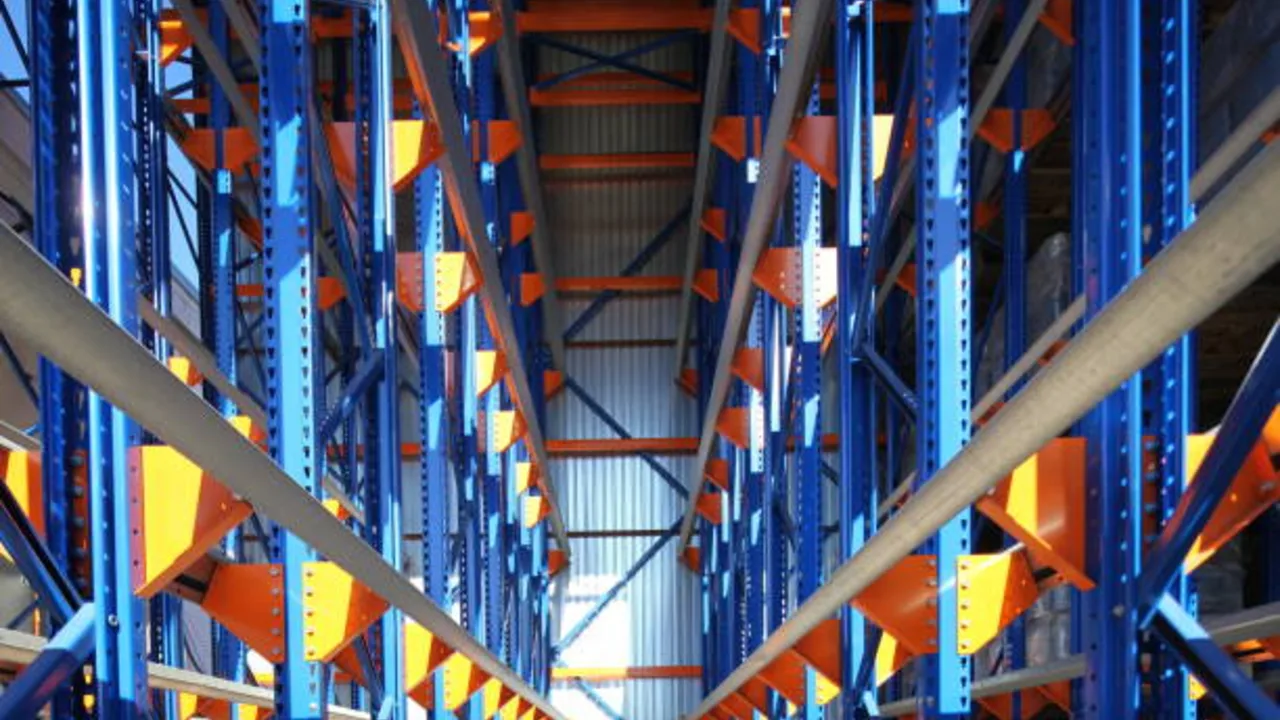
Materials represent the largest portion of a steel warehouse budget. The material cost mainly includes structural steel members such as columns, beams, bracing systems, and secondary framing.
Key material cost factors include:
- Steel grade and specification
- Total steel tonnage
- Roof and wall panel materials
- Surface treatment and corrosion protection
High-strength steel may reduce overall steel weight but often comes at a higher unit price. Similarly, warehouses located in coastal or corrosive environments may require galvanized or coated steel, increasing material costs.
Roof and Wall Systems
In addition to the main steel frame, roofing and cladding systems play a significant role in the materials budget. Options such as single-layer metal sheets, insulated sandwich panels, or composite wall systems vary widely in price and performance.
The choice of roof and wall materials directly affects not only initial construction cost but also long-term energy efficiency and maintenance expenses.
Labor and Construction Cost
Labor is another major component in the steel warehouse cost breakdown. While steel structures generally require less on-site labor than concrete buildings, labor costs can still vary significantly depending on location and project complexity.
Labor-related costs include:
- Steel erection crews
- Crane operators and riggers
- Installation of roof and wall panels
- Safety supervision and site management
Regions with higher labor rates or stricter safety regulations typically experience higher construction costs. Efficient prefabrication and accurate fabrication tolerances help reduce installation time and labor expenses.
Fabrication and Manufacturing Costs
Fabrication cost covers the processing of raw steel into ready-to-install components. This includes cutting, welding, drilling, assembly, and quality inspection carried out at the manufacturing facility.
Fabrication costs are influenced by:
- Structural complexity
- Connection design and detailing
- Precision and tolerance requirements
- Production efficiency of the factory
Choosing an experienced steel structure warehouse building partner with advanced fabrication capabilities can significantly improve cost efficiency while ensuring consistent quality.
Accessories and Auxiliary Systems
Accessories are often underestimated but can account for a meaningful portion of the total warehouse cost. These components enhance functionality, safety, and operational efficiency.
Common warehouse accessories include:
- Doors (sliding, rolling shutter, sectional doors)
- Windows and skylights
- Ventilation systems
- Gutters and downspouts
- Lighting and basic electrical provisions
While each accessory may seem minor individually, their combined cost can be substantial, especially in large-scale warehouse projects.
Transportation and Logistics Costs
Steel structure warehouses are typically prefabricated off-site and transported to the construction location. Transportation cost depends on:
- Distance between factory and site
- Size and weight of steel components
- Packing and loading requirements
- Local transportation regulations
Oversized steel members may require special permits or escort vehicles, increasing logistics expenses. Modular design and optimized component sizing help reduce transportation costs.
Foundation and Site Preparation Costs
Although not part of the steel structure itself, foundation and site preparation costs directly impact the overall warehouse budget. Soil conditions, site leveling requirements, and local foundation standards can vary widely.
Steel warehouses often benefit from lighter foundation requirements compared to concrete structures, which can result in meaningful cost savings in suitable ground conditions.
Design, Engineering, and Permitting Costs
Engineering and design decisions influence nearly every other cost component. Warehouse span, clear height, load requirements, and future expansion plans all affect steel tonnage and fabrication complexity.
Engineering-related costs include:
- Structural design and calculations
- Shop drawings and detailing
- Compliance with local building codes
- Permits and approvals
Optimized design balances safety, performance, and cost efficiency, helping control both material and construction expenses.
Project Scale and Scheduling Impact
Larger warehouse projects often benefit from economies of scale, reducing cost per square meter. However, tight construction schedules or phased delivery requirements may increase costs due to overtime labor or accelerated fabrication.
Early coordination between design, manufacturing, and construction teams is essential for maintaining cost control.
How to Optimize Steel Warehouse Construction Costs
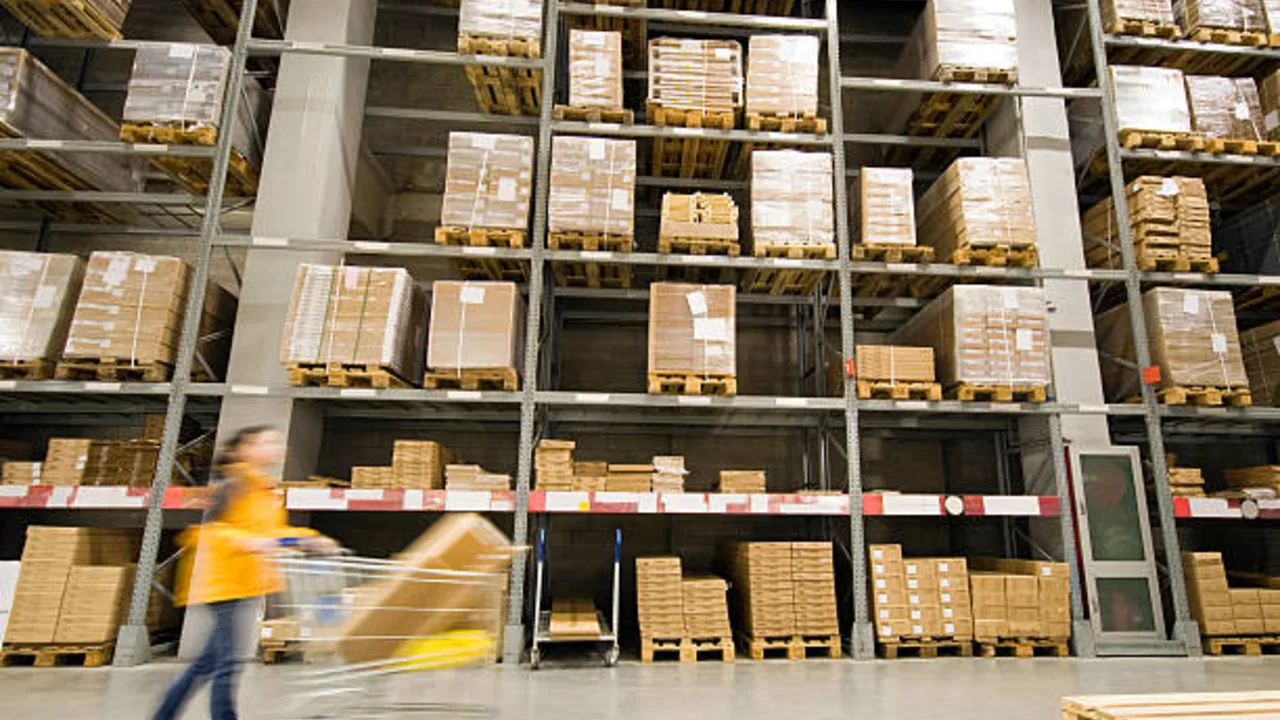
Managing a steel warehouse cost breakdown effectively requires a holistic approach that aligns all project stages.
Cost optimization strategies include:
- Early-stage cost planning and budgeting
- Standardizing structural components
- Selecting appropriate materials based on environment and usage
- Working with experienced steel structure suppliers
By addressing each cost component strategically, warehouse projects can achieve better budget predictability and long-term value.
Conclusion: Planning a Cost-Efficient Steel Warehouse
A steel structure warehouse offers an efficient, durable, and scalable solution for storage and logistics needs. However, its success depends on a clear understanding of the full cost breakdown—from materials and labor to accessories and logistics.
By analyzing each cost driver early and making informed design and procurement decisions, developers and contractors can deliver steel warehouse projects that meet operational requirements while staying within budget.