What Is Structural Steel Beam Fabrication?
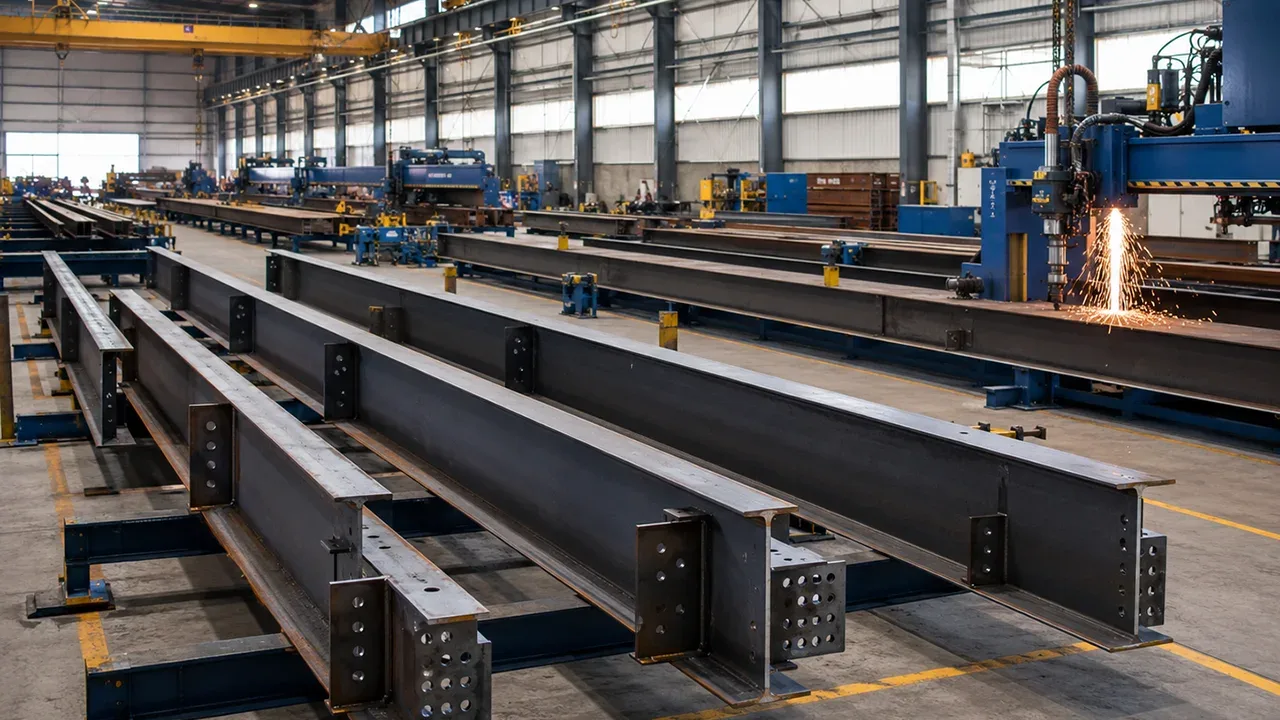
Structural steel beam fabrication refers to the process of manufacturing steel beams that are used to transfer loads throughout a structure. The process includes material selection, cutting, drilling, welding, assembly, inspection, surface treatment, and delivery.
Fabricated beams can be produced from standard steel profiles or created as custom-built sections designed to meet specific structural requirements. The fabrication process transforms raw steel materials into finished components ready for installation.
Because steel beams often serve as primary structural members, manufacturing accuracy and quality control are essential throughout every stage of production.
Types of Structural Steel Beams
I-Beams
I-beams are among the most commonly used structural members in steel construction. Their cross-sectional shape provides excellent strength while efficiently distributing loads.
These beams are frequently used in industrial buildings, warehouses, commercial facilities, and multi-story structures.
H-Beams
H-beams feature wider flanges and greater structural capacity compared to many standard beam profiles. They are often selected for projects that require high load-bearing performance and long-span structural support.
Heavy industrial buildings, infrastructure facilities, and large commercial developments commonly utilize H-beam systems.
Built-Up Steel Beams
Built-up beams are fabricated by welding multiple steel plates or sections together to create custom structural members. This approach allows engineers to design beams that match specific project requirements.
Built-up steel beams are particularly useful for large-span structures, heavy-duty facilities, and projects with unusual loading conditions.
Box Beams and Special Sections
Some projects require specialized beam configurations that cannot be achieved using standard sections. Box beams and custom-fabricated members are often used in bridges, transportation facilities, architectural structures, and industrial applications.
These solutions provide greater design flexibility while maintaining structural performance.
Applications of Structural Steel Beam Fabrication
Industrial Buildings
Industrial facilities depend heavily on fabricated steel beams to support roofs, floors, equipment platforms, and production operations. Steel beams provide the strength required to accommodate machinery, overhead cranes, and operational loads.
Their durability and adaptability make them ideal for manufacturing plants, processing facilities, and industrial workshops.
Warehouse Construction
Warehouse buildings often require large open spaces with minimal interior columns. Fabricated steel beams help achieve these design objectives by supporting long spans while maintaining structural efficiency.
Distribution centers, logistics hubs, and storage facilities frequently utilize steel beam systems to maximize operational flexibility.
Commercial and Infrastructure Projects
Office buildings, stadiums, transportation terminals, bridges, and public facilities all rely on structural steel beams for load transfer and structural stability.
The combination of strength, speed of installation, and design versatility makes fabricated beams a preferred solution across many sectors.
Engineering and Design Considerations
Load Requirements
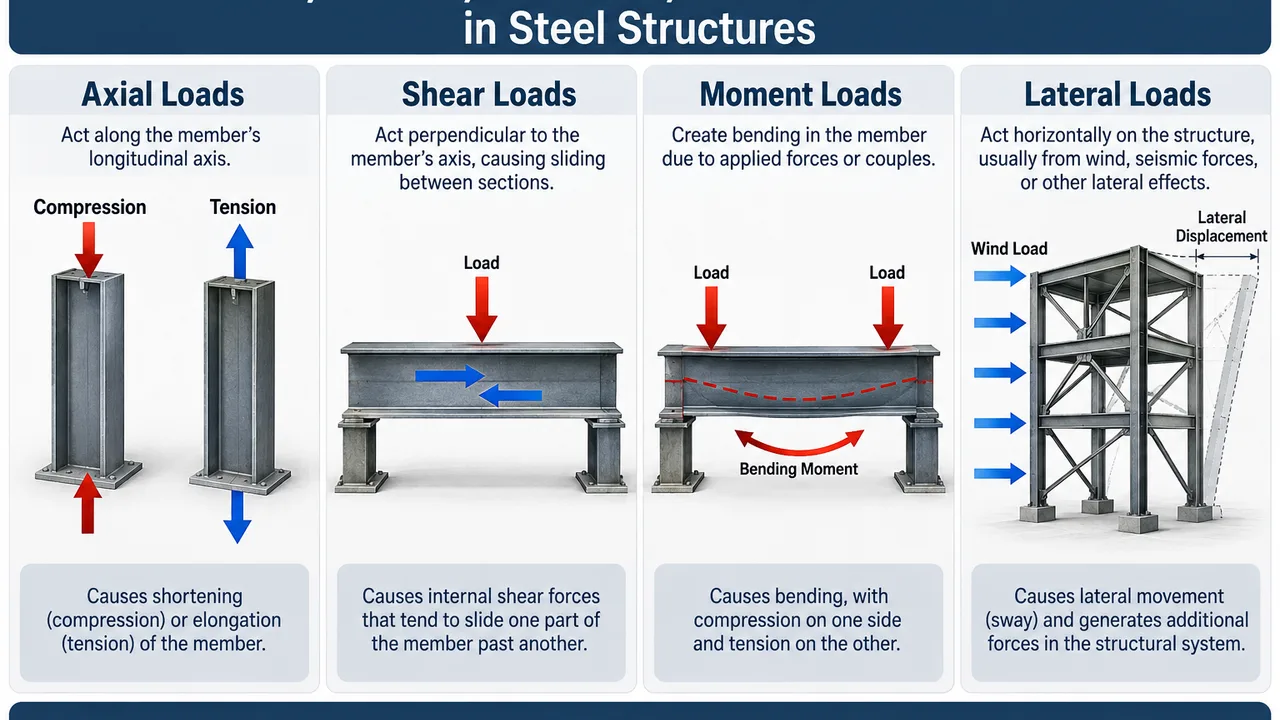
One of the most important factors in beam design is understanding the loads that the structure must support. Engineers typically evaluate:
- Dead loads from permanent structural elements
- Live loads from occupants and equipment
- Dynamic loads from machinery and operations
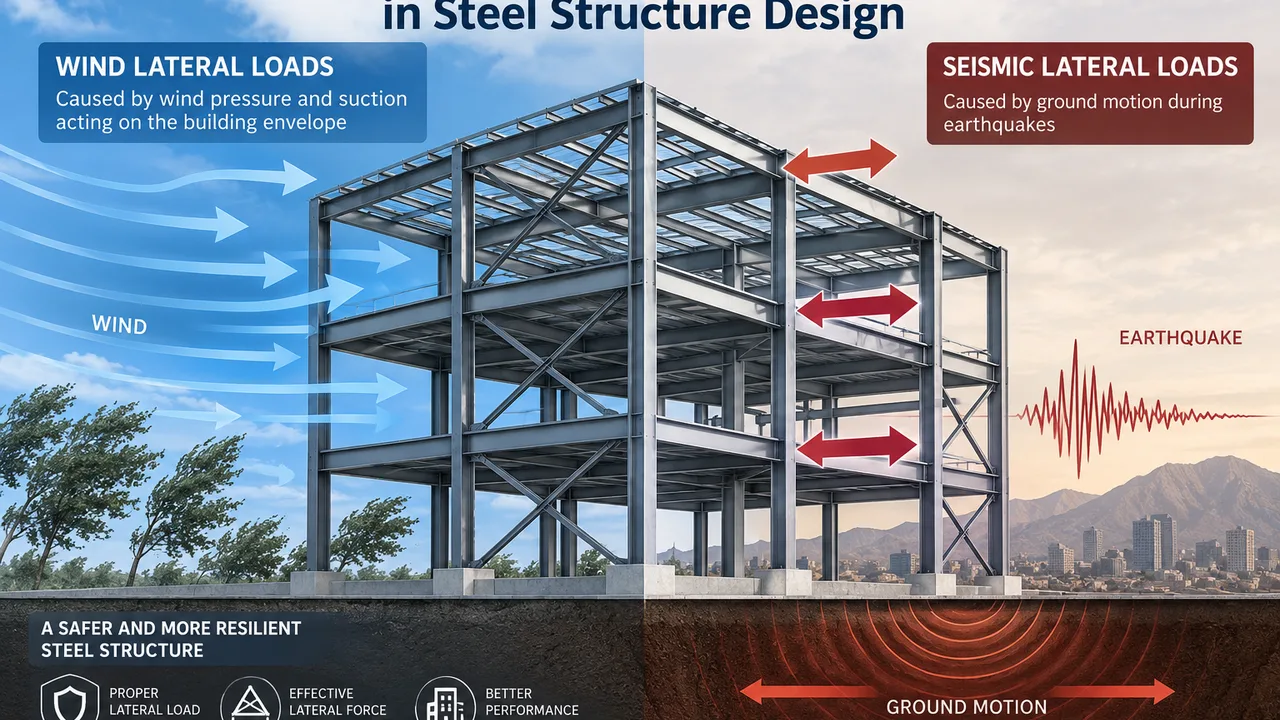
- Environmental loads such as wind and seismic forces
Accurate load calculations help ensure safe and efficient beam design.
Span and Structural Performance
Beam span directly affects member sizing, deflection performance, and overall structural efficiency. Longer spans often require larger beam sections or custom-built solutions.
Proper engineering analysis helps balance structural performance with material efficiency and project cost.
Connection Design
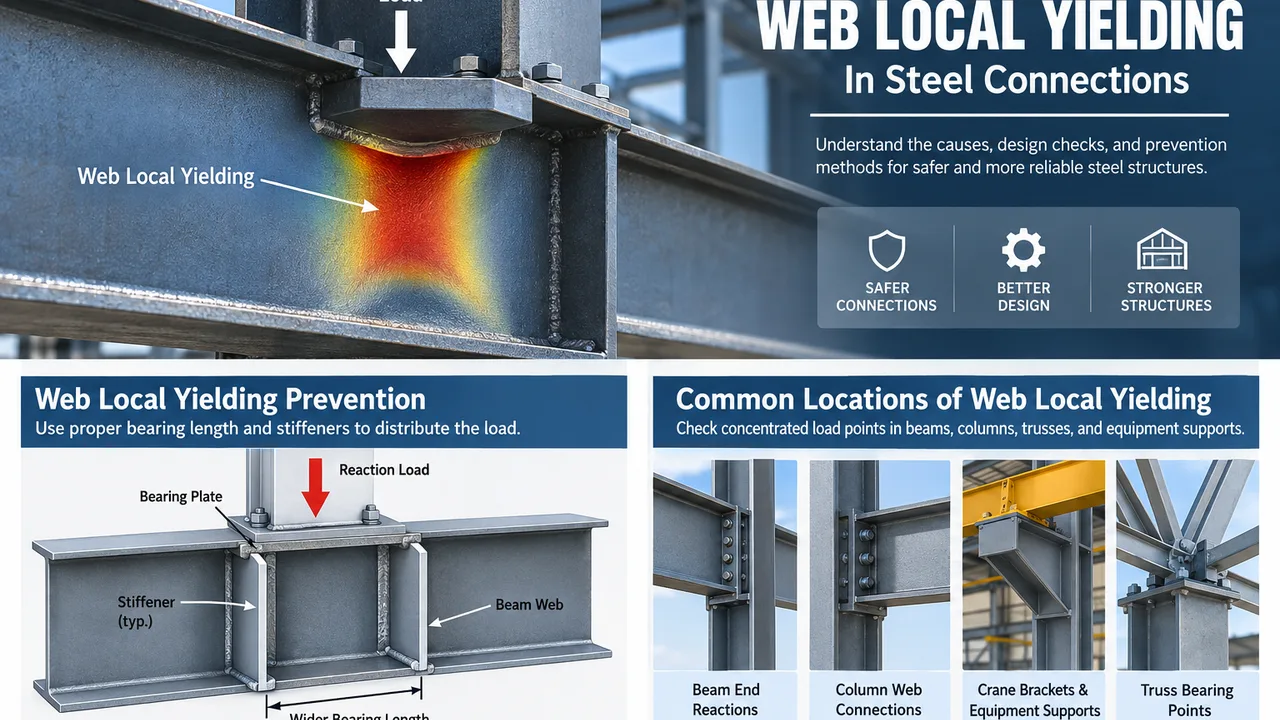
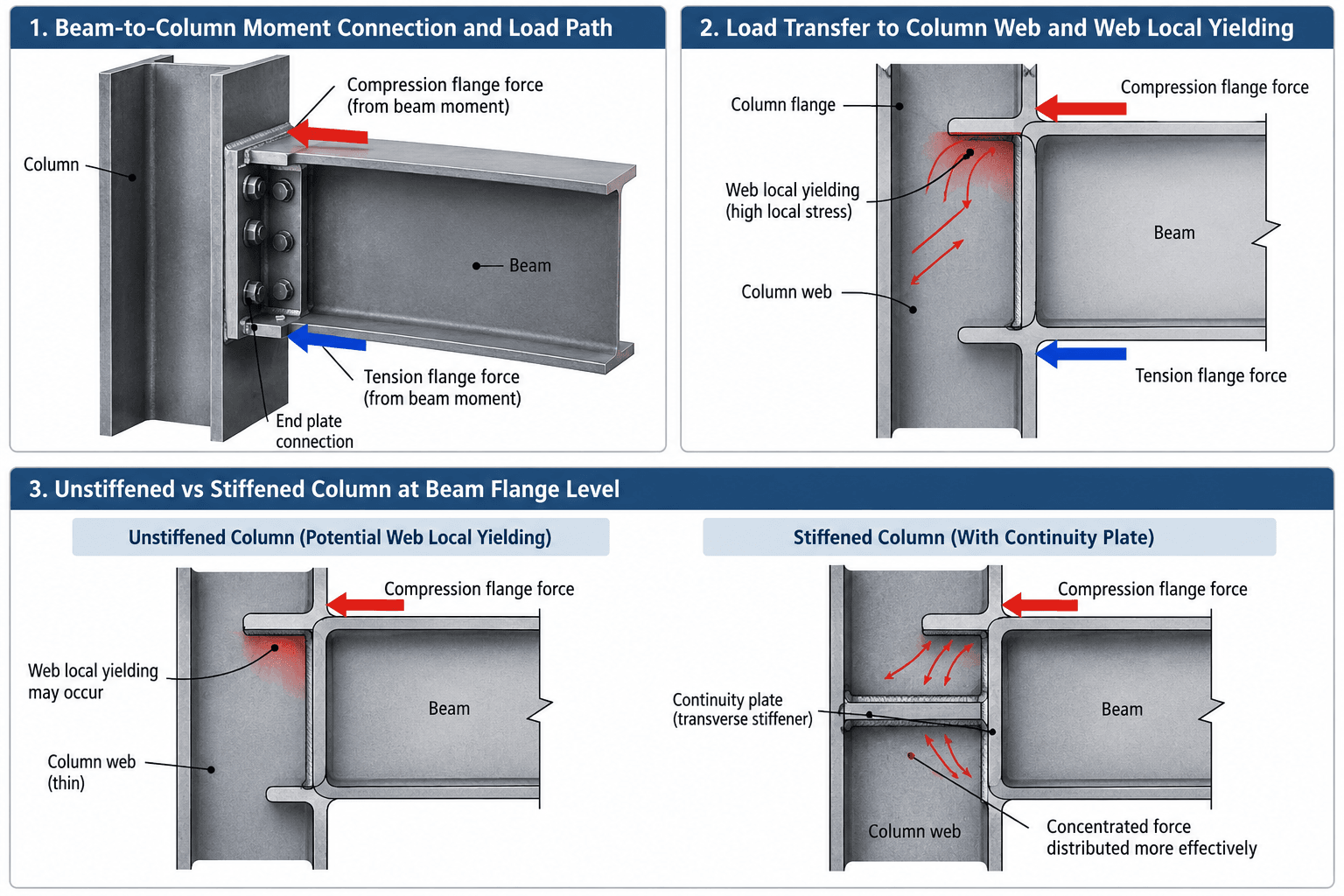
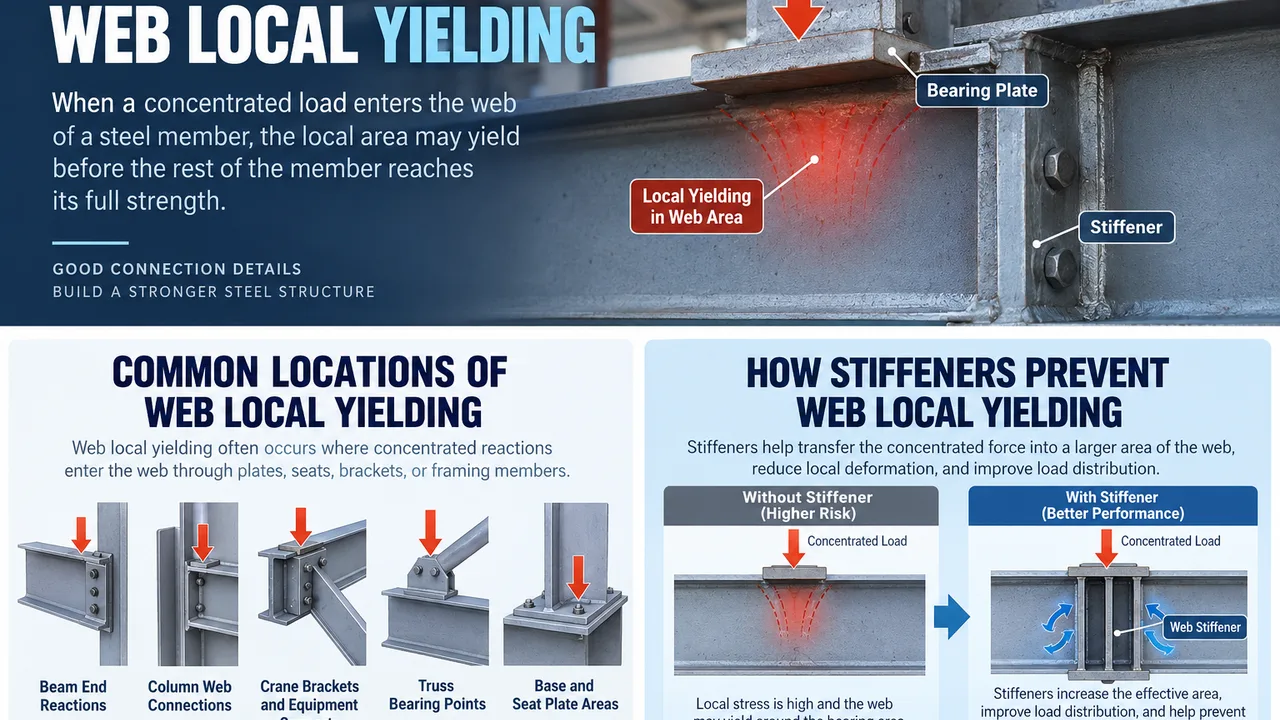
Connections are critical components of any structural steel system. Beam connections may utilize bolted or welded configurations depending on project requirements.
Connection design must consider fabrication tolerances, erection procedures, structural performance, and long-term reliability.
Structural Steel Beam Fabrication Process
Material Selection
The fabrication process begins with selecting steel materials that meet project specifications. Factors commonly considered include steel grade, strength requirements, availability, and applicable standards.
Material certification and traceability help ensure compliance with engineering and quality requirements.
Cutting and Processing
Raw materials are processed using advanced cutting and machining equipment. Common operations include:
- CNC cutting
- Plasma cutting
- Drilling
- Edge preparation
- Machining operations
These processes establish the dimensional accuracy required for assembly and installation.
Assembly and Welding
After processing, beam components are assembled and welded according to approved fabrication drawings. Welding procedures must follow established quality standards to ensure structural integrity.
Careful assembly and welding help maintain alignment, strength, and dimensional accuracy.
Surface Treatment
Surface protection plays an important role in long-term durability. Depending on project requirements, fabricated beams may receive:
- Hot-dip galvanizing
- Industrial coating systems
- Protective paint applications
- Specialized corrosion protection treatments
These treatments help extend service life and reduce maintenance requirements.
Quality Control in Structural Steel Beam Fabrication
Material Inspection
Quality control begins with incoming material inspection. Manufacturers verify steel grades, dimensions, certifications, and material condition before production starts.
Material traceability systems help maintain quality records throughout the fabrication process.
Welding Inspection
Weld quality is one of the most important aspects of structural steel beam fabrication. Inspection activities may include:
- Visual weld inspection
- Ultrasonic testing
- Magnetic particle testing
- Other non-destructive testing methods
These inspections help verify structural integrity and compliance with project specifications.
Dimensional Verification
Fabricated beams must meet strict dimensional requirements before shipment. Inspection teams verify beam length, straightness, connection locations, and assembly tolerances.
Accurate dimensional control helps reduce installation issues and improves construction efficiency.
Advantages of Fabricated Structural Steel Beams
High Strength-to-Weight Ratio
Steel beams provide exceptional strength while minimizing structural weight. This allows engineers to create efficient structural systems capable of supporting significant loads.
Reduced building weight may also help lower foundation requirements and overall construction costs.
Flexible Customization
Fabricated beams can be customized to meet project-specific dimensions, load requirements, and connection details.
This flexibility makes steel beam systems suitable for both standard and highly specialized applications.
Faster Construction
Because fabricated beams are manufactured off-site, installation can proceed quickly once components arrive at the construction site.
Prefabrication reduces field labor requirements and improves project scheduling efficiency.
Long-Term Durability
With appropriate surface protection and maintenance strategies, fabricated steel beams can provide decades of reliable service.
Protective coatings and galvanizing systems help improve resistance to corrosion and environmental exposure.
Choosing the Right Structural Steel Beam Fabrication Partner
Manufacturing Capability
Successful projects depend on selecting a fabrication partner with sufficient manufacturing capacity, modern equipment, and technical expertise.
Advanced fabrication facilities help ensure consistent quality and efficient production.
Engineering Support
Engineering support is essential when developing fabrication drawings, reviewing connection details, and coordinating project requirements.
Experienced engineering teams can help identify practical solutions that improve manufacturability and installation efficiency.
Project Experience
Previous experience in industrial, commercial, logistics, and infrastructure projects often indicates a supplier’s ability to handle complex fabrication requirements.
Experienced fabricators understand how to manage production schedules, quality requirements, and project coordination effectively.
Why Work with XTD Steel Structure
XTD Steel Structure provides comprehensive structural steel beam fabrication services for industrial, commercial, warehouse, and infrastructure projects. With advanced manufacturing facilities, experienced engineers, and strict quality management procedures, the company supports projects from design review through final delivery.
Integrated fabrication capabilities, engineering support, and international project experience allow XTD Steel Structure to provide customized beam solutions that meet demanding project requirements.
Frequently Asked Questions
What is structural steel beam fabrication?
Structural steel beam fabrication is the process of manufacturing steel beams through cutting, drilling, welding, assembly, inspection, and finishing operations for use in construction projects.
What beam types can be fabricated?
Common fabricated beam types include I-beams, H-beams, built-up beams, box beams, and customized structural sections.
How are fabricated steel beams inspected?
Inspection typically includes material verification, dimensional checks, weld inspections, and non-destructive testing procedures where required.
Can fabricated beams be customized?
Yes. Fabricated beams can be designed and manufactured according to specific project dimensions, loading requirements, and connection details.
What industries use fabricated structural steel beams?
Industries including manufacturing, logistics, warehousing, commercial construction, transportation, energy, and infrastructure rely on fabricated steel beam systems.
Start Your Structural Steel Beam Project
Professional structural steel beam fabrication helps ensure that structural components meet engineering requirements, manufacturing standards, and construction schedules. Through precise fabrication, strict quality control, and coordinated project management, fabricated steel beams provide the performance and reliability required for modern construction.
Partnering with an experienced fabrication company helps ensure smooth project execution, dependable quality, and successful structural performance from production through installation.