Warren truss design is one of the most recognizable systems in steel structure and bridge engineering. Its repeated triangular pattern creates a clear structural rhythm, but the shape is not only visual. The triangle is the main reason this type of truss can distribute loads efficiently across a span.
In a Warren truss, the web members form a series of connected triangles between the top chord and bottom chord. These triangles help transfer forces from one panel to the next, allowing the structure to carry loads without relying on a single heavy beam. This makes the system useful for bridges, industrial roofs, conveyor galleries, pipe bridges, pedestrian walkways, and other steel support structures.
The main advantage of the triangular arrangement is stability. A rectangular frame can distort into a parallelogram when force is applied unless it is braced. A triangle is much more resistant to shape change. In a truss, this geometric stability helps the members work mainly through axial force: tension or compression. That is why a well-designed Warren truss can support long spans while keeping the structure relatively efficient and easy to understand.
However, Warren trusses are not selected only because they look simple. A reliable design still depends on span length, load type, member sizing, connection detailing, lateral bracing, fabrication tolerance, and installation planning. The triangular pattern provides the structural logic, but engineering decisions determine whether the system performs well in the actual project.
What Is Warren Truss Design?
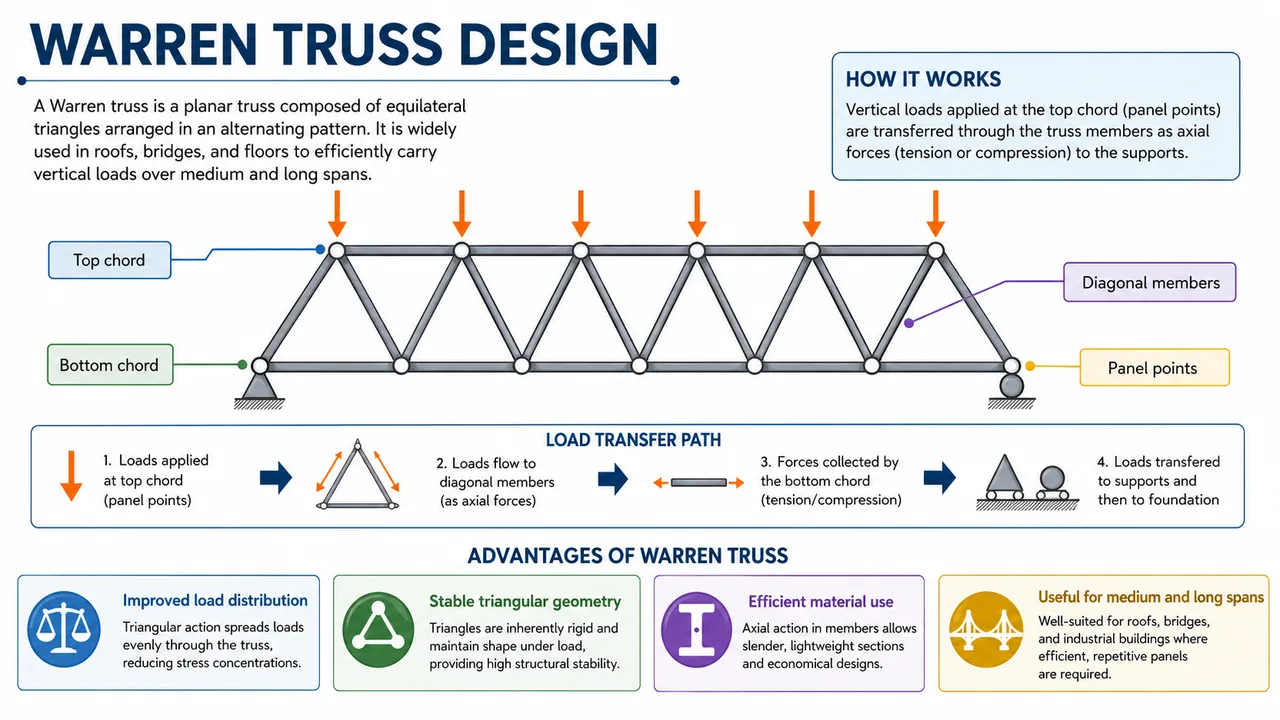
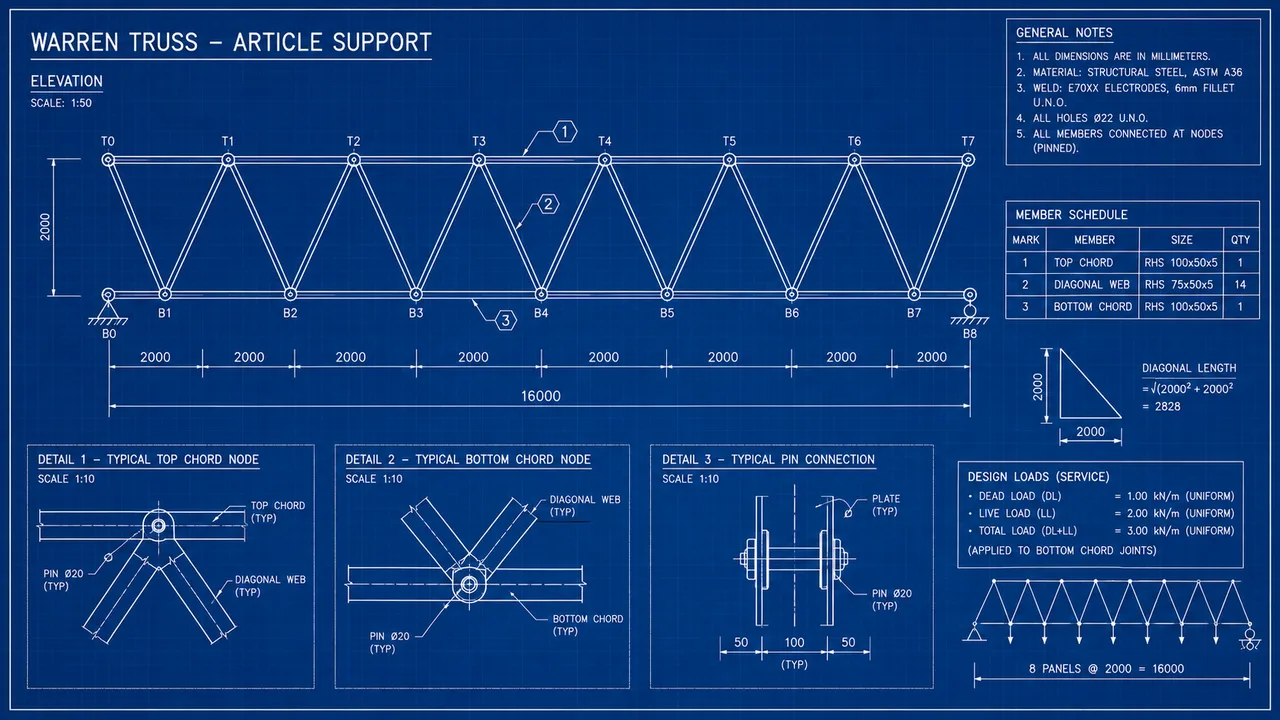
Warren truss design uses a repeated triangular web system between a top chord and a bottom chord. In its basic form, the diagonals alternate direction from one panel to the next, creating a continuous chain of triangles across the span. Many Warren trusses do not use vertical members, although modified versions may include verticals to support deck loads, roof loads, or special connection points.
The main components of a Warren truss include:
- Top chord: the upper horizontal or sloped member that helps define the top edge of the truss.
- Bottom chord: the lower member that ties the truss together across the span.
- Diagonal web members: the triangular members that transfer forces between the top and bottom chords.
- Panel points: the joints where members meet and where loads should ideally enter the truss.
- Gusset plates: steel plates used to connect multiple members at a joint.
- Lateral bracing: support systems that help keep the truss stable out of its main plane.
The exact shape of a Warren truss can change depending on the project. Some trusses use near-equilateral triangles. Others use longer or shallower panels to match span, clearance, roof slope, bridge deck depth, or fabrication limits. The pattern may also be modified to include verticals, secondary members, or additional bracing.
The important point is that the truss works as a system. The top chord, bottom chord, diagonals, connections, and bracing all contribute to performance. If one part is underdesigned or poorly coordinated, the whole system can lose efficiency.
Why Triangles Make Warren Truss Design Efficient
The triangular layout is the key reason a Warren truss can distribute load effectively. When a load is applied to a beam, the beam resists that load largely through bending. In a truss, the load is broken down and transferred through individual members, which mainly carry axial tension or compression.
A triangle is naturally stable because its shape cannot change easily unless one of its sides changes length. This is different from a four-sided frame, which can deform more easily without diagonal bracing. By repeating triangles across the span, the Warren truss creates a stiff framework that helps control deformation and distribute forces.
In practical terms, this means the structure can spread loads across multiple members instead of forcing one large member to carry everything. This can reduce unnecessary steel weight in certain applications, especially when the span becomes too long for a simple beam to remain efficient.
The triangular pattern also makes the load path easier to read. Loads move from the deck, roof, or supported structure into the panel points, then through the diagonal web members and chords toward the supports. A clear load path helps engineers design the members and connections more accurately.
Load Distribution Through Tension and Compression
In a Warren truss, diagonal members may alternate between tension and compression depending on the load position. Under uniform loads, forces are distributed through the repeated triangular panels. Under moving loads, such as vehicle loads on a bridge, the force direction in some members may change as the load moves across the span.
This behavior is one reason Warren trusses require careful structural analysis. The pattern may look repetitive, but the force in each member is not always the same. Some diagonals may carry tension in one load case and compression in another. Compression members must be checked carefully because they can fail by buckling before the steel reaches its material strength.
The chords also play important roles. The top chord often works in compression under typical gravity loads, while the bottom chord often works in tension. However, the exact force pattern depends on the structure type, support condition, load arrangement, and geometry.
A good design does not assume that every triangle behaves identically. It checks how forces move through the entire truss under different load combinations.
Reducing Material Without Losing Strength
A Warren truss can sometimes reduce steel use compared with a solid beam because the structure uses depth and triangulation to resist load. Instead of relying on a deep, heavy beam section, the truss separates the top and bottom chords and connects them with diagonal members. This creates a larger structural depth, which can improve load-carrying efficiency.
This does not mean a Warren truss is always lighter or cheaper. Material efficiency depends on span length, load demand, truss depth, steel grade, member section, connection design, fabrication method, transportation limits, and erection planning. A truss with too many complicated connections may not be economical even if the member weight is low.
For the right project, however, the repeated triangular pattern can support efficient material use. It can also make fabrication more organized because many members and panels follow a repeatable layout. This repeatability can help with cutting, drilling, welding, assembly, inspection, and labeling before the steel reaches the job site.
Main Components of a Warren Truss
A Warren truss may look simple from a distance, but each component has a specific structural role. Understanding these components helps project teams evaluate whether the truss layout is suitable for a bridge, roof, industrial support system, or public structure.
Top Chord
The top chord forms the upper boundary of the truss. Under many gravity load conditions, it is commonly subjected to compression. Because compression members can buckle, the top chord usually needs proper lateral support. This support may come from roof purlins, bridge deck framing, cross frames, diaphragms, or dedicated bracing systems.
The top chord also needs accurate connection detailing. Loads from roof systems, deck beams, or secondary framing should be introduced at planned panel points whenever possible. If loads are applied between panel points without proper design, local bending may increase and reduce the efficiency of the truss.
Bottom Chord
The bottom chord forms the lower boundary of the truss and often works in tension under typical gravity loads. It helps tie the truss together and contributes to the overall span behavior. In bridges and industrial structures, the bottom chord may also interact with bracing members, service platforms, pipe supports, or maintenance access systems.
Alignment is important for the bottom chord. If fabrication or installation tolerance is poor, the bottom chord may not connect cleanly with diagonal members and gusset plates. This can create fit-up problems in the field and may require correction work.
Diagonal Members
Diagonal members are the most visible feature of Warren truss design. They form the repeated triangular web that gives the truss its strength and identity. Depending on load position, a diagonal member may experience tension or compression. This alternating behavior is different from some other truss types where diagonals are often arranged to favor one force type under typical gravity loading.
Because diagonals carry important forces, their size, angle, slenderness, and connection details all matter. A diagonal that works in compression must be checked for buckling. A diagonal that works in tension must be checked for net section strength, connection capacity, and proper force transfer through the joint.
Connections and Gusset Plates
Connections are critical in any truss system because the members do not work alone. Forces must pass safely through panel points from one member to another. Gusset plates, bolts, welds, splice plates, and hole patterns must be designed to transfer these forces without creating weak points.
A Warren truss can lose much of its advantage if the connections are poorly designed or difficult to assemble. Thin gusset plates, weak welds, misaligned holes, crowded bolt layouts, and poor fabrication tolerances can all create problems. Strong member sections cannot compensate for weak joints.
For steel fabrication, accurate shop drawings and controlled production are especially important. CNC drilling, clear member marking, proper trial assembly, and consistent quality inspection can help reduce field problems and keep installation more predictable.
Where Warren Truss Design Is Used
Warren trusses are used in many steel structure projects because their geometry is practical, recognizable, and adaptable. The same basic design logic can be applied to bridges, industrial buildings, conveyor systems, pipe bridges, and exposed architectural structures.
Bridge Structures
Bridge structures are among the most common applications for Warren trusses. The triangular pattern can support repeated spans and distribute loads from the deck toward the supports. Pedestrian bridges, railway bridges, service bridges, road bridges, and access bridges may all use Warren-type truss systems depending on span and loading requirements.
For bridges, moving loads are an important design consideration. Vehicles, pedestrians, trains, or maintenance equipment can change the force pattern as they move across the span. This is why the truss must be analyzed for multiple load positions, not just one static condition.
Bridge trusses also require careful attention to deflection, fatigue, corrosion protection, drainage, inspection access, and long-term maintenance. A Warren truss may provide a clear structural system, but its long-term performance depends on details beyond the triangular geometry.
Industrial Roof Structures
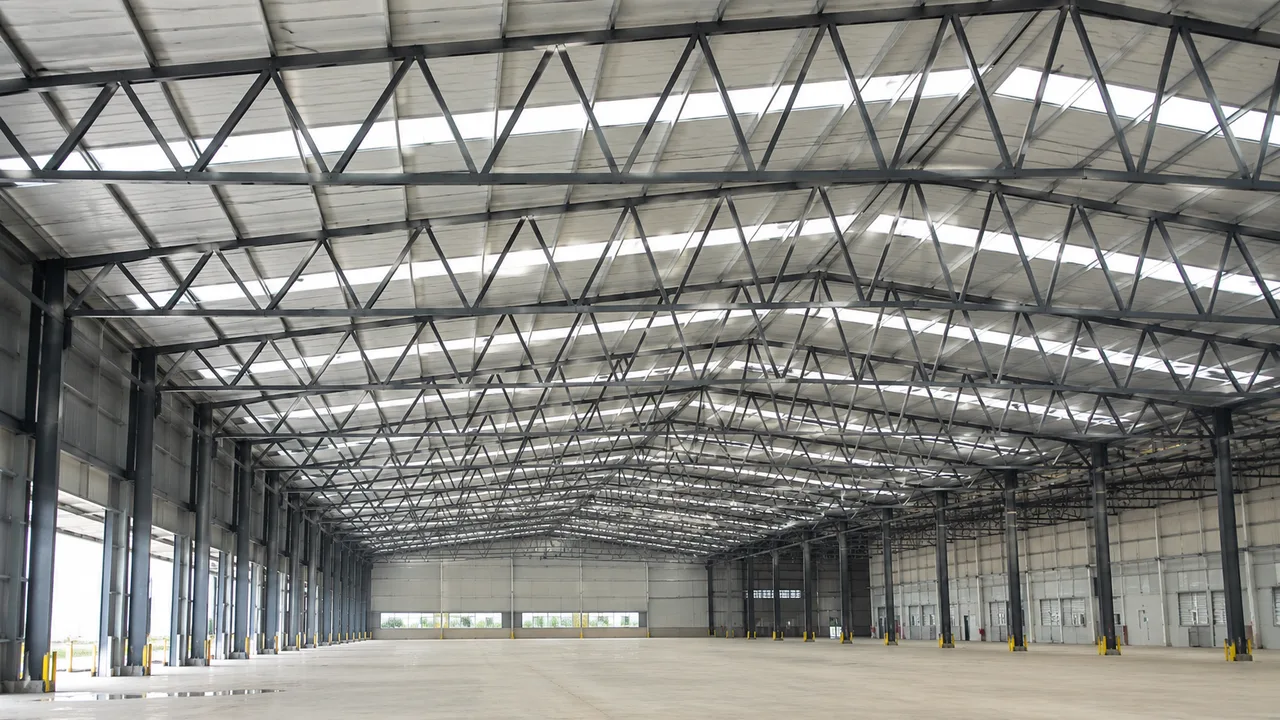
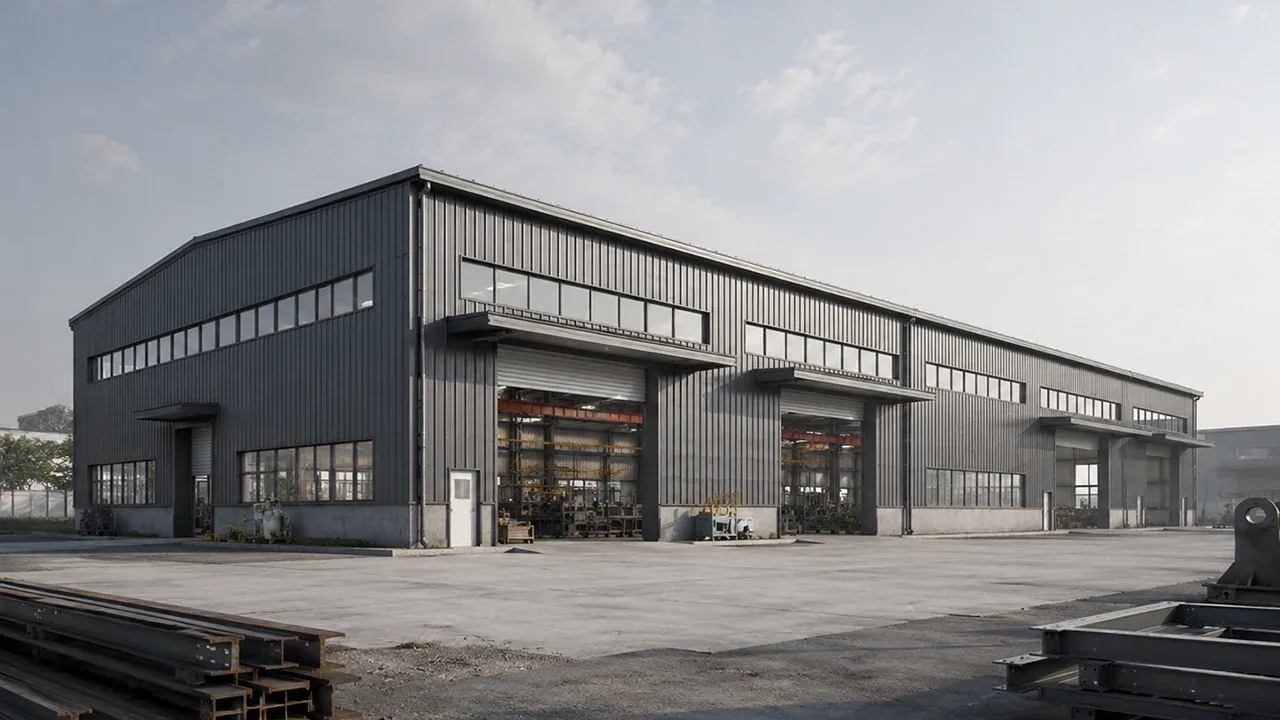
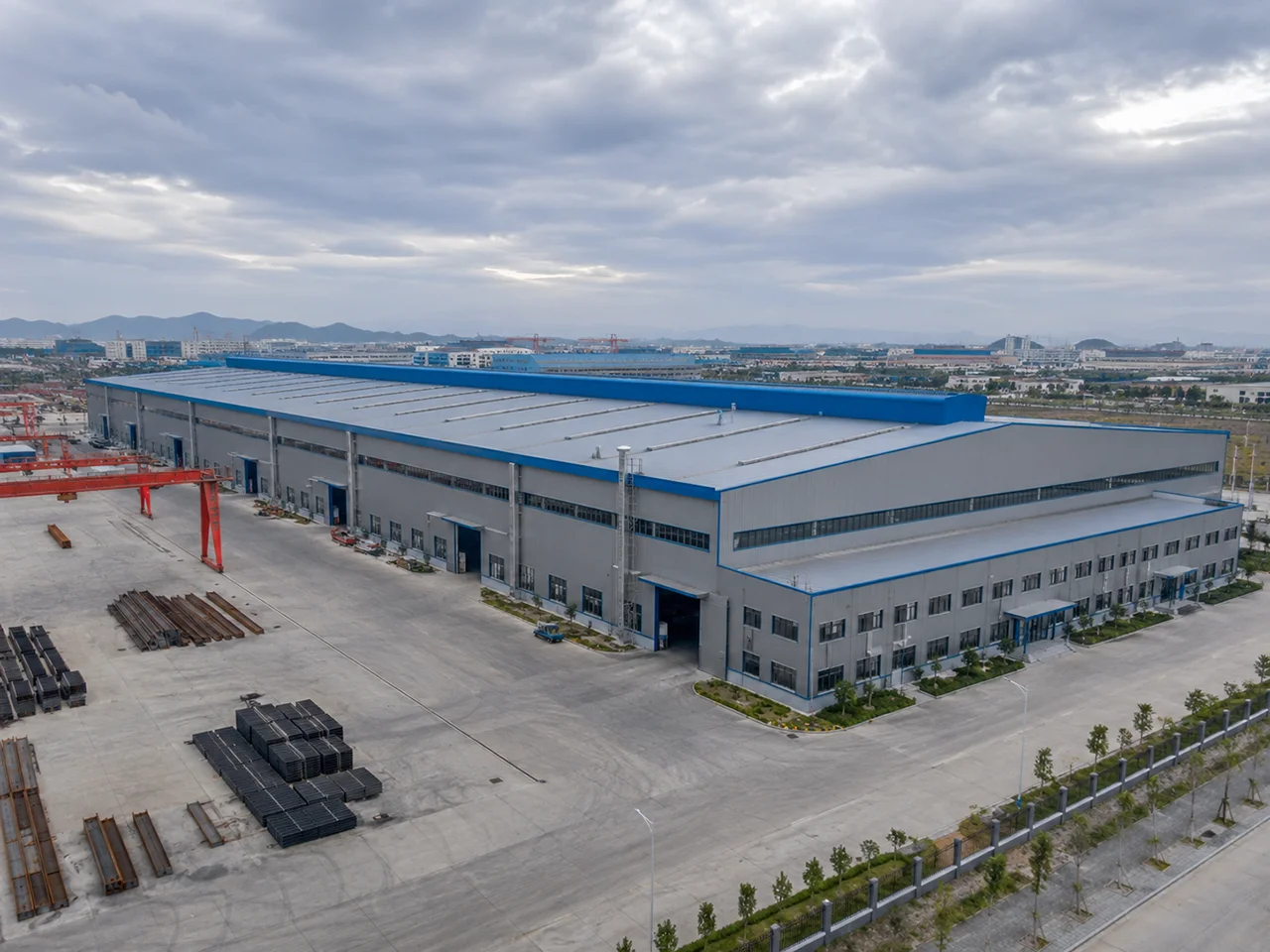
Warren truss systems can also be used in industrial roof structures where wide spans and open interior space are required. Warehouses, workshops, factories, logistics buildings, and production halls often need large clear areas for storage racks, machines, production lines, cranes, or vehicle movement.
In these projects, roof loads must be transferred from roof panels and purlins into the truss system. Wind uplift, rain load, snow load, suspended utilities, lighting systems, maintenance loads, and future equipment changes may all influence the design.
The truss must also be coordinated with roof bracing, wall framing, column layout, gutter systems, insulation, and erection sequence. Even if the truss itself is strong, the roof system will only perform well when all connected parts are planned together.
Conveyor Galleries and Pipe Bridges
Warren trusses are also common in industrial facilities where long support spans are needed between columns, towers, or equipment zones. Conveyor galleries, pipe bridges, service bridges, and process support structures often need to cross roads, production areas, storage zones, or uneven site conditions without placing too many supports in the middle.
In mining, manufacturing, ports, power plants, and material handling facilities, a truss system can help keep the structure lighter while still supporting service loads. The triangular web members distribute forces through the span, while the top chord, bottom chord, and bracing systems control the overall shape and stability.
These applications require more than basic vertical load checks. Conveyor galleries may experience vibration, moving material load, maintenance access load, wind load, dust accumulation, and sometimes corrosion exposure. Pipe bridges may need to consider thermal movement, pipe expansion, support eccentricity, and future utility changes. A strong Warren truss design must match the real service environment, not only the drawing geometry.
Architectural and Public Structures
Warren trusses can also be used in architectural and public structures where exposed steel becomes part of the visual design. Entrance canopies, public walkways, transport facilities, pedestrian bridges, exhibition halls, and open roof systems may use Warren-type triangular patterns because they look clean, repetitive, and easy to understand.
The visual rhythm of the triangles can make the structure feel organized and lightweight. However, architectural appearance should not replace engineering judgment. Exposed trusses still need proper member sizing, connection detailing, corrosion protection, drainage planning, and maintenance access.
For public structures, vibration control and user comfort may also matter. A pedestrian bridge, for example, must not only carry people safely but also feel stable during use. This means stiffness, deflection, bracing, and dynamic behavior should be reviewed carefully.
Warren Truss Design vs Other Truss Types
Different truss types use different member arrangements to control how forces move through the structure. Warren, Pratt, Howe, and Fink trusses can all be useful, but they are not interchangeable. The best choice depends on span, load type, support conditions, fabrication method, installation sequence, and long-term maintenance requirements.
Warren Truss vs Pratt Truss
A useful comparison is Warren truss vs Pratt truss. A Pratt truss typically uses vertical members and diagonals that slope toward the center of the span. Under common gravity loading, Pratt diagonals are often designed to work mainly in tension, while vertical members may work in compression.
A Warren truss uses alternating triangular diagonals. In many cases, the diagonal members may experience both tension and compression depending on load position. This makes Warren trusses efficient for repeated triangular panels and distributed loads, but it also means compression and force reversal must be checked carefully.
Neither system is automatically better. A Pratt truss may be preferred when the design benefits from a clearer tension-diagonal arrangement. A Warren truss may be preferred when the project benefits from a simple triangular rhythm and efficient repeated panels. The decision should be based on engineering analysis, not only visual preference.
Warren Truss vs Howe Truss
A Howe truss usually has diagonals arranged in the opposite direction from a Pratt truss. Under common gravity loading, Howe diagonals often work in compression, while verticals can work in tension. This arrangement was historically useful in timber bridge construction, where timber performed well in compression and metal rods could handle tension.
Compared with a Howe truss, a Warren truss usually has a simpler repeated triangular appearance. The Warren pattern can be attractive when a project needs clear geometry, repeated panels, and efficient load distribution. However, if many diagonal members experience compression, buckling checks become especially important.
Warren Truss vs Fink Truss
Fink trusses are often associated with roof structures. Their web pattern is usually arranged to support roof loads efficiently, especially in buildings where the roof slope and internal web layout work together. Fink trusses are common in many building roof systems.
Warren trusses, on the other hand, are often selected for bridges, industrial spans, conveyor galleries, pipe bridges, and structures where repeated triangular panels are useful across a longer horizontal span. In some roof applications, Warren trusses can still work well, but the roof geometry, support spacing, and load transfer points must be carefully coordinated.
Key Engineering Factors in Warren Truss Design
A successful Warren truss should never be copied from a generic drawing without engineering review. The triangular pattern is only the starting point. The final system must be designed for the actual span, load, member sizes, connections, bracing, fabrication method, transportation plan, and erection sequence.
Span Length and Panel Layout
Span length affects almost every part of Warren truss design. Longer spans usually require deeper trusses, larger members, stronger connections, and tighter control of deflection. If the truss is too shallow for the span, member forces may become large and the structure may lose efficiency.
Panel layout is also important. If the panels are too long, individual diagonal members may become longer and more vulnerable to buckling under compression. If the panels are too short, the truss may need too many members and too many connections, increasing fabrication cost and assembly complexity.
A practical layout balances structural efficiency with fabrication simplicity. The panel points should also align with roof purlins, deck beams, support brackets, or other load introduction points whenever possible. When loads enter between panel points, local bending may increase and reduce the advantage of the truss system.
Load Type and Load Position
A Warren truss may be affected by many types of load. These can include dead load, live load, wind load, snow load, seismic effects, equipment load, maintenance load, and temporary construction load. In bridges, moving loads are especially important because vehicles, trains, or pedestrians can change the force pattern as they move across the span.
Load position matters because Warren truss diagonals may experience force reversal. A member that is in tension under one load case may be in compression under another. This is why proper structural analysis is necessary. The design must check all critical load combinations instead of assuming that the repeated triangular pattern creates identical forces in every panel.
For industrial structures, loads may also be uneven or concentrated. Equipment supports, pipe hangers, conveyor loads, suspended platforms, and maintenance access points should be coordinated with panel points and connection locations.
Member Sizing and Buckling Control
Member sizing must reflect the actual force in each part of the truss. The top chord, bottom chord, and diagonals do not all carry the same force. Some members may be controlled by tensile strength, while others may be controlled by compression buckling, slenderness limits, connection capacity, or deflection requirements.
Compression members deserve special attention. A steel member can buckle before it reaches its material strength if it is too slender or poorly braced. This is especially important for top chords and diagonal members that may experience compression under certain load cases.
The final member selection should consider steel grade, section type, member length, connection detail, lateral support, and fabrication availability. Common section choices may include angles, channels, tubes, H-sections, or built-up members depending on project requirements.
Connection Design
Connections are often where truss projects succeed or fail. The forces from multiple members meet at panel points, and those forces must pass through bolts, welds, gusset plates, and splice details safely. A truss with strong members can still perform poorly if the connections are weak or difficult to assemble.
Good connection design should consider bolt group layout, weld size, gusset plate thickness, edge distance, hole spacing, fabrication tolerance, field access, and inspection requirements. Overly crowded connection details can make installation difficult and increase the risk of errors.
Accurate shop drawings and controlled fabrication are also important. CNC drilling, clear marking, trial fitting, and quality inspection help reduce field modification. This is especially important for large steel trusses where small alignment errors can create major installation delays.
Lateral Bracing and Stability
A truss must be stable out of plane, not only in the elevation view. Lateral bracing helps prevent twisting, sideways movement, and buckling. This may include roof bracing, cross frames, diaphragms, deck systems, bottom chord bracing, or temporary erection bracing.
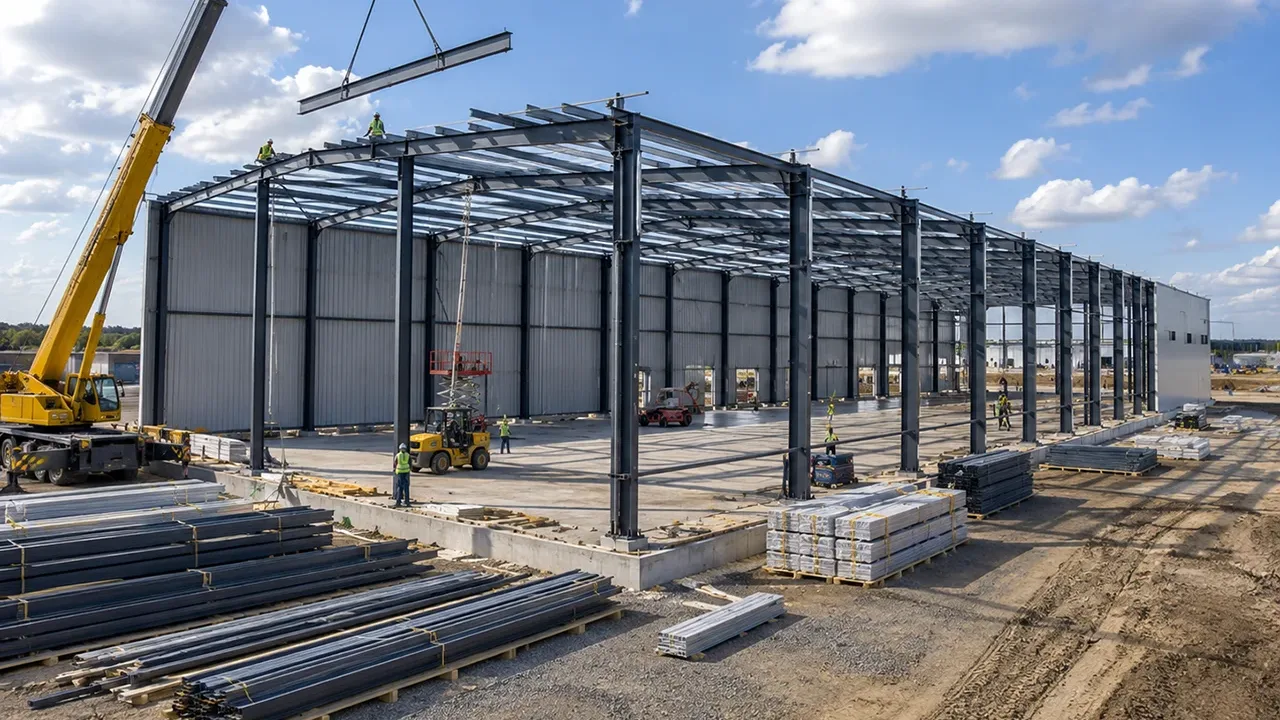
Temporary bracing is especially important during installation. A truss may not reach its final stable condition until the roof system, deck, cross frames, or permanent bracing members are installed. Without proper temporary support, the structure can become unstable during lifting or assembly.
Permanent bracing should be clearly shown in the drawings and coordinated with secondary framing. Field teams need to understand which members must be installed first and which parts of the structure provide stability during each stage of construction.
Advantages of Warren Truss Design
The main advantage of Warren truss design is efficient load distribution through repeated triangular members. The geometry creates a clear and stable framework that helps transfer loads across the span. This can make the system useful for bridges, industrial roofs, conveyor galleries, pipe bridges, and other steel support structures.
Another advantage is its clean and repetitive geometry. Repetition can support organized fabrication because similar members and connection details may be used across multiple panels. This can help with cutting, drilling, welding, labeling, shipping, and field assembly.
A Warren truss can also be efficient for certain medium and long spans. By using structural depth and triangulation, it may reduce the need for a heavy solid beam. This does not make it automatically cheaper, but it can be economical when the span, load, fabrication method, and erection plan are suitable.
The system is also easy to recognize and inspect. Engineers, fabricators, and site teams can usually read the triangular load path clearly. This can support better communication during design review, fabrication coordination, and installation planning.
Limitations of Warren Truss Design
A Warren truss also has limitations. One important issue is compression member buckling. Because diagonal members may alternate between tension and compression, some diagonals must be checked carefully for slenderness and stability. This is especially important under moving loads or uneven load positions.
Force reversal is another concern. In bridge structures, the location of moving loads can change the force direction in certain members. A member designed only for one force direction may not perform correctly if another load case creates the opposite condition.
Connections can also become complex even when the overall geometry looks simple. Panel points may need gusset plates, multiple bolts, welds, splice details, and careful hole alignment. If the connection design is underestimated, the structure may be difficult to fabricate or assemble.
Large Warren trusses also require careful transportation and lifting plans. Long members, large truss segments, and high field assembly tolerances can affect project cost and schedule. The structure may also require temporary bracing during erection before the permanent system is complete.
Common Mistakes in Warren Truss Projects
| Common Mistake | Why It Causes Problems | What Project Teams Should Check |
|---|---|---|
| Choosing Warren truss design only because it looks simple | The layout may not match the actual load, span, support condition, or fabrication method. A simple appearance does not guarantee structural efficiency. | Review span, load path, member forces, truss depth, panel layout, fabrication limits, and connection strategy before confirming the truss type. |
| Ignoring compression member buckling | Some diagonals or chords may fail by buckling before the steel reaches its full material strength, especially if members are too slender or poorly braced. | Check slenderness, effective length, bracing points, member section, compression load cases, and load combinations. |
| Underestimating connection design | Panel points carry important force transfer. Weak gusset plates, poor bolt layouts, bad weld details, or misaligned holes can reduce the performance of the entire truss. | Review gusset plates, bolts, welds, splice details, hole alignment, shop drawings, and fabrication tolerance. |
| Forgetting lateral bracing | The truss may be stable in elevation but weak out of plane. This can create twisting, sideways movement, or buckling during service or erection. | Plan permanent bracing, temporary erection bracing, cross frames, diaphragms, roof bracing, and installation sequence. |
| Poor coordination with deck, roof, or secondary framing | Loads may not enter at intended panel points, creating local bending and reducing the efficiency of the truss system. | Coordinate purlins, deck beams, support points, pipe supports, equipment loads, and field installation sequence. |
When Should You Choose Warren Truss Design?
Warren truss design can be a strong option when the project needs repetitive triangular geometry, efficient distributed load transfer, and a practical system for medium or long spans. It is especially useful when the structure must carry loads across open space while keeping the steel layout clear and organized.
This type of truss may be suitable for pedestrian bridges, service bridges, industrial roofs, conveyor galleries, pipe bridges, public walkways, and exposed architectural steel systems. It can also work well when fabrication teams benefit from repeated panel geometry and predictable member arrangement.
However, final selection should depend on engineering analysis. Project teams should review span length, load type, truss depth, member forces, buckling risk, connection design, bracing requirements, fabrication method, transportation constraints, and erection planning before choosing the truss type.
For projects that require truss-based steel structure planning, fabrication, and coordination, XTD Steel Structure can support design review, shop fabrication planning, and project-specific steel structure solutions based on the real load and installation requirements.
Conclusion
Warren truss design improves load distribution by using repeated triangular members between the top chord and bottom chord. The triangle is a stable shape, and repeating it across a span helps transfer forces through a clear system of tension and compression members.
This makes Warren trusses useful in many steel structure and bridge applications, including pedestrian bridges, industrial roofs, conveyor galleries, pipe bridges, and public structures. The system can offer clean geometry, efficient load paths, practical fabrication, and strong visual clarity.
Good performance still depends on proper engineering. Member sizing, compression buckling checks, connection design, lateral bracing, fabrication accuracy, corrosion protection, transportation planning, and installation sequence all matter. When these details are handled correctly, a Warren truss can provide a durable and efficient structural solution for modern steel projects.
FAQ About Warren Truss Design
What is Warren truss design?
Warren truss design is a truss system that uses repeated triangular members between a top chord and bottom chord. The triangular web helps transfer loads across the span through tension and compression forces.
Why are triangles used in Warren trusses?
Triangles are used because they are naturally stable shapes. Unlike rectangles, triangles do not change shape easily under load. This stability helps Warren trusses distribute forces efficiently through the structure.
Is Warren truss design good for bridges?
Yes. Warren trusses are commonly used in bridge structures, especially when repeated triangular panels and efficient load distribution are useful. They can be used in pedestrian bridges, service bridges, railway bridges, road bridges, and access bridges depending on the project requirements.
What is the difference between Warren truss and Pratt truss?
A Warren truss uses alternating triangular diagonal members, while a Pratt truss usually uses vertical members and diagonals that slope toward the center of the span. Warren truss members may experience alternating tension and compression, while Pratt diagonals are often arranged to work mainly in tension under typical gravity loads.
What are the disadvantages of Warren truss design?
The main disadvantages are that compression members need careful buckling checks, moving loads can cause force reversal, and connections and bracing must be designed carefully. Large Warren trusses may also require detailed transportation and lifting planning.
Can Warren trusses be used in steel buildings?
Yes. Warren trusses can be used in industrial roofs, conveyor galleries, pipe bridges, pedestrian bridges, public walkways, and other steel structure systems where repeated triangular geometry and efficient load transfer are useful.