Overview of Commercial Steel Structure Building Solutions
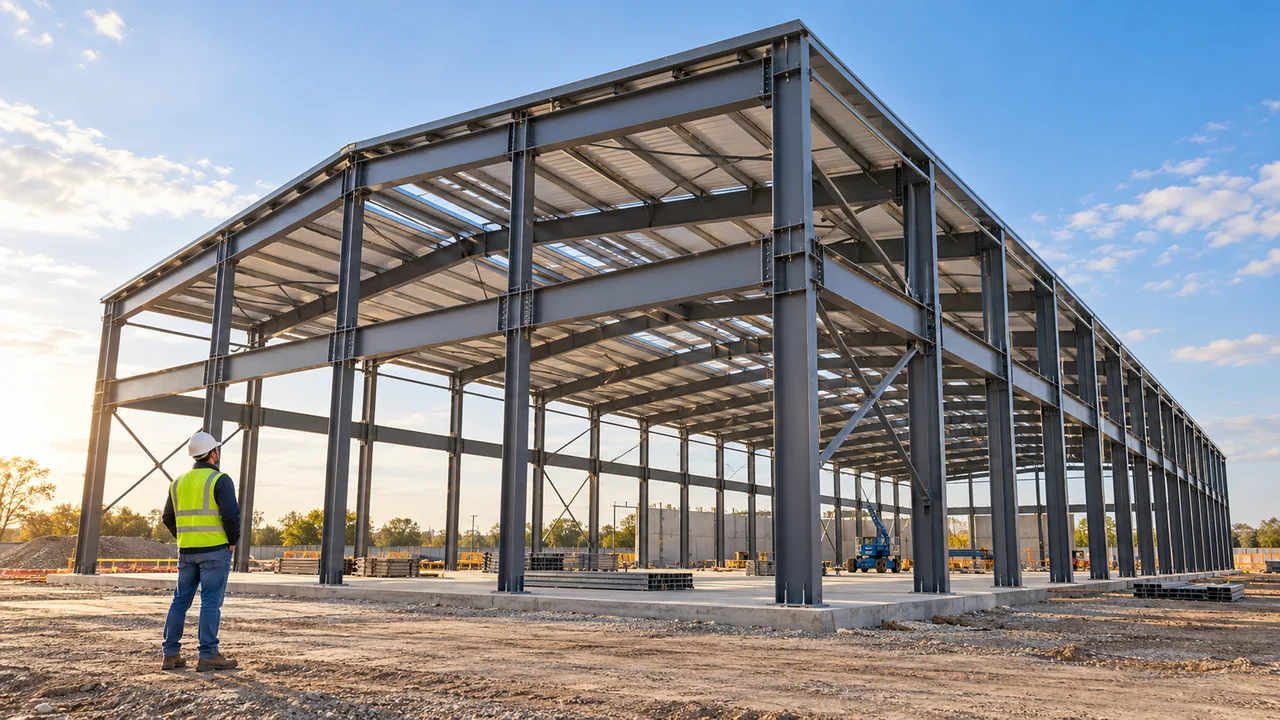
Commercial projects require buildings that combine structural performance with functional and architectural flexibility. A well-designed commercial steel structure building allows developers to optimize space usage while supporting operational efficiency and long-term investment value.
Steel structures provide high strength-to-weight performance, allowing large interior spans and open commercial layouts. This makes them ideal for businesses that require flexible tenant configurations, customer flow optimization, and adaptable interior spaces.
In addition, commercial steel buildings can be designed to support future modifications or expansions, ensuring long-term usability for growing businesses.
Types of Commercial Steel Structure Buildings
Office and Business Buildings
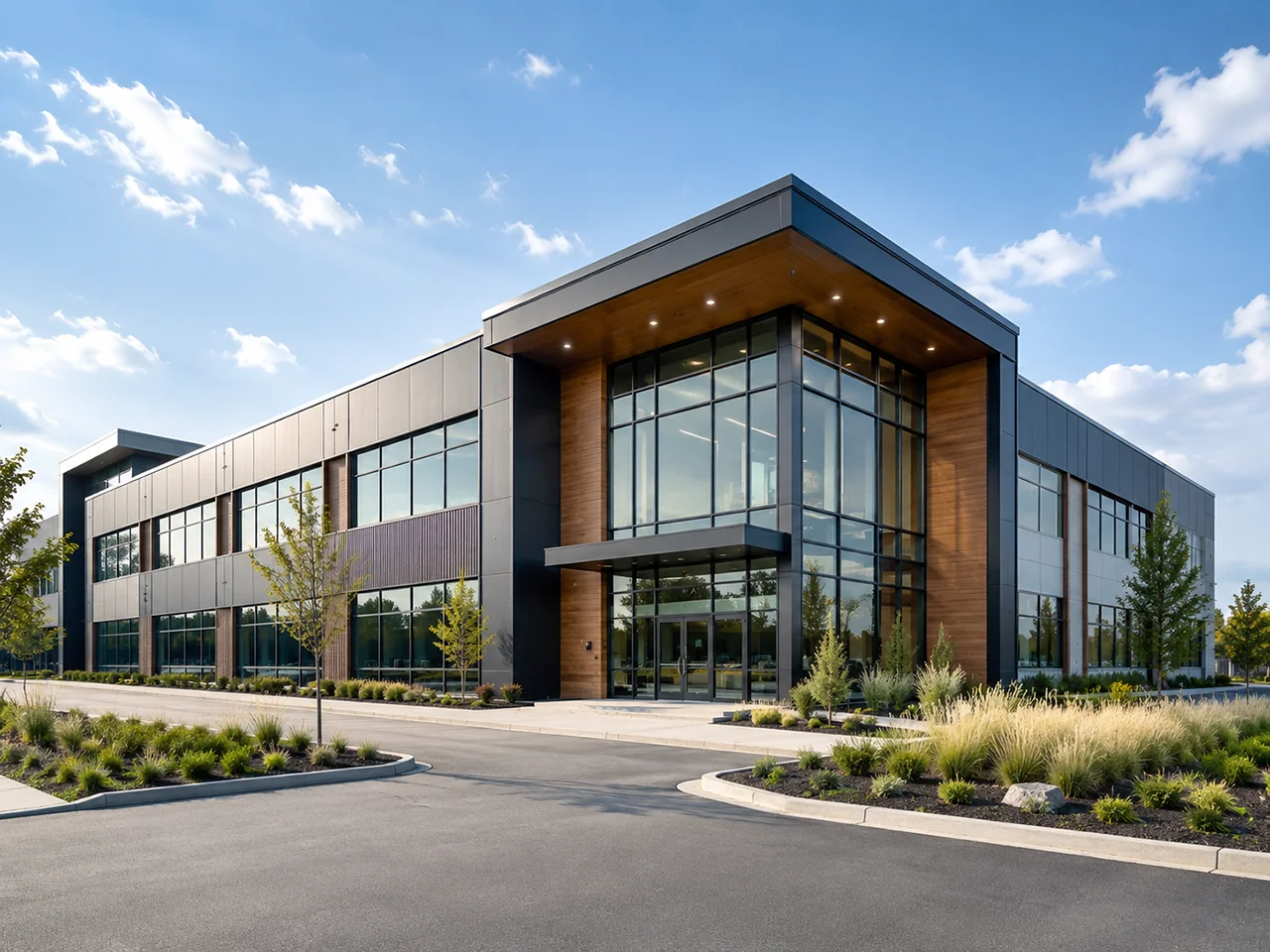
Steel structures are widely used for office buildings and corporate facilities due to their flexibility and construction efficiency. Open floor layouts allow businesses to customize interior spaces according to operational requirements.
Modern steel systems also support contemporary architectural designs with clean lines and efficient structural layouts.
Shopping and Retail Buildings
Retail centers and shopping facilities benefit from large open spaces that improve customer circulation and store visibility. Steel structures allow wide-span commercial areas with minimal interior columns.
This creates flexible retail environments suitable for supermarkets, shopping malls, and commercial storefronts.
Mixed-Use Commercial Structures
Mixed-use developments combine retail, office, and service functions within one project. A commercial steel structure building can support multiple operational zones while maintaining structural efficiency.
This integrated approach maximizes land utilization and supports diverse commercial activities.
Applications of Commercial Steel Structure Buildings
Retail Centers and Shopping Facilities
Commercial steel structures are commonly used for shopping centers, retail stores, and commercial complexes. These facilities require durable structures, attractive architectural appearance, and efficient space planning.
Steel systems provide the flexibility needed for evolving retail environments.
Office and Corporate Buildings
Office buildings require adaptable layouts that support administrative functions, collaboration areas, and operational efficiency. Steel structures allow easy interior modifications and efficient use of space.
A properly designed commercial steel structure building can improve both functionality and workplace comfort.
Hospitality and Service Facilities
Restaurants, exhibition halls, showrooms, and service facilities often require open layouts and modern architectural aesthetics. Steel structures provide the flexibility and durability necessary for these applications.
Structural Design Considerations
Architectural Flexibility and Space Planning
One of the key advantages of steel structures is architectural flexibility. Engineers can design open floor plans that support customized commercial layouts and future modifications.
This flexibility helps businesses adapt to changing operational requirements.
Structural Safety and Stability
Commercial buildings must meet strict safety and engineering standards. Steel structures are designed to resist:
- Wind loads
- Seismic activity
- Operational loads
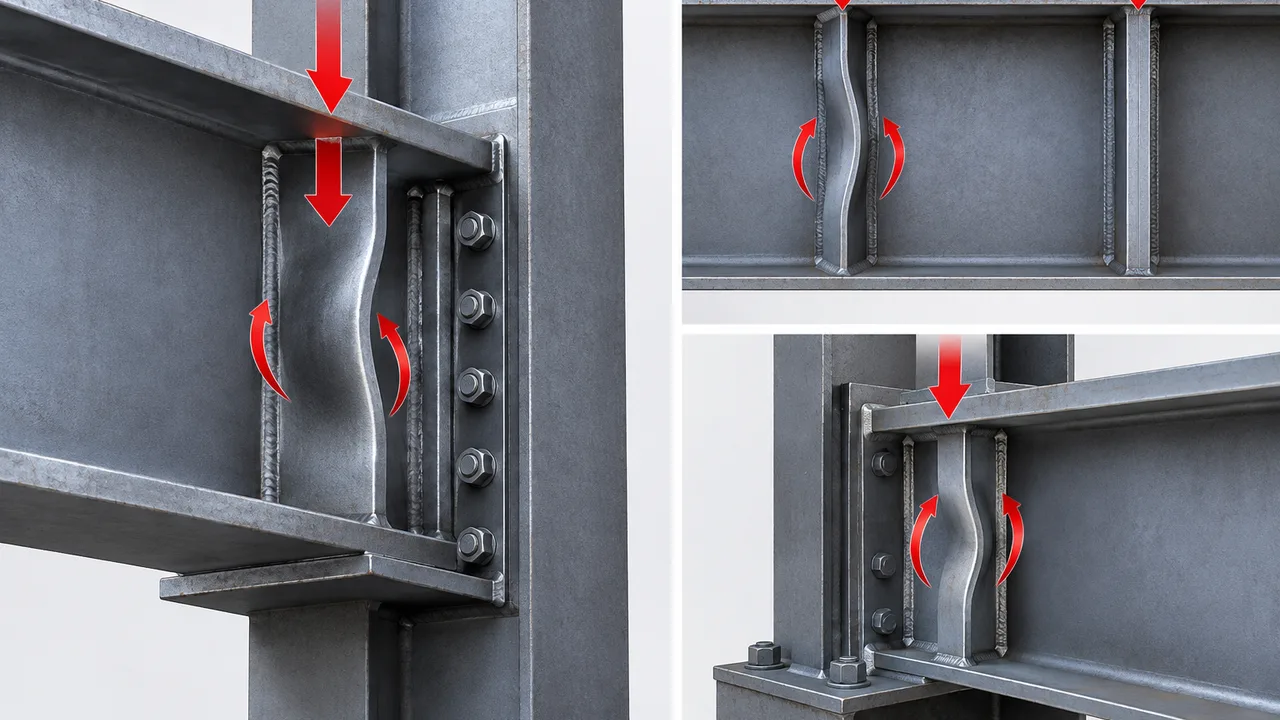
Advanced engineering analysis ensures structural reliability and long-term durability.
Energy Efficiency and Sustainability
Modern commercial buildings increasingly focus on energy efficiency and environmental performance. Steel structures can integrate:
- Insulation systems
- Natural lighting solutions
- Ventilation systems
These features improve energy performance and occupant comfort.
Fabrication and Manufacturing Process
Precision Steel Fabrication
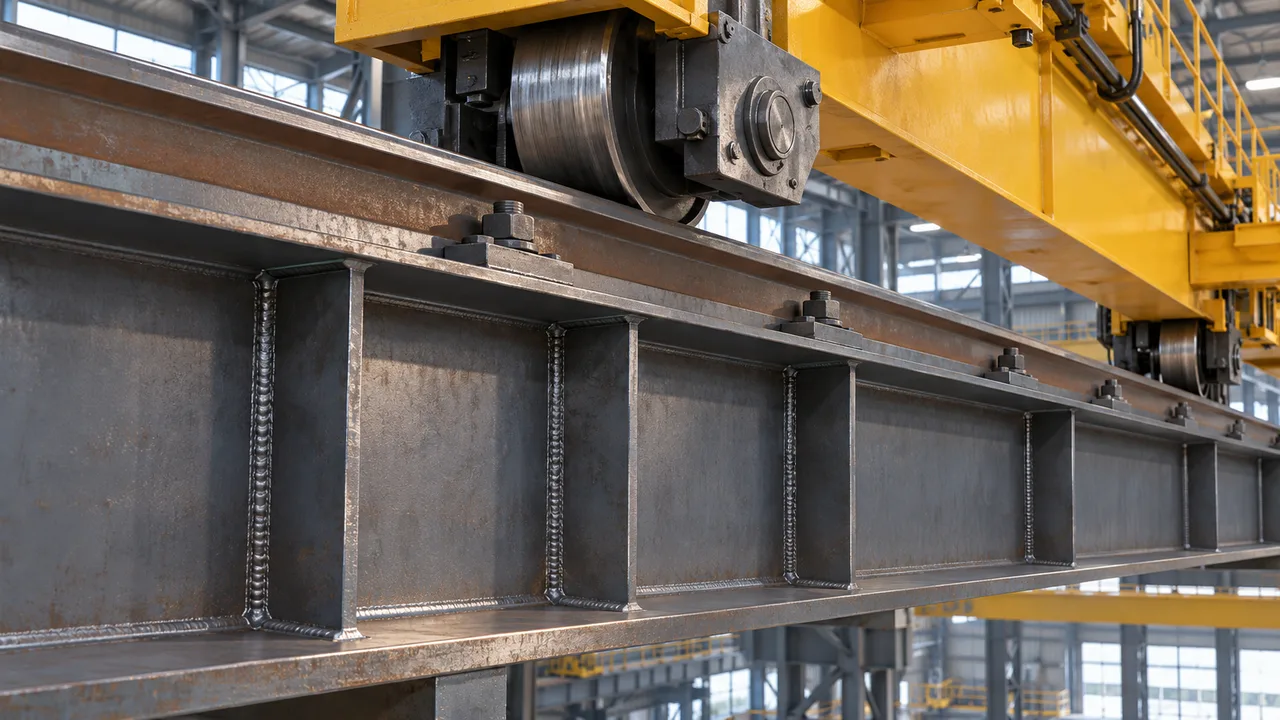
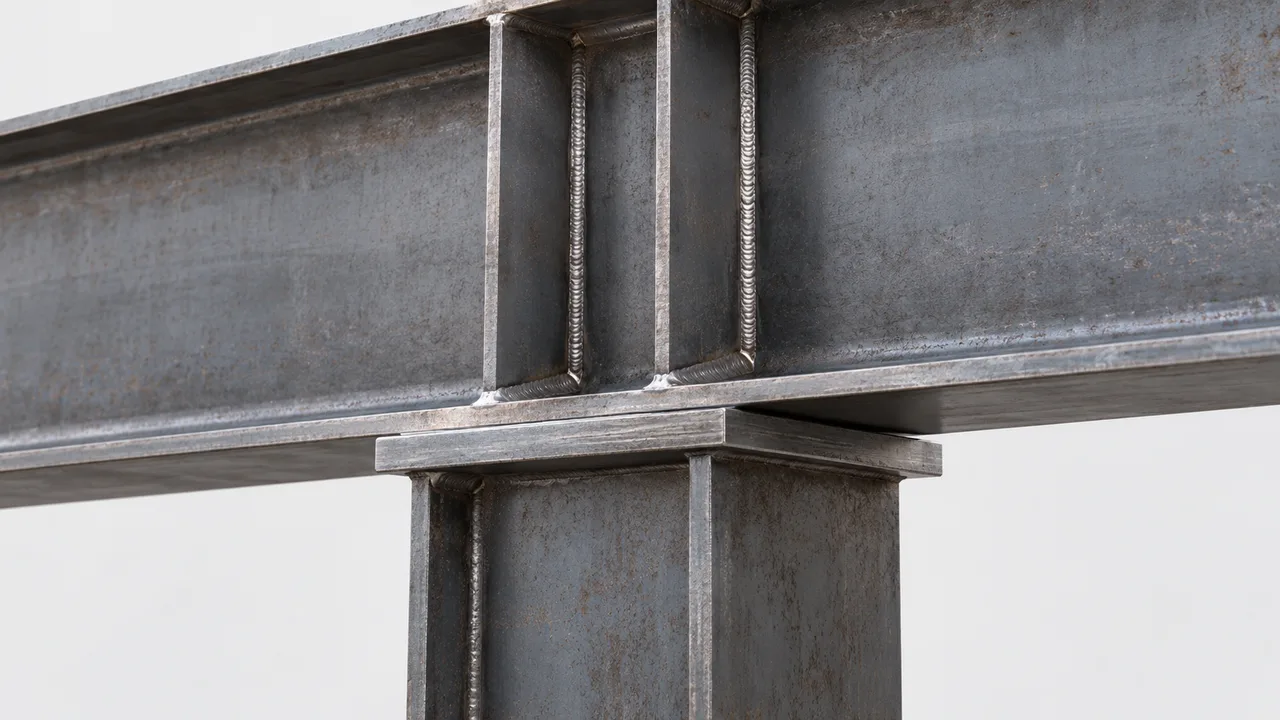
Steel components are manufactured using advanced fabrication technologies including cutting, welding, and assembly. Precision manufacturing ensures dimensional accuracy and efficient installation.
This process also improves consistency and overall project quality.
Surface Protection Systems
To improve durability, steel components are treated with protective systems such as:
- Hot-dip galvanizing
- Anti-corrosion coatings
- Industrial paint systems
These treatments help extend the service life of the structure.
Quality Assurance and Engineering Standards
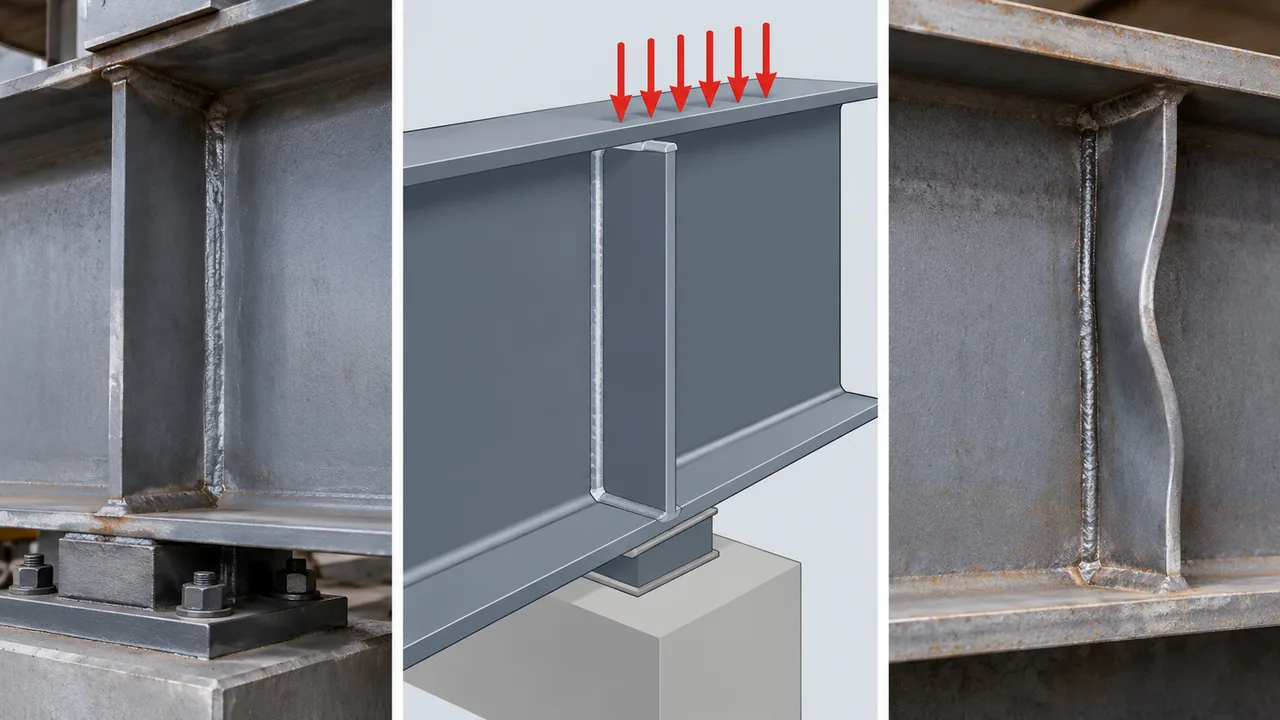
Commercial projects require strict quality control throughout fabrication and construction. Inspection procedures include weld testing, dimensional verification, and material inspections.
Compliance with engineering standards ensures safe and reliable performance.
Construction and Installation
Prefabrication Advantages for Commercial Projects
Prefabrication allows many structural elements of a commercial steel structure building to be manufactured before arriving at the construction site. This significantly reduces project timelines and improves efficiency.
Transportation and Site Coordination
Proper logistics planning ensures safe transportation and timely delivery of structural components to the project site.
On-Site Assembly and Structural Installation
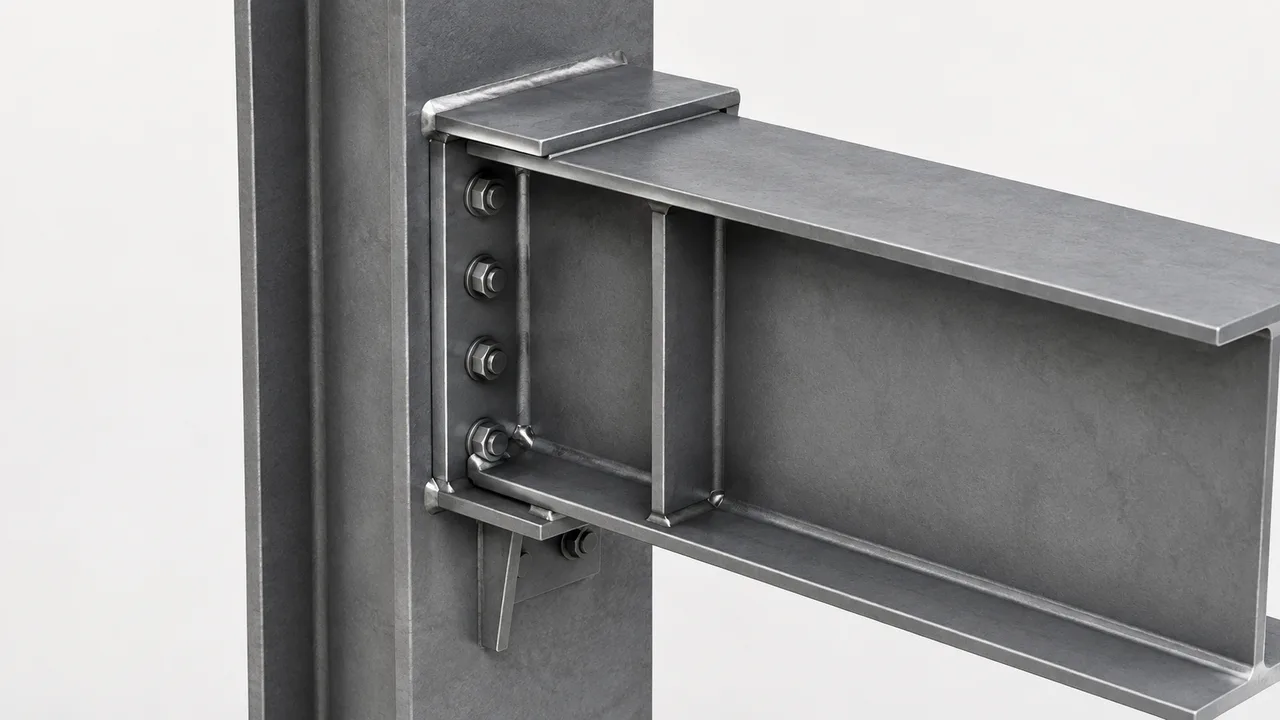
Steel components are assembled using bolted connections or welding techniques. Rapid installation minimizes construction delays and allows commercial operations to begin sooner.
Advantages of Commercial Steel Structure Building
- Fast construction schedule
- Flexible architectural design
- Durable structural performance
- Large open interior spaces
- Expandable commercial layouts
These advantages make steel structures an efficient solution for modern commercial developments.
Why Choose a Commercial Steel Structure Supplier
Commercial Engineering Expertise
Experienced engineering teams can provide customized solutions tailored to specific commercial requirements.
Manufacturing and Production Capability
Advanced fabrication facilities ensure consistent quality and scalable production capacity.
International Commercial Project Experience
Global project experience supports efficient management of complex commercial developments.
As a trusted provider, XTD Steel Structure offers integrated commercial steel solutions covering engineering, fabrication, and installation services worldwide.
Frequently Asked Questions
What is a commercial steel structure building?
It is a commercial facility built using steel structural systems for offices, retail, and business applications.
Is steel suitable for commercial projects?
Yes, steel provides flexibility, durability, and efficient construction performance.
Can the design be customized?
Yes, steel structures support highly flexible architectural layouts.
How long does construction take?
Construction is generally faster than traditional building methods.
Start Your Commercial Steel Structure Building Project
A professionally designed commercial steel structure building provides long-term durability, flexible space planning, and efficient project execution for modern commercial developments.
Working with experienced professionals ensures that every stage of the project is completed efficiently, from structural design to final installation.