Steel Structures for Modern Public Infrastructure
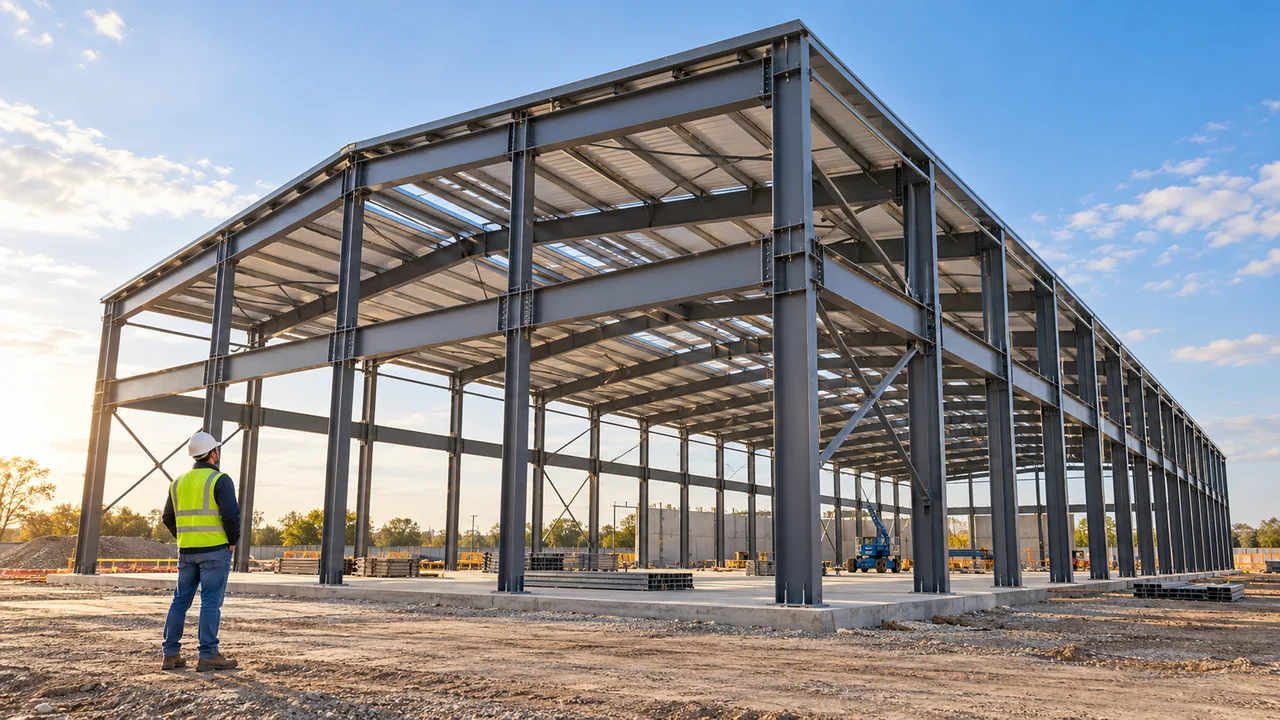
Public facilities are designed to accommodate large numbers of people while maintaining safety, durability, and operational efficiency. A properly engineered public steel structure building can support these requirements through long-span framing systems, modular construction methods, and efficient structural layouts.
Steel structures are especially effective for buildings that require:
- Wide column-free interior spaces
- Flexible floor planning
- Future expansion capability
- Reduced construction timelines
- High structural durability
Compared to traditional reinforced concrete systems, steel construction often reduces overall structural weight while accelerating installation speed.
| Factor | Steel Structure | Traditional Construction |
|---|---|---|
| Construction Speed | Faster | Slower |
| Span Capability | Large spans possible | More structural limitations |
| Future Expansion | More flexible | More difficult |
| Structural Weight | Lighter | Heavier |
Common Types of Public Steel Structure Buildings
Transportation and Transit Facilities
Transportation infrastructure frequently uses steel construction because of the need for large open spaces and efficient passenger circulation. Airports, train stations, and bus terminals often rely on steel framing systems to support expansive roofs and modern architectural forms.
Long-span steel systems improve movement efficiency while reducing internal obstructions.
Educational and Institutional Buildings
Schools, universities, and research facilities increasingly adopt steel structures for modern campus development. Flexible layouts allow educational institutions to adapt classrooms, laboratories, and public spaces over time.
Steel construction also helps accelerate project completion for expanding educational infrastructure.
Sports and Exhibition Facilities
Large public venues such as stadiums, exhibition halls, and convention centers require structures capable of supporting significant spans and high visitor capacity.
A public steel structure building can provide the structural performance necessary for these demanding facilities while maintaining architectural flexibility.
Government and Civic Buildings
Municipal halls, administrative centers, and public service buildings benefit from steel systems because of their durability and adaptability. Steel structures also support modern civic architecture with cleaner and more open interior environments.
Architectural Flexibility in Public Steel Buildings
Large Open Interior Spaces
One of the main advantages of steel systems is the ability to create large open spaces with minimal internal supports. This improves crowd circulation and allows flexible interior configurations.
Such layouts are important for public gathering facilities and multi-purpose buildings.
Modern Exterior Design Possibilities
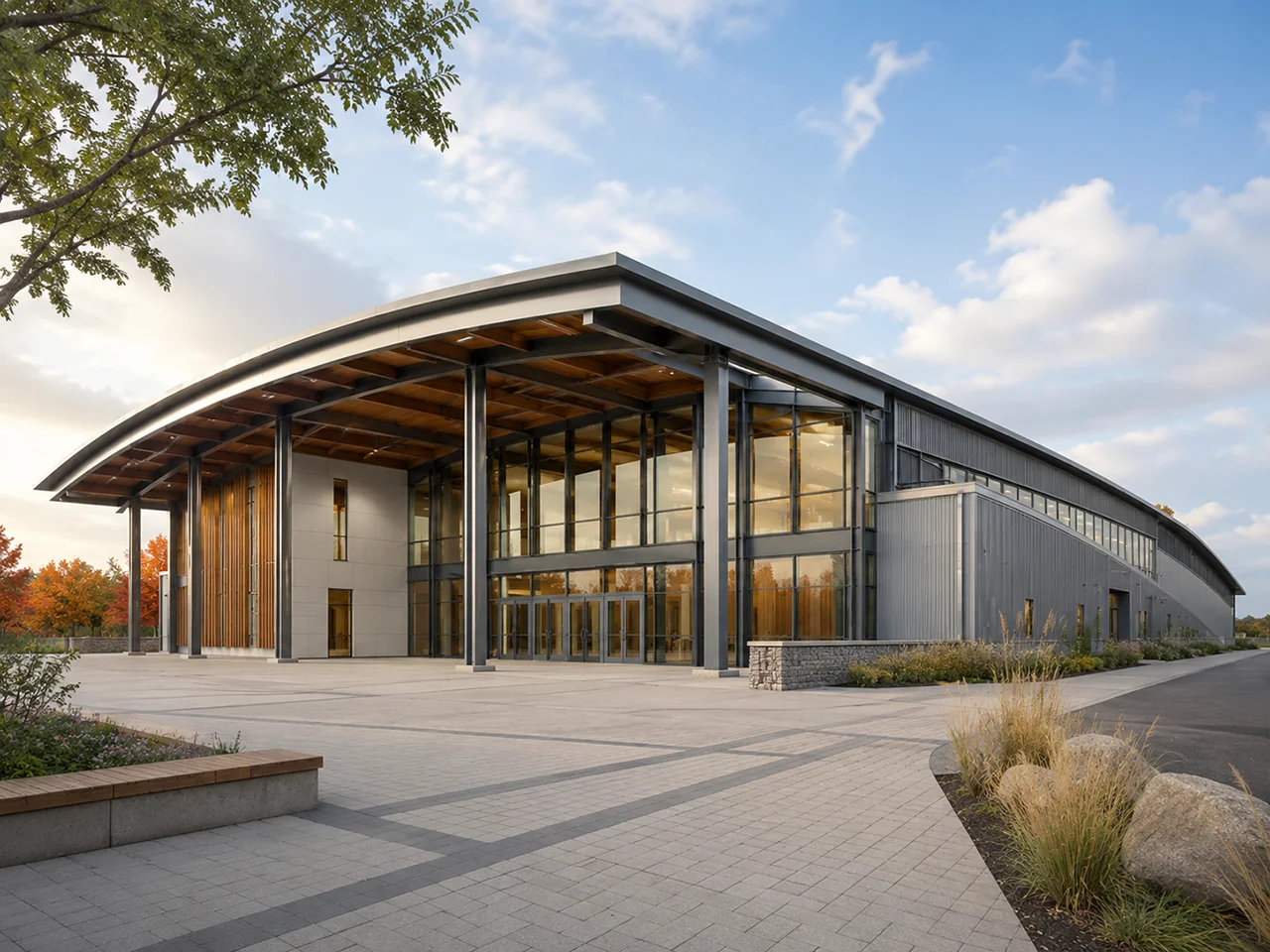
Steel structures support contemporary architectural concepts through curved framing systems, large glass façades, and complex geometric forms.
Architects often use steel to create landmark public buildings with strong visual identity.
Future Expansion Capability
Public infrastructure frequently evolves over time. Steel systems allow future expansion, renovation, and modification without major structural disruption.
This flexibility increases long-term infrastructure value.
Performance Requirements for Public Facilities
Structural Safety and Stability
Public buildings must comply with strict structural standards to ensure safety under high occupancy conditions. Engineers carefully analyze load distribution, environmental forces, and structural behavior.
Fire Protection Systems
Steel structures used in public projects often integrate:
- Fire-resistant coatings
- Smoke management systems
- Emergency evacuation planning
Environmental and Energy Efficiency
Modern public infrastructure increasingly emphasizes sustainability and energy efficiency. Steel systems can support insulation technologies, natural lighting integration, and environmentally conscious building design.
Durability Under High Usage
Public facilities experience continuous use and heavy traffic. Steel structures provide long-term durability with relatively low maintenance requirements.
Fabrication and Project Execution
Precision Manufacturing for Public Projects
Structural steel components are fabricated using advanced production technologies to ensure dimensional accuracy and quality consistency.
Factory-controlled manufacturing improves project coordination and installation efficiency.
Logistics and Multi-Stage Construction Coordination
- Component transportation scheduling
- Multi-contractor coordination
- Site access management
- Installation sequencing
On-Site Installation Management
Installation teams coordinate lifting operations, structural alignment, and connection systems to ensure safe and efficient assembly.
As an experienced steel structure provider, XTD Steel Structure supports integrated project execution for various public infrastructure developments.
Why Steel Is Preferred for Public Buildings
Public infrastructure projects require buildings that can remain functional for decades while adapting to changing community needs.
- Faster construction schedules
- Flexible architectural design
- Long-span structural capability
- Reduced long-term maintenance
- Modern appearance
- Scalable future expansion
Steel construction also supports more efficient modernization of public infrastructure.
Selecting a Public Steel Structure Partner
Large public projects involve engineering coordination, compliance requirements, fabrication management, and complex installation planning. Choosing an experienced structural partner helps reduce execution risks and improve overall project efficiency.
Engineering capability, manufacturing quality, and project management experience all play critical roles in successful public construction projects.
Questions About Public Steel Structure Buildings
Why are steel structures widely used in public buildings?
Steel structures provide large open spaces, faster construction, and long-term structural durability.
Can steel structures support large public venues?
Yes. Steel framing systems are ideal for stadiums, transportation hubs, and exhibition facilities.
Are public steel buildings environmentally efficient?
Modern steel buildings can integrate energy-efficient systems and sustainable construction practices.
How long can a public steel structure building last?
With proper engineering and maintenance, steel public buildings can perform reliably for decades.
Build Modern Public Spaces with Steel Structures
A well-planned public steel structure building supports modern infrastructure development through flexibility, durability, and efficient construction performance. Steel systems continue to play a major role in shaping transportation, civic, educational, and public gathering spaces worldwide.
Thoughtful engineering and quality fabrication help ensure that public facilities remain functional, adaptable, and structurally reliable for long-term community use.