What Is a Pre Engineered Steel Warehouse?
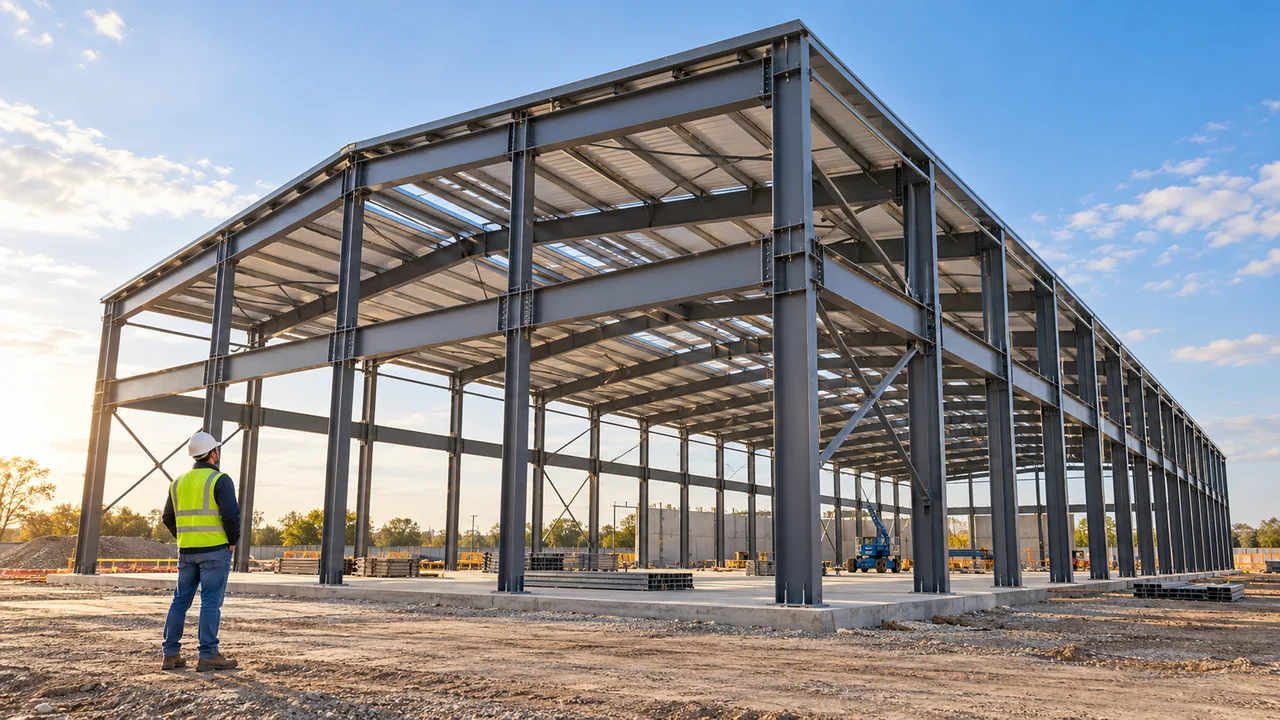
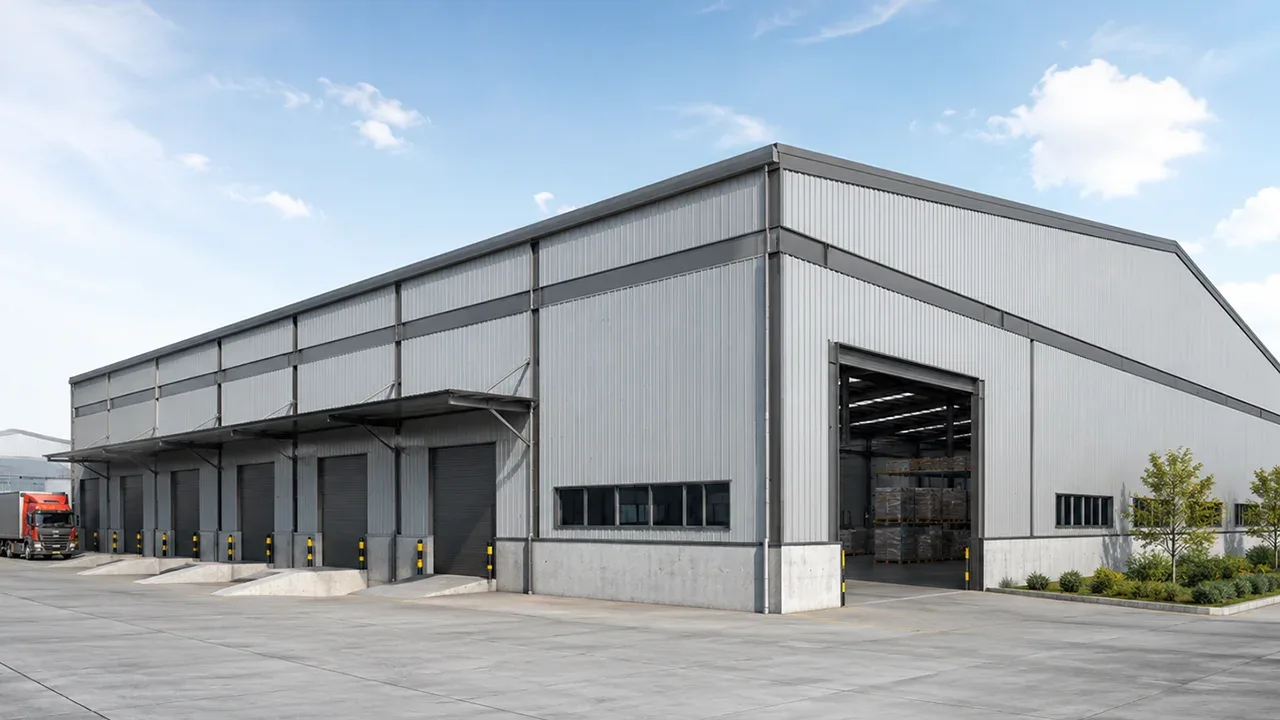
A pre engineered steel warehouse is a steel building system designed using pre-calculated engineering parameters and factory-manufactured structural components. Instead of fabricating major structural elements entirely on-site, the building framework is engineered, detailed, and prepared before shipment.
The system is designed to improve structural efficiency, simplify installation, and support large industrial spaces with minimal construction delays.
Main Structural Components
Most pre-engineered warehouse systems include:
- Primary steel framing systems
- Secondary framing members
- Roof and wall cladding systems
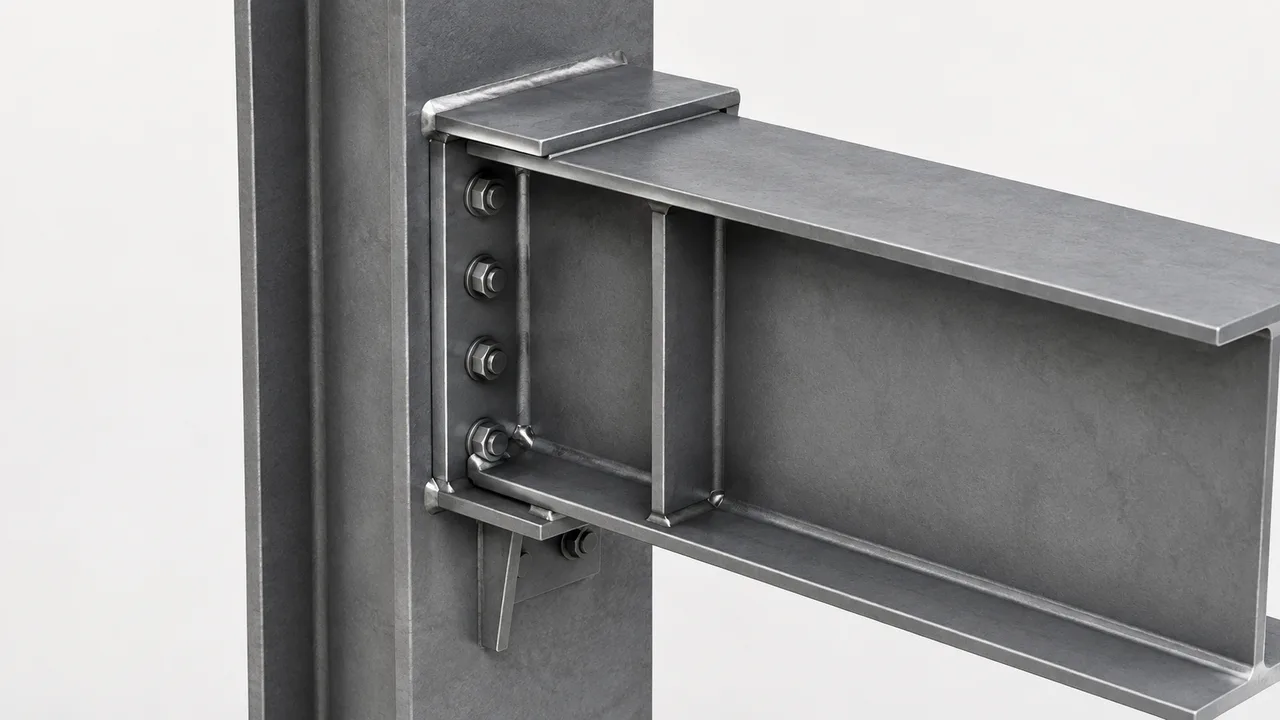
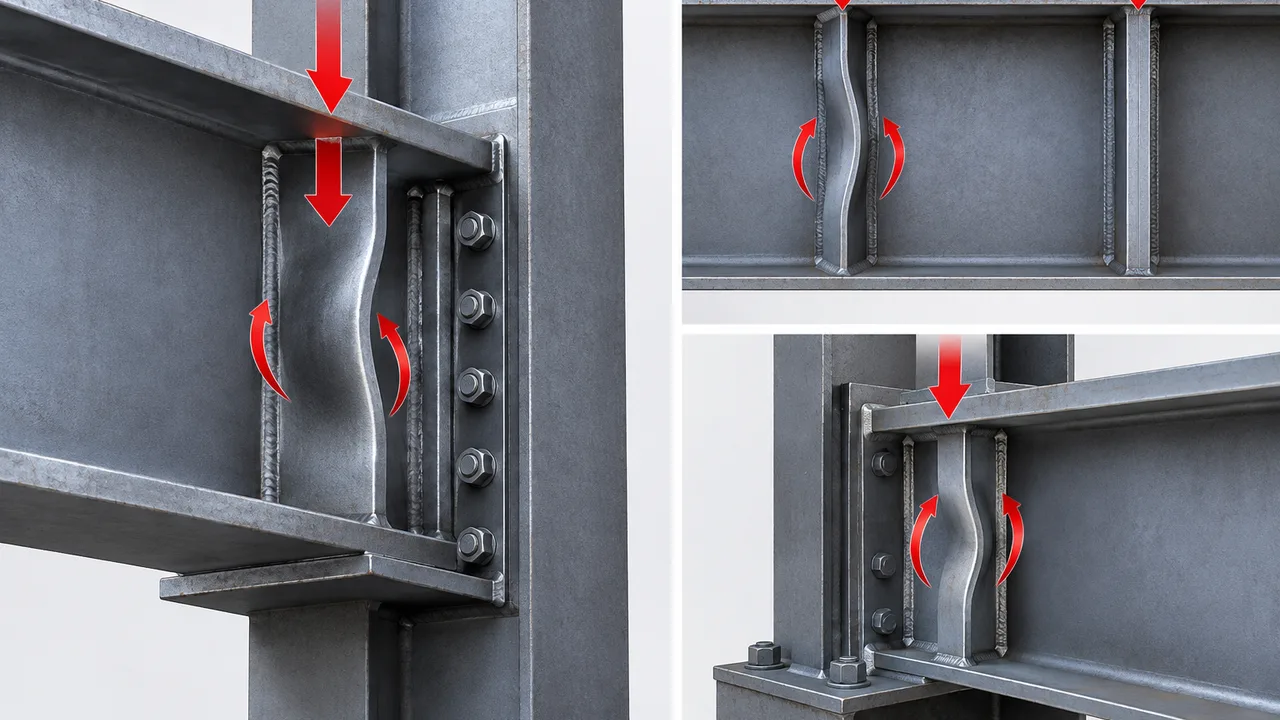
- Connection plates and bolt assemblies
- Drainage and insulation systems
These components are manufactured according to project-specific engineering requirements.
How Pre-Engineered Systems Reduce Construction Complexity
Factory fabrication allows structural components to arrive prepared for installation. This reduces site welding, minimizes material handling issues, and improves construction sequencing.
Standardized connection systems also help improve assembly speed while reducing dependency on extensive on-site fabrication work.
Typical Applications of Pre Engineered Warehouse Systems
Logistics and Distribution Warehouses
Distribution centers require large operational areas, flexible layouts, and fast project execution. Pre-engineered systems support these requirements through wide-span structures and efficient installation processes.
The reduced construction timeline is especially valuable for fast-moving logistics operations.
Manufacturing Storage Facilities
Industrial manufacturers frequently use pre-engineered warehouses for raw material storage, finished goods storage, and integrated production support.
Large clear-span layouts improve forklift movement, inventory management, and operational flexibility.
Agricultural and Bulk Storage Buildings
- Equipment storage facilities
- Grain and feed storage
- Agricultural processing buildings
- Bulk material protection systems
Export and Industrial Cargo Warehouses
Ports, export facilities, and cargo operators often require durable warehouse systems capable of handling high-volume logistics activities. A pre engineered steel warehouse can support heavy operational use while maintaining long-term structural reliability.
Structural Advantages of Pre Engineered Steel Warehouses
Faster Construction Timelines
Because structural components are fabricated in advance, site installation can begin immediately after delivery. This significantly shortens overall project duration.
Optimized Steel Usage
Pre-engineered systems use calculated structural optimization to reduce unnecessary steel weight while maintaining required performance levels.
Large Clear Span Capability
Modern warehouse operations often require unobstructed internal space. Steel systems can support large clear spans without excessive interior columns.
Easier Future Expansion
Warehouse operations frequently evolve over time. Pre-engineered systems allow future expansion with reduced structural modification complexity.
| Typical Warehouse Feature | Pre-Engineered System |
|---|---|
| Clear Span | Large open layouts |
| Structural Weight | Optimized steel usage |
| Installation Speed | Faster assembly |
| Expansion Capability | Flexible future extension |
Engineering and Design Optimization
Load Calculation and Structural Analysis
Engineers evaluate operational loads, environmental conditions, and structural requirements to optimize warehouse performance.
Structural analysis ensures safety, efficiency, and code compliance.
Wind and Seismic Design
Warehouse structures must withstand regional wind and seismic conditions. Pre-engineered systems are designed according to project location requirements.
Roof Slope and Drainage Planning
Roof geometry affects water drainage efficiency and long-term structural performance. Proper slope design helps prevent water accumulation and maintenance issues.
Crane and Mezzanine Integration
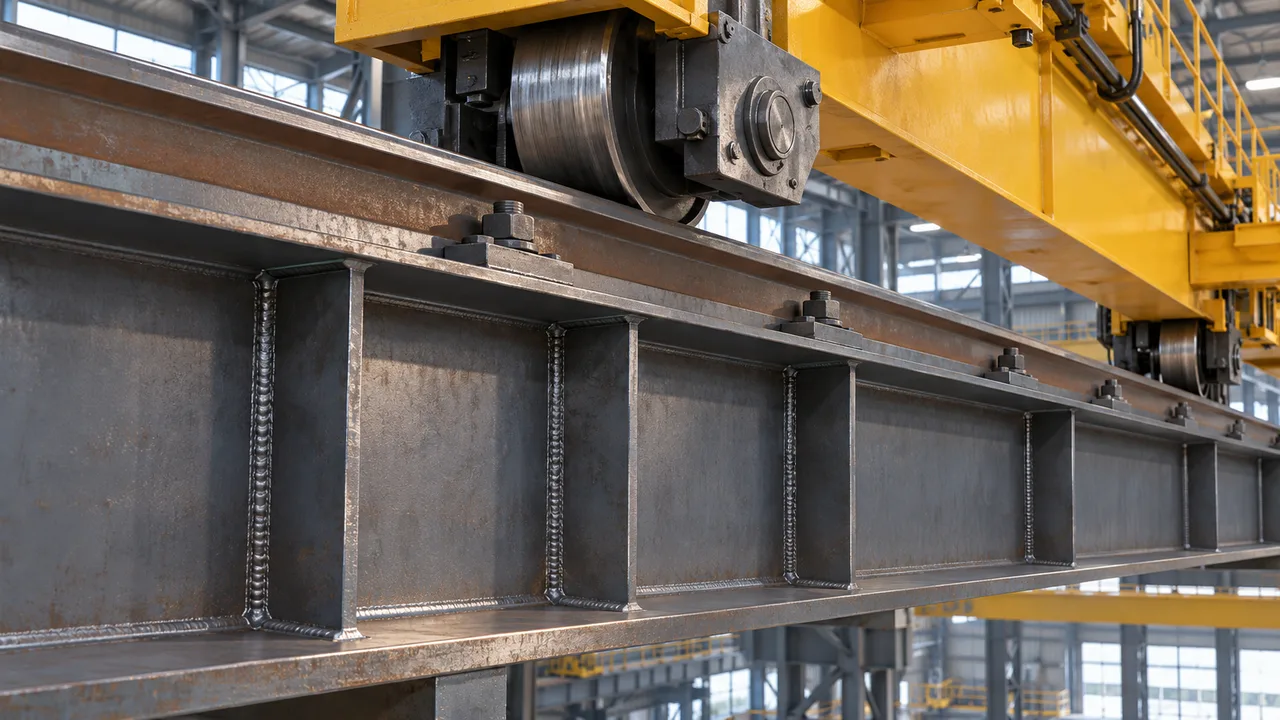
Many industrial warehouse projects integrate crane systems, mezzanine floors, or suspended equipment into the structural design.
The flexibility of steel systems allows these operational requirements to be incorporated efficiently.
Manufacturing Workflow for Pre Engineered Systems
Digital Modeling and Shop Drawings
Engineering teams prepare detailed 3D models and fabrication drawings before production begins.
CNC Cutting and Automated Fabrication
Advanced machinery improves production precision and consistency throughout the manufacturing process.
Surface Treatment and Coating Systems
- Galvanized protection systems
- Industrial coating applications
- Corrosion-resistant treatments
Packing and Export Preparation
Components are organized according to installation sequences to improve transportation efficiency and site coordination.
XTD Steel Structure supports integrated engineering, fabrication, and export coordination for industrial steel warehouse projects worldwide.
Installation Efficiency on Industrial Sites
Bolt Connection Systems
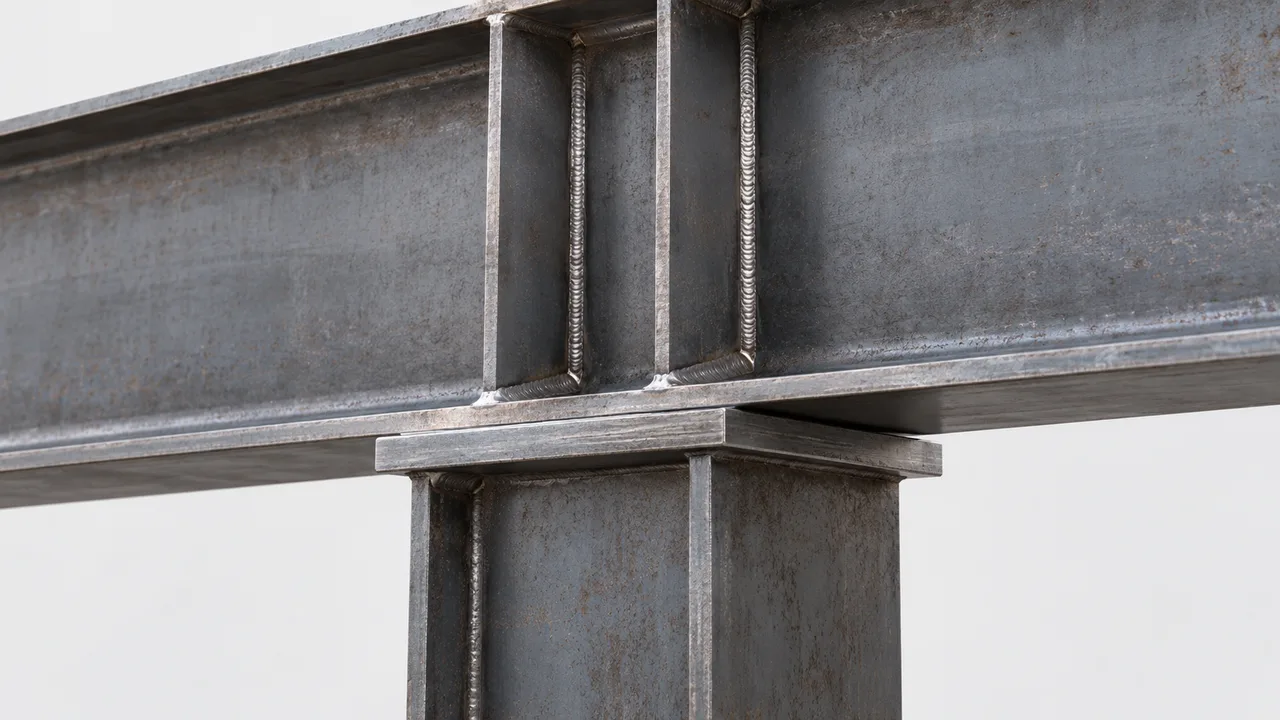
Most pre-engineered systems rely heavily on bolted connections instead of extensive field welding, improving assembly speed and quality consistency.
Reduced Site Labor Requirements
Factory-prepared components reduce the amount of labor-intensive fabrication work required on-site.
Faster Project Turnover
- Foundation preparation
- Steel frame erection
- Roof and wall installation
- Final system integration
This streamlined process allows warehouse operations to begin sooner.
Comparing Pre Engineered and Conventional Warehouse Construction
| Category | Pre-Engineered Warehouse | Conventional Construction |
|---|---|---|
| Construction Speed | Faster | Slower |
| Site Labor Demand | Lower | Higher |
| Structural Optimization | Engineered efficiency | Less standardized |
| Future Expansion | More flexible | More complex |
| Installation Coordination | Simplified | More site-dependent |
Choosing a Pre Engineered Steel Warehouse Supplier
Successful warehouse projects depend heavily on engineering accuracy, manufacturing quality, and installation coordination. An experienced supplier can help reduce project risks while improving construction efficiency.
Important considerations include fabrication scalability, export experience, engineering capability, and project management support.
Common Questions About Pre Engineered Warehouses
What is the difference between a pre-engineered warehouse and a conventional warehouse?
Pre-engineered systems use factory-fabricated structural components designed for faster installation and optimized performance.
Are pre-engineered warehouses customizable?
Yes. Layouts, dimensions, roof systems, and operational features can be customized according to project requirements.
Can pre-engineered systems support cranes?
Yes. Crane systems and mezzanine structures can be integrated into the warehouse design.
Are they suitable for export projects?
Yes. Pre-engineered steel warehouse systems are widely used for international industrial and logistics projects.
Build Efficient Warehouse Infrastructure with Pre Engineered Steel Systems
A well-designed pre engineered steel warehouse supports industrial growth through faster construction, scalable layouts, and optimized structural performance. These systems continue to improve efficiency across logistics, manufacturing, and large-scale storage operations.
With proper engineering coordination and high-quality fabrication, pre-engineered warehouse systems provide reliable long-term infrastructure for modern industrial development.