What Is Steel Structure Construction for Agriculture?
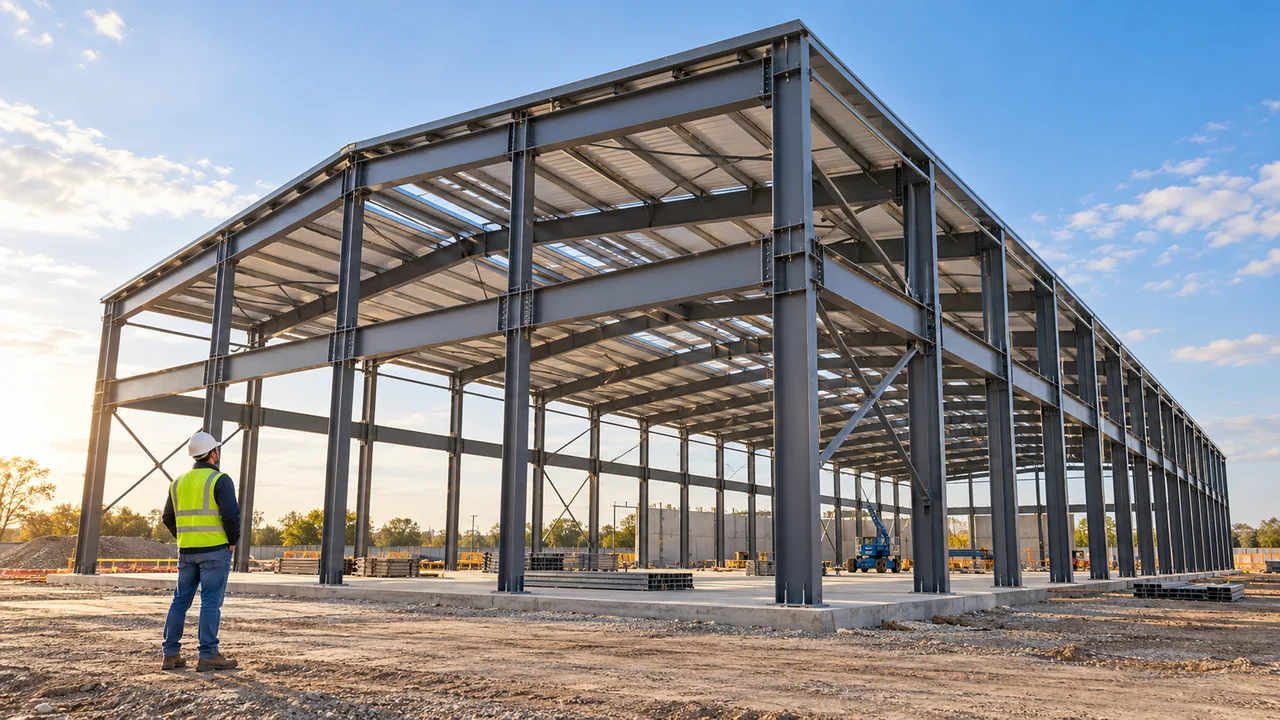
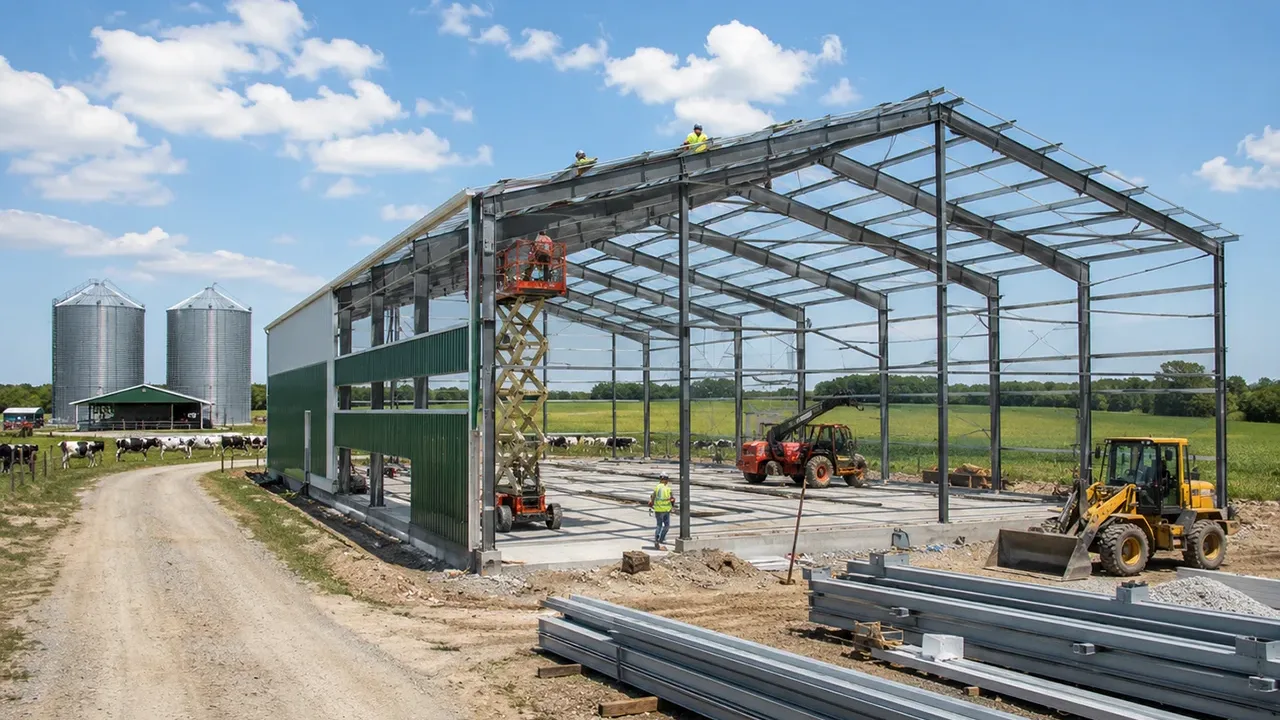
Steel structure construction for agriculture refers to the engineering, fabrication, and installation of structural steel buildings specifically designed for farming and agricultural applications. These facilities are engineered to support agricultural equipment, livestock operations, storage systems, processing facilities, and farm infrastructure.
Unlike conventional agricultural buildings constructed with wood or concrete, steel structures provide greater design flexibility, longer service life, and higher resistance to environmental conditions commonly found on farms.
A typical agricultural steel structure project may include:
- Primary structural steel frames
- Steel columns and beams
- Long-span roof systems
- Metal wall cladding
- Insulated roof panels
- Ventilation systems
- Large equipment access doors
Each building is designed according to operational requirements, local climate conditions, and future expansion plans.
Why Agriculture Projects Choose Steel Structures
Large Open Interior Spaces
Agricultural operations often require wide, unobstructed interior spaces for machinery movement, livestock management, and product storage.
Steel structures allow for:
- Equipment storage
- Large livestock housing
- Bulk crop storage
- Flexible production layouts
- Easy vehicle circulation
Long-span structural systems reduce the need for interior columns, maximizing usable floor space.
Fast Construction
Construction schedules can directly affect seasonal farming operations. Prefabricated steel structures help minimize construction time and reduce disruptions.
Advantages include:
- Factory-controlled fabrication
- Quick on-site assembly
- Reduced weather delays
- Lower labor requirements
- Earlier operational readiness
Rapid installation enables farms to begin operations sooner and maintain productivity during expansion projects.
Durability in Agricultural Environments
Agricultural buildings are continuously exposed to moisture, temperature changes, fertilizers, animal waste, and airborne contaminants.
Properly protected steel structures provide:
- Excellent structural stability
- Long service life
- Low maintenance requirements
- Reliable performance
- Resistance to environmental exposure
Protective coatings and galvanized components further improve durability in demanding agricultural conditions.
Flexible Building Expansion
Successful farming operations often expand over time as production capacity increases.
Steel buildings support future growth through:
- Modular building systems
- Additional structural bays
- Flexible floor layouts
- Equipment upgrades
- Operational expansion
This flexibility allows agricultural businesses to adapt without replacing existing facilities.
Types of Agricultural Steel Structure Projects
Agricultural Warehouses
Warehouses protect crops, feed, fertilizers, and agricultural supplies from weather while improving inventory management.
Typical storage applications include:
- Crop storage
- Feed warehouses
- Seed storage
- Fertilizer storage
- Agricultural supply buildings
Steel warehouse buildings provide secure storage with excellent space utilization.
Livestock Buildings
Animal housing requires durable structures that support proper ventilation, hygiene, and operational efficiency.
Steel structures are commonly used for:
- Dairy barns
- Poultry houses
- Cattle shelters
- Sheep housing
- Livestock feeding facilities
Wide-span designs improve ventilation while allowing flexible interior layouts for different livestock operations.
Farm Equipment Storage
Modern agricultural equipment represents significant investments that require reliable protection.
Steel buildings provide storage for:
- Tractors
- Harvesters
- Planting equipment
- Irrigation systems
- Agricultural machinery
Large access doors and spacious interiors simplify equipment movement and maintenance.
Processing Facilities
Many farms include processing buildings that prepare agricultural products before transportation or distribution.
These facilities may support:
- Grain processing
- Crop cleaning
- Packaging operations
- Agricultural product handling
- Storage preparation
Steel structures provide the strength necessary for processing equipment while maintaining efficient workflow.
Agricultural Workshops
Farm operations depend on maintenance facilities for repairing machinery and supporting daily operations.
Typical workshop functions include:
- Equipment maintenance
- Machinery repair
- Welding operations
- Tool storage
- Maintenance workshops
Steel buildings offer durable work environments capable of supporting heavy equipment maintenance.
Main Components of Agricultural Steel Structures
Steel Columns
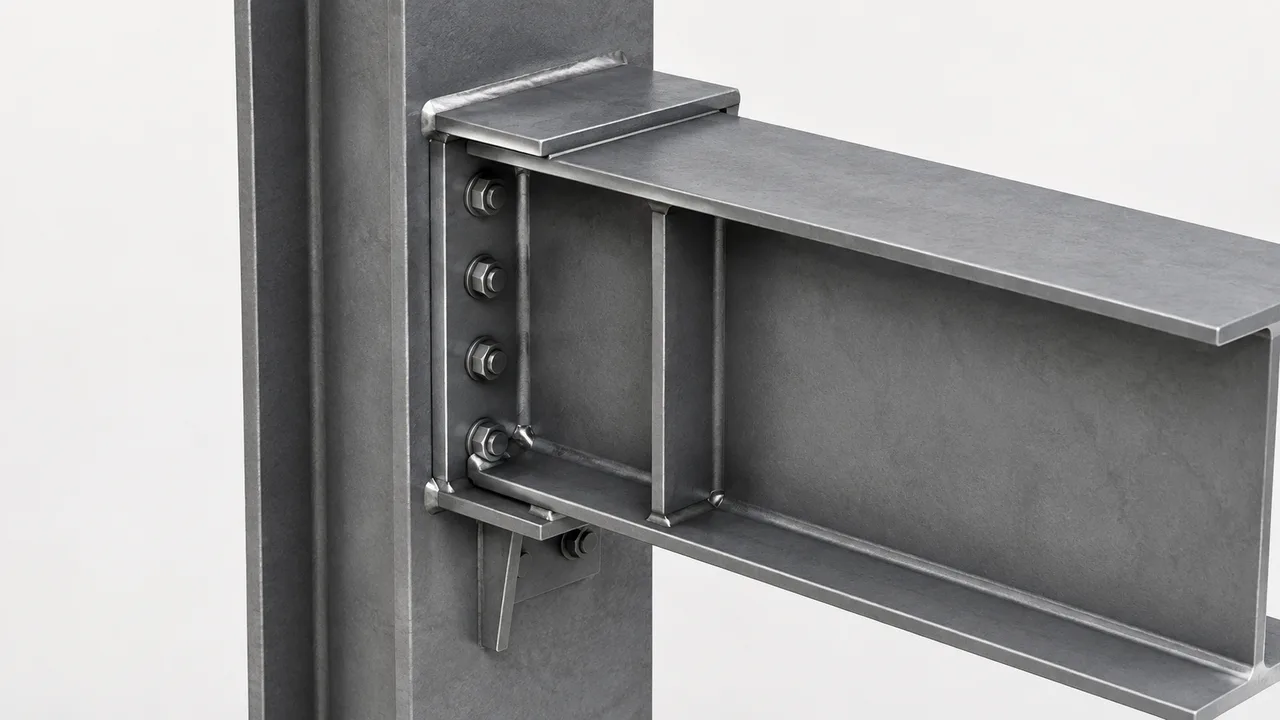
Steel columns form the primary vertical support system for agricultural buildings.
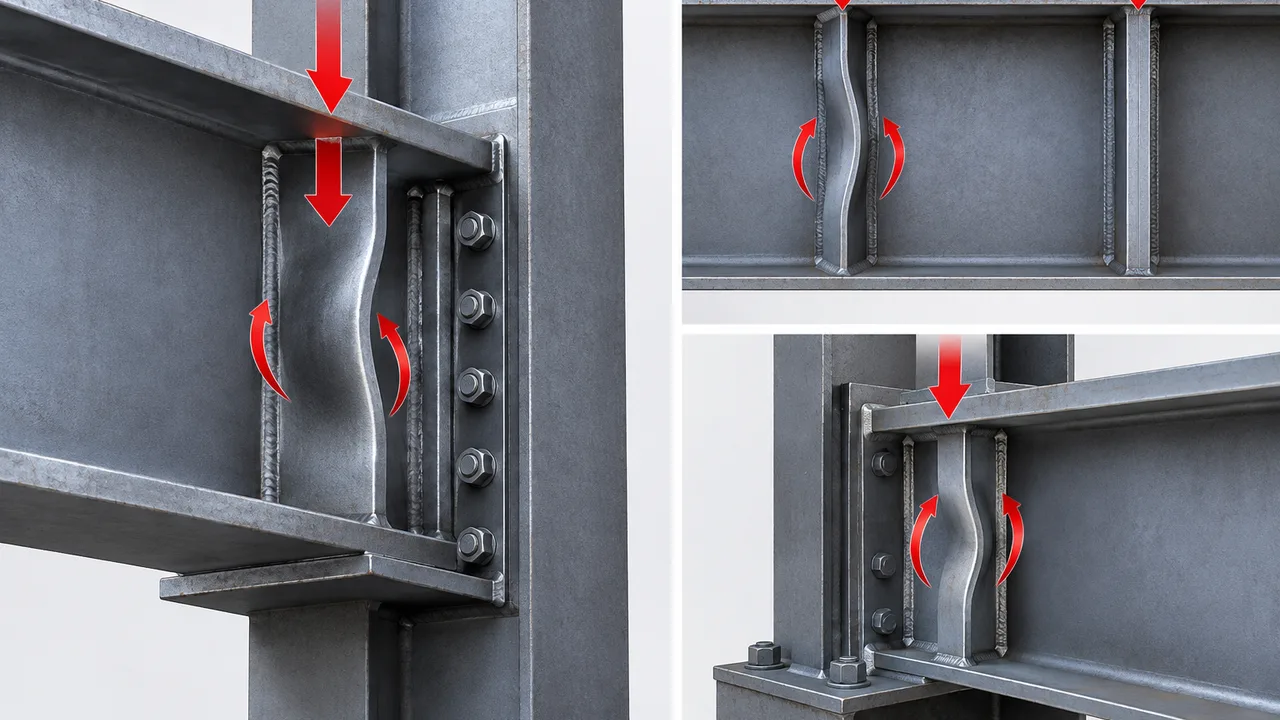
They transfer structural loads from the roof and framing safely to the building foundation while maintaining stability under varying operating conditions.
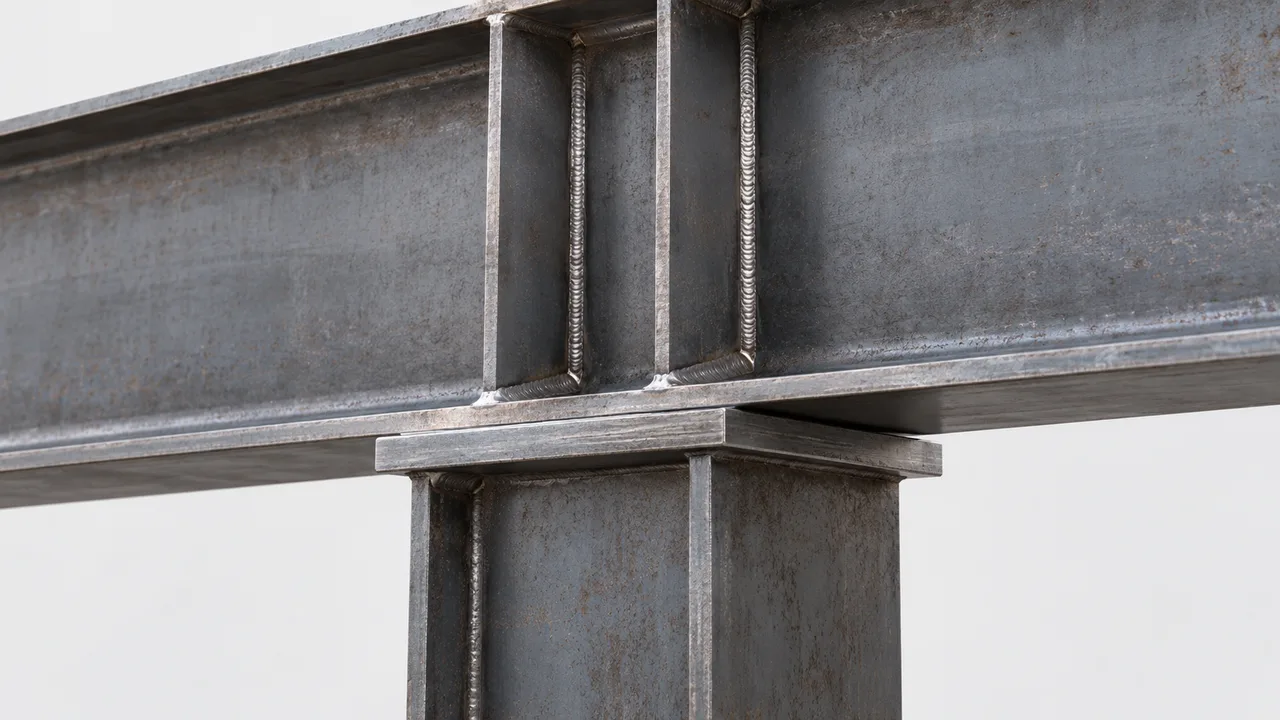
Steel Beams
Steel beams distribute roof loads across the structure while supporting long-span agricultural buildings.
Proper beam design allows buildings to accommodate heavy roofing systems and environmental loads.
Roof Systems
Agricultural buildings commonly utilize portal frames or steel truss roof systems to create large unobstructed spaces.
Roof systems protect crops, livestock, machinery, and workers from weather while maintaining structural integrity.
Wall Cladding Systems
Metal wall panels and insulated cladding protect agricultural facilities from moisture, wind, and temperature fluctuations.
Cladding systems can be selected according to local climate conditions and operational requirements.
Ventilation and Openings
Proper ventilation plays a critical role in many agricultural facilities, particularly livestock buildings.
Steel structures can incorporate:
- Natural ventilation openings
- Mechanical ventilation systems
- Large sliding doors
- Equipment access openings
- Roof ventilation systems
Well-designed ventilation improves indoor environmental conditions while supporting healthy agricultural operations.