Professional Steel Cutting and Fabrication Services
Structural steel fabrication begins long before production equipment starts operating. Every fabricated component is produced according to detailed engineering information that specifies dimensions, material grades, connection details, welding requirements, and project tolerances.
Professional fabrication services combine modern manufacturing technology with experienced production management to ensure every component is manufactured consistently throughout the project.
Steel cutting and fabrication services commonly support:
- Industrial manufacturing facilities
- Steel warehouses
- Factory buildings
- Commercial developments
- Mining facilities
- Power generation projects
- Infrastructure construction
- Transportation facilities
By coordinating engineering, material preparation, machining, welding, inspection, and logistics, fabrication facilities help transform raw steel into ready-to-install structural systems.
What Is Steel Cutting and Fabrication?
Steel cutting and fabrication refers to the complete manufacturing process of transforming raw steel materials into finished structural components ready for installation.
While steel cutting focuses on accurately shaping steel materials, fabrication includes numerous additional production processes that prepare components for final assembly within the building structure.
Steel Cutting
Steel cutting creates individual components according to engineering dimensions.
Typical cutting operations include:
- Steel plate cutting
- Structural beam cutting
- Tube cutting
- Pipe cutting
- Channel cutting
- Angle cutting
- Custom profile cutting
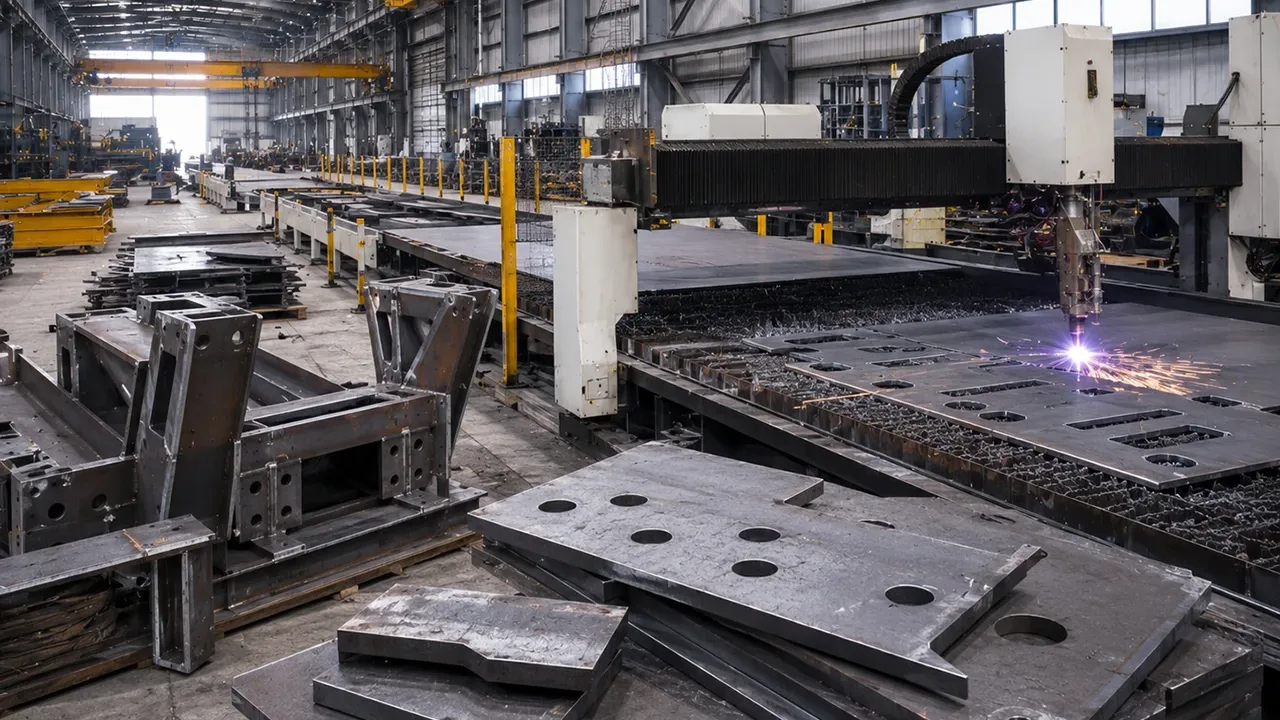
Modern CNC equipment allows these operations to achieve consistent dimensional accuracy across both small and large production volumes.
Steel Fabrication
Fabrication extends beyond cutting by preparing steel components for structural assembly.
Fabrication processes commonly include:
- Precision drilling
- CNC machining
- Fit-up and assembly
- Structural welding
- Grinding and finishing
- Surface treatment
- Protective coating application
- Quality inspection
Together, these operations produce components that match engineering requirements while simplifying on-site erection.
Steel Components Produced Through Cutting and Fabrication
Structural Steel Beams
Beams form the primary horizontal load-carrying members in many steel structures.
Fabricated beam products may include:
- Wide flange beams
- H-beams
- I-beams
- Built-up girders
- Transfer beams
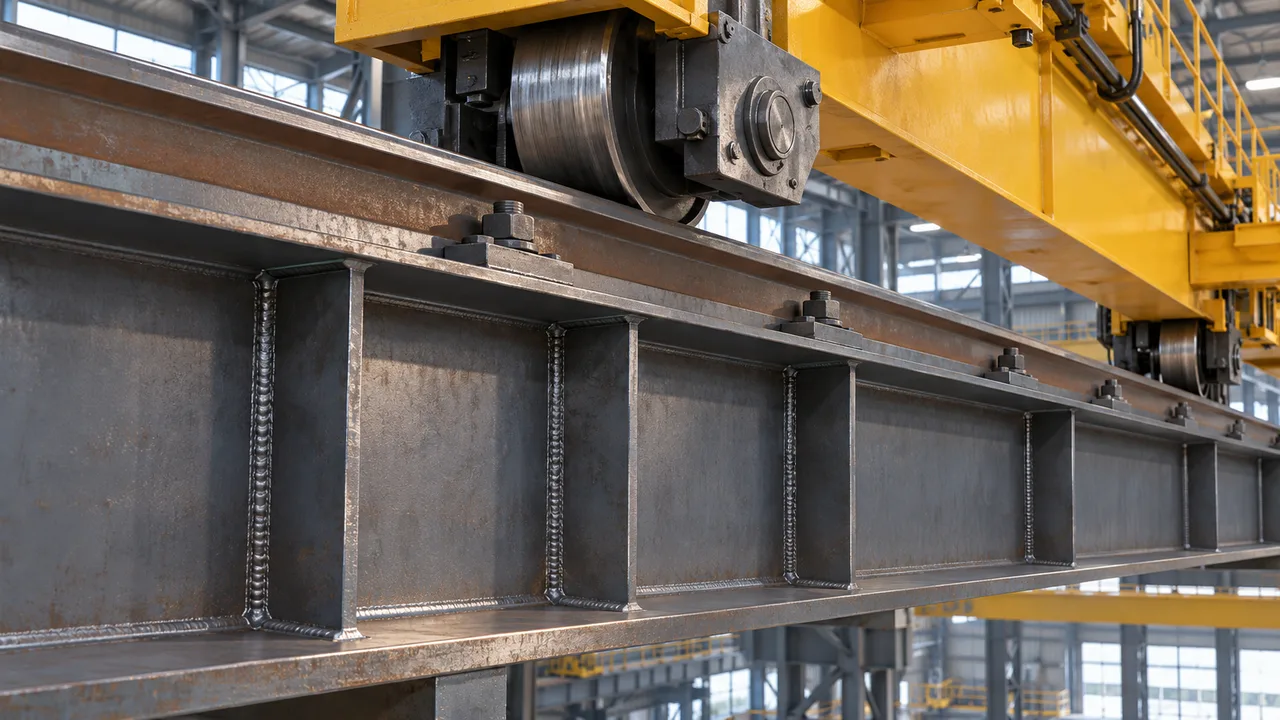
- Crane beams
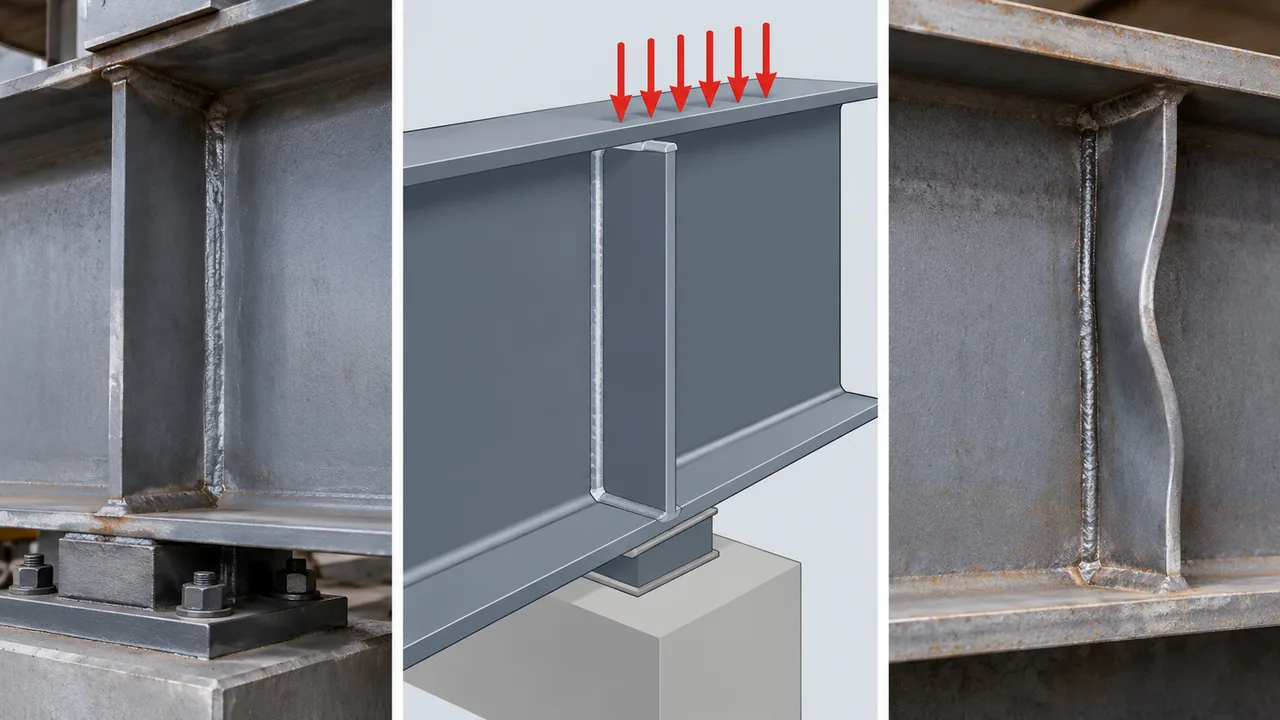
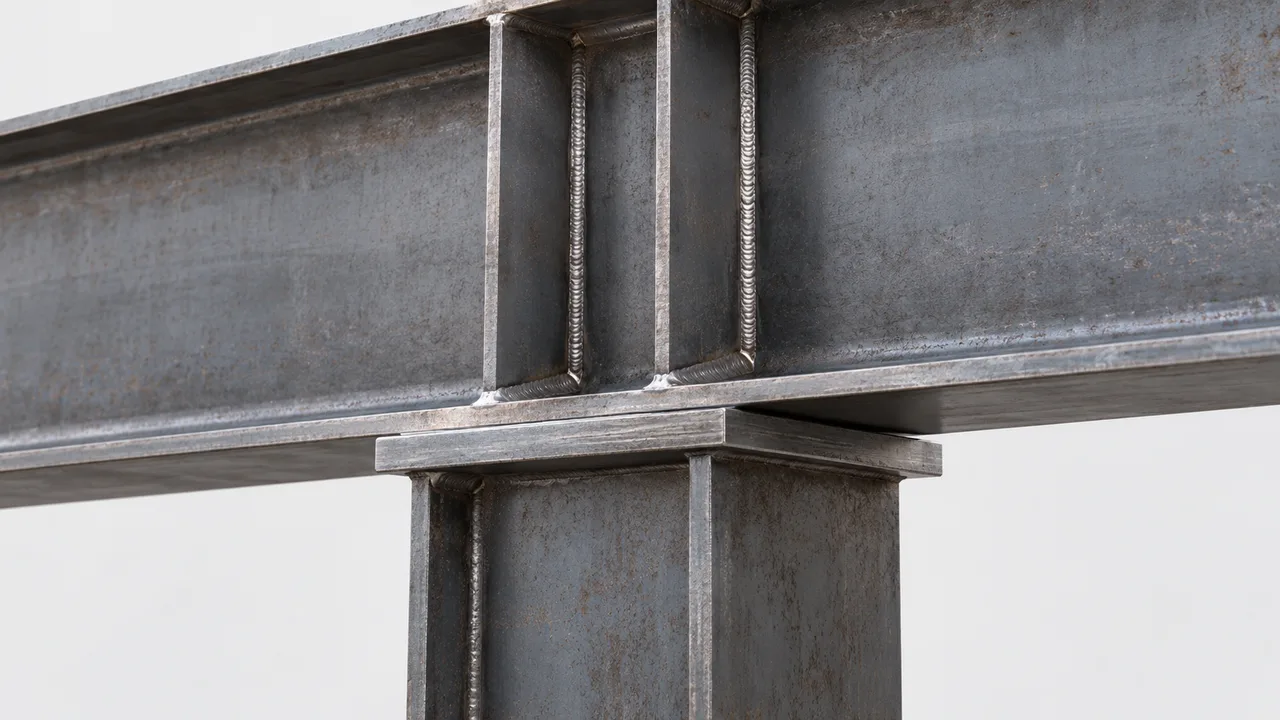
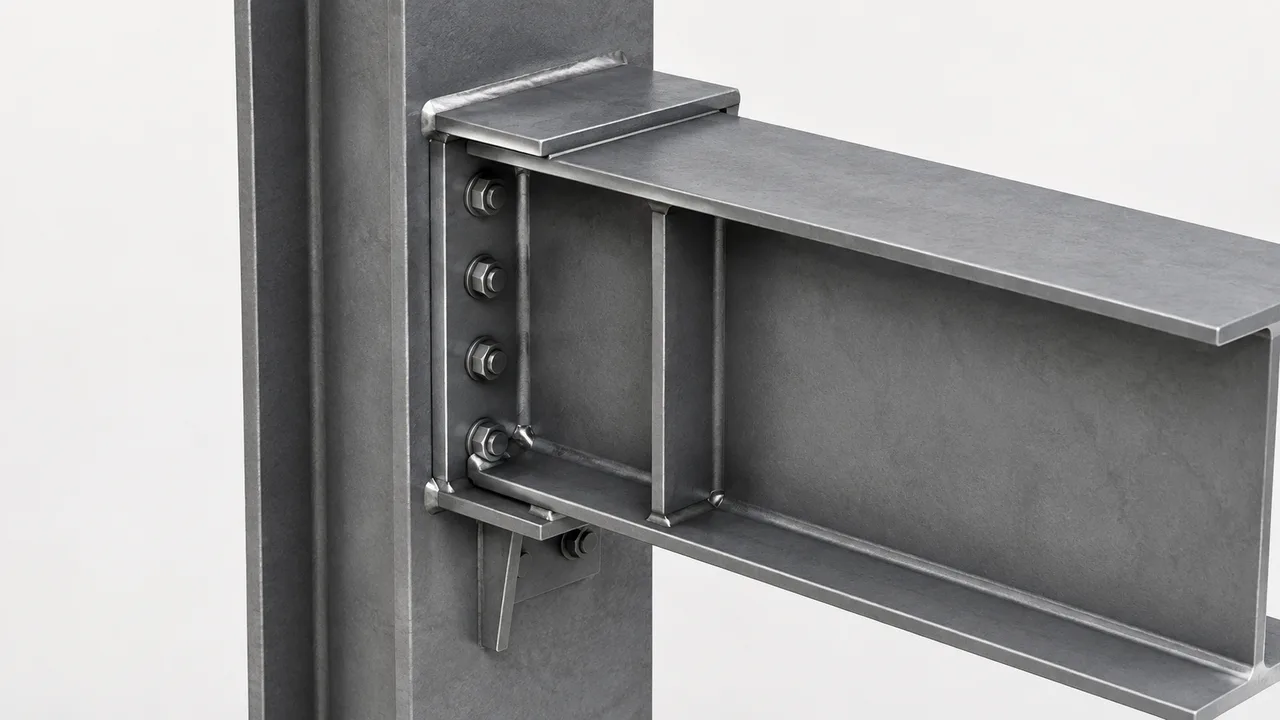
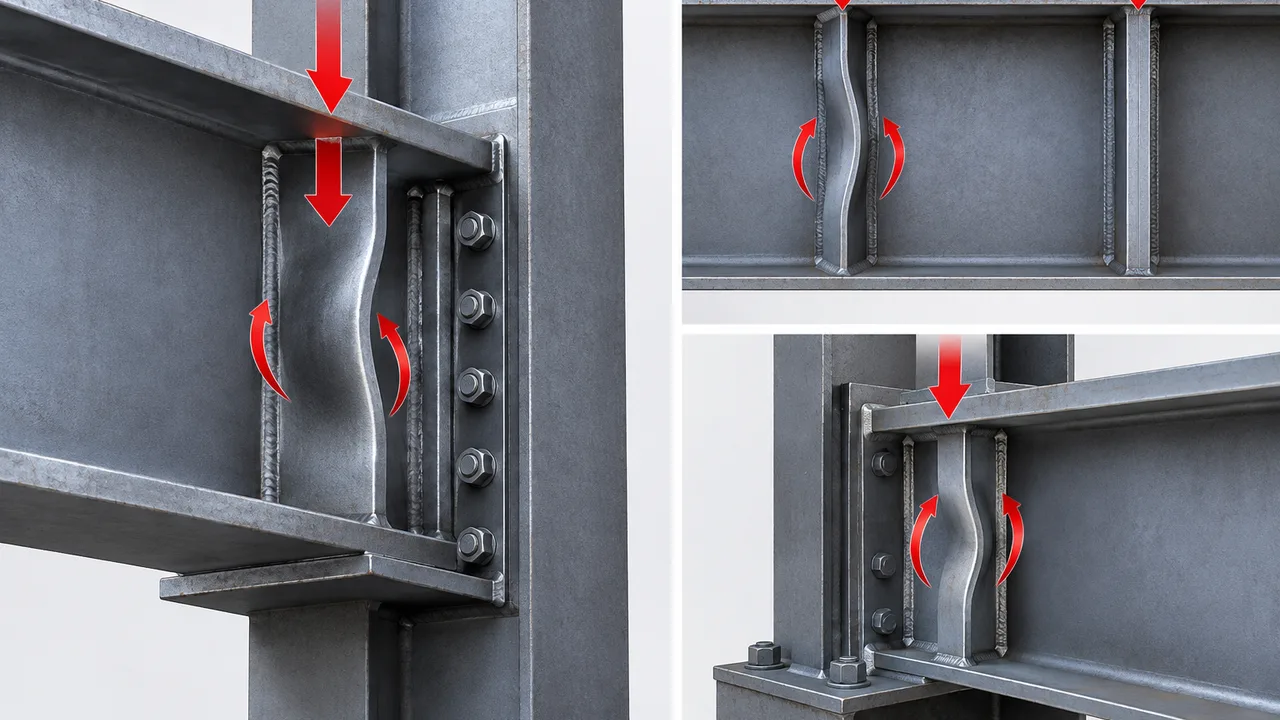
Depending on project requirements, beam fabrication may involve plate welding, stiffener installation, connection preparation, and dimensional verification.
Steel Columns
Steel columns transfer structural loads safely to the foundation.
Fabrication may include:
- Heavy box columns
- Built-up columns
- Rolled steel columns
- Industrial support columns
- Multi-story structural columns
Accurate fabrication helps maintain alignment throughout the building during erection.
Trusses and Structural Frames
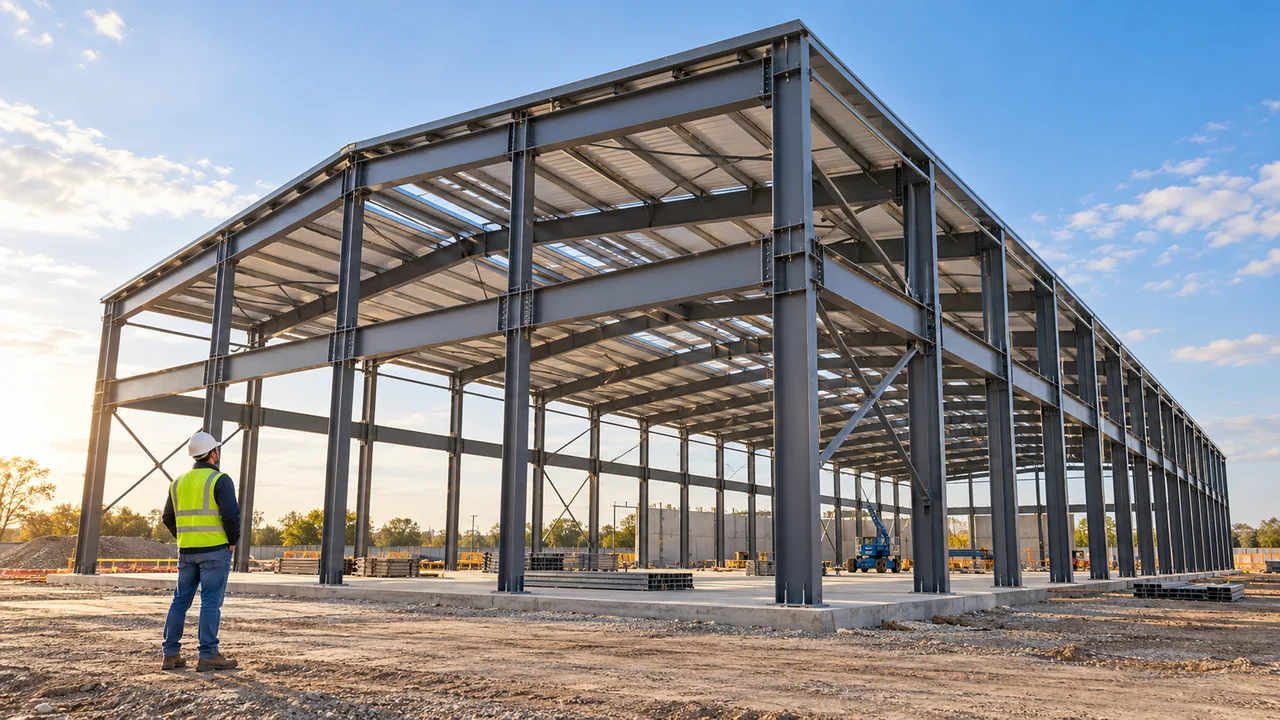
Many industrial buildings require fabricated trusses and structural frames to achieve large clear spans.
Typical products include:
- Roof trusses
- Portal frames
- Pipe trusses
- Space trusses
- Heavy industrial frames
Complex assemblies require precise fabrication because multiple members must fit together accurately during installation.
Industrial Platforms and Support Structures
Industrial facilities frequently require fabricated steel systems beyond the primary building frame.
These include:
- Equipment platforms
- Pipe racks
- Maintenance walkways
- Stair systems
- Support frames
- Equipment foundations
Custom Steel Components
Many industrial projects require non-standard fabricated components developed specifically for unique operational requirements.
Examples include:
- Connection plates
- Base plates
- Anchor assemblies
- Equipment brackets
- Custom structural connections
- Special fabricated assemblies
Steel Cutting Technologies
Different projects require different cutting technologies depending on steel thickness, production volume, dimensional accuracy, and component complexity.
CNC Flame Cutting
Flame cutting is commonly used for heavy steel plates where high cutting capacity is more important than fine edge quality.
Typical applications include:
- Heavy connection plates
- Base plates
- Large gusset plates
- Bridge components
- Industrial structural members
Plasma Cutting
Plasma cutting provides faster production speeds while maintaining good dimensional accuracy for medium-thickness steel.
Advantages include:
- Fast production
- Clean cut edges
- High productivity
- Good dimensional consistency
Laser Cutting
Laser cutting delivers extremely high precision for thinner steel materials and complex geometries.
Applications include:
- Precision plates
- Complex profiles
- Small fabricated components
- Decorative architectural steel
Saw Cutting
Saw cutting is widely used for structural sections.
Typical materials include:
- Wide flange beams
- H-sections
- Channels
- Angles
- Steel tubes
- Pipes
Saw cutting produces square, accurate ends suitable for structural assembly.
The Steel Cutting and Fabrication Process
Engineering Review
Production begins with engineering coordination.
Project information typically includes:
- Structural drawings
- Fabrication drawings
- Material specifications
- Connection details
- Welding requirements
- Inspection criteria
This review ensures manufacturing accurately reflects project requirements.
Material Preparation
Incoming materials are verified before fabrication begins.
This may include:
- Material identification
- Steel grade verification
- Certificate review
- Inventory management
- Material storage
Cutting Operations
After production planning, steel materials are processed using the most appropriate cutting equipment.
Operations may involve:
- CNC programming
- Automated cutting
- Profile cutting
- Dimensional inspection
- Part identification
Drilling and Machining
Additional machining prepares components for assembly.
This stage may include:
- Precision drilling
- Slot machining
- Edge preparation
- Connection machining
- Surface finishing
Assembly and Welding
Prepared components are assembled according to fabrication drawings before welding.
Production controls include:
- Fit-up verification
- Assembly inspection
- Controlled welding procedures
- Distortion monitoring
- Post-weld inspection
Surface Treatment
Protective coatings improve durability under different environmental conditions.
Surface treatment may include:
- Shot blasting
- Primer application
- Multi-coat painting systems
- Galvanizing when specified
- Touch-up preparation
Inspection and Packaging
Completed components undergo final quality verification before shipment.
Inspection activities may include:
- Dimensional checks
- Weld inspection
- Coating inspection
- Component marking
- Packing verification
- Export packaging
Industries That Require Steel Cutting and Fabrication
Industrial Manufacturing
Manufacturing facilities require fabricated steel for production buildings, equipment supports, maintenance platforms, and structural expansions.
Warehouses and Logistics Centers
Large warehouse developments benefit from accurately fabricated steel components that simplify installation while supporting wide-span layouts.
Commercial Buildings
Office buildings, shopping centers, exhibition halls, airports, and public facilities all utilize fabricated structural steel for efficient construction.
Mining and Energy Projects
Mining operations and energy facilities require fabricated steel for processing plants, conveyor systems, maintenance workshops, equipment structures, and utility buildings.
Infrastructure Construction
Infrastructure projects frequently require customized fabricated steel for bridges, transportation facilities, industrial platforms, utility structures, and public works.
Why Precision Matters in Steel Cutting and Fabrication
Better Structural Accuracy
Precisely manufactured components improve alignment during assembly while reducing cumulative dimensional errors.
Faster Site Installation
Accurate fabrication reduces field modifications, allowing installation crews to assemble structural members more efficiently.
Reduced Material Waste
Optimized cutting layouts improve material utilization and help reduce unnecessary waste.
Improved Welding Quality
Accurate fit-up supports better weld consistency and improved structural integrity.
Long-Term Structural Performance
Quality fabrication contributes to reliable building performance throughout the project’s service life.
Quality Control During Steel Cutting and Fabrication
Quality management is integrated throughout every production stage.
Material Verification
Material certificates, steel grades, and traceability records are verified before production.
Cutting Accuracy Inspection
Finished dimensions are measured to ensure compliance with fabrication drawings.
Welding Inspection
Visual inspection and additional testing, where specified, help verify weld quality.
Dimensional Verification
Overall dimensions, hole locations, connection geometry, and assembly tolerances are checked before shipment.
Surface Coating Inspection
Surface preparation, coating thickness, and finish quality are verified according to project specifications.
Choosing the Right Steel Cutting and Fabrication Partner
Selecting a fabrication partner involves evaluating far more than production capacity alone.
Modern CNC Equipment
Advanced machinery supports higher productivity, better consistency, and greater manufacturing precision.
Engineering Experience
Strong engineering coordination helps ensure fabrication accurately reflects project requirements.
Production Capacity
Large-scale fabrication capability supports projects requiring high steel tonnage and demanding delivery schedules.
Quality Management
Systematic inspection procedures improve manufacturing reliability throughout production.
International Project Support
Export projects benefit from organized packaging, documentation, logistics coordination, and shipment planning.
XTD Steel Structure Steel Cutting and Fabrication Services
XTD Steel Structure provides comprehensive steel cutting and fabrication solutions for industrial, commercial, warehouse, mining, logistics, and infrastructure projects. Our manufacturing capabilities combine engineering coordination, CNC processing, heavy steel fabrication, structural welding, quality inspection, and international supply support.
From individual fabricated components to complete structural building packages, production is coordinated to meet project specifications, delivery schedules, and installation requirements. Whether manufacturing standard structural members or customized heavy assemblies, XTD Steel Structure focuses on precision, efficiency, and reliable project execution.
Frequently Asked Questions
What is included in steel cutting and fabrication?
Steel cutting and fabrication typically includes engineering review, material preparation, CNC cutting, drilling, machining, welding, assembly, surface treatment, inspection, and packaging.
Which cutting method is best for structural steel?
The appropriate cutting method depends on material thickness, required precision, production volume, and project specifications. Flame, plasma, laser, and saw cutting are all commonly used.
Can steel fabrication be customized?
Yes. Fabrication can be fully customized to meet project-specific engineering drawings, structural layouts, equipment requirements, and installation conditions.
Can fabricated steel be shipped internationally?
Yes. Fabricated steel components can be prepared for export with organized packaging, identification, documentation, and logistics coordination for international projects.
Request a Steel Cutting and Fabrication Solution
Every project has unique structural requirements, production schedules, and installation objectives. Working with an experienced steel cutting and fabrication partner helps ensure accurate manufacturing, efficient production, and reliable project delivery.
Share your structural drawings, fabrication specifications, steel quantities, project schedule, and destination to discuss a fabrication solution tailored to your project requirements.
“`