Efficient Steel Structure Construction Services
Efficient steel structure construction begins long before installation starts. Every stage—from engineering review to final erection—is carefully coordinated to improve productivity and reduce project risks.
Integrated Project Coordination
Successful steel construction requires seamless communication between designers, engineers, fabricators, logistics teams, and installation crews. Coordinated planning ensures that technical issues are identified early, minimizing disruptions during production and site assembly.
Project managers monitor schedules, fabrication progress, procurement, transportation, and installation milestones to keep every phase aligned with project objectives.
Construction Planning and Scheduling
A detailed construction schedule is developed before fabrication begins. Production activities are synchronized with site preparation to reduce waiting time and improve overall project efficiency.
Critical milestones are continuously monitored, allowing adjustments whenever necessary while maintaining the planned completion date.
Fabrication and Installation Alignment
Structural components are manufactured according to the planned installation sequence. Proper labeling, packaging, and documentation allow installation crews to locate and assemble components efficiently once they arrive at the project site.
This organized workflow minimizes unnecessary handling, reduces installation errors, and accelerates erection activities.
How We Improve Construction Efficiency
Design Optimization
Every project undergoes a constructability review before production begins. Structural layouts, member sizes, and connection details are evaluated to simplify fabrication while maintaining required structural performance.
Optimized engineering reduces unnecessary steel consumption, improves fabrication efficiency, and simplifies field installation.
Precision CNC Fabrication
Modern CNC equipment performs cutting, drilling, profiling, and machining with high accuracy. Automated production improves dimensional consistency while reducing manual errors.
Accurate fabrication allows components to fit together correctly during erection, significantly lowering the possibility of rework on site.
Standardized Production Processes
Standard manufacturing procedures create consistent quality across structural components. Controlled workflows increase production efficiency while maintaining strict quality standards for every project.
This approach is particularly valuable for large industrial developments where thousands of steel components must be fabricated within demanding schedules.
Efficient Material Utilization
Optimized cutting layouts reduce raw material waste and maximize steel utilization. Better material planning not only lowers project costs but also supports sustainable manufacturing practices.
Steel Structure Systems for Efficient Construction
Portal Frame Structures
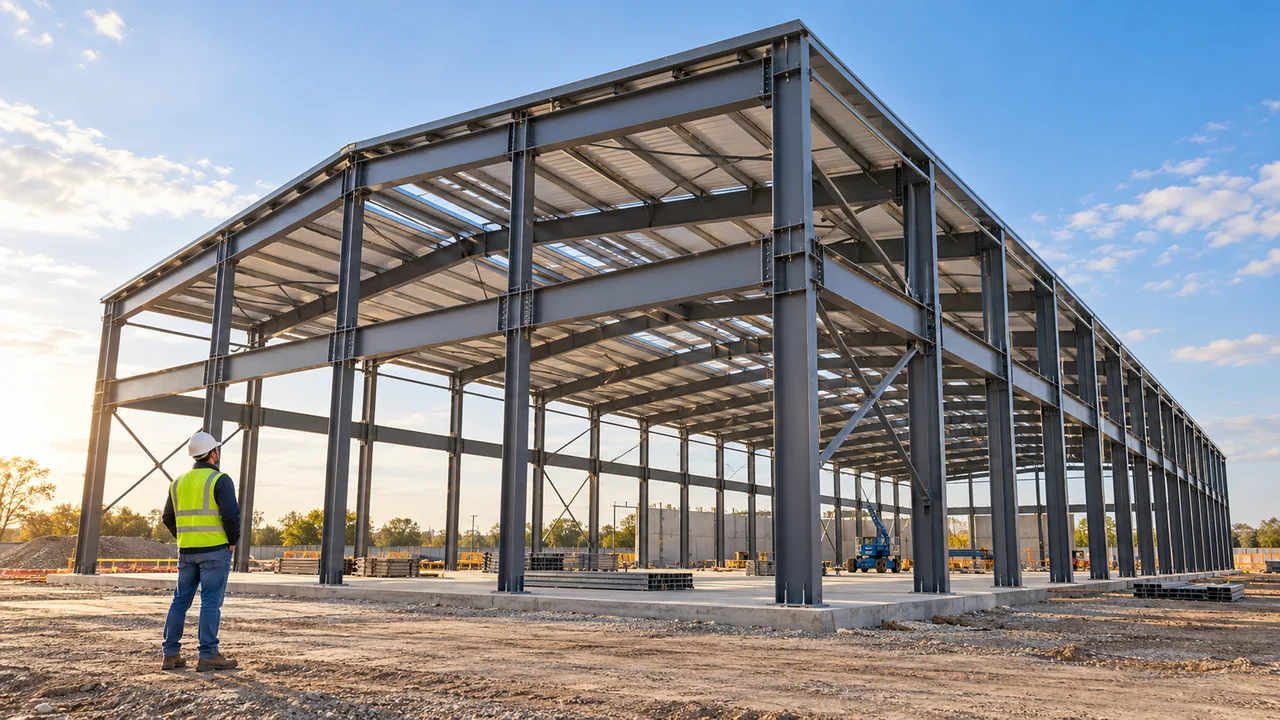
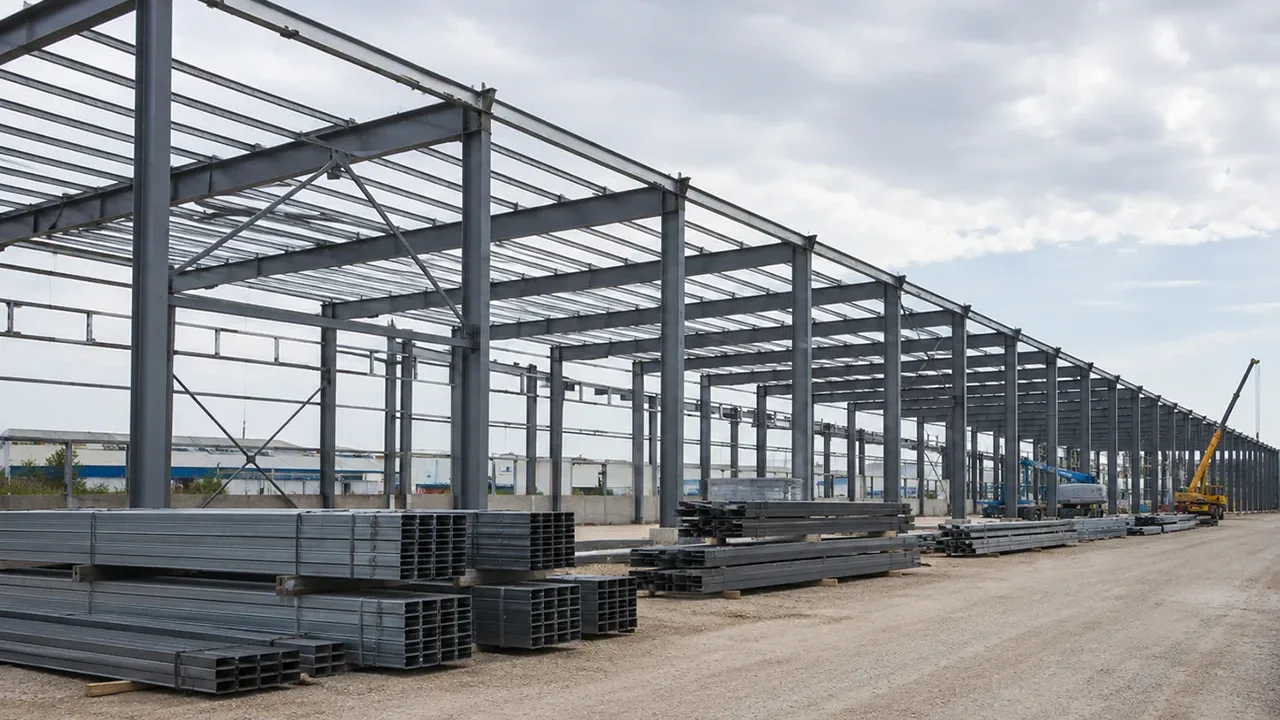
Portal frame systems provide one of the most economical structural solutions for warehouses, factories, workshops, and agricultural buildings. Their straightforward design supports rapid fabrication and efficient installation while maintaining large column-free interiors.
Prefabricated Steel Structures
Prefabricated components are manufactured in controlled factory environments before delivery to the construction site. Factory production improves quality consistency while reducing weather-related delays and site labor requirements.
Pre-Engineered Steel Buildings
Pre-engineered building systems utilize standardized engineering principles to improve production efficiency and reduce construction time. These systems are widely used for industrial facilities, logistics centers, and commercial buildings.
Modular Steel Structures
Modular structural systems allow sections of the building to be fabricated in advance and assembled rapidly on site. This method is particularly suitable for projects requiring phased expansion or accelerated construction schedules.
Large-Span Steel Structures
Large-span structural systems eliminate unnecessary interior columns, creating flexible open spaces that improve equipment movement, production flow, storage capacity, and operational efficiency.
Efficient Construction Process
Requirement Assessment
Every project begins with a comprehensive review of building dimensions, structural loads, operational requirements, environmental conditions, and construction objectives.
This evaluation establishes the technical foundation for efficient engineering and production planning.
Engineering and Detailing Review
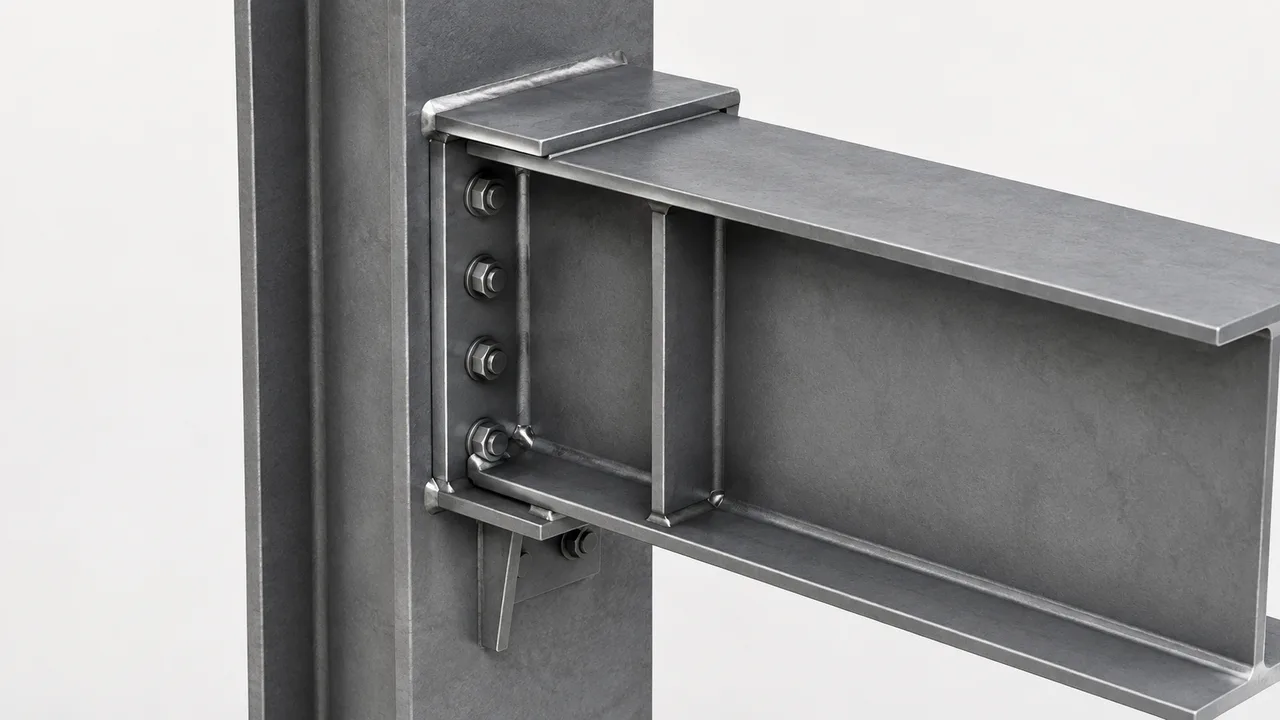
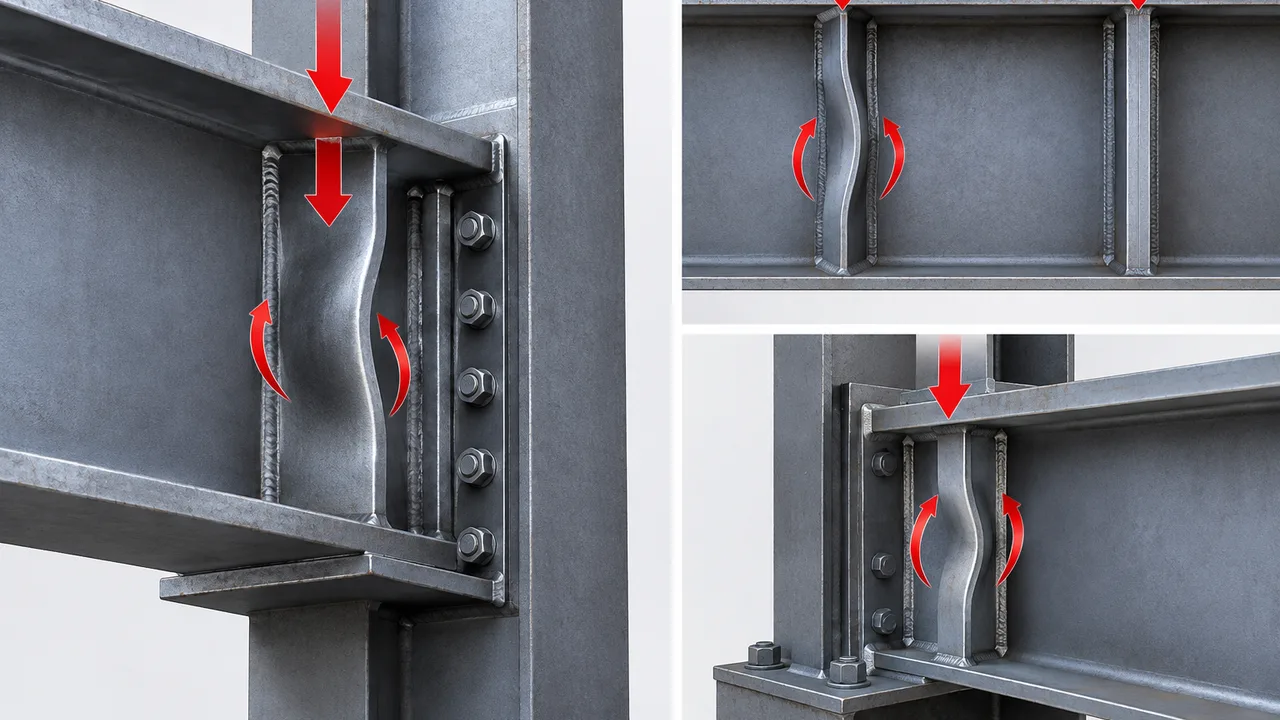
Structural drawings, fabrication details, and connection designs are reviewed carefully before manufacturing begins. Potential production or installation challenges are addressed during this stage to reduce field modifications.
Production Planning
Fabrication schedules coordinate raw material procurement, CNC processing, welding, inspections, surface treatment, and packaging according to installation priorities.
Proper planning allows multiple production activities to proceed simultaneously without compromising quality.
Quality-Controlled Fabrication
Quality inspections are performed throughout production to verify dimensions, welding quality, material specifications, and surface treatments before shipment.
Preventing manufacturing errors before delivery significantly improves installation efficiency.
Organized Packaging and Delivery
Components are packaged according to erection sequences and clearly identified with corresponding drawings and packing lists. Organized shipping reduces unloading time and improves job-site logistics.
Installation Coordination
Accurate fabrication, clear component identification, and complete technical documentation help installation teams assemble the structure efficiently while reducing unnecessary adjustments during erection.
Benefits of Efficient Steel Structure Construction
Shorter Project Timelines
Parallel factory production and site preparation reduce the overall project schedule compared with many traditional construction methods.
Reduced On-Site Labor
Factory fabrication minimizes field work, improving productivity while reducing labor requirements and safety risks at the construction site.
Less Material Waste
Precision manufacturing and optimized cutting plans maximize steel utilization while minimizing waste generated during production.
Lower Rework Risk
Careful engineering reviews, accurate fabrication, and organized installation planning reduce costly modifications during construction.
Predictable Project Delivery
Integrated scheduling improves coordination between fabrication, transportation, and installation, helping projects stay on schedule.
Easier Future Expansion
Steel structures can be designed to accommodate future building extensions, allowing businesses to expand facilities with minimal operational disruption.
Applications
Industrial Buildings
Efficient construction methods support manufacturing plants, processing facilities, maintenance workshops, and industrial production buildings where project schedules directly affect operational startup.
Warehouses and Logistics Facilities
Distribution centers, storage warehouses, cold storage buildings, and logistics hubs benefit from fast construction, flexible layouts, and efficient material handling.
Agricultural Buildings
Steel structures provide efficient solutions for grain storage, livestock buildings, machinery sheds, processing facilities, and other agricultural infrastructure.
Commercial and Public Buildings
Exhibition centers, sports facilities, transportation terminals, retail buildings, and public infrastructure projects require reliable construction processes that minimize disruption while maintaining quality.
Infrastructure Projects
Steel bridges, industrial platforms, pipe corridors, utility structures, and specialized infrastructure benefit from precision fabrication and coordinated installation planning.
Quality Control for Efficient Delivery
Material Verification
All incoming steel materials are verified against project specifications before entering production.
Dimensional Inspection
Columns, beams, connection plates, bolt holes, and structural members are inspected throughout fabrication to ensure dimensional accuracy.
Welding Inspection
Qualified welding procedures and systematic inspections maintain consistent weld quality across all structural components.
Surface Treatment Inspection
Blasting, painting, coating thickness, or galvanization are inspected to verify corrosion protection requirements before shipment.
Pre-Shipment Inspection
Final inspections confirm component identification, packaging quality, quantities, and shipping documentation before delivery.
International Project and Export Support
Export-Ready Fabrication
Steel components are manufactured, packaged, and prepared for international transportation using container or break-bulk shipping according to project requirements.
Documentation and Component Identification
Comprehensive packing lists, fabrication drawings, quality records, and clearly marked components simplify customs clearance and on-site installation.
Remote Technical Coordination
Engineering teams provide ongoing communication with contractors, consultants, and installation personnel to resolve technical questions throughout project execution.
Why Choose XTD Steel Structure?
- Integrated engineering and construction coordination
- Advanced CNC fabrication technology
- Experienced project management teams
- Strict quality management throughout production
- International export and logistics expertise
- Customized construction solutions for diverse industries
XTD Steel Structure combines engineering excellence, precision fabrication, organized project management, and international delivery experience to help clients achieve efficient steel structure construction with reliable quality and predictable project outcomes.
Frequently Asked Questions
What makes steel structure construction efficient?
Efficient construction combines optimized engineering, precision fabrication, organized logistics, coordinated installation planning, and effective project management to reduce delays and improve productivity.
Can efficient construction reduce project costs?
Yes. Better planning reduces material waste, minimizes rework, lowers labor requirements, and shortens construction schedules, contributing to overall cost savings.
Can steel structures be customized?
Absolutely. Structural systems are customized according to building dimensions, loading requirements, operational needs, environmental conditions, and future expansion plans.
Is this service suitable for large projects?
Yes. Efficient steel structure construction is suitable for warehouses, factories, logistics centers, commercial buildings, agricultural facilities, and infrastructure developments.
Can components be delivered in installation sequence?
Yes. Components are identified, packaged, and shipped according to erection priorities to simplify unloading and installation.
Do you support international projects?
Yes. We provide export-ready fabrication, technical documentation, logistics coordination, and engineering support for projects worldwide.
Request a Quote for Efficient Steel Structure Construction
If you are looking for efficient steel structure construction backed by professional engineering, precision fabrication, organized project coordination, and dependable international delivery, contact our team today. Share your drawings, specifications, project schedule, and destination, and we will prepare a customized construction solution that maximizes efficiency, quality, and long-term project value.