What Is an ISO Certified Steel Structure Manufacturer?
Understanding ISO Certification
An ISO certified steel structure manufacturer operates according to internationally recognized management standards that establish documented procedures for quality management, production control, continuous improvement, and customer satisfaction.
Rather than focusing on a single manufacturing activity, ISO certification covers the overall management system that supports engineering, procurement, fabrication, inspection, documentation, corrective actions, and continual process improvement.
Why ISO Certification Matters
Large construction projects require consistent manufacturing quality throughout every production stage. Standardized management systems help improve communication between engineering, purchasing, production, quality inspection, logistics, and project management.
This coordinated approach minimizes unnecessary production variations while improving documentation, traceability, process consistency, and manufacturing efficiency.
Benefits for International Buyers
International contractors and project owners often prefer manufacturers operating under ISO-certified management systems because standardized procedures support consistent production regardless of project size or destination.
ISO certification also facilitates communication between international project teams by establishing documented production procedures, inspection records, quality documentation, and continuous monitoring throughout manufacturing.
Our ISO-Certified Manufacturing System
Quality Management Procedures
Quality management begins before production starts. Engineering reviews, production planning, procurement, fabrication scheduling, inspection planning, and delivery coordination are organized according to documented management procedures.
Every manufacturing stage follows established workflows designed to improve consistency while supporting continuous process evaluation and improvement.
Material Traceability
Incoming steel materials are identified, recorded, and managed throughout production. Material traceability supports quality verification while allowing manufacturing records to remain connected to specific structural components.
This systematic approach becomes increasingly important for large industrial projects requiring comprehensive production documentation.
Engineering Documentation Control
Approved structural drawings, fabrication documents, revision records, and production information are carefully controlled before manufacturing begins. Proper document management reduces the possibility of outdated information reaching the production floor.
Production Process Management
Manufacturing schedules coordinate CNC processing, welding, assembly, inspection, painting, packaging, and logistics according to project priorities. Process monitoring helps maintain production efficiency while reducing unnecessary delays.
Continuous Quality Improvement
ISO-certified management emphasizes continual improvement through regular reviews of manufacturing performance, quality results, corrective actions, and production efficiency. Lessons learned from completed projects contribute to future process optimization.
Manufacturing Capabilities
Structural Steel Fabrication
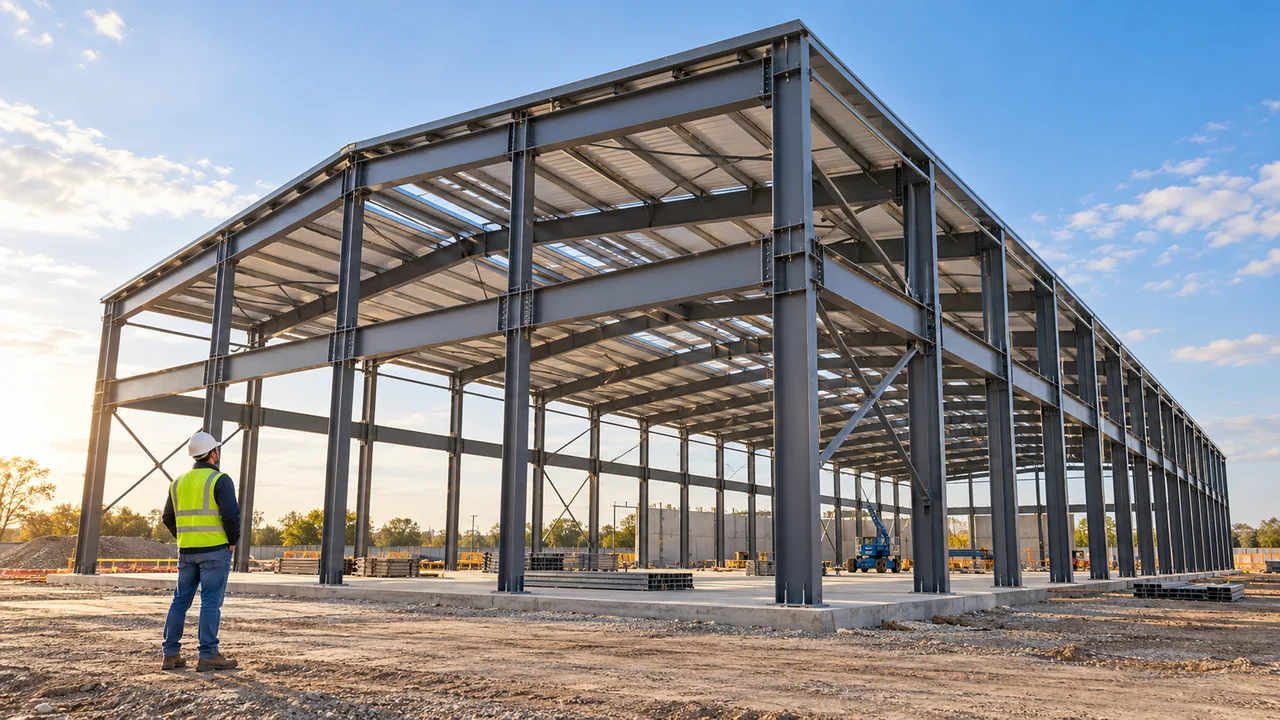
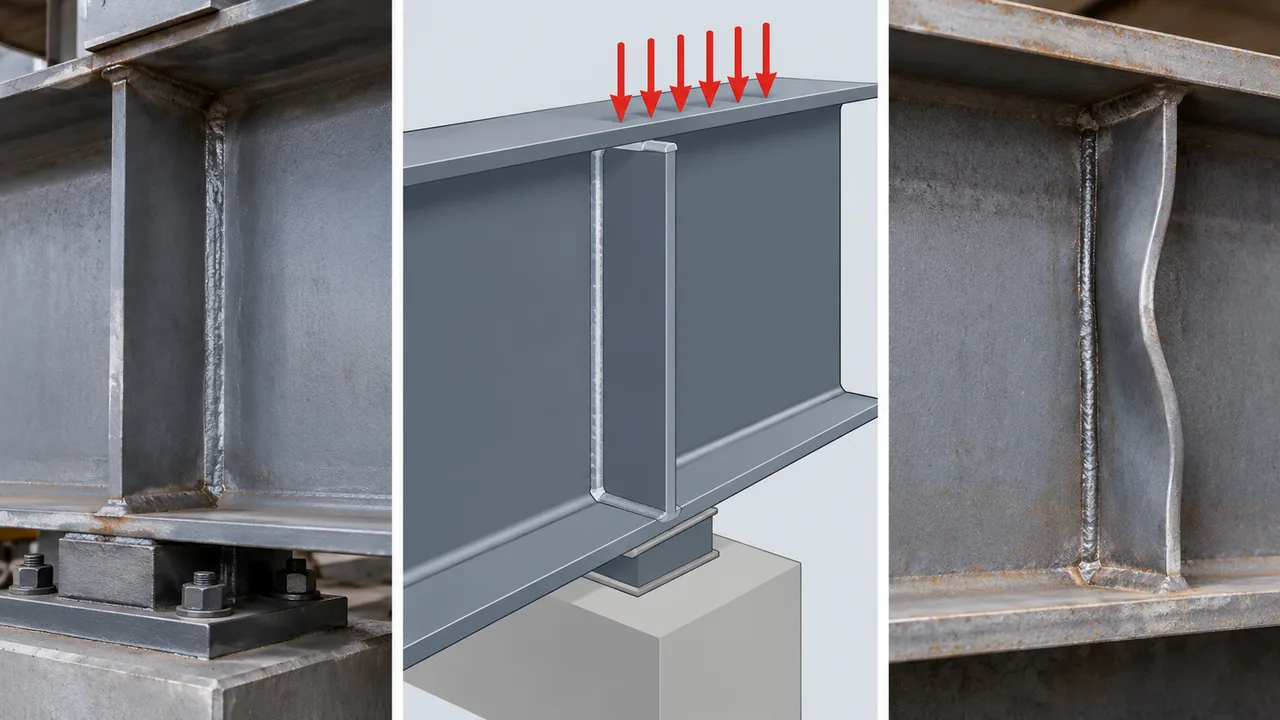
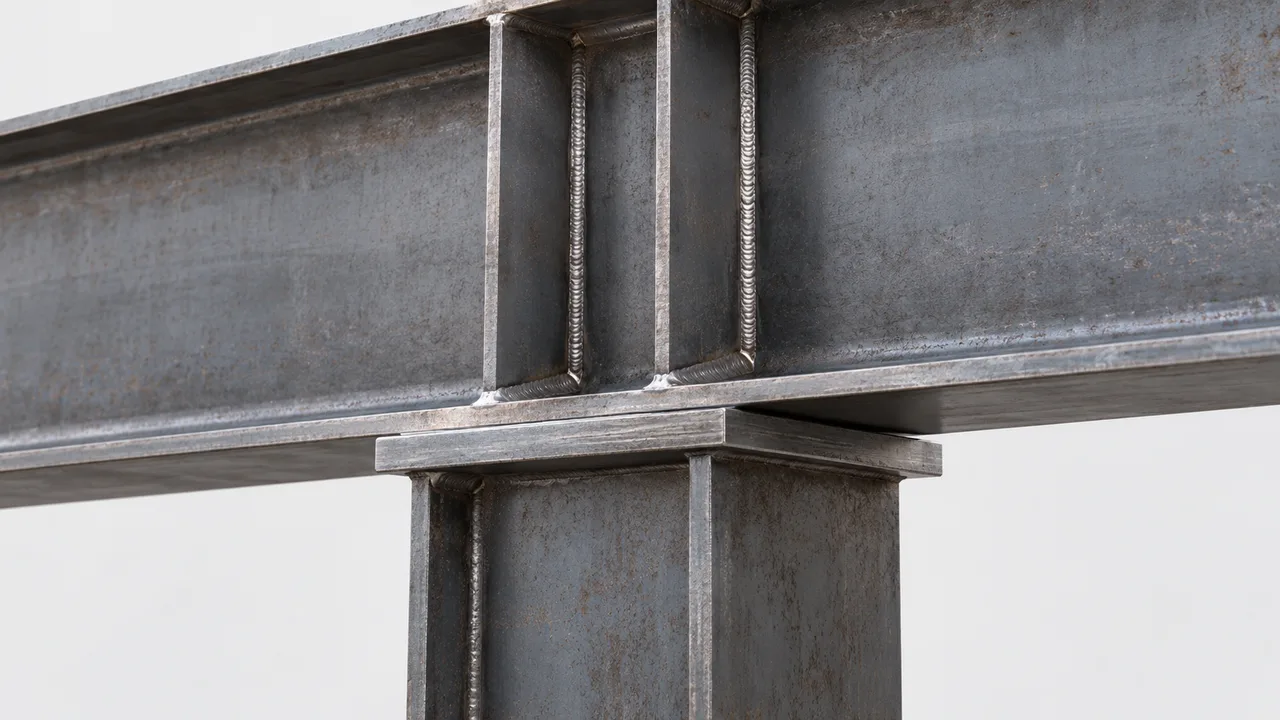
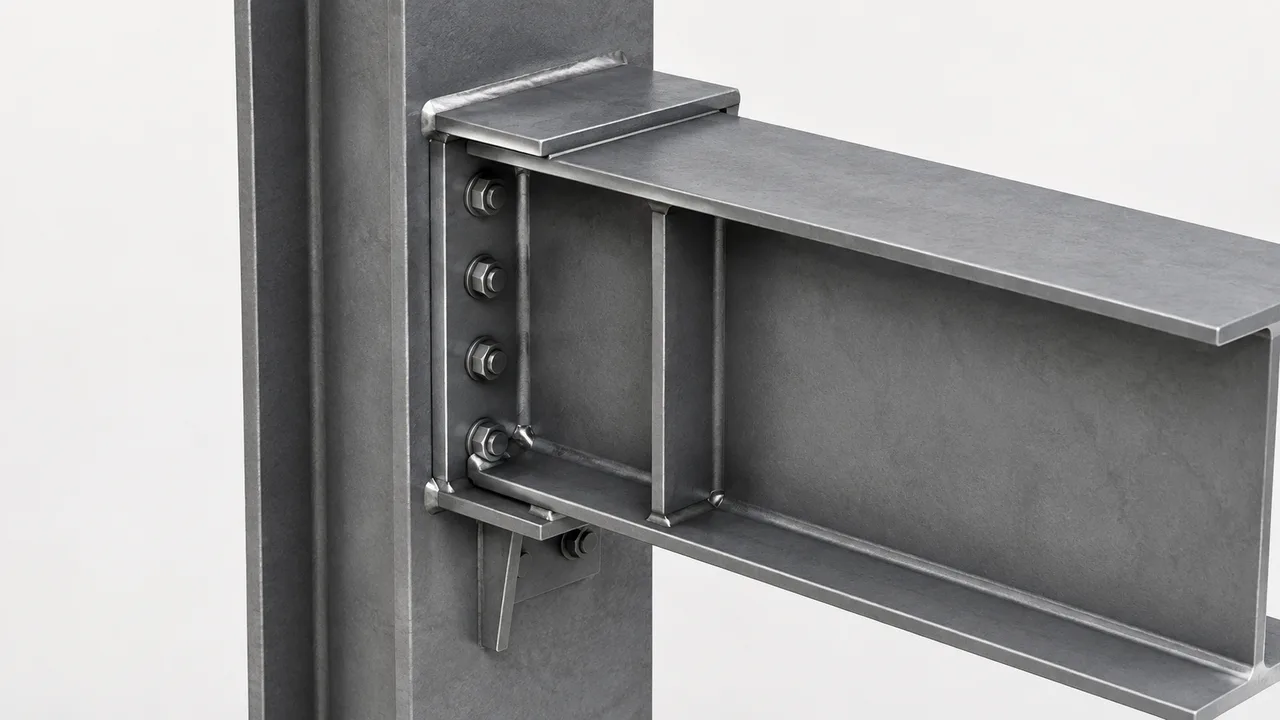
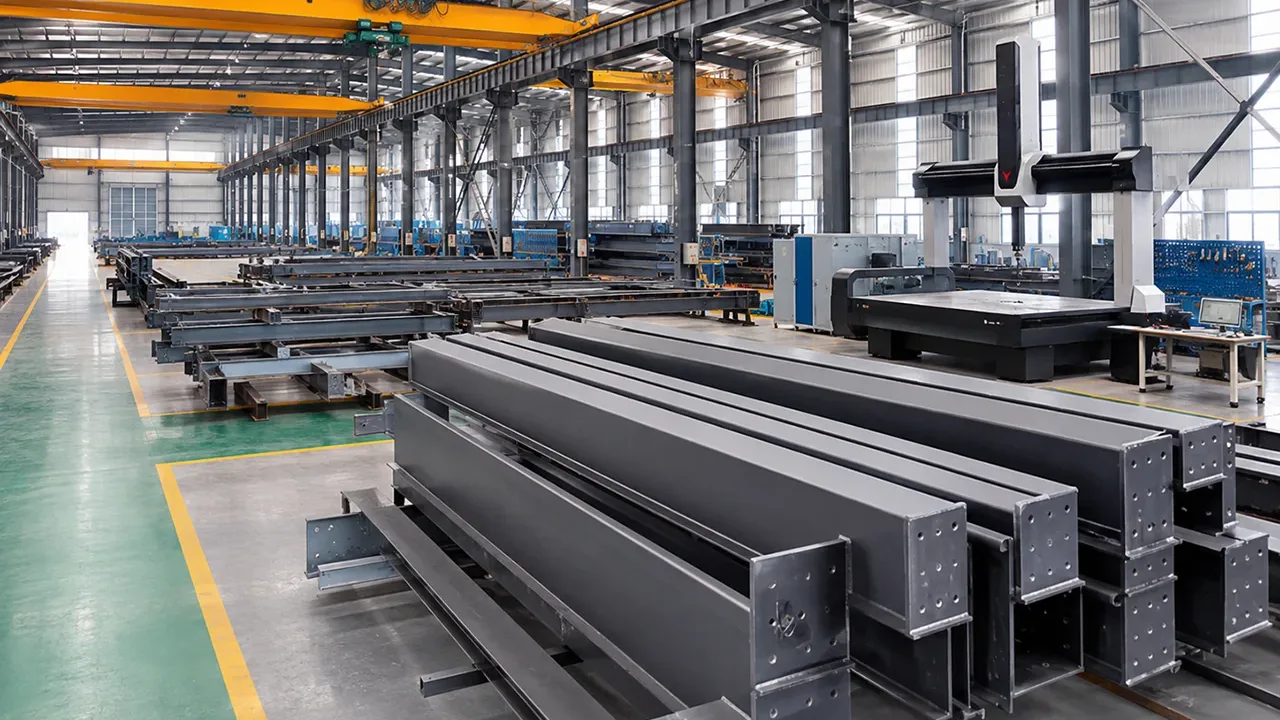
Our manufacturing facilities fabricate structural steel components including columns, beams, trusses, braces, connection plates, base plates, purlins, girts, and customized structural assemblies for commercial, industrial, agricultural, and infrastructure projects.
Precision CNC Processing
Advanced CNC equipment performs cutting, drilling, beveling, plate processing, and profile machining with excellent dimensional consistency. Automated processing improves manufacturing accuracy while supporting efficient large-volume production.
Professional Welding
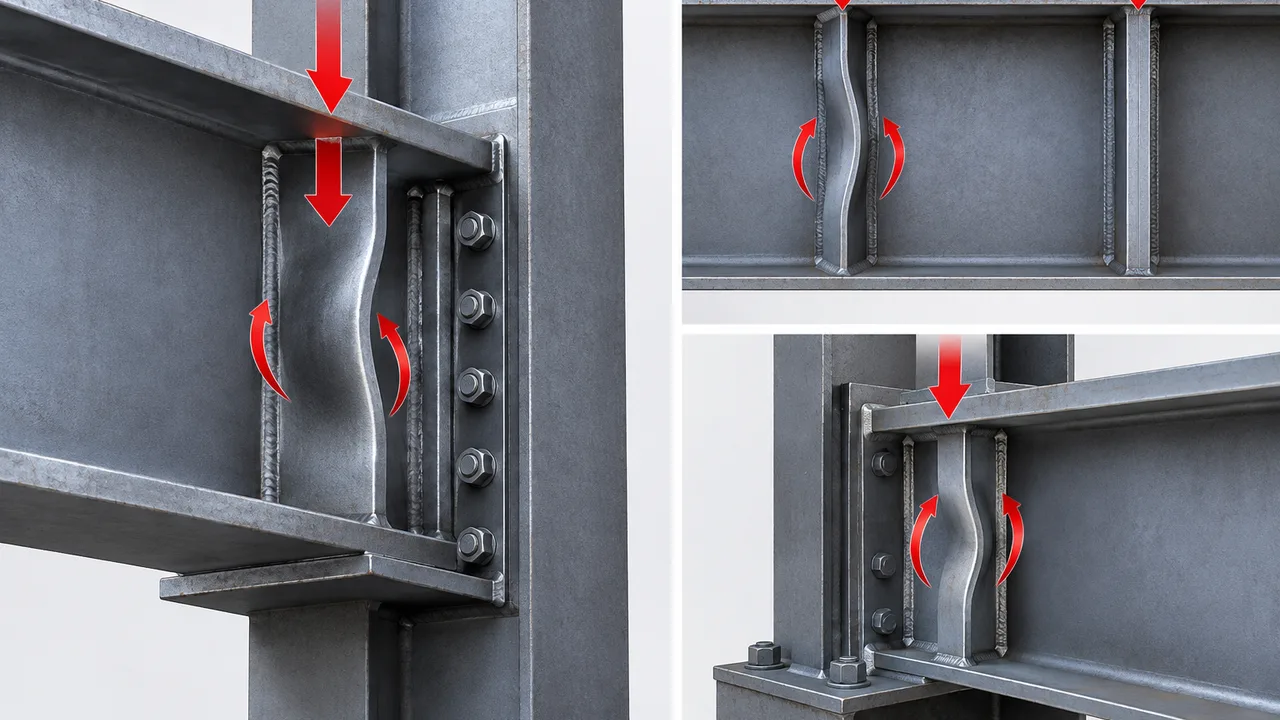
Qualified welding procedures, experienced personnel, and documented production controls support consistent weld quality throughout fabrication. Inspection activities are coordinated according to project specifications before components proceed to finishing operations.
Surface Treatment
Steel components may receive shot blasting, industrial primers, complete paint systems, or hot-dip galvanizing depending on environmental exposure, project specifications, and corrosion protection requirements.
Component Identification and Packaging
Each completed component can be identified using project numbering systems that simplify transportation, unloading, storage, and installation. Packaging methods are selected according to shipping requirements and international logistics conditions.
Steel Structure Products We Manufacture
Steel Warehouse Buildings
Warehouse structures include portal frames, roof systems, wall systems, bracing, secondary framing, and customized structural components designed for logistics centers, distribution facilities, and industrial storage.
Steel Factory Buildings
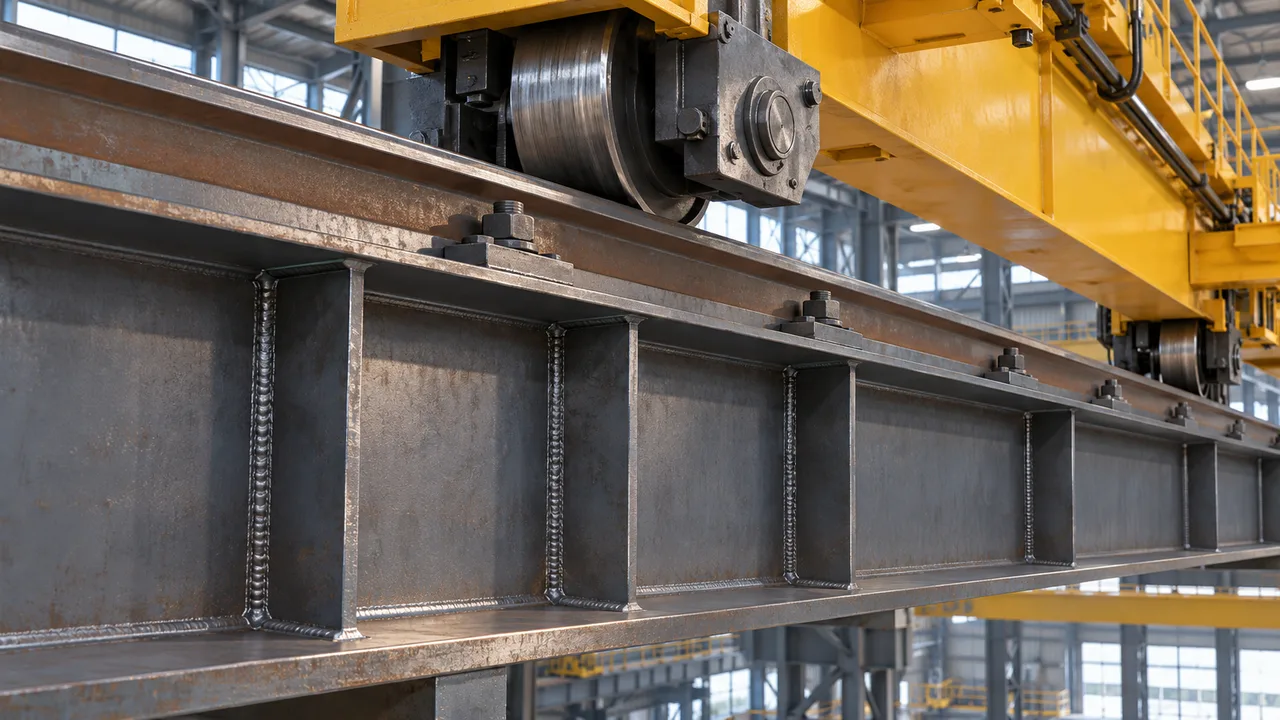
Factory buildings often require crane systems, large clear spans, high clearances, flexible production layouts, and future expansion capability. Customized fabrication supports different manufacturing industries and operational requirements.
Commercial Steel Buildings
Commercial projects include office buildings, shopping centers, exhibition halls, retail facilities, and mixed-use developments requiring efficient structural systems and adaptable architectural layouts.
Agricultural Steel Buildings
Agricultural structures support grain storage, livestock facilities, machinery buildings, food processing plants, fertilizer storage, and other rural infrastructure requiring durable steel construction.
Industrial Steel Structures
Industrial projects may include equipment platforms, process buildings, conveyor structures, maintenance facilities, utility buildings, heavy industrial workshops, and specialized steel support systems.
Customized Steel Structure Projects
Project-specific engineering allows customized fabrication for complex architectural buildings, long-span structures, infrastructure projects, energy facilities, mining operations, and specialized industrial applications.
Quality Control Throughout Production
Raw Material Inspection
Incoming steel materials are inspected before entering production. Verification may include material grades, dimensions, certificates, surface condition, and compliance with approved procurement specifications.
Dimensional Inspection
Critical dimensions are verified throughout cutting, assembly, welding, and final fabrication. Dimensional accuracy directly supports efficient assembly and minimizes installation adjustments.
Welding Inspection
Visual inspections and additional examination methods are performed according to project requirements. Inspection activities confirm weld quality before components proceed to coating operations.
Surface Coating Inspection
Surface preparation, coating thickness, adhesion, and finish quality are inspected to confirm that corrosion protection systems satisfy project specifications.
Final Factory Inspection
Before shipment, completed components undergo final verification covering quantities, identification marks, dimensions, coating completion, packaging, and supporting quality documentation.
International Manufacturing Standards
Export Manufacturing Experience
Manufacturing procedures are organized to support international transportation, overseas construction schedules, and project-specific documentation requirements for customers across multiple markets.
Documentation Management
Production records, inspection reports, packing lists, identification schedules, and shipping documents are organized to support efficient project coordination and international delivery.
International Project Coordination
Engineering, manufacturing, logistics, and project management teams maintain communication throughout production to support schedule control, manufacturing updates, and shipment planning.
Export Packaging
Packaging methods are selected according to transportation methods, component dimensions, destination requirements, and project installation sequences to reduce handling complexity after arrival.
Industries We Serve
Industrial Manufacturing
Manufacturing facilities require reliable structural systems capable of supporting production equipment, overhead cranes, process layouts, and future expansion.
Logistics and Warehousing
Warehouse projects benefit from large-span steel framing that maximizes storage efficiency while supporting modern logistics operations.
Commercial Buildings
Commercial developments require adaptable structural systems capable of accommodating changing tenant layouts, customer circulation, and architectural requirements.
Agriculture
Agricultural facilities utilize steel structures for livestock housing, grain storage, machinery protection, processing plants, and rural infrastructure development.
Infrastructure
Infrastructure projects include transportation facilities, terminals, industrial corridors, utility buildings, public facilities, and specialized structural systems requiring coordinated manufacturing.
Energy Projects
Power generation, renewable energy, oil and gas, and utility developments frequently require customized steel structures manufactured according to detailed engineering documentation.
Why Choose XTD Steel Structure?
- ISO-certified quality management system
- Experienced engineering and manufacturing teams
- Advanced CNC fabrication equipment
- Strict production and inspection procedures
- Reliable international export capability
- Large manufacturing capacity
- Professional engineering and project support
XTD Steel Structure combines ISO-certified management practices with precision fabrication, engineering expertise, quality control, and global project experience to deliver customized steel structure manufacturing solutions for customers around the world.
Frequently Asked Questions
Which ISO certifications are important for steel structure manufacturing?
The applicable ISO certifications depend on project requirements and management systems. Customers should confirm specific certification requirements during project discussions.
Does ISO certification guarantee product quality?
ISO certification supports consistent quality management processes. Final product quality also depends on engineering, manufacturing capability, inspection procedures, and project execution.
Can you manufacture according to international standards?
Yes. Manufacturing can be organized according to customer specifications and applicable project standards following approved engineering documentation.
Do you provide quality documentation?
Yes. Manufacturing documentation, inspection records, packing information, and project documents can be prepared according to project requirements.
Do you export steel structures worldwide?
Yes. We support international customers through organized manufacturing, export packaging, documentation preparation, and worldwide shipment coordination.
Request a Quote from an ISO Certified Steel Structure Manufacturer
If you are looking for an ISO certified steel structure manufacturer for industrial, commercial, agricultural, infrastructure, or customized steel building projects, send us your drawings, specifications, and project requirements. Our engineering team will prepare a customized manufacturing solution designed around your quality expectations, production schedule, and international delivery requirements.
“`