Built for Factories Exposed to Corrosive Conditions
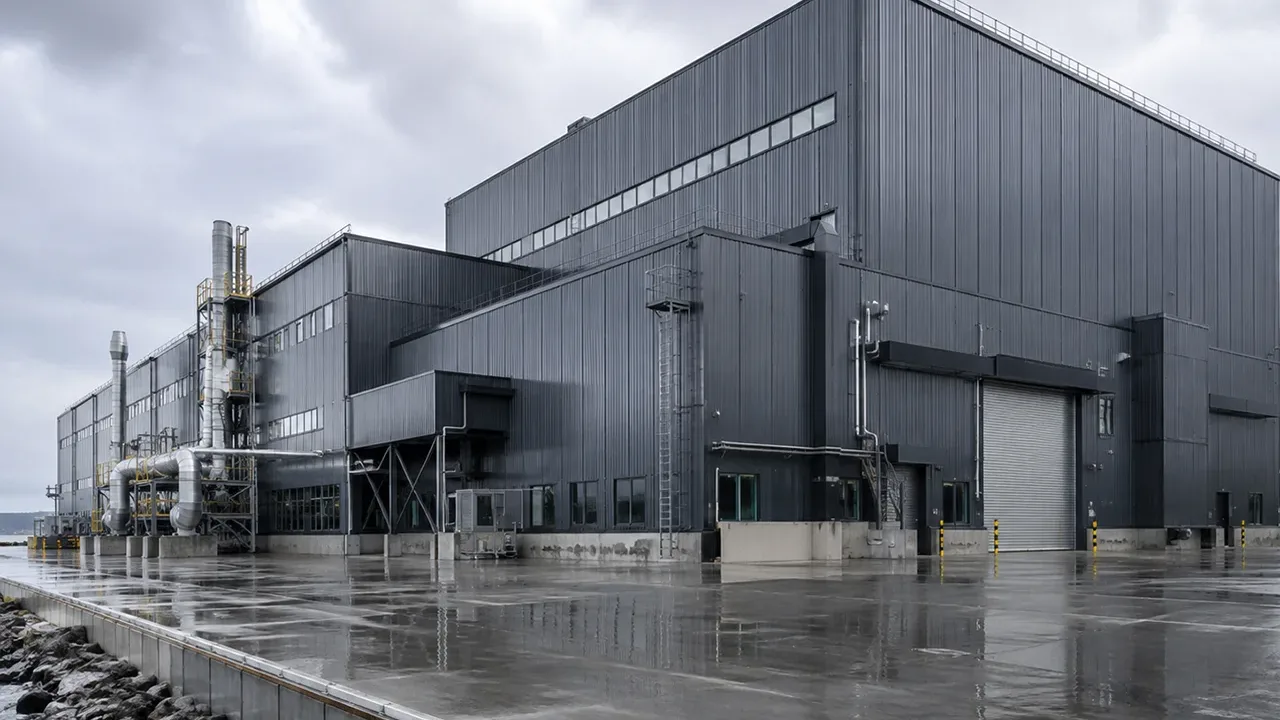
Industrial factory buildings often face harsher environments than ordinary warehouses or commercial buildings. Production moisture, chemical residue, cleaning water, temperature variation, fumes, dust, and outdoor exposure can all accelerate corrosion when the structure is not properly protected.
A standard steel factory may be acceptable for dry and low-risk environments, but factories with continuous operation, humid air, process vapor, or corrosive materials require a more careful approach. The structural system should be designed around the real exposure level of the project, not only around span, height, and building area.
A well-planned corrosion resistant steel factory combines structural steel engineering with anti-corrosion detailing, protective coating, drainage planning, ventilation strategy, and fabrication quality control. This combination helps the building perform more reliably in demanding industrial environments.
Where Corrosion Resistance Matters Most
Coastal and Humid Factory Locations
Factories located near coastal areas, ports, rivers, or high-humidity regions are exposed to moisture and, in some cases, salt air. These conditions can attack steel surfaces, fasteners, exposed edges, and poorly protected joints faster than inland dry environments.
For coastal projects, corrosion protection may require stronger coating systems, galvanized secondary members, better sealing details, and regular inspection access. Roof drainage and external wall protection also become more important because rainwater and condensation can accumulate around vulnerable areas.
Chemical and Processing Facilities
Some factories operate with chemical vapor, cleaning agents, wastewater zones, acidic or alkaline exposure, or process by-products that can affect steel surfaces. In these environments, corrosion resistance must be reviewed according to the type and concentration of exposure.
Protective coating should be selected carefully, especially around production halls, equipment zones, pipe supports, ventilation areas, and structural connections near corrosive processes. The goal is to reduce the risk of premature coating failure and structural damage.
Food, Agriculture, and Wet Production Areas
Food processing plants, agricultural processing buildings, and wet production facilities often require frequent cleaning, controlled hygiene, and moisture management. Washdown areas, condensation, drainage points, and ventilation openings can create hidden corrosion risks if the building is not detailed properly.
In these projects, steel structure protection should be coordinated with wall panels, roof panels, floor drainage, insulation, and ventilation. This helps maintain a cleaner and more durable production environment.
Structural Design for Anti-Corrosion Performance
Steel Member Selection and Detailing
Corrosion resistance starts before coating is applied. The shape, placement, and connection of steel members can affect how water, dust, and chemical residue collect on the structure. Poor detailing may create water traps, inaccessible surfaces, or areas where coatings are difficult to inspect and maintain.
For a corrosion resistant steel factory, engineers should consider member layout, joint position, base connection protection, exposed steel edges, and drainage paths. Good detailing can reduce corrosion risk while supporting efficient fabrication and installation.
Roof, Wall, and Drainage Coordination
The roof and wall systems are important parts of corrosion control. Roof slope, gutters, downspouts, flashing, wall panel overlap, ventilation openings, and water discharge routes must be coordinated carefully. Water should move away from structural elements instead of remaining around connections, column bases, or panel joints.
In wet or humid factories, roof insulation and ventilation also help reduce condensation. When condensation is ignored, moisture can collect on inner roof surfaces, secondary members, and hidden spaces, increasing maintenance problems over time.
Protection for Connections and Hidden Areas
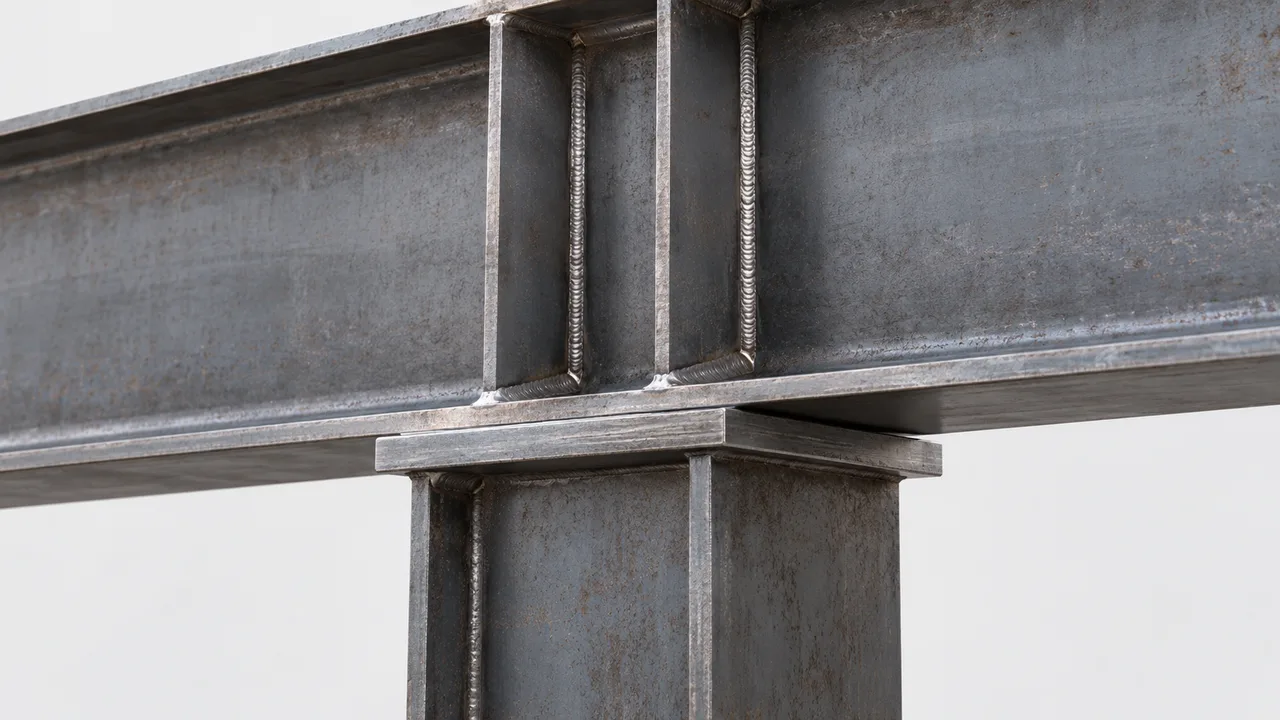
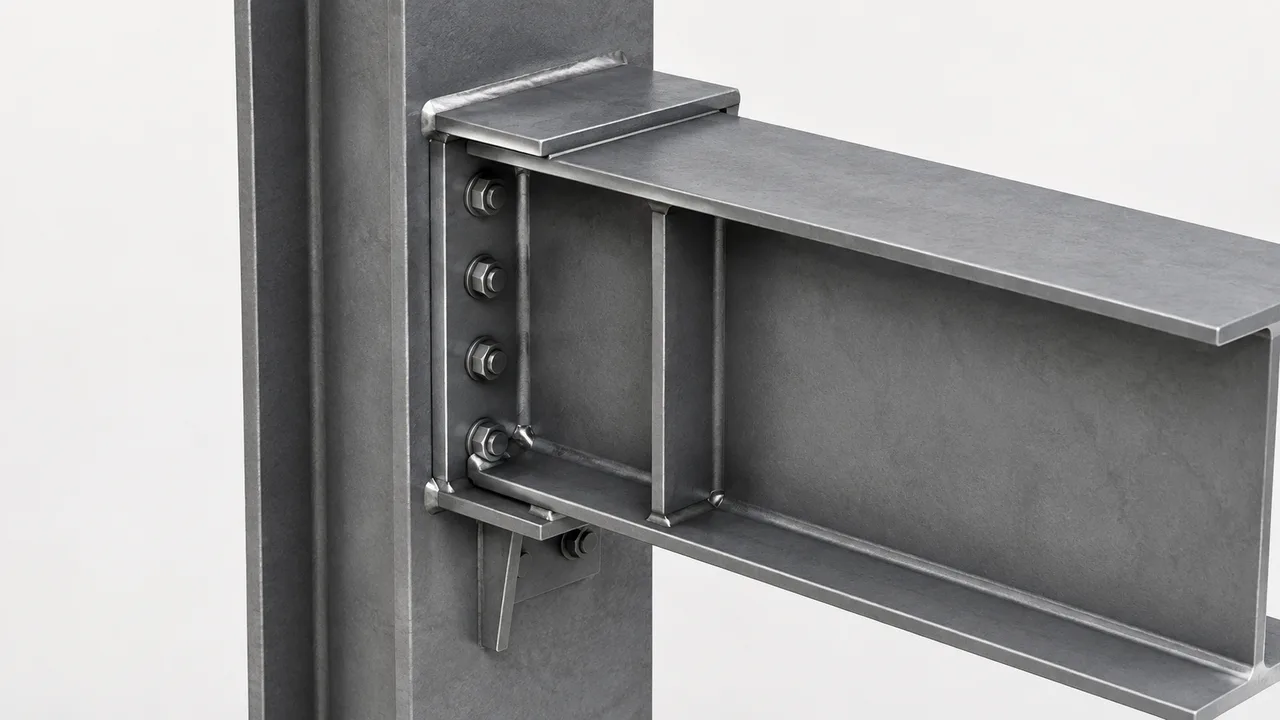
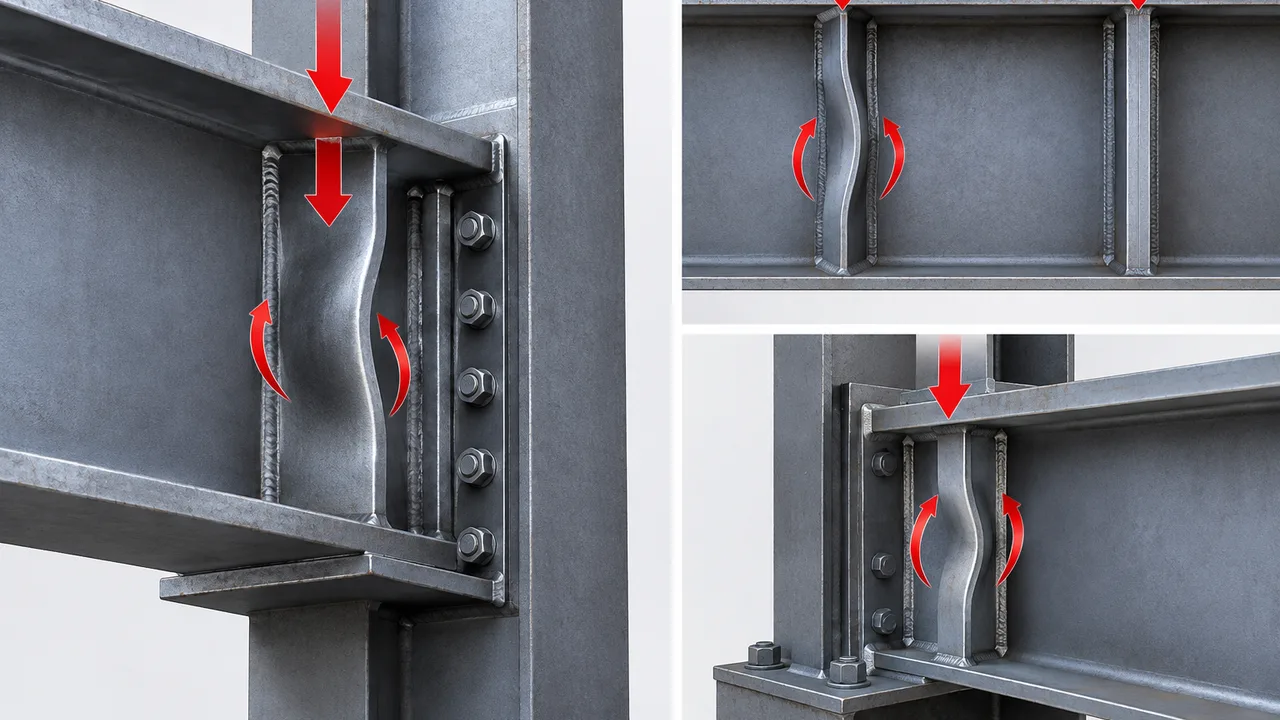
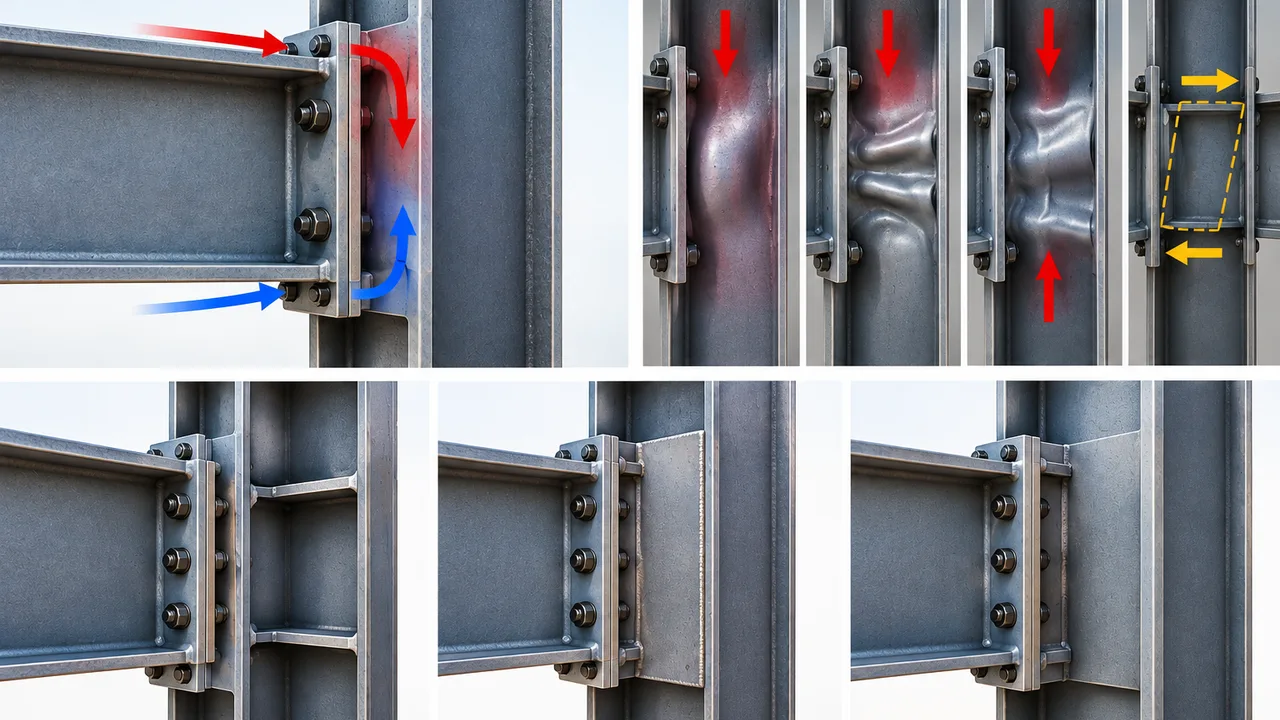
Connections are often more vulnerable than flat steel surfaces because they include bolts, weld zones, plates, gaps, and overlapping parts. Base plates, anchor bolts, column foot areas, roof joints, bracing connections, and crane support details should receive special attention.
Hidden areas should not be treated as minor details. If they are difficult to clean, inspect, or repaint, corrosion may develop unnoticed. Early engineering coordination can make these areas easier to protect and maintain.
Surface Treatment and Coating Options
The right corrosion protection method depends on exposure level, project location, production process, maintenance expectation, and budget. Some projects may only require a well-specified paint system, while others may need galvanizing, epoxy coating, or a combined protection strategy.
| Protection Method | Best Use | Project Consideration |
|---|---|---|
| Primer coating | General indoor steel protection | Suitable for low to moderate exposure when combined with proper finish coating |
| Anti-corrosion paint system | Industrial factory environments | Coating thickness and surface preparation should match the exposure condition |
| Hot-dip galvanizing | Secondary members, exposed parts, or humid environments | Useful where long-term corrosion resistance is needed with lower repainting frequency |
| Epoxy coating | Chemical or wet production areas | Often used where stronger resistance to moisture or chemical exposure is required |
| Maintenance coating plan | Long-term industrial operation | Helps owners manage inspection, repair, and repainting over the building lifecycle |
Fabrication Quality That Supports Long-Term Durability
Even the best design can lose value if fabrication quality is inconsistent. Steel components must be cut, drilled, welded, cleaned, blasted, coated, inspected, and packed according to the project specification. Surface preparation is especially important because coating performance depends heavily on the condition of the steel before painting or galvanizing.
XTD Steel Structure supports steel factory projects through engineering coordination, steel processing, welding, drilling, surface treatment, coating inspection, component marking, and export-ready packing. This integrated process helps connect anti-corrosion requirements with real production and delivery conditions.
For international factory projects, packing and shipment protection also matter. Components should be handled in a way that reduces coating damage during storage, loading, transport, and unloading. Clear marking and organized packing can also help the installation team reduce unnecessary handling on site.
Factory Building Areas That Need Extra Corrosion Planning
Main Production Hall
The production hall is often the most important part of the factory. It may contain machinery, heat, vapor, dust, cleaning water, or process emissions. Structural steel in this area should be reviewed according to the actual operating cycle and exposure level.
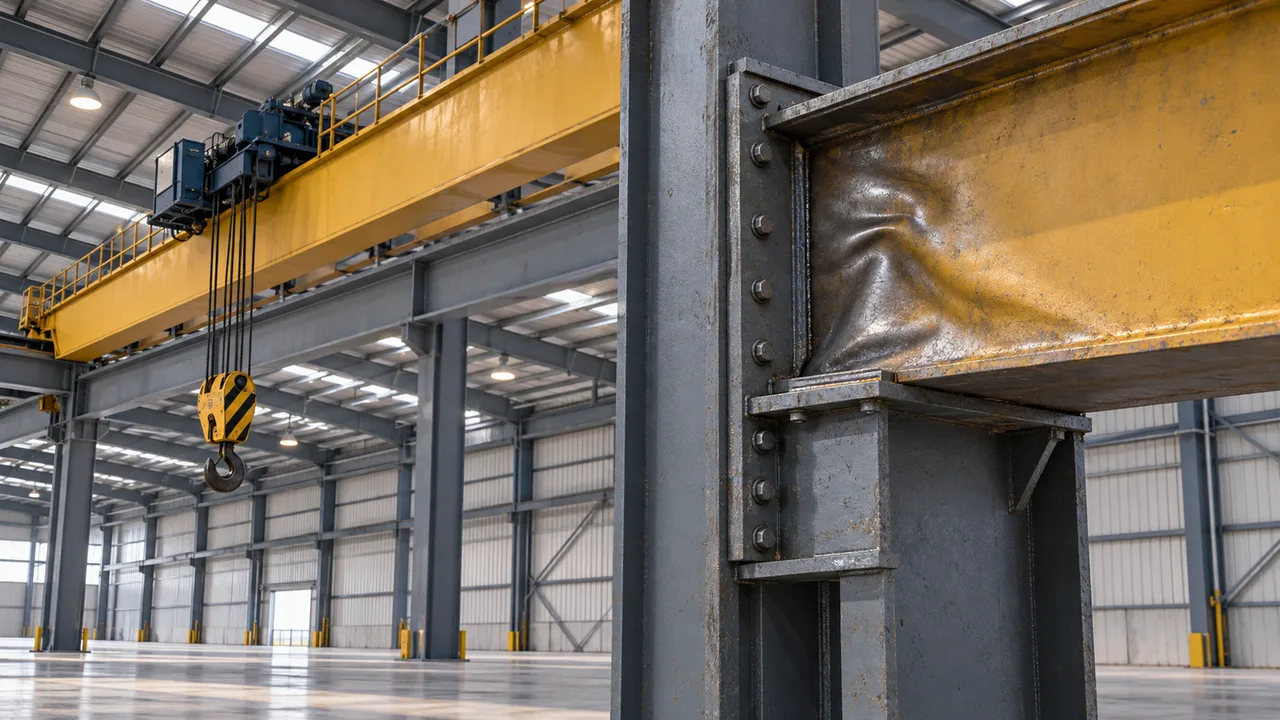
If the production hall uses overhead cranes, suspended equipment, or heavy machinery, protective treatment should be coordinated with load-bearing members and connection details. The building must remain strong and serviceable while operating in a demanding environment.
Storage and Raw Material Zones
Raw material zones may store chemicals, agricultural materials, metal parts, packaging materials, or products that release moisture or dust. These areas require proper ventilation and protection against localized corrosion risks.
Where storage zones include corrosive or moisture-sensitive materials, the building layout should support safe separation, drainage, and inspection access. This reduces the chance of small corrosion problems becoming larger structural maintenance issues.
Doors, Loading Bays, and External Edges
Doors, loading bays, wall edges, roof edges, and external corners often experience rain exposure, forklift traffic, impact, and repeated opening or closing. These areas may suffer coating damage faster than protected interior zones.
Protective details around these points can include stronger edge treatment, better flashing, reinforced panels, impact protection, and easier access for maintenance.
Why Choose a Corrosion Resistant Steel Factory Instead of a Standard Steel Factory?
A standard steel factory may reduce initial cost, but it may not deliver the best long-term value in harsh environments. Choosing a corrosion-resistant solution from the beginning can help owners avoid frequent repairs, unexpected downtime, and early deterioration.
- Longer service life in humid, coastal, wet, or chemically exposed environments
- Lower maintenance frequency when coating and detailing are planned properly
- Better structural safety by protecting connections, base plates, and exposed steel members
- Reduced coating failure risk through suitable surface treatment and inspection
- Improved lifecycle value for factories expected to operate for many years
- Better protection for production investment in demanding industrial locations
For owners planning long-term production, a corrosion resistant steel factory is often more practical than building a standard structure and trying to solve corrosion problems later.
Recommended Configuration for Corrosive Environments
Every project should be specified according to its actual environment, but several configuration choices are commonly recommended for factories exposed to corrosion risk.
- Portal frame or reinforced steel frame with suitable anti-corrosion treatment
- Galvanized purlins and girts where humidity or external exposure is high
- Protected base plates, anchor bolts, and column foot details
- Roof drainage design that moves water away from structural members
- Insulated roof and wall panels where condensation control is required
- Ventilation planning for moisture, vapor, and indoor air quality
- Maintenance access for inspection, cleaning, and future coating repair
These choices help the factory operate as a complete industrial facility rather than only a steel frame with basic cladding.
Project Workflow From Requirement Review to Delivery
Environment and Exposure Review
The process begins by reviewing the project location, production type, humidity level, chemical exposure, coastal distance, cleaning method, and expected maintenance strategy. This information helps define the corrosion risk level before structural specifications are finalized.
Engineering and Anti-Corrosion Specification
After the exposure condition is understood, the engineering team can coordinate structural design, coating grade, galvanized components, drainage details, ventilation strategy, and connection protection. This step helps align factory performance with project budget and operating requirements.
Fabrication, Coating, Packing, and Shipment
Once drawings and specifications are confirmed, steel components are processed, welded, cleaned, coated, inspected, marked, and packed for delivery. XTD Steel Structure can support this workflow with organized fabrication and shipment coordination for domestic and overseas factory projects.
Corrosion Resistant Steel Factory FAQs
What makes a steel factory corrosion resistant?
A steel factory becomes corrosion resistant when its structural design, connection details, surface treatment, coating system, drainage, ventilation, and maintenance access are planned according to the actual exposure environment.
Is galvanizing always required?
No. Galvanizing is useful for many humid or exposed environments, but it is not always required. The decision depends on project location, exposure level, component type, coating strategy, and maintenance expectations.
Can this factory type be used near coastal areas?
Yes. A corrosion-resistant steel structure can be designed for coastal environments when salt air exposure, coating specification, drainage, ventilation, and maintenance planning are considered from the beginning.
How does coating selection affect maintenance?
A suitable coating system can reduce repainting frequency and slow corrosion development. Poor coating selection may lead to early peeling, rust, and higher maintenance costs.
Can the factory be expanded later?
Yes. Future expansion can be considered during the original design stage. Structural layout, end wall details, corrosion protection, and site planning should be coordinated if later extension is expected.
Plan a More Durable Factory for Harsh Operating Conditions
Factories exposed to moisture, chemical vapor, coastal air, or wet production processes need a structure that is planned for long-term durability. A corrosion resistant steel factory helps protect the building, production equipment, stored materials, and operational continuity.
To begin planning, prepare your project location, factory use, exposure condition, building size, production layout, coating preference, and expected service life. With proper engineering, fabrication, and anti-corrosion planning, your steel factory can be built for stronger performance in harsh operating conditions.