Built for Factory Projects With Tight Construction Timelines
Speed matters when a factory project is connected to production launch dates. A delayed building can delay equipment installation, worker training, production testing, and customer delivery schedules. For investors and manufacturers, faster construction is not only about finishing the building earlier; it is about reaching operational readiness sooner.
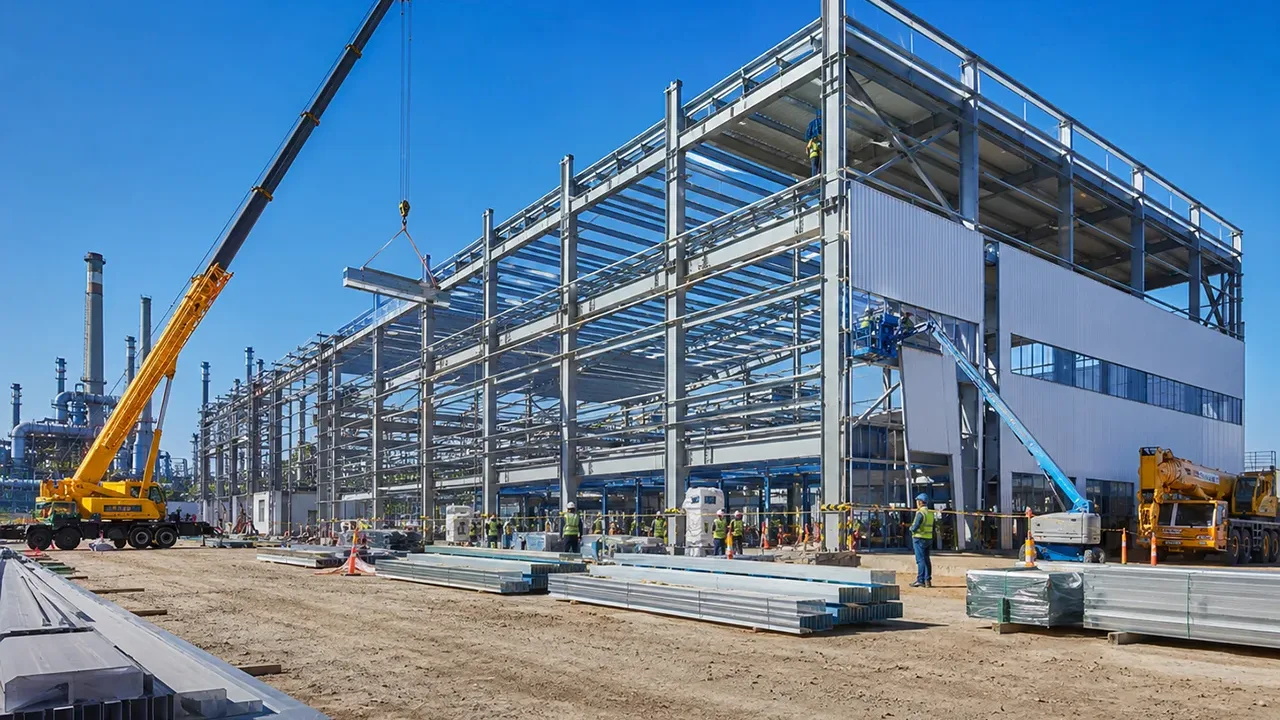
Steel structure construction supports this goal because many major components can be fabricated before the site is fully ready for erection. While foundation work, anchor bolt preparation, and site leveling are being completed, columns, beams, rafters, bracing, purlins, and panels can be processed in the workshop. This parallel workflow helps reduce the total project cycle.
For projects with tight timelines, a fast installation steel factory can help owners reduce uncertainty. The building system is easier to divide into production, transport, and installation stages, making it more manageable than a construction process that depends heavily on wet work and long curing time.
Why Steel Structure Helps Speed Up Factory Construction
Factory-Fabricated Steel Components
The biggest time advantage comes from prefabrication. Steel columns, roof beams, wall beams, bracing members, crane beams, purlins, and connection plates can be produced in a controlled manufacturing environment before they arrive at the project site. This reduces the amount of cutting, welding, and adjustment required during installation.
When components are accurately fabricated and clearly marked, site teams can follow the erection sequence more easily. This improves installation speed and helps avoid confusion during lifting, alignment, and bolting.
Bolted Assembly for Faster Site Work
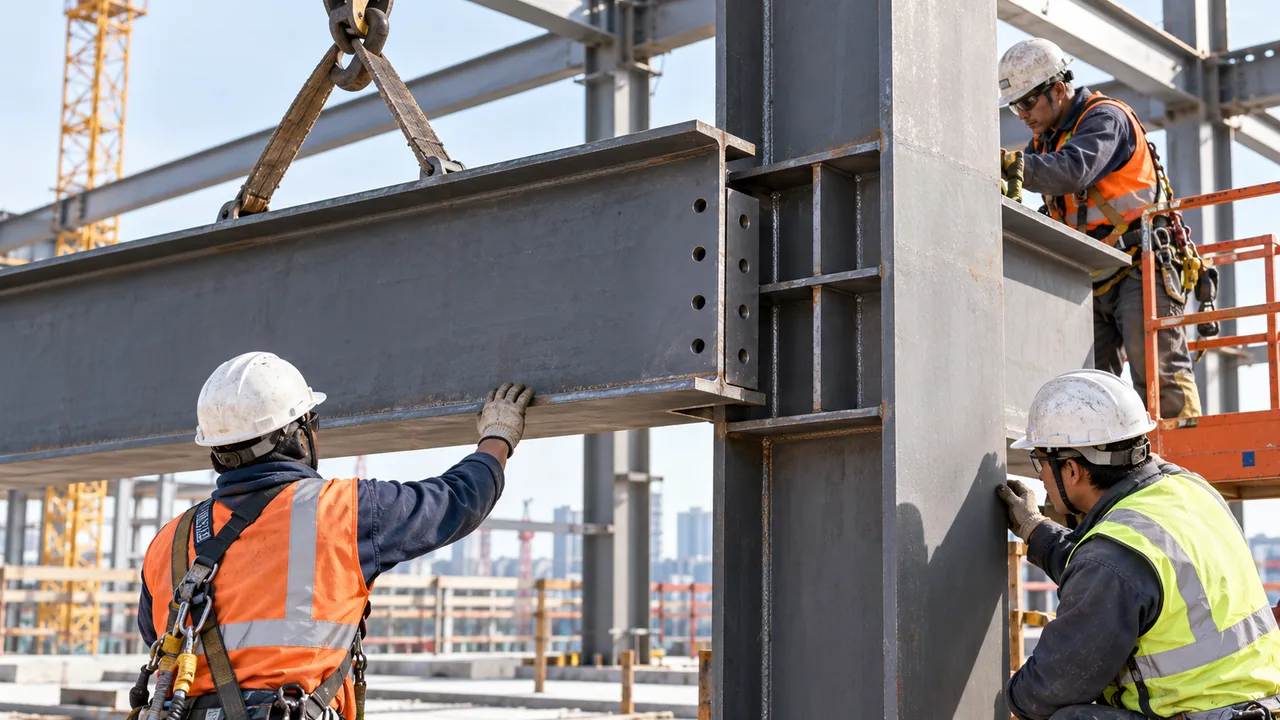
Steel factory buildings usually rely on bolted connections for major on-site assembly. Compared with construction methods that require more formwork, curing, or site welding, bolted assembly can shorten the installation process and reduce dependence on complicated site conditions.
Bolted construction also supports cleaner site management. The erection team can install primary frames, add bracing, fix secondary structures, and close the roof and wall system in a more organized sequence. This is important for projects that must reach weather protection quickly so interior work can begin earlier.
Parallel Work Between Foundation and Fabrication
In conventional projects, many work stages must happen one after another. With a prefabricated steel structure, engineering, detailing, factory fabrication, and site preparation can overlap more effectively. This helps project owners compress the schedule without simply adding more labor on site.
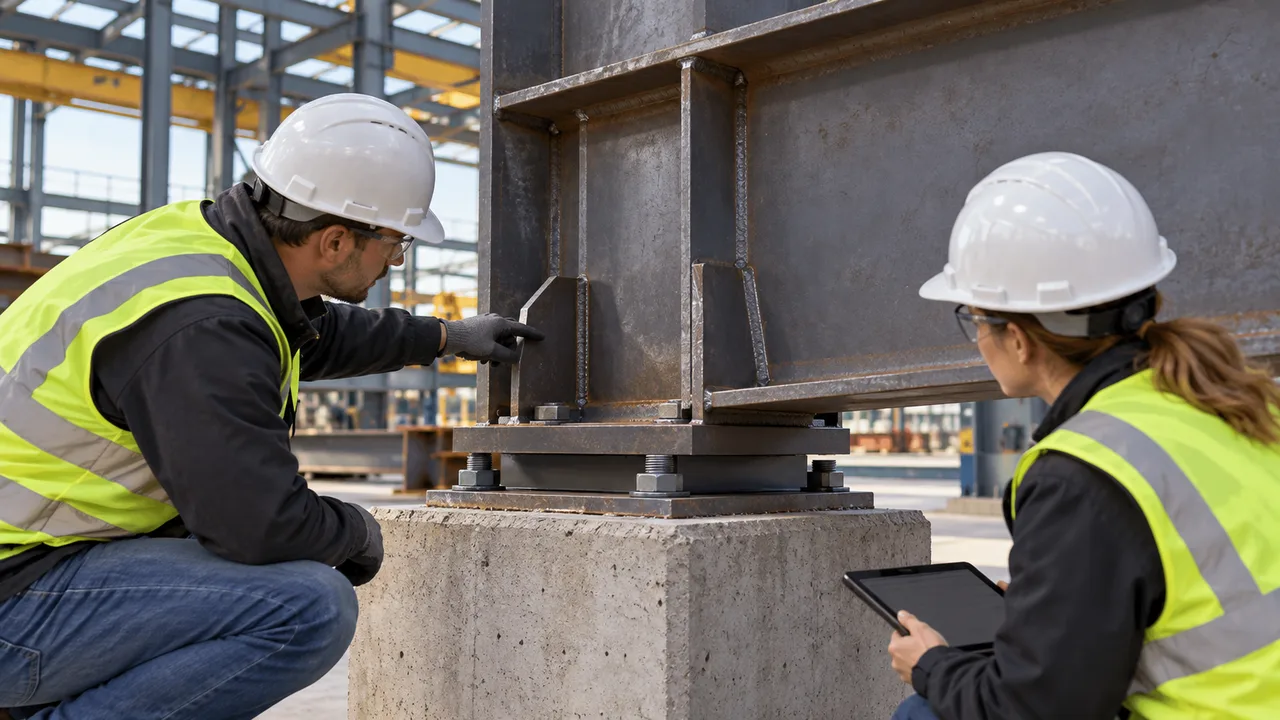
The key is coordination. Anchor bolt layout, foundation dimensions, component marking, delivery sequence, and lifting plan must be aligned before installation begins. When this is done correctly, the steel frame can be erected more smoothly after the foundation is ready.
Best Applications for Fast Installation Steel Factory Projects
Manufacturing Workshops
Manufacturing workshops often require open interior space, efficient production flow, good ventilation, and flexible equipment placement. A steel structure system can provide wide spans and adaptable layouts, making it suitable for machinery production, metal processing, packaging, assembly, and general industrial manufacturing.
For companies preparing a new production line, fast building installation helps reduce the gap between construction investment and production output.
Processing and Assembly Plants
Processing and assembly facilities often need coordinated zones for raw material input, production, inspection, packaging, and finished goods movement. A steel factory building can be designed around these operational flows from the beginning.
This is useful for industries such as automotive parts, textile production, food processing, equipment assembly, building materials, electronics support, and light industrial manufacturing. The structure can also be prepared for ventilation systems, cable trays, pipe routing, and equipment foundations.
Factory Expansion Projects
Expansion projects usually come with extra pressure because the existing factory may still be operating. Construction needs to be fast, organized, and less disruptive. A steel structure factory extension can be planned in phases, allowing new production bays, storage areas, or workshop zones to be added more efficiently.
For growing manufacturers, this makes steel construction a practical option when additional capacity is needed without long interruption to existing operations.
Structural Planning Before Fast Installation Begins
Clear Span and Equipment Layout
Fast installation does not mean skipping engineering. Before fabrication starts, the factory layout should confirm production line arrangement, machinery position, crane requirements, forklift routes, maintenance access, and storage zones. These details influence column spacing, clear height, span direction, and roof structure.
A factory building that is installed quickly but poorly planned can create operational problems later. The structure must support the real workflow inside the building.
Installation Sequence and Site Access
Site access has a direct impact on installation speed. Truck routes, unloading areas, crane working space, component stacking zones, and lifting sequence should be reviewed before materials arrive. If the site is crowded or access is limited, delivery and installation planning become even more important.
A clear erection sequence helps reduce waiting time between lifting, alignment, bolting, bracing, and panel installation. This is one of the practical details that separates a planned fast installation from a rushed construction process.
Roof, Wall, and Utility Coordination
A steel factory is not complete when the frame is standing. Roof panels, wall cladding, skylights, ventilation, insulation, drainage, doors, windows, cable trays, pipe supports, and equipment foundations must be coordinated early. When these items are planned together, enclosure work and interior preparation can move faster after the main steel frame is installed.
Main Components of a Quick Assembly Steel Factory
The installation speed of a fast installation steel factory depends on how well each component is designed, fabricated, marked, and delivered. The table below shows common components and their installation benefits.
| Component | Function | Installation Benefit |
|---|---|---|
| Primary Steel Frame | Supports the main building load through columns and roof beams | Creates the main structure quickly after anchor bolts are ready |
| Secondary Structure | Includes purlins, girts, tie rods, and support members | Helps prepare the building for roof and wall panel installation |
| Bracing System | Improves lateral stability and load transfer | Allows the frame to become stable during erection |
| Roof and Wall Panels | Enclose the factory building and protect interior space | Speeds up weather protection and allows interior work to start earlier |
| Crane Beam | Supports overhead crane operation when required | Can be prefabricated and installed with the main frame sequence |
| Connection Bolts | Join steel members on site | Reduces the need for complex site welding and shortens assembly time |
| Surface Treatment | Protects steel components from corrosion | Minimizes additional coating work after delivery |
How XTD Steel Structure Supports Faster Factory Delivery
XTD Steel Structure supports factory building projects through engineering coordination, shop drawing preparation, steel fabrication, welding, drilling, surface treatment, component marking, and export-ready packing. This integrated workflow helps reduce communication gaps between design intent, factory production, and on-site assembly.
For international projects, packing and marking are especially important. Components should be grouped and labeled according to the installation sequence, so the site team can identify columns, beams, bolts, panels, and accessories without unnecessary delay. Clear documentation also helps contractors understand the erection order before work begins.
When the project requires a fast construction method, early coordination between the client, engineering team, fabrication workshop, and installation team is essential. The more accurately the project information is confirmed before production, the easier it becomes to reduce delays during installation.
Advantages Compared With Conventional Factory Construction
A steel structure factory can offer several construction and operational advantages compared with traditional building methods, especially when schedule control is a priority.
- Shorter construction cycle because major steel components can be prefabricated before site erection
- Reduced wet work compared with many concrete-heavy construction methods
- More predictable quality through factory-controlled cutting, drilling, welding, and inspection
- Flexible interior layout for production lines, cranes, equipment, and storage areas
- Easier future expansion when extension planning is included in the original design
- Faster production readiness because the building can be enclosed and prepared for interior work sooner
These advantages are most valuable when the factory building is designed as a complete working facility, not just a steel frame. Structure, enclosure, equipment needs, and site installation planning should all move together.
Project Workflow for Fast Installation Factory Buildings
Requirement Review and Layout Confirmation
The process starts by confirming project size, site location, factory function, production flow, equipment layout, crane requirements, local loads, and expected schedule. This information allows the engineering team to recommend a structure that supports both fast installation and long-term factory use.
Engineering and Prefabrication
After the layout and design direction are confirmed, engineers prepare calculations, drawings, and fabrication details. Steel components are then produced in the workshop using controlled cutting, drilling, welding, assembly, inspection, and surface treatment procedures.
Delivery and On-Site Installation Support
Components are packed and delivered according to shipment and installation needs. For export projects, container loading, component marking, bolt grouping, and drawing documentation should be handled carefully. XTD Steel Structure can provide fabrication and delivery coordination to help factory projects move from design to installation more efficiently.
Fast Installation Steel Factory FAQs
What Makes a Steel Factory Faster to Install?
A steel factory can be installed faster because major components are prefabricated, connection points are prepared in advance, and on-site assembly mainly follows a bolted erection sequence. Good planning before shipment also reduces delays during installation.
Can a Fast Installation Factory Support Cranes?
Yes. The structure can be designed with crane beams, reinforced columns, and proper bracing systems. Crane capacity, span, lifting height, and operation frequency should be confirmed during the engineering stage.
Is This System Suitable for Factory Expansion?
Yes. Steel structure systems are suitable for factory expansion when the original or new design considers column layout, end wall conditions, site access, and future production requirements.
How Can Installation Time Be Reduced Before Shipment?
Installation time can be reduced through accurate shop drawings, prefabricated components, clear part marking, bolt grouping, proper packing sequence, and coordination between fabrication and site erection planning.
Start Your Factory Project With a Faster Construction Plan
A fast installation steel factory is a practical solution for manufacturers that need reliable structure, shorter construction time, and faster production readiness. With proper engineering, prefabricated components, and organized installation planning, the building can support both project speed and long-term industrial use.
To prepare your project, collect key details such as factory size, production purpose, equipment layout, crane requirements, site location, local design loads, and expected delivery schedule. With the right steel structure partner, your factory project can move from planning to installation with better control and fewer delays.