Global Steel Structure Manufacturing Services
Engineering and Technical Coordination
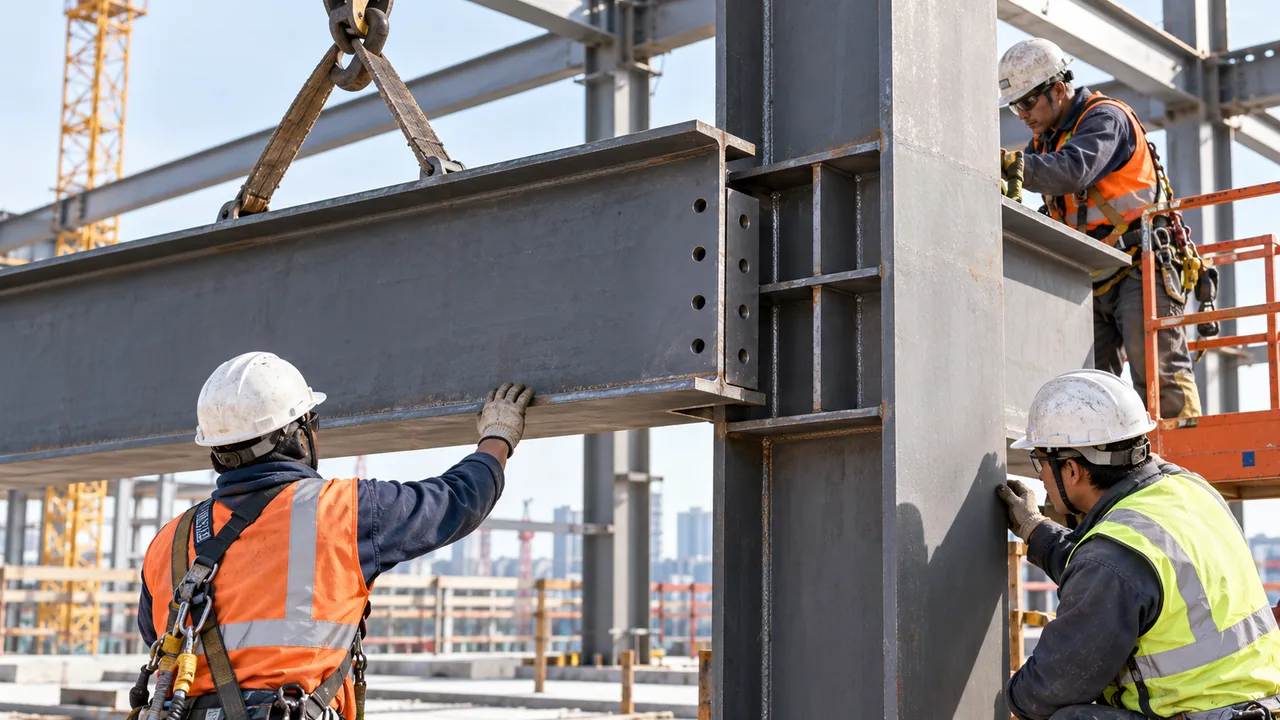
International steel projects begin with a detailed review of structural drawings, technical specifications, material requirements, connection details, and project schedules. Our engineering team coordinates with clients, consultants, and contractors to identify fabrication requirements before production begins.
The review process may include dimensional verification, connection feasibility, component segmentation, transportation limitations, installation sequences, and compatibility between primary and secondary structural systems. Early technical coordination helps reduce manufacturing errors and limits unnecessary modifications during site erection.
Custom Steel Structure Fabrication
Every project is manufactured according to approved drawings and project-specific requirements. Our production capabilities cover main structural members, secondary steel systems, connection plates, bracing components, purlins, girts, trusses, columns, beams, platforms, and other fabricated elements.
We support both standardized steel building systems and highly customized structures. Whether the project requires a single warehouse, a multi-building industrial complex, a large-span facility, or specialized structural components, production can be planned according to the required scale and delivery sequence.
International Project Management
Global projects require organized communication and clear production control. Project management may include technical clarification, drawing coordination, production scheduling, inspection planning, packaging preparation, and shipment documentation.
Regular communication helps align manufacturing progress with site preparation, shipping availability, and installation schedules. This is particularly important for phased projects, repeat orders, and developments involving multiple buildings.
Steel Structures Manufactured for Global Markets
Industrial Steel Buildings
Industrial facilities require durable structural systems capable of supporting production equipment, utility systems, cranes, pipelines, storage areas, and future expansion. We manufacture steel structures for factories, workshops, processing plants, assembly facilities, maintenance buildings, and industrial warehouses.
Structural layouts can be customized according to production flow, equipment positioning, clear-height requirements, crane loads, ventilation systems, and operational access.
Commercial and Public Buildings
Steel structures are widely used in commercial complexes, office buildings, exhibition halls, schools, transportation facilities, public buildings, and mixed-use developments. These projects may require flexible layouts, large open interiors, architectural integration, and precise coordination with façade and building service systems.
Agricultural Buildings
Agricultural projects include livestock buildings, grain storage facilities, equipment shelters, feed warehouses, farm workshops, agricultural processing plants, and cold-storage buildings. Steel structures provide cost-effective construction, flexible dimensions, and practical expansion options for growing agricultural operations.
Infrastructure Projects
Infrastructure applications can include steel bridges, pipe racks, utility platforms, transport terminals, service corridors, equipment supports, energy facilities, and other engineered structural systems. These projects often require high fabrication accuracy, detailed inspection, and carefully planned transportation.
Specialized Steel Structures
Specialized projects may use space frames, tube trusses, heavy trusses, high-rise steel systems, curved members, irregular geometries, or special-shaped structural components. Such projects require close coordination between engineering, fabrication, assembly verification, and quality inspection.
Global Manufacturing Capabilities
CNC Processing
Automated cutting, drilling, plate processing, and profiling equipment improves dimensional accuracy and production consistency. CNC processing is used to prepare beams, columns, plates, stiffeners, connection components, and customized steel parts according to approved fabrication data.
Accurate hole positioning and component dimensions help simplify site assembly and reduce corrective work during installation.
Professional Welding and Assembly
Welding is completed according to defined procedures by experienced fabrication teams. Production controls cover joint preparation, welding sequence, dimensional stability, visual inspection, and additional testing when required by the project specification.
Trial assembly or fit-up verification may be arranged for complex components to confirm alignment before surface treatment and shipment.
Surface Treatment
Steel components can be prepared through shot blasting or other specified surface preparation methods. Depending on the project environment, protective systems may include industrial primer, multi-layer paint systems, fire-protection coordination, or hot-dip galvanizing.
Surface protection is selected according to exposure conditions, corrosion risks, required service life, and client specifications.
Flexible Production Capacity
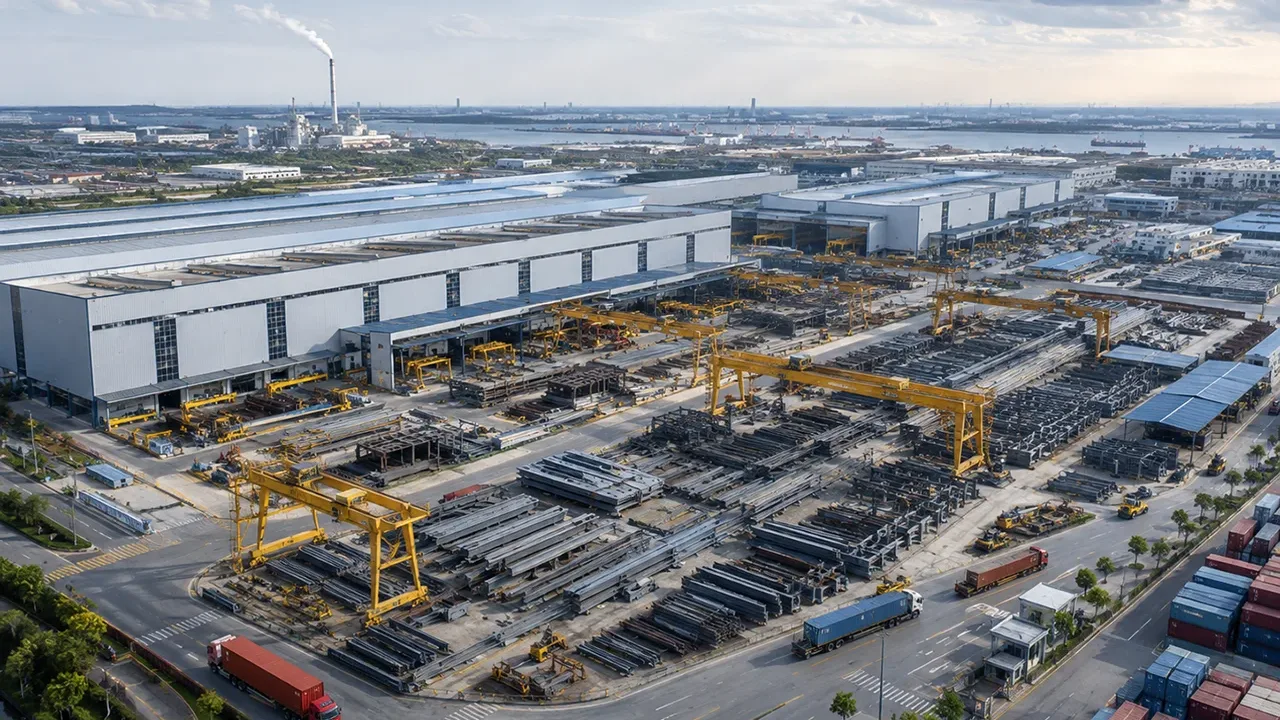
Production planning can support small customized projects, medium-scale building packages, high-volume orders, and multi-phase developments. Flexible capacity allows components to be manufactured according to installation priority, shipment schedule, and site requirements.
Steel Structure Systems Available
Portal Frame Steel Structures
Portal frame systems are widely used for warehouses, factories, workshops, agricultural buildings, logistics facilities, and equipment shelters. They provide an economical combination of large internal space, efficient steel usage, rapid fabrication, and straightforward installation.
Large-Span Steel Structures
Large-span systems provide wide column-free interiors for aircraft hangars, logistics centers, production halls, exhibition buildings, sports facilities, and industrial structures. Trusses, space frames, or engineered beam systems can be selected according to span, load, and architectural requirements.
Multi-Span Steel Buildings
Multi-span layouts are suitable for large industrial, warehousing, agricultural, and commercial developments. The structural arrangement can be optimized for equipment zones, production lines, storage aisles, internal roads, and phased expansion.
Prefabricated and Pre-Engineered Steel Structures
Prefabricated steel buildings use factory-manufactured components that are delivered ready for site assembly. Controlled manufacturing improves consistency, while reduced site fabrication helps shorten construction schedules and limit labor requirements.
Complex and Custom Steel Structures
Custom projects may include heavy structural members, non-standard connections, irregular geometry, curved components, transfer structures, pipe trusses, special platforms, and architectural steel features. These systems require detailed fabrication planning and strict dimensional control.
Quality Control for International Projects
Raw Material Verification
Incoming steel materials are checked against project specifications before entering production. Verification may include material grade, dimensions, certificates, surface condition, and traceability records.
Production Inspection
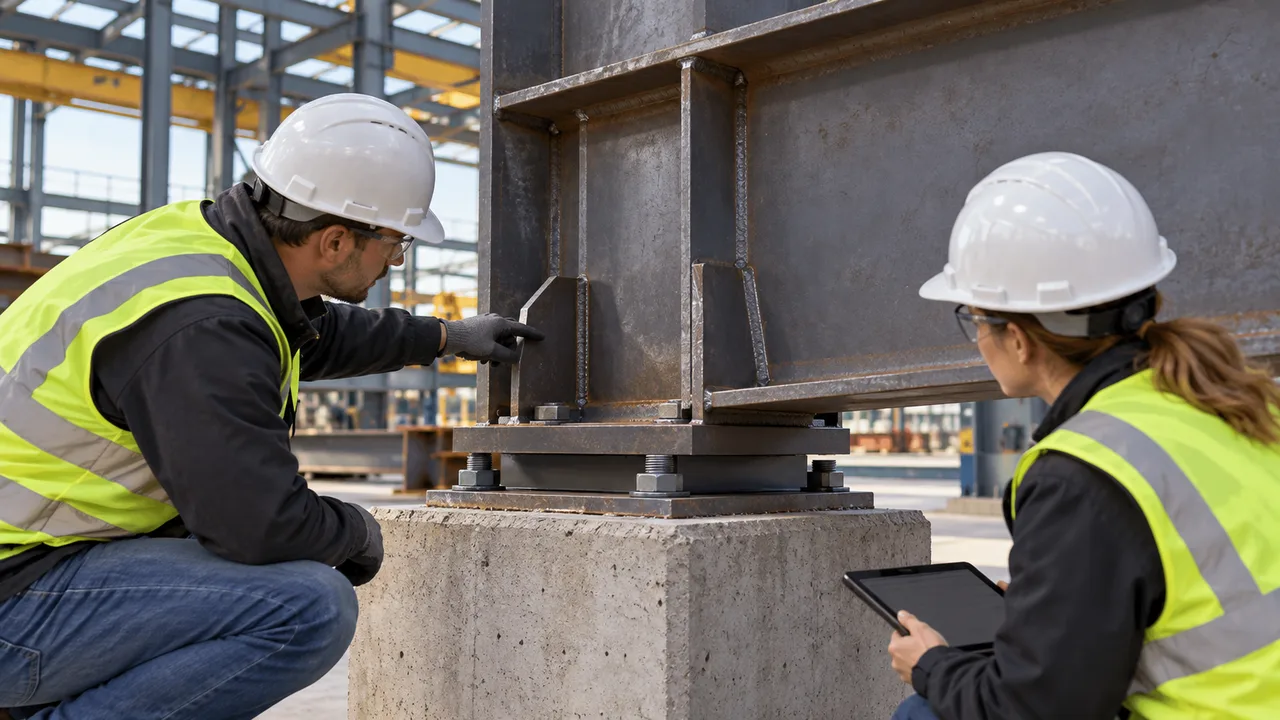
Quality checks are performed throughout cutting, drilling, assembly, welding, and finishing. Critical dimensions, hole locations, connection interfaces, member alignment, and weld appearance are inspected according to the approved quality plan.
Surface Treatment Inspection
Surface preparation and protective coatings are checked for cleanliness, coverage, consistency, and specified thickness. Any nonconforming areas are corrected before packaging.
Pre-Shipment Inspection
Before shipment, components are identified and compared with production lists and packing documentation. Quantities, markings, packaging conditions, and loading preparation are reviewed to help ensure organized international delivery.
International Standards and Project Requirements
As a global steel structure manufacturer, we produce components according to approved drawings, technical specifications, and the standards defined for each project. Requirements may involve different steel grades, bolt systems, welding procedures, coating systems, tolerances, and inspection criteria.
Local wind loads, snow loads, seismic conditions, temperature ranges, humidity, and corrosion exposure must be considered during structural design. When these criteria are provided by the client or project engineer, fabrication is coordinated to maintain alignment with the approved design.
Clear documentation is especially important for international projects. Material records, inspection reports, packing lists, component references, and fabrication information can be organized according to contractual requirements.
Export Packaging and Global Logistics
Export-Ready Component Packaging
Steel members are marked, grouped, and packaged to support efficient transportation and site identification. Smaller components, bolts, plates, and accessories can be packed separately and referenced against the installation documentation.
Protective measures are selected according to component size, coating type, shipping duration, and handling method.
Container and Break-Bulk Shipping
Standard components may be optimized for container loading, while oversized or unusually shaped members may require open-top containers, flat racks, or break-bulk shipment. Component segmentation can be reviewed during engineering coordination to balance structural performance, transportation efficiency, and site assembly requirements.
Documentation Support
Export documentation can include packing lists, component schedules, quality records, shipping references, and installation-related identification. Organized documentation helps contractors locate components and manage erection sequences after delivery.
Markets We Serve
Asia-Pacific
Steel structures support industrial expansion, logistics development, manufacturing facilities, agricultural projects, and transport infrastructure throughout the Asia-Pacific region.
Middle East
Applications include warehouses, industrial plants, commercial facilities, logistics hubs, energy-related structures, and large-span buildings designed for demanding environmental conditions.
Africa
Steel construction is used for agricultural buildings, processing facilities, warehouses, workshops, public infrastructure, and industrial development projects requiring efficient construction and scalable capacity.
Europe
European projects often require detailed technical documentation, precise fabrication, specialized steel components, and close coordination with consultants and contractors.
North and South America
Steel structures are supplied for factories, warehouses, agricultural facilities, commercial buildings, industrial platforms, and infrastructure-related applications across diverse climates and operating conditions.
Benefits of Working With a Global Steel Structure Manufacturer
- Centralized coordination between engineering, fabrication, inspection, and export preparation
- Customized production for different project standards and market requirements
- Consistent quality across single-building and multi-building developments
- Scalable capacity for phased, repeat, or high-volume orders
- Reduced site fabrication and faster erection
- Export-ready marking, packaging, and documentation
- Flexible structural systems for industrial, commercial, agricultural, and infrastructure applications
- Long-term support for contractors, developers, and project owners
Why Choose XTD Steel Structure?
Our manufacturing approach combines engineering coordination, CNC processing, professional welding, systematic quality control, and international logistics experience. We support both standard steel building systems and complex customized structures while maintaining clear communication throughout the project cycle.
Clients benefit from flexible production planning, organized export preparation, and manufacturing solutions adapted to project size, destination, structural requirements, and delivery schedules.
Frequently Asked Questions
Which countries can you export steel structures to?
Export availability depends on the project destination, import requirements, shipping conditions, and component dimensions. We support international delivery planning for projects in multiple global regions.
Can you manufacture according to our drawings?
Yes. Client-provided structural and fabrication drawings can be reviewed before production to confirm technical details, manufacturing feasibility, materials, and delivery requirements.
Can steel structures be customized for local standards?
Yes. Manufacturing can be coordinated according to the design code, material standard, load criteria, connection requirements, and inspection specifications defined for the project.
What types of steel buildings can you manufacture?
We manufacture structures for warehouses, factories, workshops, hangars, agricultural buildings, commercial facilities, logistics centers, public buildings, industrial platforms, and specialized engineered projects.
How do you control quality for overseas projects?
Quality control includes material verification, dimensional inspection, weld inspection, surface treatment checks, component identification, and pre-shipment verification.
Can you manage large-volume or multi-building orders?
Yes. Production schedules can be arranged for high-volume, repeated, phased, and multi-building projects according to delivery and installation priorities.
Do you provide export packaging and shipping support?
Yes. We provide component marking, export packaging, loading coordination, packing documentation, and support for container or break-bulk shipping arrangements.
Request a Quote From a Global Steel Structure Manufacturer
When selecting a reliable global steel structure manufacturer, clients need a partner capable of managing technical coordination, manufacturing accuracy, quality control, and international delivery. Submit your structural drawings, project location, building dimensions, load requirements, specifications, and target delivery schedule. Our team will review the information and prepare a customized manufacturing proposal for your steel structure project.
“`