What Is Heavy Duty Steel Fabrication?
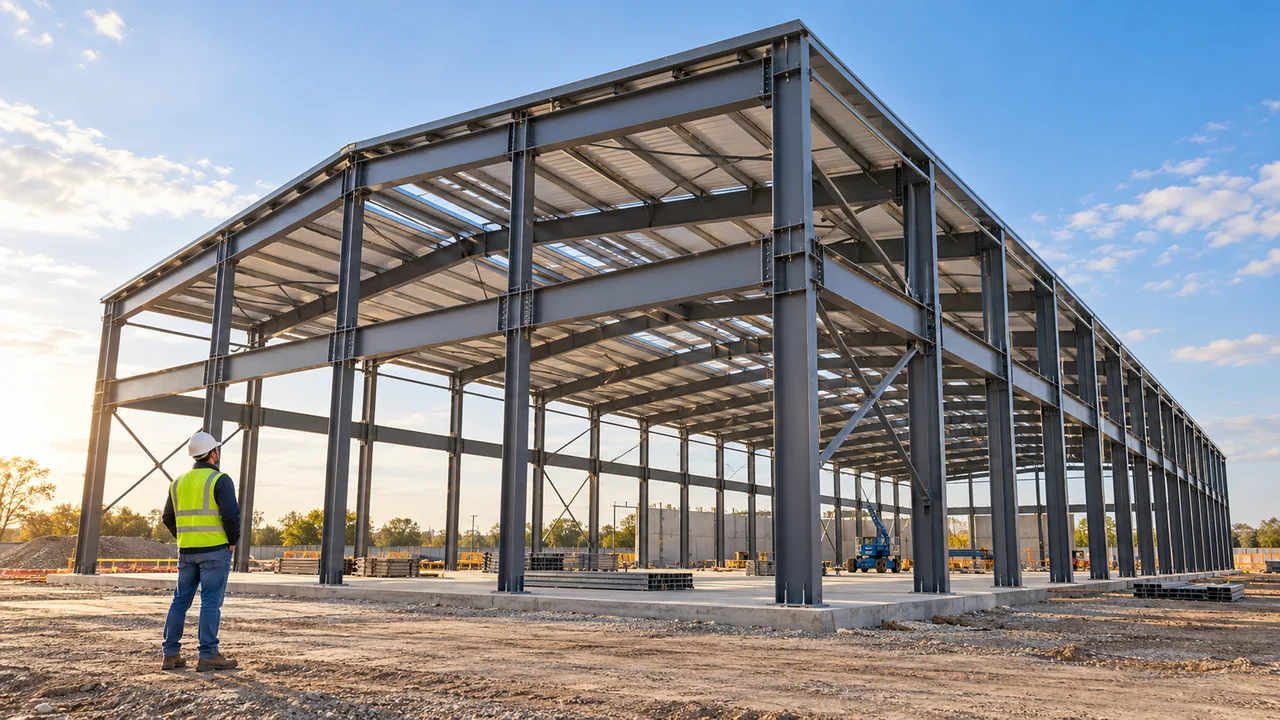
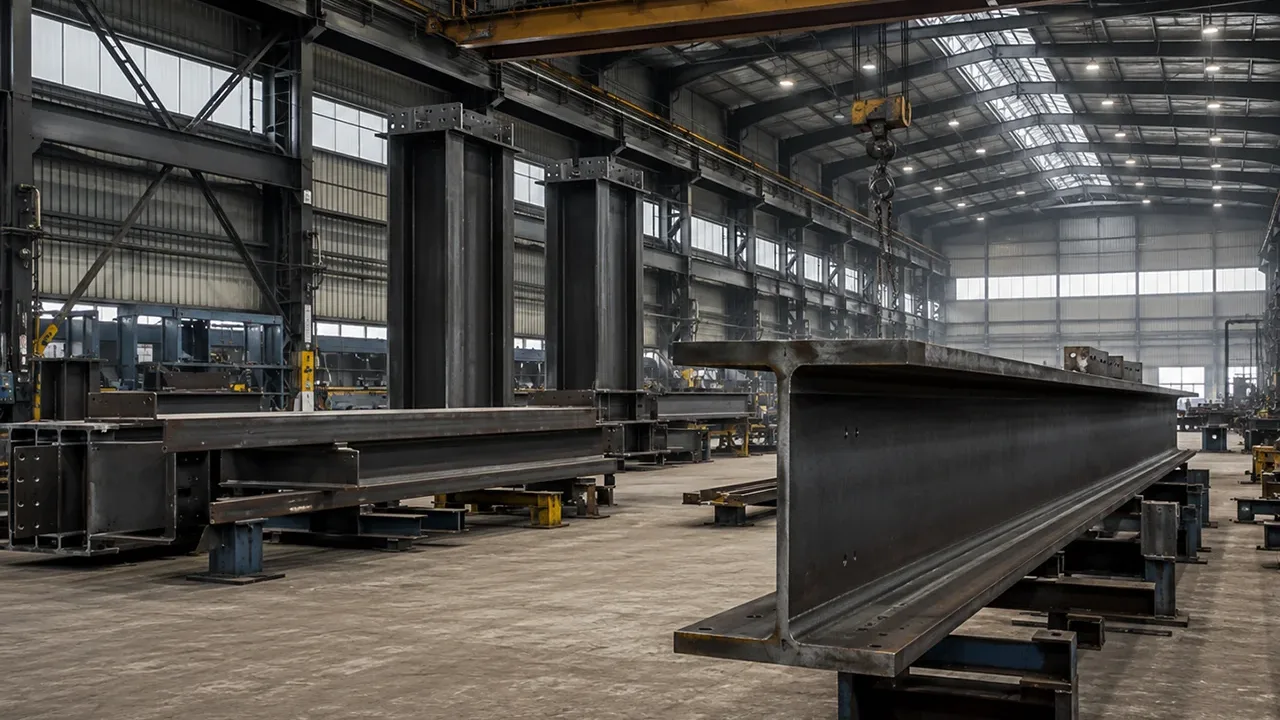
Heavy duty steel fabrication refers to the engineering, cutting, welding, assembly, and finishing of heavy structural steel members used in projects that require exceptional strength and durability. These fabricated components are specifically designed to carry substantial static and dynamic loads while maintaining structural stability throughout decades of operation.
Unlike conventional fabrication projects, heavy-duty steel fabrication typically involves thicker steel plates, larger structural sections, more complex welding procedures, and stricter quality inspection requirements.
A typical heavy-duty steel fabrication project may include:
- Heavy steel columns
- Large structural beams
- Built-up plate girders
- Industrial trusses
- Equipment support structures
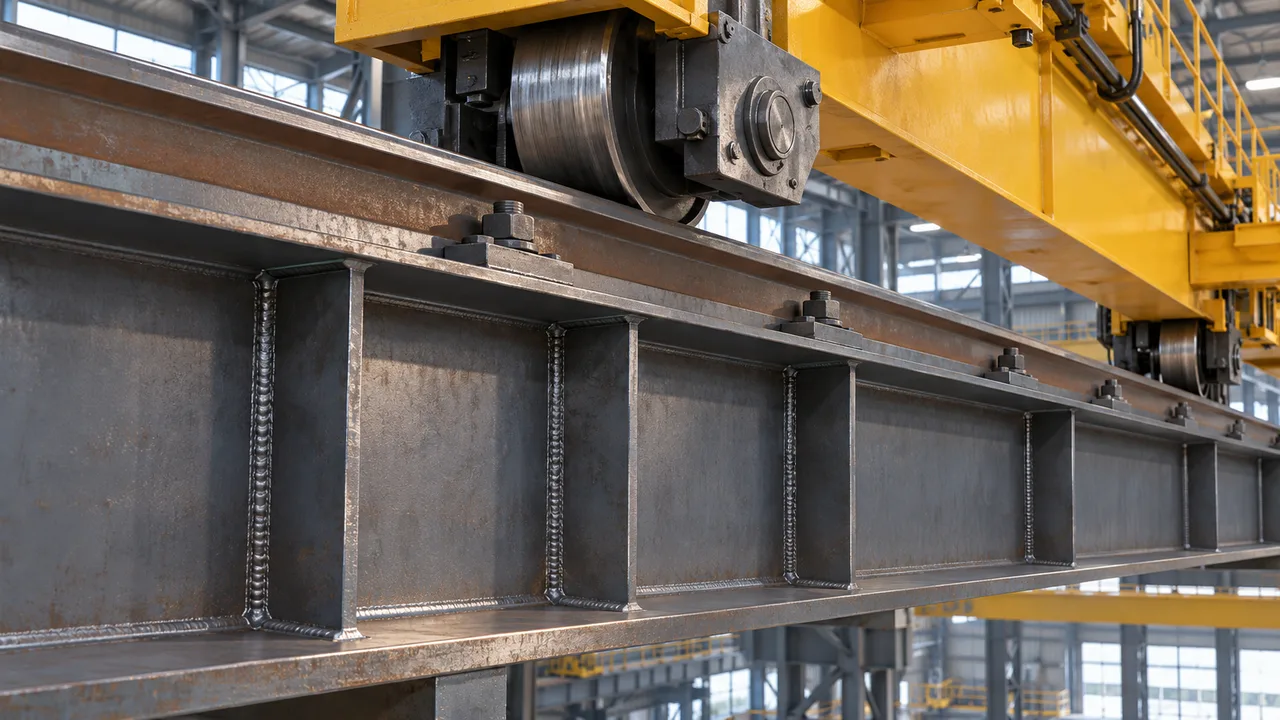
- Crane runway systems
- Industrial platforms and access structures
Every fabricated component is engineered to satisfy project-specific loading conditions, environmental requirements, and applicable structural design standards.
Characteristics of Heavy Duty Steel Fabrication
High Load Capacity
The primary objective of heavy-duty fabrication is producing structural members capable of supporting extremely high operational loads.
Heavy-duty fabricated steel commonly supports:
- Large industrial machinery
- Heavy production equipment
- Bridge cranes
- Material handling systems
- Bulk storage facilities
- Industrial processing plants
Engineers carefully calculate load distribution to ensure structural safety throughout the service life of the facility.
Precision Manufacturing
Although heavy steel components are significantly larger than standard structural members, dimensional accuracy remains essential.
Precision fabrication includes:
- Accurate CNC cutting
- Precise drilling
- Controlled assembly
- Dimensional verification
- Fit-up inspection
Accurate manufacturing minimizes installation challenges and improves project efficiency.
Complex Welding Requirements
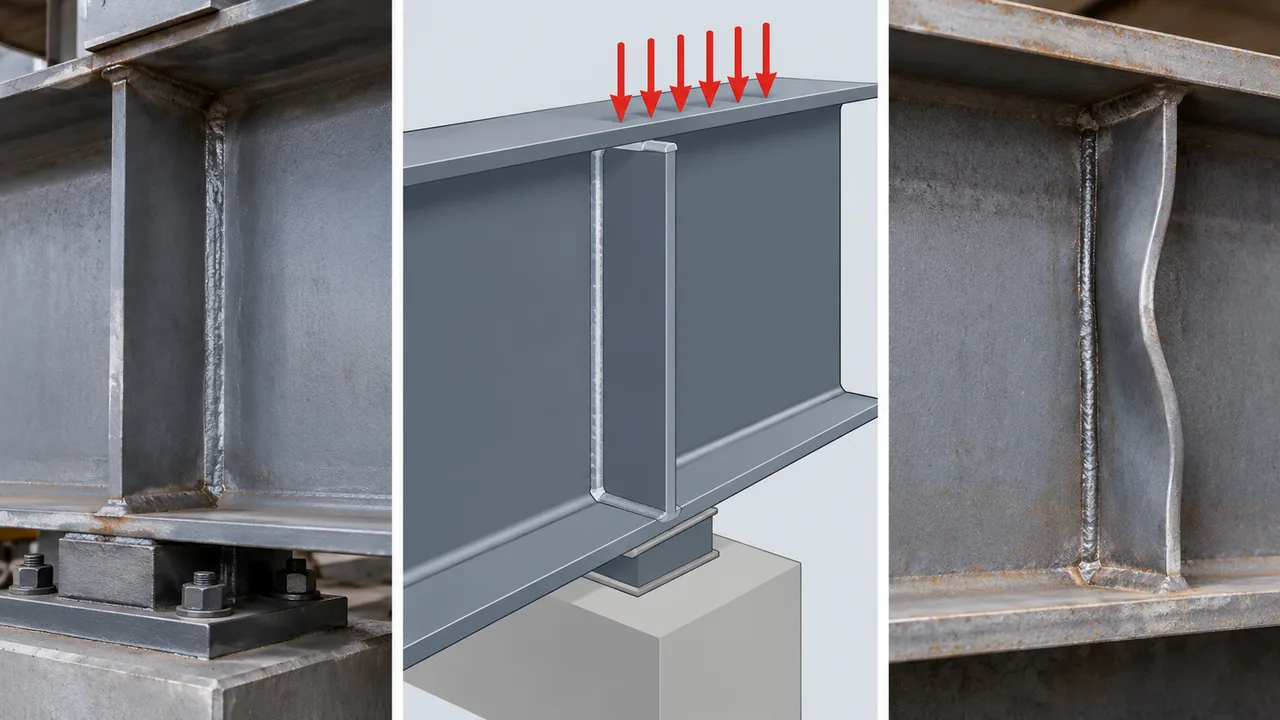
Heavy-duty fabrication frequently involves thick steel plates and complex welded assemblies that require advanced welding procedures.
Common welding applications include:
- Multi-pass welding
- Full penetration welds
- Heavy plate welding
- Large structural joints
- Critical load-bearing connections
Qualified welding procedures help ensure long-term structural integrity under demanding operating conditions.
Long-Term Durability
Industrial facilities often operate continuously under harsh environmental conditions.
Heavy-duty fabricated steel is designed to provide:
- Excellent fatigue resistance
- High structural stability
- Long service life
- Reliable industrial performance
- Low maintenance requirements
Proper fabrication techniques and protective surface treatments contribute significantly to long-term durability.
Types of Heavy Duty Steel Structures
Industrial Factory Structures
Heavy-duty fabrication is widely used in manufacturing facilities where structural systems must support heavy equipment and continuous production operations.
Applications include:
- Production plants
- Manufacturing workshops
- Assembly facilities
- Heavy machinery buildings
- Industrial processing plants
These structures are engineered for demanding industrial environments.
Mining Structures
Mining operations require exceptionally strong structural systems capable of supporting processing equipment and material handling operations.
Typical mining applications include:
- Crusher buildings
- Processing plants
- Conveyor support systems
- Maintenance workshops
- Equipment platforms
Heavy-duty fabricated steel provides reliable structural support under challenging operating conditions.
Heavy Warehouses
Large logistics facilities and industrial warehouses often require heavy structural systems capable of supporting significant roof spans and operational loads.
These buildings commonly feature:
- Wide-span roof systems
- High-clearance interiors
- Heavy storage capacity
- Integrated crane systems
- Future expansion capability
Heavy-duty fabrication enables these facilities to operate efficiently while maintaining long-term structural reliability.
Energy and Infrastructure Projects
Power generation facilities and infrastructure developments frequently require fabricated steel components capable of supporting large industrial systems.
Applications include:
- Power plants
- Substation structures
- Industrial utility facilities
- Transportation infrastructure
- Public engineering projects
These projects demand precision fabrication combined with rigorous quality assurance.
Equipment Support Structures
Many industrial facilities depend on custom structural systems designed specifically for heavy equipment installation.
These structures may include:
- Crane runway beams
- Machine foundations
- Equipment support frames
- Industrial platforms
- Maintenance access systems
Custom fabrication ensures every component integrates efficiently with the overall facility design.
Heavy Duty Steel Fabrication Process
Material Selection
Every fabrication project begins with selecting certified structural steel that satisfies engineering specifications and project performance requirements.
Material control includes:
- Certified steel grades
- Mill certificates
- Material traceability
- Incoming quality inspection
CNC Cutting
Advanced CNC equipment accurately processes heavy steel plates and structural sections according to fabrication drawings.
Typical operations include:
- Plate cutting
- Profile cutting
- Hole preparation
- Edge processing
Heavy Welding
Certified welders perform structural welding using qualified welding procedures developed for heavy-duty applications.
Quality activities include:
- Welding procedure qualification
- Visual inspection
- Dimensional verification
- Non-destructive testing when required
Assembly
Individual components are assembled using precision fixtures to maintain alignment and structural accuracy before final welding and inspection.
Surface Treatment
After fabrication, steel components receive protective treatments to improve corrosion resistance and extend service life.
Surface protection options include:
- Industrial painting
- Hot-dip galvanizing
- Protective coating systems
- Project-specific corrosion protection