Heavy Industrial Steel Manufacturer Services
A heavy industrial steel manufacturer provides structural steel components for projects where load, span, equipment operation, and durability are more demanding than ordinary building requirements. The work may include primary frames, secondary members, truss systems, crane-support structures, industrial platforms, bracing systems, and customized steel components used in large-scale industrial facilities.
The goal is not only to produce steel members, but to make sure each component matches the project drawings, connection details, transportation limits, and installation plan. This requires early review of dimensions, loads, local design standards, site conditions, and practical assembly requirements.
For heavy industrial applications, manufacturing decisions affect the entire project. Member segmentation must consider shipping and lifting. Bolt-hole accuracy affects site assembly. Welding quality affects structural reliability. Surface treatment affects long-term durability. Clear marking and packing affect installation speed. These details are why heavy industrial steel manufacturing requires a more controlled and coordinated approach.
What This Manufacturing Service Covers
Heavy Steel Frames and Primary Structures
Primary steel members form the main load-bearing system of an industrial building. These may include columns, rafters, beams, portal frames, roof trusses, transfer structures, and other main components that carry roof loads, equipment loads, crane loads, wind loads, and seismic forces.
For heavy industrial buildings, the primary frame must be designed and manufactured according to real operating conditions. A steel frame for a light workshop is very different from a structure supporting cranes, heavy storage, large machinery, or long-span production space. Manufacturing accuracy is essential because the main frame controls the alignment and stability of the whole building.
Secondary Steel Members and Support Components
Secondary members support the performance of the primary structure and enclosure system. These components may include purlins, girts, wall supports, roof supports, bracing members, connection plates, platforms, stairs, handrails, walkways, and equipment support frames.
Although these parts may look smaller than the main frame, they still influence installation efficiency and long-term usability. Correct hole positions, proper member lengths, reliable coating, and clear component marking help the site team assemble the structure with fewer errors and delays.
Custom Fabrication for Project-Specific Loads
Heavy industrial projects often need customized steel fabrication because standard building sizes and light-duty details may not be enough. The structure may need to support overhead cranes, conveyor systems, large equipment openings, maintenance platforms, pipe racks, mezzanine loads, or unusual building layouts.
Custom manufacturing allows steel components to be adapted to the project’s actual requirements. This includes member size, connection layout, plate thickness, stiffener position, welding specification, transport segmentation, and surface protection system.
Applications for Heavy Industrial Steel Structures
Manufacturing and Processing Plants
Manufacturing plants and processing facilities require steel structures that support continuous production, equipment movement, and flexible internal layouts. These buildings may include workshops, assembly halls, material processing areas, production lines, and maintenance zones.
Steel structures are practical for this type of project because they can provide wide spans, high clear height, crane compatibility, and fast installation. The building layout can be coordinated with machinery foundations, internal logistics routes, service access, ventilation systems, and future production upgrades.
Mining, Energy, and Heavy Equipment Facilities
Mining support buildings, power-related facilities, heavy equipment shelters, maintenance workshops, and industrial service areas often operate in demanding environments. They may require stronger frames, corrosion protection, large doors, equipment platforms, and steel members designed for heavy service conditions.
In these applications, the steel structure must be easy to transport, practical to erect, and durable enough for long-term use. Manufacturing quality becomes especially important when projects are located far from major construction resources or require international shipment.
Logistics, Storage, and Industrial Warehousing
Heavy storage warehouses, industrial distribution buildings, and logistics facilities may need steel structures that support large racking systems, heavy forklift traffic, loading docks, crane-assisted handling, and wide internal movement routes.
A properly manufactured steel structure helps create efficient warehouse space while maintaining the strength required for demanding daily operations. Span arrangement, column spacing, roof height, loading zones, and expansion planning should all be considered before production begins.
Engineering Inputs Before Manufacturing Begins
Load, Span, and Equipment Requirements
Before steel manufacturing starts, the project team should confirm the main design inputs. These include building size, structural span, column spacing, clear height, roof load, wind load, seismic requirements, crane capacity, platform load, equipment position, and future expansion needs.
For a heavy industrial steel manufacturer, these inputs are essential because they affect member sizing, connection design, welding requirements, surface treatment, transport planning, and production sequencing.
Drawing Review and Fabrication Detailing
Manufacturing should be based on clear drawings and detailed fabrication information. Shop drawings help define component dimensions, bolt-hole positions, weld details, plate sizes, stiffeners, connection interfaces, and assembly relationships between members.
Careful drawing review reduces the risk of mismatched components, site modification, forced alignment, or delayed installation. For complex industrial projects, fabrication detailing is one of the most important steps between engineering design and factory production.
Site, Transport, and Installation Conditions
Heavy industrial steel components must be planned around real delivery and installation conditions. Large or heavy members may need to be segmented for container loading, truck transport, lifting capacity, site storage, and erection sequence.
If transport and installation are considered too late, the project may face oversized components, difficult lifting, inefficient packing, or unnecessary rework. A coordinated manufacturing plan helps ensure the steel components are practical to ship and assemble.
Factory Production Process for Heavy Industrial Steel
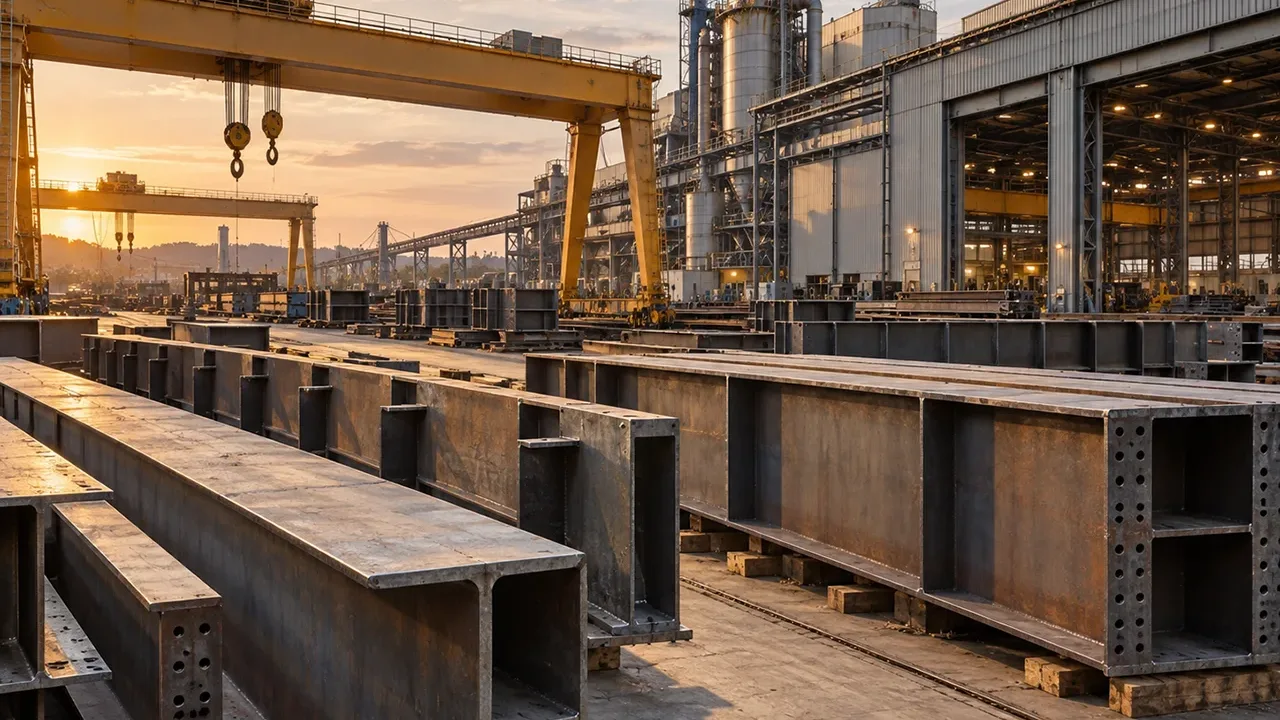
Factory production usually begins with material preparation and technical review. Steel plates and sections are checked according to project requirements before cutting, drilling, assembly, welding, inspection, surface treatment, marking, and packing.
CNC cutting and drilling help improve dimensional consistency, especially for bolt-hole positions and connection interfaces. Welding work must follow approved procedures, and critical components should be inspected to confirm structural quality before shipment.
XTD Steel Structure supports heavy industrial steel structure projects through engineering coordination, steel processing, welding, drilling, surface treatment, component marking, and export-ready packing. This integrated production approach helps connect manufacturing with project delivery instead of separating factory work from construction needs.
Quality Control for Heavy Structural Components
Quality control is critical for heavy structural components because installation and long-term performance depend on manufacturing accuracy. Inspection may include material certificate review, dimensional checks, welding inspection, bolt-hole verification, surface preparation review, coating thickness checks, and final packing inspection.
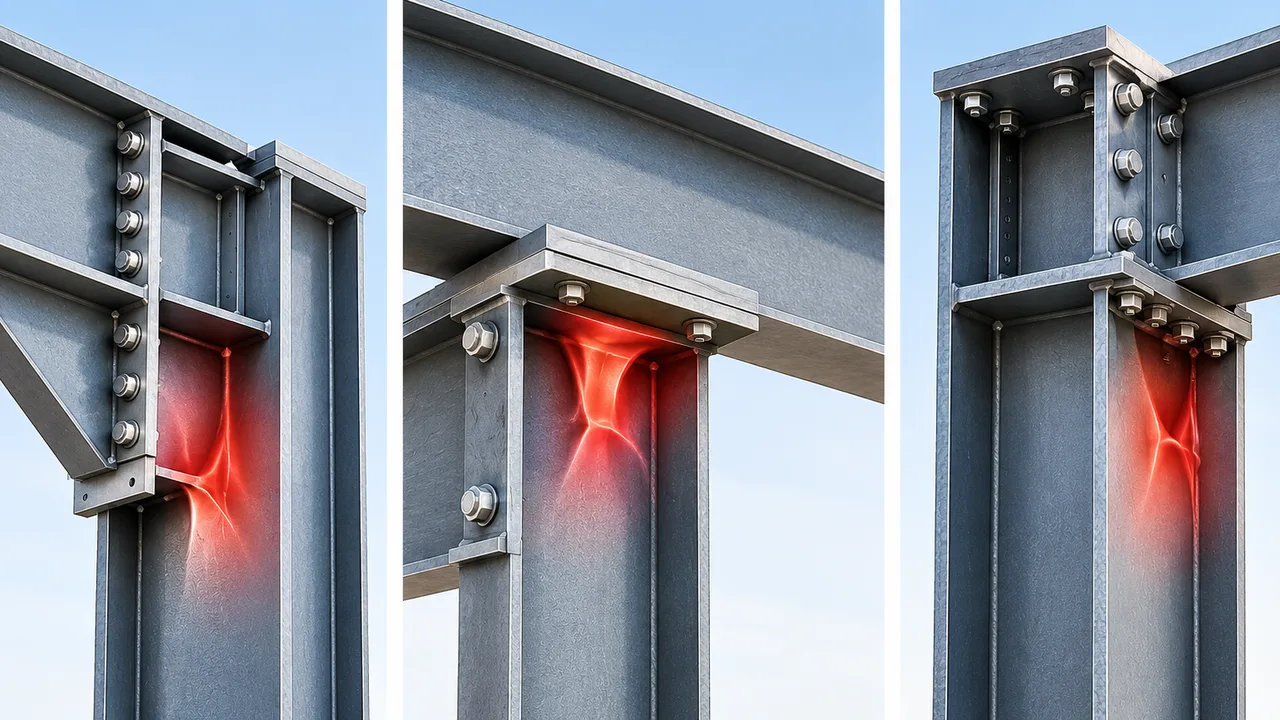
For components with complex geometry or demanding connection requirements, additional review may be needed before shipment. Connection faces, base plates, stiffener locations, and mating surfaces should receive special attention because small errors can create large problems during site assembly.
Clear identification is also part of quality management. Each component should be marked according to the erection plan so the site team can locate, lift, and install members in the correct sequence.
Recommended Manufacturing Scope and Component Options
The manufacturing scope depends on the project type, structural system, and application requirements. The table below shows common components for heavy industrial steel structure projects.
| Manufacturing Scope | Typical Components | Project Use |
|---|---|---|
| Primary Steel Frame | Columns, rafters, beams, portal frames | Main load-bearing system for factories, warehouses, and workshops |
| Truss Structure | Roof trusses, pipe trusses, space-related steel members | Large-span roofs, production halls, and special industrial structures |
| Crane-Support Structure | Crane beams, reinforced columns, brackets | Facilities using overhead cranes or heavy material handling |
| Platform Structure | Industrial platforms, stairs, walkways, handrails | Equipment access, maintenance areas, and multi-level operation zones |
| Bracing System | Roof bracing, wall bracing, tie rods, support members | Structural stability against lateral loads and environmental forces |
| Enclosure Support | Purlins, girts, wall supports, roof supports | Support for roofing, wall panels, insulation, and cladding systems |
| Connection Components | Base plates, gusset plates, stiffeners, bolts | Accurate assembly and reliable load transfer between members |
| Surface Protection | Paint coating, blasting, galvanizing where required | Corrosion resistance and longer service life in industrial environments |
Why Work With a Heavy Industrial Steel Manufacturer?
Heavy industrial projects require stronger coordination than standard steel supply. A general fabrication workshop may be able to produce simple parts, but complex industrial structures need technical review, production planning, connection accuracy, quality control, and shipping support aligned with the project schedule.
- Better fit for high-load applications where structural strength and connection reliability are critical
- Controlled factory production for more consistent cutting, drilling, welding, and inspection
- Reduced site modification through accurate detailing and component marking
- Improved project coordination between drawings, fabrication, packing, delivery, and erection
- Flexible customization for cranes, platforms, large spans, equipment zones, and future expansion
- Export-ready delivery support for overseas industrial projects requiring organized packing and shipment
Choosing the right heavy industrial steel manufacturer can help reduce construction risk and improve the overall reliability of the project from factory production to site installation.
Project Workflow From Technical Review to Delivery
Requirement Confirmation
The workflow starts with project information review. Useful inputs include drawings, building dimensions, load requirements, project location, local codes, crane details, surface protection requirements, site access conditions, and expected delivery schedule.
These details help define the manufacturing scope and prevent unnecessary changes after production begins.
Manufacturing and Inspection
After drawings and specifications are confirmed, factory production can proceed through material preparation, cutting, drilling, assembly, welding, inspection, coating, and component marking. Quality checks are carried out at key stages to confirm that the manufactured steel members match the approved requirements.
Packing, Shipping, and Installation Coordination
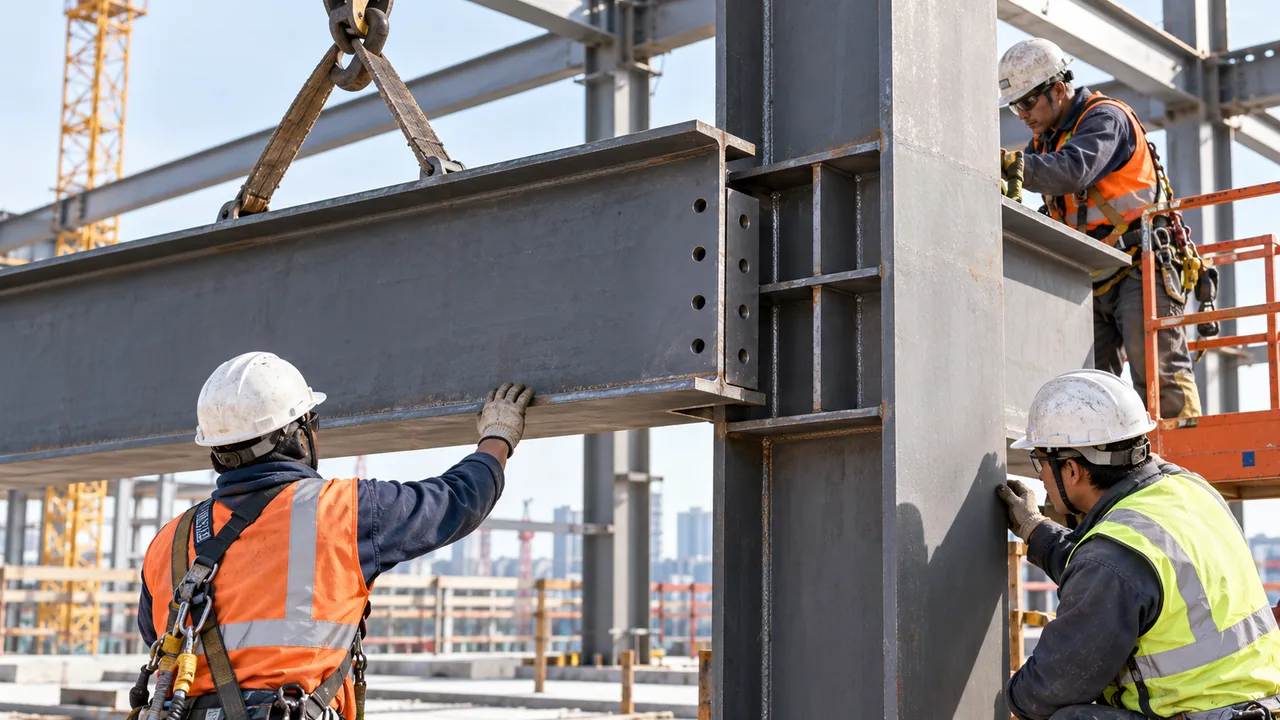
Finished components are packed according to transport method, site needs, and installation sequence. For international projects, clear marking and organized loading are important because the erection team must identify components quickly after arrival.
XTD Steel Structure can support overseas projects with fabrication coordination, export packing, shipment planning, and installation-related documentation based on project needs.
Heavy Industrial Steel Manufacturer FAQs
What Does a Heavy Industrial Steel Manufacturer Provide?
It provides manufactured steel structure components for heavy industrial projects, including frames, beams, columns, trusses, platforms, bracing systems, crane-support members, and customized connection components.
Is This Service Suitable for Factories and Mining Projects?
Yes. This service is suitable for factories, processing plants, mining support buildings, heavy equipment facilities, industrial warehouses, maintenance workshops, and related steel structure projects.
Can Heavy Steel Components Be Customized?
Yes. Components can be customized according to project drawings, load requirements, crane systems, platform needs, span arrangement, connection details, surface protection, and transportation limits.
How Is Manufacturing Quality Controlled?
Quality control may include material certificate review, dimensional inspection, welding checks, bolt-hole verification, coating inspection, component marking, and final packing review before delivery.
Can Components Be Exported for Overseas Installation?
Yes. Steel components can be manufactured, marked, packed, and loaded for international shipment. Export planning should consider container size, component weight, installation sequence, and project documentation.
Build Heavy Industrial Projects With Reliable Steel Manufacturing
A well-coordinated heavy industrial steel manufacturer helps turn engineering requirements into practical steel components that can be fabricated, shipped, and assembled more efficiently. For industrial buildings, heavy warehouses, equipment platforms, mining facilities, and processing plants, reliable manufacturing is a key part of long-term structural performance.
To begin your project, prepare drawings, building dimensions, load requirements, crane details, surface protection needs, project location, and expected schedule. With the right manufacturing and fabrication support, your heavy industrial steel structure can move from technical planning to site installation with greater confidence.