What Is Heavy Steel Structure Fabrication?
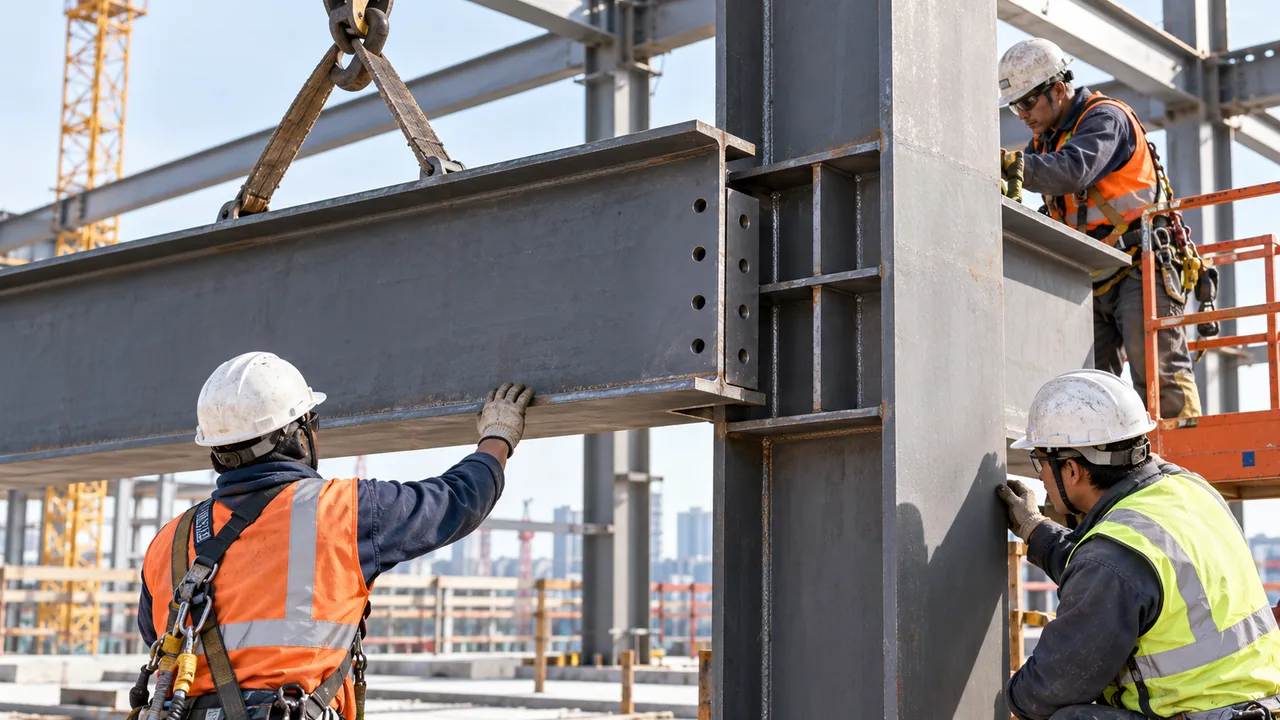
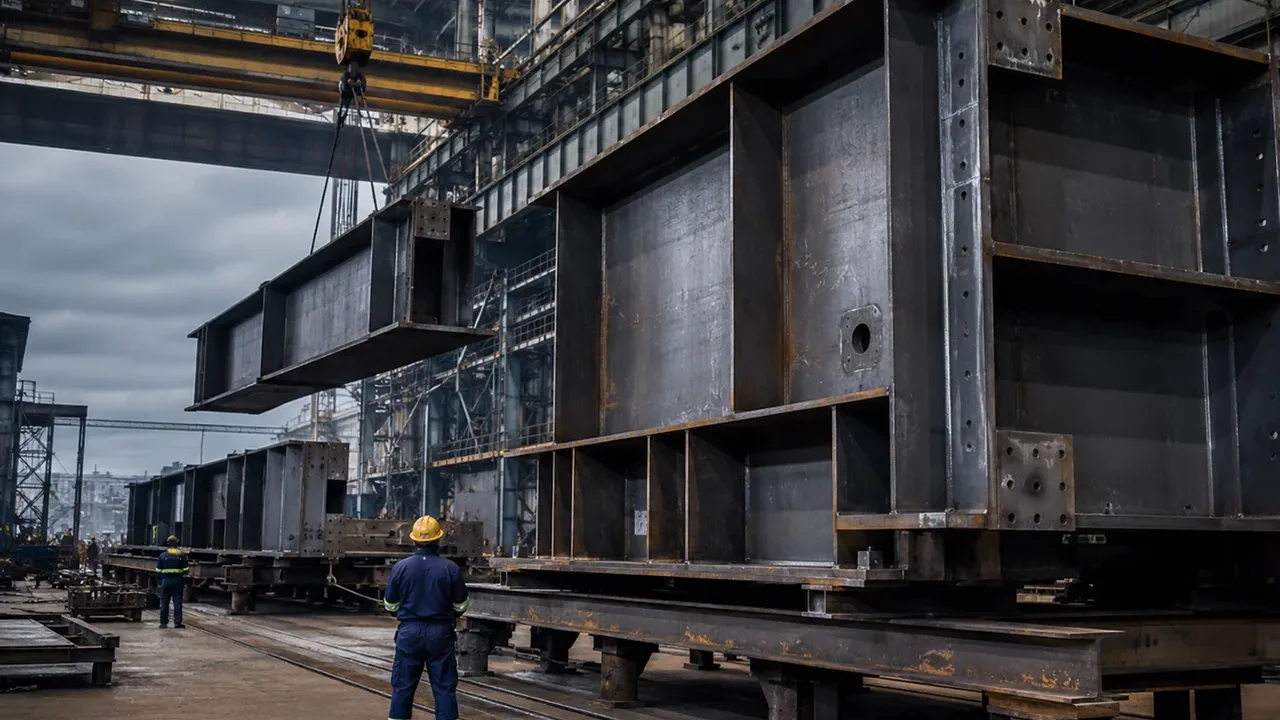
Heavy steel structure fabrication refers to the engineering, manufacturing, assembly, and quality management of structural steel components designed for high-load and large-scale applications. These structures are typically larger, heavier, and more complex than standard steel building components.
Heavy fabrication projects often involve:
- Large structural members
- Thick steel plates
- Heavy built-up sections
- Complex welding requirements
- Specialized lifting procedures
- High-capacity structural systems
The fabrication process transforms certified steel materials into engineered components capable of supporting critical industrial operations and infrastructure systems.
Characteristics of Heavy Steel Structures
Large Structural Members
Heavy steel structures utilize substantial structural elements designed to carry significant loads and resist demanding operating conditions.
Typical components include:
- Heavy steel columns
- Large fabricated beams
- Built-up box sections
- Heavy plate girders
- Massive support frames
These members often require specialized fabrication equipment and advanced handling procedures.
High Load Capacity
One of the defining characteristics of heavy steel structures is their ability to support exceptionally large loads.
Examples include:
- Industrial machinery
- Crane systems
- Processing equipment
- Storage systems
- Infrastructure loads
Structural engineers carefully evaluate operational demands to ensure safe and reliable performance.
Large Span Performance
Many heavy steel structures are designed to achieve long spans while maintaining structural efficiency.
Applications frequently include:
- Manufacturing facilities
- Heavy-duty warehouses
- Mining buildings
- Industrial processing plants
- Transportation facilities
Long-span solutions help maximize operational flexibility by reducing the need for interior support columns.
Enhanced Durability
Heavy structural systems are expected to perform reliably under demanding environmental and operational conditions for many years.
Design considerations often focus on:
- Structural reliability
- Fatigue resistance
- Corrosion protection
- Maintenance accessibility
- Long service life
Durability is a critical factor in industrial and infrastructure projects where downtime can be costly.
Types of Heavy Steel Structures Fabricated
Heavy Industrial Buildings
Heavy industrial facilities require structural systems capable of supporting production equipment, material handling systems, and large operational loads.
Applications include:
- Manufacturing plants
- Processing facilities
- Steel mills
- Cement plants
- Industrial production centers
These facilities often involve some of the most demanding structural requirements in the construction industry.
Heavy Steel Warehouses
Warehouses serving industrial, logistics, and distribution operations frequently require heavy structural systems to accommodate large spans and operational equipment.
Common applications include:
- Logistics hubs
- Distribution centers
- Bulk storage facilities
- Industrial warehouses
- Equipment storage buildings
Heavy steel systems provide the strength and flexibility needed for these facilities.
Industrial Platforms
Industrial platforms support equipment, maintenance operations, piping systems, and production processes within industrial facilities.
Platform structures may include:
- Equipment support frames
- Maintenance platforms
- Process platforms
- Pipe rack structures
- Access systems
These structures must safely support both static and dynamic loads.
Infrastructure Structures
Infrastructure projects frequently require heavy steel components capable of supporting transportation systems and public facilities.
Examples include:
- Bridge structures
- Transportation terminals
- Utility facilities
- Industrial corridors
- Public infrastructure projects
Heavy steel fabrication plays a critical role in delivering these large-scale developments.
Main Components of Heavy Steel Structure Fabrication
Heavy Steel Columns
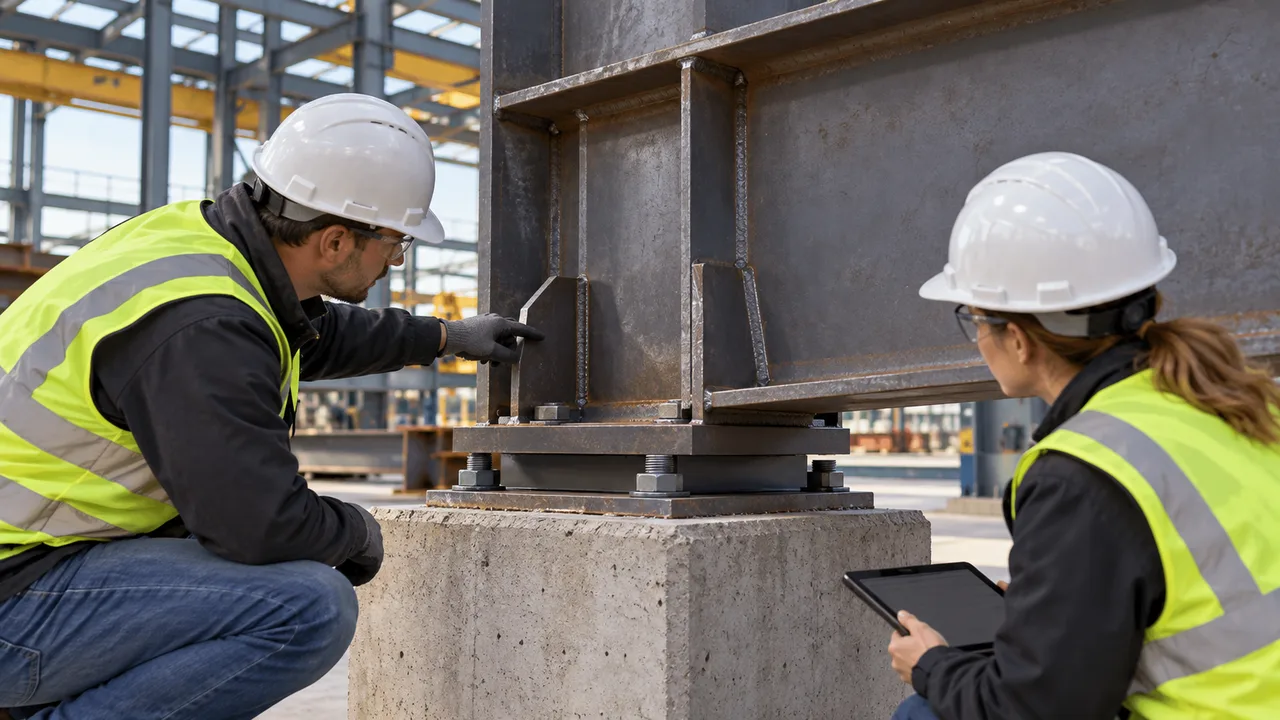
Heavy columns transfer significant vertical loads from the structure to the foundation system.
Their responsibilities include:
- Supporting operational loads
- Providing structural stability
- Resisting environmental forces
- Supporting crane systems
Precision fabrication is essential to ensure proper alignment during installation.
Heavy Steel Beams
Heavy beams support floors, roofs, equipment systems, and other structural elements.
Common beam types include:
- Built-up beams
- Plate girders
- Box girders
- Heavy rolled sections
Beam selection depends on loading requirements and structural configuration.
Trusses and Bracing Systems
Heavy trusses and bracing systems improve structural stability and facilitate efficient load transfer throughout the structure.
Functions include:
- Lateral stability
- Load distribution
- Span support
- Structural reinforcement
Properly engineered bracing systems are essential for overall structural performance.
Connection Assemblies
Connections transfer forces between structural members and are among the most critical elements in heavy steel structures.
Connection methods may include:
- Bolted connections
- Welded connections
- Moment connections
- Custom engineered connections
Connection fabrication must comply with project specifications and applicable standards.
Engineering Considerations
Load Analysis
Heavy structures must safely resist multiple loading conditions throughout their operational life.
Engineering evaluations typically include:
- Dead loads
- Live loads
- Equipment loads
- Dynamic loads
- Wind loads
- Seismic loads
Accurate analysis forms the foundation of safe structural design.
Structural Optimization
Modern engineering software enables optimization of heavy structures for performance, efficiency, and cost control.
Optimization objectives often include:
- Material efficiency
- Weight management
- Fabrication efficiency
- Installation simplicity
- Lifecycle performance
Well-optimized designs can improve both project economics and operational performance.
Compliance Requirements
Heavy steel structures must satisfy design codes, industry standards, and project-specific requirements.
Engineering teams verify compliance with:
- Structural design codes
- Safety standards
- Industry regulations
- Client specifications
Compliance supports long-term safety and operational reliability.
Heavy Steel Structure Fabrication Process
Material Procurement
The fabrication process begins with sourcing certified heavy structural steel materials.
Material management typically includes:
- Certification review
- Supplier qualification
- Material traceability
- Incoming inspection
Quality materials provide the foundation for reliable structural performance.
CNC Cutting and Processing
Advanced CNC equipment is used to process heavy structural members with high precision.
Typical operations include:
- Thick plate cutting
- Precision drilling
- Edge preparation
- Machining operations
- Component shaping
Automation improves consistency and manufacturing efficiency.
Welding and Assembly
Heavy structural components require specialized welding procedures and assembly techniques.
Fabrication activities often include:
- Fit-up operations
- Heavy-section welding
- Alignment verification
- Assembly inspections
- Quality checkpoints
Proper assembly ensures that fabricated components match engineering requirements.
Dimensional Verification
Completed components undergo detailed dimensional inspections before surface treatment and shipment.
Verification activities include:
- Length measurements
- Geometry verification
- Connection checks
- Tolerance inspections
Dimensional accuracy contributes directly to installation efficiency.
Surface Treatment and Protection
Industrial Painting Systems
Protective coatings help shield heavy steel structures from environmental exposure and corrosion.
Hot-Dip Galvanizing
Galvanizing provides long-term corrosion resistance by applying a protective zinc layer to steel surfaces.
Corrosion Protection Methods
Protection systems may include industrial coatings, galvanizing, and specialized multi-layer treatments depending on project conditions.
Long-Term Durability
Proper surface treatment significantly extends service life and reduces maintenance requirements.
Quality Control in Heavy Steel Structure Fabrication
Material Inspection
Quality control begins with verification of incoming materials to ensure compliance with project specifications.
Welding Inspection
Weld quality is critical to heavy structural performance and is carefully monitored throughout production.
Non-Destructive Testing (NDT)
NDT methods may be used to evaluate weld quality and detect potential defects without damaging components.
Final Quality Verification
Before shipment, completed components undergo final review to confirm readiness for transportation and installation.
Benefits of Professional Heavy Steel Structure Fabrication
Exceptional Strength
Heavy steel structures provide outstanding strength and load-bearing capability for demanding applications.
High Load Capacity
These systems are engineered to support equipment, operations, and infrastructure loads that exceed standard structural requirements.
Long Service Life
Proper engineering and protection systems help ensure decades of reliable operation.
Design Flexibility
Heavy steel fabrication supports a wide variety of structural configurations and project requirements.
Reliable Project Performance
Professionally fabricated heavy structures deliver predictable and dependable performance throughout their service life.
Applications of Heavy Steel Structures
Manufacturing Plants
Production facilities depend on heavy steel systems to support equipment and industrial operations.
Mining Facilities
Mining projects require durable structural systems capable of operating under demanding conditions.
Energy Projects
Power generation and energy infrastructure frequently utilize heavy structural steel systems.
Logistics Centers
Large logistics facilities benefit from heavy steel framing capable of supporting operational equipment and storage systems.
Infrastructure Developments
Transportation and public infrastructure projects often incorporate heavy fabricated steel structures.
Why Choose XTD Steel Structure
Advanced Fabrication Equipment
Modern CNC machinery and manufacturing systems support high-precision fabrication of heavy structural components.
Heavy Structure Manufacturing Expertise
XTD Steel Structure has experience producing heavy industrial structures for a variety of project applications.
Strict Quality Management
Comprehensive inspection procedures help ensure product quality and compliance.
International Project Experience
XTD Steel Structure has supported industrial, logistics, infrastructure, and manufacturing projects across global markets.
Frequently Asked Questions
What is heavy steel structure fabrication?
It is the process of manufacturing large-scale structural steel systems designed for high-load industrial and infrastructure applications.
What industries use heavy steel structures?
Manufacturing, mining, logistics, energy, transportation, and infrastructure industries commonly use heavy steel structures.
What is the difference between heavy and standard steel fabrication?
Heavy fabrication involves larger members, thicker materials, greater load capacities, and more complex manufacturing requirements.
Is NDT required for heavy steel structures?
Many projects require NDT procedures as part of quality assurance and compliance programs.
Start Your Heavy Steel Structure Project
Heavy steel structure fabrication combines engineering expertise, advanced manufacturing technology, and rigorous quality control to produce reliable structural systems for demanding projects. Whether supporting industrial facilities, logistics operations, energy developments, or infrastructure projects, professionally fabricated heavy steel structures provide strength, durability, and long-term performance.
Working with an experienced fabrication partner helps ensure quality manufacturing, efficient project execution, and dependable structural results.