What Is a Large Scale Steel Structure Manufacturer?
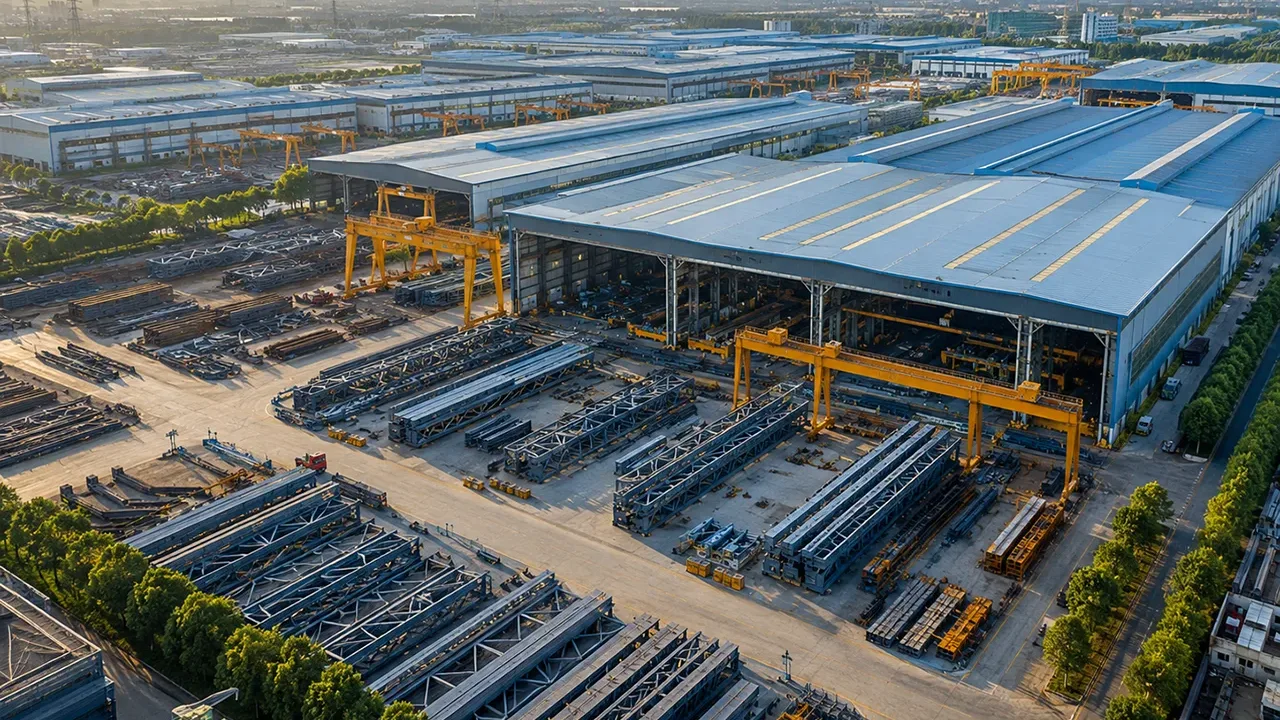
A large scale steel structure manufacturer is a company equipped with the facilities, workforce, engineering expertise, and production systems necessary to fabricate large quantities of structural steel components for complex construction projects.
Unlike smaller fabrication workshops that may focus on limited project scopes, large-scale manufacturers are capable of supporting multiple projects simultaneously while maintaining production efficiency and quality control.
Large-scale manufacturing operations typically include:
- Extensive fabrication facilities
- High-capacity production lines
- Advanced CNC processing equipment
- Dedicated engineering teams
- Comprehensive quality management systems
- Large logistics and shipping capabilities
These resources enable manufacturers to support projects ranging from standard industrial buildings to highly customized structural developments.
Large Scale Manufacturing Capabilities
High Production Capacity
One of the defining characteristics of a large-scale manufacturer is the ability to maintain stable production output while managing multiple projects at the same time.
Production advantages include:
- Simultaneous project execution
- Large-volume fabrication
- Efficient production scheduling
- Reduced lead times
- Reliable delivery planning
This capacity becomes particularly important for industrial developments that require significant quantities of fabricated steel within strict construction schedules.
Advanced Fabrication Equipment
Large-scale manufacturing facilities invest heavily in modern fabrication technologies to improve productivity, precision, and consistency.
Common equipment may include:
- CNC cutting systems
- Automated welding lines
- Precision drilling equipment
- Robotic fabrication systems
- Heavy-duty assembly stations
- Surface treatment facilities
Advanced equipment supports efficient production while maintaining strict dimensional accuracy.
Large Component Handling
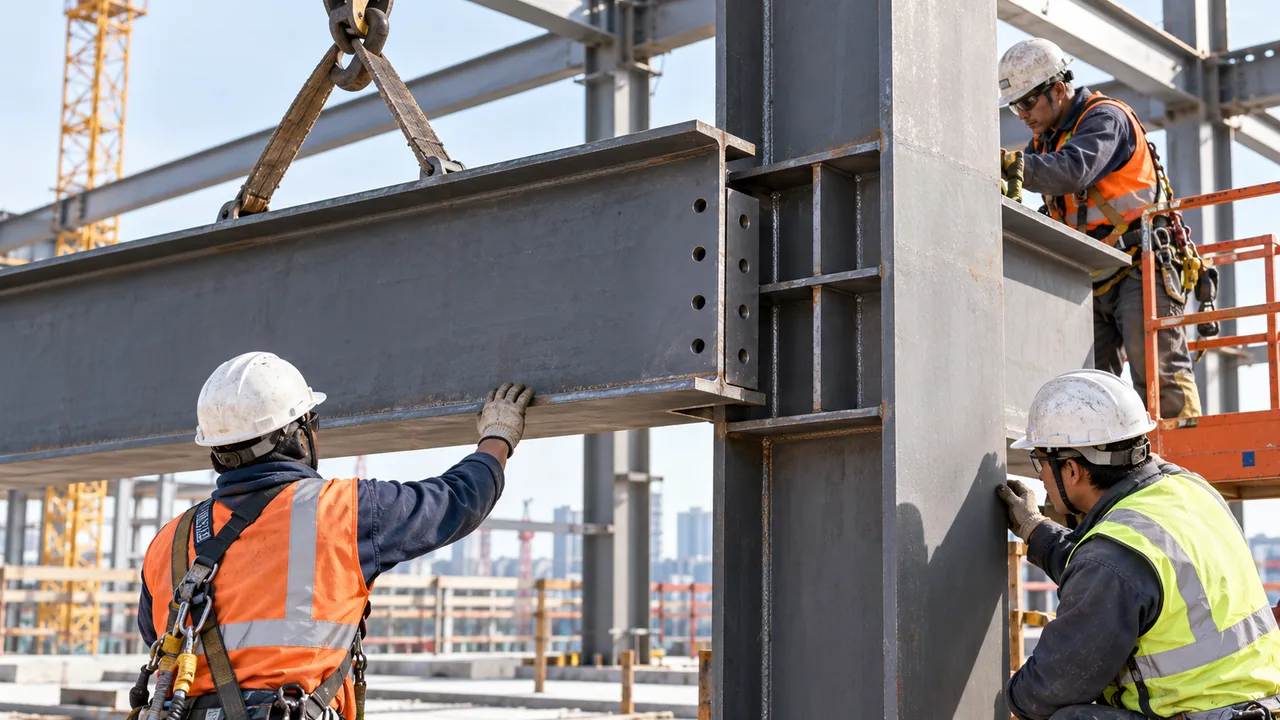
Major construction projects frequently require oversized structural members that cannot be efficiently produced by smaller fabrication shops.
Large-scale manufacturers can fabricate:
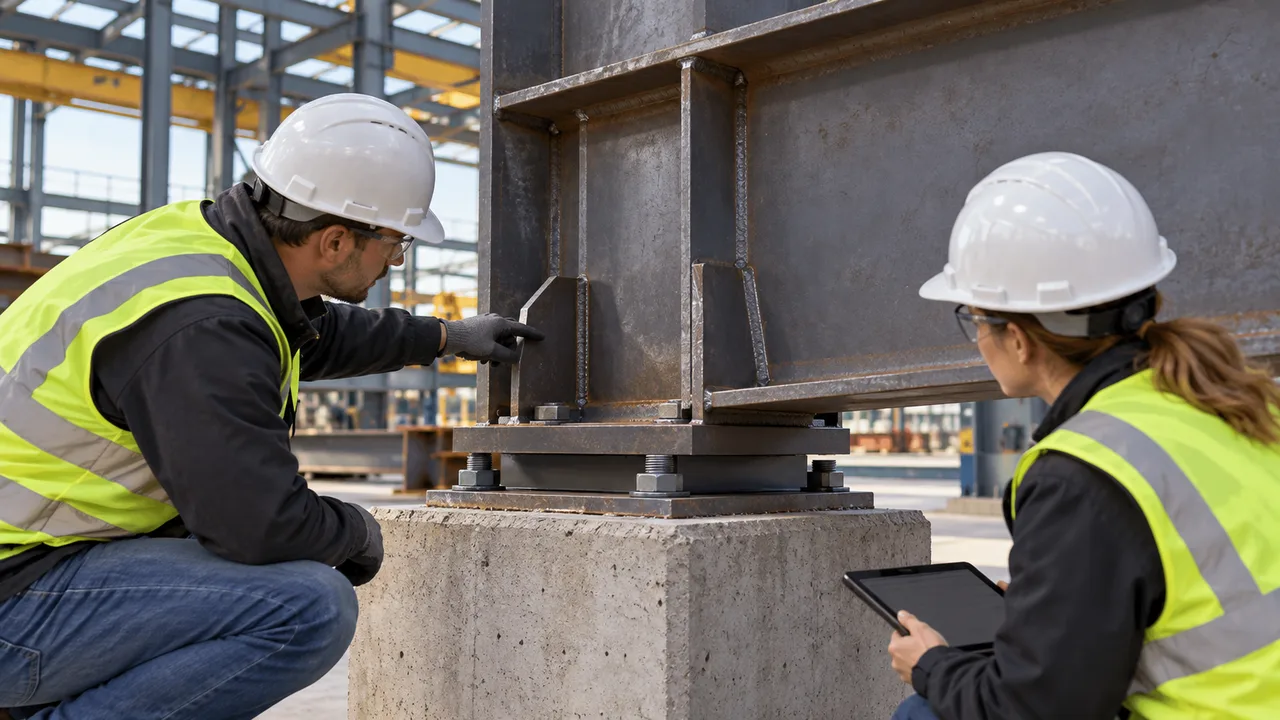
- Heavy steel columns
- Long-span steel beams
- Large roof trusses
- Built-up structural sections
- Complex welded assemblies
- Custom engineered components
Specialized lifting equipment and handling systems ensure these components are processed safely and efficiently.
Project Management Capacity
Beyond fabrication, large-scale manufacturers often provide project coordination services that help clients manage construction schedules and procurement activities.
Project management support may include:
- Production scheduling
- Engineering coordination
- Quality documentation
- Delivery planning
- Progress reporting
- Multi-phase shipment management
Effective project management helps reduce risks and improve overall project execution.
Types of Projects Supported
Industrial Buildings
Industrial construction remains one of the largest sectors served by large-scale steel structure manufacturers.
Common industrial projects include:
- Manufacturing facilities
- Production plants
- Processing facilities
- Industrial workshops
- Equipment assembly buildings
These projects often require high-capacity structural systems and precise fabrication.
Warehouse and Logistics Facilities
Modern logistics operations depend on large-span steel buildings that maximize storage efficiency and operational flexibility.
Applications include:
- Distribution centers
- E-commerce fulfillment facilities
- Logistics hubs
- Cold storage warehouses
- Inventory storage buildings
Large-scale manufacturers can efficiently produce the significant steel volumes these facilities require.
Infrastructure Projects
Infrastructure developments frequently involve specialized steel structures and complex engineering requirements.
Typical infrastructure applications include:
- Transportation terminals
- Public facilities
- Industrial corridors
- Utility structures
- Bridge-related steel components
These projects often demand extensive coordination between engineering and fabrication teams.
Commercial and Public Buildings
Large-scale manufacturers also support commercial and institutional developments requiring durable structural systems.
Examples include:
- Exhibition halls
- Office complexes
- Educational facilities
- Sports venues
- Public service buildings
Steel structures provide flexibility and efficiency for these large public developments.
Core Products Manufactured at Scale
Steel Columns and Beams
Columns and beams form the foundation of most structural steel systems and represent a major portion of production output.
Portal Frame Systems
Portal frame structures remain among the most widely manufactured systems for industrial and warehouse applications due to their efficiency and large-span capability.
Steel Trusses
Steel trusses provide efficient load distribution for long-span roofs and specialized structural applications.
Space Frame and Special Structures
Complex architectural and infrastructure projects may require customized space frames and engineered steel systems.
Secondary Steel Components
Manufacturers also produce purlins, bracing systems, connection assemblies, and other supporting structural elements essential for complete building systems.
Engineering Support for Large Scale Projects
Structural Design Coordination
Engineering teams work closely with project stakeholders to verify load requirements, structural performance targets, and compliance with applicable design standards.
Shop Drawings and BIM Support
Detailed fabrication drawings and BIM coordination help improve manufacturing accuracy and facilitate smoother installation processes.
Fabrication Optimization
Modern engineering tools help optimize material usage, improve production sequencing, and enhance fabrication efficiency across large-scale projects.