Where Light Steel Structure Factory Buildings Fit Best
Not every industrial operation requires heavy steel construction. In many cases, lighter structural systems provide sufficient performance while offering better construction efficiency and lower investment costs.
Typical applications include:
- Assembly workshops
- Electronics manufacturing facilities
- Packaging plants
- Light industrial production centers
- Industrial park developments
- Combined production and storage facilities
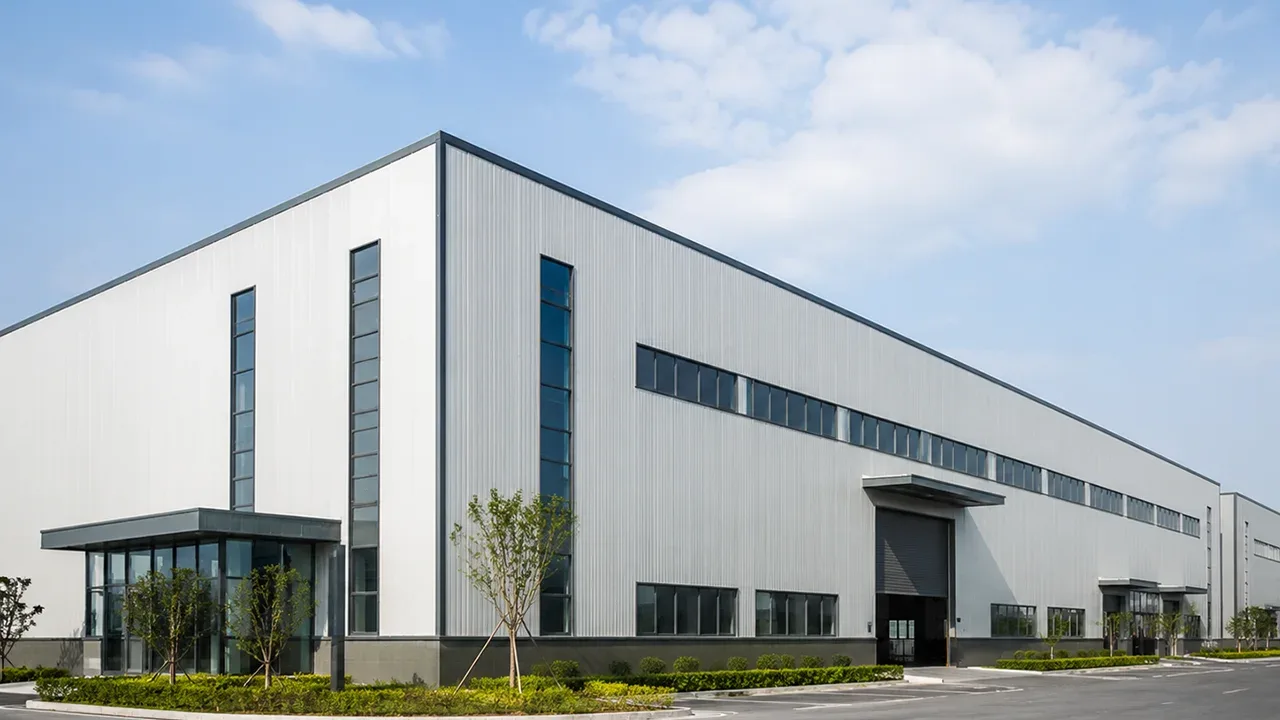
For businesses focused on production efficiency rather than heavy industrial loading, a light steel structure factory often represents a practical solution.
Structural Features of Light Steel Factory Buildings
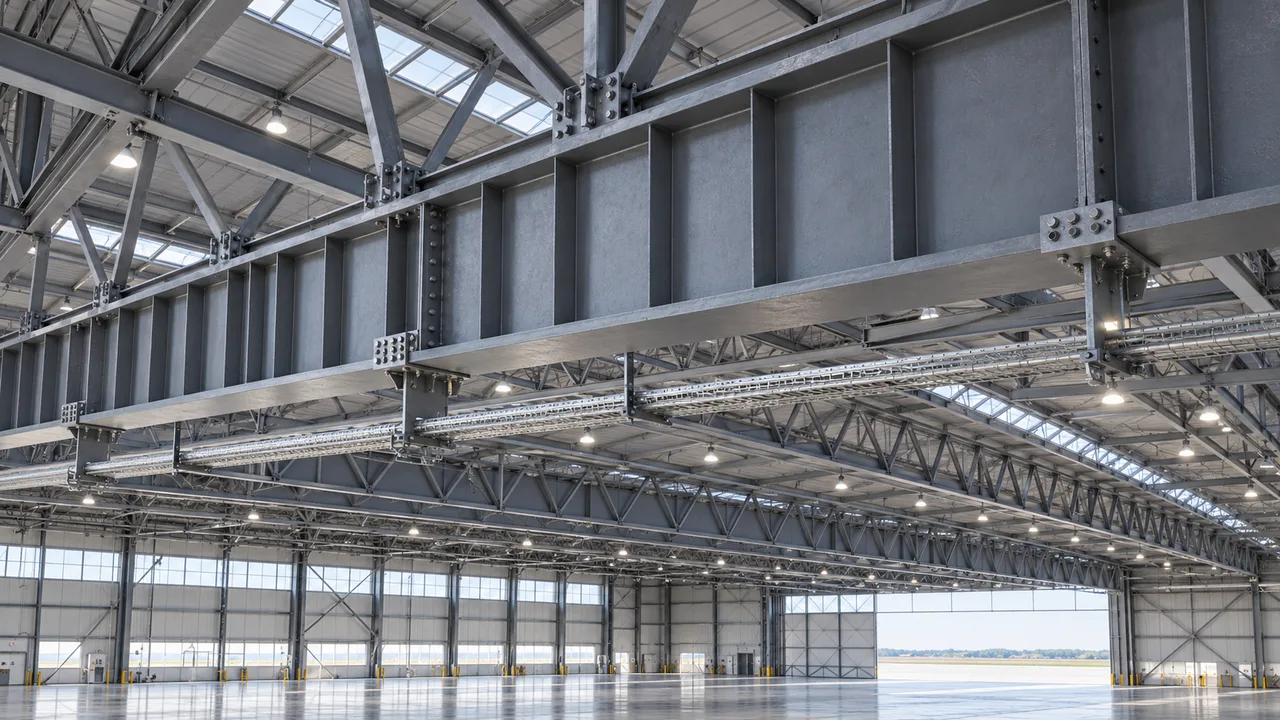
Lightweight Primary Frame
The primary structural frame is designed to optimize material usage while maintaining structural integrity. This reduces transportation weight and simplifies installation procedures.
Lighter framing systems also contribute to faster project execution and lower foundation demands.
Flexible Bay and Span Layout
Factory operations frequently evolve over time. Flexible bay spacing and practical span arrangements allow production lines, storage areas, and equipment layouts to be adjusted as operational requirements change.
This adaptability supports long-term facility utilization.
Roof and Wall Enclosure Systems
The building envelope can be customized according to operational needs and local climate conditions.
- Single-skin metal panels
- Insulated sandwich panels
- Natural ventilation systems
- Daylighting skylights
- Energy-efficient wall systems
These options help create a productive working environment while improving operational efficiency.
Light Steel Structure vs Heavy Steel Factory Buildings
| Category | Light Steel Structure Factory | Heavy Steel Factory |
|---|---|---|
| Best Application | Light manufacturing and assembly | Heavy industrial operations |
| Construction Speed | Faster | Longer schedule |
| Steel Consumption | Lower | Higher |
| Expansion Potential | Easier | More complex |
| Investment Level | More economical | Higher capital requirement |
The appropriate choice depends on production requirements, equipment loading, and long-term operational goals.
Engineering Design Priorities
Load Evaluation
Every industrial building begins with a detailed engineering assessment. Structural designers evaluate:
- Wind loads
- Roof loads
- Equipment loads
- Seismic requirements
- Regional building regulations
Accurate load calculations ensure structural safety and long-term performance.
Factory Workflow Planning
A successful factory building supports operational efficiency. Structural layouts should align with:
- Production lines
- Storage zones
- Loading and unloading areas
- Employee circulation routes
- Office and support spaces
Careful planning can improve workflow while minimizing operational bottlenecks.
Safety and Durability
Industrial buildings are expected to perform reliably for decades. Design considerations often include fire protection systems, corrosion-resistant treatments, and maintenance accessibility.
These measures contribute to long-term operational stability.
Manufacturing and Prefabrication Process
Component Fabrication
Steel members are fabricated using modern production equipment through a controlled manufacturing process.
- Precision cutting
- Steel welding
- Drilling operations
- Frame assembly preparation
Surface Protection
Protective systems are selected according to project requirements and environmental conditions.
- Galvanizing
- Industrial coatings
- Anti-corrosion protection
Factory Quality Checks
Before shipment, structural components undergo systematic inspections including:
- Dimensional verification
- Connection inspection
- Weld quality checks
- Material traceability review
Installation Workflow for Light Steel Factory Projects
- Foundation preparation and coordination
- Steel frame transportation and delivery
- Column installation and beam erection
- Roof and wall panel installation
- Final alignment, inspection, and handover
Because many components are prefabricated, site installation can be completed more efficiently than traditional construction methods.
Advantages of Light Steel Structure Factory Solutions
Businesses choose light steel factory systems for a variety of operational and financial reasons.
- Shorter project timelines
- Reduced steel consumption
- Simplified installation process
- Flexible production layouts
- Suitable for standardized industrial developments
- Future expansion capability
These benefits make the system particularly attractive for growing industrial operations.
When This Structure Type Is Not the Best Choice
Although highly versatile, light steel systems are not ideal for every industrial project.
Alternative structural solutions may be more appropriate when projects involve:
- Large overhead crane systems
- Heavy machinery loads
- Significant equipment vibration
- Extremely large structural spans
- Specialized heavy industrial processes
In such situations, heavy steel structures or reinforced systems may provide better performance.
Project Support from Design to Installation
Successful industrial construction requires more than structural materials alone. Engineering coordination, fabrication management, logistics planning, and installation guidance all contribute to project success.
XTD Steel Structure supports industrial projects through integrated services covering engineering design, fabrication drawings, manufacturing coordination, shipment planning, and installation assistance.
This approach helps streamline project execution while maintaining quality and schedule objectives.
Practical Questions Before Starting
Is a light steel structure factory suitable for manufacturing?
Yes. It is widely used for assembly operations, light manufacturing facilities, packaging plants, and industrial workshops.
Can the building be expanded later?
In many cases, steel structures can be designed with future expansion in mind, making facility growth easier.
How fast can this type of factory be installed?
Project timelines vary, but prefabricated steel systems are generally faster to install than conventional industrial construction methods.
Build a Practical Factory with a Light Steel System
A well-designed light steel structure factory offers an effective combination of construction speed, structural reliability, and operational flexibility. For many industrial businesses, it provides the performance required for modern production without the complexity of heavier structural systems.
By matching engineering design with actual operational needs, manufacturers can create facilities that support both immediate production goals and future business growth.