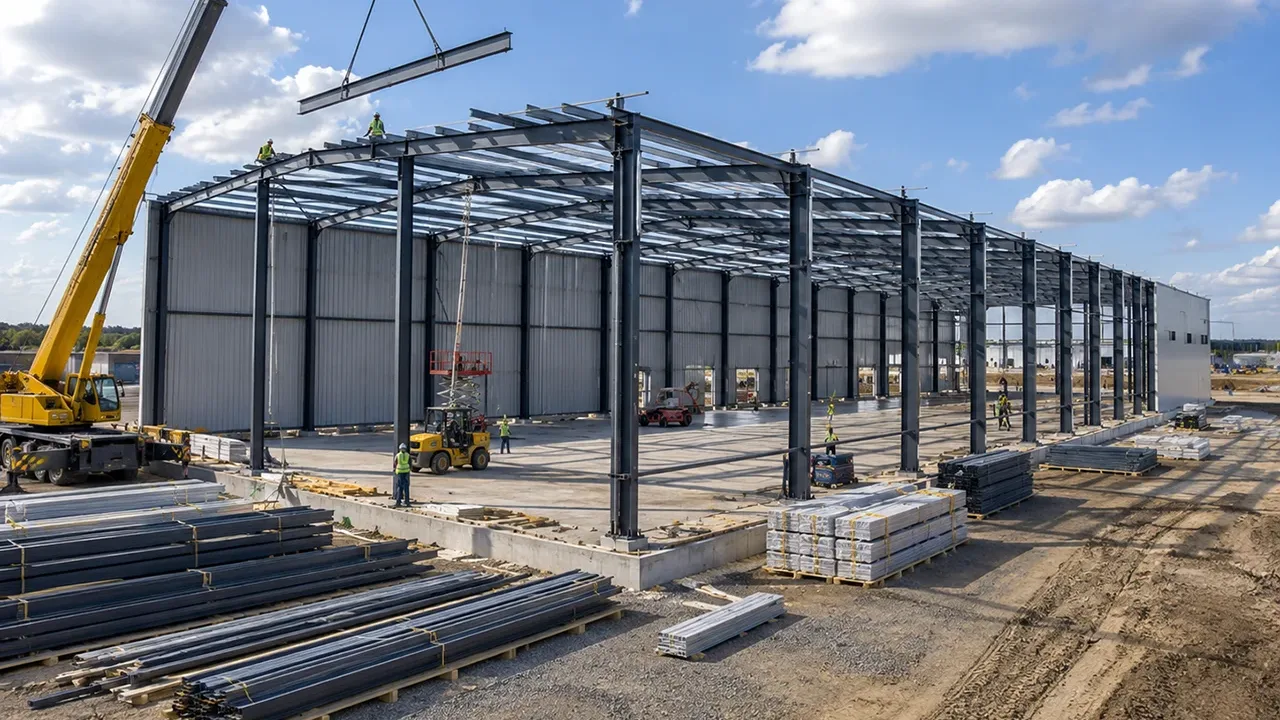
A light steel structure is often chosen when a project needs speed, flexibility, and practical construction control without the weight and complexity of heavy industrial framing. Modern construction projects are rarely judged by strength alone. Developers want faster enclosure. Contractors want predictable installation. Owners want buildings that can adapt to future use. Designers want a structural system that can coordinate cleanly with roof panels, wall cladding, doors, windows, insulation, utilities, and site access.
Not every building requires large columns, deep beams, heavy crane systems, or long-span industrial framing. Many small warehouses, workshops, commercial units, temporary facilities, roof extensions, mezzanines, and low-rise buildings need a lighter but still engineered solution. In these cases, light steel can offer a practical balance between material efficiency, construction speed, and structural reliability.
The value of this system comes from how well it fits projects with moderate loads, repeatable layouts, and fast installation needs. A storage building may need simple open space. A workshop may need easy coordination with doors and ventilation. A commercial building may need a clean interior layout and fast exterior closure. A light steel system can support these goals when the span, load, bracing, roof design, and connection details are planned correctly from the beginning.
What Is a Light Steel Structure?
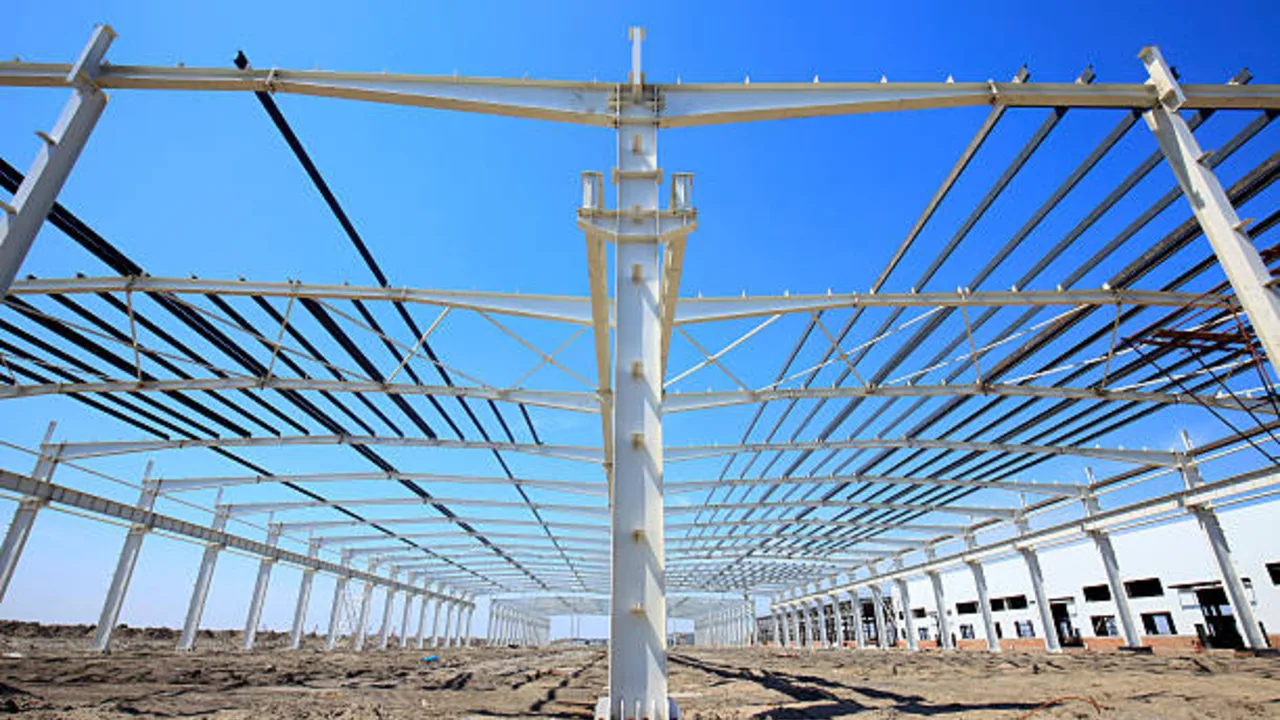
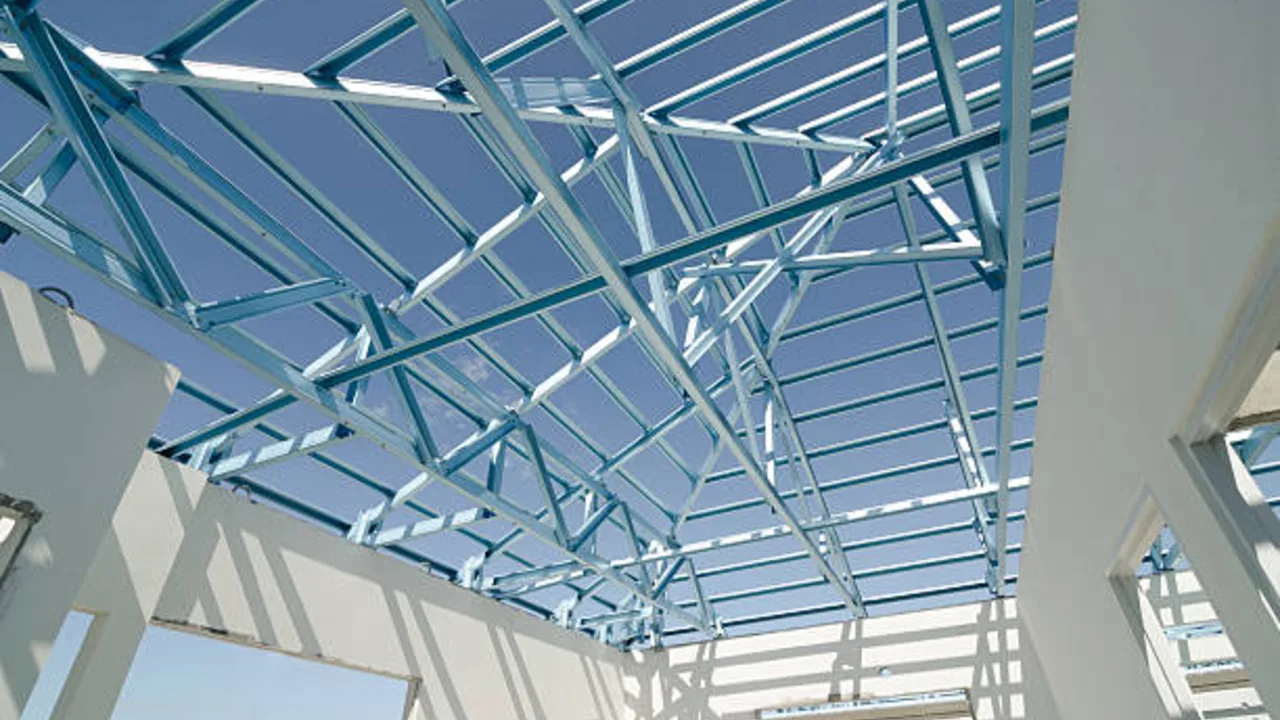
A light steel structure is a building system that uses lightweight steel members to create a frame, roof support, wall support, or secondary structural system. These members may include cold-formed steel sections, light-gauge framing, C and Z purlins, tubular members, small beams, wall girts, bracing rods, plates, bolts, screws, and engineered connectors.
The word “light” does not mean weak. It means the system is designed for a certain range of loads, spans, building heights, and construction conditions. A well-designed light steel frame can be efficient, stable, durable, and easy to install. However, it must still be engineered for wind, roof loads, service loads, deflection, connections, corrosion protection, and foundation interface.
In practice, light steel is often used where the structure needs to be easier to fabricate, transport, lift, and assemble. It is especially useful when the building does not require very heavy cranes, long-span trusses, multi-story industrial loading, or large concentrated equipment loads. The frame may be lighter, but the design logic must still be complete.
Light Steel vs Heavy Steel Structure
Light steel and heavy steel are not competitors in every situation. They serve different project needs. Light steel usually uses smaller members, lighter sections, simpler handling, faster site installation, and efficient material use for low-rise or medium-duty buildings. It is common in small warehouses, workshops, roof systems, commercial units, and secondary structures.
Heavy steel structure is used when the project demands larger spans, heavy equipment, crane loads, high platforms, multi-story framing, or stronger resistance to concentrated loads. A heavy industrial workshop, large stadium roof, high-rise steel frame, or crane-supported production building may require deeper beams, stronger columns, heavier connections, and more complex erection planning.
The right choice depends on the building’s real function. A light steel solution can be excellent when the load demand is moderate and the layout is practical. But if the project requires heavy-duty structural performance, forcing a light system into that role can create deflection, connection, bracing, or serviceability problems.
Why the Term Can Vary by Project
The term “light steel” can mean different things depending on the project type. In residential and low-rise commercial construction, it may refer to light-gauge steel framing. In industrial buildings, it may refer to C/Z purlins, roof and wall secondary framing, lightweight portal systems, or smaller structural members used for modest spans.
In some projects, light steel is the main frame. In others, it supports cladding, roof panels, partitions, canopies, walkways, or equipment shelters. This is why the scope should be clarified early. A project owner should not only ask whether the building uses light steel, but also which parts of the building are light steel, what loads they carry, and how they connect to the rest of the structure.
Where Light Steel Structures Are Commonly Used
Light steel systems are used in many modern construction projects because they can adapt to different layouts without adding unnecessary structural weight. Their strongest use cases are buildings with moderate span requirements, clear installation sequences, and practical envelope coordination.
Small Warehouses and Storage Buildings
Small warehouses and storage buildings often need fast enclosure, clean internal space, simple wall framing, and reliable roof support. A light steel frame can support roof panels, wall cladding, doors, ventilation openings, and basic storage layouts without requiring a heavy industrial frame.
This is useful for inventory storage, agricultural storage, equipment sheds, retail storage, and small logistics support buildings. The structure can be fabricated in repeatable parts, delivered in manageable bundles, and installed quickly when foundations and anchor points are prepared correctly.
Workshops and Light Industrial Facilities
Workshops and light industrial facilities may need open work bays, repair areas, fabrication benches, machinery shelters, or production support zones. A light steel system can create a practical building shell while allowing coordination with lighting, ventilation, wall openings, and small service loads.
For these projects, the key is not only frame weight. The layout must also support real work. Door positions, internal movement, equipment access, roof height, and future service additions should be reviewed before the frame is finalized.
Commercial and Public Buildings
Light steel is also used in commercial and public buildings such as small retail spaces, showrooms, temporary commercial halls, schools, community buildings, and low-rise office or service facilities. These projects often need fast construction, neat interior space, and easy coordination with exterior panels, insulation, ceilings, and building services.
Because many commercial spaces may change layout over time, the flexibility of light steel can be valuable. Interior partitions, façade openings, signage supports, and service routes can often be coordinated more easily when the structural grid is clear.
Extensions, Canopies, and Secondary Structures
Light steel is especially practical for secondary building elements. Roof extensions, canopies, walkways, equipment shelters, façade supports, mezzanine edges, service platforms, and small roof structures often benefit from lighter members that are easier to fabricate and install.
These elements still need proper engineering. A canopy may face strong wind uplift. A roof extension may affect drainage. A mezzanine support may introduce concentrated loads. Even when the structure is light, the load path must be clear.
Main Components of a Light Steel Structure
A light steel structure works as a system. The individual members may be lighter than heavy structural steel, but they still need to transfer loads, stabilize the building, support the envelope, and connect safely to the foundation or primary frame.
Light Steel Columns and Beams
Light steel columns and beams form the main support in many small buildings, extensions, and secondary structures. Their size depends on span, spacing, building height, roof load, wind load, cladding type, and connection behavior. In low-rise applications, these members may be efficient and easy to install, but they must still be checked for strength and deflection.
Column spacing should match the building function. Wider spacing may create more usable space, but it can increase beam demand. Closer spacing may reduce member size, but it can interfere with doors, equipment, circulation, or storage. A practical grid should balance structure and use.
C and Z Purlins
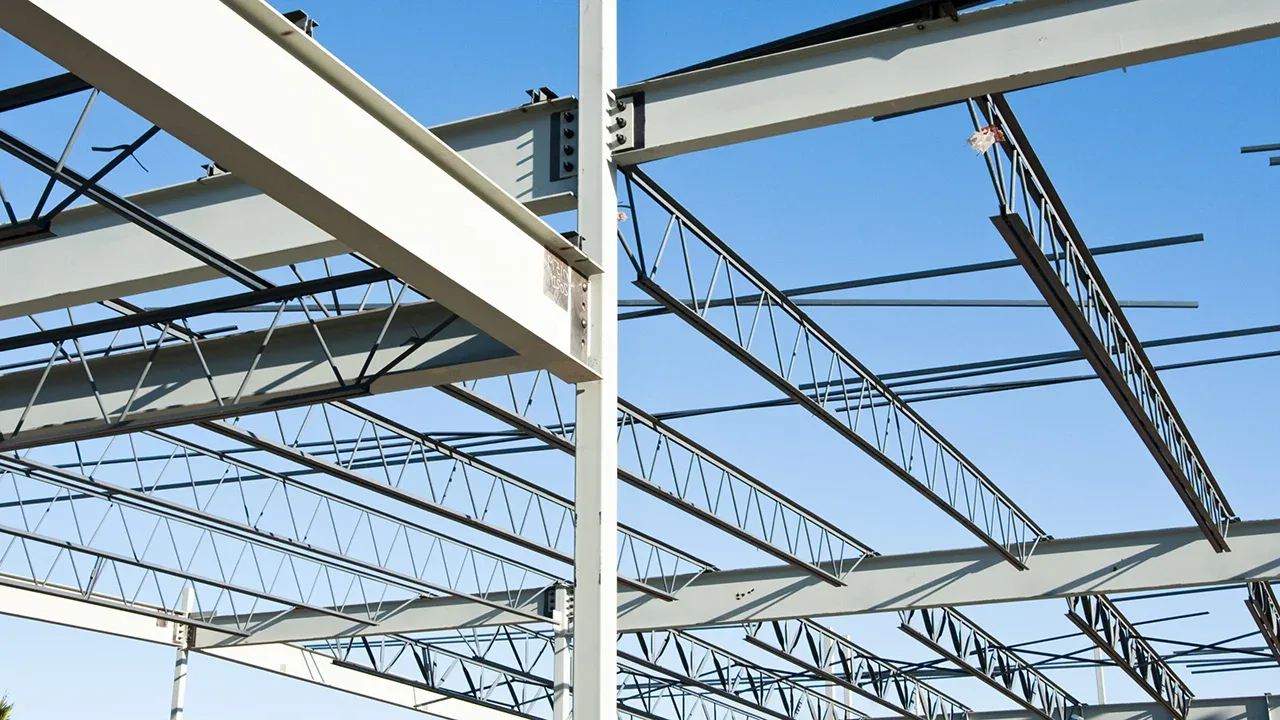
C and Z purlins are common in light steel buildings because they provide efficient roof support with relatively low weight. They support roof panels, transfer roof loads to rafters or beams, and help create a repeatable fixing system for roof sheets, insulation, and accessories.
Purlin spacing affects roof panel performance, fastener layout, wind uplift resistance, and installation quality. If the spacing is too wide or poorly coordinated, roof panels may deflect, fasteners may become overstressed, or waterproofing details may become harder to control.
Wall Girts and Cladding Supports
Wall girts support wall cladding and help maintain the alignment of the building envelope. They also coordinate with doors, windows, louvers, ventilation openings, insulation, and service penetrations. In light steel buildings, wall girts may appear secondary, but they strongly affect the final appearance and weather performance of the building.
Poor wall framing coordination can lead to panel misalignment, difficult fixing, leakage risk, and repeated site adjustments. This is why wall girts should be planned together with the cladding system instead of being added after the main frame is complete.
Bracing and Stability Members
Light steel still needs stability. Wind pressure, roof uplift, wall movement, and installation loads can all affect a light frame. Bracing members help resist lateral movement and transfer forces to the foundation or main structural supports.
Bracing must be coordinated with doors, windows, access paths, service openings, and future expansion zones. A brace that works structurally may still create operational problems if it blocks a loading door or ventilation opening. Good design solves both issues early.
Bolts, Screws, Plates, and Connectors
Small connection details have a large effect on performance. Bolts, screws, plates, brackets, washers, and local reinforcement determine how loads move between members. They also affect installation speed, alignment, waterproofing details, and long-term maintenance.
A light member with poor connection detailing can perform badly even if the member itself is strong enough. Hole alignment, screw spacing, plate thickness, bolt tightening, edge distance, corrosion protection, and access for installation should all be reviewed before fabrication and site assembly.
Why Light Steel Structure Is Flexible for Modern Projects
The flexibility of light steel comes from more than low weight. It comes from the ability to fabricate repeatable parts, transport them efficiently, assemble them quickly, and coordinate them with different building envelopes and internal layouts.
Easy to Fabricate and Transport
Light steel members can often be cut, drilled, punched, marked, bundled, galvanized, painted, and prepared in a controlled workshop environment. This improves accuracy and reduces the amount of adjustment needed on site. Because the members are lighter, transport planning may also be simpler than with heavy steel frames.
Efficient packing matters. When components are labeled and bundled by erection sequence, site crews can install the frame faster and with fewer handling mistakes. This is especially useful for projects with limited site space or tight schedules.
Fast Site Assembly
Light steel systems are often faster to assemble because the members are easier to handle and many connections are bolted or screwed. Smaller lifting equipment may be enough for some projects, depending on member size and site conditions. This can reduce installation complexity and help the building reach enclosure faster.
Speed still depends on preparation. Anchor points, foundation levels, connection details, bracing sequence, and panel support alignment must be ready before installation. A light frame does not automatically guarantee fast construction if the drawings, delivery sequence, or site preparation are weak.
Adaptable Layouts
Modern buildings often need to change. Doors may be added, partitions may move, mezzanines may be extended, and service systems may be upgraded. A light steel system with a clear grid and documented connection logic can make these future changes easier to evaluate.
This adaptability is useful for commercial spaces, workshops, storage buildings, and temporary facilities. The structure should be designed with realistic future needs in mind instead of only satisfying the first layout.
Compatible with Different Envelope Systems
Light steel can work with metal roof panels, wall cladding, insulation systems, skylights, ventilation units, gutters, flashing, louvers, and service openings. This makes it useful for projects where the envelope must be installed quickly and coordinated with different building functions.
The envelope should not be treated as separate from the frame. Roof panel spans, wall cladding supports, opening locations, insulation thickness, and service penetrations all influence the steel layout. Coordination between structure and envelope is what makes the system perform well in real use.
Light Steel Structure Design Factors That Affect Performance
A light frame can only perform well when the design matches the project’s real loads, span, environment, and installation conditions. Reducing weight should never mean ignoring load paths, bracing, connections, or serviceability.
Span and Load Capacity
Light steel works best when span and load demand are realistic. If a project requires very long spans, heavy platforms, crane systems, large equipment loads, or high wall elevations, heavier structural framing may be more suitable. For moderate spans and lightweight envelopes, however, light steel can be efficient and practical.
Span decisions should be based on actual use. A storage building may need clear space for pallets. A workshop may need door clearance and equipment access. A commercial unit may need flexible interior space. The structure should support these needs without forcing unnecessary member weight.
Wind Load and Lateral Stability
Light wall and roof systems can be sensitive to wind pressure and uplift. Large wall surfaces, exposed sites, high eaves, and lightweight cladding can increase lateral demand. This makes bracing and connection design essential.
Bracing should be planned early instead of added after the layout is fixed. Wall openings, vehicle access, windows, louvers, and future expansion areas all affect where bracing can be placed. If the lateral system is poorly coordinated, the building may face sway, panel movement, connection stress, or erection difficulty.
Roof Slope, Drainage, and Service Integration
Good steel roof structure design is important even when the frame is light. Roof slope affects water discharge. Purlin layout affects panel fixing and load transfer. Gutters, downspouts, skylights, ventilation units, and solar panels must be coordinated with the roof frame before installation begins.
A light roof system still needs a clear load path. Roof panels transfer loads to purlins. Purlins transfer loads to rafters or beams. Bracing helps stabilize the roof plane. If service equipment or solar panels are added later, the roof may need local reinforcement. Early coordination helps prevent leakage risk, deflection problems, and unnecessary site changes.
Deflection and Serviceability
Light steel members must be checked not only for strength, but also for movement. A member may be strong enough to avoid failure, yet still deflect too much for practical building use. Excessive movement can affect wall cladding, roof panels, door alignment, waterproofing, ceiling systems, and service supports.
Serviceability is especially important in buildings with wide doors, long roof panels, suspended services, or visible interior finishes. If the frame moves too much under normal wind or service load, the building may remain standing but still perform poorly. Good design controls both ultimate strength and everyday usability.
Light Steel Structure vs Other Building Systems
A light steel structure is not automatically better than every other building system. It is better when the project benefits from lighter framing, fast assembly, moderate structural demand, efficient transportation, and flexible layout planning. Other systems may be more suitable when the building requires very heavy loads, large thermal mass, long-span heavy framing, or specialized architectural performance.
| System | Best Use | Main Advantage | Limitation |
|---|---|---|---|
| Light steel structure | Low-rise buildings, small warehouses, workshops, extensions, canopies | Fast fabrication, lighter handling, flexible layout | Limited for very heavy loads or very long spans |
| Heavy steel structure | Large industrial buildings, crane workshops, long-span halls | High load capacity and strong long-span performance | Heavier members, more complex lifting and erection |
| Reinforced concrete | Multi-story buildings, basements, heavy floors, fire-rated mass structures | High mass, stiffness, and compression performance | Slower curing time and less flexible modification |
| Timber framing | Small buildings, residential projects, lightweight interiors | Easy handling and warm architectural appearance | Moisture, fire, span, and durability limits depending on use |
| Hybrid steel system | Projects combining light framing with heavier primary supports | Balances flexibility with stronger load-bearing zones | Requires careful interface and connection coordination |
When Light Steel Is the Better Choice
Light steel is often the better choice for low-rise buildings, moderate spans, fast schedules, repeatable layouts, lightweight roof and wall systems, and projects where future modification is likely. It is also useful when transportation access is limited or when the site benefits from lighter handling during installation.
For small warehouses, workshops, canopies, storage buildings, and commercial extensions, the system can reduce unnecessary structural weight while still providing a reliable load path. The key is to keep the design demand realistic and match the frame to the building’s actual use.
When Heavier Framing May Be Needed
Heavier framing may be needed when the project includes overhead cranes, very long spans, high platforms, multi-story industrial loads, large concentrated equipment loads, or demanding seismic requirements. In these cases, a lighter system may become inefficient because the members and connections must be strengthened heavily to meet the load demand.
A practical design should not force light steel into a heavy-duty role. If the project needs stronger columns, deeper beams, heavy base plates, large bracing forces, or crane runway support, a heavier steel frame or hybrid system may give better performance and lower long-term risk.
Fabrication and Installation Process
The performance of light steel depends on how well the design is translated into fabrication and site assembly. Even a simple frame can create problems if member marking, hole alignment, coating, packing, delivery sequence, or installation access is poorly planned.
Shop Preparation
Shop preparation may include cutting, punching, drilling, welding where required, galvanizing, painting, labeling, bundling, and quality checking. Because light steel members are often repeated across a project, accurate fabrication can improve installation speed and reduce site adjustment.
Clear shop drawings are important. They should show member sizes, connection positions, hole patterns, bracing details, coating requirements, and erection marks. When these details are coordinated before production, the site team can assemble the frame with fewer interruptions.
Delivery and Site Handling
Light steel components are usually easier to handle than heavy frame members, but delivery still needs planning. Members should be packed to match the installation sequence, protected from damage, and stored so that coatings, edges, and connection points are not compromised.
Site handling should also consider access routes, unloading space, temporary storage, and lifting methods. Lighter members can simplify work, but disorganized delivery can still slow the project if crews must search for parts or move bundles repeatedly.
Frame Assembly
Frame assembly usually follows a controlled sequence. Vertical supports or columns are installed first, followed by beams, rafters, bracing, purlins, wall girts, roof panels, wall panels, flashing, gutters, openings, and accessories. Temporary bracing may be needed before the permanent stability system is complete.
The exact sequence depends on the building layout and frame type. A canopy, small warehouse, workshop, or roof extension may each require a different erection method. The important point is that the frame must remain stable during every stage of installation, not only after completion.
Inspection Before Enclosure
Before roof and wall panels close the building, the frame should be inspected for alignment, bolt tightening, bracing completion, base connection condition, purlin spacing, girt alignment, and panel support readiness. Problems are easier to correct before the envelope is installed.
This inspection helps prevent later issues such as panel misalignment, leakage, loose connections, excessive movement, or service conflicts. A light frame can be fast to install, but speed should not replace basic quality control.
Common Mistakes in Light Steel Structure Projects
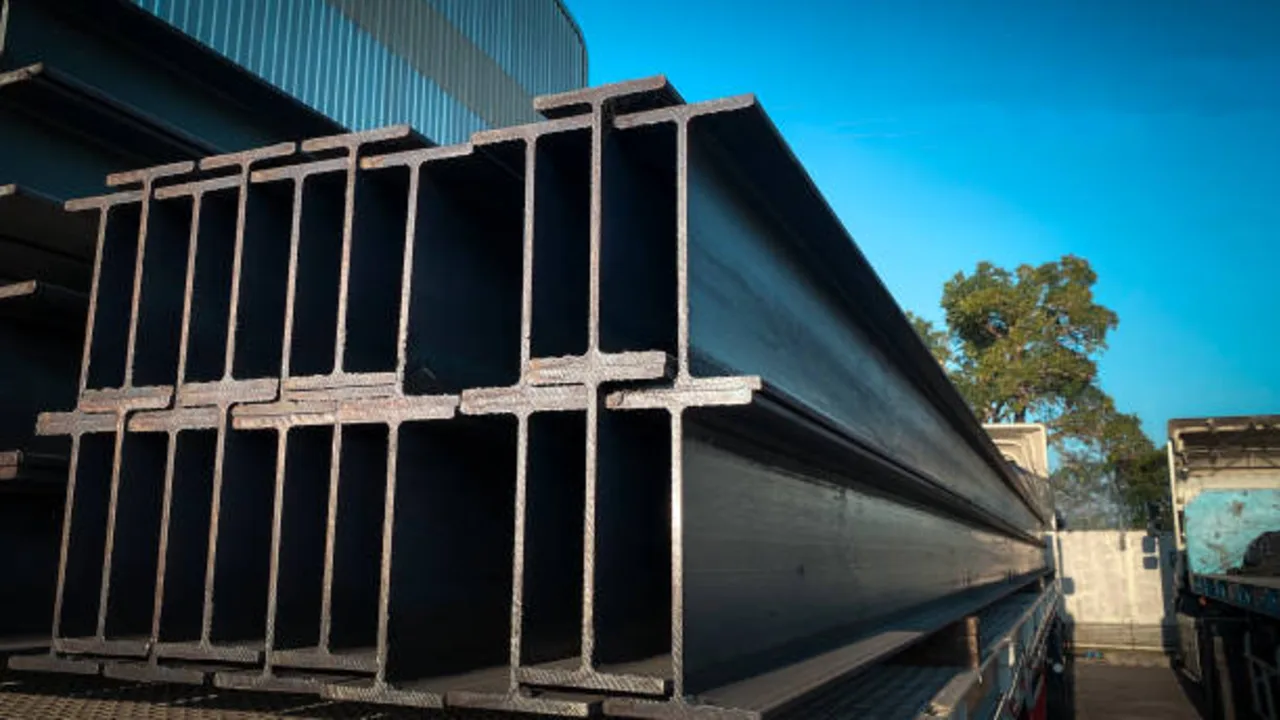
Many problems in light steel projects come from treating the system as too simple. The members may be lighter, but the building still needs proper engineering, load transfer, bracing, connections, corrosion protection, and installation planning.
Treating Light Steel as a Universal Solution
Light steel has limits. It should match the building’s loads, span, height, use, roof system, wall system, and environment. When it is used beyond its practical range, the project may face excessive deflection, stronger-than-expected connection demand, additional reinforcement, or poor long-term serviceability.
The right question is not whether light steel can be used, but whether it is the most suitable system for the actual project conditions. A well-selected light frame can be efficient. A poorly selected one can become complicated and expensive.
Ignoring Bracing Until Late
Bracing is sometimes treated as a secondary detail, but it is part of the stability system. If bracing is added after doors, windows, access routes, wall openings, and cladding layouts are already fixed, conflicts can appear quickly.
Early bracing planning helps the structure resist wind and sway while keeping the building functional. It also helps the erection team understand how the frame should be stabilized during installation.
Using Poor Connection Details
Screws, bolts, plates, brackets, and small reinforcement pieces may look minor, but they control how loads transfer between members. Poor connection details can cause loose panels, misaligned members, difficult installation, local deformation, corrosion points, or waterproofing problems.
Connection design should consider the real installation method. Access for tools, tightening sequence, edge distance, hole alignment, and coating repair all affect final quality. Small details often decide whether a light steel project feels clean and controlled on site.
Forgetting Future Equipment Loads
Future equipment can change the demand on the frame. Solar panels, HVAC units, suspended ceilings, ventilation ducts, small cranes, maintenance walkways, signage, and mezzanine additions may all introduce loads that were not included in the original design.
If these loads are likely, they should be discussed early. Adding them later may require reinforcement, new brackets, additional purlins, stronger beams, or foundation review. Early allowance is often easier than late correction.
Poor Corrosion Protection
Light steel members may be exposed to humidity, coastal air, chemical environments, condensation, or wet storage conditions. Without proper surface protection, corrosion can reduce durability and create maintenance problems.
Protection may include galvanizing, suitable paint systems, drainage detailing, separation from trapped moisture, and accessible inspection points. The correct approach depends on the project environment, not only the steel thickness.
How to Evaluate a Light Steel Structure for Your Project
Before choosing a light steel structure, project owners should evaluate the full building system instead of focusing only on material price or member weight. A lighter frame is useful only when it supports the building’s real function, schedule, environment, and future use.
- Building function: Define whether the project is a warehouse, workshop, commercial space, canopy, extension, temporary building, or secondary structure.
- Span and height: Check whether the required span, eave height, and roof geometry are suitable for light steel framing.
- Roof and wall system: Coordinate purlins, girts, panels, insulation, openings, gutters, flashing, and ventilation.
- Wind and rain conditions: Review wind pressure, uplift, rainfall intensity, drainage layout, and local weather exposure.
- Service loads: Identify suspended utilities, ceiling systems, solar panels, HVAC units, ducts, lighting, and maintenance access.
- Door and window layout: Make sure openings do not conflict with bracing, columns, wall girts, or panel supports.
- Future expansion: Consider whether additional bays, extensions, mezzanines, or new equipment may be added later.
- Corrosion environment: Match galvanizing, painting, or other protection systems to humidity, chemicals, coastal air, or condensation risk.
- Transportation access: Confirm member length, packing method, delivery route, unloading area, and site storage space.
- Installation equipment: Review lifting methods, temporary bracing, worker access, and erection sequence.
- Foundation interface: Coordinate anchor bolts, base plates, levels, grout, load transfer, and tolerance requirements.
- Budget and schedule: Compare not only material cost, but also fabrication, delivery, installation, envelope work, and long-term maintenance.
This evaluation helps avoid choosing a system only because it appears lighter or cheaper. The best result comes from matching the structure to the complete project requirement.
Conclusion: Light Steel Structure Works Best When Flexibility Matches Engineering
A light steel structure can be a practical solution for modern construction projects that need speed, adaptable layouts, lighter transport, efficient fabrication, and moderate structural demand. It works well for many low-rise buildings, workshops, small warehouses, commercial spaces, canopies, extensions, and secondary structures.
However, the best light steel solution is not simply the lightest frame. It is the frame that matches the project’s real load, layout, environment, installation method, roof system, connection details, corrosion exposure, and future use. When flexibility is supported by proper engineering, light steel becomes more than a lightweight option. It becomes a reliable building system for practical modern construction.