What Is Custom Steel Fabrication?
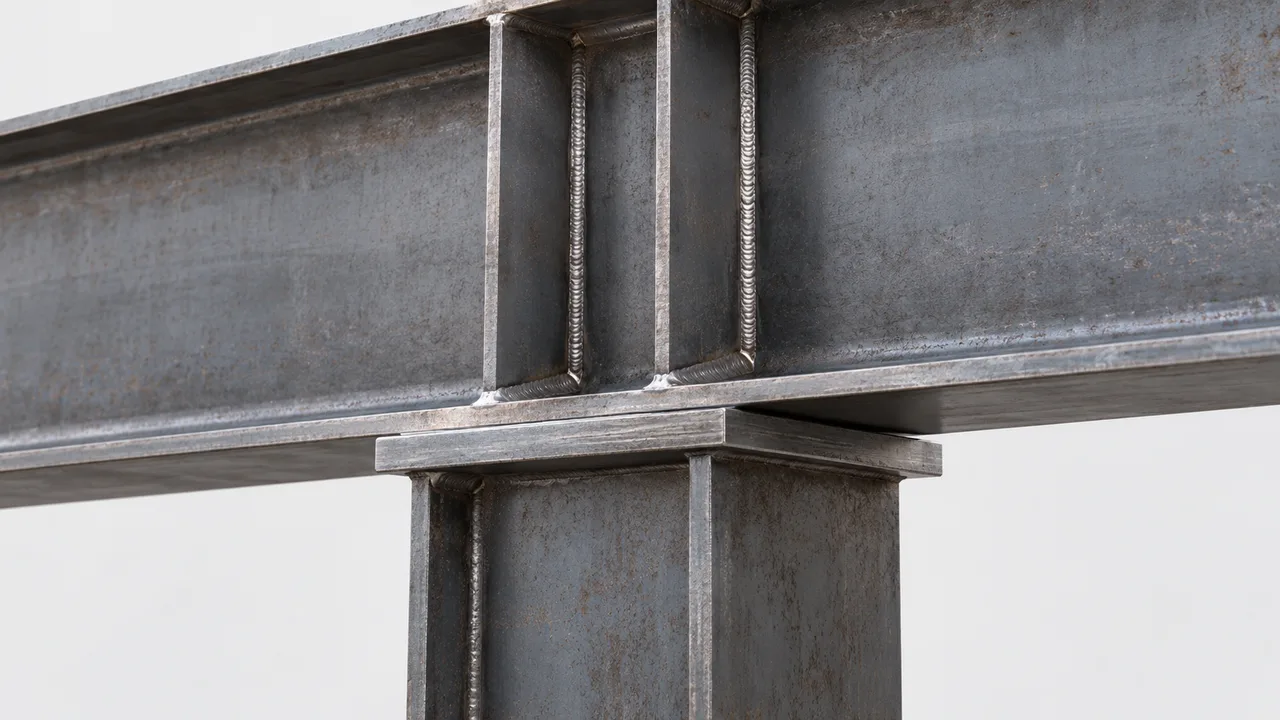
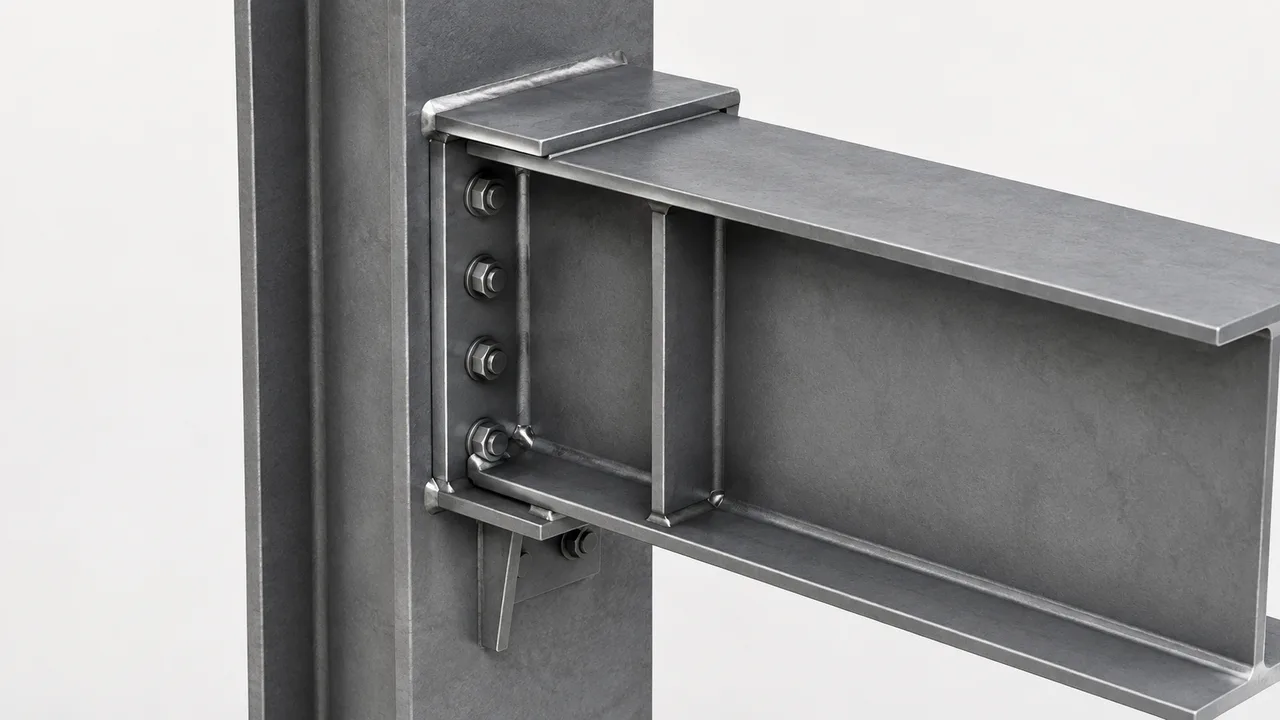
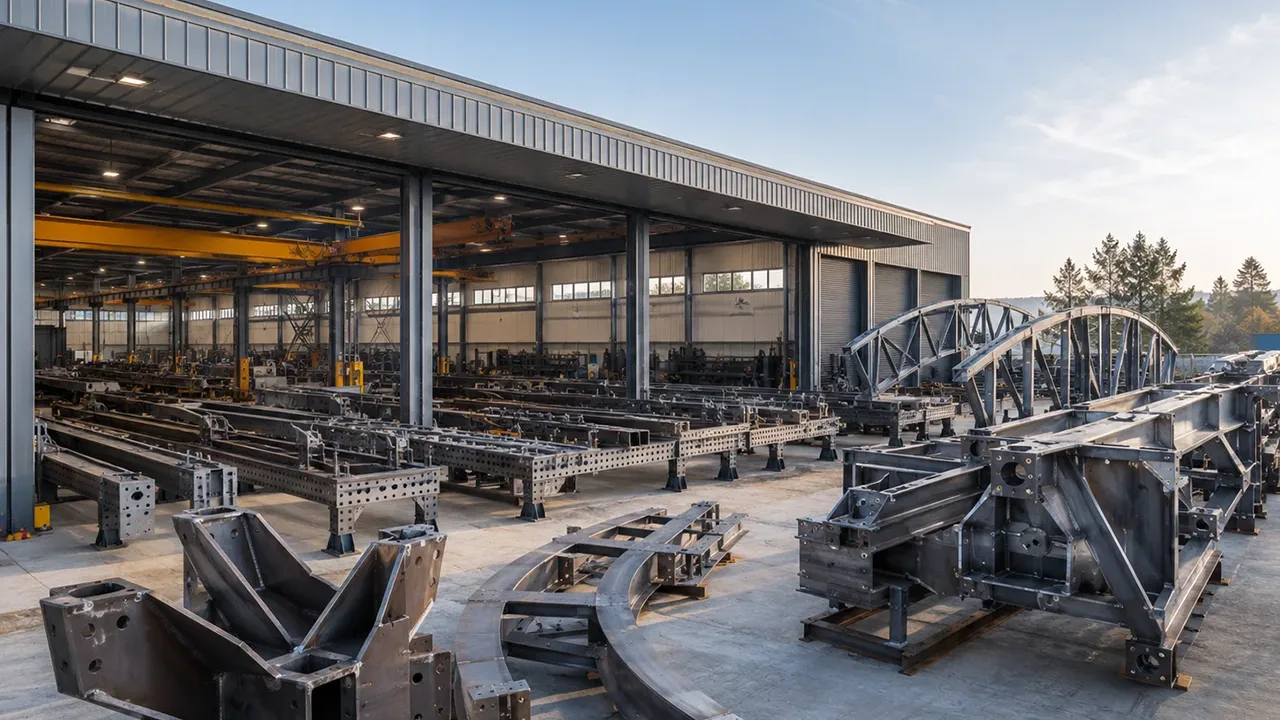
Custom steel fabrication refers to the engineering, manufacturing, and assembly of structural steel components that are specifically designed for an individual project rather than produced as standard products. Every component is manufactured according to project drawings, engineering calculations, and fabrication specifications.
Unlike standard steel members that are selected from predefined dimensions, custom fabricated components are optimized for each project’s structural requirements, installation conditions, and operational objectives.
A custom fabrication project may include:
- Custom steel columns
- Engineered steel beams
- Steel trusses
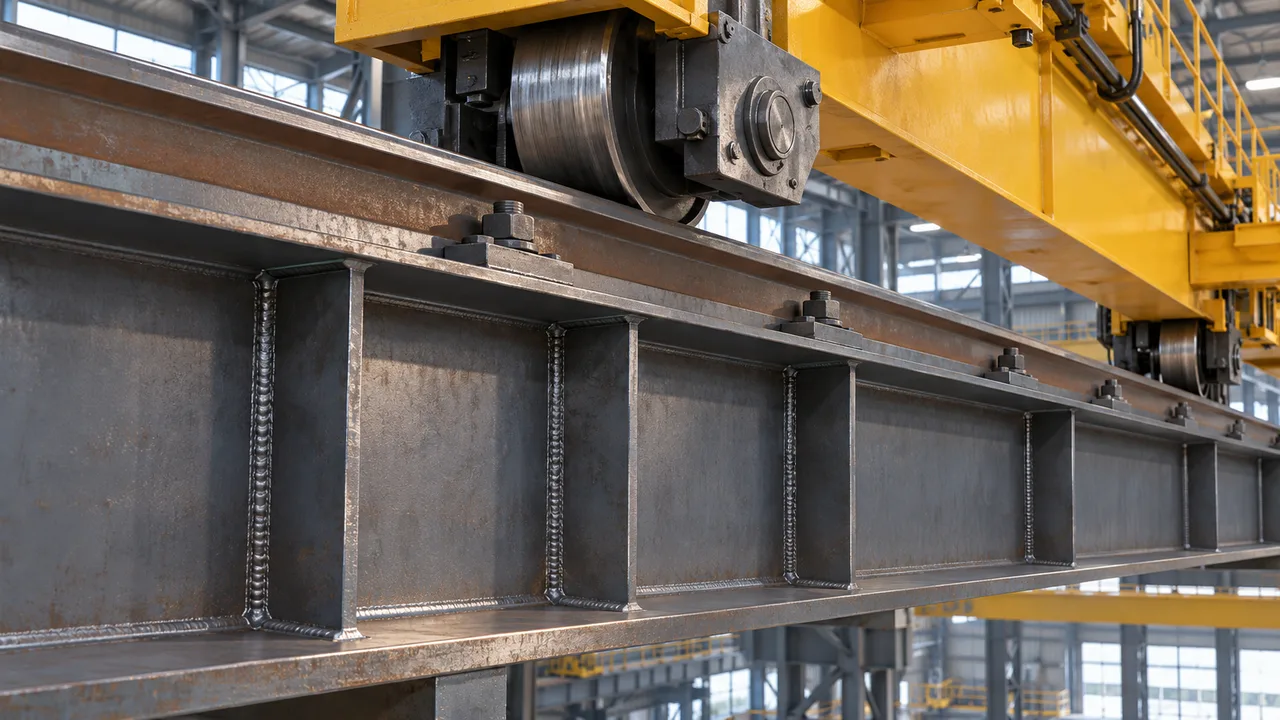
- Plate girders
- Equipment support structures
- Pipe racks
- Complex welded assemblies
This flexibility allows engineers to develop highly efficient structural systems for virtually any application.
Why Choose Custom Steel Fabrication?
Design Flexibility
One of the greatest advantages of custom steel fabrication is the ability to create structural solutions tailored to unique project requirements.
Custom fabrication supports:
- Project-specific dimensions
- Special structural geometries
- Unique architectural layouts
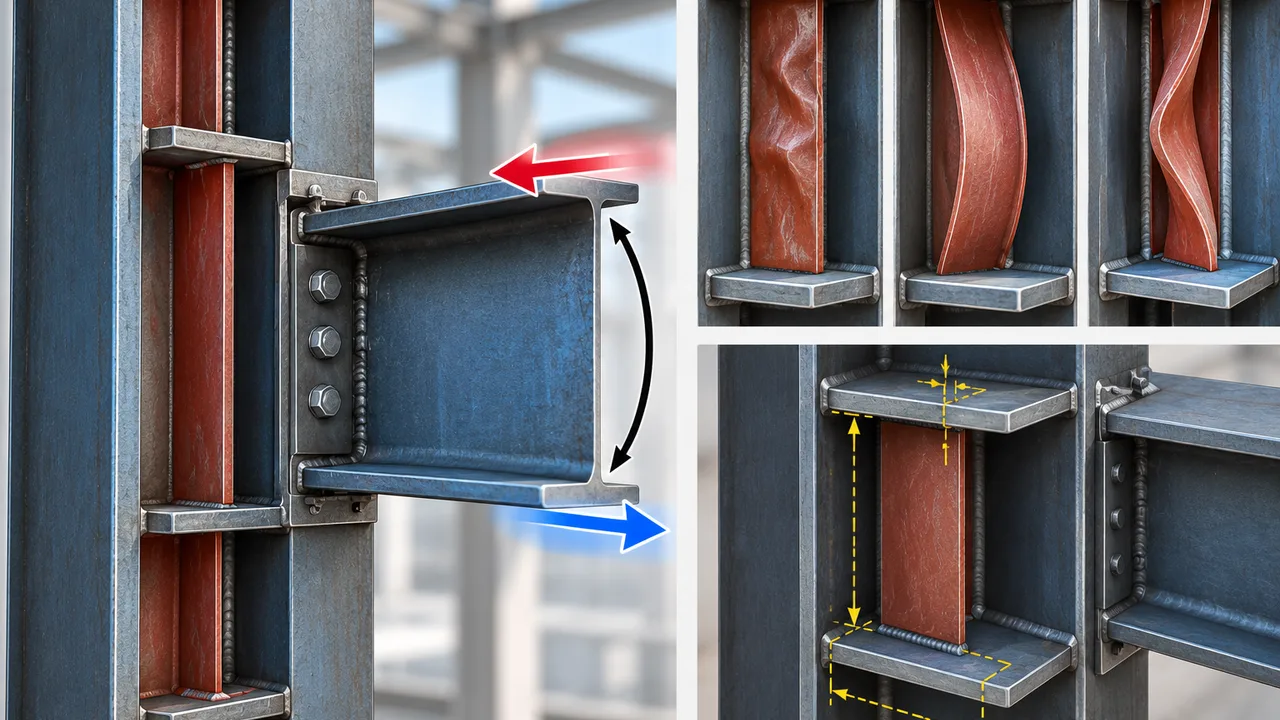
- Complex connection details
- Specialized equipment integration
This flexibility allows engineers to optimize every component for its intended application.
Optimized Structural Performance
Every structural member can be engineered according to the exact loads it will experience during operation.
Engineering optimization includes:
- Accurate load analysis
- Material efficiency
- Reduced unnecessary weight
- Improved structural stability
- Higher overall performance
Optimized fabrication improves both structural reliability and long-term operational efficiency.
Better Project Integration
Many projects require new steel structures to connect with existing facilities or support specialized industrial systems.
Custom fabrication makes it easier to accommodate:
- Existing buildings
- Production equipment
- Mechanical systems
- Conveyor installations
- Utility infrastructure
Accurate fabrication minimizes field modifications and simplifies installation.
Long-Term Value
Although custom fabrication requires detailed engineering during the early project stages, it often reduces construction challenges later.
Benefits include:
- Lower installation costs
- Fewer on-site adjustments
- Improved operational efficiency
- Simplified maintenance
- Longer service life
Proper engineering helps maximize the value of the overall investment.
Types of Custom Steel Fabrication Projects
Industrial Buildings
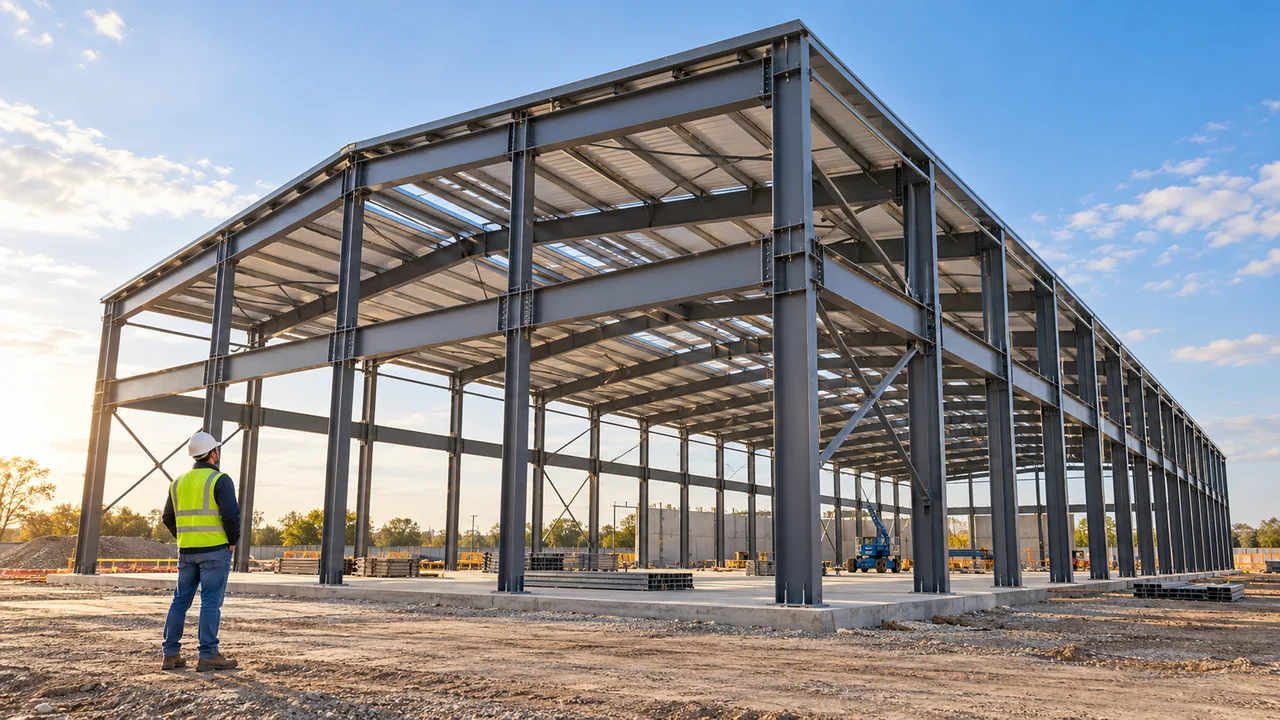
Industrial facilities often require structural systems designed around production equipment and manufacturing workflows.
Applications include:
- Manufacturing plants
- Processing facilities
- Heavy industrial workshops
- Equipment assembly buildings
- Industrial production facilities
Custom fabrication allows every structural component to support operational efficiency.
Warehouse Structures
Warehouses frequently require customized structural layouts to maximize storage capacity and logistics performance.
Typical applications include:
- Distribution centers
- E-commerce warehouses
- Cold storage facilities
- Inventory storage buildings
- High-bay warehouses
Custom structural systems allow layouts to be optimized for storage equipment and operational flow.
Commercial Buildings
Commercial developments often combine structural performance with architectural appearance.
Custom fabrication supports:
- Office buildings
- Exhibition halls
- Shopping centers
- Convention facilities
- Public buildings
Engineered steel systems provide both flexibility and durability.
Infrastructure Projects
Infrastructure developments frequently involve specialized structural configurations that cannot be produced using standard components.
Projects may include:
- Bridge structures
- Transportation terminals
- Pedestrian bridges
- Industrial corridors
- Public infrastructure facilities
Custom fabrication allows engineers to satisfy complex structural and construction requirements.
Specialized Industrial Equipment Structures
Many industrial facilities require structural systems designed specifically for machinery and production equipment.
Custom fabricated components include:
- Equipment platforms
- Pipe racks
- Machine support frames
- Maintenance platforms
- Access stair systems
Each structure is engineered to safely support operational loads while maintaining accessibility and long-term reliability.
Custom Steel Components
Steel Columns
Custom steel columns are engineered to accommodate unique loading conditions, building heights, and connection requirements.
Steel Beams
Fabricated beams can be optimized for span length, equipment support, and structural efficiency.
Steel Trusses
Custom steel trusses provide long-span roof solutions for industrial, commercial, and infrastructure projects.
Plate Girders
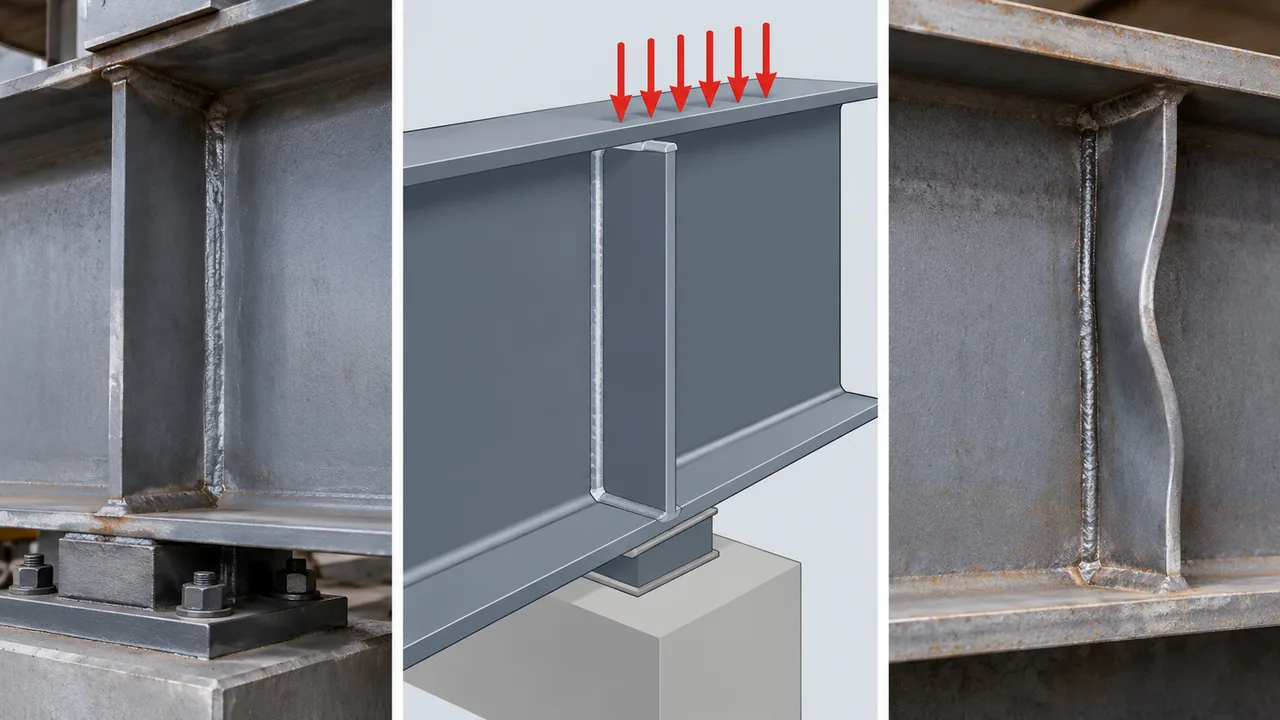
Plate girders are manufactured for heavy-duty structural applications where standard rolled sections are insufficient.
Custom Welded Assemblies
Complex welded assemblies integrate multiple fabricated components into complete structural units ready for installation.
Custom Steel Fabrication Process
Engineering Consultation
The fabrication process begins with a detailed review of project objectives, structural requirements, operational conditions, and construction constraints.
Structural Design
Engineers prepare structural calculations, fabrication drawings, connection details, and BIM models where required to ensure accurate production.
Material Selection
Certified structural steel is selected based on strength requirements, environmental conditions, and applicable engineering standards.
CNC Processing
Advanced CNC equipment performs cutting, drilling, machining, and component preparation with high dimensional accuracy.
Welding and Assembly
Qualified welding procedures and precision assembly processes ensure structural integrity and consistent fabrication quality.
Surface Treatment
Protective finishes such as painting, galvanizing, or specialized coatings improve corrosion resistance and long-term durability.
Quality Inspection
Throughout production, dimensional verification, welding inspections, and final quality control procedures confirm that every fabricated component meets project specifications before delivery.