Overview of Industrial Steel Structure Building Solutions
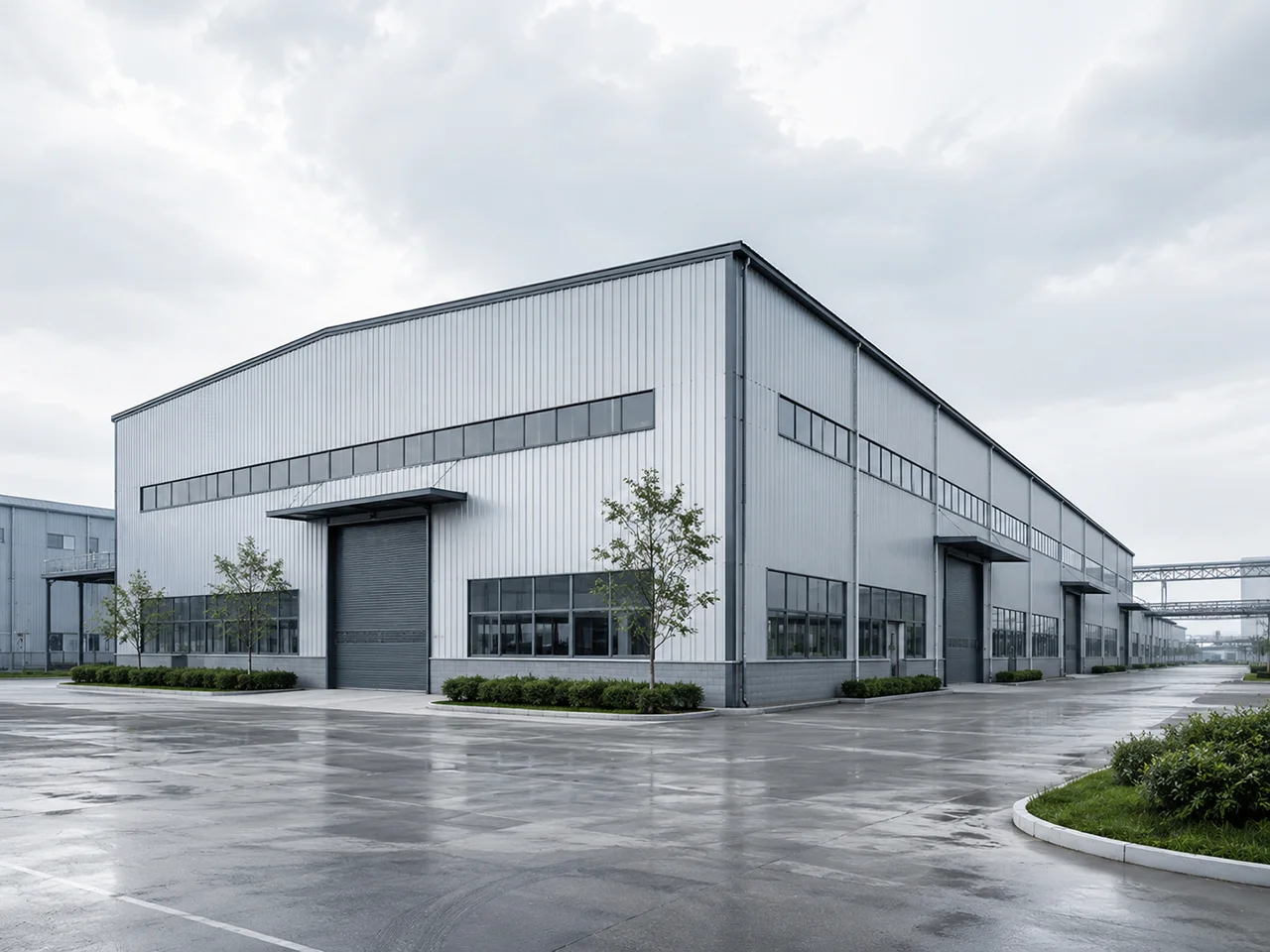
Industrial facilities require buildings capable of supporting heavy operational loads, continuous workflow, and complex production systems. A properly engineered industrial steel structure building provides the structural reliability needed for long-term industrial use.
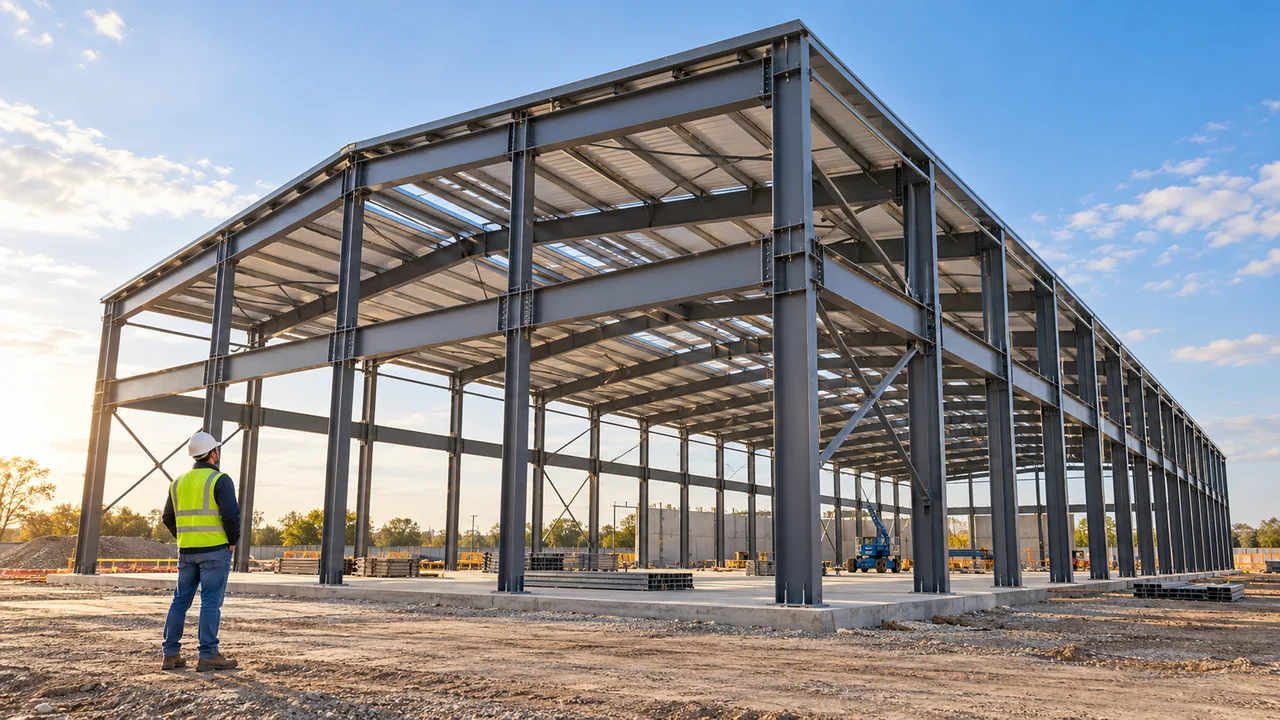
Steel structures allow engineers to create large clear-span interiors with minimal internal columns. This improves space utilization and enables more efficient production layouts. Industrial operations involving automated systems, cranes, or material handling equipment particularly benefit from these structural advantages.
Additionally, steel buildings are highly scalable. Companies can expand production areas, storage sections, or logistics zones as business operations grow.
Types of Industrial Steel Structure Buildings
Manufacturing Plant Buildings
Manufacturing facilities require structures capable of supporting production equipment, heavy loads, and industrial processes. Steel structure systems provide the strength and flexibility necessary for these demanding environments.
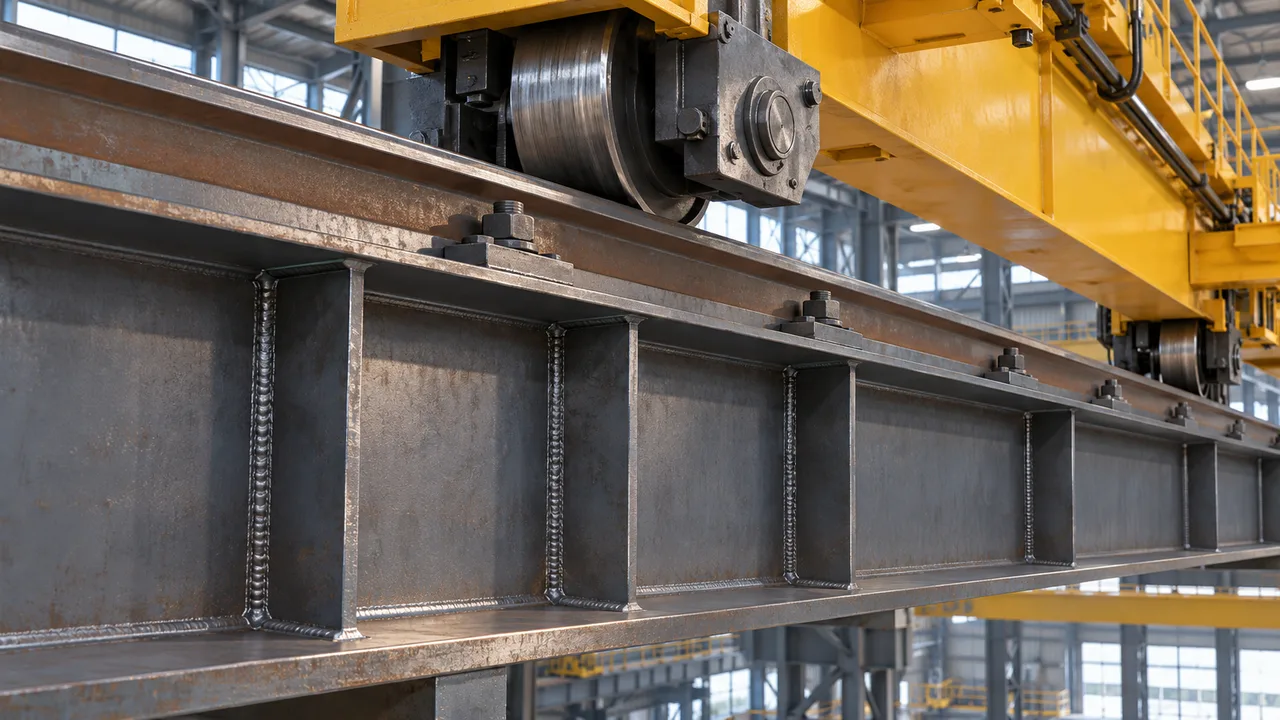
These buildings can accommodate assembly lines, overhead cranes, ventilation systems, and integrated utility infrastructure.
Industrial Workshop Buildings
Industrial workshops require flexible layouts that support efficient workflows and equipment placement. Steel buildings offer open interior spaces that can be configured according to operational requirements.
This flexibility improves workflow efficiency and allows easier future modifications.
Multi-Purpose Industrial Buildings
A industrial steel structure building can combine production, storage, logistics, and office functions within one integrated facility.
Multi-purpose industrial buildings help companies optimize land use while improving operational coordination between departments.
Applications of Industrial Steel Structure Buildings
Heavy Manufacturing Facilities
Heavy manufacturing industries require durable structures capable of supporting large equipment and continuous operations. Steel buildings provide high structural strength and long-term reliability for these environments.
They are widely used in machinery manufacturing, metal processing, automotive production, and industrial engineering sectors.
Industrial Warehousing and Logistics
Industrial operations often require integrated storage and logistics systems. Steel buildings support efficient warehousing, material flow, and transportation management.
A properly designed industrial steel structure building improves operational efficiency by integrating production and logistics activities.
Specialized Industrial Operations
Industries such as energy, chemicals, mining, and engineering may require customized structural solutions. Steel systems can be adapted to accommodate specialized operational requirements and environmental conditions.
Structural Design Considerations
Load Capacity and Structural Stability
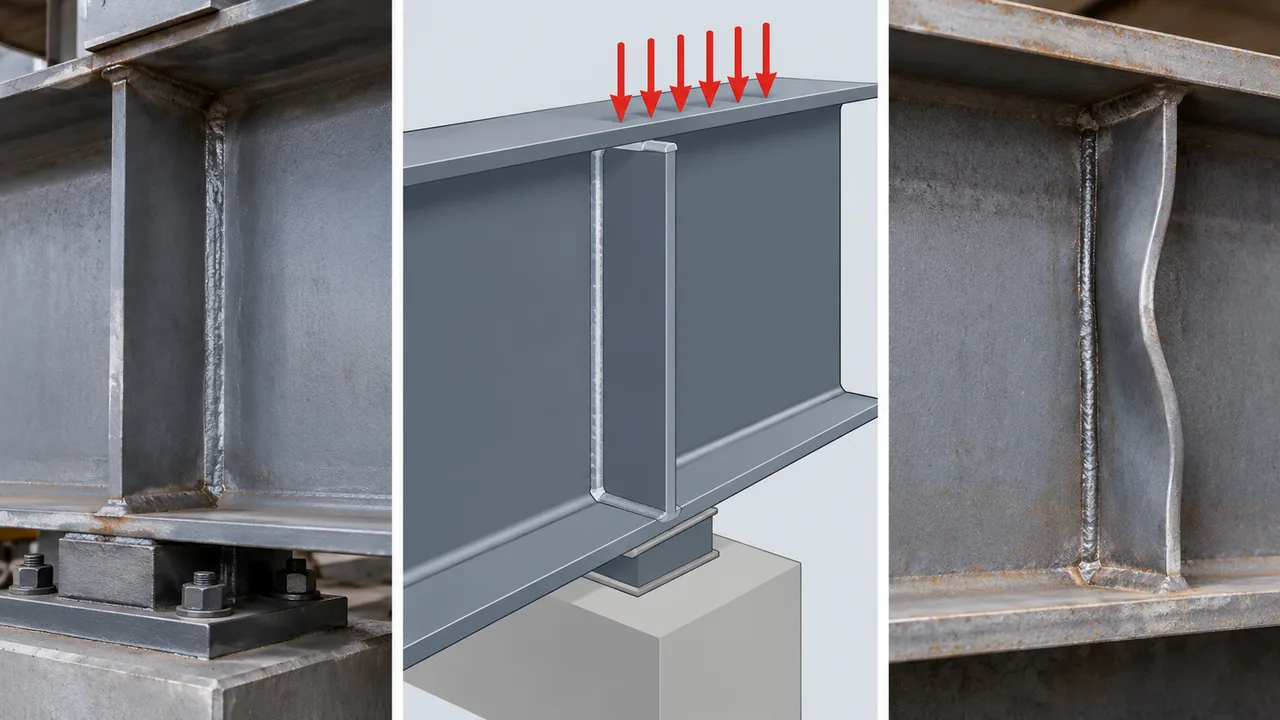
Industrial structures must support operational loads from machinery, cranes, storage systems, and equipment. Engineers use reinforced steel systems to maintain stability and structural integrity.
Advanced structural analysis ensures safe performance under heavy industrial conditions.
Space Optimization and Layout Planning
Efficient space planning is essential for industrial productivity. Steel structures allow large spans that reduce internal obstructions and improve workflow efficiency.
Flexible layouts also allow easier equipment relocation and future expansion.
Environmental and Safety Standards
Industrial buildings must comply with environmental and safety requirements. Key considerations include:
- Ventilation systems
- Fire protection measures
- Compliance with industrial regulations
These standards ensure safe and sustainable operations.
Fabrication and Manufacturing Process
Steel Component Fabrication
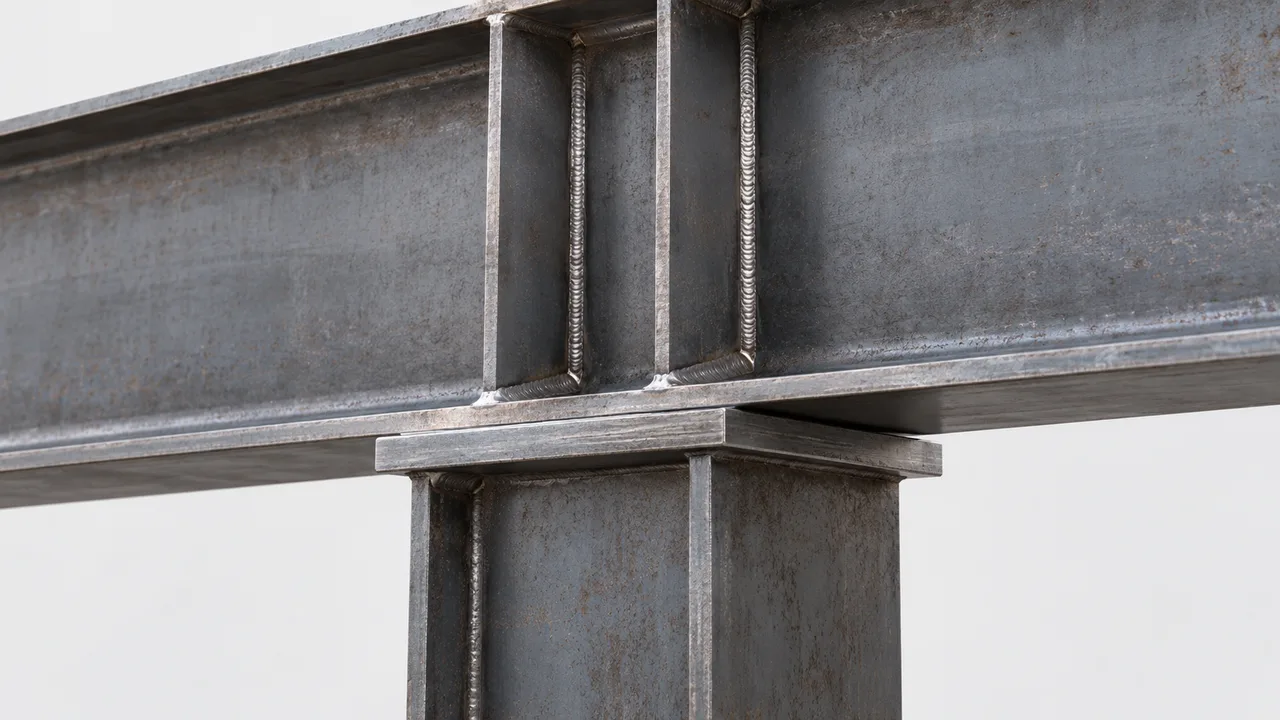
Steel components are fabricated using precision manufacturing processes including cutting, welding, drilling, and assembly. Modern fabrication technology improves dimensional accuracy and production efficiency.
Factory-controlled production also ensures consistent quality across all structural components.
Surface Treatment and Corrosion Protection
Industrial steel components are treated to resist corrosion and environmental exposure. Common protection systems include:
- Hot-dip galvanizing
- Anti-corrosion coatings
- Industrial protective paint systems
These treatments extend service life and reduce maintenance requirements.
Quality Control and Engineering Standards
Strict quality control procedures are implemented throughout fabrication and manufacturing. Inspections typically include weld testing, dimensional verification, and material certification.
These processes ensure compliance with industrial engineering standards.
Construction and Installation Process
Prefabrication Advantages
Prefabrication allows most components of an industrial steel structure building to be manufactured before site installation. This significantly reduces project timelines and improves construction efficiency.
Transportation and Site Coordination
Large structural components are transported to the project site according to detailed logistics planning. Proper coordination ensures safe delivery and efficient installation sequencing.
On-Site Structural Assembly
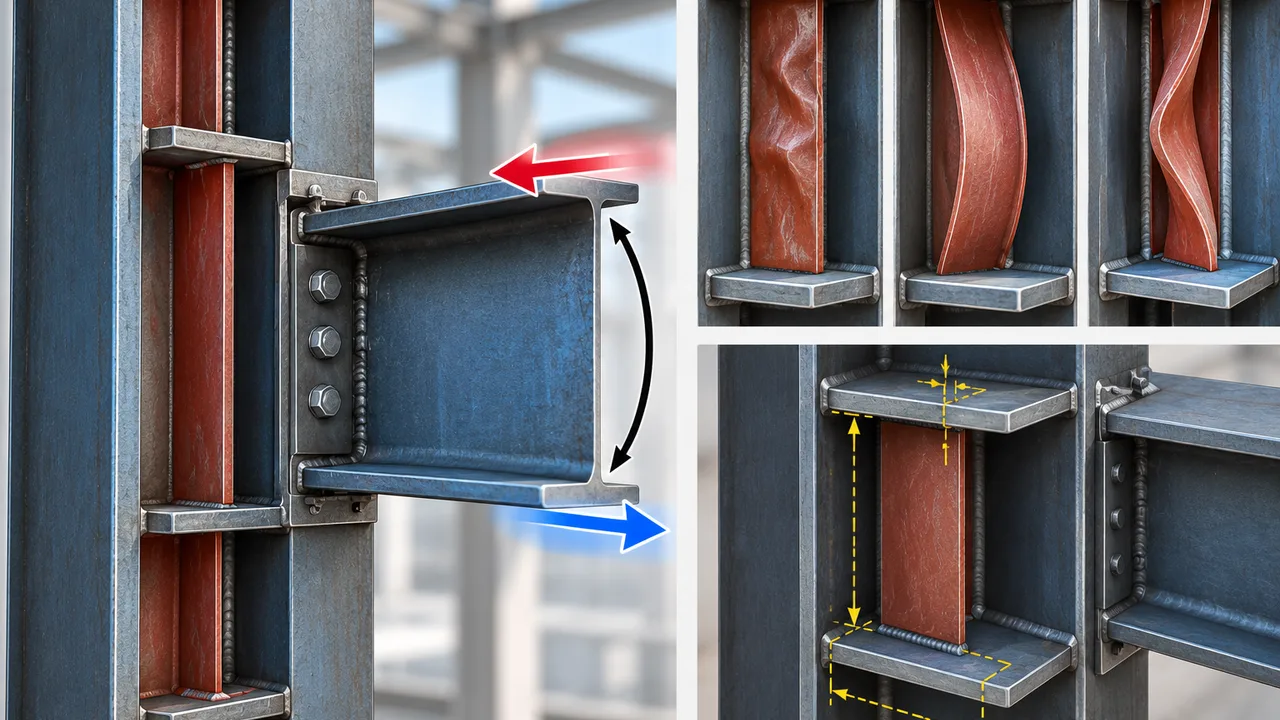
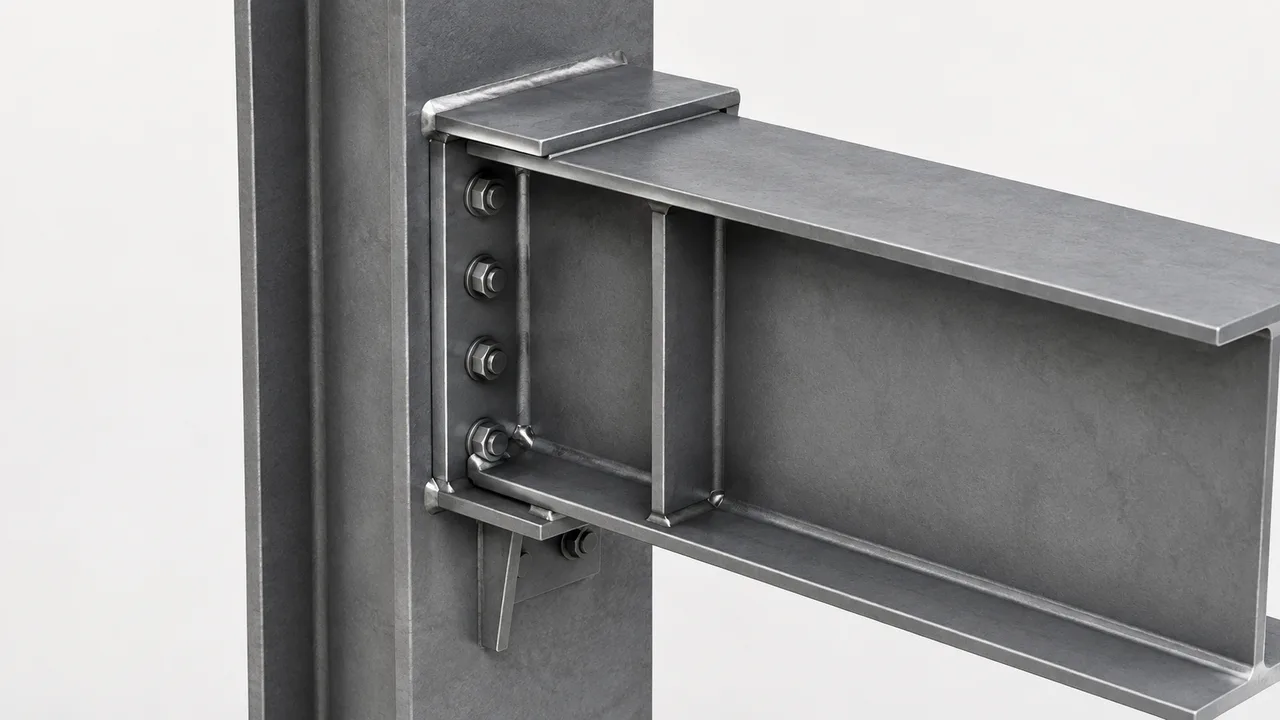
At the construction site, steel components are assembled using bolted and welded connection systems. Accurate installation procedures are essential to maintain structural alignment and stability.
Advantages of Industrial Steel Structure Building
- High structural strength
- Fast construction speed
- Flexible industrial layouts
- Long service life
- Expandable building systems
These advantages make steel structures an ideal solution for modern industrial development.
Why Choose an Industrial Steel Structure Building Supplier
Industrial Engineering Expertise
Experienced engineering teams can develop customized solutions that match operational requirements and project specifications.
Advanced Manufacturing Capability
Modern fabrication facilities support large-scale steel production with consistent quality and manufacturing precision.
International Industrial Project Experience
Global project experience improves coordination, logistics management, and compliance with international construction standards.
As an experienced industrial steel supplier, XTD Steel Structure provides integrated services covering engineering, fabrication, and installation for industrial projects worldwide.
Frequently Asked Questions
What is an industrial steel structure building?
It is a steel-based industrial facility designed for manufacturing, storage, logistics, and heavy operational use.
Is it suitable for heavy industrial operations?
Yes, steel structures are designed to support heavy equipment and demanding industrial activities.
How long does construction take?
Construction timelines are generally shorter compared to traditional building systems due to prefabrication.
Can the building be expanded later?
Yes, steel structures are highly adaptable and can be expanded as operational requirements increase.
Start Your Industrial Steel Structure Building Project
A professionally engineered industrial steel structure building provides durability, flexibility, and operational efficiency for modern industrial applications. With proper design and manufacturing, steel buildings can support reliable long-term industrial performance.
Working with experienced professionals ensures efficient project execution from initial planning to final installation.