Why Steel Structures Fit Modern Logistics Operations
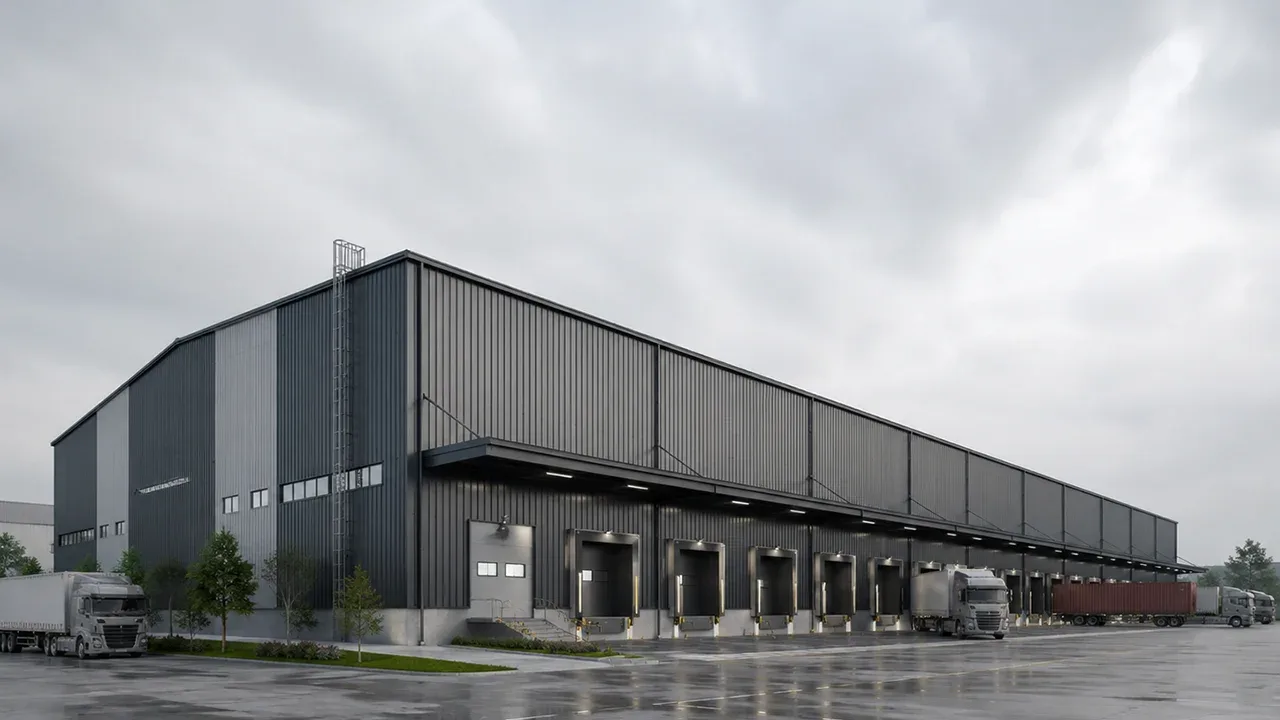
Logistics facilities require buildings that can operate continuously while supporting heavy inventory movement and transportation activity. Steel structures are widely used because they combine speed, flexibility, and durability in a single construction system.
- Large open storage areas
- Efficient truck circulation
- Faster construction timelines
- Compatibility with warehouse automation
- Flexible expansion capability
- Reduced structural obstruction
A properly designed logistics steel structure warehouse can also improve operational efficiency by simplifying internal warehouse organization and transportation access.
Core Functions of a Logistics Steel Structure Warehouse
Distribution and Fulfillment Centers
Distribution facilities require efficient storage systems and rapid product movement. Steel warehouses support large open layouts that improve inventory handling and order fulfillment operations.
These facilities are commonly used for e-commerce distribution and regional supply chain management.
Regional Storage Hubs
Regional logistics hubs are designed to manage large inventory volumes and coordinate transportation between multiple destinations.
Steel warehouse systems provide the scalability necessary for expanding logistics networks.
Cross-Docking Facilities
Cross-docking operations minimize storage time by transferring goods directly between transportation vehicles. Efficient loading dock layouts and open circulation areas are essential for this process.
A logistics steel structure warehouse allows flexible dock configurations and smooth operational flow.
Cold Chain and Specialized Logistics Warehousing
Some logistics sectors require temperature-controlled environments or specialized storage conditions. Steel structures can integrate insulated wall systems, refrigeration equipment, and customized warehouse zones.
Layout Planning for Logistics Efficiency
Loading Dock Configuration
Loading areas directly affect transportation efficiency and vehicle turnaround time. Warehouse layouts must support safe and organized truck movement.
Dock quantity and positioning are typically planned according to operational demand.
Internal Traffic Flow
Warehouse efficiency depends heavily on internal movement planning. Proper aisle widths and operational zoning improve forklift traffic and inventory access.
| Operational Area | Primary Function |
|---|---|
| Receiving Zone | Inbound cargo handling |
| Storage Zone | Inventory organization |
| Packing Area | Order preparation |
| Shipping Zone | Outbound logistics |
High-Capacity Storage Systems
Modern logistics operations often require high stacking systems and automated inventory management. Steel structures support these systems through strong load-bearing capacity and clear-span layouts.
Integration with Automated Logistics Systems
Warehouse automation continues to grow across the logistics industry. Conveyor systems, robotic handling equipment, and automated storage technologies can be integrated more efficiently within steel warehouse environments.
Structural Systems Used in Logistics Warehouses
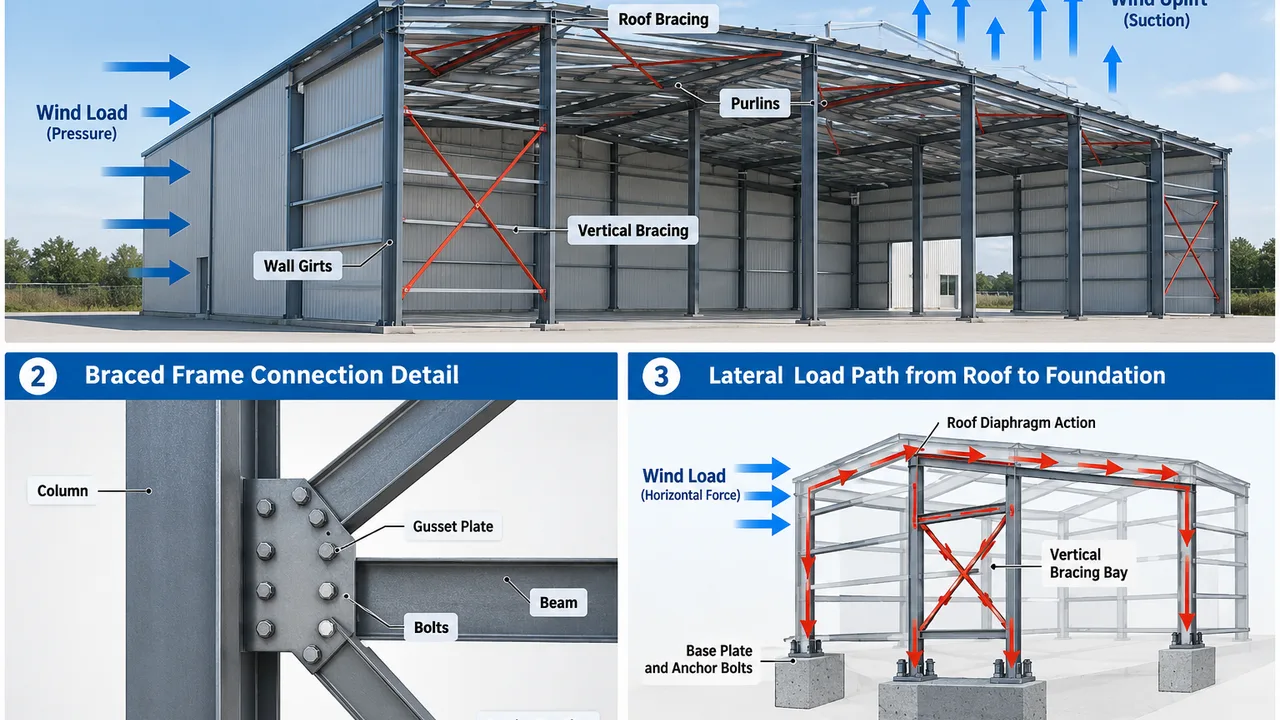
Portal Frame Systems
Portal frame structures are widely used in warehouse projects because they provide efficient span capability and cost-effective construction.
These systems are suitable for medium and large-scale logistics facilities.
Long-Span Steel Structures
Large logistics operations often require wider interior spans to reduce structural obstructions and improve movement efficiency.
Long-span steel systems support flexible warehouse layouts with minimal internal columns.
Multi-Zone Warehouse Layouts
Many logistics facilities combine multiple operational areas within a single structure, including storage, sorting, packaging, and office functions.
A logistics steel structure warehouse can accommodate these integrated layouts efficiently.
Construction Speed and Expansion Flexibility
Speed is one of the most important factors in logistics infrastructure development.
Delays in warehouse construction can directly affect supply chain performance and distribution capacity.
Steel structures support accelerated project timelines through prefabrication and simplified installation processes.
- Factory-manufactured components
- Reduced on-site labor
- Faster structural assembly
- Scalable future expansion
Warehouses can also be expanded in phases as logistics demand increases.
Durability in High-Volume Logistics Environments
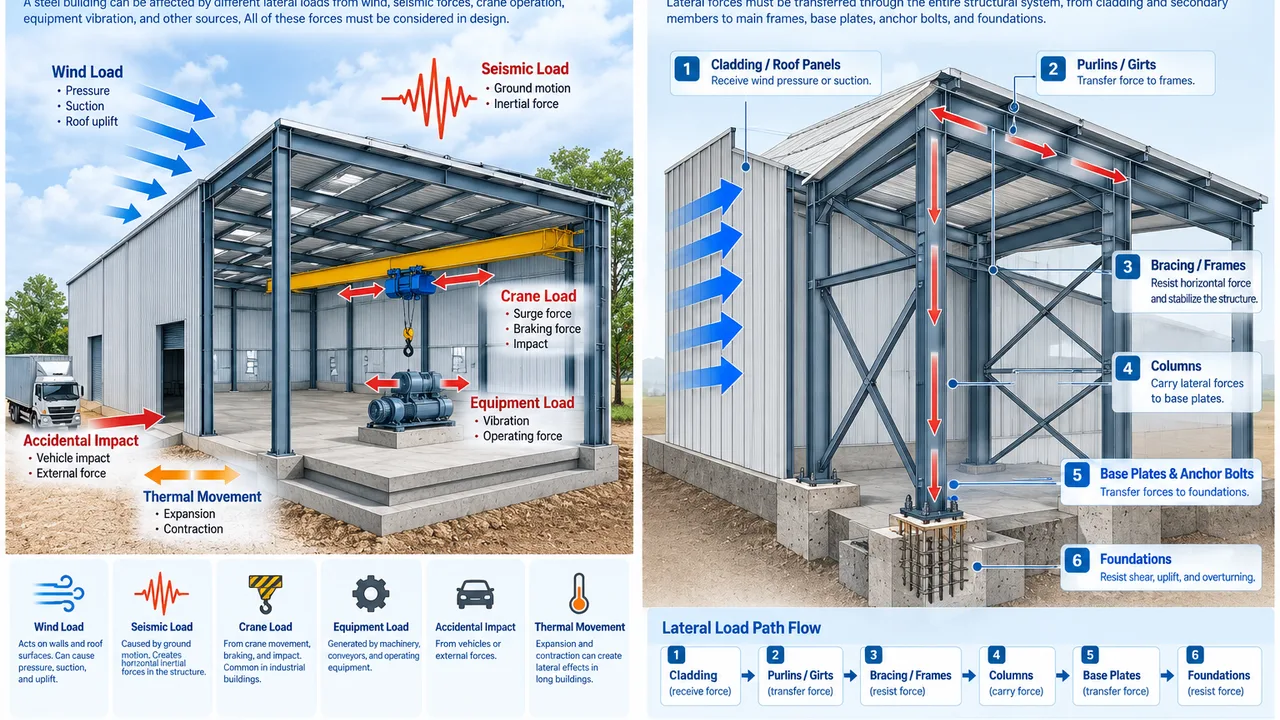
Logistics facilities experience continuous operational activity, including heavy loading cycles, forklift traffic, and vehicle movement.
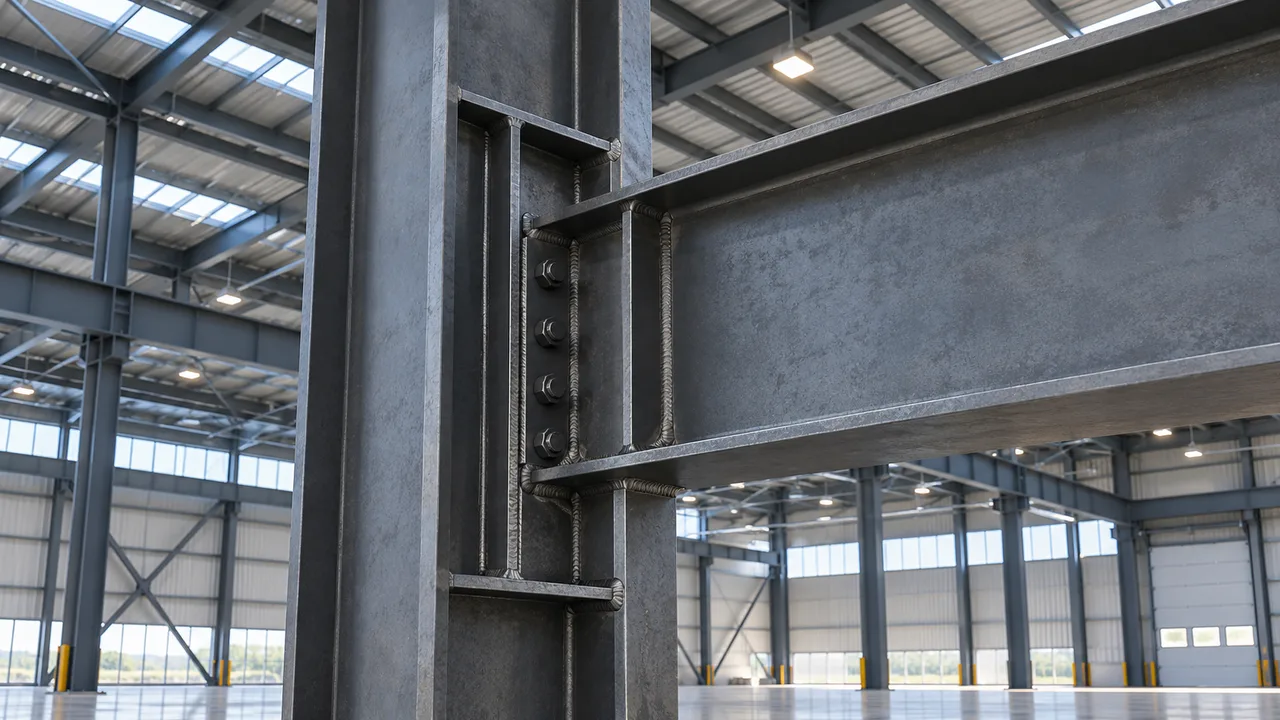
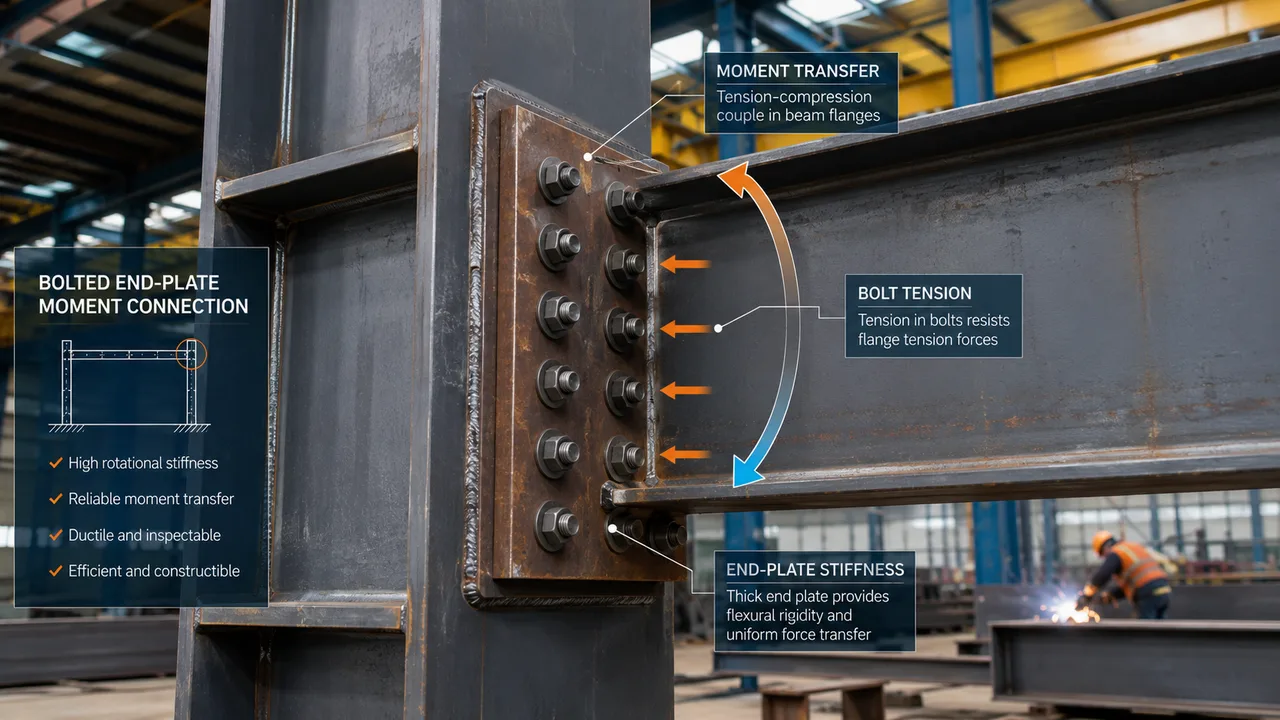
Steel structures are designed to maintain structural stability under these demanding conditions.
Protective systems commonly include:
- Anti-corrosion coatings
- Galvanized structural components
- Industrial-grade surface protection
- Weather-resistant cladding systems
These measures help extend service life while reducing maintenance requirements.
Project Coordination and Manufacturing Capability
Large logistics developments often involve complex coordination between engineering teams, warehouse operators, transportation planners, and installation contractors.
Successful execution depends on accurate fabrication, reliable scheduling, and efficient construction management.
With experience in industrial steel structure projects, XTD Steel Structure supports warehouse development through integrated engineering, manufacturing, and installation coordination.
Questions Businesses Often Ask
Why are steel structures commonly used for logistics warehouses?
Steel structures provide large-span layouts, faster construction, and flexible operational space for logistics activities.
Can steel warehouses support automation systems?
Yes. Steel warehouse layouts are highly compatible with conveyor systems, robotics, and automated storage technologies.
Can logistics steel warehouses be expanded in the future?
Yes. Steel structures allow phased expansion and operational scaling with relatively minimal disruption.
Building Smarter Logistics Infrastructure
A modern logistics steel structure warehouse supports faster distribution, scalable operations, and long-term supply chain efficiency. As logistics networks continue evolving, steel warehouse systems remain a practical solution for businesses requiring flexibility, durability, and efficient infrastructure deployment.
Careful planning, efficient structural systems, and reliable manufacturing coordination all contribute to warehouse facilities capable of supporting modern logistics demands for years to come.