Why Seismic Performance Matters in Factory Construction
A factory is not just an empty industrial shell. It often contains production lines, heavy machines, raw material storage, overhead handling equipment, electrical systems, workers, and logistics routes. During seismic activity, these elements create additional planning challenges because structural movement can affect both the building and the operation inside it.
A seismic resistant steel factory helps reduce the risk of structural instability, connection failure, excessive deformation, and operational disruption. While no building can be described as completely risk-free, a properly engineered factory structure can improve resilience and provide a safer platform for long-term industrial use.
Seismic resistance depends on more than member size. The frame system, bracing layout, column arrangement, connection details, foundation coordination, and installation accuracy all work together. When these factors are planned early, the factory building can better support both structural safety and production efficiency.
Factory Projects That Need Seismic Resistant Steel Structures
Manufacturing and Processing Plants
Manufacturing and processing plants often operate with continuous production schedules. Machinery placement, internal logistics, worker routes, and equipment access must be coordinated with the structural grid. In earthquake-prone areas, the steel structure must be designed to support these operating requirements while maintaining lateral stability.
This type of structure is suitable for machinery manufacturing, metal processing, textile production, electronics assembly, food processing, packaging, and other industrial applications where reliable building performance is important for production continuity.
Factories With Heavy Equipment or Crane Systems
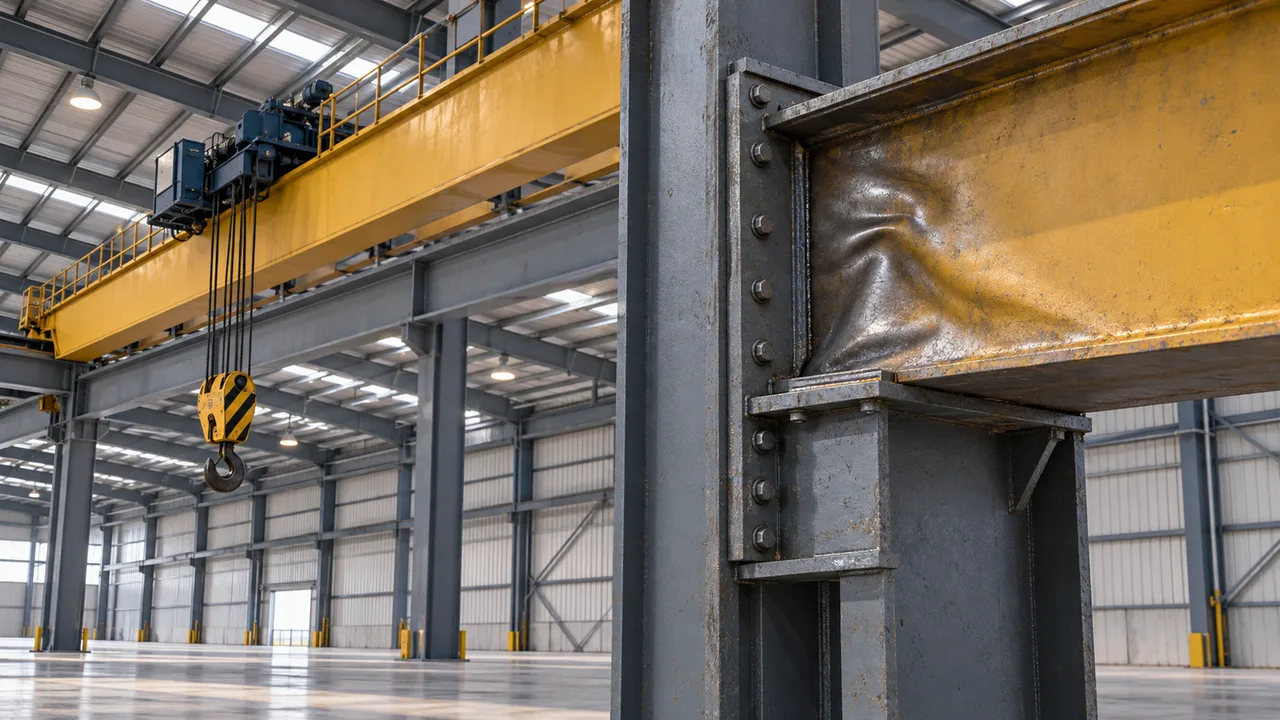
Factories that use heavy machinery, overhead cranes, hoists, or strong material-handling systems require more careful structural coordination. Crane loads, equipment vibration, column reinforcement, runway beams, and lateral movement must be reviewed during the design phase.
In this kind of project, seismic design should not be separated from operational design. The factory must be able to support normal production loads while also responding properly to seismic forces. This requires practical engineering, accurate fabrication, and connection details that match the final operating conditions.
Industrial Facilities in Earthquake-Prone Regions
Projects located in seismic zones require a closer review of local building codes, soil conditions, seismic intensity, foundation design, and environmental loads. A factory built in a low-risk area may not need the same structural strategy as one located near active seismic zones.
Before production begins, the project location should be reviewed carefully so the steel structure can be planned according to actual site conditions rather than generic assumptions.
Structural Design Features for Seismic Resistance
Stable Primary Steel Frame
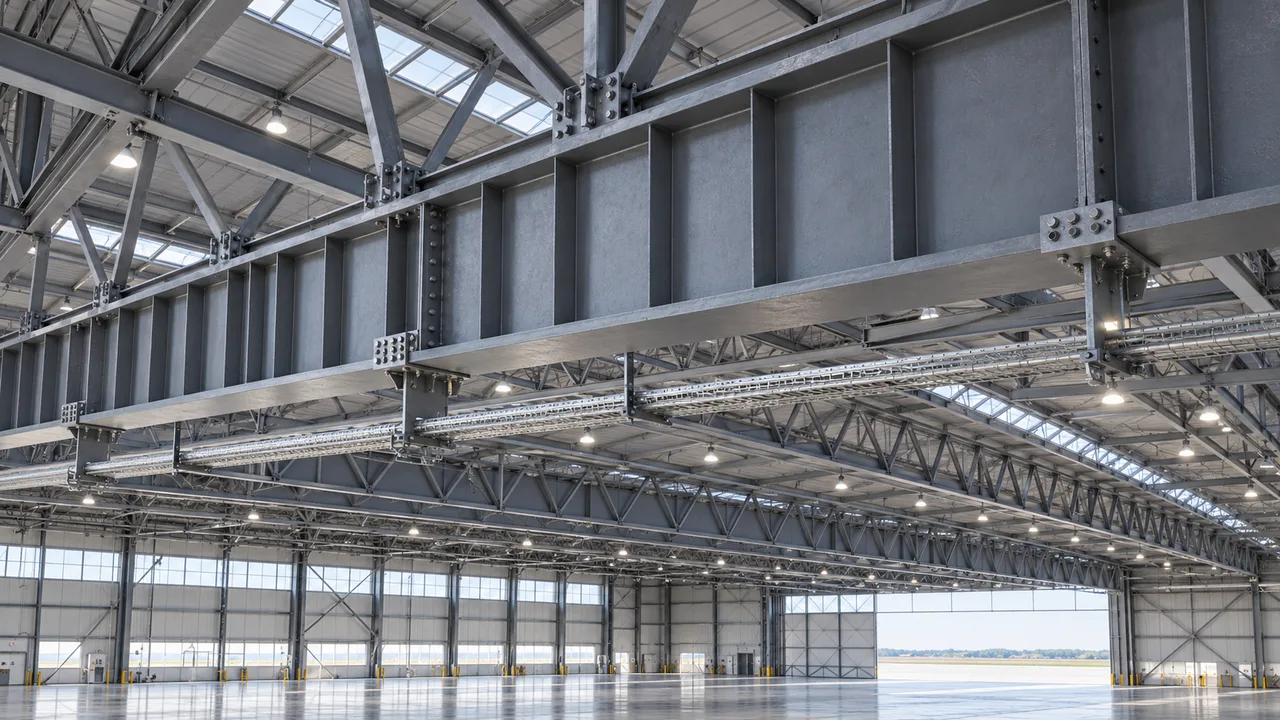
The primary frame is the main load-bearing system of the factory building. Columns, beams, rafters, base plates, and frame spacing must be selected according to span, height, equipment loads, crane requirements, and seismic design conditions.
For a seismic resistant steel factory, the frame should provide strength and stability without creating unnecessary restrictions for the production layout. The design must balance structural performance with usable space, internal circulation, and future operational flexibility.
Bracing and Lateral Load Control
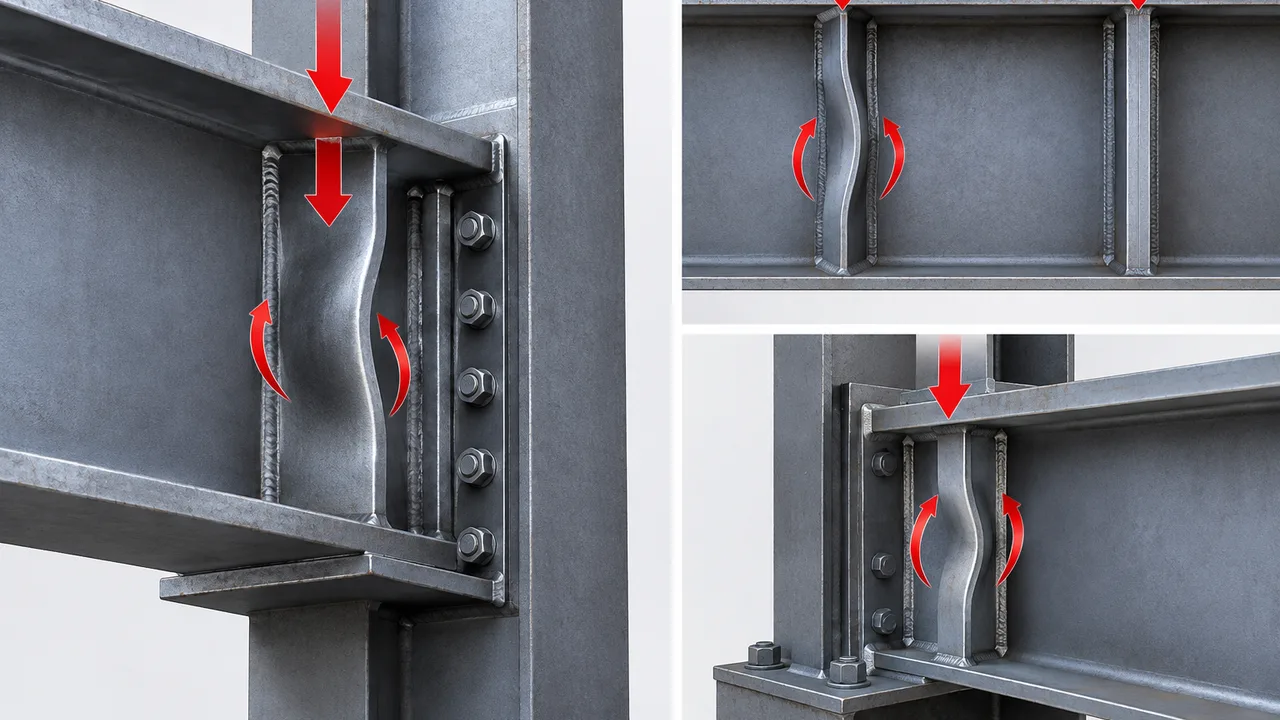
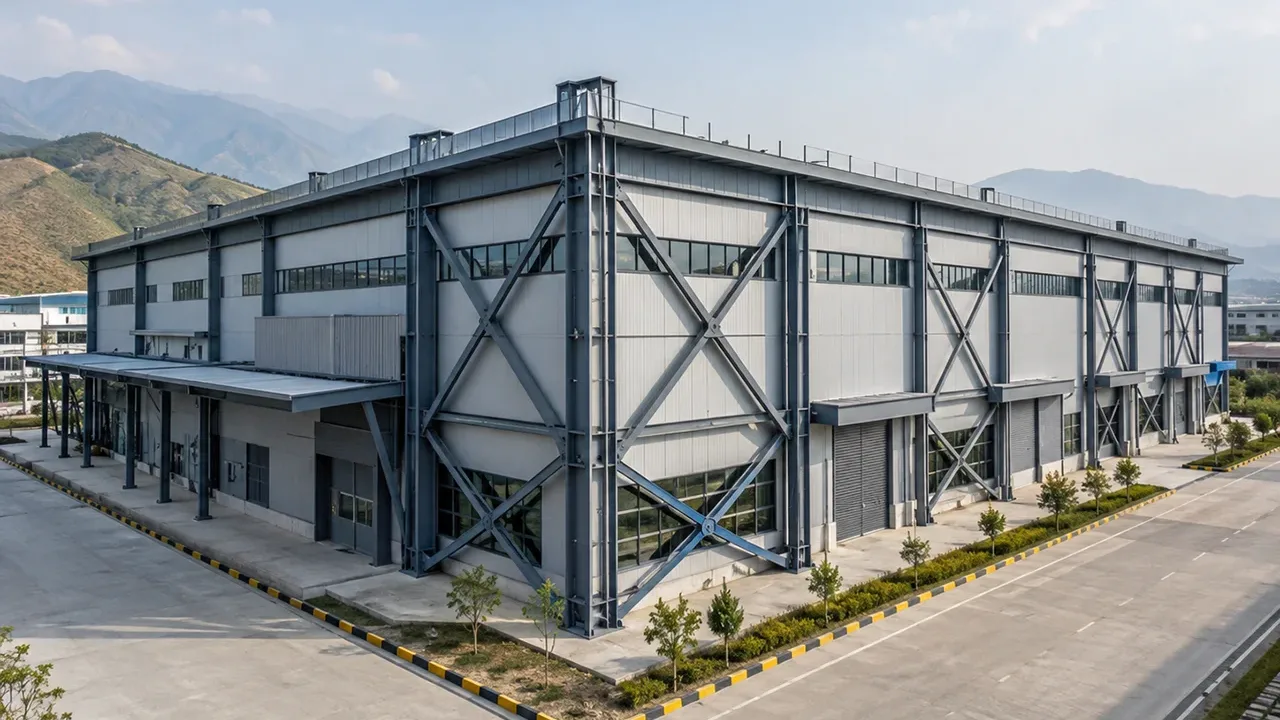
Bracing systems help control lateral forces and transfer seismic loads through the structure. Roof bracing, wall bracing, cross bracing, and other stability systems may be used depending on the factory layout and engineering requirements.
A good bracing layout should support structural safety while avoiding conflicts with doors, production lines, equipment movement, ventilation systems, and loading areas. This is why seismic planning must be coordinated with architectural and operational requirements from the beginning.
Reinforced Connections and Anchor Systems
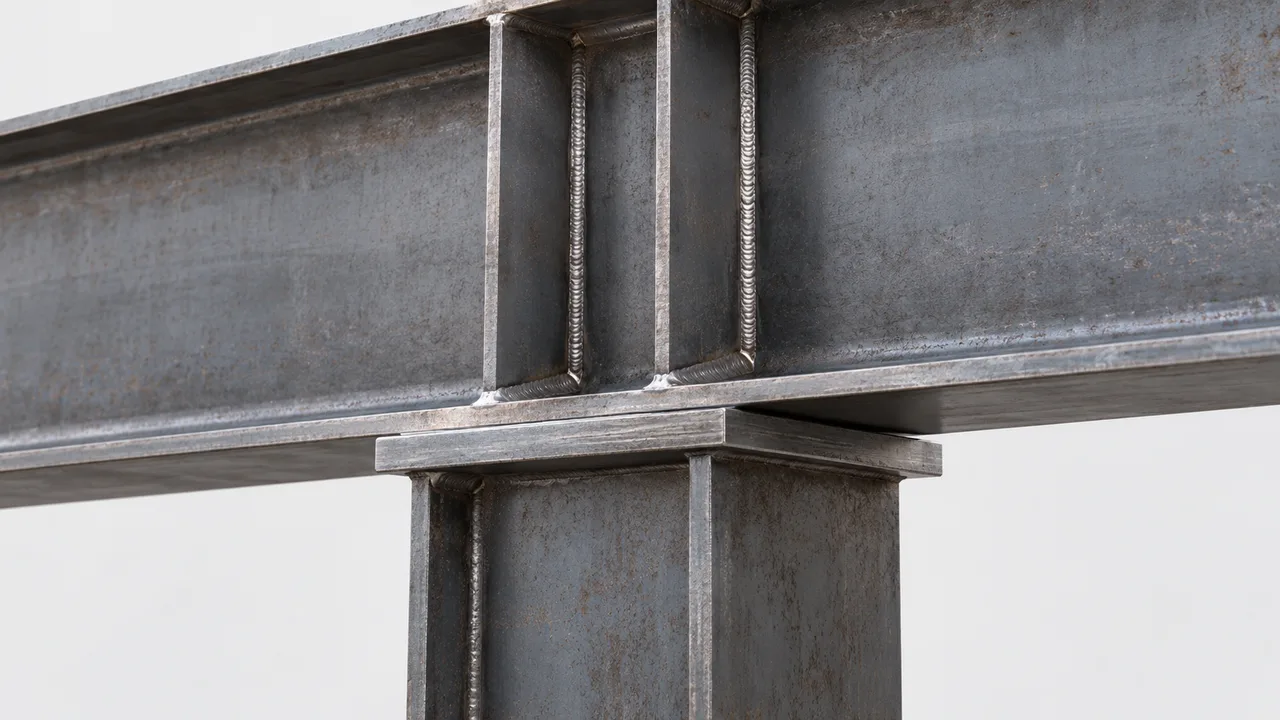
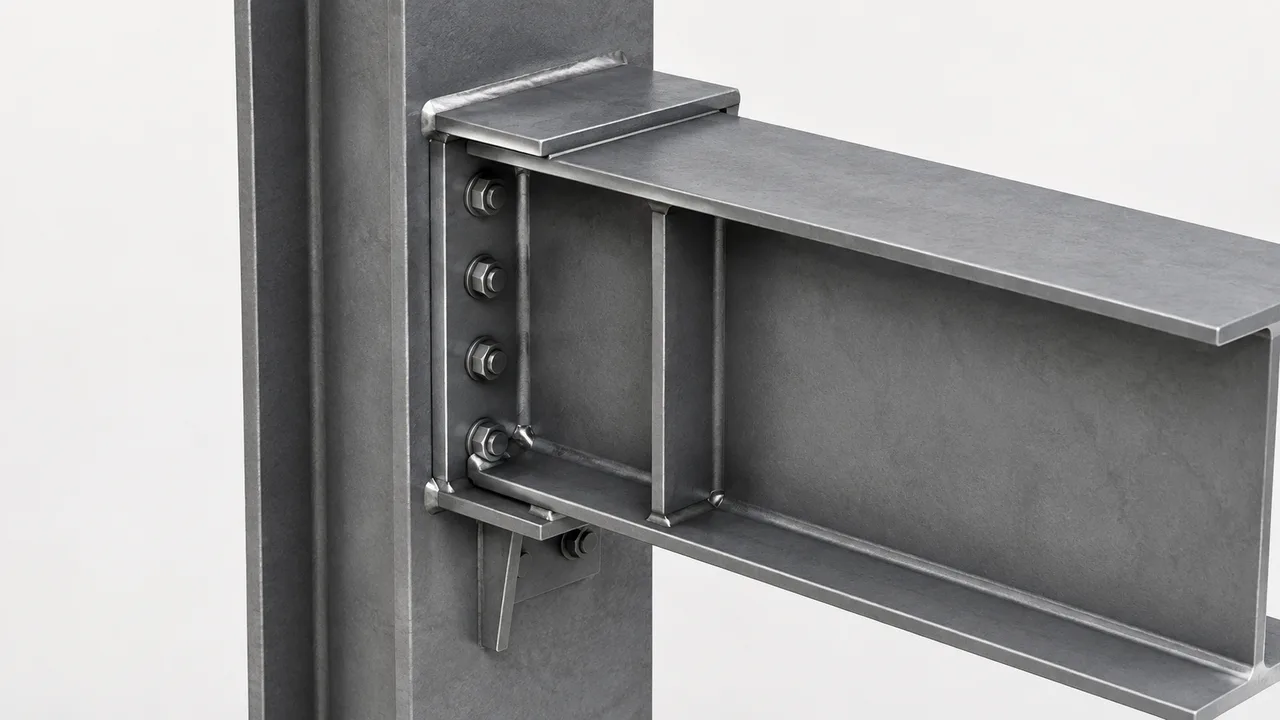
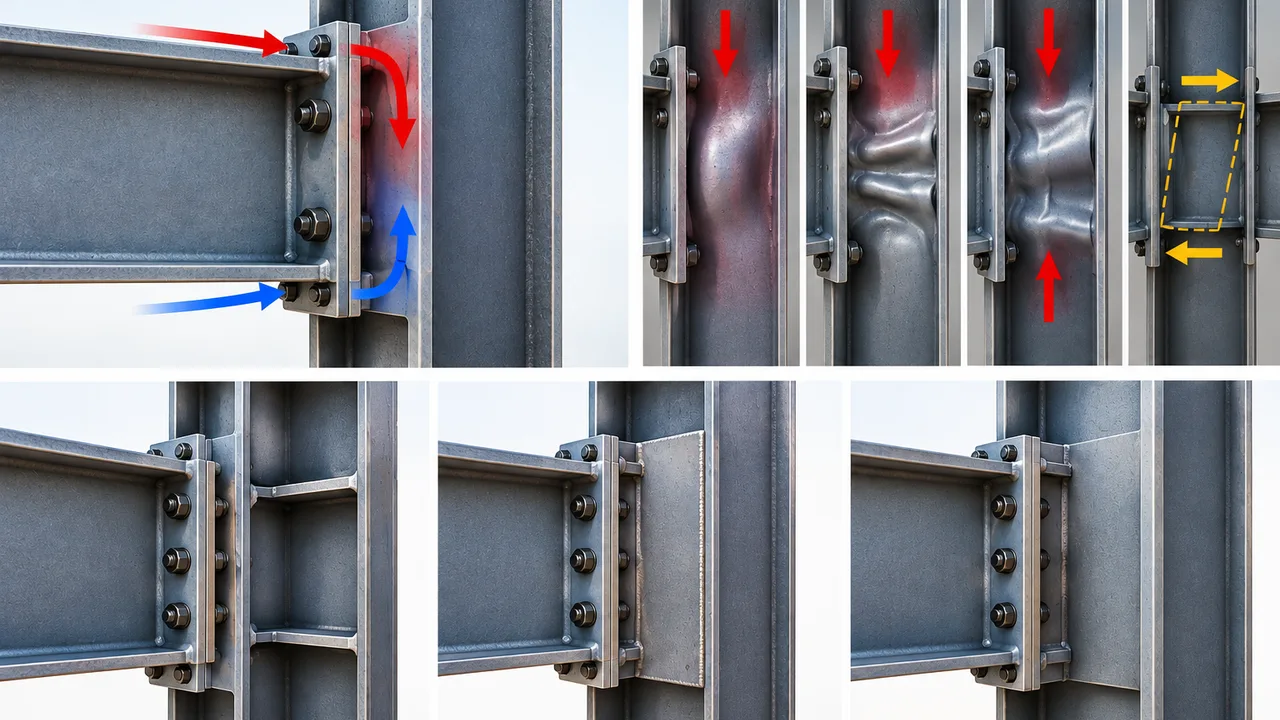
Connections are critical in seismic-resistant construction. Bolted joints, welded details, base plates, anchor bolts, and column-to-beam connections must be detailed carefully so loads can transfer properly through the structure.
Connection accuracy also affects installation quality. If bolt holes, plates, or welded components are poorly fabricated, site erection becomes more difficult and structural performance may be compromised. Controlled fabrication helps reduce these risks before components arrive on site.
Key Engineering Factors Before Fabrication
Seismic Load, Wind Load, and Factory Operation
Seismic design is only one part of the factory’s structural planning. The building may also need to resist wind load, roof load, crane load, suspended equipment, maintenance load, and other operational forces. These loads must be reviewed together so the final structure works as a complete industrial system.
For factories with special production requirements, early coordination can prevent conflicts between structural members, equipment foundations, utility routes, crane operation, and internal logistics.
Building Layout and Column Arrangement
Column spacing and bay layout directly affect how efficiently the factory can operate. A poor column arrangement can limit production line movement, block forklift routes, reduce crane coverage, or make future equipment upgrades more difficult.
Steel structures allow flexible spans and customized bay spacing, which helps factory owners plan around machinery, storage areas, loading zones, offices, and future expansion. For seismic projects, this flexibility must still be balanced with structural stability and bracing requirements.
Local Code and Site Condition Review
Local design codes, seismic zone classification, soil conditions, foundation requirements, wind exposure, and climate factors should be reviewed before fabrication drawings are finalized. These conditions influence member sizes, connection details, bracing layout, and foundation coordination.
When local requirements are confirmed early, the engineering and fabrication process becomes more predictable. It also helps reduce redesign, production delays, and site adjustment during installation.
Fabrication Quality for Seismic Resistant Factory Buildings
Reliable seismic performance depends heavily on fabrication accuracy. Steel members must be processed according to approved drawings, with careful control of cutting, drilling, welding, assembly, and surface treatment. Dimensional accuracy is especially important for connections, bracing points, base plates, and crane-related components.
XTD Steel Structure supports steel factory projects with engineering coordination, steel processing, welding, drilling, inspection, component marking, and export-ready packaging. This integrated process helps connect design intent with fabrication quality and site installation needs.
For industrial factory projects, surface protection can include anti-corrosion coating systems, blasting and painting, or galvanizing for selected components when required by the environment. Proper marking and packing also help the installation team identify components quickly and follow the intended erection sequence.
Seismic Resistant Steel Factory Configuration Options
Each factory project has different structural, operational, and regional requirements. The table below shows common configuration items that should be reviewed when planning a seismic-resistant steel structure factory.
| Design Item | Common Option | Why It Matters |
|---|---|---|
| Frame System | Portal frame, multi-span frame, or reinforced steel frame | Selected based on factory span, height, seismic load, and production function |
| Bracing Layout | Roof bracing, wall bracing, cross bracing, or engineered stability system | Helps control lateral movement and transfer seismic forces through the building |
| Connection Detail | High-strength bolts, welded joints, base plates, and anchor bolts | Critical for load transfer, installation accuracy, and structural reliability |
| Column Spacing | Customized bay spacing | Must balance production layout, equipment movement, and lateral stability |
| Crane Support | Optional crane beam, runway beam, and reinforced columns | Required when overhead cranes or heavy handling systems are part of the factory |
| Roof and Wall System | Single sheet, insulated panel, ventilation-integrated system, or customized enclosure | Should match climate, production environment, insulation, and ventilation needs |
| Surface Protection | Industrial coating, galvanizing, or combined protection system | Improves durability in humid, corrosive, or demanding industrial environments |
| Expansion Planning | Reserved extension bay or modular structural planning | Allows future factory growth with fewer structural limitations |
Advantages of a Seismic Resistant Steel Factory
Choosing a seismic-resistant steel structure helps factory owners build for both safety and long-term industrial value. The benefits are not limited to earthquake response; they also affect daily operation, maintenance, flexibility, and future expansion.
- Improved lateral stability through coordinated frame, bracing, and connection design
- Better worker and equipment protection in earthquake-prone project locations
- More reliable production continuity by reducing avoidable structural and operational risks
- Flexible factory layout for machinery, production lines, storage areas, and internal logistics
- Efficient prefabricated construction with factory-made components and faster site assembly
- Future expansion potential when modular planning is included from the early design stage
- Long-term industrial value through durable steel framing and controlled fabrication quality
For owners developing factories in seismic regions, investing in a stronger structural system from the beginning is usually more practical than trying to reinforce an unsuitable building later.
Project Workflow From Design Review to Installation
Requirement and Seismic Condition Review
The project begins with a review of factory size, location, production process, equipment layout, crane requirements, local seismic conditions, environmental loads, and delivery schedule. These inputs help the engineering team define the structural direction before detailed design begins.
Structural Design and Fabrication Detailing
After the design direction is confirmed, engineers prepare calculations, shop drawings, connection details, and fabrication-ready documents. This stage turns the factory concept into a production package that can be manufactured accurately and installed efficiently.
Factory Production and Site Assembly Support
Steel components are fabricated in the factory, inspected, marked, packed, and delivered according to the project sequence. For overseas projects, clear packaging and component identification are important for reducing site confusion and supporting smoother erection.
XTD Steel Structure can coordinate fabrication and delivery support for industrial steel factory projects based on project requirements, installation sequence, and export logistics needs.
Seismic Resistant Steel Factory FAQs
What makes a steel factory seismic resistant?
A steel factory is seismic resistant when its frame, bracing, connections, anchor systems, and foundation coordination are designed to resist seismic forces according to project location and applicable code requirements.
Is steel suitable for earthquake-prone factory buildings?
Yes. Steel is commonly used for earthquake-prone industrial buildings because it offers strength, ductility, flexible spans, and efficient prefabrication when properly engineered and fabricated.
Can the factory support cranes and heavy equipment?
Yes. Crane beams, reinforced columns, equipment zones, and support systems can be integrated into the structural design. These requirements should be confirmed early because they affect frame layout and member sizing.
Does seismic design affect the factory layout?
Yes. Bracing locations, column spacing, frame selection, and connection requirements may influence production layout, door placement, crane coverage, and internal traffic routes. Early coordination helps reduce layout conflicts.
Can the factory be expanded later?
Yes. Future expansion can be planned into the original steel structure design. Reserved bays, modular layout, and proper end-wall planning make later extension easier and more cost-effective.
Build a Safer Factory for Long-Term Industrial Operation
A seismic resistant steel factory is a practical solution for industrial projects that need structural stability, production flexibility, and long-term safety in earthquake-prone regions. The best result comes from connecting seismic design, factory layout, fabrication accuracy, site installation, and future expansion planning from the beginning.
To start your project, prepare key information such as factory dimensions, project location, seismic zone, production process, equipment layout, crane load, required clear height, and expected delivery schedule. With the right engineering and fabrication support, your steel factory can be built as a safer and more reliable industrial asset.