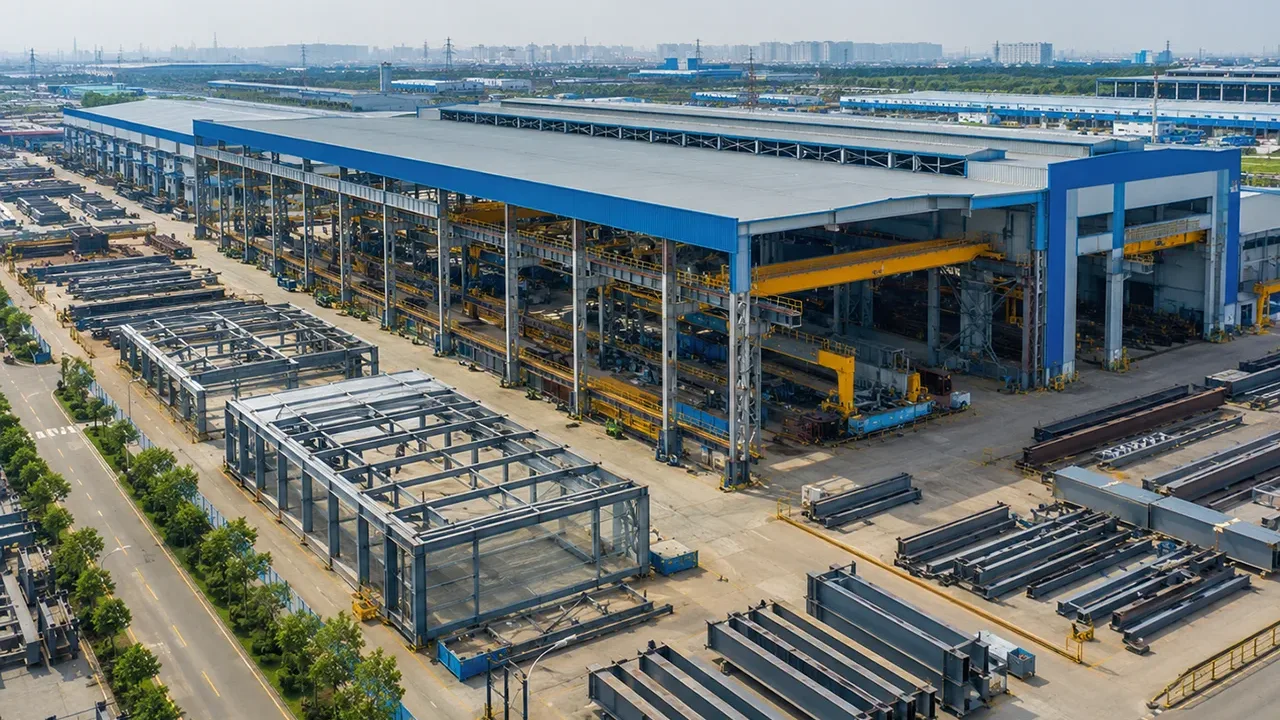
What Is a Steel Factory Building Manufacturer?
A steel factory building manufacturer is a company that designs, engineers, fabricates, and supplies steel structure systems specifically developed for industrial factory buildings. These manufacturers provide more than structural materials—they offer complete building solutions that support the entire project lifecycle.
Services commonly include:
- Engineering consultation
- Structural design support
- Steel fabrication
- Quality management
- Surface treatment processes
- Logistics planning
- Installation guidance
This integrated approach allows clients to work with a single source for multiple project requirements.
Types of Factory Buildings Manufactured
Manufacturing Plants
Manufacturing facilities require efficient building layouts that support production processes, equipment installation, inventory management, and employee movement.
Steel structures provide the flexibility necessary to create customized factory environments that align with production goals and operational workflows.
Applications include:
- Assembly facilities
- Production workshops
- Industrial processing plants
- Component manufacturing centers
Heavy Industrial Buildings
Heavy industrial operations often require structures capable of supporting substantial equipment loads, overhead cranes, and demanding production activities.
Steel-framed factory buildings can be engineered to accommodate:
- Heavy machinery
- Industrial production lines
- Large-scale equipment installations
- Material handling systems
The strength of structural steel makes it ideal for these applications.
Food Processing Factories
Food production facilities require efficient layouts, durable building systems, and environments that support hygiene and operational efficiency.
Steel factory buildings can incorporate insulated wall systems, temperature-controlled spaces, and specialized production zones that support food processing requirements.
Specialized Industrial Facilities
Many industries require customized factory environments designed around specific production processes.
Examples include:
- Electronics manufacturing plants
- Textile production facilities
- Automotive component factories
- Chemical processing buildings
- Technology manufacturing centers
Customized engineering ensures that the building supports operational objectives while maintaining structural performance.
Core Products Offered by a Steel Factory Building Manufacturer
Primary Structural Systems
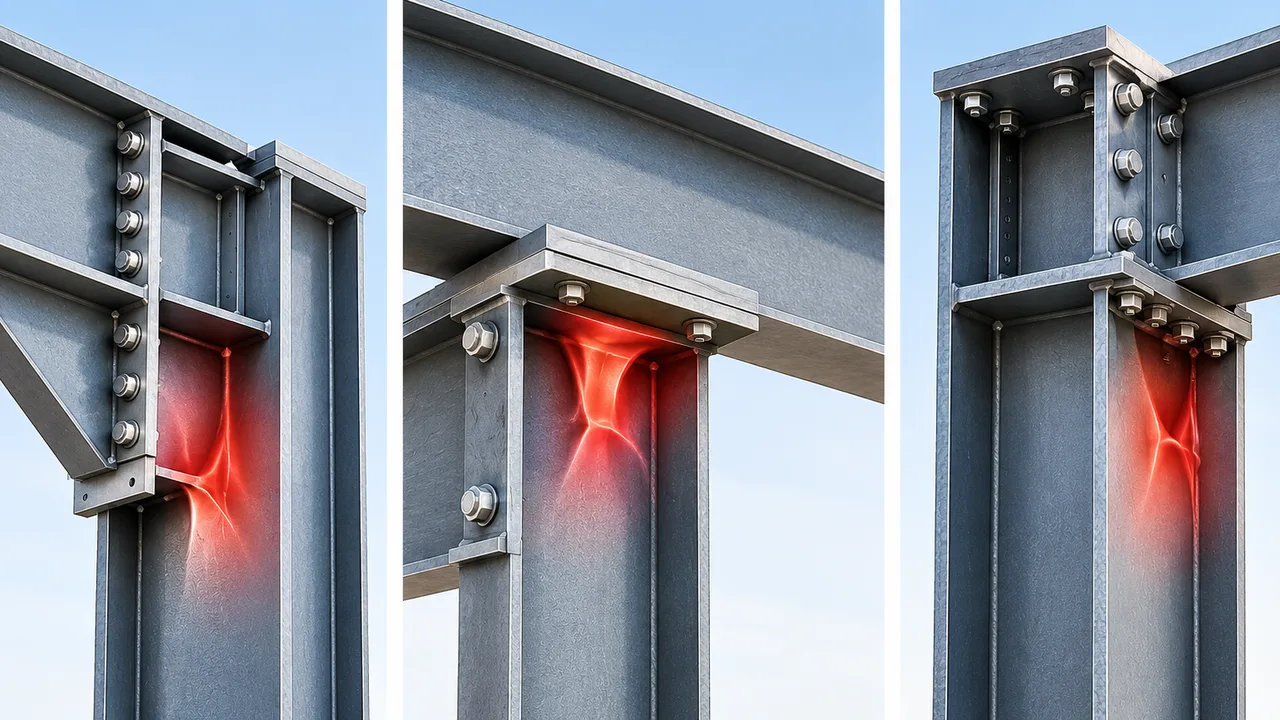
The primary structure forms the load-bearing framework of the factory building.
Typical components include:
- Steel columns
- Steel beams
- Portal frame structures
- Main rafters
- Rigid frame systems
These elements transfer operational and environmental loads safely to the foundation system.
Secondary Structural Components
Secondary framing supports roofing systems, wall systems, and overall structural stability.
Common secondary members include:
- Purlins
- Girts
- Bracing systems
- Eave struts
- Support members
Properly engineered secondary systems contribute to long-term building performance.
Building Envelope Solutions
The building envelope protects personnel, equipment, and production activities from external conditions.
Manufacturers often provide:
- Roof systems
- Wall cladding
- Insulated panels
- Ventilation solutions
- Weatherproofing systems
The selection of envelope materials depends on climate conditions and production requirements.
Engineering and Design Services
Factory Layout Planning
Factory efficiency begins with proper layout planning. Building design must support production flow, employee movement, equipment positioning, and future expansion.
Key planning considerations include:
- Production workflow
- Storage requirements
- Equipment access
- Loading and unloading areas
- Expansion opportunities
Well-designed layouts improve productivity and operational efficiency.
Structural Engineering
Industrial buildings must withstand various operational and environmental loads throughout their service life.
Engineering services often include:
- Structural calculations
- Wind load analysis
- Seismic design
- Crane load design
- Code compliance verification
Accurate engineering helps ensure safety, durability, and regulatory compliance.
BIM and Shop Drawings
Detailed shop drawings are essential for accurate fabrication and installation.
Many modern projects utilize BIM coordination to improve communication among stakeholders and reduce design conflicts before construction begins.
These technologies support more efficient project execution and improved quality control.
Manufacturing Process
Material Procurement
The manufacturing process begins with sourcing certified steel materials that meet project specifications.
Material traceability systems help ensure quality and compliance throughout production.
Verification procedures often include:
- Material certification review
- Supplier qualification
- Quality documentation checks
- Traceability management
Fabrication Operations
Modern fabrication facilities use advanced equipment to manufacture factory building components with precision and consistency.
Typical fabrication activities include:
- CNC cutting
- Precision drilling
- Welding operations
- Assembly procedures
- Dimensional inspections
Controlled production environments help improve manufacturing quality and efficiency.
Surface Protection
Protective surface treatments help extend service life and improve structural durability.
Available options may include:
- Protective painting systems
- Hot-dip galvanizing
- Industrial coatings
- Corrosion-resistant treatments
Proper surface protection is particularly important in demanding industrial environments.
Quality Control in Factory Building Manufacturing
Material Inspection
Quality management begins with inspection of incoming materials. Verification procedures help confirm compliance with project specifications and quality standards.
Material traceability provides additional assurance throughout the manufacturing process.
Welding Inspection
Welding quality directly affects structural performance and long-term reliability.
Inspection procedures may include:
- Visual inspections
- Dimensional verification
- Weld quality assessments
- Non-destructive testing where required
Qualified inspection personnel help maintain manufacturing consistency.
Dimensional Verification
Fabricated components undergo dimensional inspection to ensure compliance with approved drawings and manufacturing tolerances.
Accurate dimensions improve installation efficiency and reduce field adjustments.
Final Product Inspection
Before shipment, completed components are inspected to verify quality, completeness, and readiness for transportation.
Final inspections support successful project delivery and installation.
Advantages of Working with a Steel Factory Building Manufacturer
Single Source Project Support
Working with a single manufacturer simplifies communication and coordination throughout the project lifecycle.
Integrated support can reduce administrative complexity and improve project efficiency.
Faster Construction Schedules
Factory fabrication allows production activities to occur simultaneously with site preparation and foundation work.
This parallel workflow can significantly reduce overall project duration.
Consistent Product Quality
Controlled manufacturing environments support consistent quality standards and repeatable production processes.
Quality management systems help maintain reliability across all project components.
Customized Industrial Solutions
Every factory project has unique operational requirements. A professional steel factory building manufacturer can develop customized structural solutions that align with production goals and facility requirements.
Scalable Building Systems
Many industrial facilities require future expansion capability.
Steel factory buildings can often be designed to accommodate additional production areas, storage facilities, or operational upgrades as business needs evolve.
Industries Served
Manufacturing
Manufacturers utilize steel factory buildings for production facilities, assembly operations, and industrial expansion projects.
Machinery Production
Machinery manufacturers require robust buildings capable of supporting heavy equipment and production processes.
Automotive Industry
Automotive suppliers frequently use steel structures for component production, assembly operations, and logistics support.
Food Processing
Food manufacturers rely on steel factory facilities for production, packaging, storage, and processing operations.
Electronics and Technology
Technology manufacturers often require specialized factory environments that support precision production and equipment integration.
International Project Delivery
Export Packaging
Structural components are carefully packaged to protect materials during transportation and international shipping.
Logistics Coordination
Efficient logistics planning helps ensure timely delivery and smooth project execution.
Installation Support
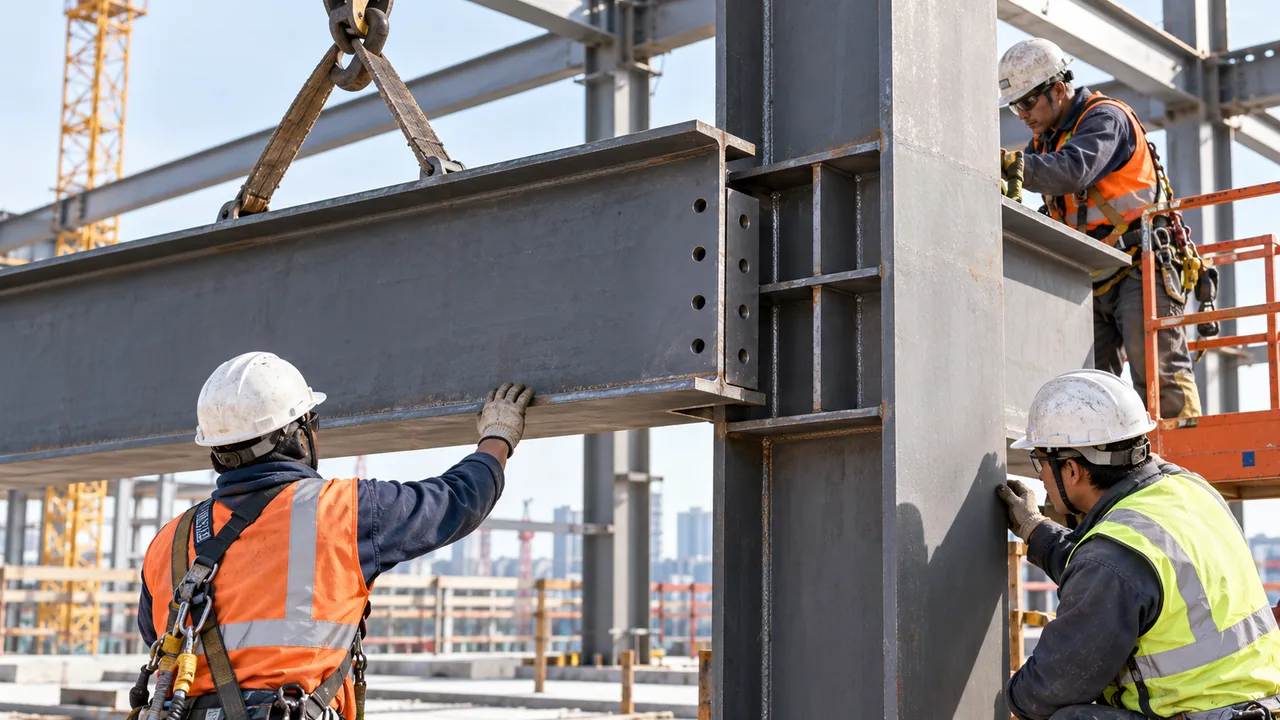
Technical guidance during erection helps improve installation quality and construction efficiency.
Technical Documentation
Comprehensive documentation packages support project management, customs clearance, and installation activities.
Why Choose XTD Steel Structure
Advanced Manufacturing Facilities
Modern production equipment, CNC processing systems, and advanced fabrication technologies support efficient manufacturing and reliable quality.
Experienced Engineering Team
Professional engineering teams provide structural expertise, design support, and project coordination throughout the project lifecycle.
Global Industrial Project Experience
XTD Steel Structure has supported industrial building developments across multiple markets and industries worldwide.
Complete Factory Building Solutions
XTD Steel Structure delivers comprehensive services covering engineering, fabrication, logistics coordination, and technical support for industrial building projects.
Frequently Asked Questions
What does a steel factory building manufacturer do?
A steel factory building manufacturer designs, fabricates, and supplies steel building systems specifically developed for industrial factory facilities.
What types of factory buildings can be produced?
Manufacturing plants, processing facilities, heavy industrial buildings, food processing factories, and specialized industrial facilities can all be produced using steel structure systems.
Can factory buildings support overhead cranes?
Yes. Steel factory buildings can be engineered to accommodate overhead crane systems and other specialized industrial equipment.
Can factory buildings be expanded in the future?
Many steel factory buildings are designed with future expansion capability, allowing facilities to grow as operational requirements increase.
Start Your Factory Building Project
A professional steel factory building manufacturer helps transform industrial concepts into fully functional production facilities through engineering expertise, precision fabrication, and coordinated project delivery. By integrating design, manufacturing, and logistics services, manufacturers help clients achieve efficient construction and reliable long-term building performance.
Partnering with an experienced supplier can improve project quality, reduce risks, and support successful factory development from concept to completion.