What Is a Steel Structure Building Manufacturer?
A steel structure building manufacturer is a company that designs, engineers, fabricates, and supplies steel building systems for various construction applications. Unlike traditional steel traders that focus only on material supply, manufacturers provide complete structural solutions that support the entire building lifecycle.
These manufacturers typically manage:
- Engineering support
- Structural design coordination
- Steel fabrication
- Quality control inspections
- Surface treatment processes
- Logistics planning
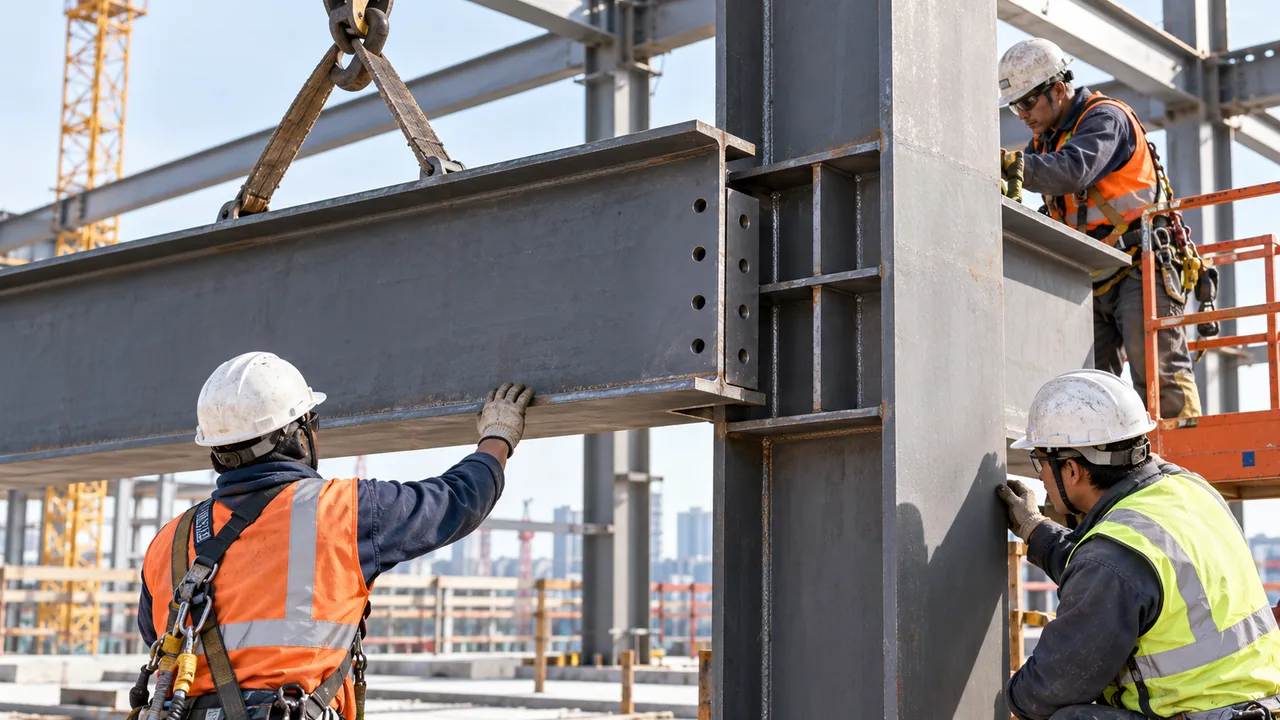
- Installation support
This integrated approach helps simplify project management while improving overall construction efficiency.
Types of Steel Structure Buildings Manufactured
Industrial Buildings
Industrial buildings represent one of the largest market segments for steel structure construction. Manufacturers produce structural systems for factories, production facilities, workshops, and processing plants.
Industrial buildings often require:
- Large clear-span spaces
- Heavy equipment support
- Crane systems
- Future expansion capability
- Efficient production layouts
Steel structures provide the strength and flexibility necessary to meet these operational demands.
Warehouse Buildings
Warehouse construction continues to drive significant demand for steel building systems. Logistics operators, distributors, and manufacturers rely on steel warehouses because of their efficient use of space and rapid construction schedules.
Steel warehouse buildings can support:
- Distribution centers
- E-commerce fulfillment facilities
- Inventory storage buildings
- Cold storage facilities
- Multi-purpose logistics centers
Large clear-span designs help maximize storage capacity while minimizing internal obstructions.
Commercial Buildings
Commercial developments frequently utilize steel structures for offices, retail centers, exhibition halls, and mixed-use facilities.
Modern steel systems allow architects and engineers to create open interior spaces while maintaining structural efficiency and design flexibility.
Agricultural Buildings
Agricultural operations often require durable and economical building solutions. Steel structure building manufacturers supply facilities for equipment storage, livestock operations, agricultural processing, and product storage.
The durability and low maintenance requirements of steel structures make them well-suited for agricultural environments.
Core Products Offered by a Steel Structure Building Manufacturer
Primary Structural Systems
The primary structural frame serves as the foundation of the building system. These components support the major loads acting on the structure.
Primary systems typically include:
- Steel columns
- Steel beams
- Portal frames
- Rigid frame systems
- Heavy structural members
These components are engineered according to project-specific requirements and applicable design standards.
Secondary Structural Components
Secondary framing elements provide support for roofing, wall systems, and structural stability.
Common secondary members include:
- Purlins
- Girts
- Bracing systems
- Eave struts
- Support members
Properly designed secondary systems improve structural performance and building durability.
Building Envelope Systems
The building envelope protects occupants, equipment, and inventory from environmental conditions.
Manufacturers commonly provide:
- Roof panels
- Wall cladding systems
- Insulation packages
- Weatherproofing systems
- Ventilation solutions
Envelope design often varies according to climate conditions, operational requirements, and energy efficiency goals.
Engineering and Design Capabilities
Structural Design Support
Successful steel building projects begin with proper engineering. Manufacturers often provide technical support to optimize structural performance while maintaining cost efficiency.
Engineering activities may include:
- Structural calculations
- Load analysis
- Code compliance reviews
- Building optimization studies
Early engineering involvement can improve project outcomes and reduce construction risks.
Shop Drawings and BIM Coordination
Detailed fabrication drawings are essential for manufacturing accuracy. Modern projects frequently utilize BIM coordination to improve communication among project stakeholders.
These tools help reduce design conflicts and support smoother project execution.
Customized Building Solutions
Every project has unique requirements. A professional steel structure building manufacturer can develop customized solutions based on operational needs, site conditions, and industry requirements.
Customized engineering helps ensure that buildings deliver optimal functionality and long-term value.
Manufacturing Process
Material Procurement
The manufacturing process begins with selecting steel materials that meet project specifications. Material quality directly affects structural performance and fabrication consistency.
Traceability systems are often used to verify material origins and maintain quality records.
Fabrication Operations
Modern fabrication facilities utilize advanced equipment to manufacture structural components efficiently and accurately.
Typical fabrication activities include:
- CNC cutting
- Precision drilling
- Welding operations
- Assembly procedures
- Dimensional verification
Controlled manufacturing environments help improve consistency and reduce production errors.
Surface Treatment
Surface protection extends service life and improves durability. Depending on project requirements, components may receive:
- Hot-dip galvanizing
- Industrial coating systems
- Protective paint applications
- Special corrosion-resistant treatments
Proper surface treatment helps protect steel structures from environmental exposure and corrosion.
Quality Control in Steel Structure Building Manufacturing
Material Inspection
Quality control begins with incoming material verification. Inspection procedures help ensure compliance with project specifications before fabrication starts.
Material certification and traceability documentation support quality assurance efforts throughout production.
Welding Quality Control
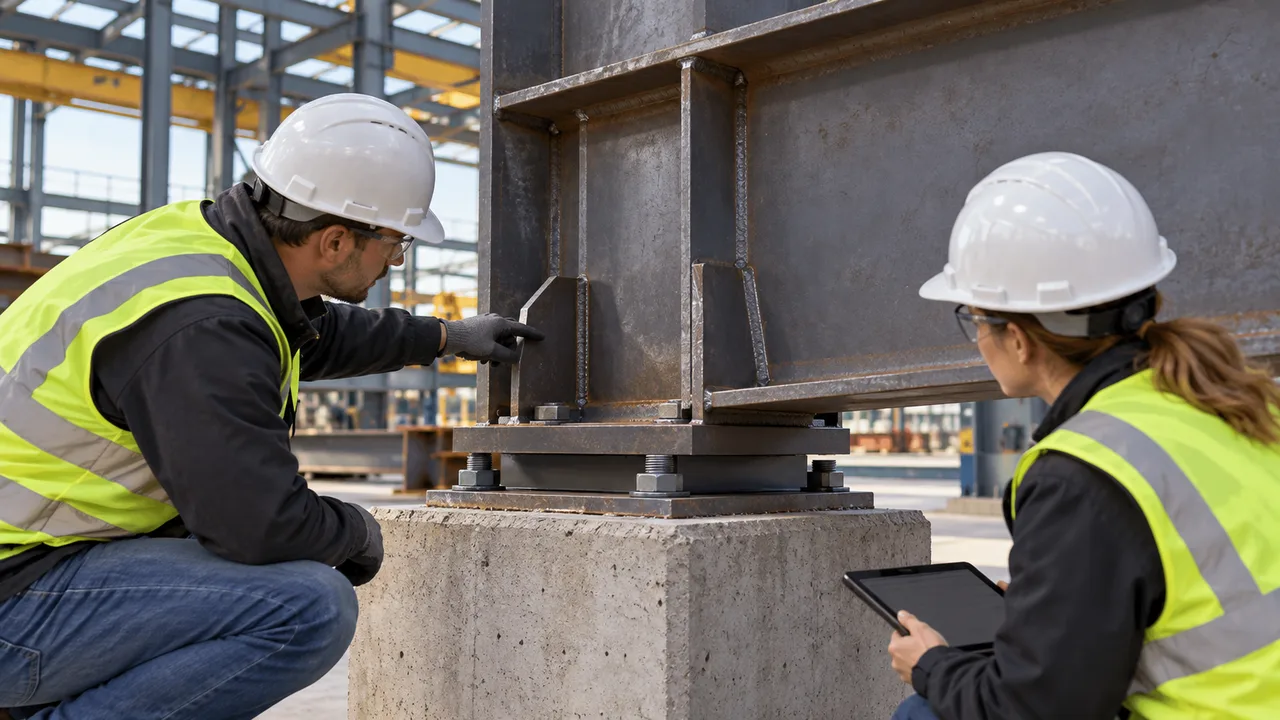
Welding quality directly affects structural integrity. Manufacturers implement inspection procedures that may include visual inspection, dimensional checks, and non-destructive testing where required.
Qualified welding personnel help maintain consistent production quality.
Dimensional Inspection
Finished components undergo dimensional verification to confirm compliance with fabrication drawings and tolerance requirements.
Accurate dimensions help facilitate efficient installation and reduce site modifications.
Final Product Verification
Before shipment, completed structural components are inspected to verify quality, completeness, and readiness for transportation.
Comprehensive inspections support reliable project delivery.
Industries Served
Manufacturing Industry
Manufacturers utilize steel buildings for production facilities, workshops, assembly plants, and industrial expansion projects.
Logistics and Warehousing
Logistics providers rely on steel structures for warehouses, fulfillment centers, and distribution facilities that require large open spaces.
Agriculture
Agricultural businesses use steel structures for equipment storage, livestock facilities, grain handling, and processing operations.
Mining and Energy
Mining and energy projects often require heavy-duty steel buildings capable of supporting demanding operational environments.
Commercial Development
Developers frequently select steel structures for office buildings, retail facilities, exhibition centers, and mixed-use developments.
Advantages of Working with a Steel Structure Building Manufacturer
Single Source Responsibility
Working with a single manufacturer simplifies communication and project coordination by centralizing engineering, fabrication, and delivery activities.
Consistent Quality Control
Integrated manufacturing systems allow quality management procedures to be implemented throughout the entire production process.
Faster Project Delivery
Factory fabrication and coordinated project management help reduce construction schedules and improve project efficiency.
Engineering and Production Integration
Close collaboration between engineering and manufacturing teams helps optimize designs while maintaining constructability.
Global Supply Capability
Experienced manufacturers can support international projects through export packaging, logistics coordination, and technical documentation services.
International Project Delivery
Export Packaging
Structural components must be properly packaged to protect them during transportation and international shipping.
Shipping Coordination
Efficient logistics planning helps ensure that materials arrive according to project schedules and installation requirements.
Installation Support
Many manufacturers provide technical assistance during erection and installation to help ensure proper assembly.
Project Documentation
Comprehensive documentation packages support customs clearance, installation activities, and project management requirements.
Why Choose XTD Steel Structure
Advanced Manufacturing Facilities
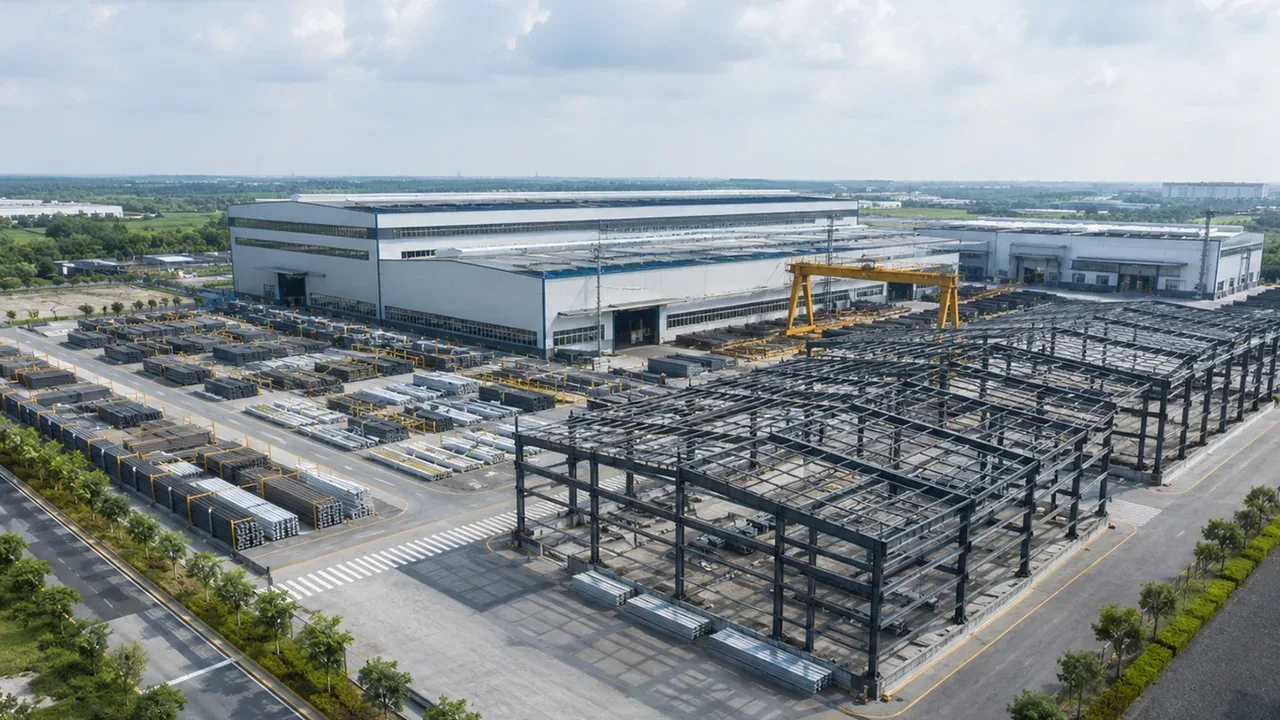
Modern production facilities equipped with CNC machinery, automated processing systems, and advanced fabrication technologies support efficient manufacturing and consistent quality.
Experienced Engineering Team
Professional engineering teams provide design support, fabrication optimization, and project coordination services throughout the project lifecycle.
Global Project Experience
XTD Steel Structure has supported projects across multiple industries and international markets, providing reliable manufacturing and delivery capabilities.
Comprehensive Building Solutions
As an experienced steel structure building manufacturer, XTD Steel Structure provides integrated engineering, fabrication, quality control, logistics coordination, and project support for industrial, warehouse, commercial, and agricultural developments worldwide.
Frequently Asked Questions
What does a steel structure building manufacturer do?
A steel structure building manufacturer designs, fabricates, and supplies structural steel building systems for various construction applications.
What types of buildings can be manufactured?
Manufacturers can produce industrial facilities, warehouses, commercial buildings, agricultural structures, and customized steel building solutions.
How long does manufacturing take?
Production schedules vary depending on project size, complexity, engineering requirements, and manufacturing capacity.
Can steel structure buildings be customized?
Yes. Most steel structure buildings are engineered according to project-specific dimensions, operational requirements, and local regulations.
Start Your Steel Structure Building Project
A professional steel structure building manufacturer helps transform project concepts into complete building solutions through engineering expertise, precision manufacturing, and coordinated project execution. By integrating design, fabrication, and logistics services, manufacturers help clients achieve efficient construction and reliable long-term building performance.
Choosing an experienced manufacturing partner can significantly improve project quality, reduce risks, and support successful building delivery from concept through completion.