What Is Steel Structure Construction for Manufacturing?
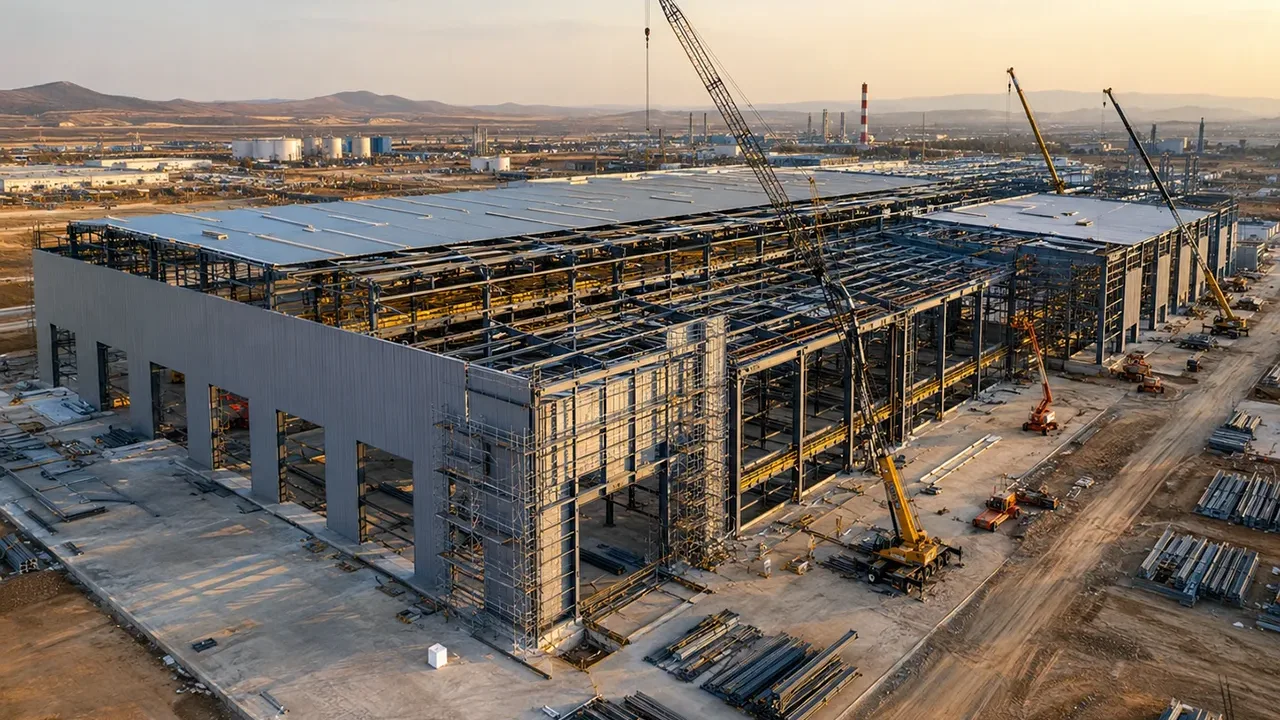
Steel structure construction for manufacturing refers to the design, fabrication, and erection of steel-framed facilities specifically developed for production and industrial operations. These buildings are engineered to support manufacturing equipment, operational workflows, storage systems, and employee activities while maintaining structural efficiency.
Unlike conventional construction methods, steel structures provide large open spaces, faster project schedules, and greater flexibility for equipment layout and facility modifications.
A manufacturing steel building typically includes:
- Structural steel framing
- Steel columns and beams
- Roof support systems
- Crane support structures
- Wall and roof cladding systems
- Industrial utility integration
These elements work together to create a highly functional production environment.
Why Manufacturing Facilities Use Steel Structures
Large Open Production Areas
Manufacturing operations often require extensive floor space for production equipment, assembly lines, storage systems, and material movement.
Steel structures make it possible to achieve:
- Large clear spans
- Column-free production zones
- Flexible equipment placement
- Efficient workflow layouts
This flexibility helps manufacturers optimize productivity and operational efficiency.
Fast Project Delivery
Time is often a critical factor in manufacturing investments. Delays in construction can postpone production startup and impact revenue generation.
Steel construction supports faster delivery through:
- Off-site fabrication
- Reduced site labor requirements
- Faster structural assembly
- Shorter project schedules
Accelerated construction allows facilities to become operational sooner.
Expansion Flexibility
Many manufacturing businesses plan for future growth. Steel-framed facilities can often be expanded more easily than conventional structures.
Expansion possibilities may include:
- Additional production areas
- Warehouse extensions
- New assembly lines
- Equipment upgrades
- Operational expansion zones
This adaptability helps protect long-term investment value.
Long-Term Durability
Manufacturing environments frequently expose structures to demanding operating conditions, including heavy equipment usage, material handling activities, and continuous production schedules.
Steel structures offer:
- High structural strength
- Excellent durability
- Consistent performance
- Low maintenance requirements
- Long service life
These advantages make steel particularly suitable for industrial facilities.
Types of Manufacturing Buildings Constructed
General Manufacturing Plants
General manufacturing facilities support a wide range of production processes and assembly operations.
Typical applications include:
- Consumer goods production
- Industrial manufacturing
- Assembly facilities
- Production workshops
- Packaging operations
Steel structures provide flexible spaces that can adapt to changing production requirements.
Machinery Manufacturing Facilities
Machinery production often requires large equipment, overhead lifting systems, and heavy-duty structural support.
These facilities commonly include:
- Fabrication areas
- Assembly zones
- Equipment testing sections
- Material storage areas
- Crane-supported workspaces
Steel structures can be engineered to accommodate these specialized requirements.
Automotive Manufacturing Buildings
Automotive facilities require large production spaces, precise operational layouts, and integrated logistics systems.
Applications may include:
- Vehicle assembly plants
- Component manufacturing facilities
- Parts warehouses
- Testing centers
- Distribution operations
Large-span steel structures support efficient production flow throughout the facility.
Electronics Manufacturing Facilities
Electronics manufacturing often requires controlled production environments and highly organized facility layouts.
Steel structures allow efficient integration of:
- Production lines
- Utility systems
- HVAC equipment
- Clean manufacturing zones
- Future process upgrades
The flexibility of steel framing supports changing technology requirements.
Food Processing Facilities
Food production plants must combine operational efficiency with hygiene requirements and regulatory compliance.
Steel structures support:
- Large production halls
- Cold storage areas
- Processing equipment
- Packaging operations
- Distribution functions
Properly designed steel facilities help support efficient food manufacturing operations.
Main Components of Manufacturing Steel Structures
Steel Columns
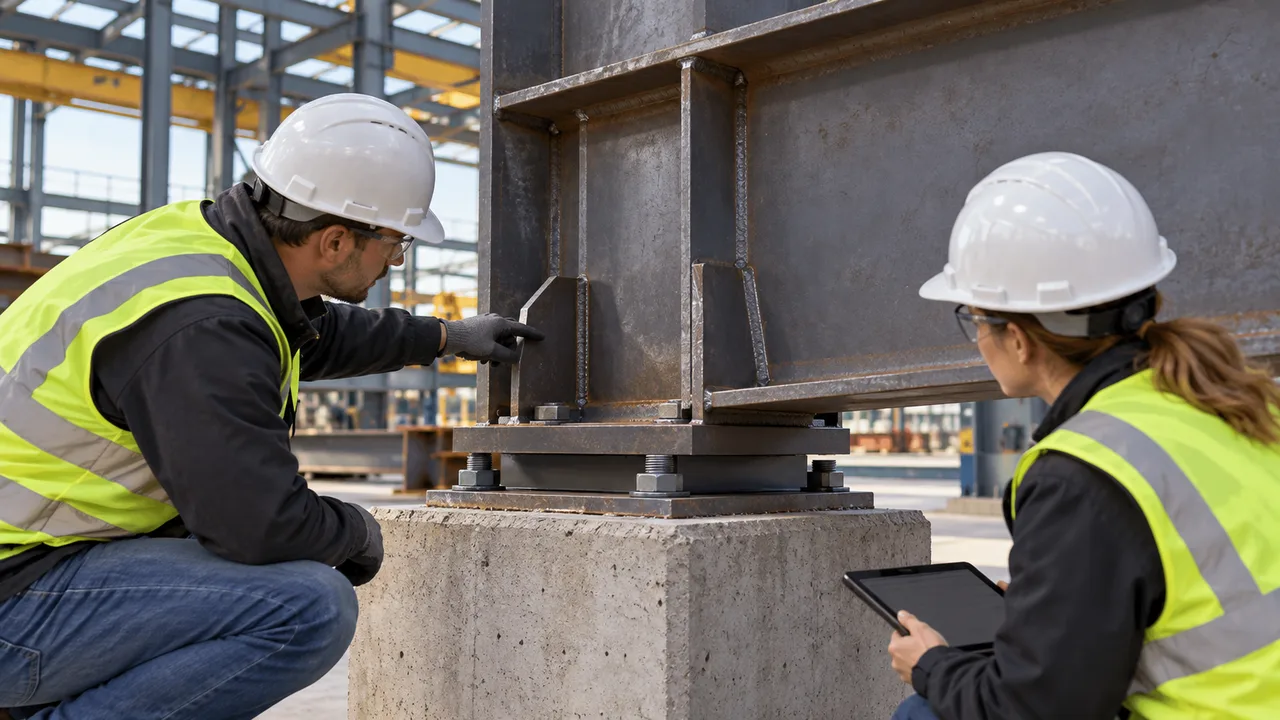
Steel columns form the primary vertical support system within manufacturing buildings.
Their responsibilities include:
- Supporting roof loads
- Transferring equipment loads
- Providing structural stability
- Supporting crane systems
Accurate fabrication and installation ensure proper structural performance.
Steel Beams
Steel beams transfer loads between columns and support roofing systems, equipment, and building operations.
Common beam configurations include:
- Wide flange beams
- Built-up beams
- Plate girders
- Custom fabricated sections
Beam selection depends on production requirements and structural demands.
Roof Structures
Manufacturing buildings often require large-span roof systems to maximize interior operational space.
Roof solutions may include:
- Portal frame roofs
- Steel truss systems
- Long-span roof structures
- Integrated skylight systems
Efficient roof design contributes to productivity and facility performance.
Crane Support Systems
Many manufacturing facilities rely on overhead cranes for material handling and production operations.
Crane-support structures may include:
- Crane beams
- Runway systems
- Support columns
- Reinforced structural frames
Proper engineering ensures safe operation and reliable load transfer.
Engineering Considerations
Production Equipment Loads
Manufacturing facilities often contain equipment that generates substantial static and operational loads.
Engineering teams evaluate:
- Machine weights
- Foundation requirements
- Equipment layouts
- Operational loading conditions
Accurate load analysis helps ensure structural safety and operational efficiency.
Crane Loads
Overhead crane systems create dynamic loading conditions that must be incorporated into structural design.
Engineering assessments typically consider:
- Crane capacities
- Impact forces
- Operational frequencies
- Future equipment upgrades
Proper crane design is essential for safe industrial operations.
Future Expansion Planning
Many manufacturing facilities are designed with future expansion in mind.
Expansion planning may include:
- Additional bays
- Building extensions
- New production lines
- Expanded warehouse areas
Steel structures offer flexibility for future business growth.
Environmental Conditions
Manufacturing facilities must accommodate a variety of operational and environmental factors.
Design considerations may include:
- Temperature control
- Ventilation systems
- Industrial emissions
- Corrosion protection
- Energy efficiency requirements
These factors influence both structural design and building performance.
Steel Structure Construction Process
Project Planning
The construction process begins with a detailed evaluation of production requirements, operational goals, and facility specifications.
Structural Engineering Design
Engineering teams develop optimized structural systems based on load analysis, operational requirements, and future expansion objectives.
Fabrication Phase
Structural components are manufactured in controlled production facilities using advanced CNC processing equipment and quality management systems.
On-Site Construction
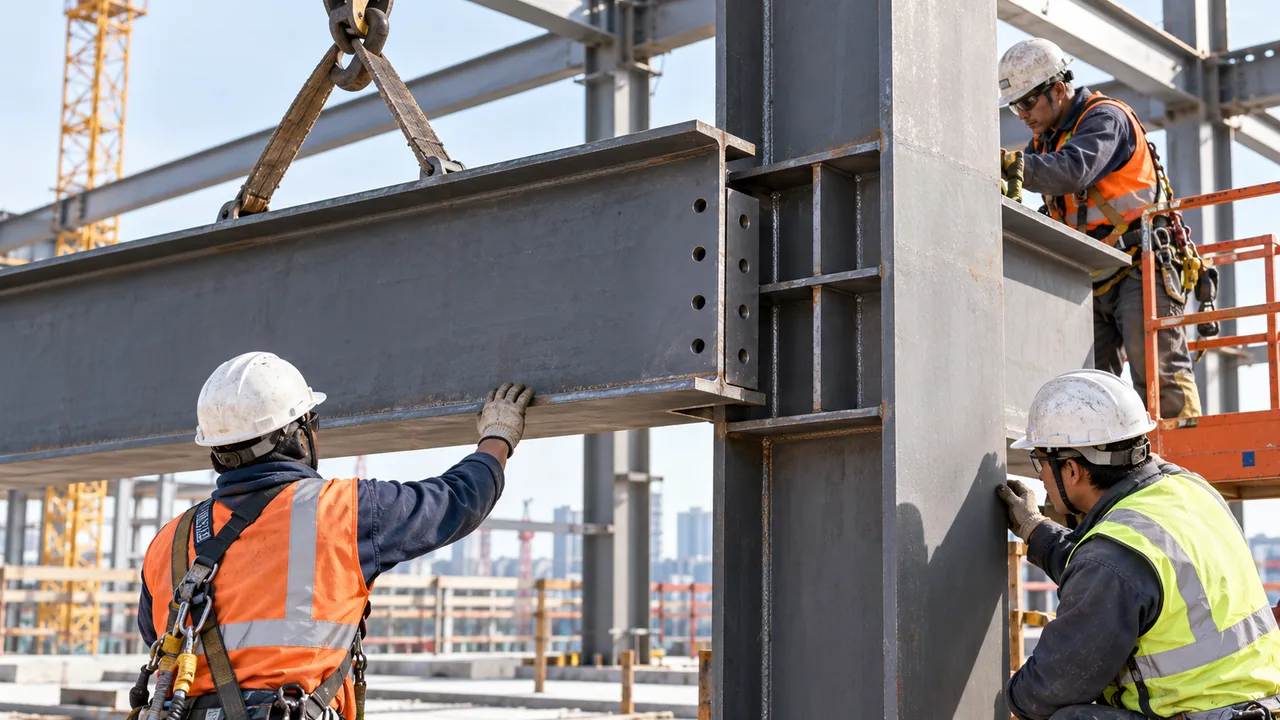
Fabricated components are transported to the project site and assembled according to approved construction procedures.
Final Inspection and Commissioning
Completed facilities undergo quality verification and inspection procedures before operational startup.
Advantages of Steel Structure Construction for Manufacturing
Faster Construction
Prefabricated steel components significantly reduce project timelines compared to many conventional building methods.
Lower Lifecycle Costs
Durability and reduced maintenance requirements contribute to lower long-term ownership costs.
Greater Operational Efficiency
Large open spaces support efficient production workflows and equipment layouts.
Large Span Capability
Steel structures can achieve substantial spans while minimizing internal obstructions.
Enhanced Structural Reliability
Properly engineered systems provide dependable long-term performance in demanding manufacturing environments.
Applications Across Manufacturing Industries
Machinery Manufacturing
Steel structures support heavy equipment production and assembly operations.
Automotive Production
Large-span facilities provide efficient layouts for vehicle and component manufacturing.
Electronics Manufacturing
Flexible building designs accommodate evolving production technologies.
Food and Beverage Processing
Steel buildings provide efficient operational spaces for processing and distribution.
Metal Fabrication Facilities
Heavy-duty structures support fabrication equipment, cranes, and industrial workflows.
Why Choose XTD Steel Structure
Manufacturing Facility Expertise
XTD Steel Structure understands the unique requirements of industrial and manufacturing construction projects.
Advanced Engineering Support
Professional engineering teams provide customized structural solutions based on operational needs.
High-Capacity Fabrication
Modern production facilities support efficient manufacturing of complex steel structure systems.
Global Industrial Project Experience
XTD Steel Structure has supplied steel structure solutions for manufacturing, logistics, and industrial developments across international markets.
Frequently Asked Questions
Why are steel structures ideal for manufacturing facilities?
Steel structures provide large spans, flexibility, durability, and fast construction schedules that support industrial operations.
Can manufacturing plants support overhead cranes?
Yes. Steel structures can be engineered to safely support various overhead crane systems and equipment loads.
How fast can a manufacturing building be constructed?
Construction schedules vary by project size, but prefabricated steel systems generally accelerate project delivery.
Can manufacturing facilities be expanded later?
Many steel buildings can be designed to accommodate future expansion and production growth.
Start Your Manufacturing Facility Project
Steel structure construction for manufacturing provides a reliable, flexible, and cost-effective solution for modern production facilities. From machinery plants and automotive factories to food processing centers and electronics manufacturing operations, steel structures support efficient industrial environments while enabling future growth.
Working with an experienced partner such as XTD Steel Structure helps ensure quality engineering, precision fabrication, efficient construction, and long-term operational success.