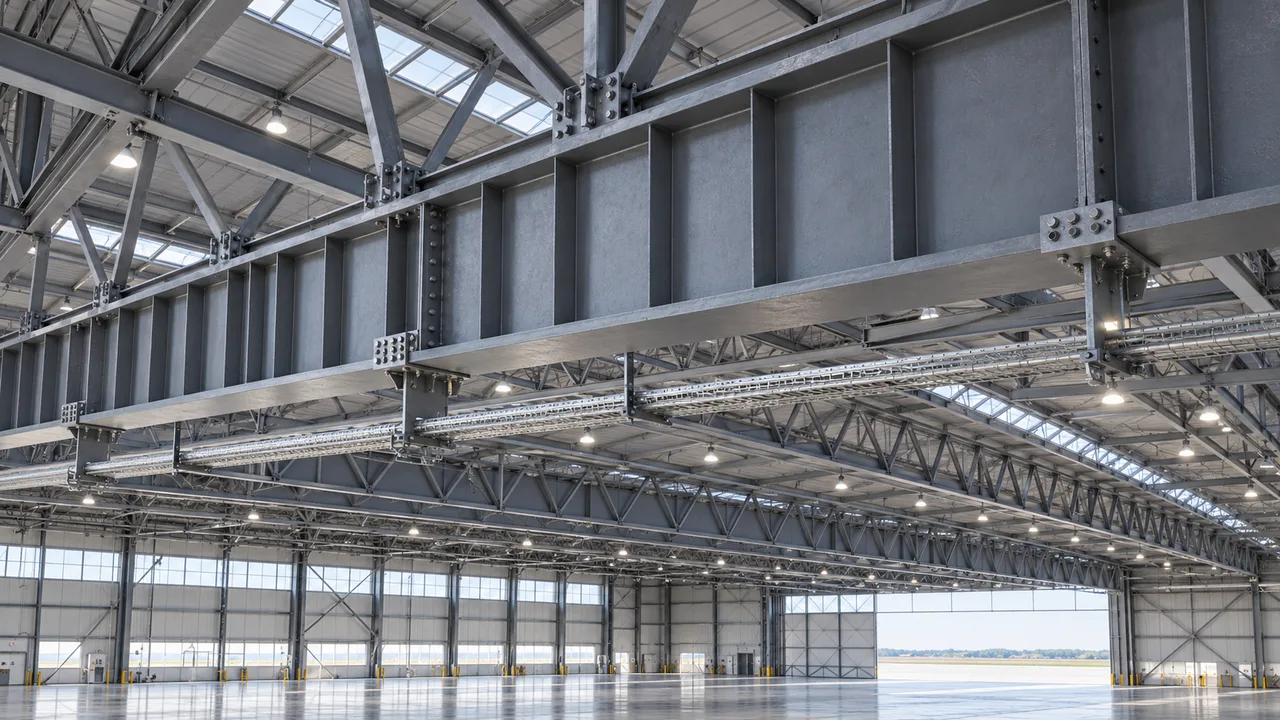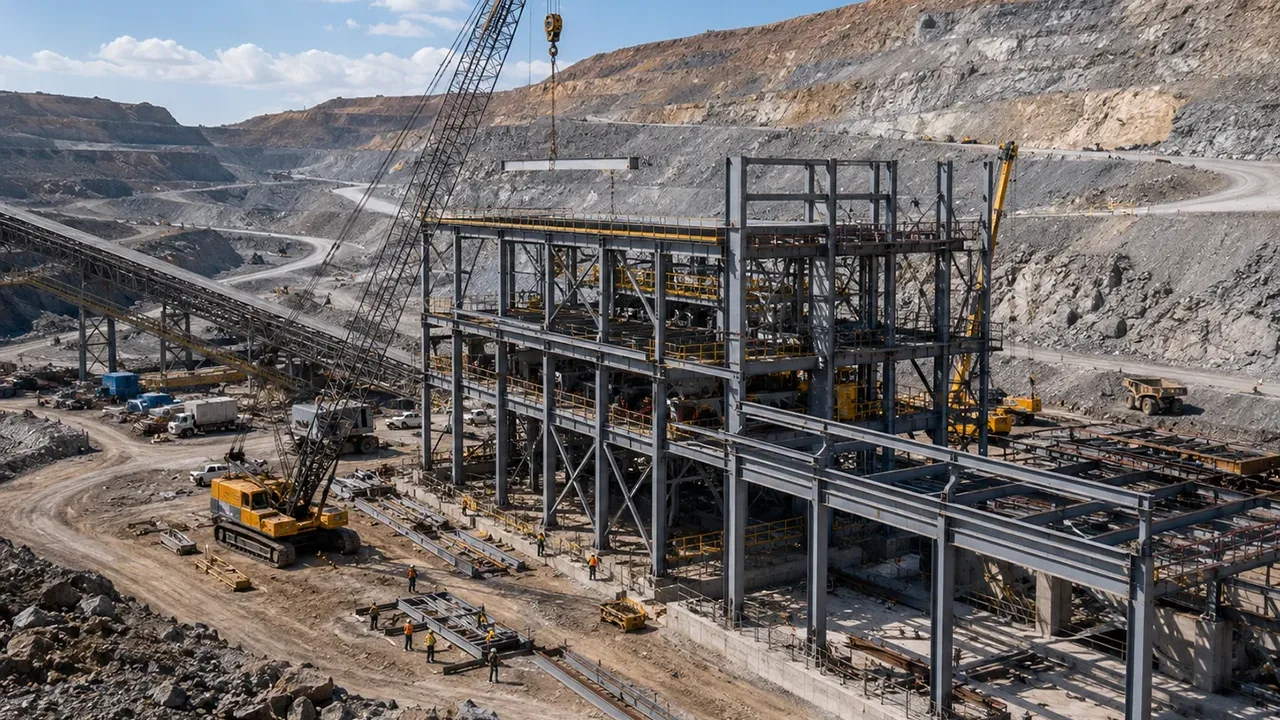
What Is Steel Structure Construction for Mining?
Steel structure construction for mining refers to the engineering, fabrication, and erection of structural steel systems specifically designed for mining facilities and mineral processing operations. These buildings and supporting structures are engineered to accommodate heavy equipment, production machinery, material handling systems, and continuous industrial operations.
Unlike conventional commercial buildings, mining facilities must withstand significantly higher operational loads while maintaining structural integrity under demanding working conditions.
A mining steel structure project typically includes:
- Main structural steel framing
- Heavy steel columns and beams
- Long-span roof systems
- Equipment support structures
- Conveyor galleries
- Maintenance platforms and walkways
- Industrial cladding systems
Each component is designed to meet operational requirements while supporting safe and efficient mining activities.
Why Mining Projects Choose Steel Structures
High Structural Strength
Mining facilities routinely support extremely heavy equipment and industrial machinery that generate substantial static and dynamic loads.
Steel structures provide the strength necessary to support:
- Crushing equipment
- Grinding mills
- Material handling systems
- Processing machinery
- Overhead cranes
- Bulk storage equipment
The high strength-to-weight ratio of structural steel allows engineers to design reliable systems capable of carrying significant operational loads.
Fast Construction in Remote Areas
Many mining operations are located in remote regions where construction resources and labor availability may be limited.
Prefabricated steel structures help overcome these challenges by offering:
- Factory-controlled fabrication
- Reduced on-site construction time
- Simplified assembly
- Lower labor requirements
- Improved installation efficiency
Faster construction enables mining operations to begin production sooner while reducing overall project risk.
Large Span Capability
Mining facilities often require wide, unobstructed spaces for equipment installation and operational flexibility.
Steel structures support:
- Processing plants
- Crusher buildings
- Equipment shelters
- Maintenance workshops
- Bulk storage facilities
Large-span structural systems minimize interior columns, improving equipment accessibility and workflow efficiency.
Long-Term Durability
Mining environments expose buildings to dust, vibration, moisture, heavy traffic, and continuous operational demands.
Properly engineered steel structures provide:
- Excellent structural stability
- Long service life
- Low maintenance requirements
- Reliable industrial performance
- Adaptability for future upgrades
Appropriate protective coatings and maintenance programs further extend service life in demanding mining environments.
Types of Mining Steel Structure Projects
Mining Processing Plants
Ore processing facilities require complex structural systems capable of supporting heavy industrial equipment while allowing efficient production flow.
Typical processing facilities include:
- Crushing plants
- Grinding facilities
- Screening stations
- Material transfer systems
- Processing buildings
Steel structures provide the strength and flexibility necessary for these highly specialized facilities.
Equipment Maintenance Workshops
Mining equipment requires regular inspection, servicing, and repairs.
Maintenance workshops commonly include:
- Heavy equipment repair bays
- Overhead crane systems
- Maintenance platforms
- Parts storage areas
- Service facilities
Steel structures allow workshops to accommodate large mining vehicles and lifting equipment safely.
Mining Warehouses
Mining operations rely on reliable storage facilities for spare parts, consumables, and operational equipment.
Warehouse applications include:
- Equipment storage
- Maintenance inventory
- Replacement parts
- Industrial supplies
- Bulk material storage
Steel warehouse buildings provide efficient storage capacity while allowing future expansion.
Conveyor and Material Handling Structures
Material transportation is one of the most important functions within mining operations.
Steel structures support:
- Conveyor galleries
- Transfer towers
- Loading stations
- Discharge structures
- Elevated conveyor systems
Proper structural design ensures reliable material flow throughout the mining facility.
Administrative and Support Buildings
Mining projects also require operational support facilities beyond production areas.
Typical buildings include:
- Administrative offices
- Control rooms
- Utility buildings
- Training facilities
- Worker support areas
Steel construction provides efficient and durable solutions for these operational buildings.
Main Components of Mining Steel Structures
Steel Columns
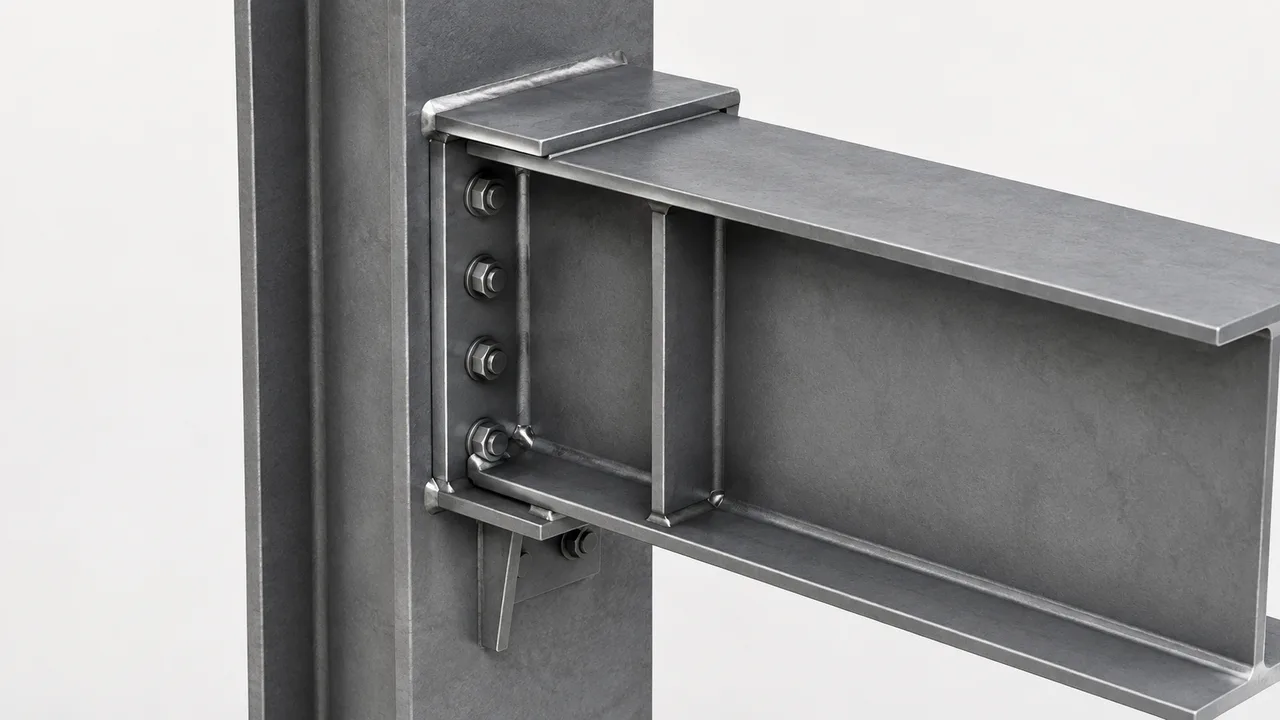
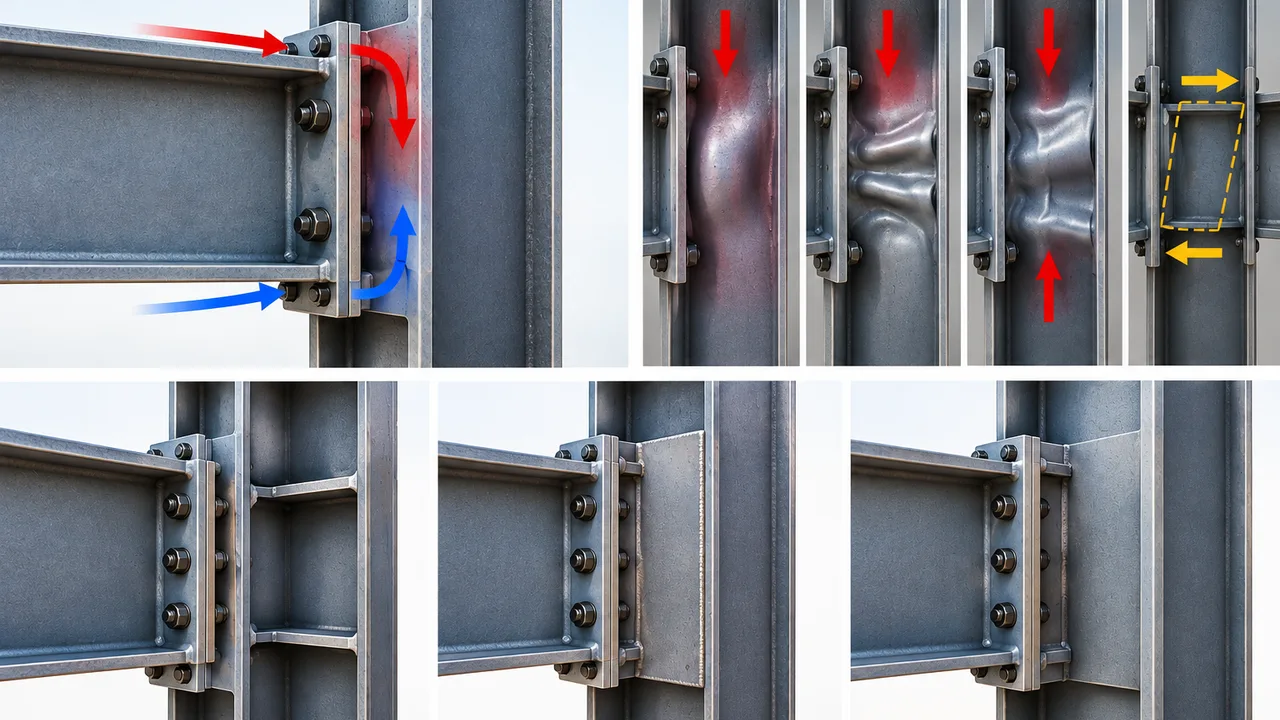
Steel columns serve as the primary vertical load-bearing members throughout mining facilities.
They support:
- Roof systems
- Processing equipment
- Crane loads
- Platform structures
Heavy-duty columns are designed according to operational load requirements.
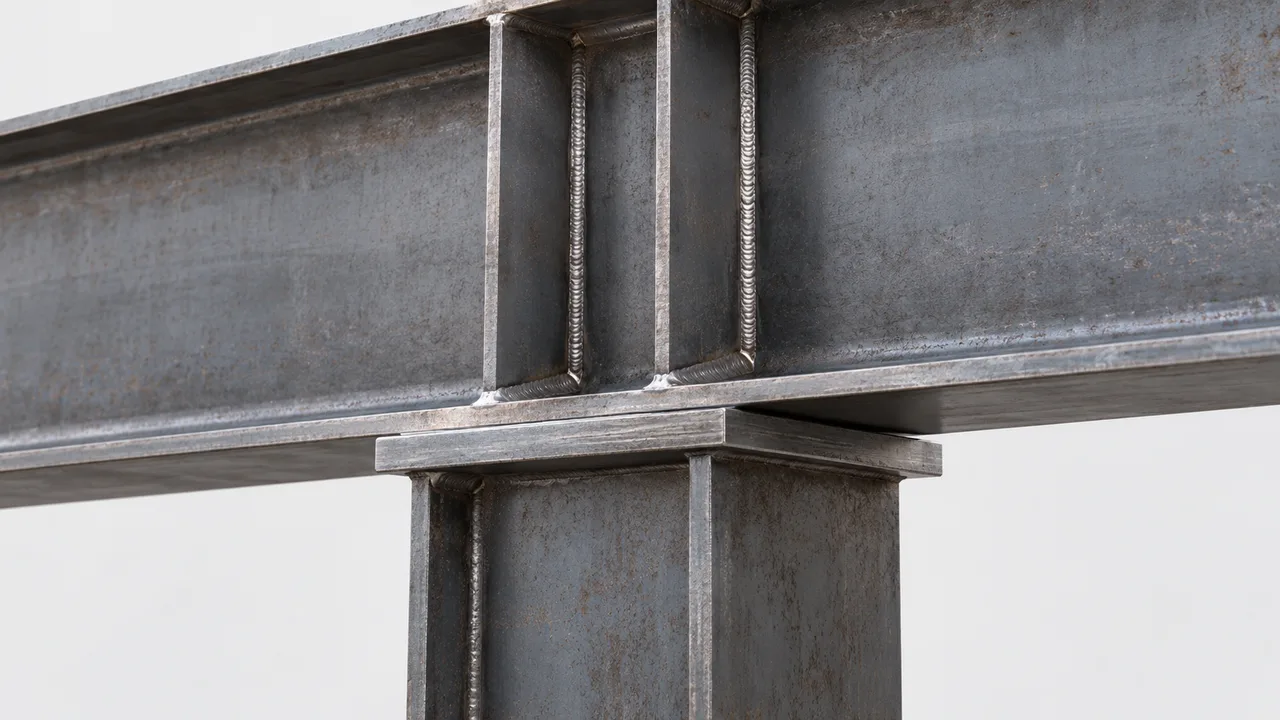
Steel Beams
Steel beams distribute structural loads while supporting roofing systems, machinery, and industrial operations.
Common beam types include:
- Wide flange beams
- Built-up beams
- Plate girders
- Custom fabricated members
Beam selection depends on span length, equipment loads, and structural configuration.
Roof Structures
Mining buildings frequently require long-span roof systems capable of covering large operational spaces.
Roof systems may include:
- Portal frames
- Steel trusses
- Long-span roof beams
- Industrial roof systems
Proper roof design contributes to operational efficiency while protecting valuable mining equipment.
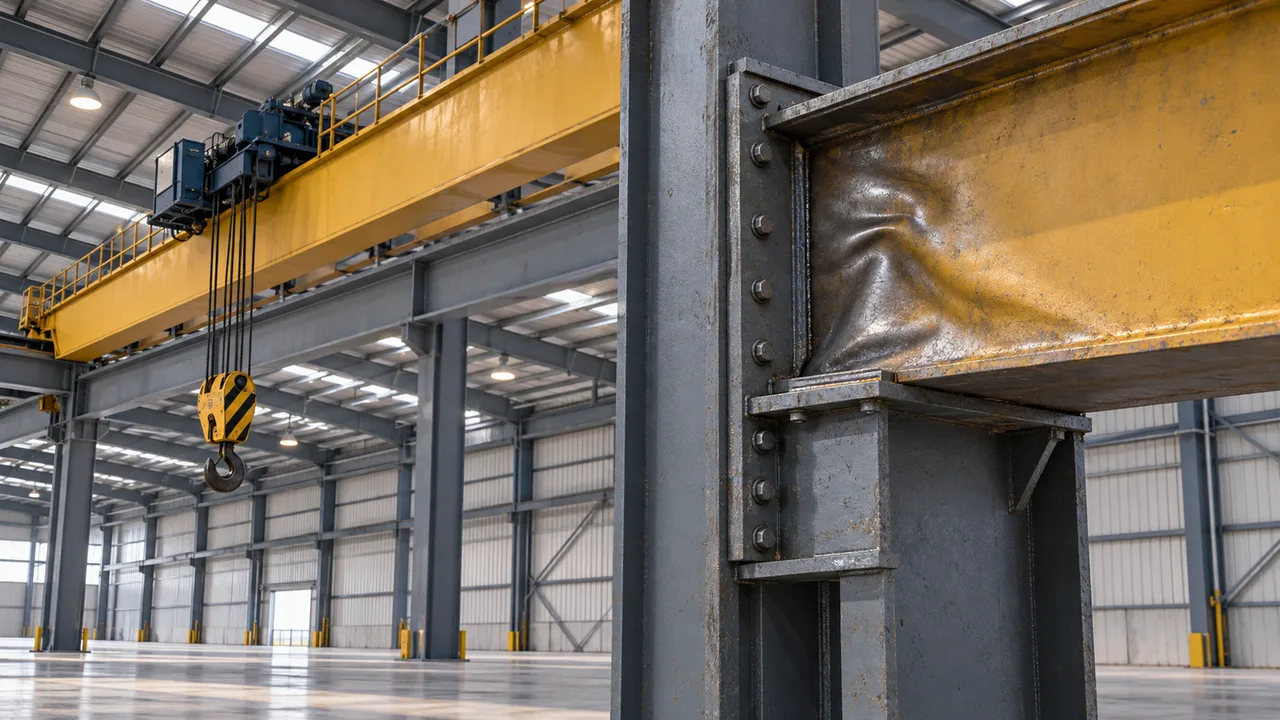
Crane Support Systems
Maintenance and production facilities often depend on overhead lifting systems.
Steel structures support:
- Crane beams
- Runway systems
- Maintenance cranes
- Heavy lifting operations
Engineering calculations ensure safe operation under dynamic loading conditions.
Platform and Access Structures
Mining plants require extensive access systems for maintenance and daily operations.
These include:
- Maintenance platforms
- Walkways
- Stair towers
- Equipment access systems
Safe access improves maintenance efficiency and operational reliability.