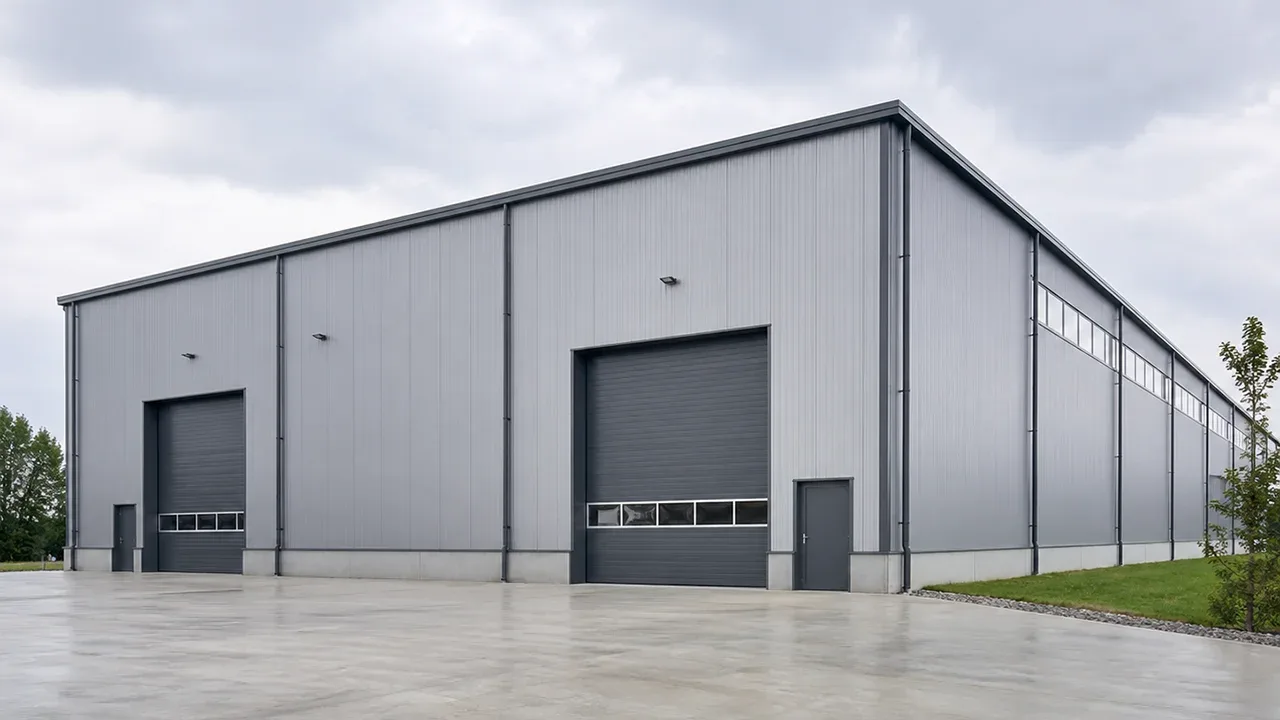
In modern industrial construction, the demand for heavy-duty structures has significantly increased, driving the need for advanced fabrication techniques capable of handling thick steel plates. From power plants to large-scale manufacturing facilities, the ability to manage complex fabrication challenges has become a defining factor in project success. thick plate steel fabrication plays a critical role in ensuring structural integrity, durability, and long-term performance in these demanding environments.
Working with thick steel plates introduces a unique set of challenges that differ substantially from standard fabrication processes. Increased material thickness affects cutting precision, welding penetration, heat control, and overall structural stability. Unlike thinner materials, thick plates require more sophisticated planning, precise execution, and strict quality control.
As industrial projects continue to scale in size and complexity, the importance of a well-managed fabrication process becomes increasingly evident. Heavy structures must withstand extreme loads, dynamic forces, and harsh environmental conditions. This makes process optimization essential, especially when dealing with materials that demand greater attention to detail.
Material Characteristics of Thick Steel Plates
Mechanical Properties and Structural Behavior
Thick steel plates exhibit enhanced load-bearing capacity compared to thinner materials, making them suitable for applications that require high structural strength. However, increased thickness also affects stress distribution within the material. Engineers must carefully consider these properties during design and fabrication to prevent localized stress concentrations that could compromise performance.
Metallurgical Considerations
The internal structure of thick plates differs significantly due to variations in cooling rates during manufacturing. These variations can lead to inconsistencies in grain structure, which may affect weldability and overall performance. Detecting and managing internal defects such as inclusions or laminations is crucial for ensuring reliable outcomes.
Heat Sensitivity and Thermal Conductivity
One of the primary challenges in handling thick plates is managing heat during cutting and welding. Due to their mass, thick plates dissipate heat differently, leading to uneven temperature distribution. This can result in distortion, residual stress, or even cracking if not properly controlled.
Design Considerations for Thick Plate Fabrication
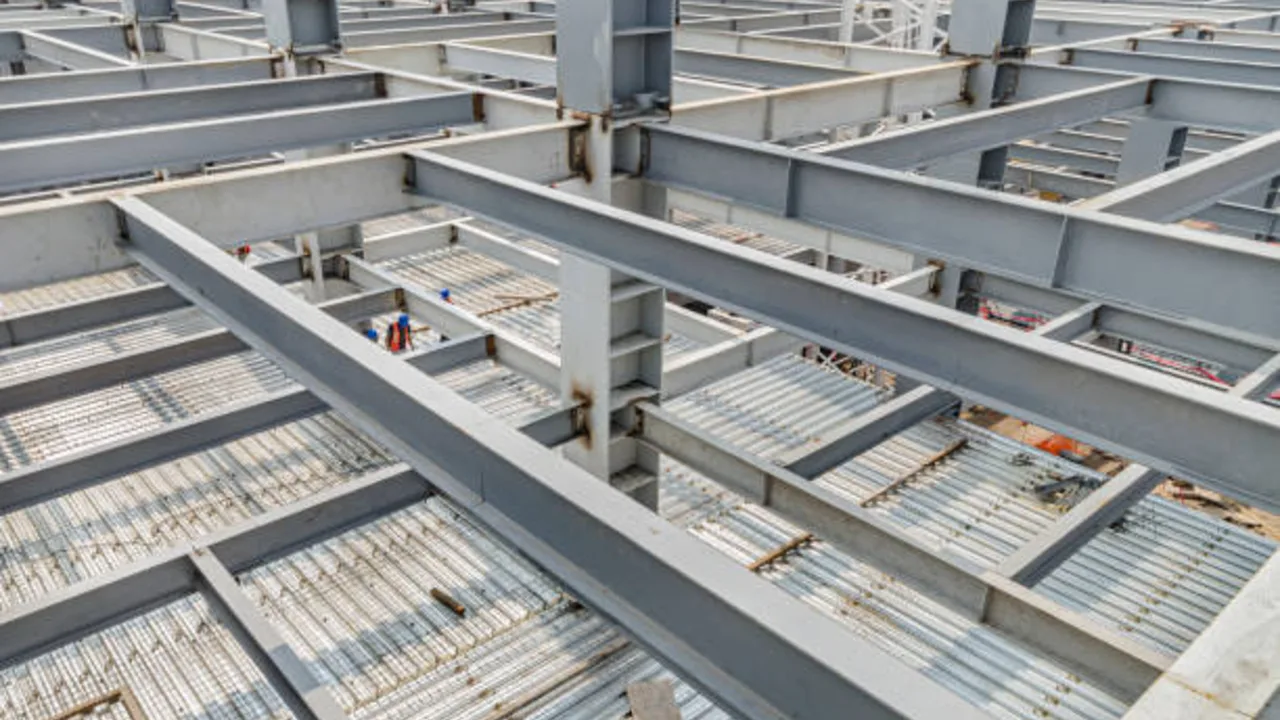
Engineering Tolerances and Specifications
Precision is critical in projects involving thick plates. Even minor deviations in dimensions can create alignment issues during assembly. Engineers must define strict tolerances and ensure that fabrication processes adhere closely to design specifications.
Joint Design and Load Distribution
Joint design plays a key role in ensuring that loads are transferred efficiently across the structure. In thick plate applications, weld joints must be carefully engineered to achieve full penetration and structural continuity. Proper bevel preparation ensures that welds can reach the required depth without compromising strength.
Fabrication Drawings and BIM Integration
Advanced tools such as Building Information Modeling (BIM) allow engineers to visualize and coordinate fabrication processes in a digital environment. This helps identify potential conflicts before production begins, improving efficiency and reducing costly rework.
Cutting Techniques for Thick Steel Plates
Flame Cutting (Oxy-Fuel Cutting)
Oxy-fuel cutting remains one of the most widely used methods for thick plate processing. It is particularly effective for handling large thicknesses where other cutting techniques may struggle. However, this method requires careful control to maintain edge quality and dimensional accuracy.
Plasma Cutting vs Laser Cutting
While plasma cutting offers higher speed and flexibility, laser cutting provides superior precision for certain applications. The choice between these methods depends on thickness, tolerance requirements, and overall project constraints. For extremely thick plates, flame cutting often remains the preferred solution.
Edge Quality and Preparation Requirements
Achieving clean and uniform edges is essential for subsequent welding operations. Poor edge quality can lead to welding defects and reduced structural performance. This is why edge finishing processes are closely linked to bevel preparation, ensuring that weld joints meet design requirements.
Bevel Preparation for Thick Plate Welding
Importance of Bevel Preparation in Thick Plate Steel Fabrication
In thick plate steel fabrication, beveling is a critical step that directly affects weld quality. Proper bevel preparation ensures adequate weld penetration, reduces the risk of defects, and improves the overall strength of the joint. Without accurate beveling, even the most advanced welding techniques may fail to achieve desired results.
Common Bevel Types and Applications
Several bevel configurations are used depending on plate thickness and joint design. V-groove bevels are common for moderate thickness, while double V or U-grooves are used for thicker plates to minimize weld volume and reduce distortion. Each configuration offers a balance between efficiency and performance.
Equipment and Techniques for Beveling
Modern fabrication facilities use automated beveling machines to achieve consistent and precise results. CNC-controlled equipment ensures repeatability and reduces human error, which is especially important when dealing with large and heavy components.
Welding Processes for Thick Plate Steel Fabrication
Multi-Pass Welding Techniques
Due to the thickness of the material, welding cannot be completed in a single pass. Instead, multi-pass welding techniques are used, where layers of weld metal are deposited sequentially. This approach allows better control of heat input and improves weld integrity.
Preheating and Interpass Temperature Control
Preheating the material before welding helps reduce temperature gradients, minimizing the risk of cracking. Maintaining proper interpass temperatures ensures consistent weld quality throughout the process.
Selection of Welding Methods
Different welding processes such as Submerged Arc Welding (SAW), Flux-Cored Arc Welding (FCAW), and Shielded Metal Arc Welding (SMAW) are commonly used in thick plate applications. Each method offers specific advantages depending on project requirements and material thickness.
Distortion Control and Residual Stress Management
Causes of Distortion in Thick Plates
Distortion occurs when uneven heating and cooling cause the material to deform. In thick plates, this effect can be amplified due to the amount of heat required for cutting and welding.
Techniques to Minimize Distortion
Fabricators use various strategies to control distortion, including balanced welding sequences, proper clamping, and controlled heat input. These measures help maintain dimensional accuracy throughout the fabrication process.
Post-Weld Heat Treatment (PWHT)
In some applications, post-weld heat treatment is required to relieve residual stress and improve material properties. This process enhances the durability and performance of the final structure.
For projects that demand advanced expertise in heavy steel structure fabrication, understanding these foundational processes is essential. Additional technical references on material behavior and welding practices can be found through resources like TWI Global, which provides industry insights into welding and fabrication technologies.
Quality Control in Thick Plate Steel Fabrication
Non-Destructive Testing (NDT) Methods
Ensuring structural integrity is a fundamental requirement in thick plate steel fabrication. Non-destructive testing (NDT) methods are widely used to detect internal flaws without damaging the material. Ultrasonic testing (UT) is particularly effective for thick plates, as it can identify subsurface defects such as cracks, voids, and inclusions. Radiographic testing (RT) is also applied in critical weld zones to verify internal weld quality.
Weld Inspection and Acceptance Criteria
Weld quality is evaluated through visual inspection, dimensional checks, and advanced testing procedures. Inspectors verify weld penetration, bead uniformity, and the absence of defects such as porosity or slag inclusions. International standards and project-specific requirements define acceptance criteria, ensuring that fabricated components meet safety and performance expectations.
Dimensional Accuracy and Final Checks
Precision in dimensions is essential to ensure proper fit-up during assembly. Measurement tools such as laser scanning systems and coordinate measuring devices are used to verify that fabricated components align with design specifications. Final inspections are conducted before shipment to avoid costly rework on-site.
Handling, Transport, and Assembly of Thick Steel Plates
Lifting and Rigging Considerations
Handling thick plates requires specialized lifting equipment due to their weight and size. Rigging plans must consider load distribution, lifting points, and equipment capacity. Safety procedures are strictly enforced to prevent accidents during lifting operations.
Storage and Surface Protection
Proper storage is critical to maintaining material quality. Thick steel plates are typically stored on elevated supports to prevent contact with moisture. Protective coatings or coverings may be applied to minimize corrosion and surface damage during storage and transportation.
On-Site Assembly Challenges
During assembly, alignment of large components becomes a key challenge. Any deviation can affect structural performance and installation efficiency. Effective coordination between fabrication and site teams ensures that components are installed according to the planned sequence.
Industrial Applications of Thick Plate Steel Fabrication
Power Plants and Energy Infrastructure
Thick steel plates are widely used in energy projects, including power plants, refineries, and heavy processing facilities. Components such as pressure vessels, structural supports, and heavy frames require high-strength materials and precise fabrication techniques.
Heavy Industrial Facilities
Manufacturing plants, steel mills, and large production facilities depend on robust structures that can withstand heavy loads and continuous operation. thick plate steel fabrication enables the construction of durable frameworks that support industrial equipment and processes.
Bridges and Offshore Structures
Infrastructure projects such as bridges and offshore platforms demand materials capable of handling extreme environmental conditions. Thick steel plates provide the strength and resilience needed for these applications, ensuring long-term performance and safety.
Process Optimization and Efficiency Improvements
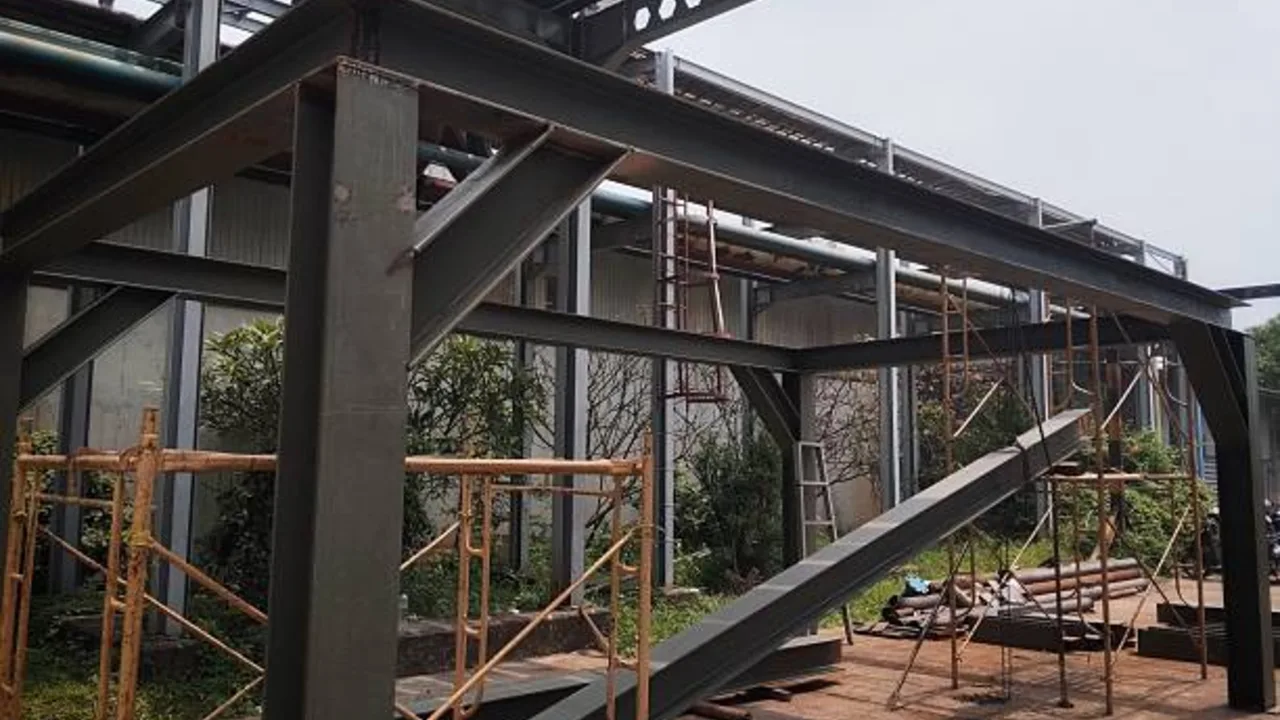
Automation in Fabrication
Automation technologies are increasingly used to improve efficiency and consistency in fabrication processes. CNC cutting machines, robotic welding systems, and automated handling equipment reduce human error and enhance productivity.
Digital Monitoring and Data Integration
Real-time monitoring systems allow fabricators to track production metrics, identify inefficiencies, and make data-driven decisions. Integration of digital tools ensures better coordination across all stages of fabrication and construction.
Lean Fabrication Principles
Lean methodologies focus on minimizing waste, optimizing workflow, and improving overall efficiency. By applying these principles, fabricators can reduce costs while maintaining high-quality standards.
Safety Considerations in Thick Plate Fabrication
Workplace Safety Measures
Safety is a top priority when handling heavy materials and high-temperature processes. Workers must use appropriate personal protective equipment (PPE), including helmets, gloves, and protective clothing. Safety training and regular audits help maintain a secure working environment.
Hazard Identification and Risk Management
Potential hazards include heavy lifting, high heat exposure, and equipment-related risks. Identifying these risks early allows teams to implement preventive measures and ensure safe operations.
Compliance with Industry Standards
Adhering to safety regulations and industry standards ensures that fabrication processes meet legal and operational requirements. Compliance not only protects workers but also enhances project credibility.
Conclusion: Mastering Thick Plate Steel Fabrication
Successfully managing thick plate steel fabrication requires a combination of technical expertise, advanced equipment, and strict quality control. From material selection to final assembly, every step plays a vital role in achieving a reliable and durable structure. By focusing on precision, process optimization, and safety, fabricators can meet the growing demands of modern industrial projects.
As industries continue to evolve, the ability to handle thick steel plates efficiently will remain a critical capability. Companies that invest in advanced fabrication technologies and skilled workforce development will be better positioned to deliver high-performance structures that stand the test of time.