Logistics Buildings Designed for Operational Flow
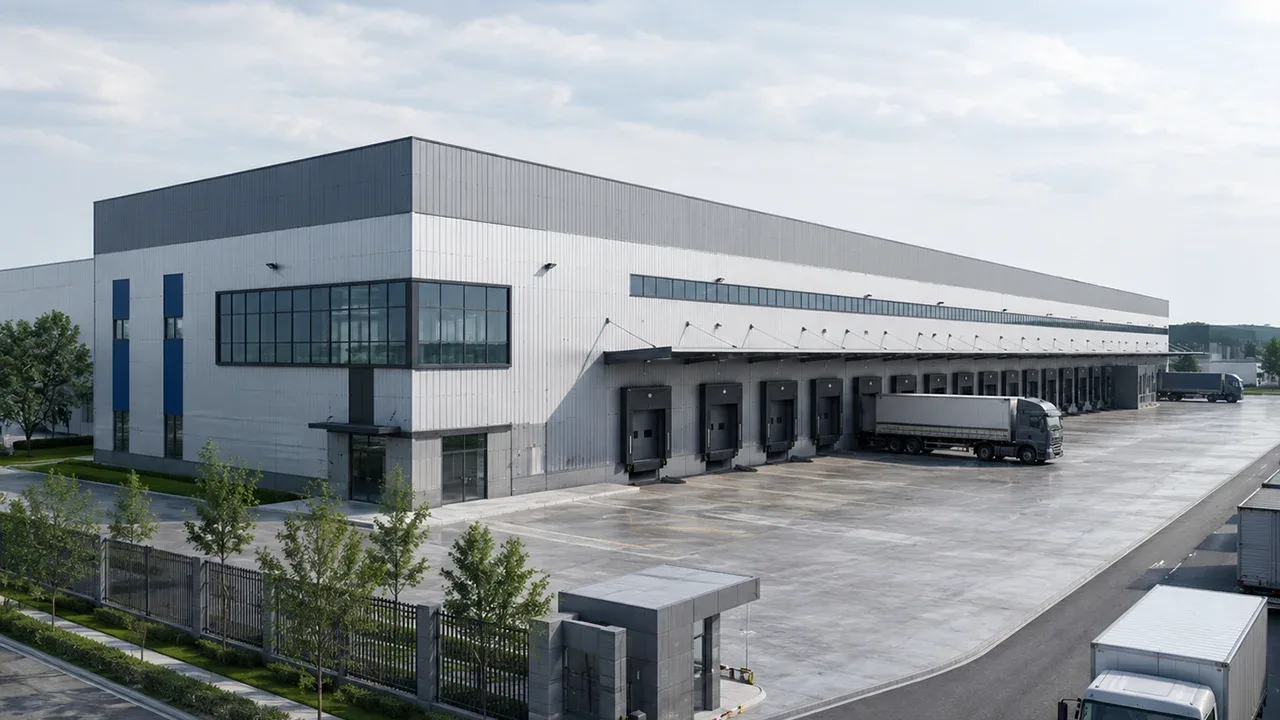
The most effective logistics buildings are planned around movement. Vehicle circulation, loading dock placement, storage zones, conveyor routes, and picking areas all need to work together. Steel construction gives engineers and operators more freedom to create layouts that support this flow.
Space Optimization for Distribution Operations
Wide interior bays allow warehouse managers to organize storage racks, sorting areas, and transport lanes without unnecessary structural obstacles. This improves movement efficiency and helps reduce handling time.
For high-volume facilities, small layout improvements can create major operational gains over the life of the building.
High Clearance and Large Bay Design
Modern logistics facilities often require tall storage systems, vertical racking, mezzanine areas, and automated equipment. Steel structures make it easier to achieve high clear heights while maintaining structural stability.
Flexible Expansion for Future Logistics Growth
Demand in logistics can change quickly. A steel structure logistics building can be planned for future extension, allowing companies to expand storage capacity, add loading bays, or adjust internal zoning without rebuilding the entire facility.
Common Applications of Steel Logistics Buildings
Distribution Centers
Regional and national distribution centers require large open spaces, reliable structural systems, and efficient loading areas. Steel structures are suitable for these facilities because they allow large-span layouts and fast project delivery.
E-Commerce Fulfillment Facilities
E-commerce buildings often need high-density storage, picking zones, packing areas, and automated conveyor systems. A steel-framed logistics building can support these functions while maintaining layout flexibility.
- Sorting and packing zones
- Automated storage systems
- Multiple truck loading docks
- Mezzanine or office integration
Cold Chain Logistics Buildings
Cold chain logistics facilities require strong structural support for insulated panels, temperature-control systems, and specialized building envelopes. Steel structures can be combined with thermal insulation systems to create efficient cold storage and refrigerated logistics spaces.
Freight and Cargo Handling Facilities
Freight terminals and cargo handling buildings need durable structures that can handle continuous vehicle movement, loading equipment, and heavy operational use. Steel construction supports these requirements while offering long service life.
Structural Features for Logistics Infrastructure
Logistics buildings have different requirements from ordinary storage buildings. They must support equipment, vehicle access, large roof systems, and sometimes mezzanine platforms or office zones within the same structure.
| Feature | Purpose |
|---|---|
| Long-span frame | Improves open storage and movement areas |
| High roof clearance | Supports vertical storage and automated systems |
| Dock integration | Improves loading and unloading efficiency |
| Expandable structure | Allows future logistics growth |
Long-Span Structural Systems
Long-span steel framing reduces the number of interior columns and creates more usable space. This is especially important for logistics facilities where equipment movement and storage layout flexibility matter.
Heavy Floor Load Support
Although the steel frame carries the building structure, logistics facilities must also coordinate with floor load requirements. Racking systems, forklifts, pallet loads, and automated equipment all influence the overall engineering plan.
Integrated Dock and Mezzanine Areas
Dock areas, loading canopies, mezzanine offices, and technical rooms can be integrated into the building design. This allows the logistics facility to function as a complete operational platform, not just a storage space.
Construction Speed and Project Efficiency
Speed matters in logistics development. The faster a facility becomes operational, the faster it can support distribution, inventory movement, and revenue generation. This is one of the major reasons steel construction is frequently selected for logistics projects.
Prefabricated Steel Components
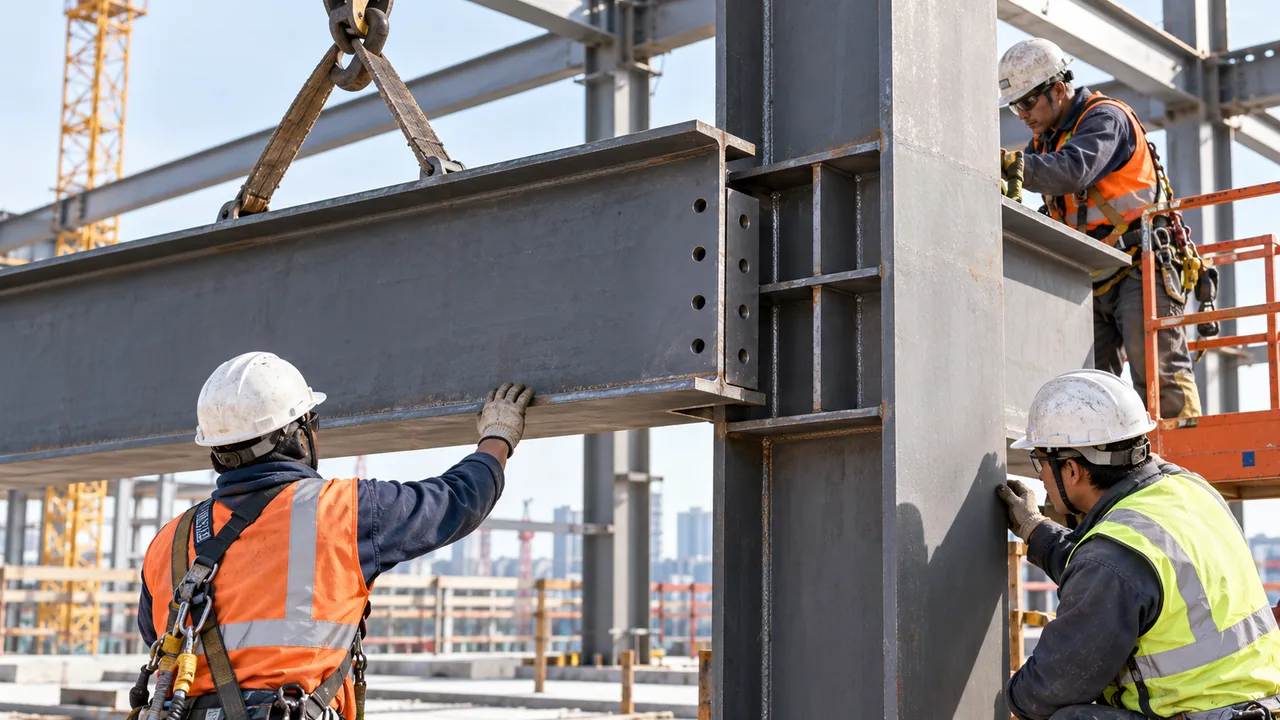
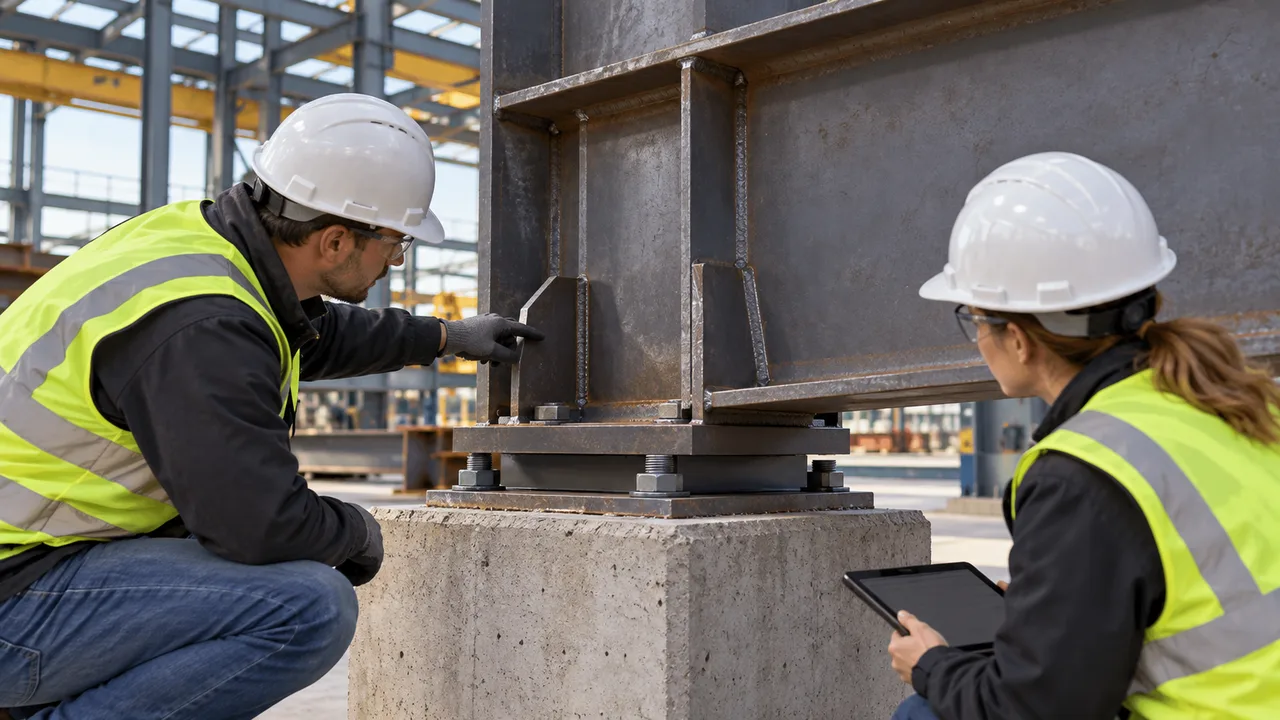
Steel columns, beams, roof members, and bracing systems can be fabricated in advance under controlled factory conditions. This improves dimensional accuracy and reduces delays during site installation.
Reduced On-Site Construction Time
Because most components are prepared before arriving on site, installation can proceed quickly once foundations are ready. This reduces site disruption and supports tighter construction schedules.
XTD Steel Structure supports logistics building projects with integrated engineering, fabrication, and coordination services for clients requiring efficient steel building delivery.
Easier Multi-Phase Expansion
Many logistics parks are developed in phases. Steel structures are well suited for phased expansion because additional bays, extensions, and connected facilities can be planned into the original structural concept.
Environmental and Operational Performance
Natural Ventilation and Lighting
Steel logistics buildings can integrate skylights, ventilation openings, louvers, and roof systems designed to improve indoor working conditions. Better ventilation and lighting can also support lower operating costs.
Energy-Efficient Building Envelope
Wall panels, roof insulation, and thermal systems can be selected based on climate and operational requirements. For facilities with temperature-sensitive goods, the building envelope becomes a critical part of performance.
Long-Term Maintenance Advantages
Properly protected steel structures offer long service life with manageable maintenance requirements. Surface treatments, coatings, and corrosion protection systems help extend durability in industrial environments.
Selecting a Steel Logistics Building Partner
Choosing a partner for a logistics building project requires more than basic steel fabrication capacity. The project team must understand logistics flow, structural efficiency, construction scheduling, shipping requirements, and installation coordination.
Important capabilities include:
- Engineering support for large-span logistics layouts
- Factory production capacity for structural steel components
- Experience with international project delivery
- Coordination between fabrication, packing, shipment, and site assembly
A strong supplier should help the project move from concept to completed facility with fewer coordination problems and better technical control.
Frequently Asked Questions
What is a steel structure logistics building?
It is a logistics facility built with a primary steel frame, designed for storage, distribution, loading operations, and supply chain movement.
Why are steel structures suitable for logistics facilities?
Steel structures provide large spans, fast construction, flexible layouts, and strong durability, making them suitable for modern logistics operations.
Can logistics buildings be expanded later?
Yes. Steel logistics buildings can be designed with future expansion in mind, allowing additional bays or connected facilities to be added later.
Build Modern Logistics Infrastructure with Steel Structures
A well-planned steel structure logistics building helps companies improve storage capacity, goods movement, and long-term operational flexibility. For logistics parks, distribution networks, and industrial supply chains, steel construction offers a practical path to faster development and scalable infrastructure.
With the right engineering and fabrication partner, logistics facilities can be delivered with better structural efficiency, smoother construction coordination, and stronger long-term value.