Storage Buildings Designed for Industrial Efficiency
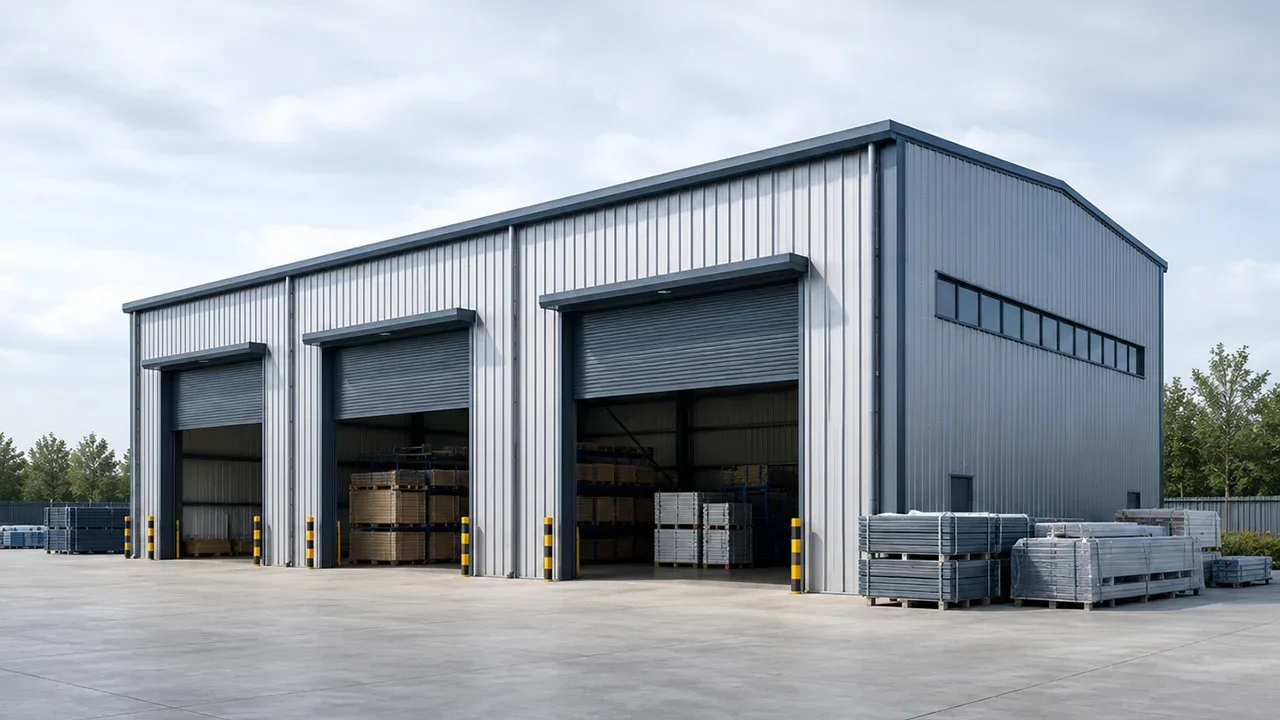
A storage building needs to do more than cover space. It must support movement, organization, protection, and future operational change. Steel structures help meet these requirements through efficient framing systems and adaptable interior planning.
- Large open areas for easier storage arrangement
- High-clearance interiors for vertical storage systems
- Wide access points for trucks, forklifts, and loading equipment
- Expandable structural layouts for future growth
- Durable framing systems for long-term operational use
For companies managing frequent inventory movement, these advantages can directly improve storage productivity and reduce layout limitations.
Common Uses of Steel Structure Storage Buildings
Industrial Material Storage
Industrial operations often require safe and organized storage for raw materials, components, tools, and production inventory. A steel structure storage building can be designed to support heavy loads, wide access routes, and efficient internal zoning.
These buildings are commonly used in manufacturing plants, processing facilities, and industrial parks where material handling must remain smooth and reliable.
Logistics and Distribution Storage
Logistics companies require storage buildings that support fast receiving, sorting, temporary holding, and dispatch. Steel structures make it easier to create wide-span interiors that work with forklifts, conveyors, loading docks, and racking systems.
For distribution hubs and supply chain facilities, interior flexibility is often more valuable than decorative complexity.
Agricultural and Bulk Storage
Agricultural storage buildings may be used for grain, feed, machinery, packaged products, or seasonal materials. Steel structures can be adapted with ventilation, moisture protection, and large door systems to suit agricultural operations.
The durability of steel also helps these facilities withstand demanding outdoor environments.
Commercial Storage Facilities
Commercial storage buildings can serve retail inventory, leasing spaces, equipment storage, or multi-tenant warehouse operations. Steel construction provides a flexible base that can be divided, expanded, or reconfigured according to business needs.
Interior Layout and Space Optimization
Column-Free Storage Areas
Internal columns can reduce usable storage space and complicate material movement. Steel framing systems allow wider spans, which creates cleaner interior zones for shelving, pallets, vehicles, and equipment.
For operators who need high storage density, fewer obstructions can make daily operations much easier.
Vertical Storage Capacity
High-clearance interiors allow storage systems to use vertical space more efficiently. This is especially important for pallet racking, bulk storage, and equipment storage.
Instead of expanding the footprint too early, companies can often improve capacity by designing the building height correctly from the beginning.
Vehicle and Loading Access
Storage buildings often require efficient access for trucks, forklifts, and loading equipment. Door placement, driveway width, dock height, and internal circulation routes should be planned together with the structural system.
A well-planned storage building reduces delays during receiving and dispatch.
Flexible Expansion Planning
Storage demand changes over time. Steel structures can be planned with future extension bays, modular wall systems, or expansion-friendly framing layouts.
This allows companies to start with the capacity they need today while keeping room for tomorrow’s growth.
Structural Performance for Storage Applications
Load-Bearing Capability
Storage buildings may need to support heavy materials, roof loads, suspended systems, or equipment-related loads. Engineers evaluate the actual operating conditions before finalizing the structural design.
Proper load planning helps ensure safe performance throughout the building’s service life.
Environmental Protection Systems
Stored materials often need protection from rain, wind, dust, sunlight, and temperature changes. Steel storage buildings can integrate wall panels, roof insulation, protective coatings, and sealed enclosure systems according to project needs.
Ventilation and Moisture Control
Moisture can damage many stored materials, especially agricultural products, packaging, machinery, and metal components. Ventilation systems, roof design, drainage planning, and insulation details should be considered early in the design process.
For certain storage uses, airflow planning can be just as important as structural framing.
Long-Term Structural Durability
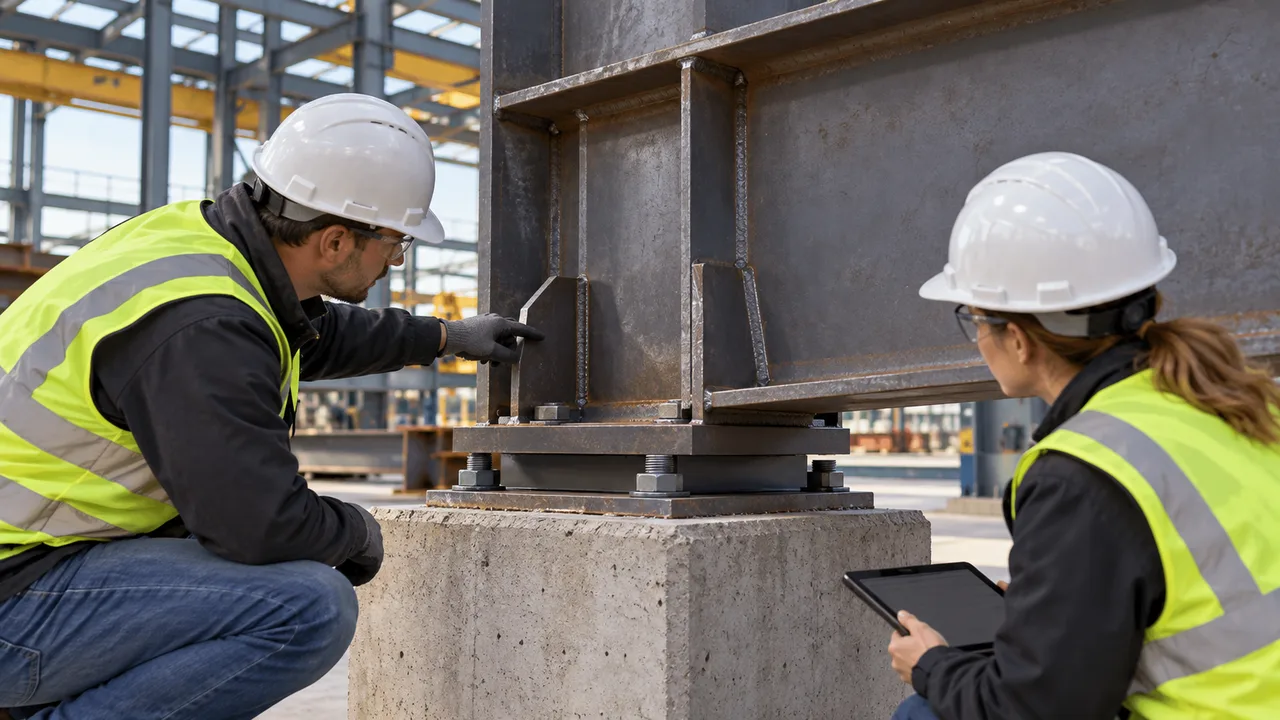
Steel structures are known for long service life when properly fabricated, protected, and maintained. Surface treatments such as galvanizing or anti-corrosion coating help protect components in humid, coastal, or industrial environments.
Fabrication and Construction Workflow
Precision Steel Component Production
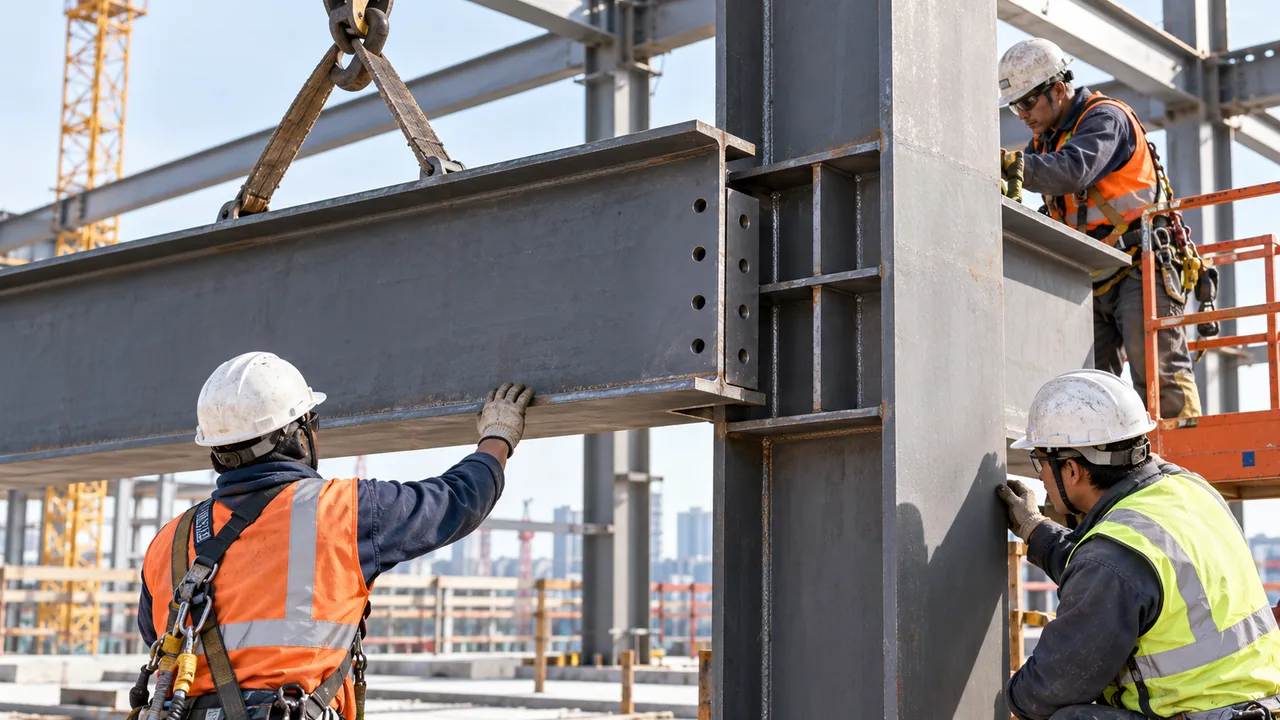
Steel components are manufactured in controlled factory conditions using cutting, drilling, welding, and assembly processes. Factory production improves dimensional accuracy and helps reduce installation errors on site.
Prefabrication Benefits for Storage Projects
- Shorter construction period
- Less on-site labor demand
- More predictable component quality
- Smoother project scheduling
- Reduced disruption to nearby operations
Faster Installation and Reduced Downtime
For companies expanding an existing facility, construction speed can directly affect business continuity. Prefabricated steel components allow faster assembly, helping reduce downtime and accelerate operational use.
Advantages of Steel Structure Storage Buildings
The main value of steel storage construction is not only strength. It is the combination of durability, speed, adaptability, and long-term efficiency.
- Efficient use of interior space
- Fast construction compared with many traditional methods
- Adaptable layout for different storage types
- Lower maintenance with proper surface protection
- Future expansion capability
- Suitable for industrial, agricultural, logistics, and commercial storage
A storage facility built with the right steel structure system can support current operations while staying ready for future business changes.
Choosing a Steel Storage Building Provider
Storage projects require more than basic steel supply. The provider should understand structural engineering, fabrication quality, logistics coordination, and the operational purpose of the building.
For international industrial and storage projects, XTD Steel Structure supports design coordination, component fabrication, and project execution based on specific site and usage requirements.
When evaluating a supplier, project owners should consider engineering capability, manufacturing capacity, material quality, coating options, and experience with storage-related building types.
Frequently Asked Questions
Can steel storage buildings support heavy loads?
Yes. Steel storage buildings can be engineered for heavy material storage, equipment loads, and specific operational requirements.
Are they suitable for long-term storage?
Yes. With proper enclosure design, ventilation, and corrosion protection, steel storage buildings can provide long-term storage performance.
Can the building expand later?
Yes. Steel structures can be designed with expansion planning, allowing additional bays or extended storage areas in the future.
What industries use steel storage buildings?
They are used in manufacturing, logistics, agriculture, retail, construction, equipment storage, and many industrial sectors.
Build Smarter Storage Infrastructure
A well-designed steel structure storage building helps companies improve storage capacity, protect materials, and maintain efficient operations. By combining strong structural performance with flexible space planning, steel buildings offer a practical foundation for modern storage needs.
For businesses planning new storage capacity or expanding an existing facility, steel construction provides a durable and scalable path toward smarter infrastructure.