What Is Steel Workshop Construction?
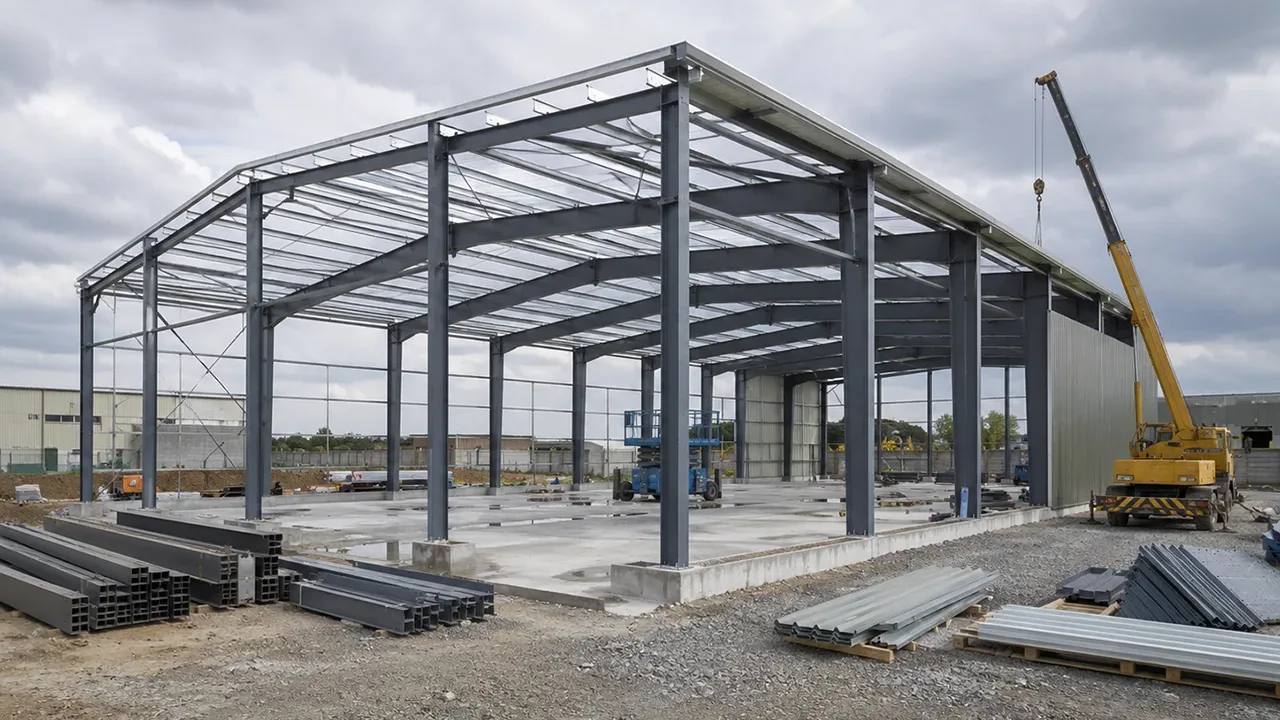
Steel workshop construction refers to the design, fabrication, and erection of steel-framed buildings specifically developed for industrial production, fabrication, maintenance, assembly, and manufacturing activities.
Unlike conventional concrete buildings, steel workshops utilize prefabricated structural components manufactured in controlled factory environments before being transported to the project site for installation.
The construction process typically includes:
- Project planning
- Structural engineering
- Steel fabrication
- Site preparation
- Building erection
- Final inspection and commissioning
This integrated approach helps improve quality control, reduce construction schedules, and optimize project costs.
Why Steel Is Ideal for Workshop Buildings
Large Open Working Areas
One of the primary advantages of steel workshop buildings is their ability to create large column-free workspaces.
Open layouts allow businesses to:
- Improve workflow efficiency
- Accommodate production lines
- Support large equipment installations
- Enhance material movement
- Increase operational flexibility
Large spans are particularly valuable for manufacturing and fabrication operations where uninterrupted workspace is essential.
Fast Construction Schedule
Steel workshop construction benefits from prefabricated components manufactured before site erection begins.
This approach helps:
- Reduce site labor requirements
- Shorten project schedules
- Improve installation efficiency
- Minimize weather-related delays
- Accelerate facility occupancy
Faster construction often enables businesses to begin operations sooner and improve return on investment.
High Structural Strength
Steel provides excellent strength-to-weight performance, allowing workshop buildings to support heavy industrial operations.
Structural systems can be engineered to accommodate:
- Production equipment
- Machinery installations
- Storage systems
- Overhead crane systems
- Heavy operational loads
This versatility makes steel suitable for a wide variety of industrial environments.
Future Expansion Flexibility
Business growth often requires facility expansion. Steel workshop buildings can be designed with future expansion in mind.
Expansion options may include:
- Building length extensions
- Additional production bays
- Expanded storage areas
- Equipment upgrades
- Operational reconfiguration
This adaptability supports long-term business development strategies.
Types of Steel Workshop Construction
Manufacturing Workshops
Manufacturing workshops are designed to support production operations, assembly processes, and industrial manufacturing activities.
Applications include:
- Consumer goods production
- Industrial manufacturing
- Assembly operations
- Component production
- Packaging facilities
Steel structures provide the open layouts and strength required for efficient manufacturing workflows.
Fabrication Workshops
Fabrication workshops support metalworking, structural fabrication, welding, and processing operations.
These facilities often include:
- Cutting equipment
- Welding stations
- Assembly areas
- Material storage zones
- Quality inspection areas
Proper building design helps improve productivity and operational efficiency.
Machinery Workshops
Machinery workshops are used for equipment manufacturing, repair services, maintenance operations, and mechanical processing.
Common activities include:
- Machine assembly
- Equipment maintenance
- Industrial repairs
- Mechanical fabrication
- Testing operations
These workshops frequently require specialized layouts and heavy-duty structural systems.
Multi-Purpose Industrial Workshops
Many businesses require flexible workshop environments capable of supporting multiple operational functions.
These facilities may combine:
- Production areas
- Storage facilities
- Maintenance operations
- Administrative offices
- Logistics functions
Steel structures provide the flexibility needed for changing operational requirements.
Main Components of a Steel Workshop Building
Primary Steel Frame
The primary frame forms the main structural skeleton of the workshop building.
Major components include:
- Steel columns
- Steel rafters
- Rigid frame connections
- Main structural supports
The frame transfers building loads safely to the foundation system.
Secondary Steel Members
Secondary structural components support roofing and wall systems while improving structural stability.
Common members include:
- C purlins
- Z purlins
- Wall girts
- Bracing systems
These elements contribute significantly to overall building performance.
Roof and Wall Systems
Building envelopes protect workshop operations from environmental conditions.
Options may include:
- Insulated panels
- Metal cladding systems
- Composite wall panels
- Energy-efficient roofing systems
The appropriate selection depends on climate, operational requirements, and energy efficiency goals.
Doors, Windows, and Ventilation
Proper access systems and ventilation contribute to workplace efficiency and employee comfort.
Features often include:
- Industrial doors
- Rolling shutters
- Skylights
- Ventilation systems
- Natural lighting solutions
Well-designed environmental systems help improve productivity and operational conditions.
Engineering Considerations
Building Dimensions
Workshop dimensions must align with operational requirements and production objectives.
Important considerations include:
- Building width
- Building length
- Clear height requirements
- Future expansion space
Proper planning ensures the facility supports both current and future needs.
Equipment Load Requirements
Production equipment and industrial machinery influence structural design requirements.
Engineering evaluations often consider:
- Equipment loads
- Dynamic forces
- Crane capacities
- Floor loading requirements
Accurate analysis helps ensure operational safety and structural reliability.
Environmental Conditions
Local environmental factors significantly impact workshop design.
Design criteria may include:
- Wind loads
- Snow loads
- Seismic requirements
- Temperature conditions
- Corrosion exposure
Environmental analysis supports long-term building performance.
Future Production Planning
Workshop design should accommodate future business growth whenever possible.
Forward-looking planning can help reduce future modification costs and operational disruptions.
Steel Workshop Construction Process
Project Planning and Design
The project begins with understanding operational requirements, production processes, and facility objectives.
Engineering and Structural Analysis
Structural engineers perform calculations and develop designs that satisfy operational and regulatory requirements.
Fabrication of Steel Components
Steel components are manufactured using CNC equipment and quality-controlled fabrication procedures.
Site Preparation
Foundation systems and site infrastructure are prepared before structural erection begins.
Structural Erection
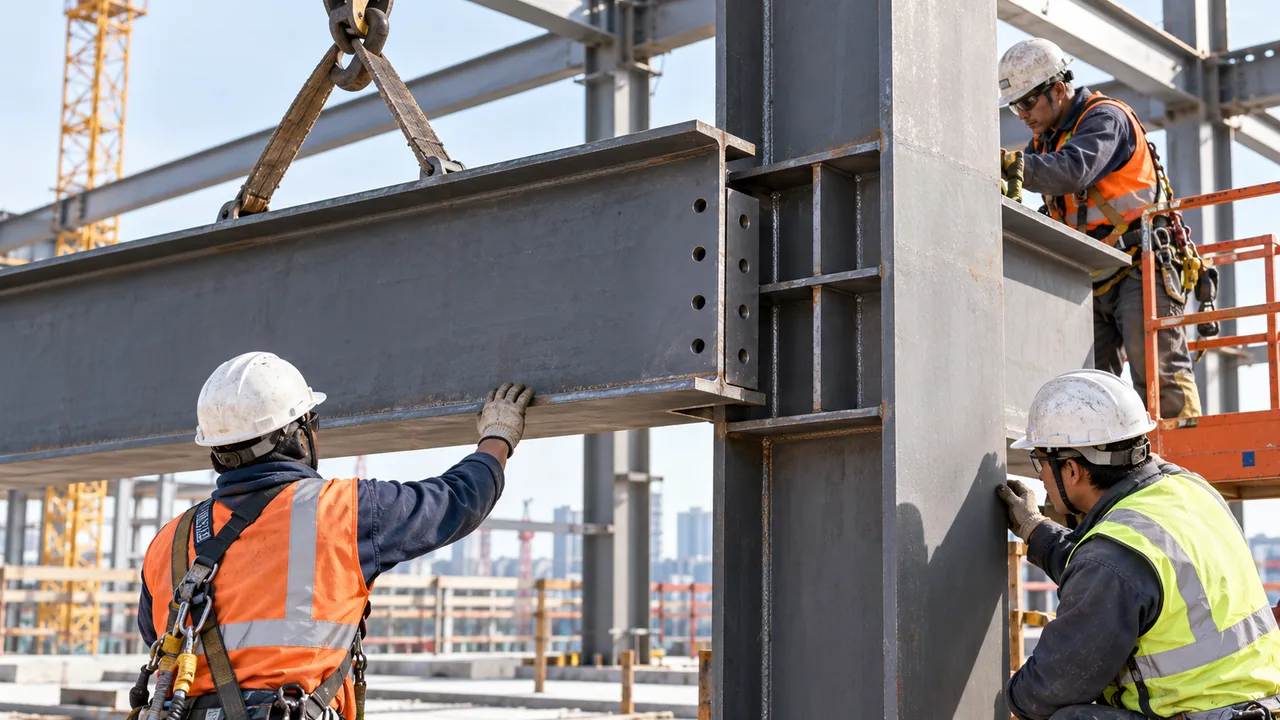
Prefabricated components are assembled according to approved installation procedures.
Building Completion and Inspection
Final inspections verify compliance with project requirements before occupancy and operation.
Quality Control During Construction
Material Inspection
All incoming materials are inspected to ensure compliance with specifications and quality requirements.
Fabrication Quality Verification
Manufactured components undergo inspections to confirm dimensional accuracy and workmanship quality.
Installation Inspection
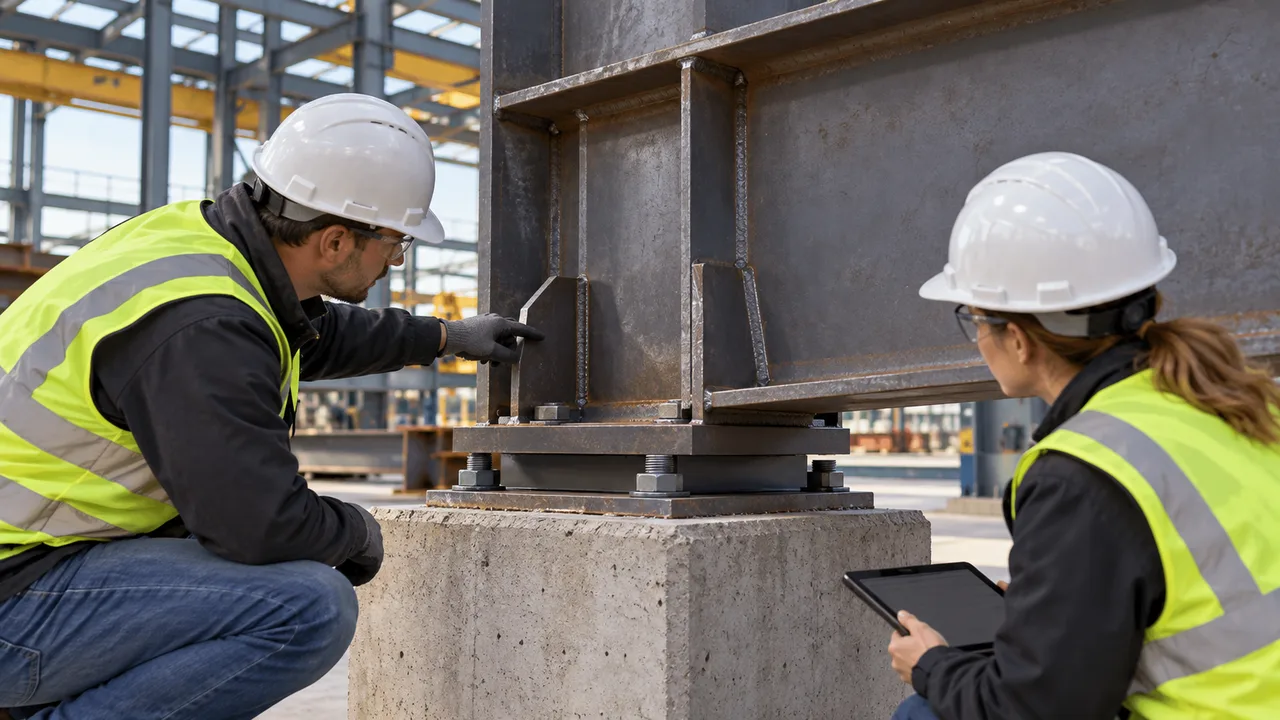
Construction teams verify alignment, connections, and installation quality throughout erection activities.
Final Acceptance Procedures
Comprehensive inspections confirm that the completed workshop meets engineering and operational requirements.
Benefits of Steel Workshop Construction
Faster Project Delivery
Prefabricated steel systems reduce construction schedules and improve project efficiency.
Lower Maintenance Requirements
Modern steel structures require relatively low maintenance when properly protected.
Better Space Utilization
Large-span designs maximize usable workspace and operational flexibility.
Cost Efficiency
Efficient material use and reduced construction time can improve overall project economics.
Long Service Life
Professionally engineered steel workshops can provide decades of reliable service.
Applications of Steel Workshop Buildings
Manufacturing Industry
Manufacturing facilities use steel workshops for production, assembly, and industrial operations.
Automotive Industry
Automotive facilities benefit from large-span workshop environments that support equipment and assembly systems.
Machinery Production
Machinery manufacturers rely on steel workshop buildings to support fabrication and assembly activities.
Agricultural Equipment Facilities
Steel workshops provide durable environments for agricultural equipment production and maintenance.
Logistics and Maintenance Operations
Service centers and logistics facilities frequently utilize steel workshop buildings due to their flexibility and durability.
Why Choose XTD Steel Structure
Complete Design and Construction Support
XTD Steel Structure provides comprehensive support from engineering and fabrication through project delivery.
Advanced Manufacturing Facilities
Modern production equipment helps ensure quality, precision, and efficient manufacturing.
International Project Experience
XTD Steel Structure has supplied steel building solutions for industrial projects across global markets.
Reliable Quality Management
Comprehensive quality control systems help ensure consistent project performance and customer satisfaction.
Frequently Asked Questions
What is steel workshop construction?
Steel workshop construction involves designing and building steel-framed facilities used for manufacturing, fabrication, maintenance, and industrial operations.
How long does a steel workshop project take?
Project duration varies based on building size, complexity, fabrication schedules, and site conditions.
Can steel workshops support overhead cranes?
Yes. Steel workshops can be engineered to support various overhead crane capacities and operational requirements.
Can steel workshop buildings be expanded later?
Many steel workshop buildings are designed with future expansion capabilities to support business growth.
Start Your Steel Workshop Project
Steel workshop construction provides an efficient, durable, and flexible solution for modern industrial operations. From manufacturing and fabrication facilities to machinery production and maintenance centers, steel workshops deliver the structural performance necessary for long-term business success.
Partnering with an experienced steel structure manufacturer helps ensure quality engineering, efficient construction, and reliable facility performance throughout the building’s lifecycle.