Overview of Prefabricated Steel Factory Solutions
Industrial production facilities require buildings that can support complex workflows, heavy machinery, and continuous operations. A well-designed prefabricated steel factory ensures efficient space utilization while maintaining structural integrity.
Steel construction enables large spans and high clear heights, allowing flexible layout planning for equipment and production lines. This is especially important for industries that require adaptable manufacturing environments.
Additionally, prefabricated factories are scalable. Businesses can expand their facilities as production demand increases, making them a practical solution for long-term industrial development.
Types of Prefabricated Steel Factory Structures
Portal Frame Steel Factories
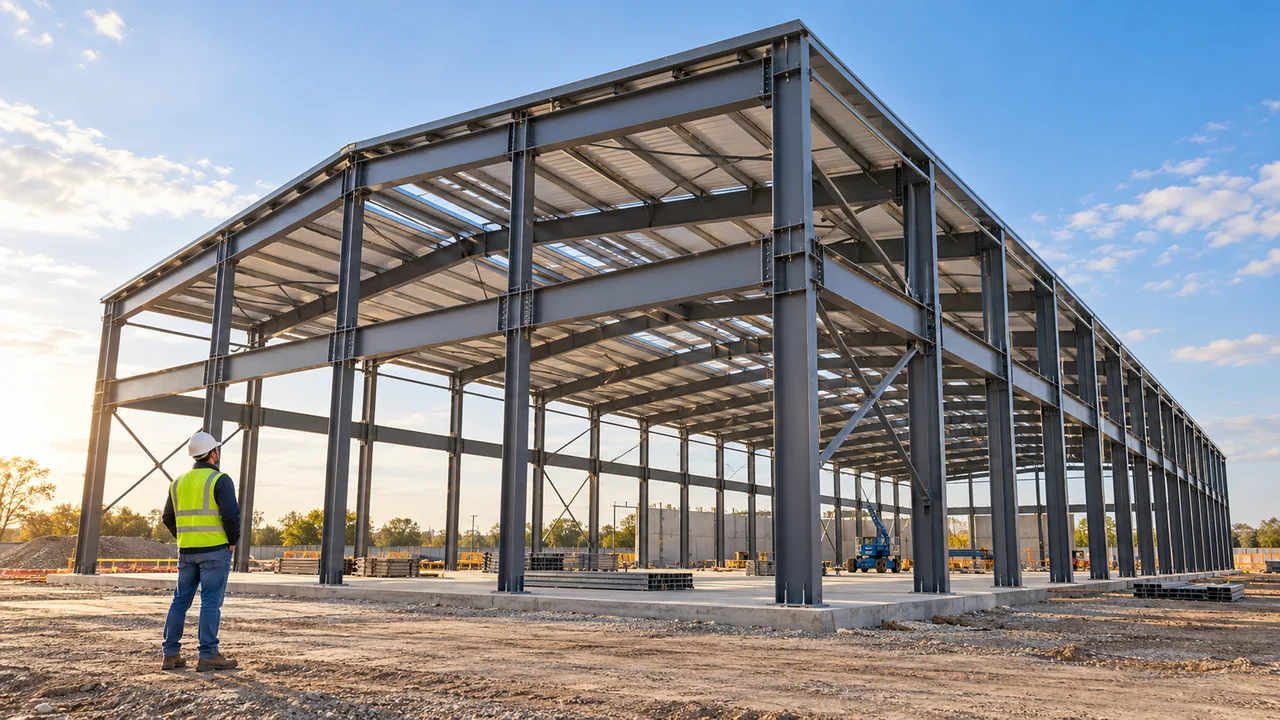
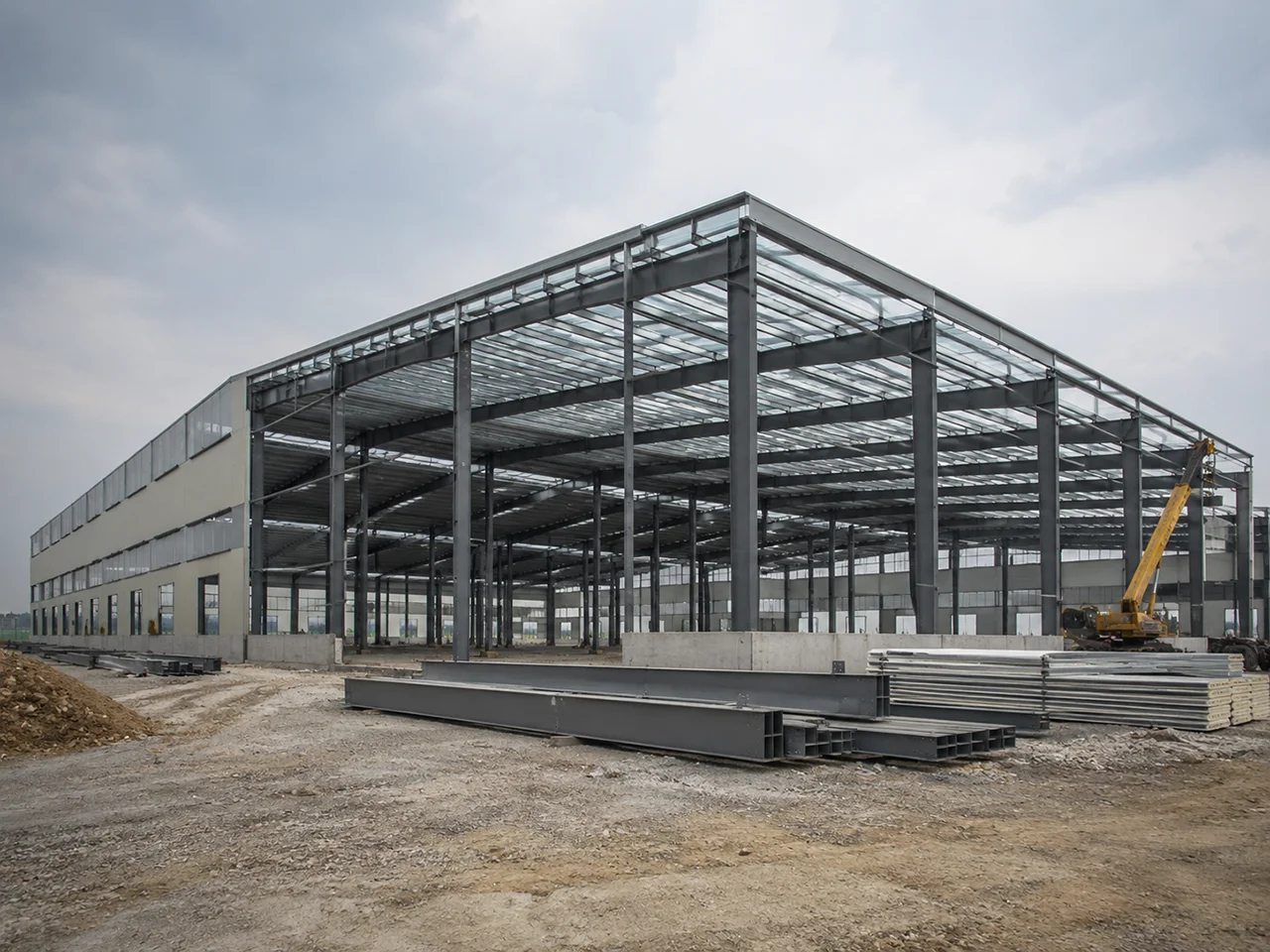
Portal frame structures are the most common type of prefabricated factory building. They consist of rigid frames made from steel columns and beams, providing efficient load distribution and large internal spaces.
These structures are widely used for general industrial applications.
Large Span Steel Factory Buildings
Large span factory buildings provide wide, column-free interiors that allow maximum flexibility in equipment placement and workflow design.
This design supports efficient production processes and reduces internal obstructions.
Multi-Zone Prefabricated Factories
Multi-zone factories integrate different functional areas within one structure. A prefabricated steel factory can include production zones, storage areas, and office spaces.
This integrated approach improves operational efficiency and reduces internal logistics costs.
Applications of Prefabricated Steel Factories
Manufacturing Plants
Prefabricated steel factories are widely used in manufacturing plants for various industries. They provide the necessary space and structural support for production lines and heavy machinery.
These facilities are essential for efficient industrial output.
Assembly and Processing Facilities
Assembly plants and processing facilities benefit from flexible layouts and efficient workflows. Steel structures support modular production systems and streamlined operations.
Specialized Industrial Factories
Some industries require specialized factory environments, such as heavy equipment manufacturing or high-precision processing. Steel structures can be customized to meet these specific needs.
Structural Design Considerations
Production Layout Optimization
Efficient layout design is crucial for factory performance. Engineers plan the arrangement of production lines, machinery, and workflow paths to maximize productivity.
This ensures smooth and efficient operations.
Load Requirements and Structural Safety
Factories must support heavy equipment and operational loads. Structural systems are reinforced to ensure safety and long-term performance.
Proper load analysis ensures stability under industrial conditions.
Environmental and Operational Conditions
Factory buildings must meet environmental and operational requirements, including:
- Ventilation systems
- Natural and artificial lighting
- Safety compliance standards
These factors ensure a safe and productive working environment.
Prefabrication and Manufacturing Process
Steel Component Production
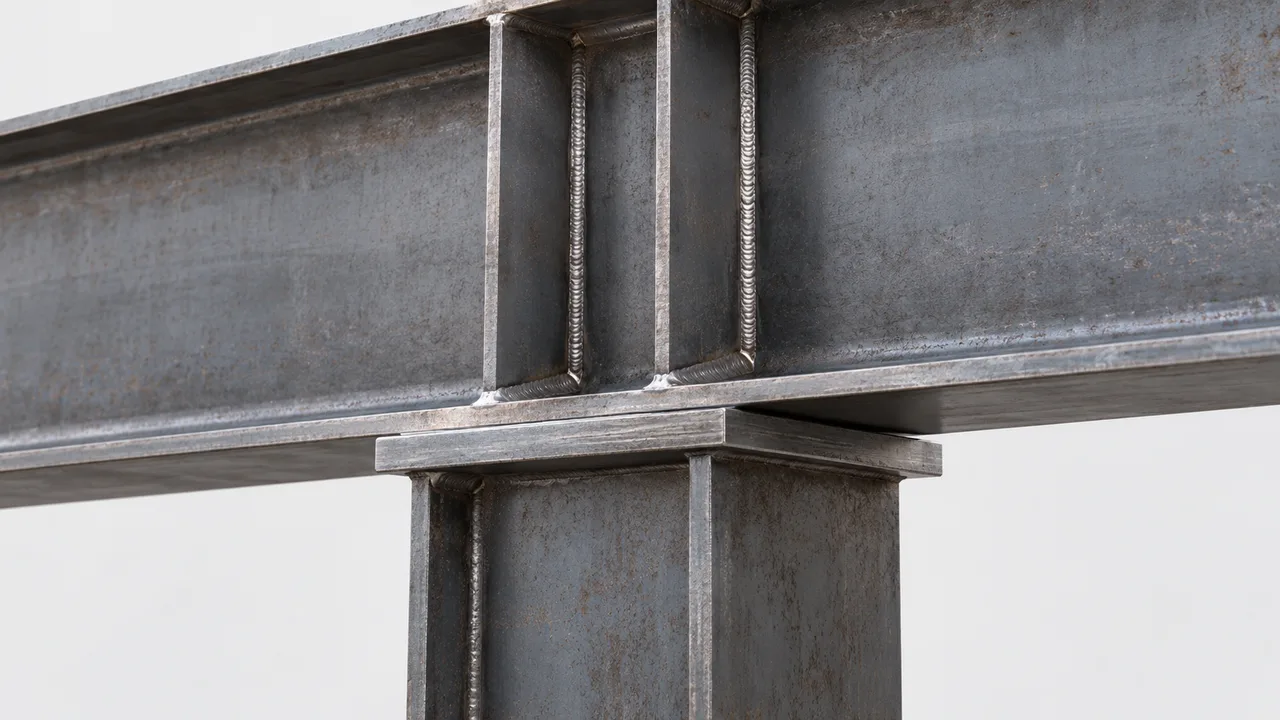
Structural components are produced in factories using advanced processes such as cutting, welding, and drilling.
This ensures precision and consistency in every component.
Surface Treatment and Protection
Steel components are treated to resist corrosion and environmental exposure through:
- Hot-dip galvanizing
- Protective coatings
- Industrial paint systems
These treatments extend the lifespan of the factory structure.
Quality Control and Industrial Standards
Strict quality control procedures are implemented, including inspections, testing, and compliance checks to meet industrial standards.
Construction and Installation
Off-Site Prefabrication Benefits
Most components of a prefabricated steel factory are manufactured off-site, reducing construction time and improving efficiency.
Transportation and Site Logistics
Components are delivered to the project site using organized logistics planning to ensure smooth installation.
Rapid On-Site Assembly
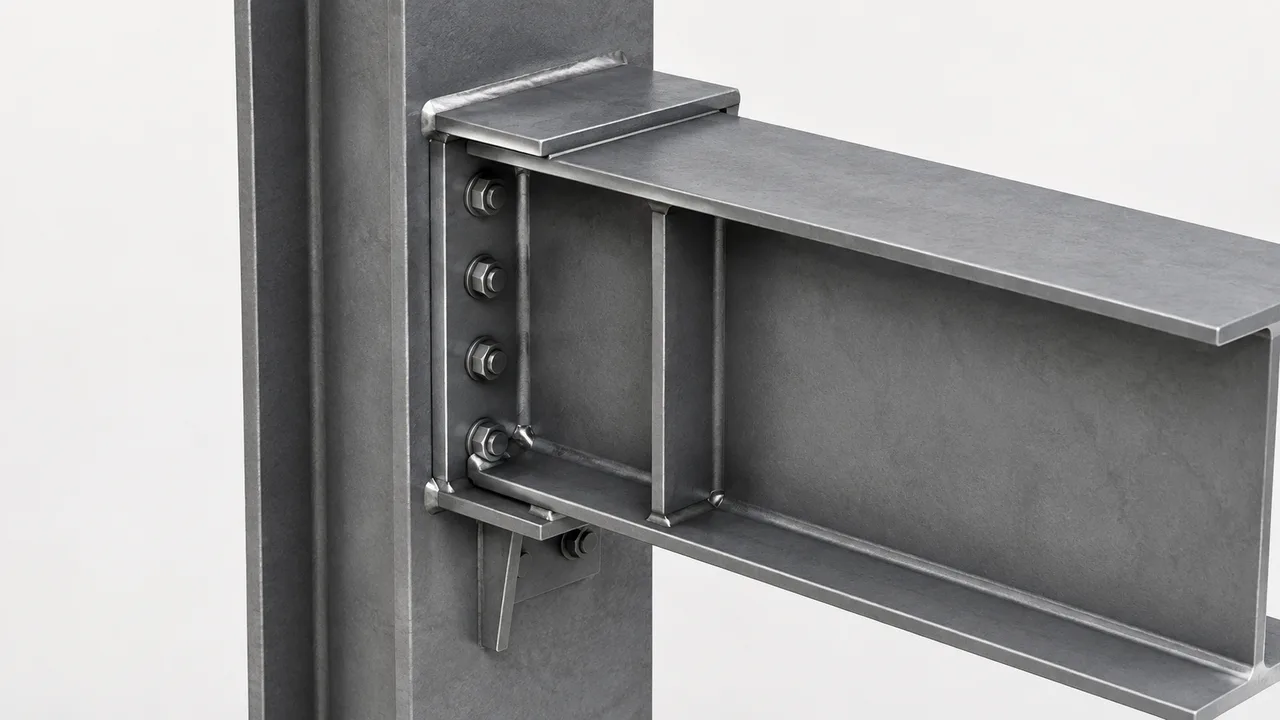
On-site assembly is carried out using bolted connections or welding, allowing fast and accurate installation.
Advantages of Prefabricated Steel Factory
- Fast construction timeline
- Cost-effective solution
- Flexible factory layout
- High structural durability
- Easy future expansion
These advantages make prefabricated steel factories an ideal choice for industrial projects.
Why Choose a Prefabricated Steel Factory Supplier
Engineering Expertise
Experienced engineering teams provide customized solutions for different industrial needs.
Manufacturing Capacity
Advanced production facilities ensure high-quality output and scalable manufacturing capability.
Global Project Experience
International experience supports efficient execution of complex industrial projects.
As a trusted provider, XTD Steel Structure offers integrated services covering design, fabrication, and installation for factory projects worldwide.
Frequently Asked Questions
What is a prefabricated steel factory?
It is a factory building where structural components are manufactured in a factory and assembled on-site.
How fast can it be built?
Construction is significantly faster than traditional methods due to prefabrication.
Is it suitable for heavy industry?
Yes, it can be designed to support heavy industrial operations.
Can it be expanded later?
Yes, modular design allows easy expansion.
Start Your Prefabricated Steel Factory Project
A well-designed prefabricated steel factory provides efficiency, durability, and flexibility for modern industrial production. With proper engineering and manufacturing, these facilities can support long-term operational success.
Working with experienced professionals ensures that every stage of the project is executed efficiently, from planning to installation.