Overview of Agricultural Steel Structure Building Solutions
Modern agriculture requires infrastructure that can withstand heavy use, changing weather conditions, and continuous operational demands. A well-designed agricultural steel structure building provides structural stability while improving workflow efficiency across farming activities.
Steel construction systems allow large interior spans and high clear heights, making them suitable for storing machinery, agricultural products, and farming equipment. These buildings can also support ventilation systems, environmental controls, and customized layouts for different agricultural applications.
Additionally, steel agricultural structures are highly scalable. Farm owners can expand facilities or modify layouts as production requirements evolve, making steel buildings a practical long-term investment.
Types of Agricultural Steel Structure Buildings
Livestock and Poultry Buildings
Steel structures are widely used for livestock and poultry farming facilities due to their durability and flexible layouts. These buildings can accommodate ventilation systems, feeding equipment, and environmental controls required for animal welfare.
Common applications include:
- Dairy farm buildings
- Poultry housing facilities
- Animal shelters and barns
Large open spaces also improve movement efficiency and operational management.
Agricultural Storage Buildings
Storage facilities are critical in agricultural operations. Steel buildings provide secure and weather-resistant environments for storing crops, grain, feed, and farming equipment.
The structural strength of steel allows for large storage capacities while maintaining efficient internal layouts.
Multi-Purpose Farm Buildings
A agricultural steel structure building can also serve multiple functions within a single facility. Farmers often combine storage, processing, equipment maintenance, and operational areas into one integrated structure.
This flexibility helps reduce operational costs and improve workflow efficiency.
Applications of Agricultural Steel Structure Buildings
Crop Storage and Processing
Agricultural products require controlled storage conditions to maintain quality and reduce losses. Steel buildings can support insulation systems, ventilation, and climate control solutions for crop storage and processing operations.
These facilities also protect products from rain, wind, and temperature fluctuations.
Livestock Farming Facilities
Livestock operations require durable buildings capable of supporting ventilation, feeding systems, and sanitary conditions. Steel agricultural buildings are commonly used in dairy farms, poultry operations, and other animal farming facilities.
A properly designed agricultural steel structure building improves operational efficiency while supporting animal welfare standards.
Agricultural Equipment Warehouses
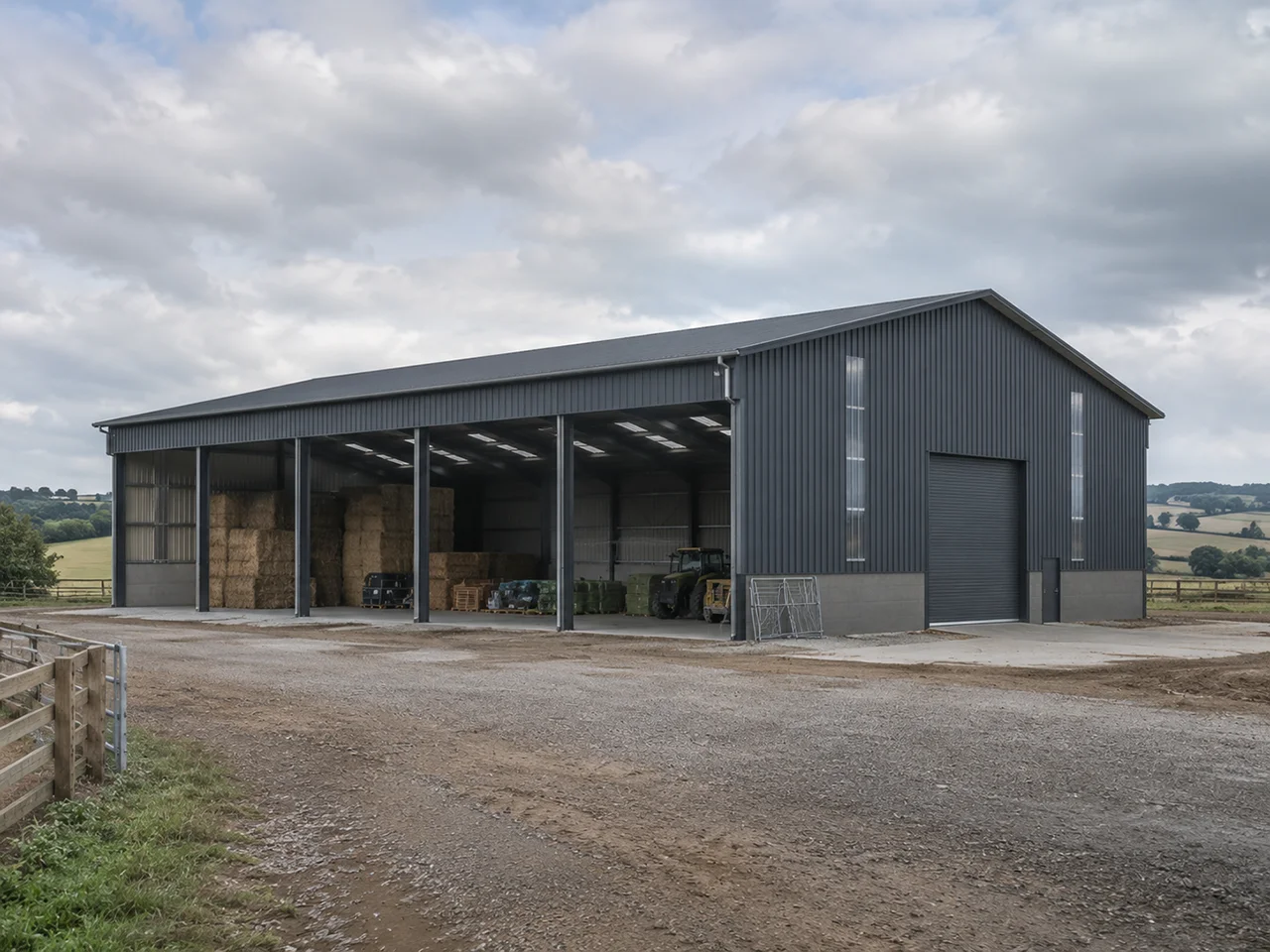
Modern farms rely heavily on agricultural machinery and equipment. Steel warehouses provide protected environments for tractors, harvesters, irrigation systems, and maintenance equipment.
Large-span steel structures also allow easy vehicle movement and equipment servicing.
Structural Design Considerations
Ventilation and Environmental Performance
Proper ventilation is essential in agricultural environments. Structural designs must support airflow optimization and environmental control systems to maintain healthy conditions for crops and livestock.
Temperature and humidity management are particularly important in livestock and crop storage applications.
Durability in Agricultural Environments
Agricultural buildings are often exposed to moisture, chemicals, and changing weather conditions. Steel structures are treated with protective systems to improve corrosion resistance and long-term durability.
Common protective systems include:
- Hot-dip galvanizing
- Protective paint coatings
- Corrosion-resistant treatments
These treatments extend the lifespan of the structure while reducing maintenance requirements.
Flexible Layout and Expansion
Farm operations can change significantly over time. Steel structures allow flexible layouts that can be modified or expanded as operational needs evolve.
This scalability makes steel agricultural buildings suitable for long-term development strategies.
Fabrication and Manufacturing Process
Steel Component Production
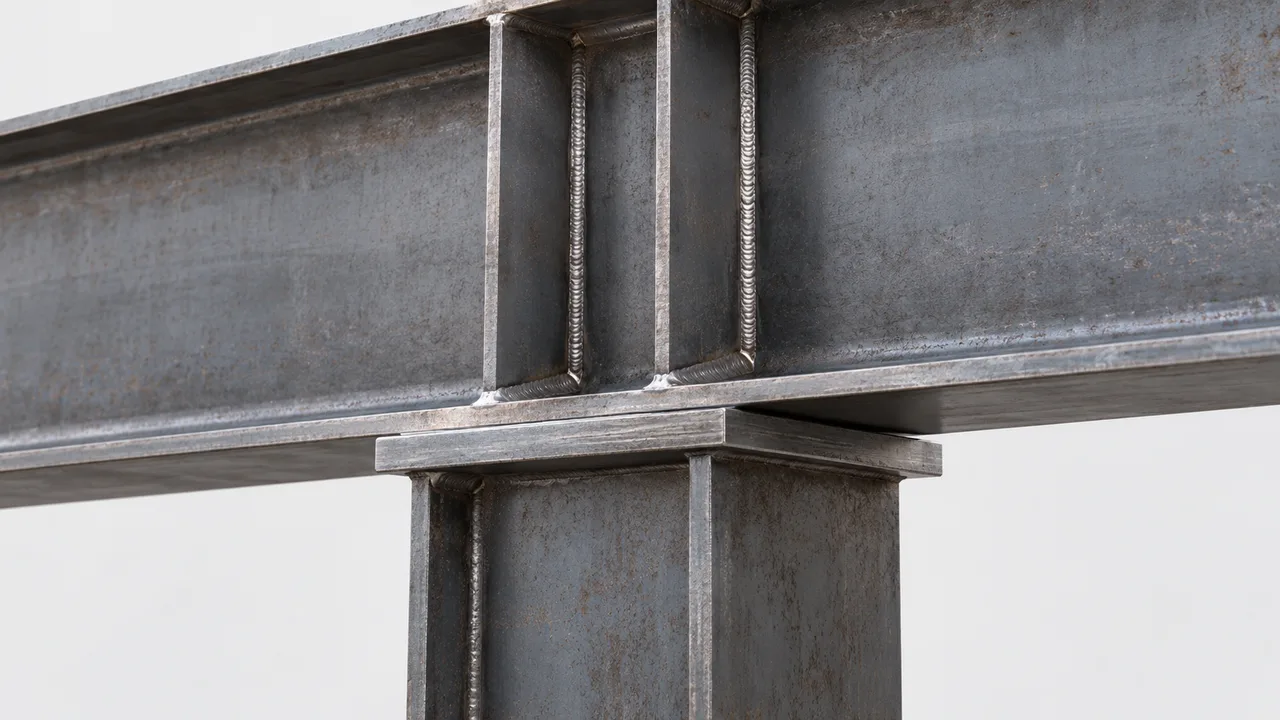
Structural steel components are manufactured using advanced production technologies such as cutting, drilling, welding, and forming. Precision manufacturing ensures accurate dimensions and structural consistency.
Factory-controlled production also improves quality management throughout the project.
Surface Protection Systems
Protective treatments are applied to improve durability and environmental resistance. These systems help protect steel components from moisture, corrosion, and chemical exposure commonly found in agricultural environments.
Typical protection systems include galvanizing and industrial-grade coating applications.
Quality Control and Structural Standards
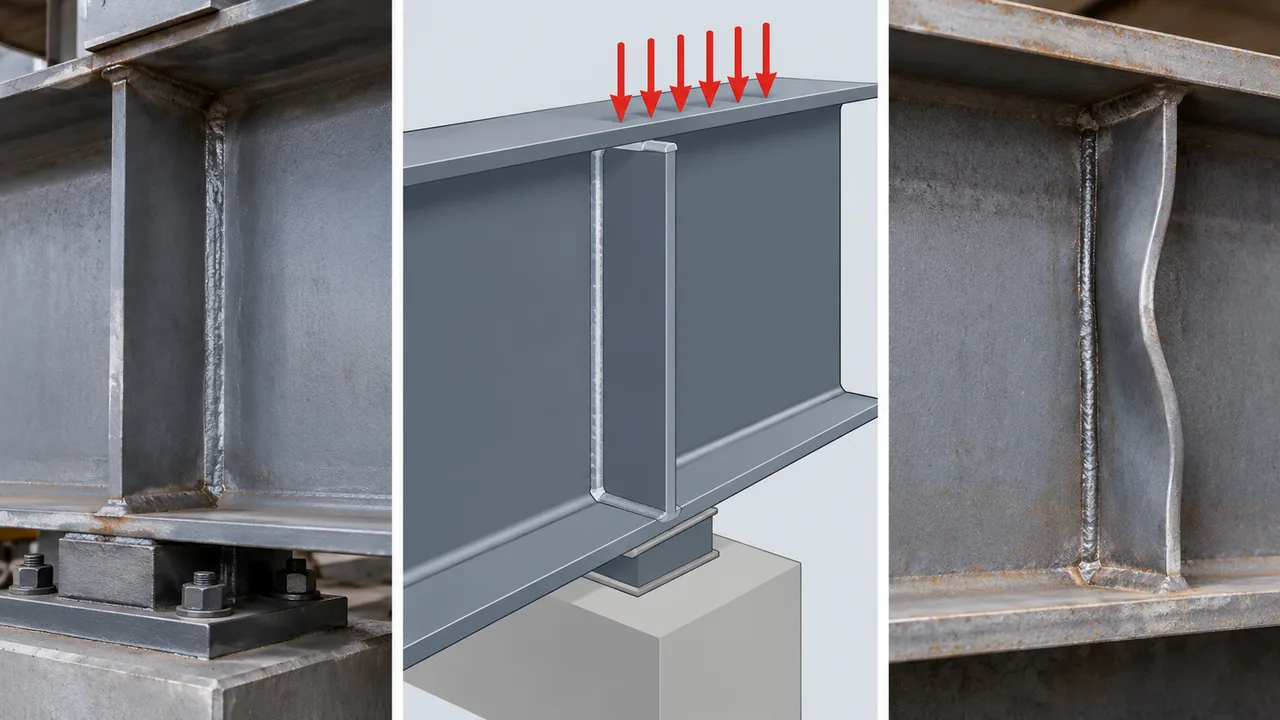
Strict quality control procedures are implemented during fabrication. Inspections include weld testing, dimensional verification, and material quality checks to ensure compliance with engineering standards.
Construction and Installation
Prefabrication Advantages for Agricultural Projects
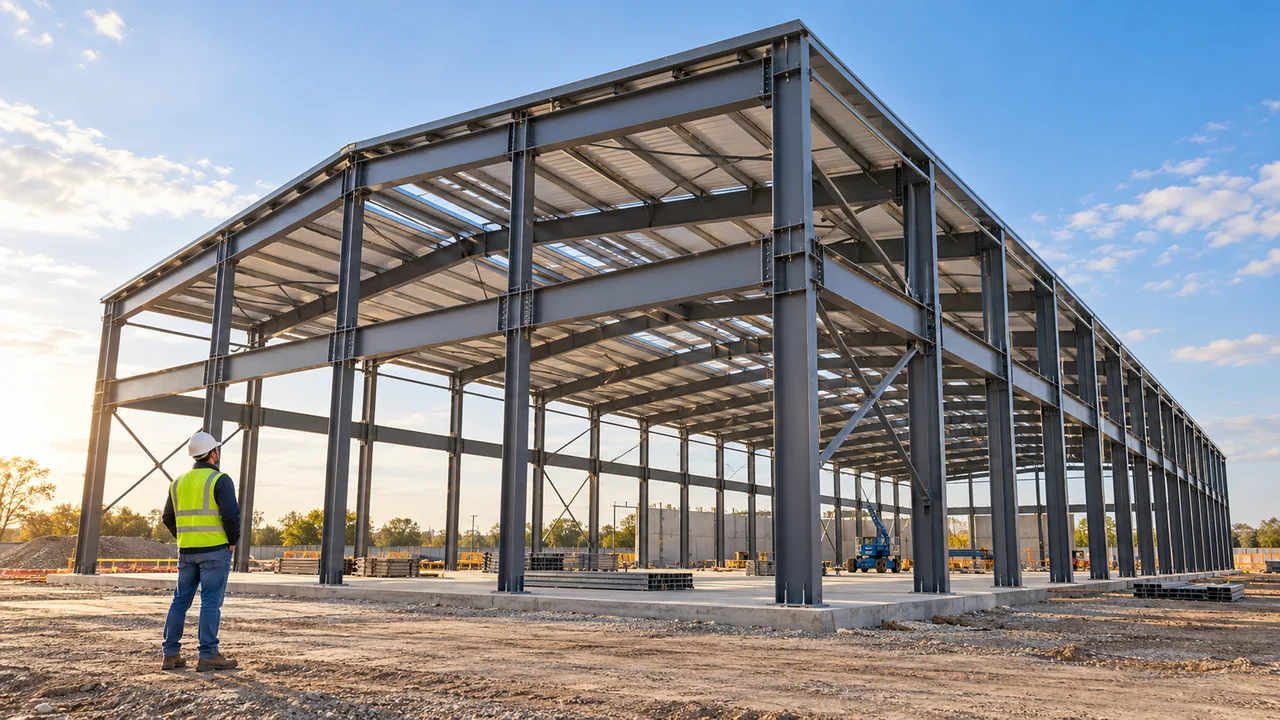
Prefabrication allows most structural elements of an agricultural steel structure building to be produced before arriving at the construction site. This reduces construction time and improves installation efficiency.
Transportation and Site Coordination
Large steel components are transported to the project site according to planned logistics schedules. Proper coordination ensures smooth installation and minimizes project delays.
On-Site Installation Process
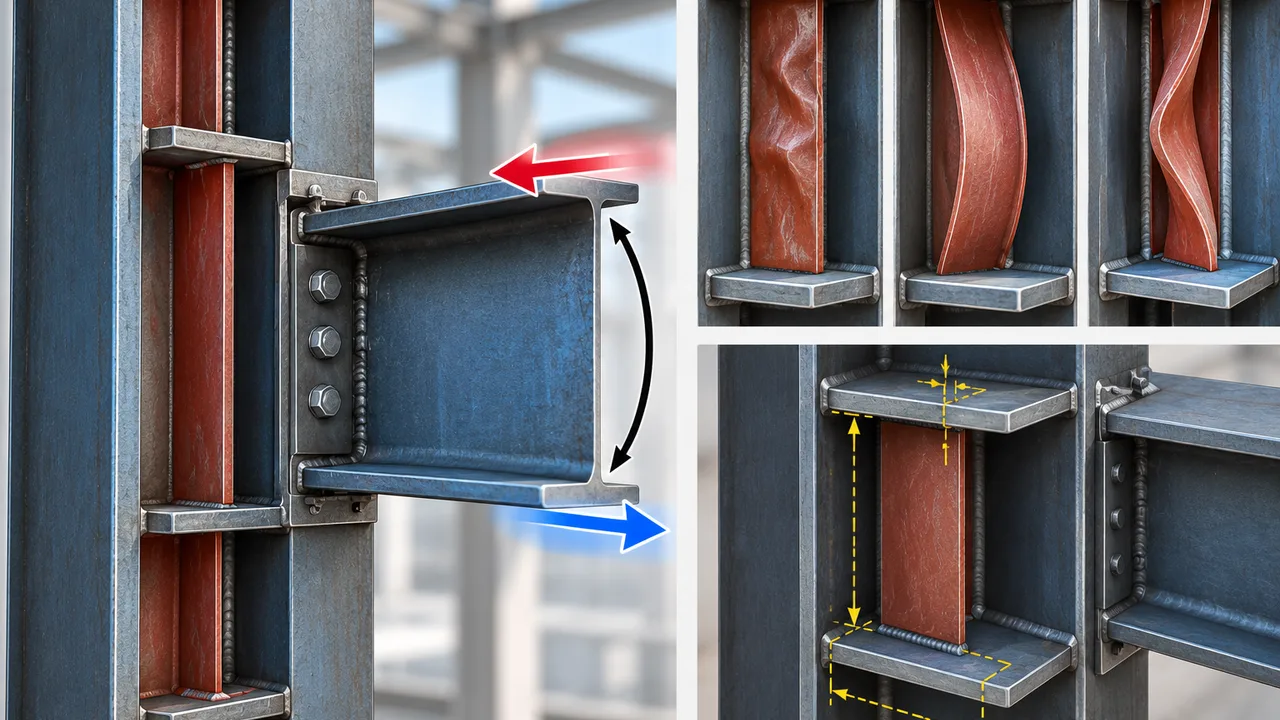
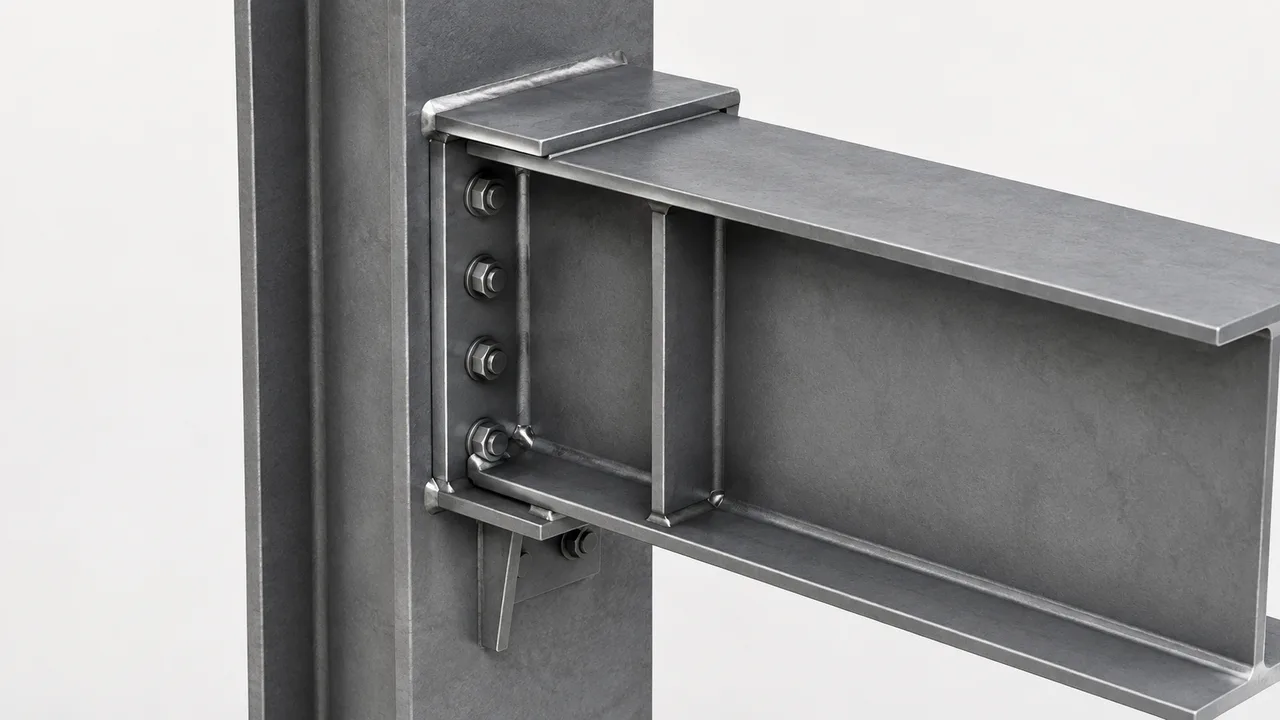
At the construction site, structural components are assembled using bolted connections or welding systems. Accurate alignment and safety procedures are essential during the installation process.
Advantages of Agricultural Steel Structure Building
- Durable agricultural infrastructure
- Low maintenance requirements
- Fast construction timeline
- Flexible design configurations
- Long service life
These advantages make steel buildings an ideal solution for modern agricultural operations.
Why Choose an Agricultural Steel Structure Supplier
Agricultural Engineering Experience
Experienced engineering teams understand the operational requirements of modern agricultural facilities and can provide customized structural solutions.
Manufacturing Capability
Advanced fabrication facilities ensure consistent production quality and efficient project execution.
Global Agricultural Project Experience
International project experience allows suppliers to adapt designs to different climates, regulations, and agricultural operating conditions.
As a reliable provider of agricultural building solutions, XTD Steel Structure offers integrated services covering design, fabrication, and installation for farming and agricultural projects worldwide.
Frequently Asked Questions
What is an agricultural steel structure building?
It is a steel building designed for agricultural operations such as storage, livestock farming, and equipment protection.
Is it suitable for livestock farming?
Yes, steel agricultural buildings are widely used for poultry, dairy, and livestock facilities.
Can it support agricultural equipment storage?
Yes, steel warehouses provide secure and spacious environments for machinery and equipment storage.
How durable is a steel agricultural building?
With proper protective treatments and engineering design, steel agricultural buildings offer excellent long-term durability.
Start Your Agricultural Steel Structure Building Project
A well-designed agricultural steel structure building provides durability, flexibility, and operational efficiency for modern farming environments. With proper engineering and high-quality fabrication, these buildings support long-term agricultural development.
Working with experienced professionals ensures efficient project execution from initial planning to final installation.