Overview of Residential Steel Structure Building Solutions
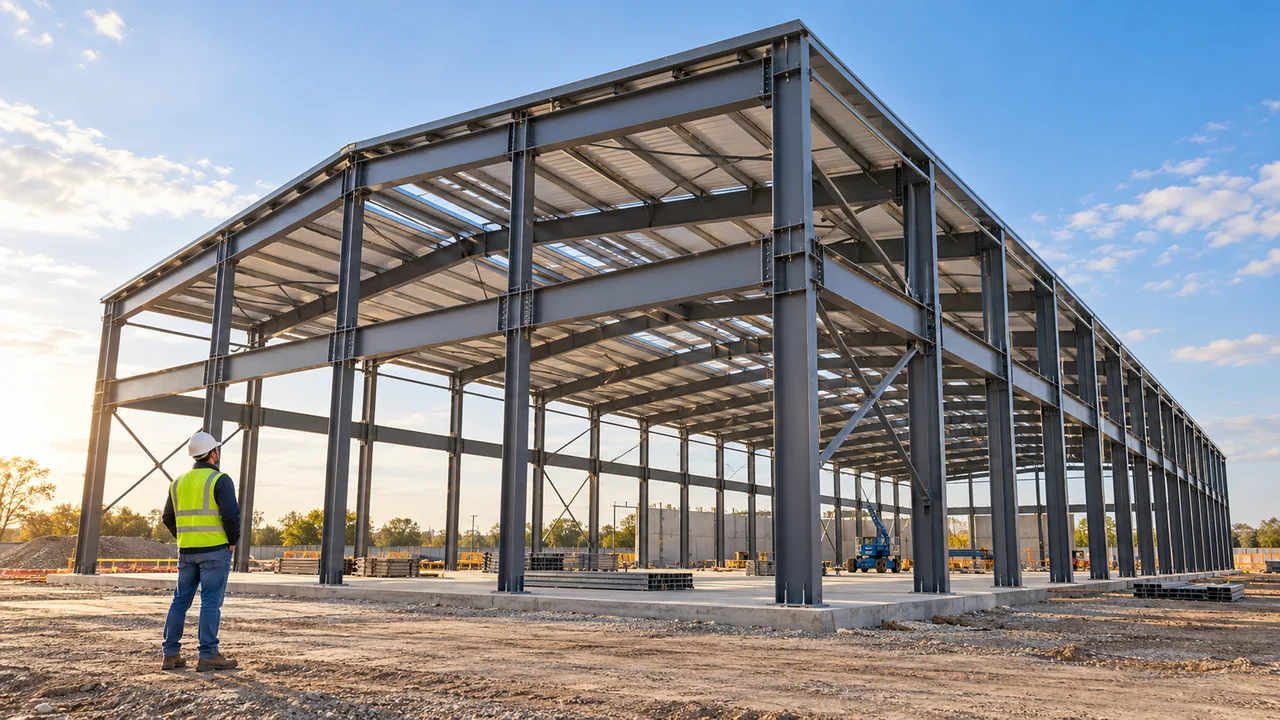
Residential construction requires buildings that provide safety, comfort, durability, and long-term value. A well-designed residential steel structure building combines structural reliability with modern living requirements.
Steel structures allow architects and engineers to create open interior spaces with fewer structural limitations. This flexibility supports customized layouts, larger windows, and modern design aesthetics.
In addition, steel residential systems can be adapted for future expansion or renovation, making them suitable for evolving residential needs.
Types of Residential Steel Structure Buildings
Single-Family Steel Structure Homes
Single-family steel homes are widely used in modern residential construction. Steel framing systems provide structural stability while allowing flexible architectural design.
These homes can support contemporary layouts with open spaces and efficient room planning.
Multi-Story Residential Steel Buildings
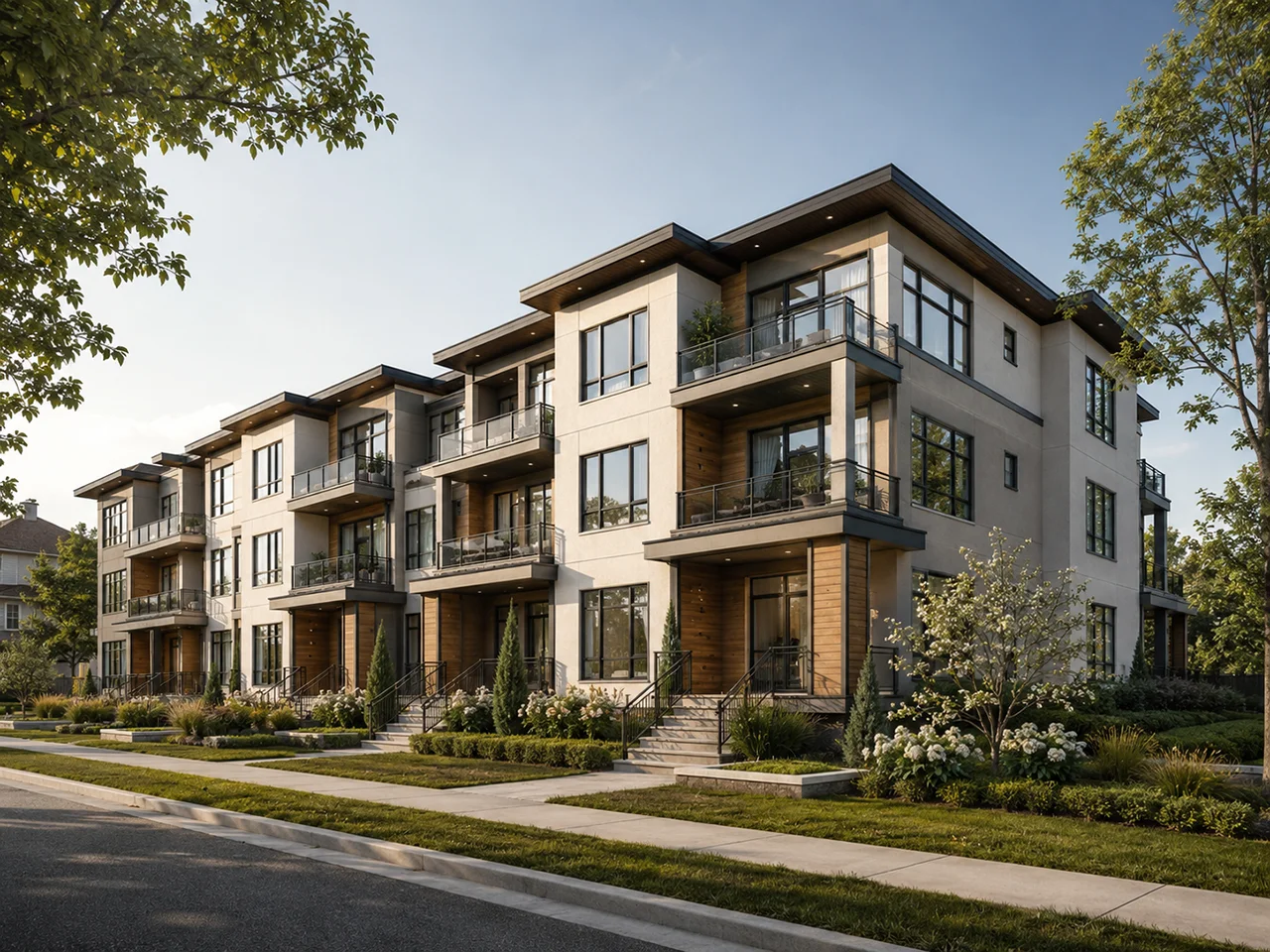
Steel structures are also suitable for apartments and multi-story residential developments. Their high strength allows efficient support for vertical construction while maintaining structural stability.
This makes steel systems ideal for urban residential projects where space optimization is important.
Prefabricated Residential Steel Buildings
Prefabricated systems use factory-made steel components that are transported to the project site for assembly. A residential steel structure building built with prefabricated methods can significantly reduce construction timelines.
This approach also improves construction consistency and reduces on-site labor requirements.
Applications of Residential Steel Structure Buildings
Urban Residential Projects
Urban housing developments often require efficient land use and faster project completion. Steel structures provide flexible solutions for modern city residential projects.
Their structural efficiency allows better space utilization in densely populated areas.
Villa and Custom Residential Construction
Steel systems support custom residential projects with unique architectural designs. Villas and high-end residential buildings can benefit from the flexibility and strength of steel construction.
Large open spaces and modern exterior designs are easier to achieve with steel framing.
Residential Expansion and Renovation
Steel structures are frequently used for residential extensions and additional floors because of their lightweight properties and structural efficiency.
This makes renovation projects faster and more adaptable.
Structural Design Considerations
Structural Stability and Safety
Residential buildings must be designed to withstand environmental forces while ensuring occupant safety. Steel structures provide strong resistance to:
- Wind loads
- Seismic activity
- Structural deformation
Proper engineering design ensures long-term structural performance.
Thermal and Acoustic Performance
Residential comfort requires effective insulation and sound control systems. Steel residential buildings can integrate advanced thermal insulation and acoustic solutions.
This improves indoor comfort and energy efficiency.
Flexible Residential Layout Design
One advantage of steel systems is layout flexibility. Architects can create larger interior spaces with fewer load-bearing walls.
This allows future modifications and customized living environments.
Fabrication and Manufacturing Process
Precision Steel Fabrication
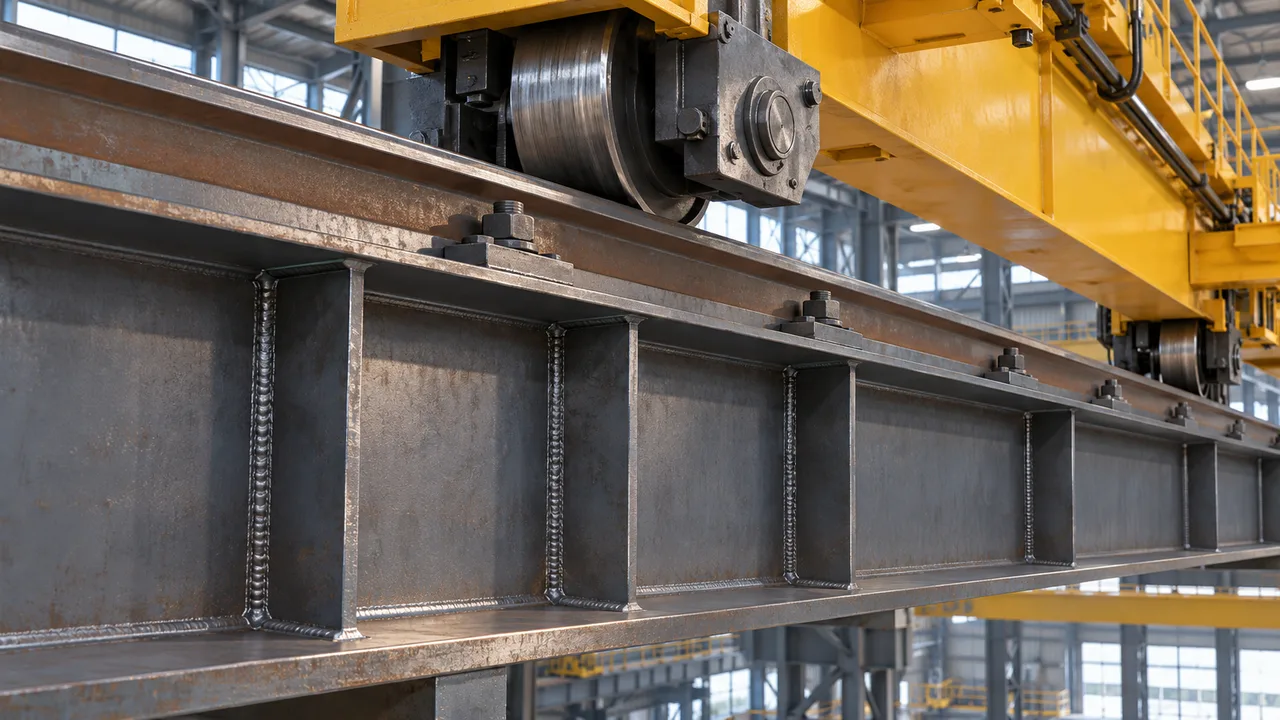
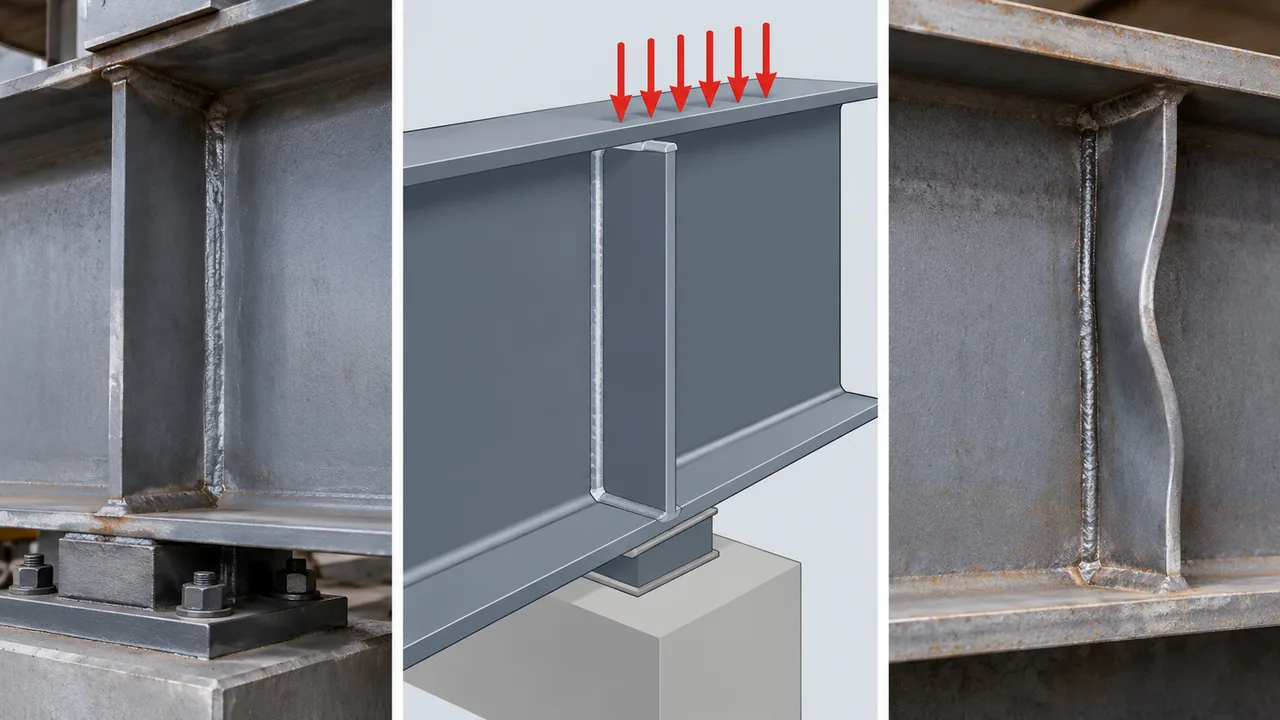
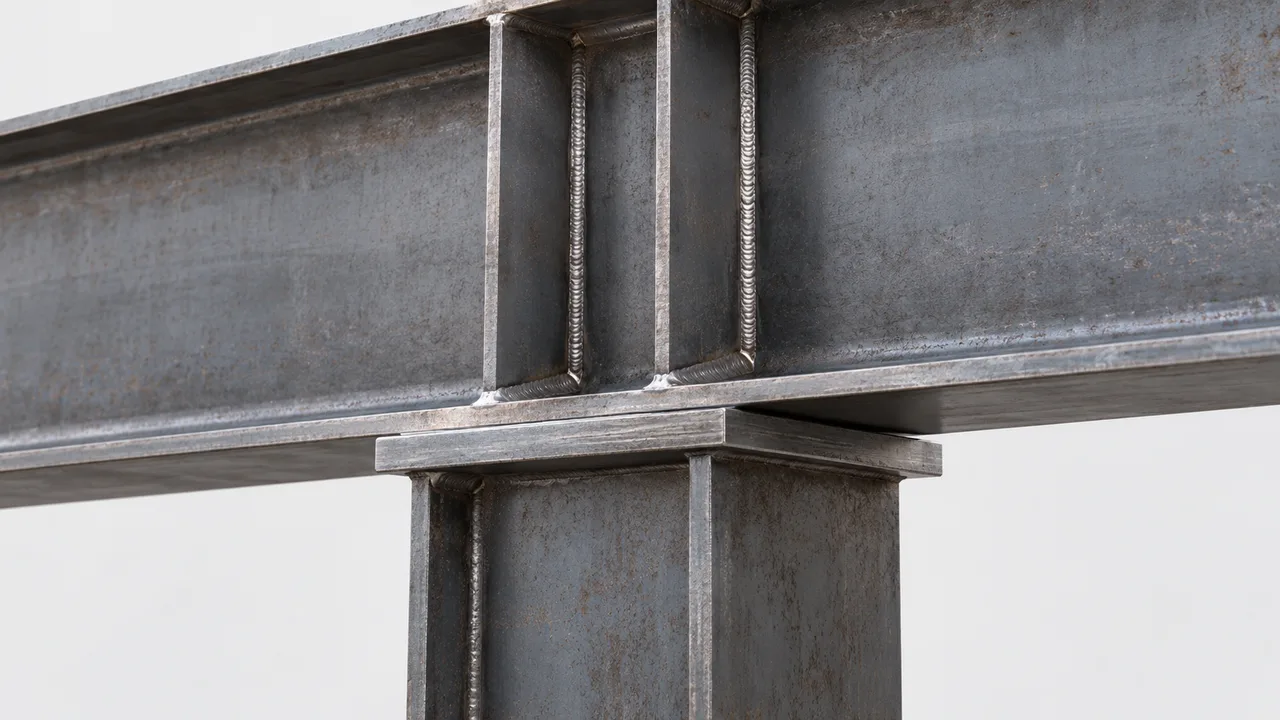
Steel components are manufactured in controlled factory conditions using advanced production equipment. Processes include cutting, welding, drilling, and assembly.
Precision fabrication improves quality consistency and reduces construction errors.
Surface Treatment and Protection
Steel components receive protective treatments to improve durability and safety, including:
- Anti-corrosion coatings
- Galvanization
- Fire-resistant systems
These treatments help extend the building lifespan.
Quality Control Standards
Strict quality control procedures are implemented throughout production. Structural inspections, weld testing, and dimensional verification ensure compliance with residential engineering standards.
Construction and Installation Process
Prefabrication Advantages for Residential Projects
Prefabrication allows many structural components of a residential steel structure building to be manufactured before arriving at the site. This reduces construction time and minimizes on-site disruption.
Transportation and Site Coordination
Components are delivered according to project schedules to ensure efficient installation and workflow coordination.
On-Site Assembly and Finishing
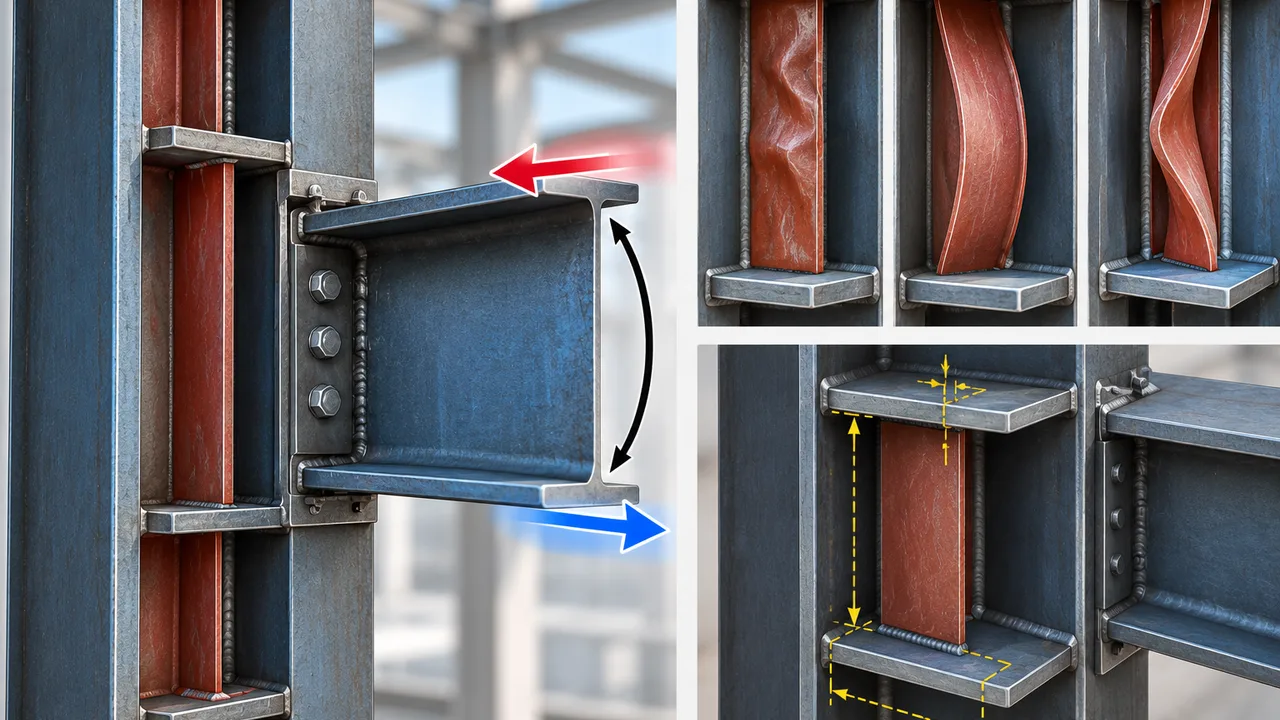
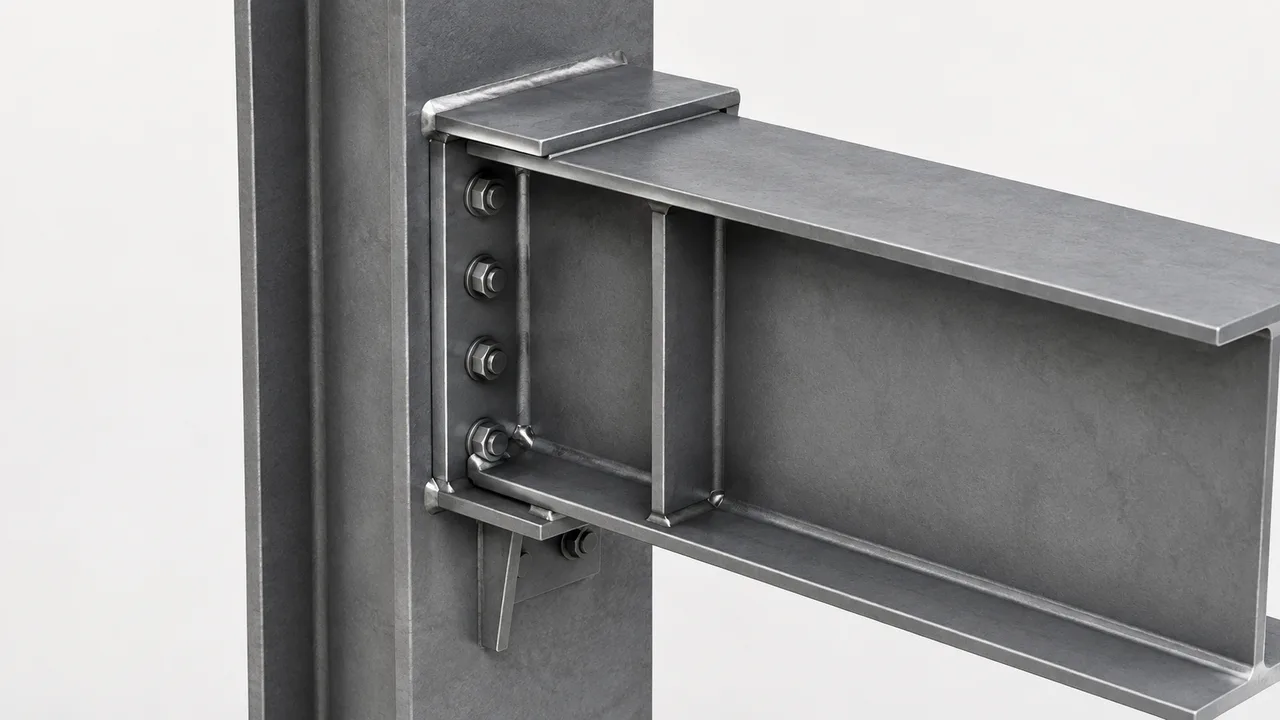
Structural elements are assembled using bolted connections or welding. Interior and exterior finishing systems are then integrated into the completed structure.
Advantages of Residential Steel Structure Building
- Faster construction timelines
- High structural strength
- Flexible architectural design
- Long service life
- Sustainable construction solution
These advantages make steel residential systems increasingly attractive for modern housing development.
Why Choose a Residential Steel Structure Supplier
Residential Engineering Expertise
Experienced engineering teams provide customized residential structural solutions that meet both safety and architectural requirements.
Manufacturing Capability
Advanced production facilities ensure precision manufacturing and consistent quality.
International Residential Project Experience
Global project experience supports efficient management of different residential construction standards and project requirements.
As an experienced provider of steel building systems, XTD Steel Structure delivers integrated residential solutions covering engineering, fabrication, and installation services.
Frequently Asked Questions
What is a residential steel structure building?
It is a residential building that uses steel as the primary structural framework.
Is steel suitable for residential homes?
Yes, steel provides durability, strength, and design flexibility for residential applications.
Can it support multi-story construction?
Yes, steel structures are suitable for multi-story residential buildings and apartment projects.
Is it energy efficient?
Yes, modern insulation systems can improve thermal efficiency and indoor comfort.
Start Your Residential Steel Structure Building Project
A well-designed residential steel structure building provides modern housing solutions with durability, flexibility, and efficient construction performance. Steel systems support both architectural creativity and long-term structural reliability.
Working with experienced professionals ensures that residential projects are executed efficiently from design to final installation.