Core Features of Cold Storage Steel Warehouses
Thermal Insulation Integration
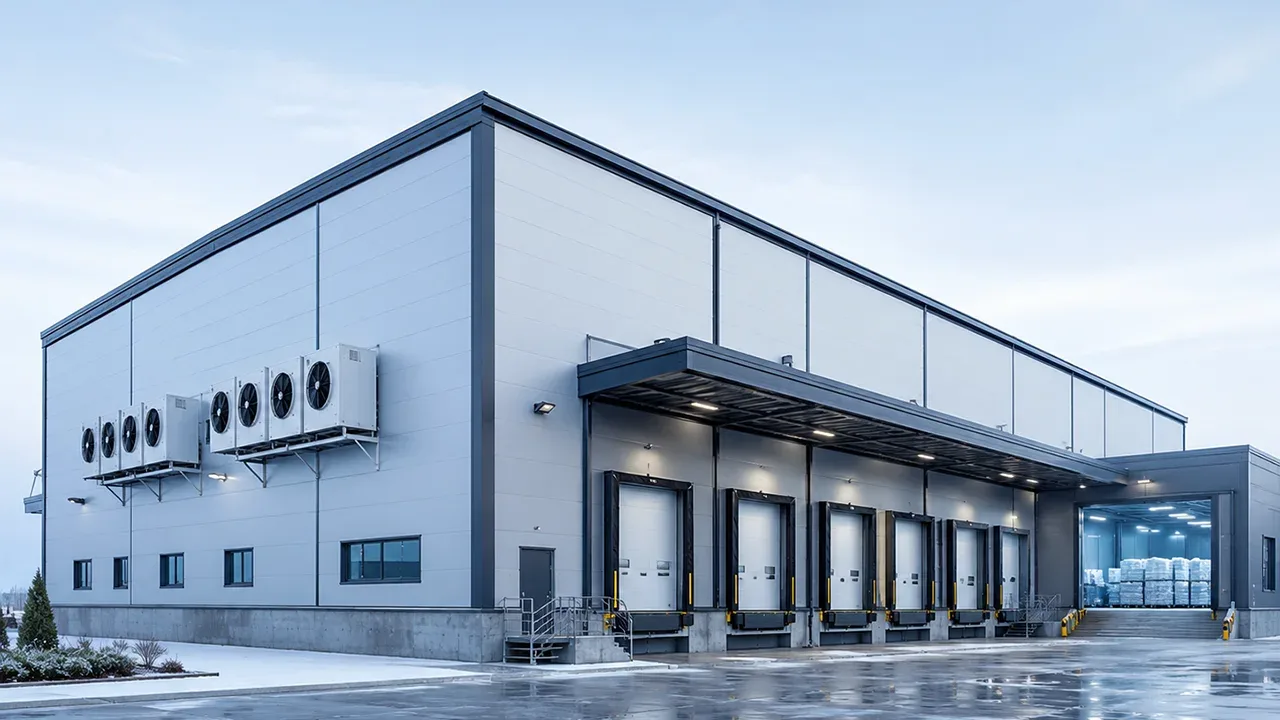
Temperature stability is one of the most important requirements in refrigerated warehouse design. A properly engineered cold storage steel structure warehouse integrates insulated wall and roof systems to minimize thermal transfer.
Common insulation solutions include sandwich panels with polyurethane or rock wool cores. These systems help maintain consistent internal temperatures while improving energy efficiency.
Moisture and Corrosion Resistance
Cold storage facilities operate in high-humidity environments where condensation control becomes critical. Steel components typically receive specialized protective treatments to improve corrosion resistance.
- Galvanized steel components
- Anti-corrosion coatings
- Moisture-resistant sealing systems
- Protective paint applications
These measures help extend structural lifespan under refrigerated operating conditions.
Structural Stability Under Low Temperatures
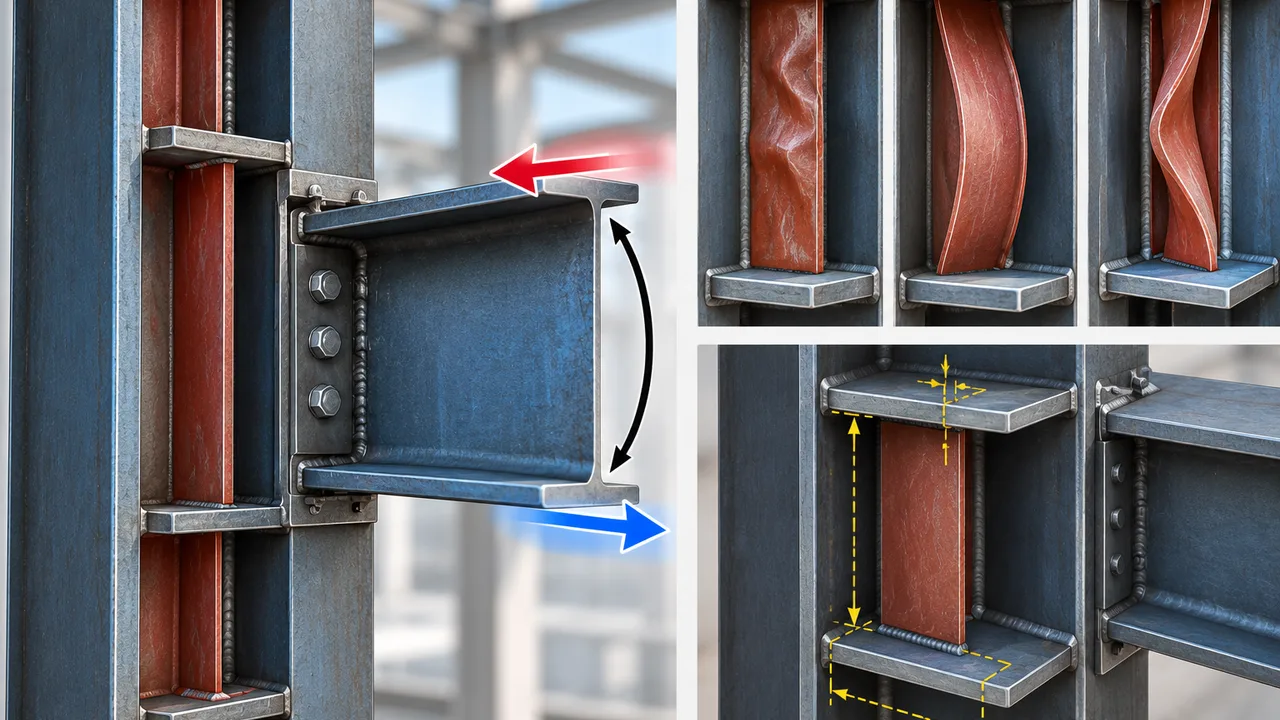
Steel structures maintain reliable performance in low-temperature environments when designed according to appropriate engineering standards.
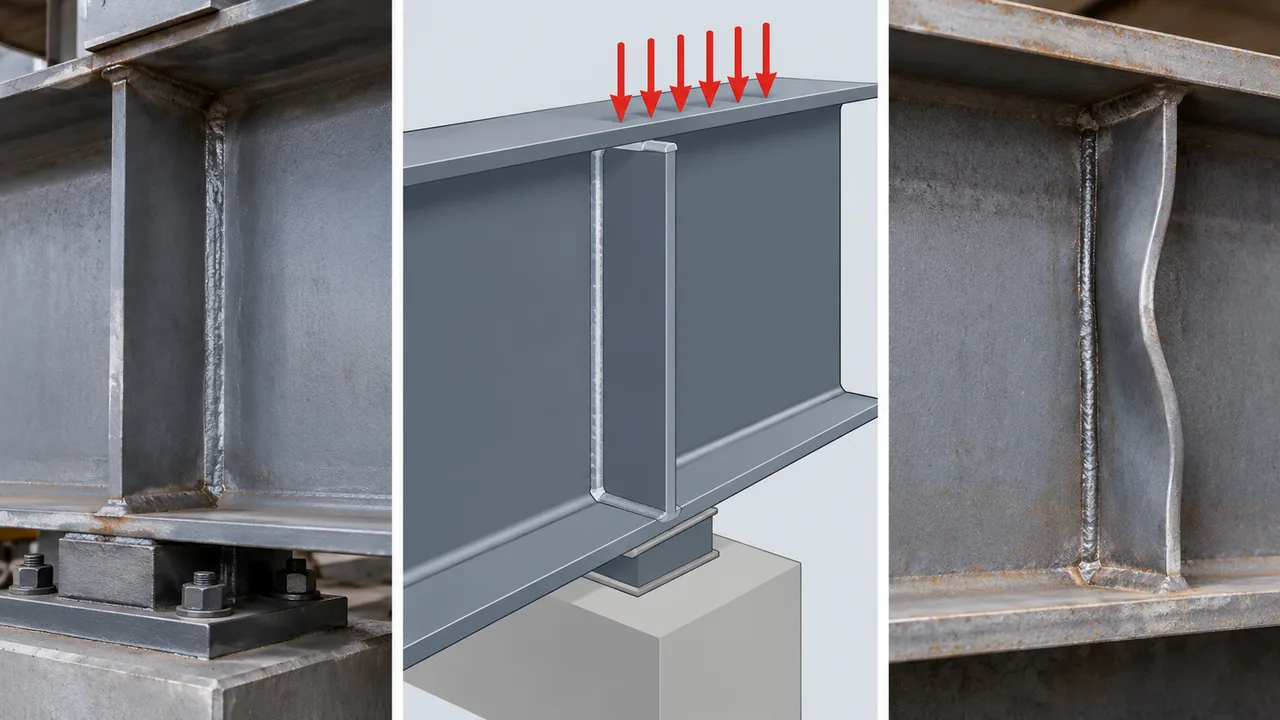
Proper structural analysis ensures the warehouse remains stable under refrigeration-related conditions and operational loads.
Industries Using Cold Storage Steel Structure Warehouse
Food Processing and Distribution
Food manufacturers and distributors use refrigerated steel warehouses to preserve product quality and support efficient inventory management.
Cold storage facilities are commonly used for meat, dairy, seafood, and packaged food operations.
Frozen Goods Logistics
Cold chain logistics companies require large-scale refrigerated warehouses capable of handling continuous product movement.
A cold storage steel structure warehouse can support high-volume logistics operations with flexible loading layouts and efficient circulation routes.
Pharmaceutical Cold Chain Facilities
Pharmaceutical products often require tightly controlled storage temperatures. Steel cold storage facilities can integrate refrigeration systems and monitoring technologies for sensitive inventory management.
Agricultural Storage Operations
Agricultural producers use refrigerated warehouses to extend product shelf life and improve supply chain stability.
Cold storage infrastructure helps reduce spoilage during transportation and distribution.
Warehouse Layout and Operational Planning
Multi-Temperature Storage Zones
Modern cold storage facilities may include multiple temperature-controlled sections within a single building. Different storage areas can be designed for frozen products, chilled products, or dry storage.
Loading Dock Efficiency
Efficient loading operations are critical in cold chain logistics. Warehouse layouts are often designed to minimize temperature loss during loading and unloading activities.
- Dock shelter systems
- Insulated loading doors
- Traffic flow separation
- Rapid loading access
High-Clearance Interior Design
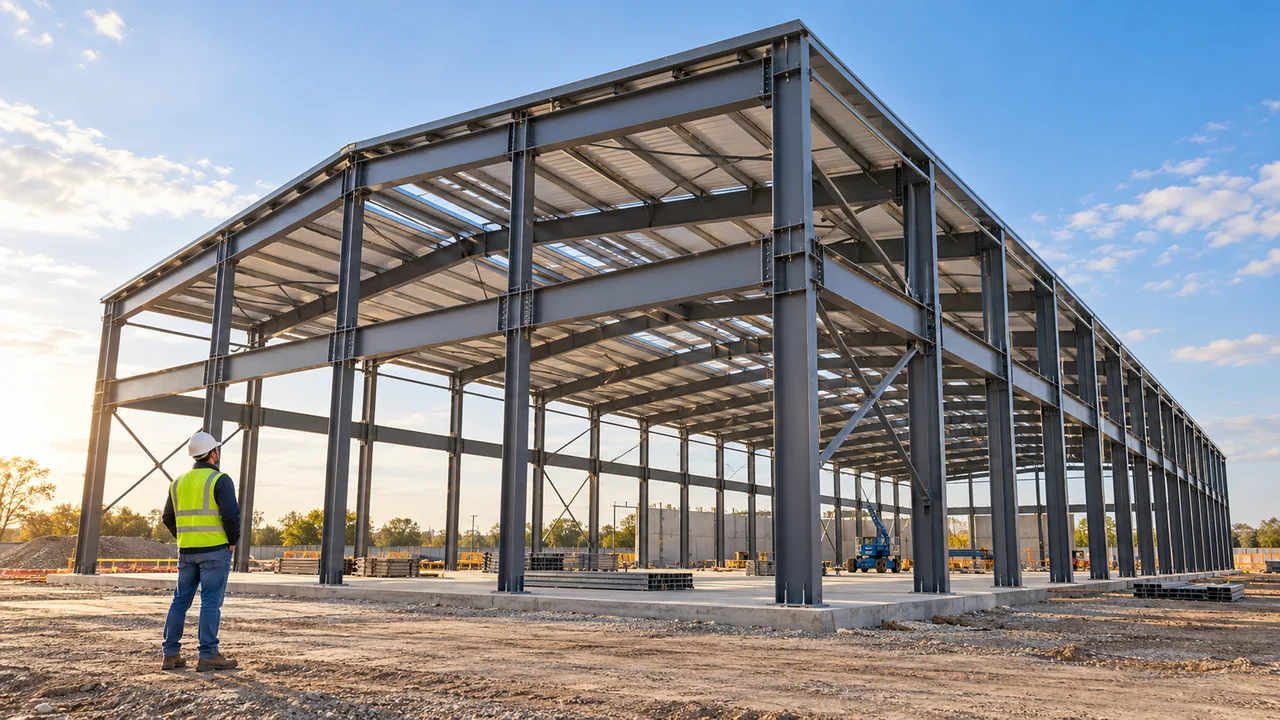
Steel structures allow large clear-span interiors with high vertical clearance for pallet systems, automated storage equipment, and warehouse machinery.
Automation Compatibility
Many modern refrigerated warehouses integrate automated handling systems, inventory tracking, and smart warehouse technologies.
Steel framing systems provide flexibility for future operational upgrades.
Construction Advantages of Steel Cold Storage Facilities
Faster Installation Timelines
Prefabricated steel components help reduce construction schedules and improve project coordination.
This allows cold storage facilities to become operational more quickly.
Expandable Warehouse Systems
Cold chain operations often expand over time. Steel structures make future warehouse extensions more practical and cost-efficient.
Reduced Structural Weight
- Lower foundation loads
- Improved construction efficiency
- Reduced transportation complexity
- Flexible structural layouts
Long-Term Maintenance Efficiency
Properly protected steel systems require relatively low maintenance while supporting long-term operational reliability.
Materials and Fabrication Standards
Steel Fabrication Precision
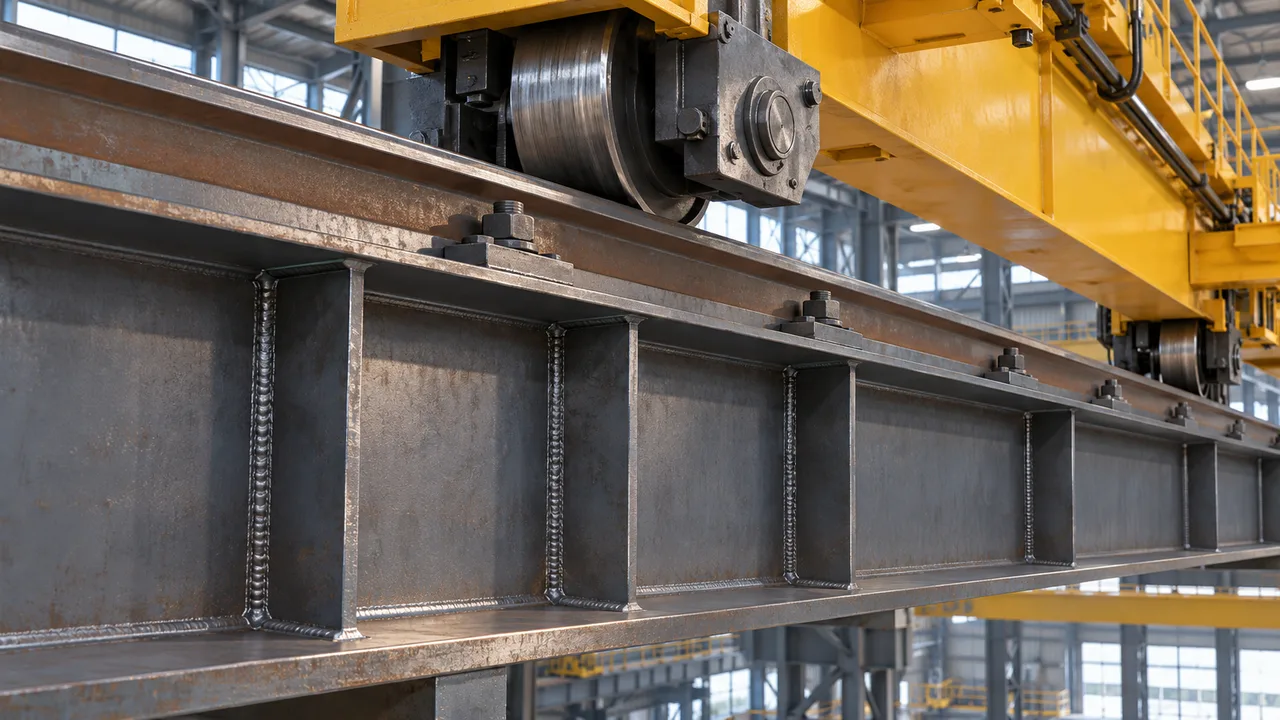
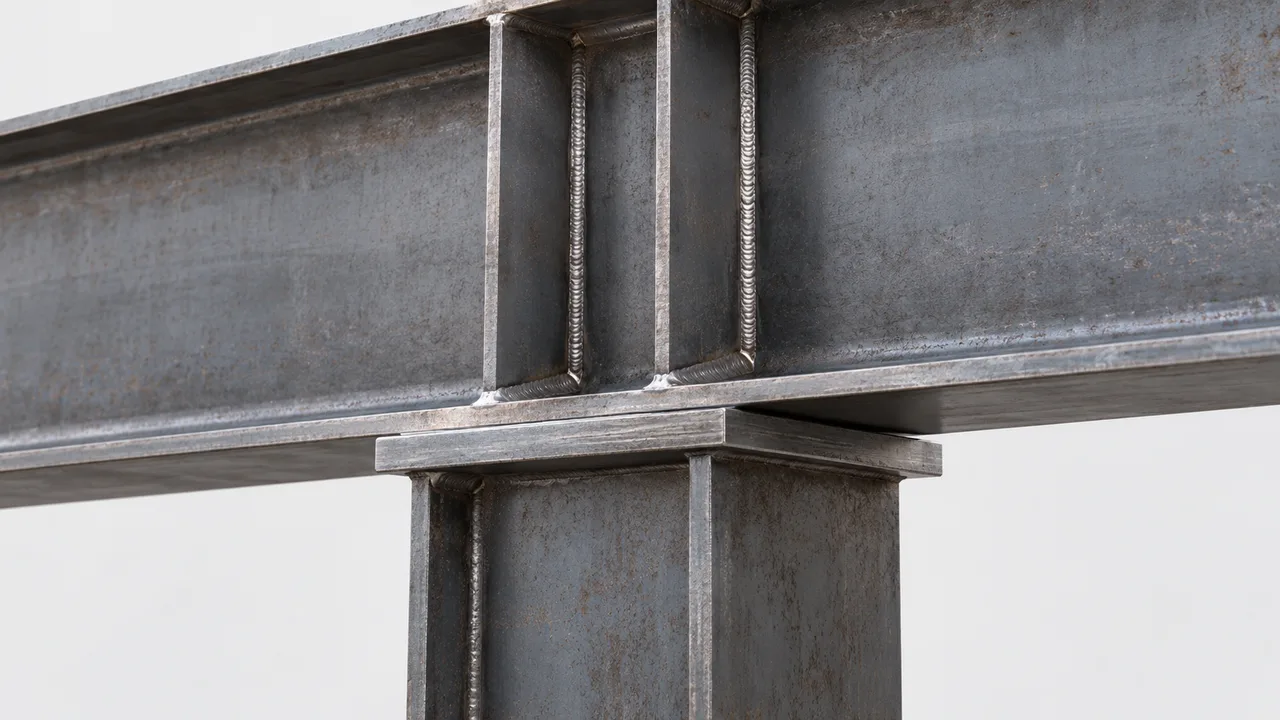
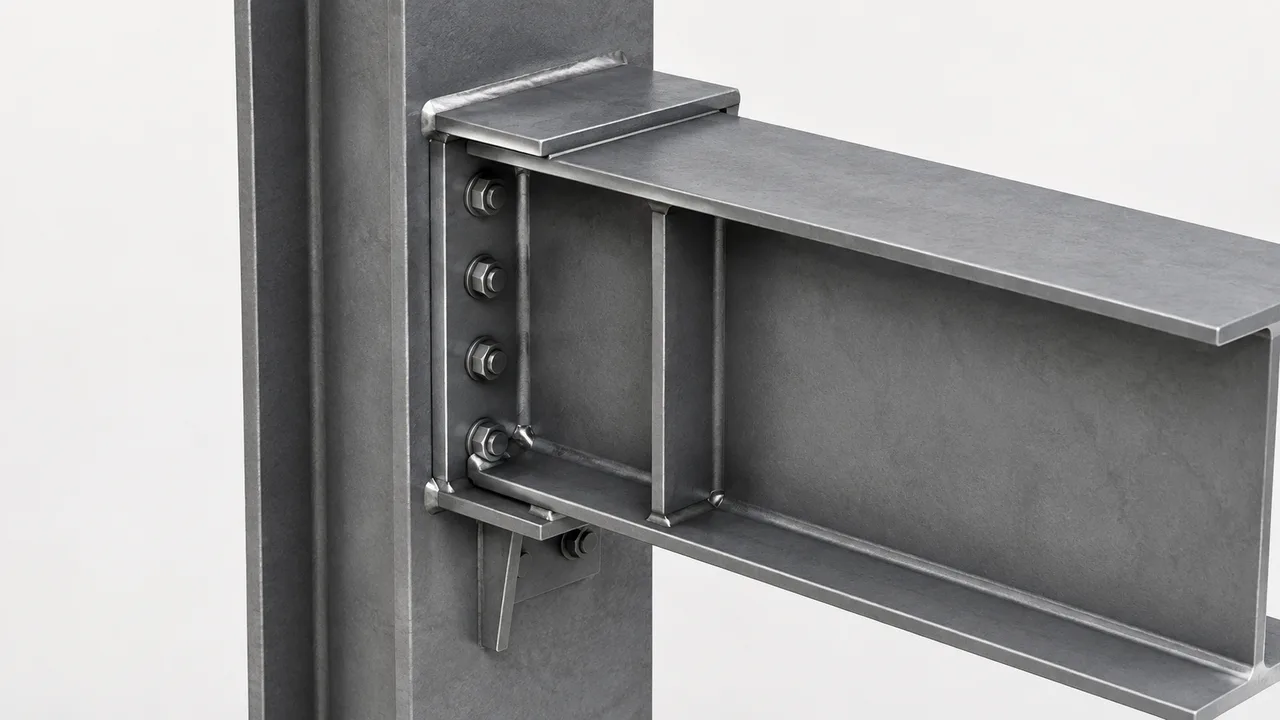
Warehouse structural components are fabricated using CNC cutting, automated welding, and precision assembly technologies.
Dimensional accuracy is important for insulated panel installation and refrigeration system integration.
Insulated Wall and Roof Systems
Cold storage buildings typically use insulated envelope systems designed to maintain thermal performance.
Roof and wall assemblies must also reduce moisture penetration and air leakage.
Protective Coating Applications
Steel structures operating in refrigerated environments often require enhanced surface treatment systems to resist moisture exposure.
Quality Inspection Procedures
Inspection processes may include:
- Weld testing
- Dimensional verification
- Coating inspection
- Structural alignment checks
Planning a Cold Chain Warehouse Project
Developing a refrigerated warehouse requires coordination between structural engineering, refrigeration systems, operational planning, and logistics management.
Project planning often includes analysis of:
- Product flow requirements
- Storage capacity targets
- Energy efficiency goals
- Refrigeration equipment integration
- Transportation access
As an experienced provider of industrial steel systems, XTD Steel Structure supports temperature-controlled warehouse projects with integrated engineering and fabrication solutions.
Common Questions
What temperature ranges can steel cold storage warehouses support?
Cold storage facilities can be designed for chilled, frozen, or ultra-low-temperature applications depending on operational requirements.
Are steel structures suitable for refrigerated environments?
Yes. Properly protected steel systems perform reliably in refrigerated and high-humidity conditions.
Can cold storage warehouses be expanded later?
Yes. Steel structures are highly adaptable for future warehouse expansion and operational upgrades.
Supporting Modern Cold Chain Infrastructure
A well-designed cold storage steel structure warehouse supports efficient temperature-controlled logistics through structural durability, flexible layouts, and reliable operational performance.
As global demand for refrigerated distribution continues to grow, steel warehouse systems remain an important solution for scalable and efficient cold chain infrastructure.