Overview of Structural Steel Fabrication
Modern steel fabrication involves transforming raw steel materials into engineered structural components used in buildings and infrastructure. A professional structural steel fabrication process combines engineering design, material processing, welding, assembly, and quality control to produce finished steel systems ready for installation.
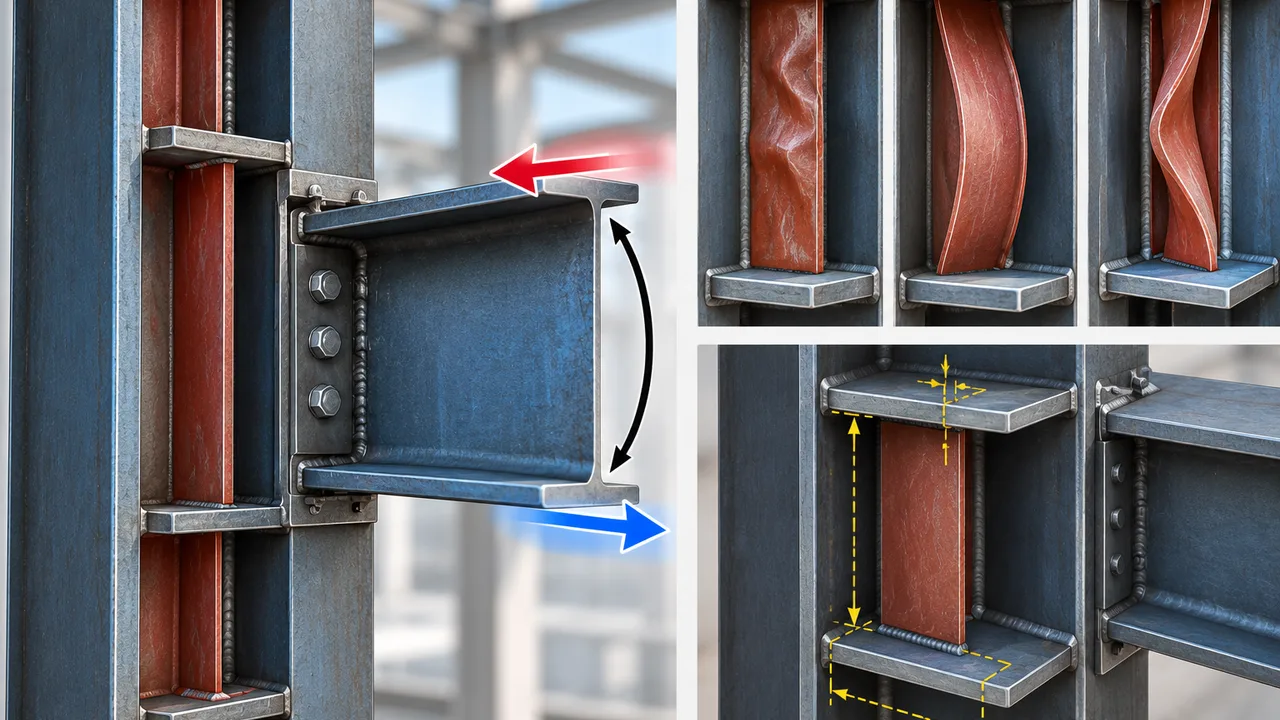
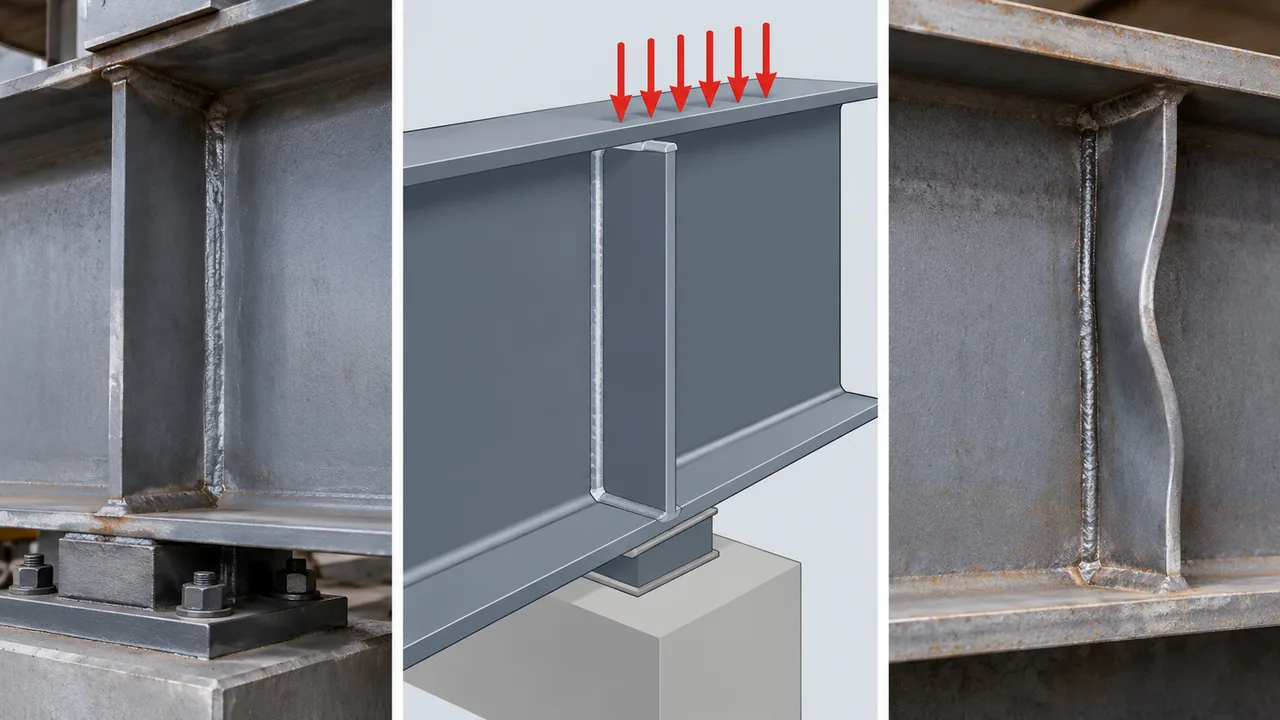
Fabricated steel structures are designed to support heavy loads, resist environmental forces, and maintain long-term structural performance. Depending on the project type, fabrication may include beams, columns, trusses, frames, connection plates, stair systems, and other structural assemblies.
Precision manufacturing is essential in structural fabrication because dimensional accuracy directly affects installation quality and structural safety. For this reason, fabrication companies rely heavily on digital design systems, CNC machinery, and strict inspection procedures.
Types of Structural Steel Fabrication Services
Heavy Structural Steel Fabrication
Heavy steel fabrication involves the production of large structural components designed for industrial and infrastructure applications. These systems are typically used in factories, power plants, bridges, mining facilities, and other heavy-duty environments.
Heavy structural systems often require:
- Large steel plate processing
- Complex welding operations
- High-load structural assemblies
- Specialized lifting and handling equipment
Because of the scale and technical complexity involved, heavy fabrication projects require experienced engineering and manufacturing teams.
Custom Structural Steel Fabrication
Many construction projects require customized steel components manufactured according to unique engineering specifications. Custom fabrication services support specialized structural layouts, architectural requirements, and project-specific load conditions.
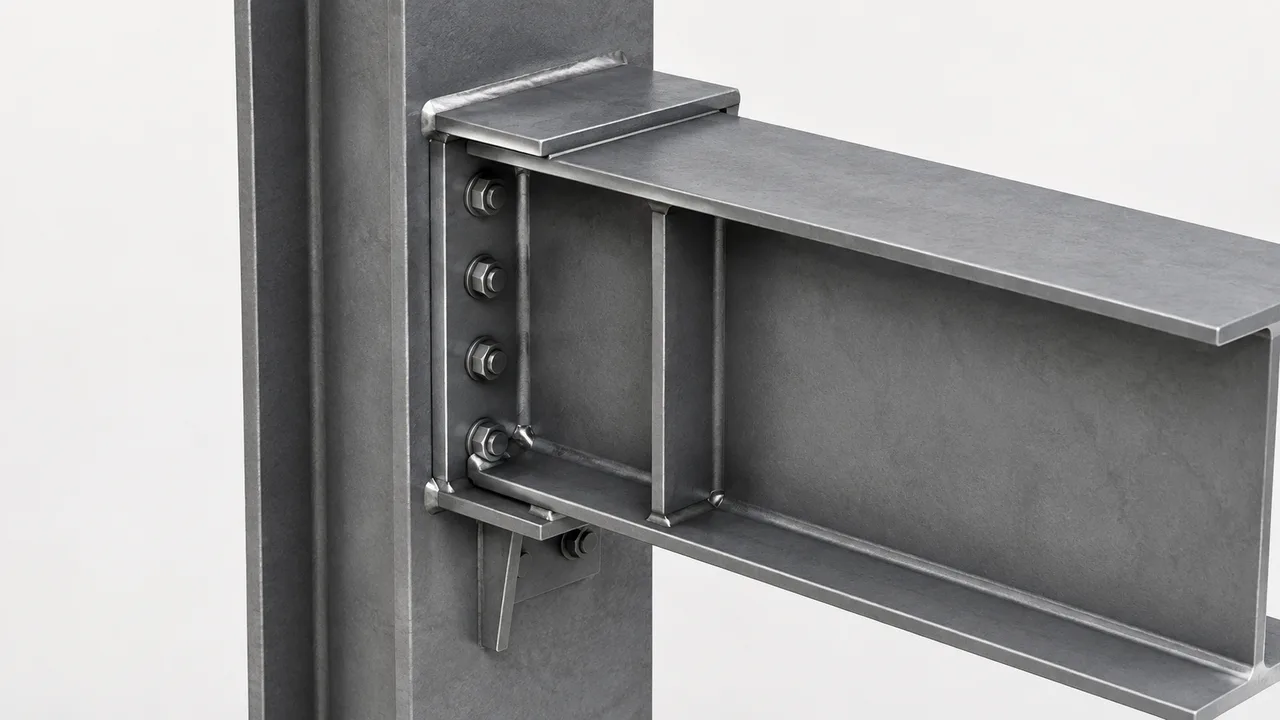
A structural steel fabrication company may produce custom beams, connection systems, support frames, or complex assemblies depending on project requirements.
Advanced engineering software and fabrication detailing systems help ensure that custom components integrate accurately during installation.
Prefabricated Structural Steel Components
Prefabricated steel systems are manufactured in factories before being transported to construction sites. This approach improves production efficiency and minimizes on-site labor requirements.
Prefabrication also helps improve project scheduling because structural components can be manufactured simultaneously while site preparation work is ongoing.
Applications of Structural Steel Fabrication
Industrial Buildings and Factories
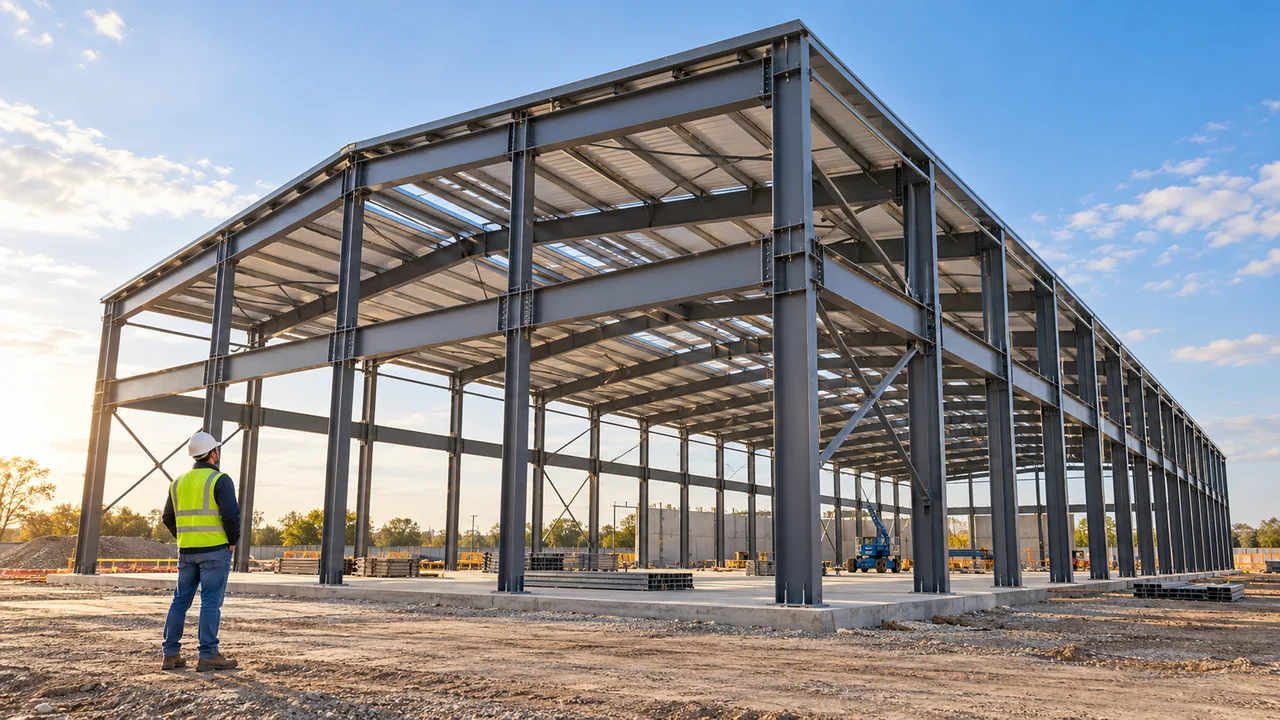
Industrial facilities rely heavily on fabricated steel systems because they require large-span structures, heavy equipment support, and durable structural performance. Steel fabrication is commonly used for manufacturing plants, production workshops, and processing facilities.
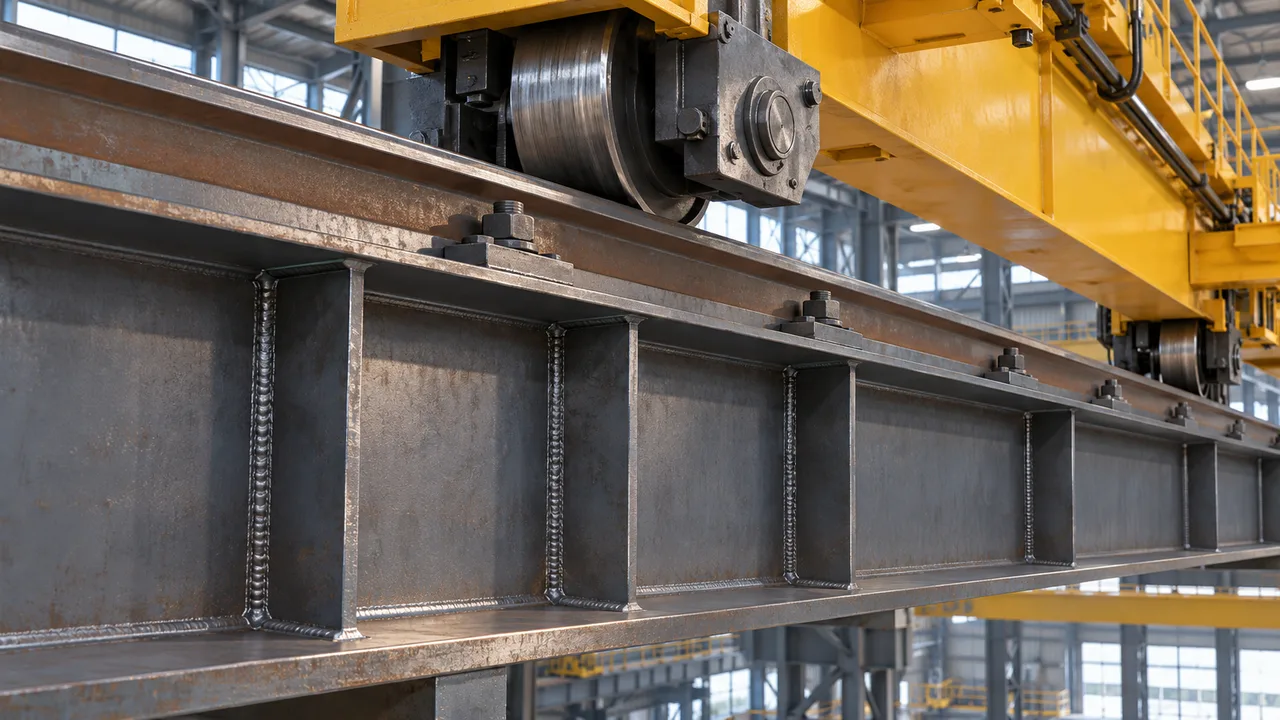
Steel systems provide the flexibility necessary to accommodate industrial equipment, cranes, and future facility expansion.
Warehouse and Logistics Structures
Warehouses and logistics centers require strong and efficient structural systems to support storage operations and material handling equipment. Fabricated steel structures allow for wide interior spaces with minimal columns, improving operational flexibility.
Modern logistics facilities often integrate automated systems that require precise structural coordination during the fabrication process.
Commercial and Infrastructure Projects
Commercial buildings, airports, transportation terminals, exhibition halls, and public infrastructure projects also depend on fabricated steel components. Structural steel allows architects and engineers to create complex building forms while maintaining structural stability.
Because steel offers a high strength-to-weight ratio, it is often preferred in projects requiring large open spaces and long-span roof systems.
Structural Steel Fabrication Process
Engineering and Shop Drawings
The fabrication process begins with engineering design and detailed shop drawings. Engineers use CAD and BIM software to create accurate fabrication models and production documentation.
Shop drawings specify dimensions, material requirements, welding details, and assembly instructions for every structural component.
Steel Cutting, Welding, and Assembly
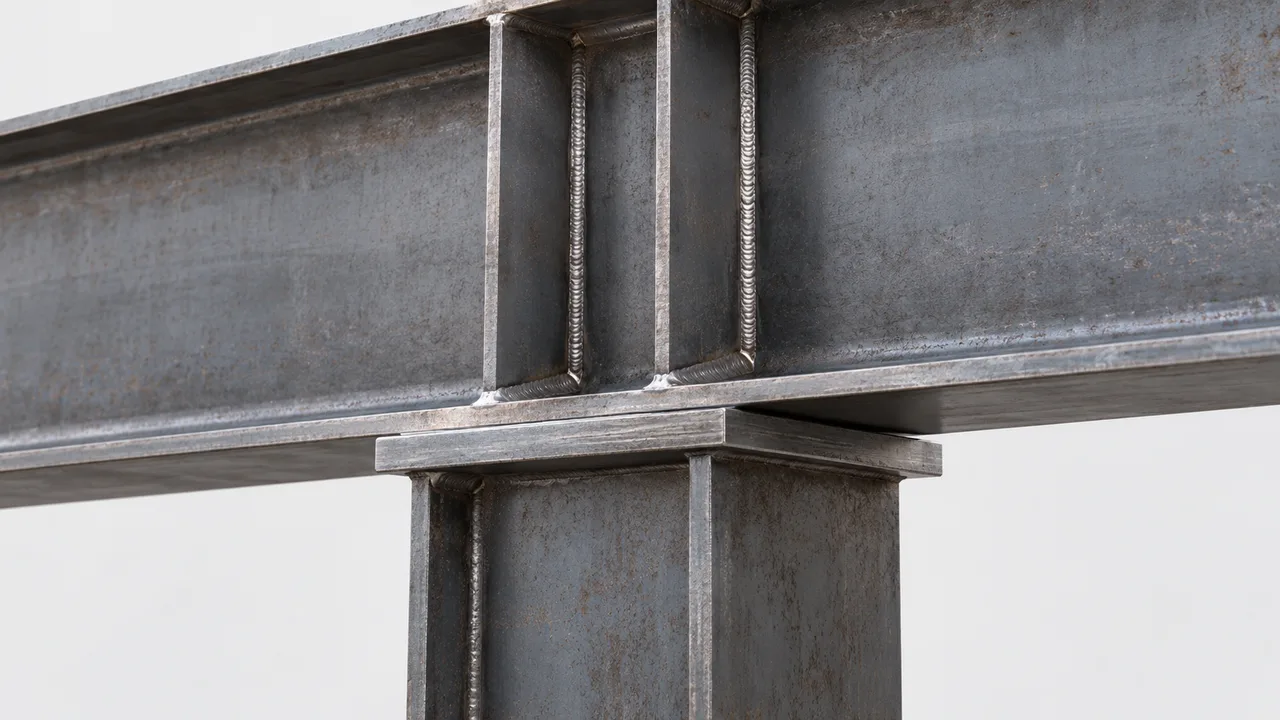
Once engineering documentation is completed, steel materials are processed using cutting, drilling, and welding equipment. Modern fabrication facilities often use CNC machinery to improve precision and production speed.
Key fabrication operations may include:
- CNC flame cutting
- Laser or plasma cutting
- Automatic welding systems
- Structural assembly operations
After fabrication, components are assembled and prepared for inspection.
Surface Treatment and Finishing
To improve durability and corrosion resistance, fabricated steel components typically receive protective surface treatments. Common finishing systems include:
- Hot-dip galvanizing
- Industrial anti-corrosion coatings
- Fire-resistant coating systems
These treatments help extend service life and reduce long-term maintenance requirements.
Quality Control in Structural Steel Fabrication
Material Inspection
Quality control begins with raw material inspection. Fabricators verify steel grades, material certifications, and dimensional specifications before production begins.
Material traceability is important for ensuring compliance with engineering and project standards.
Welding Quality Inspection
Welding quality has a direct impact on structural safety and performance. Fabrication facilities often conduct non-destructive testing methods such as ultrasonic testing or magnetic particle inspection to verify weld integrity.
Dimensional inspections are also performed to confirm fabrication accuracy before shipment.
Compliance with International Standards
Professional fabrication companies typically follow recognized international standards to ensure quality and structural reliability. Depending on project requirements, fabrication may comply with:
- AISC standards
- European EN standards
- Chinese GB standards
Compliance with these standards supports safe construction practices and international project compatibility.
Advantages of Professional Structural Steel Fabrication
- High dimensional precision
- Improved construction efficiency
- Reduced on-site labor requirements
- Better structural consistency
- Faster project completion timelines
Professional fabrication also improves coordination between engineering, manufacturing, and installation teams, helping reduce construction delays and field modifications.
Fabrication Capacity and Manufacturing Facilities
Advanced Fabrication Equipment
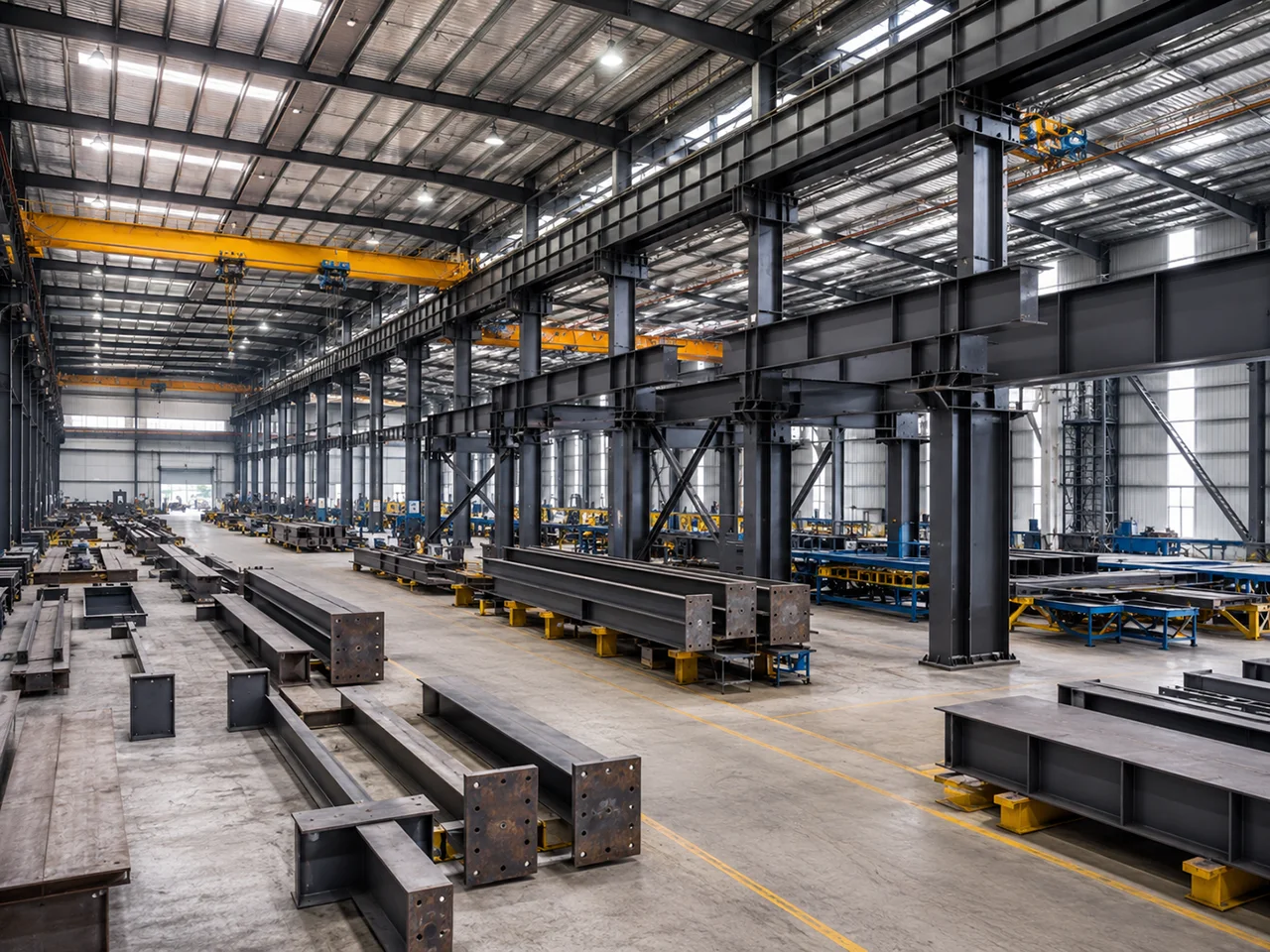
Modern fabrication facilities use advanced manufacturing technologies to improve production quality and efficiency. Equipment may include automated welding systems, CNC cutting machines, robotic production lines, and digital measurement systems.
These technologies help improve fabrication accuracy and production consistency.
Large-Scale Production Capability
Large industrial fabrication plants can process significant volumes of structural steel for complex construction projects. High-capacity facilities are capable of handling heavy components and large-scale production schedules.
This production capability is especially important for industrial and infrastructure developments requiring strict delivery timelines.
International Project Support
Global construction projects require coordinated logistics and export packaging systems. Professional fabricators support international shipments through organized packaging, container loading, and project coordination services.
As a global supplier of fabricated steel systems, XTD Steel Structure provides integrated engineering, fabrication, and export support for international construction projects.
Why Choose a Structural Steel Fabrication Company
Engineering Expertise
Experienced engineering teams help optimize structural systems for performance, constructability, and cost efficiency. Technical expertise is essential for handling complex project requirements.
Manufacturing Experience
Professional fabrication companies maintain established production systems and quality management procedures to ensure consistent manufacturing standards.
Global Construction Experience
Companies with international experience are better equipped to manage logistics, compliance, and project coordination across multiple regions and industries.
Frequently Asked Questions
What is structural steel fabrication?
Structural steel fabrication is the process of manufacturing steel components such as beams, columns, trusses, and frames for construction and infrastructure projects.
How long does fabrication take?
Fabrication timelines depend on project size, component complexity, and production capacity. Large industrial projects typically require detailed scheduling and phased manufacturing.
What industries use fabricated structural steel?
Industries including manufacturing, logistics, commercial construction, infrastructure, mining, and energy commonly use fabricated steel systems.
What standards are followed in fabrication?
Professional fabrication companies typically follow standards such as AISC, EN, and GB depending on project specifications and regional requirements.
Start Your Structural Steel Fabrication Project
A professional structural steel fabrication process ensures that construction projects receive high-quality structural systems designed for strength, precision, and long-term performance. With advanced manufacturing technology and experienced engineering support, fabricated steel structures can improve efficiency across every stage of construction.
Working with an experienced fabrication partner helps ensure reliable production quality, efficient logistics coordination, and successful project execution from manufacturing to final installation.