Supporting Agricultural Productivity Through Steel Construction
Faster Development of Agricultural Facilities
Farm projects often need to be completed within seasonal windows. Crop storage, livestock housing, or equipment buildings may need to be ready before harvest, rainy season, or production expansion. Steel structures help shorten construction time because many components can be fabricated before arriving at the farm site.
Adaptability for Different Farming Operations
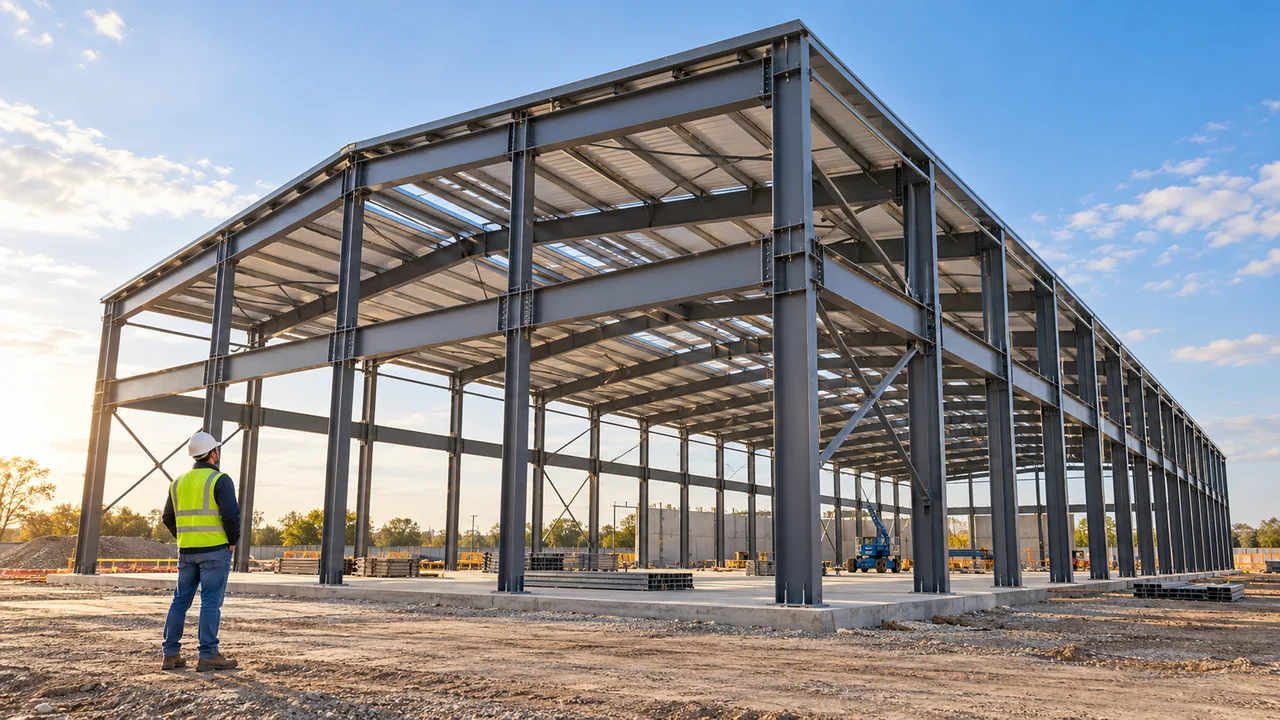
A steel structure building for agriculture can be adapted for multiple uses. The same structural system may support crop storage, machinery parking, livestock shelter, feed processing, or mixed-use agricultural operations. This flexibility is valuable for farms that change or expand over time.
Long-Term Operational Reliability
Agricultural buildings must remain functional under repeated daily use. Steel frames offer stable structural performance, especially when designed with suitable corrosion protection, roof systems, and ventilation planning.
Agricultural Facilities Commonly Built with Steel Structures
Crop Storage Buildings
Steel structures are widely used for grain storage, feed storage, seed storage, fertilizer protection, and agricultural supply warehouses. These buildings can be designed with high clear heights and wide internal spaces to support loading equipment, conveyors, and bulk storage systems.
Livestock and Poultry Facilities
Livestock and poultry buildings require strong framing, good ventilation, and practical layouts. Steel structures can be used for cattle sheds, poultry houses, sheep shelters, and other animal housing facilities where airflow, hygiene, and durability are important.
Agricultural Equipment Buildings
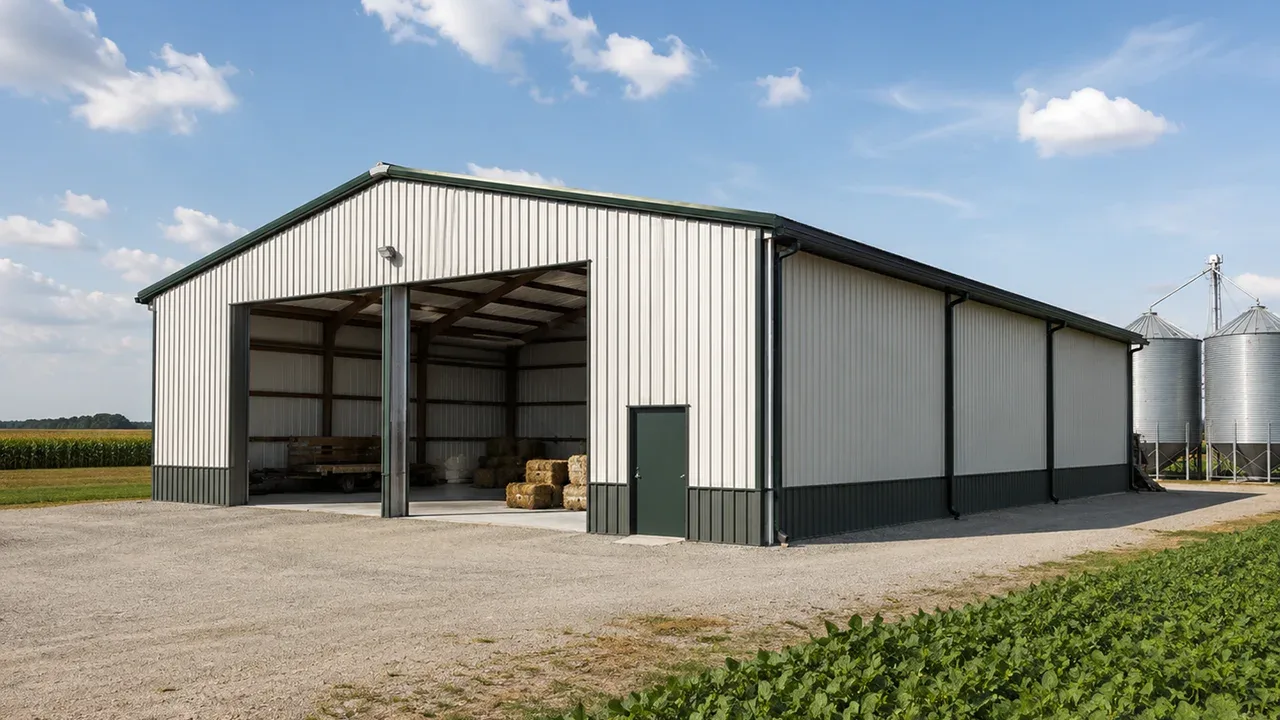
Farm machinery is expensive and needs proper protection from weather exposure. Steel buildings can provide covered storage for tractors, harvesters, irrigation equipment, trailers, and maintenance tools.
Multi-Purpose Farm Buildings
Many farms prefer one building that can support several functions. A steel building may combine equipment storage, workshop space, packaging areas, and material storage under one roof. This improves operational organization and reduces unnecessary movement across the farm.
Designing for Agricultural Environments
Ventilation and Environmental Control
Agricultural buildings often require controlled airflow to reduce heat, humidity, odor, or condensation. For livestock and crop storage, ventilation design directly affects comfort and product quality.
- Ridge ventilation can improve natural airflow.
- Sidewall openings help regulate temperature.
- Insulated panels can support temperature-sensitive storage.
- Exhaust systems may be added for livestock or processing zones.
Corrosion Protection in Rural Conditions
Farm environments may expose buildings to fertilizer, moisture, animal waste, and chemicals. Surface protection is therefore an important part of the design. Galvanizing, anti-corrosion coatings, and proper drainage planning help extend the service life of structural steel.
Large Clear-Span Interior Space
Large clear-span space is one of the strongest advantages of steel construction. Fewer internal columns make it easier to move equipment, store bulk materials, and rearrange internal layouts when farm operations change.
Why Farmers and Agribusinesses Choose Steel Structures
Steel buildings are not only chosen for strength. They are selected because they make agricultural operations easier to organize, expand, and maintain.
- Fast construction: prefabricated components reduce site work and shorten project schedules.
- Flexible expansion: additional bays or extensions can be planned more easily.
- Practical maintenance: protected steel systems require less frequent structural repair.
- Better access: wide openings and clear spans support machinery movement.
- Long service life: proper design and coating systems improve durability.
For farms that expect long-term growth, a steel building provides more planning flexibility than many conventional structures.
From Fabrication to Farm Installation
Precision Manufacturing
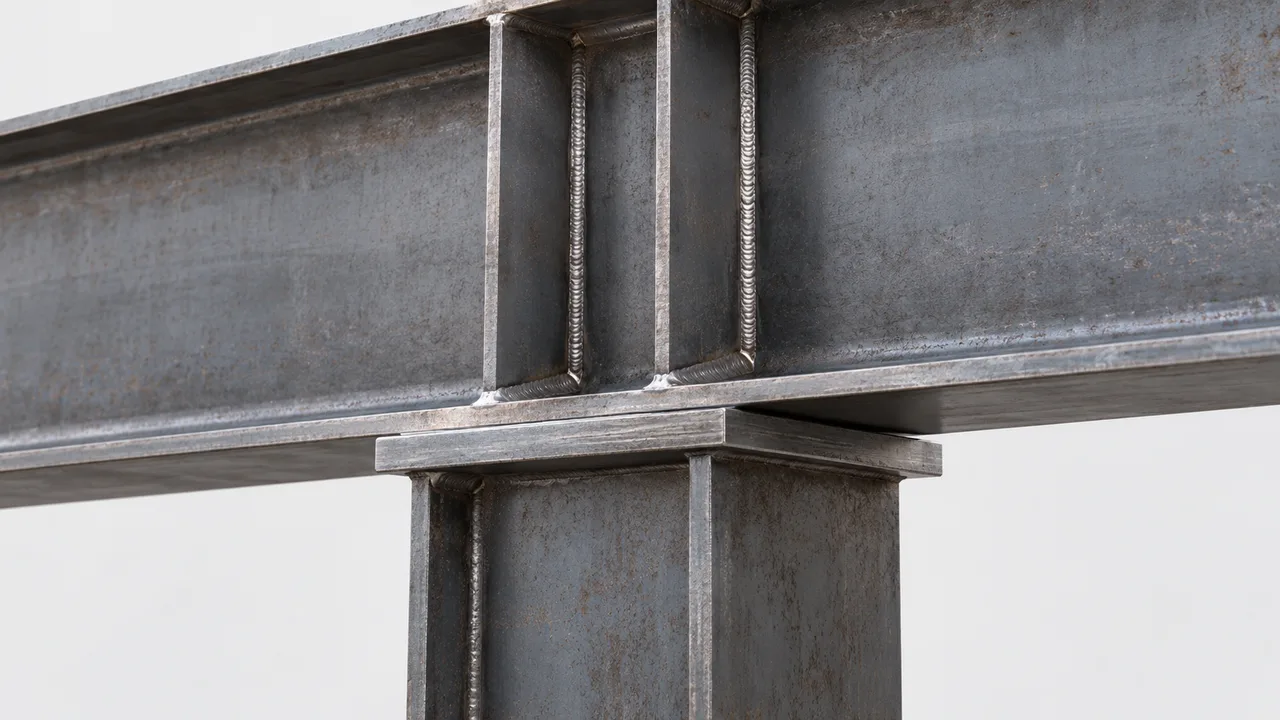
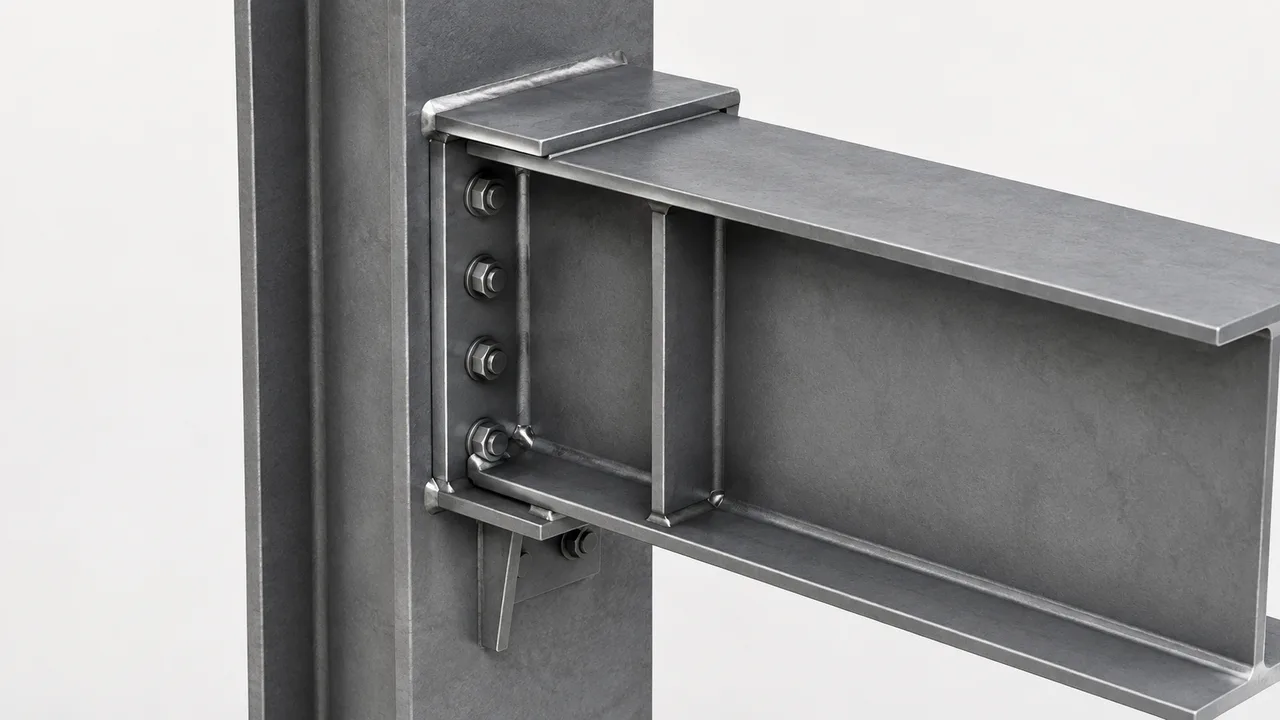
Steel components are manufactured according to engineering drawings before delivery. Columns, beams, roof members, bracing systems, and connection plates are processed through cutting, drilling, welding, and surface treatment.
Transportation to Rural Sites
Agricultural projects are often located outside urban construction zones. This makes transportation planning important. Components need to be packed, sequenced, and delivered in a way that supports efficient unloading and installation at rural sites.
Efficient On-Site Assembly
Once materials arrive, the structure can be assembled using bolted connections and planned erection sequences. Compared with more site-intensive construction methods, steel installation can reduce disruption to ongoing farm operations.
Applications Across Agricultural Industries
Grain and Crop Production
Crop producers use steel buildings for grain storage, seed storage, packaging areas, and seasonal equipment protection. The ability to create large covered spaces is especially useful during harvest and post-harvest handling.
Livestock Farming
A steel structure building for agriculture can support livestock housing where ventilation, hygiene, and structural durability are important. Layouts can be adjusted for feeding zones, resting areas, equipment paths, and waste management systems.
Agricultural Processing
Some agricultural operations require basic processing spaces for sorting, cleaning, drying, packaging, or temporary storage. Steel structures allow these functions to be integrated into a durable and expandable building envelope.
Agricultural Logistics and Storage
Large farms and agribusinesses often need dedicated logistics buildings for loading, distribution, and inventory management. Steel buildings can support truck access, loading doors, and organized storage layouts.
Selecting the Right Agricultural Steel Building Partner
Not every steel building is suitable for agricultural work. The right partner should understand structural requirements, farm operations, environmental exposure, and future expansion planning.
Key factors to evaluate include engineering capability, fabrication quality, coating options, delivery coordination, and installation support. For agricultural projects that involve storage, livestock, and equipment access, early planning helps avoid layout problems later.
XTD Steel Structure provides steel building solutions for agricultural and industrial applications, supporting projects from structural design and fabrication to delivery coordination.
Frequently Asked Questions
Are steel buildings suitable for agriculture?
Yes. Steel buildings are suitable for crop storage, livestock facilities, equipment buildings, processing areas, and farm logistics spaces.
Can agricultural steel buildings be expanded?
Yes. Steel buildings can be designed with future expansion in mind, making it easier to add bays, extend length, or modify layouts.
How long do agricultural steel structures last?
With proper engineering, protective coatings, and regular maintenance, agricultural steel structures can provide long-term service life.
Are they suitable for livestock facilities?
Yes. With proper ventilation, roofing, drainage, and interior layout design, steel buildings can be used for livestock and poultry facilities.
Building Stronger Agricultural Infrastructure
A well-planned steel structure building for agriculture helps farms and agribusinesses improve storage, equipment protection, livestock management, and operational efficiency. Its combination of durability, clear-span space, and expansion flexibility makes it suitable for modern agricultural development.
By choosing a properly engineered steel building system, agricultural operators can build infrastructure that supports current production needs while remaining adaptable for future growth.