Introduction to Structural Steel Construction
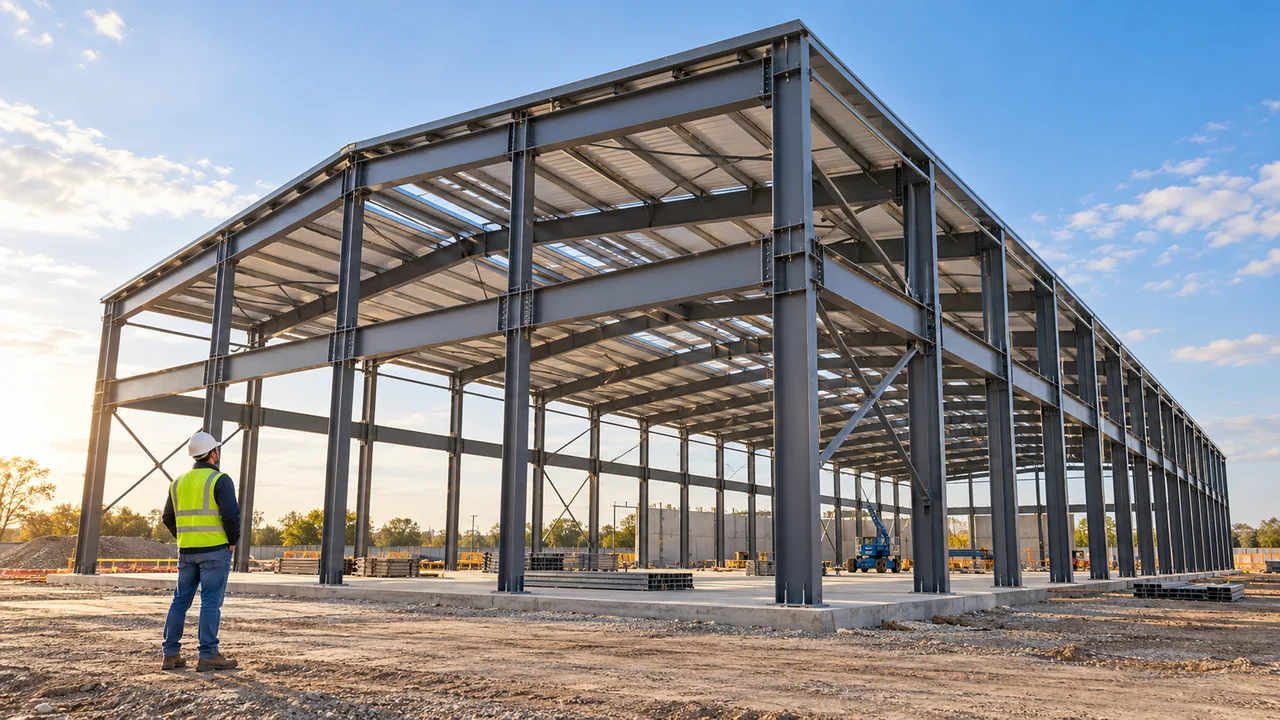
Structural steel construction refers to the process of designing, fabricating, transporting, and erecting steel structural systems for buildings and infrastructure projects. These systems may include columns, beams, trusses, bracing members, crane beams, roof structures, and other load-bearing components.
Structural steel is used across many sectors because it provides a high strength-to-weight ratio, excellent durability, and strong adaptability for different building types. It can support large open spaces while allowing efficient construction sequencing.
Modern steel construction relies on integrated engineering, digital fabrication, and coordinated site installation to improve project accuracy and reduce construction risk.
Types of Structural Steel Construction
Industrial Structural Steel Construction
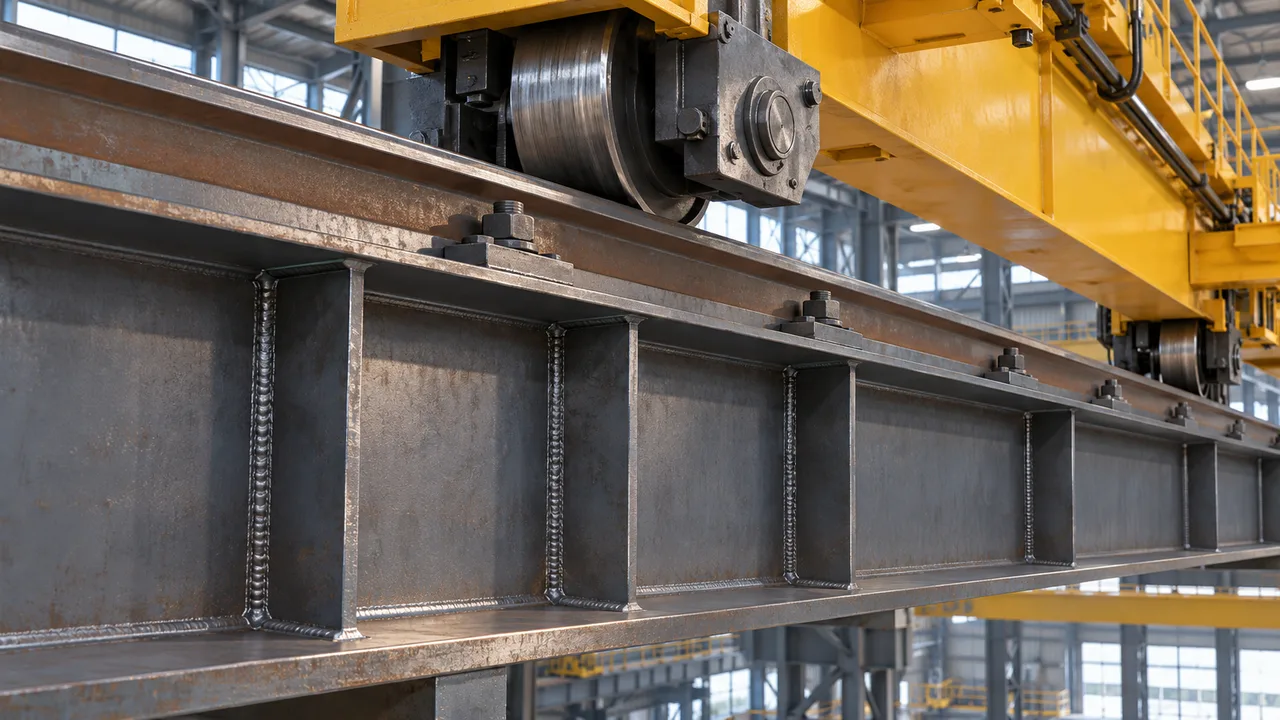
Industrial projects often require strong steel structures capable of supporting machinery, cranes, production systems, and heavy operational loads. Structural steel provides the durability and flexibility required for these demanding environments.
Common applications include:
- Manufacturing plants
- Industrial workshops
- Processing facilities
- Heavy-duty production buildings
These projects often require careful coordination between structure, equipment layout, and future expansion planning.
Commercial Structural Steel Construction
Commercial steel structures are used for office buildings, retail centers, mixed-use developments, exhibition spaces, and business facilities. Steel framing allows open interiors, flexible layouts, and modern architectural designs.
For commercial projects, faster construction schedules can also help reduce downtime and support earlier building operation.
Infrastructure Structural Steel Construction
Infrastructure projects use structural steel for transportation facilities, public buildings, utility structures, bridges, terminals, and large public spaces. These projects often require high structural reliability, strict engineering coordination, and durable fabrication quality.
Steel systems are suitable for infrastructure projects where long spans, strength, and installation efficiency are important.
Applications of Structural Steel Construction
Steel Warehouses and Logistics Facilities
Warehouses and logistics buildings benefit from structural steel because it allows large-span interiors and efficient storage layouts. Steel systems reduce the need for internal columns, improving movement for forklifts, conveyors, racking systems, and automated logistics equipment.
Large steel warehouse structures can also be designed for future expansion as storage and distribution needs grow.
Factory and Production Buildings
Factory buildings require structural systems that can support production lines, cranes, mechanical equipment, and industrial operations. Structural steel construction provides the strength and layout flexibility needed for manufacturing environments.
Steel framing also allows production areas to be adjusted more easily when machinery or workflow requirements change.
Commercial and Institutional Buildings
Commercial and institutional buildings often require open spaces, modern architectural forms, and efficient construction schedules. Structural steel supports these needs through flexible framing systems and precise prefabricated components.
This makes steel suitable for offices, exhibition halls, transport buildings, schools, and public facilities.
Structural Engineering and Design
Load Analysis and Structural Planning
Every structural steel project begins with load analysis and engineering planning. Engineers evaluate dead loads, live loads, wind loads, seismic loads, operational loads, roof systems, and foundation conditions before fabrication begins.
Detailed structural planning helps ensure that the building can safely support long-term use while maintaining stability and performance.
Steel Grade Selection
Steel grade selection has a direct impact on structural performance. Engineers typically consider:
- Yield strength requirements
- Load-bearing capacity
- Environmental exposure
- Corrosion protection needs
- Long-term maintenance expectations
Proper material selection helps improve safety, durability, and project reliability.
Detailing and Connection Design
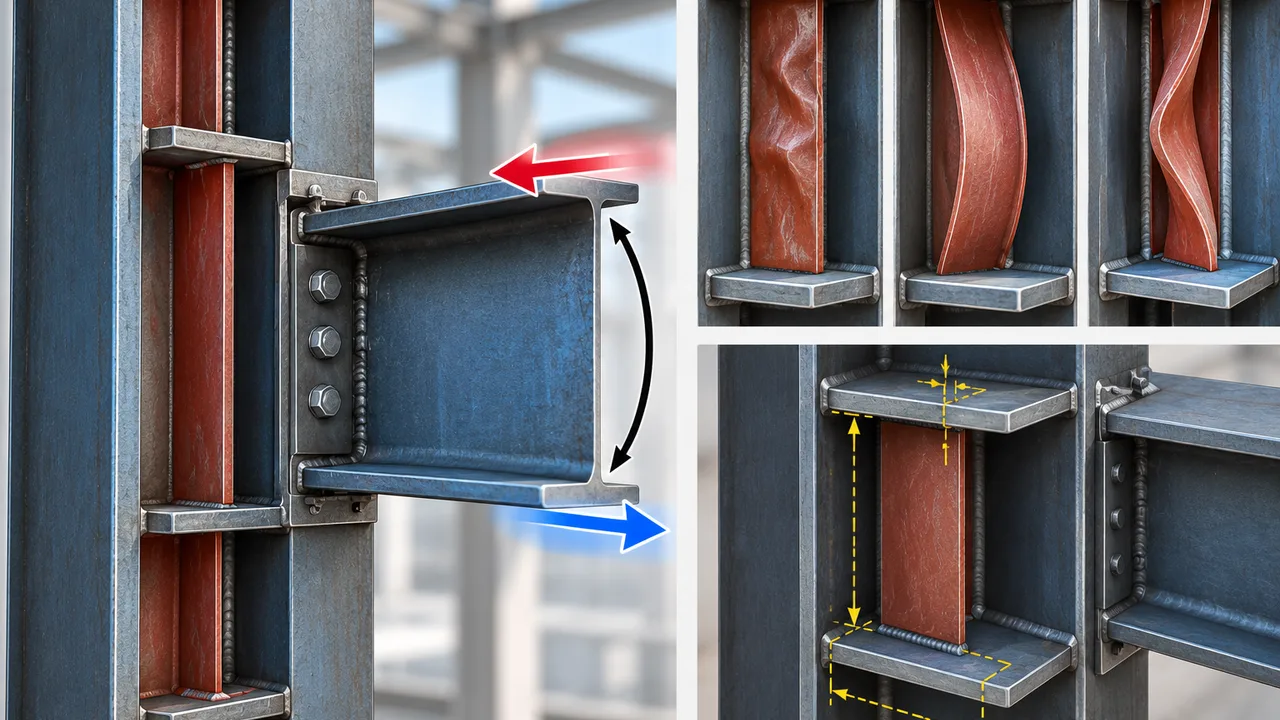
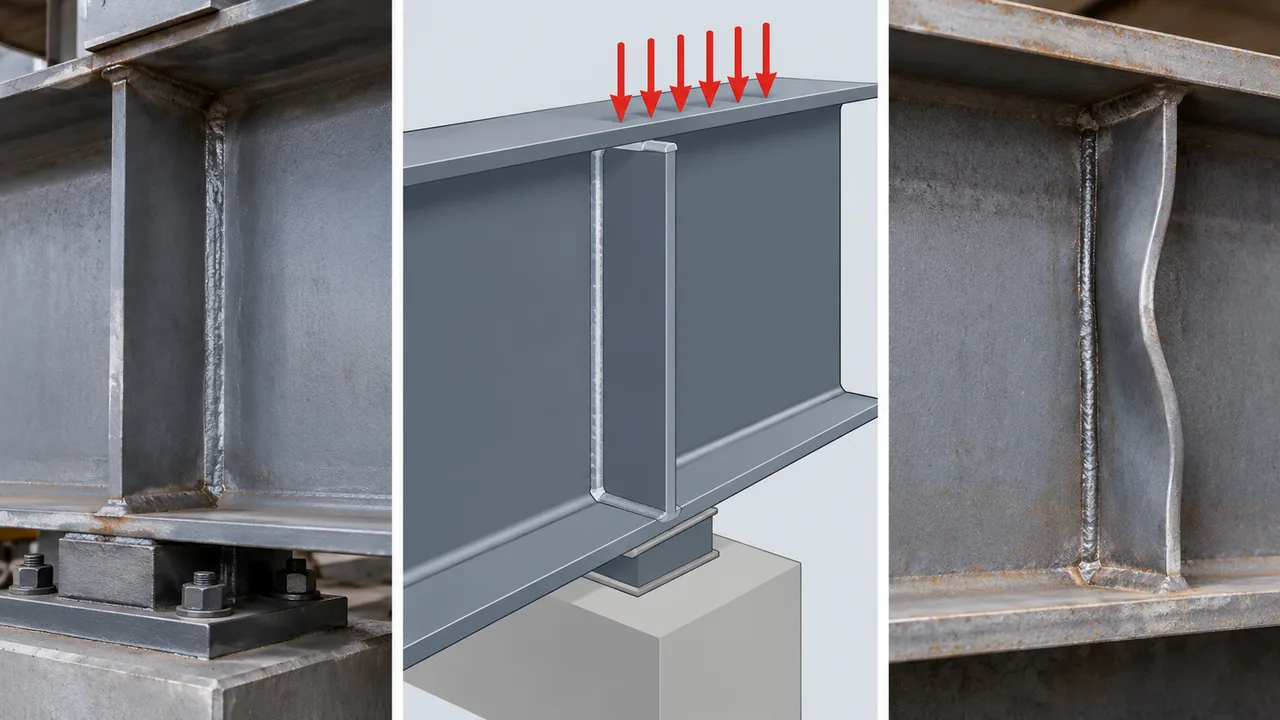
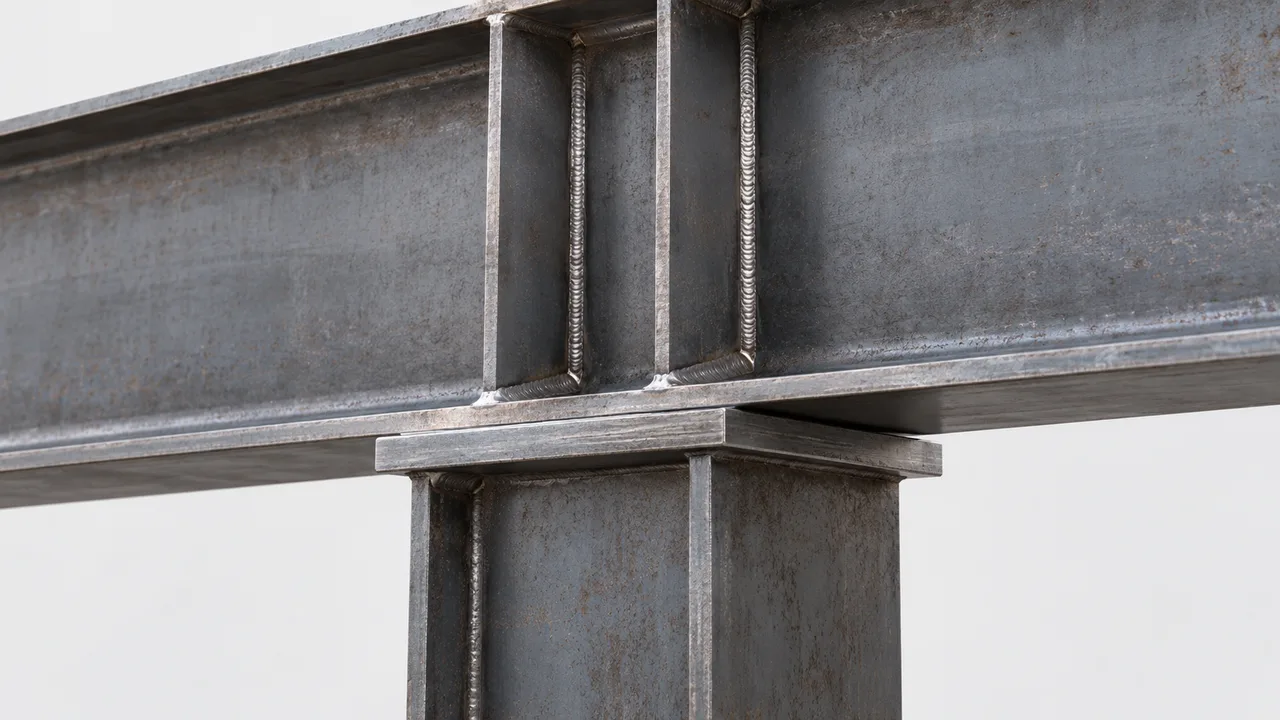
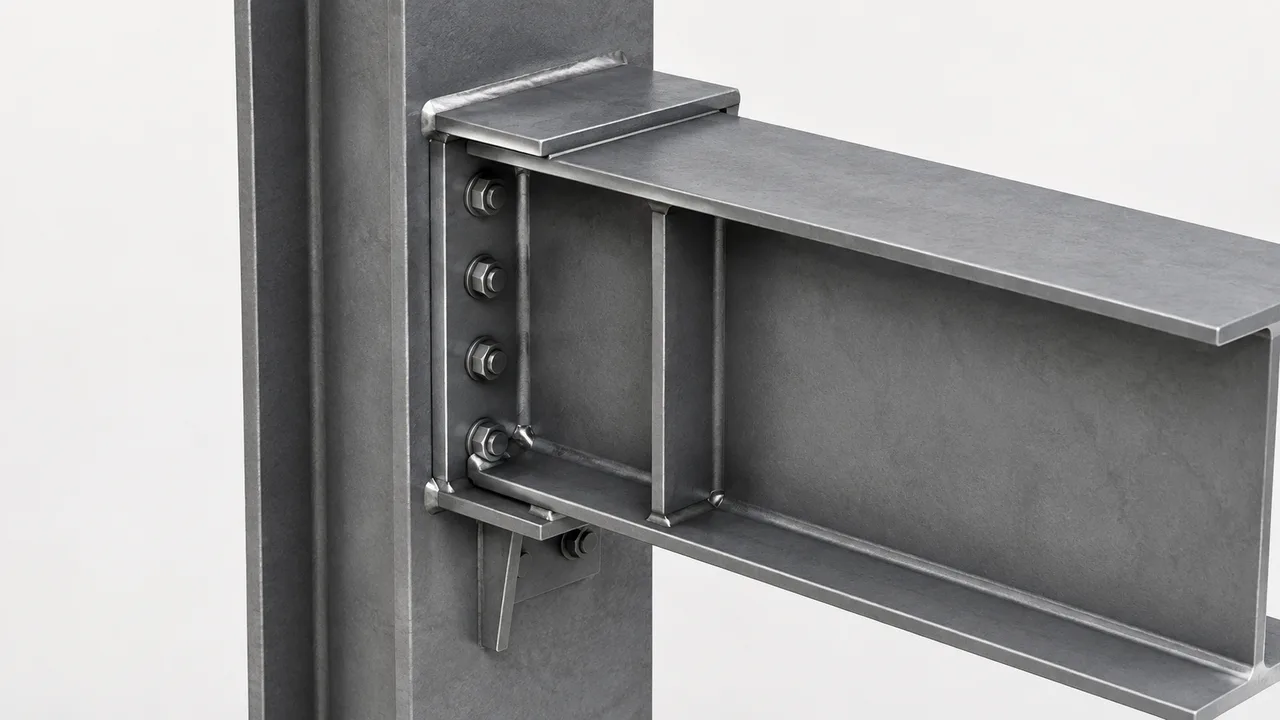
Connection design is one of the most important parts of structural steel engineering. Bolted and welded connections must be designed carefully to transfer loads safely between structural members.
Accurate shop drawings and fabrication details help reduce production errors and improve site installation efficiency.
Structural Steel Construction Process
Material Procurement and Preparation
The process begins with steel material procurement, verification, and preparation. Material traceability and quality checks help ensure that the steel used in the project meets engineering specifications.
After verification, materials are prepared for cutting, drilling, welding, and assembly.
Fabrication and Manufacturing
Steel fabrication is carried out in controlled workshop environments using CNC cutting systems, drilling machines, welding equipment, and assembly procedures. Components are manufactured according to approved engineering drawings.
Workshop fabrication improves precision, reduces on-site work, and helps maintain consistent production quality.
Site Erection and Installation
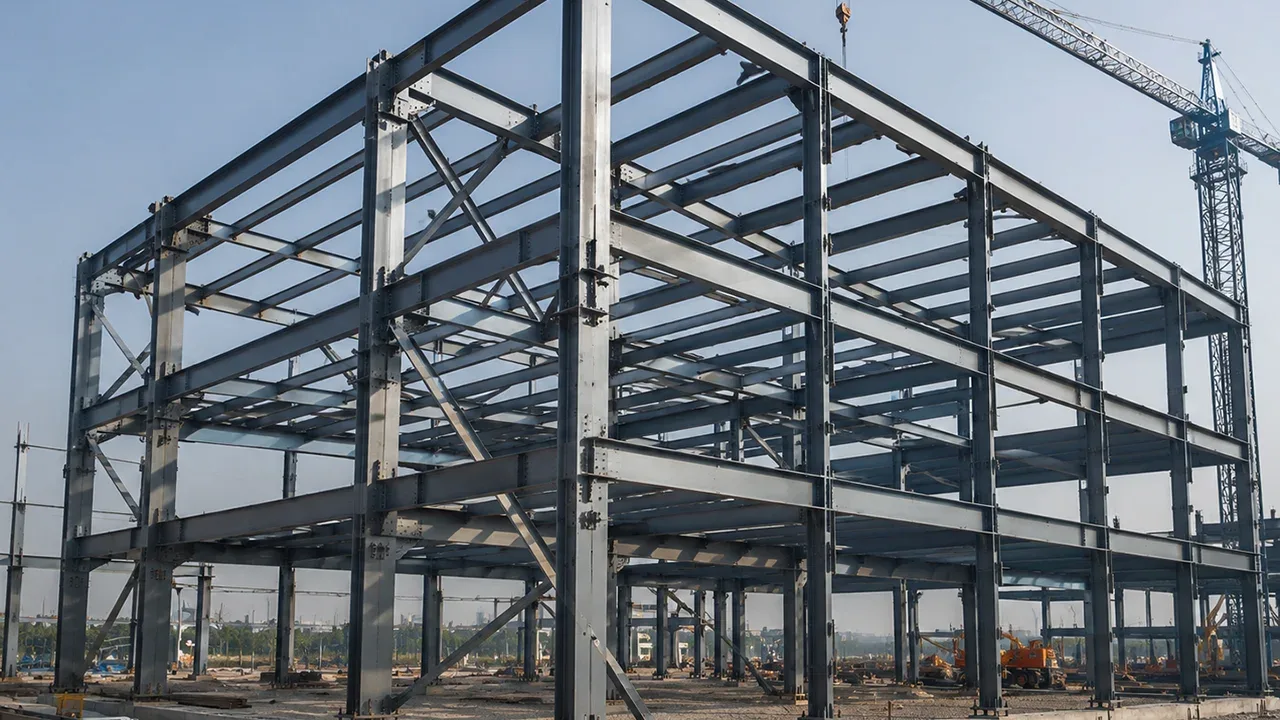
After fabrication, steel components are transported to the project site for erection. Installation teams use cranes and specialized equipment to lift, position, align, and secure the structural members.
Correct erection sequencing and alignment verification are essential for safe and efficient construction.
Quality Assurance and Inspection
Welding Inspection and NDT
Welding quality is a critical part of any structural steel construction project. Inspection procedures may include visual inspection, ultrasonic testing, magnetic particle testing, and other non-destructive testing methods.
These inspections help verify weld quality and structural integrity before installation or final delivery.
Dimensional Verification
Dimensional inspection ensures that fabricated steel components meet required tolerances and fit-up requirements. Accurate dimensional control reduces installation problems and helps keep project schedules on track.
Compliance with International Standards
Structural steel projects commonly follow international steel construction standards, welding specifications, and quality management procedures. Compliance helps ensure construction safety, fabrication consistency, and long-term performance.
Advantages of Structural Steel Construction
- High strength-to-weight ratio
- Faster construction schedules
- Large-span structural capability
- Flexible building configurations
- Long-term durability and performance
These advantages make structural steel suitable for industrial facilities, warehouses, commercial buildings, public infrastructure, and complex engineering projects.
Why Choose an Experienced Structural Steel Construction Company
Advanced Fabrication Facilities
Modern fabrication workshops use CNC machinery, automated processing systems, and digital production management to improve manufacturing precision and consistency.
Engineering and Construction Expertise
Experienced engineering teams understand structural design, fabrication coordination, construction sequencing, logistics planning, and installation management.
International Project Experience
Global project experience helps steel construction companies manage export logistics, international standards, and project coordination across different construction environments.
As an experienced structural steel supplier, XTD Steel Structure provides integrated engineering, fabrication, and construction coordination services for industrial, commercial, and infrastructure projects worldwide.
Frequently Asked Questions
What is structural steel construction?
Structural steel construction is the process of designing, fabricating, transporting, and erecting steel structural systems for buildings and infrastructure projects.
Why is structural steel preferred for large buildings?
Structural steel is preferred because it offers high strength, large-span capability, fast construction, flexible layouts, and reliable long-term performance.
How long does structural steel construction take?
Project timelines depend on building size, structural complexity, fabrication requirements, logistics planning, and site installation conditions.
What standards apply to structural steel projects?
Structural steel projects typically follow international structural steel standards, welding specifications, and quality inspection procedures.
Start Your Structural Steel Construction Project
Structural steel construction provides the strength, speed, and flexibility required for modern industrial and commercial projects. With proper engineering, precision fabrication, and coordinated installation, steel structures can deliver reliable long-term performance.
Working with an experienced steel construction partner helps ensure efficient execution, consistent quality, and successful project delivery from design through installation.