What Is a Steel Workshop Manufacturer?
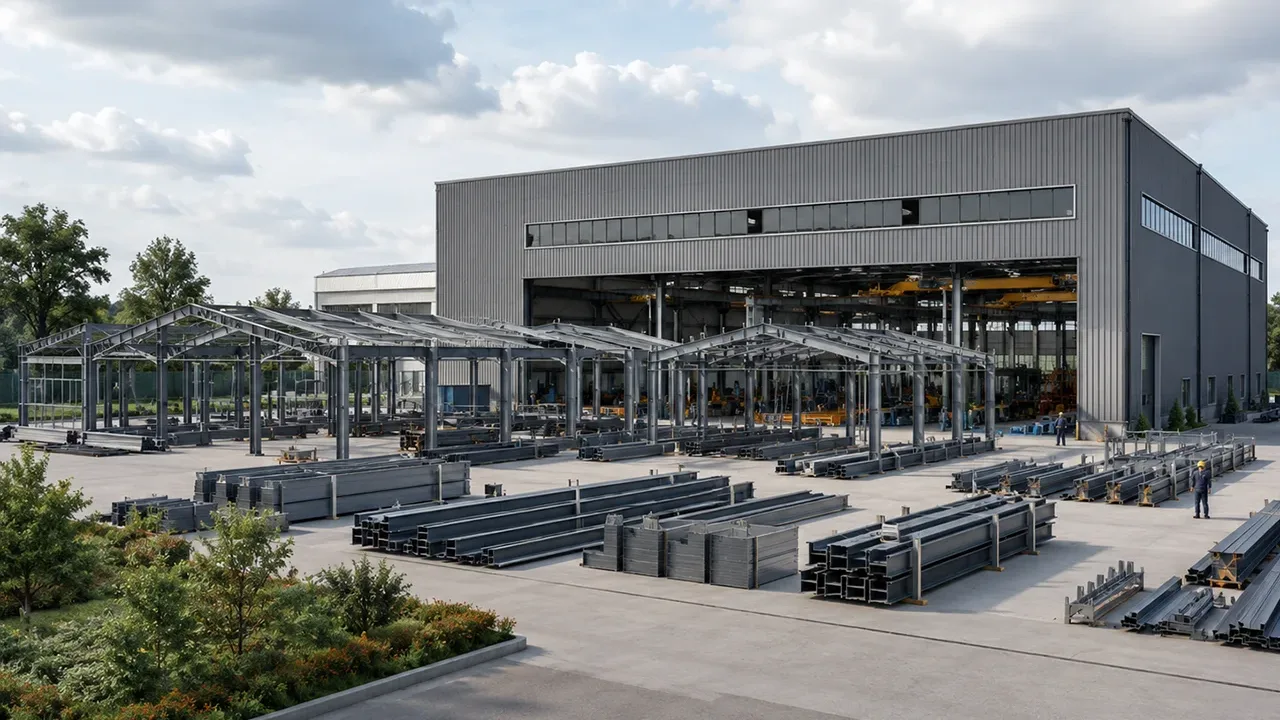
A steel workshop manufacturer is a company that designs, fabricates, and supplies steel structure systems for workshop buildings. These buildings may be used for production, assembly, repair, storage, machinery operation, vehicle maintenance, or mixed industrial functions.
The manufacturer’s role usually includes:
- Structural engineering support
- Workshop layout coordination
- Steel frame fabrication
- Secondary component production
- Surface treatment and corrosion protection
- Quality inspection
- Packaging and delivery planning
- Installation guidance
This integrated approach helps reduce coordination problems and gives project owners a clearer path from concept to completed workshop building.
Types of Steel Workshops Manufactured
Industrial Workshops
Industrial workshops are used for production, processing, fabrication, and equipment operation. These buildings often need large open areas, strong structural frames, and durable enclosure systems that can handle daily industrial use.
Steel structures allow industrial workshops to support efficient layouts while providing enough flexibility for equipment upgrades or operational changes.
Manufacturing Workshops
Manufacturing workshops are designed around assembly lines, machinery zones, production equipment, and material movement. The layout must support smooth workflow from raw material intake to finished product handling.
A steel workshop can be engineered with wide spans, crane support, ventilation openings, and customized bay spacing to match production requirements.
Maintenance Workshops
Maintenance workshops are commonly used for vehicle repair, machinery service, equipment inspection, and industrial maintenance operations.
These buildings may require high clearance, large doors, reinforced structural zones, and efficient access routes for vehicles or heavy machinery.
Storage and Utility Workshops
Some workshops combine storage, repair, utility, and light production functions in one building. Steel structures are well suited for these mixed-use spaces because the frame can be customized according to operational priorities.
For many businesses, this type of workshop provides a practical balance between cost, functionality, and future flexibility.
Core Products Offered by a Steel Workshop Manufacturer
Primary Structural Frame
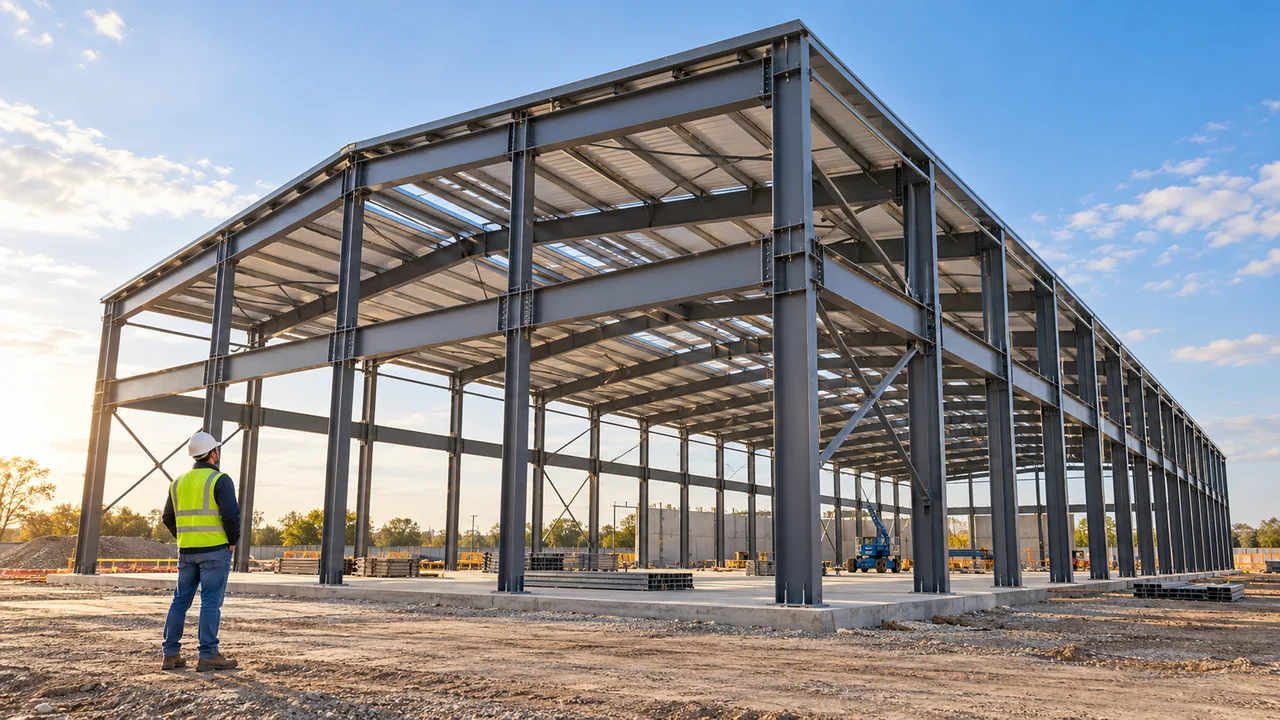
The primary frame is the main load-bearing system of the workshop building. It supports the roof, transfers loads to the foundation, and provides the overall structural stability of the building.
Typical primary components include:
- Steel columns
- Steel beams
- Portal frame systems
- Main rafters
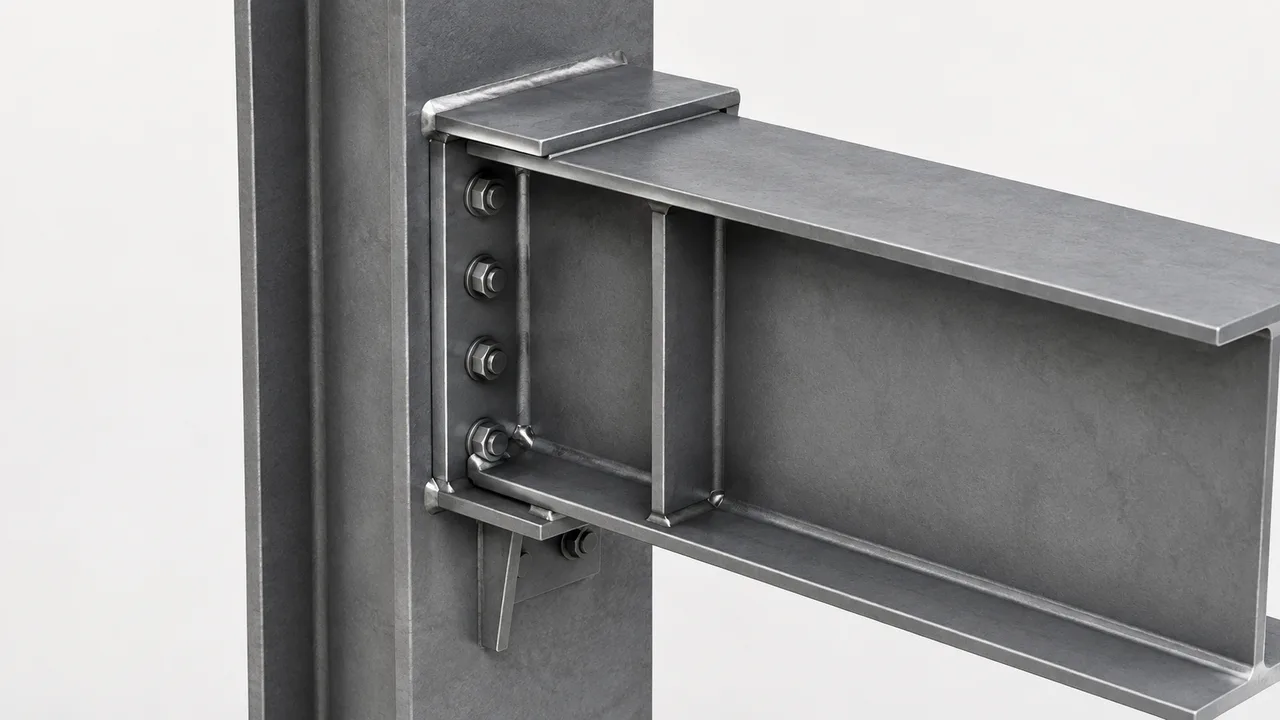
- Rigid frame connections
The frame design depends on building span, height, load requirements, crane use, and local environmental conditions.
Secondary Structural Components
Secondary components support the roof and wall systems while contributing to the stiffness and stability of the workshop structure.
Common secondary components include:
- Purlins
- Girts
- Bracing systems
- Eave struts
- Support members
Although these members are smaller than the primary frame, they are essential for overall building performance.
Building Envelope Systems
The building envelope protects the workshop interior from weather, dust, moisture, heat, and other environmental factors.
Envelope systems may include:
- Metal roof panels
- Wall cladding
- Insulated panels
- Skylight panels
- Ventilation systems
- Doors and openings
The right envelope system depends on the workshop’s climate, operating process, insulation needs, and maintenance expectations.
Engineering and Design Capabilities
Workshop Layout Planning
Workshop layout planning is one of the most important stages of the project. A well-planned layout helps improve productivity, movement efficiency, and future adaptability.
Key planning factors include:
- Equipment placement
- Production workflow
- Material handling routes
- Vehicle access
- Storage areas
- Future expansion space
Good layout planning ensures that the building supports the way the workshop will actually operate.
Structural Engineering
Steel workshops must be engineered to support both environmental loads and operational loads. This includes the weight of the building itself, wind forces, roof loads, machinery loads, and sometimes crane loads.
Engineering work may include:
- Load calculations
- Frame optimization
- Foundation coordination
- Wind and seismic design
- Crane support design
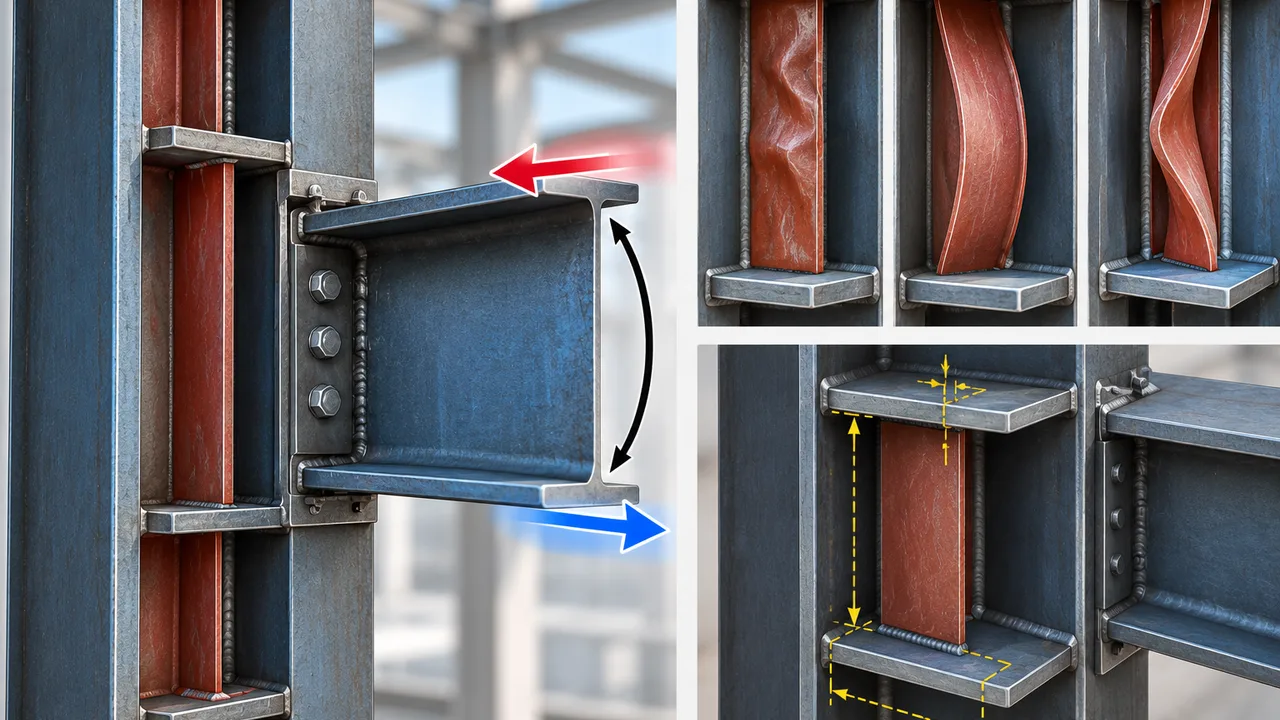
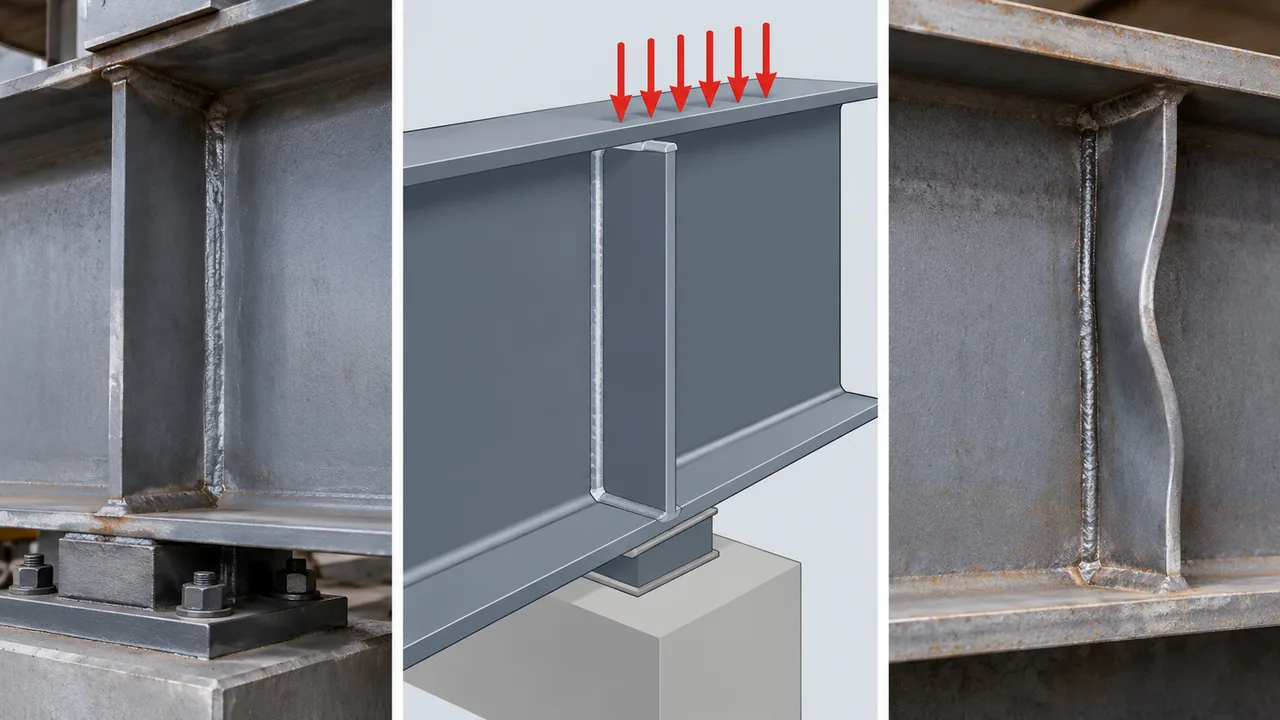
- Connection detailing
Accurate engineering helps ensure safety, durability, and efficient use of materials.
Custom Workshop Solutions
Every workshop has different requirements. Some projects need long-span production areas, while others need high clearance, crane operation, insulation, or specialized access points.
A professional manufacturer can customize:
- Building span and length
- Bay spacing
- Clear height
- Door and window placement
- Roof slope
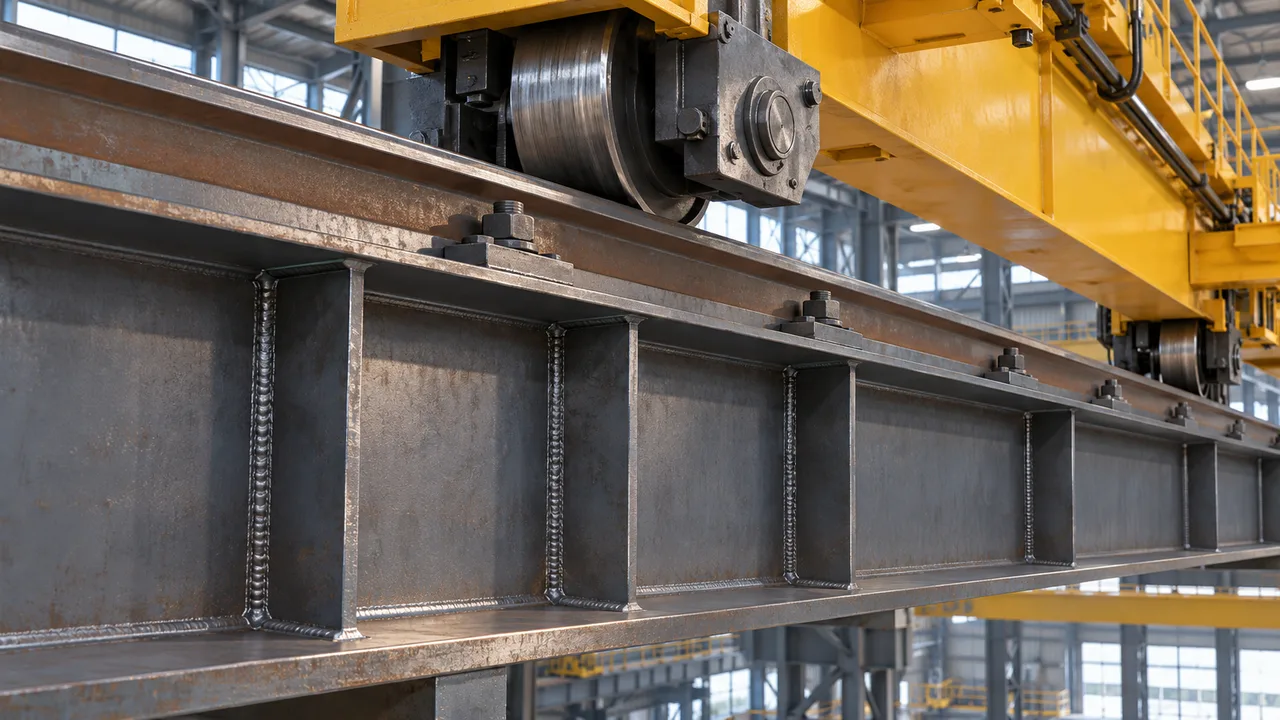
- Crane beam design
- Wall and roof systems
This flexibility allows steel workshops to serve many different industrial and commercial purposes.
Manufacturing Process
Material Procurement
The manufacturing process begins with the selection of certified steel materials that meet project specifications. Material quality affects structural strength, welding performance, durability, and long-term building reliability.
Material control usually includes certification checks, supplier qualification, traceability management, and incoming inspection.
Fabrication Operations
After engineering approval, steel components are processed in a controlled factory environment. Modern manufacturing equipment helps improve accuracy and production efficiency.
Fabrication operations commonly include:
- CNC cutting
- Drilling
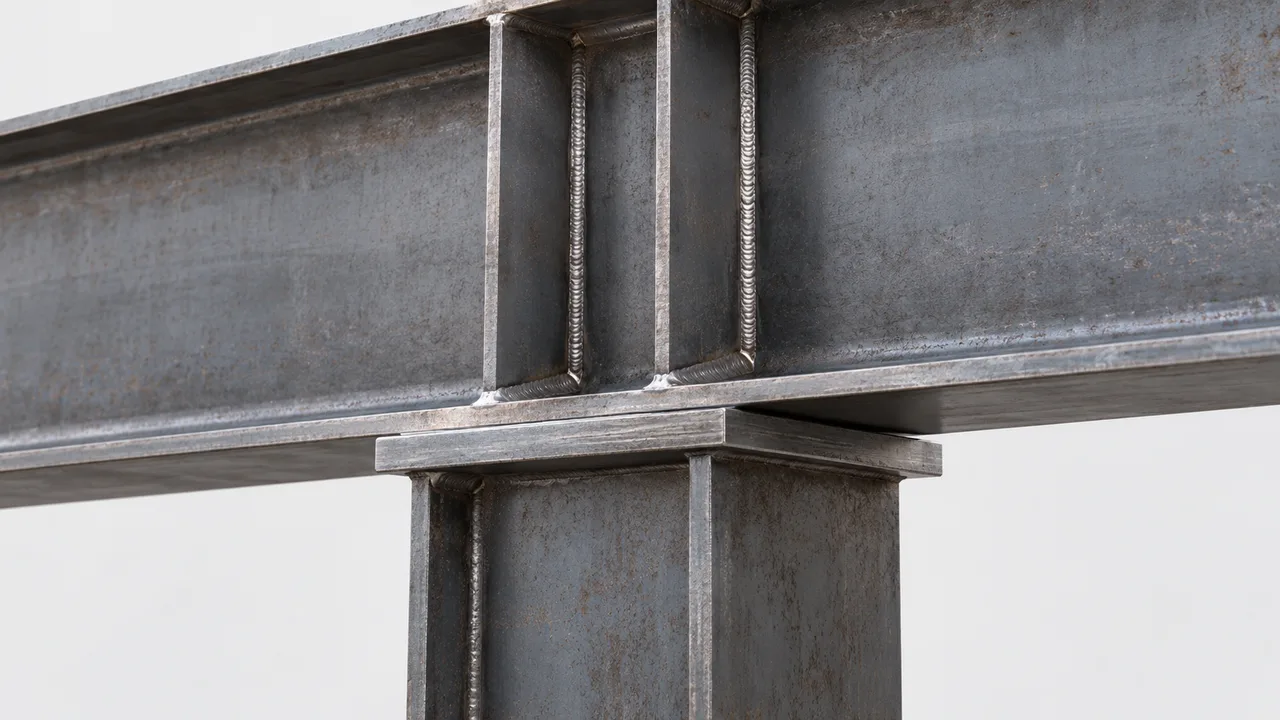
- Welding
- Assembly
- Dimensional checking
- Surface preparation
Factory fabrication helps reduce site work and supports faster project delivery.
Surface Treatment
Surface treatment protects steel components from corrosion and environmental exposure. The selected system depends on the project location, humidity, industrial exposure, and maintenance plan.
Common options include:
- Protective painting systems
- Hot-dip galvanizing
- Industrial coatings
- Corrosion-resistant treatments
Proper surface protection helps extend the service life of the workshop building.
Quality Control in Steel Workshop Manufacturing
Material Inspection
Quality control begins with checking incoming materials against project requirements. Material certificates, steel grades, dimensions, and traceability records are reviewed before fabrication begins.
Welding Quality Control
Welding quality is critical for structural safety. Qualified welders, approved welding procedures, and inspection checkpoints help ensure reliable welded joints.
Depending on project requirements, welding inspection may include visual inspection, dimensional checks, and non-destructive testing.
Dimensional Verification
Finished components are checked against fabrication drawings to confirm size, hole positions, connection details, and overall geometry.
Dimensional accuracy helps prevent installation problems and reduces field modification work.
Final Product Inspection
Before shipment, completed steel components are inspected for quality, completeness, labeling, surface treatment, and packing readiness.
This final review helps ensure that the delivered workshop components are ready for efficient site assembly.
Advantages of Working with a Steel Workshop Manufacturer
Faster Project Delivery
Steel workshop components are fabricated in advance and assembled on site, which can shorten construction schedules compared with many conventional building methods.
Flexible Workshop Layouts
Steel frames can achieve large spans and open interior spaces, making it easier to arrange equipment, production lines, storage zones, and maintenance areas.
Durable Industrial Performance
Steel workshop buildings are designed to handle demanding operational environments, including frequent equipment movement, industrial workflows, and long-term use.
Custom Manufacturing Capability
A workshop can be designed according to the exact needs of the business rather than forcing operations into a fixed building layout.
Future Expansion Options
Many steel workshops can be planned with future expansion in mind, allowing the building to grow as production or storage demand increases.
Industries Served
Manufacturing
Manufacturers use steel workshops for production, assembly, fabrication, packaging, and equipment operation.
Machinery and Equipment
Machinery businesses often require strong workshop buildings with high clearance, crane systems, and durable structural frames.
Automotive Maintenance
Vehicle maintenance workshops benefit from large doors, open interior layouts, and strong frames that support repair operations.
Logistics and Storage
Logistics companies may use steel workshops for equipment storage, light repair, sorting, and operational support.
Agriculture and Processing
Agricultural operations use steel workshops for machinery storage, processing areas, product handling, and utility functions.
International Project Delivery
Export Packaging
For overseas projects, steel components must be packed to protect them during loading, shipping, unloading, and site handling.
Shipping Coordination
Coordinated shipping helps ensure that workshop components arrive according to the project schedule and installation sequence.
Installation Support
Technical guidance, drawings, and installation documentation help contractors assemble the workshop structure correctly on site.
Technical Documentation
Project documentation may include packing lists, drawings, material records, quality reports, and installation references.
Why Choose XTD Steel Structure
Advanced Fabrication Facilities
Modern fabrication equipment supports accurate cutting, drilling, welding, assembly, and surface preparation for steel workshop projects.
Experienced Engineering Team
Engineering support helps optimize workshop layouts, structural systems, and fabrication details according to project requirements.
Workshop Building Expertise
XTD Steel Structure supports workshop projects for production, maintenance, storage, industrial processing, and mixed-use applications.
Global Project Delivery Experience
As an experienced steel workshop manufacturer, XTD Steel Structure provides engineering coordination, fabrication, quality control, logistics support, and international project delivery for workshop buildings worldwide.
Frequently Asked Questions
What does a steel workshop manufacturer do?
A steel workshop manufacturer designs, fabricates, and supplies steel structure systems for workshop buildings used in production, maintenance, storage, and industrial operations.
What types of steel workshops can be manufactured?
Industrial workshops, manufacturing workshops, maintenance workshops, storage workshops, and custom mixed-use workshop buildings can all be manufactured.
Can steel workshops support overhead cranes?
Yes. Steel workshops can be engineered with crane beams, reinforced frames, and support systems for overhead crane operation.
Can steel workshops be expanded later?
Yes. Many steel workshop buildings can be designed with future expansion options, such as additional bays, longer building length, or connected storage areas.
Start Your Steel Workshop Project
A professional steel workshop manufacturer helps turn workshop requirements into a durable, efficient, and scalable building solution. Through engineering support, precision fabrication, quality inspection, and coordinated delivery, steel workshops can serve production, maintenance, storage, and industrial operations with long-term reliability.
Working with an experienced partner helps improve project quality, reduce construction risks, and support successful workshop delivery from planning to installation.