What Is Steel Fabrication for Oil and Gas?
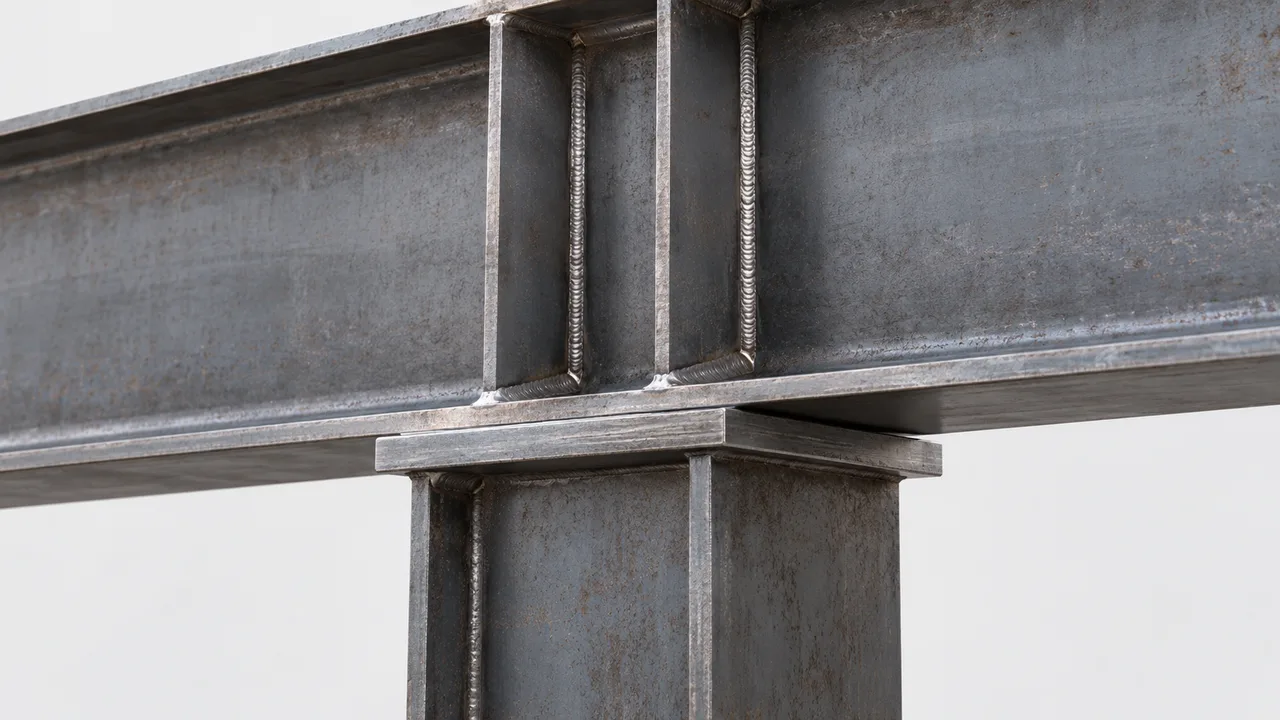
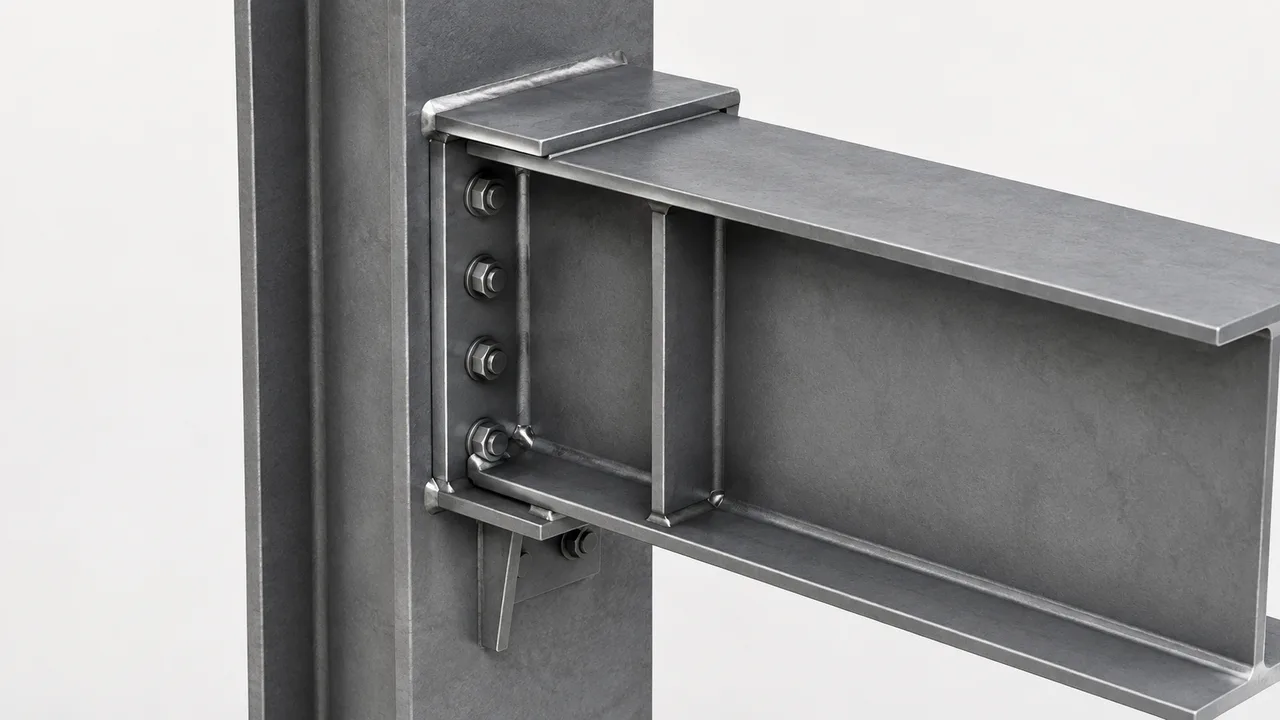
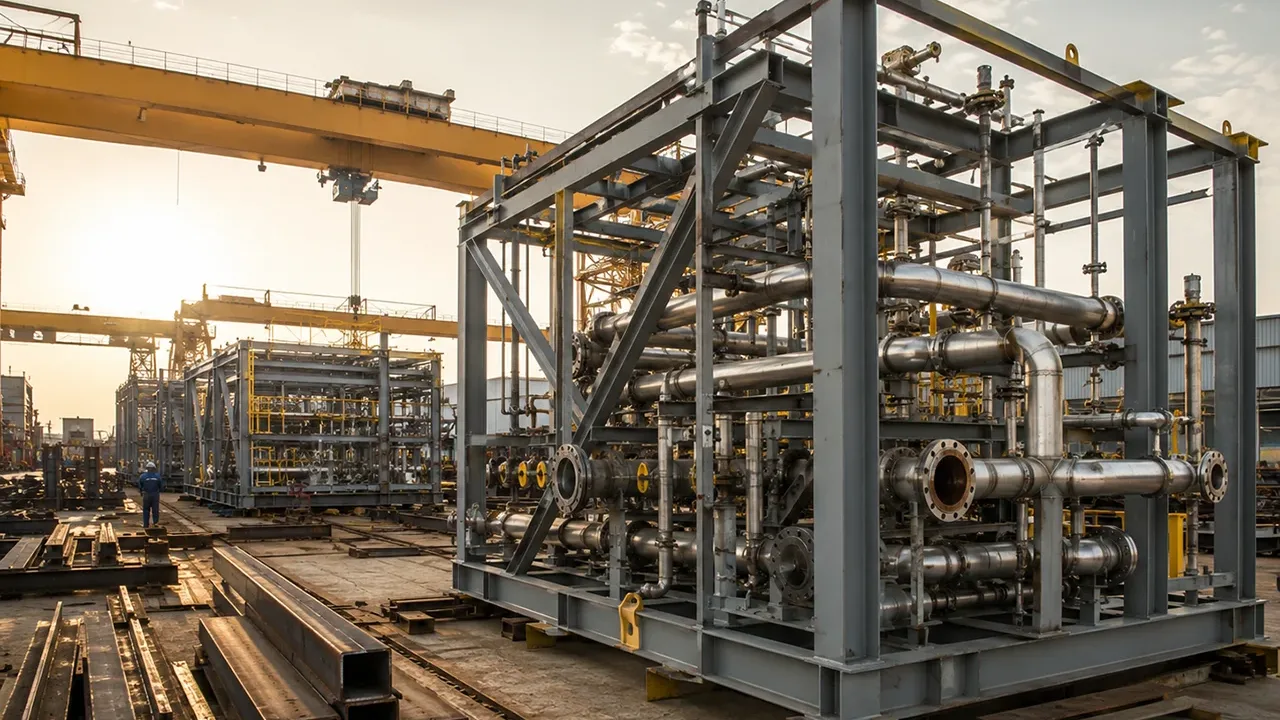
Steel fabrication for oil and gas refers to the engineering, manufacturing, assembly, and quality control of structural steel components designed specifically for energy industry applications. These fabricated systems support equipment, pipelines, process units, storage facilities, and operational infrastructure throughout upstream, midstream, and downstream operations.
Compared with standard structural fabrication, oil and gas projects often require additional engineering controls, higher quality standards, specialized corrosion protection systems, and extensive documentation.
Typical fabricated systems include:
- Structural steel frames
- Pipe rack systems
- Equipment support structures
- Maintenance platforms
- Access stair systems
- Industrial buildings
- Utility support structures
These components work together to create safe, reliable, and efficient operating environments.
Why Steel Structures Are Critical in Oil and Gas Facilities
Support for Heavy Equipment
Oil and gas operations depend on large processing equipment that generates significant structural loads.
Examples include:
- Compressors
- Pumps
- Pressure vessels
- Heat exchangers
- Processing units
- Storage systems
Steel structures provide the strength necessary to safely support this equipment while maintaining operational stability.
High Structural Reliability
Many energy facilities operate continuously for extended periods. Structural reliability is therefore essential to maintaining safe and efficient operations.
Design objectives often focus on:
- Operational continuity
- Worker safety
- Load stability
- Equipment protection
- Long-term performance
Professional fabrication helps ensure structures can perform under demanding operating conditions.
Resistance to Harsh Environments
Oil and gas facilities are frequently exposed to some of the industry’s most challenging environmental conditions.
These may include:
- Offshore environments
- Coastal corrosion exposure
- Desert climates
- High humidity regions
- Chemical processing environments
Proper material selection and protective systems are essential for maintaining structural integrity.
Long Service Life
Energy infrastructure is typically designed for decades of operation. Steel structures must therefore support long-term asset management strategies.
Important considerations include:
- Durability
- Corrosion resistance
- Maintenance accessibility
- Inspection requirements
- Lifecycle performance
Well-fabricated structures contribute to lower ownership costs throughout the facility’s operating life.
Types of Oil and Gas Steel Fabrication Projects
Refineries
Refineries require extensive structural systems to support processing equipment and operational infrastructure.
Common fabricated components include:
- Process structures
- Pipe racks
- Equipment platforms
- Access systems
- Utility structures
These facilities often involve complex engineering and fabrication requirements.
Petrochemical Plants
Petrochemical facilities depend on steel structures to support process units, piping systems, and maintenance access.
Applications typically include:
- Equipment support frames
- Pipe support systems
- Industrial platforms
- Structural building frames
- Maintenance structures
Fabrication quality directly affects long-term operational reliability.
Oil Storage Terminals
Storage terminals require structural systems that support loading operations, storage infrastructure, and maintenance activities.
Typical fabricated components include:
- Tank support structures
- Loading platforms
- Pipe bridges
- Access walkways
- Operational buildings
These facilities often prioritize durability and corrosion protection.
Gas Processing Facilities
Gas processing plants utilize structural steel systems throughout their production and utility operations.
Fabricated structures may support:
- Processing units
- Utility equipment
- Pipe networks
- Maintenance platforms
- Control buildings
Proper fabrication ensures safe and efficient operation of critical processing equipment.
Pipeline Support Infrastructure
Pipeline networks require various structural systems to support transportation and maintenance functions.
Applications commonly include:
- Pipe racks
- Pipe bridges
- Equipment supports
- Maintenance platforms
- Access structures
These systems help maintain safe and reliable transportation operations.
Main Fabricated Steel Components
Structural Steel Frames
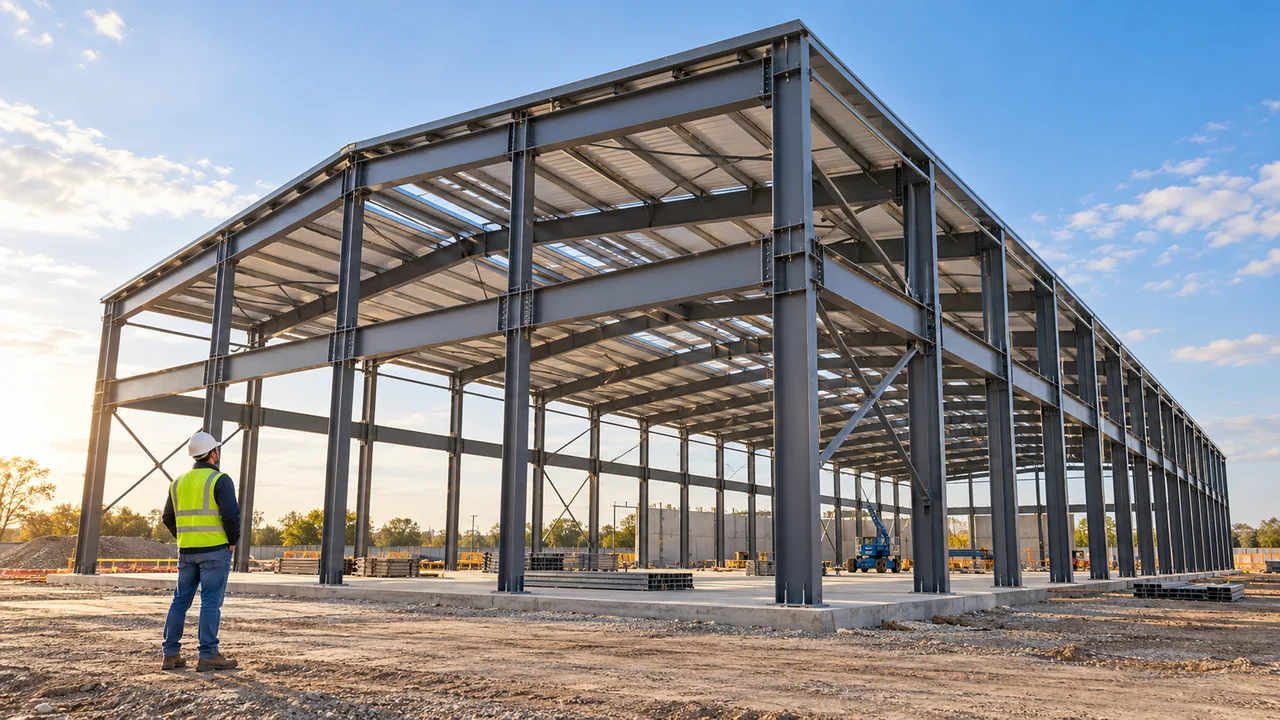
Structural frames provide the primary support system for industrial buildings and process facilities throughout the oil and gas industry.
Pipe Racks
Pipe racks support extensive piping networks while maintaining accessibility for inspection and maintenance activities.
Equipment Support Structures
Specialized support frames carry process equipment, compressors, pumps, and utility systems.
Maintenance Platforms
Platforms provide safe access for inspection, operation, and maintenance personnel.
Access Stairs and Walkways
Access systems help ensure safe movement throughout industrial facilities.
Industrial Buildings
Control rooms, maintenance facilities, workshops, and operational buildings frequently utilize fabricated steel structures.
Engineering Considerations
Heavy Equipment Loads
Structural systems must safely support equipment weights and operational loading conditions.
Dynamic Operational Loads
Rotating equipment and industrial processes can create vibration and dynamic loading that influence structural design.
Corrosion Protection Requirements
Protective coating systems, galvanizing, and specialized finishes help extend structural service life.
Fire Resistance Considerations
Certain facilities may require additional fire protection measures depending on project specifications and operating conditions.
International Standards Compliance
Oil and gas projects often require compliance with project-specific standards, industry regulations, and client quality requirements.