What Is Steel Structure Construction for Energy Projects?
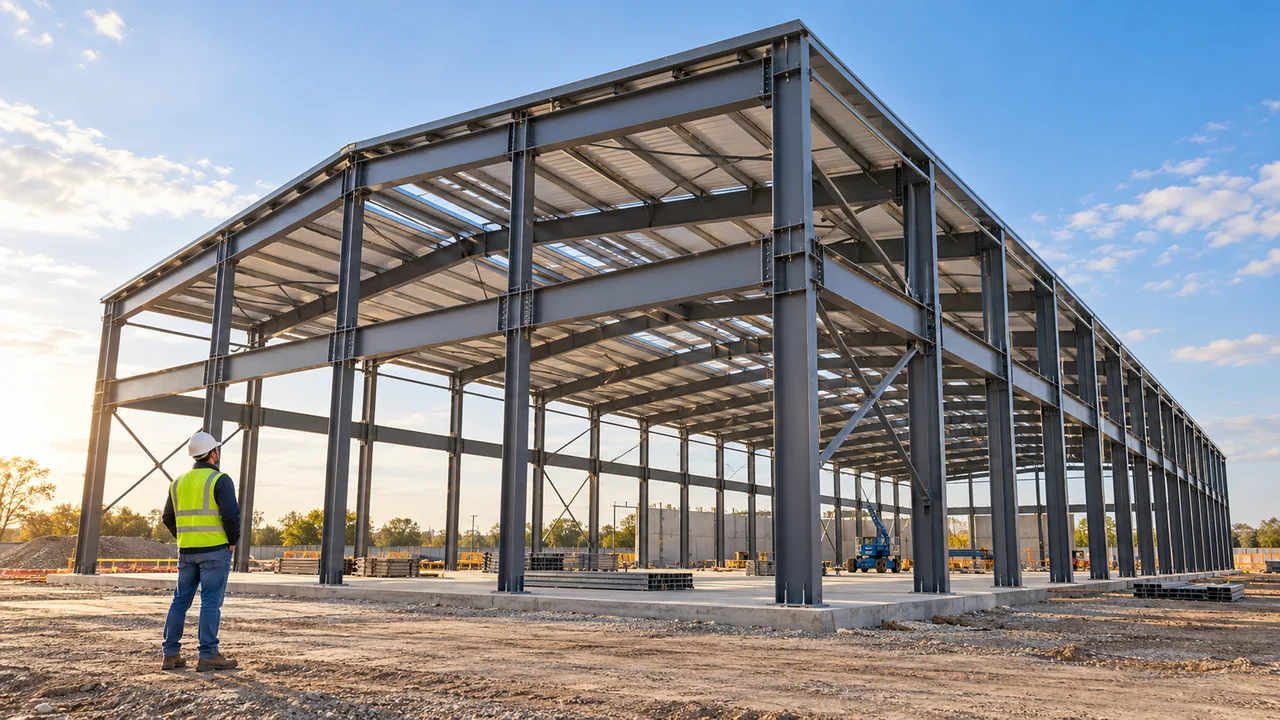
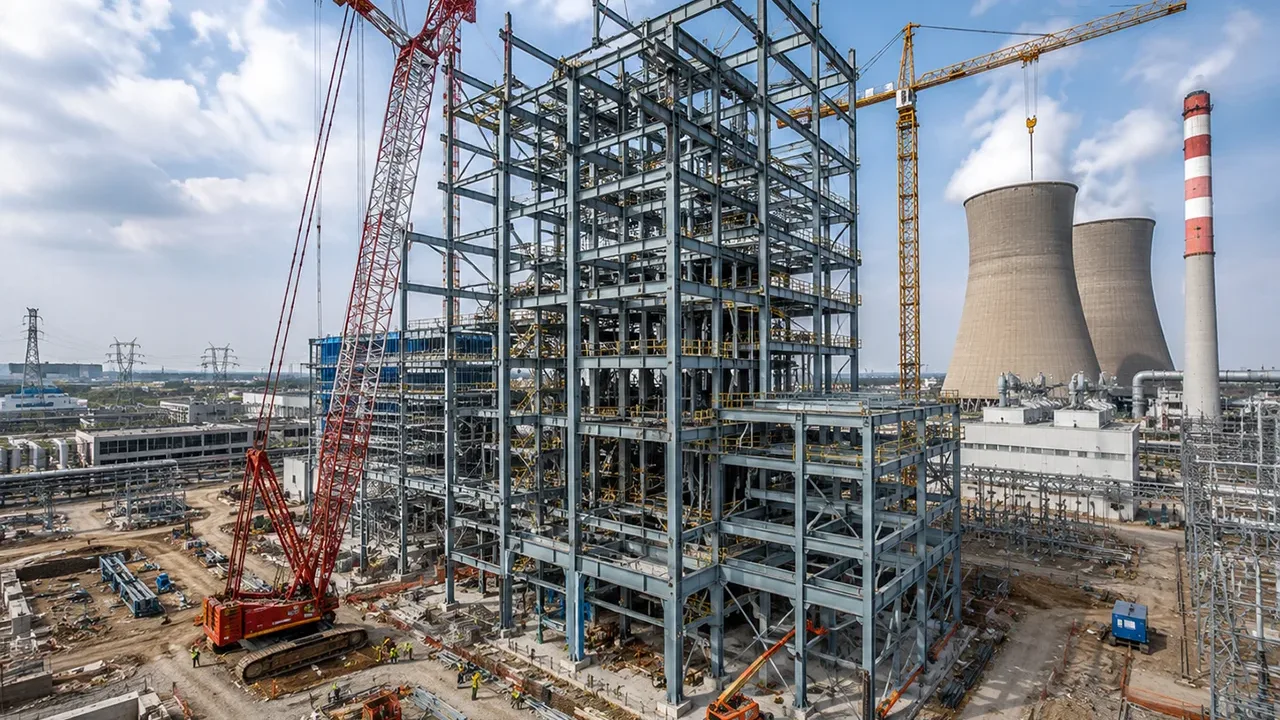
Steel structure construction for energy projects refers to the engineering, fabrication, and erection of structural steel systems specifically designed for facilities involved in energy production, transmission, storage, and distribution. These structures support industrial equipment, processing systems, maintenance operations, and utility services while maintaining high levels of structural safety and operational efficiency.
Unlike conventional commercial buildings, energy facilities often accommodate heavy equipment, elevated process systems, large mechanical installations, and continuous industrial operations that require specialized structural solutions.
A typical energy steel structure project may include:
- Main structural steel framing
- Heavy steel columns and beams
- Long-span roof systems
- Equipment support structures
- Pipe racks and utility platforms
- Maintenance walkways and access systems
- Industrial wall and roof cladding systems
Each structural component is engineered to meet operational requirements while supporting safe and reliable energy production.
Why Energy Projects Use Steel Structures
High Structural Strength
Energy facilities frequently support heavy industrial equipment that generates substantial static and dynamic loads throughout daily operation.
Steel structures provide reliable support for:
- Power generation equipment
- Transformers
- Industrial pumps
- Compressors
- Process vessels
- Material handling systems
The excellent strength-to-weight ratio of structural steel allows engineers to design efficient framing systems capable of supporting demanding industrial applications.
Fast Project Delivery
Construction schedules are often critical for energy developments because delayed completion directly impacts operational readiness and investment returns.
Prefabricated steel construction accelerates projects through:
- Factory-controlled fabrication
- Reduced on-site labor
- Simplified installation
- Higher assembly efficiency
- Shorter construction schedules
Faster project completion allows facilities to begin energy production sooner while reducing construction risks.
Long-Term Durability
Energy facilities often operate in demanding environments involving heat, moisture, vibration, chemicals, and continuous industrial activity.
Properly designed steel structures provide:
- Excellent structural stability
- Long service life
- Low maintenance requirements
- Reliable operational performance
- Consistent long-term durability
Protective coatings and corrosion-resistant systems further improve structural longevity under challenging operating conditions.
Flexible Facility Expansion
Energy demand continues to grow, making future expansion an important consideration during facility planning.
Steel structures simplify expansion by allowing:
- Additional equipment installation
- New production areas
- Expanded utility systems
- Additional maintenance facilities
- Future capacity upgrades
This flexibility protects long-term investments while supporting future operational growth.
Types of Energy Facilities Built with Steel Structures
Power Generation Plants
Power plants require robust structural systems capable of supporting large mechanical equipment and continuous industrial operations.
Typical facilities include:
- Turbine buildings
- Boiler structures
- Generator halls
- Maintenance facilities
- Auxiliary utility buildings
Steel construction provides the strength and flexibility necessary for these critical installations.
Renewable Energy Facilities
The renewable energy sector increasingly relies on steel structures to support both operational equipment and maintenance infrastructure.
Applications include:
- Solar equipment buildings
- Wind farm maintenance facilities
- Battery energy storage buildings
- Renewable energy control centers
- Equipment service workshops
Steel structures allow renewable energy projects to expand efficiently as generating capacity increases.
Oil and Gas Facilities
Oil and gas operations require specialized structures capable of supporting process equipment while maintaining high levels of operational safety.
Common facilities include:
- Processing plants
- Pump stations
- Compressor buildings
- Utility modules
- Equipment shelters
Steel framing offers excellent performance for demanding industrial process environments.
Substations and Utility Buildings
Electrical infrastructure requires durable buildings that protect critical equipment while supporting maintenance operations.
Typical applications include:
- Electrical substations
- Switchgear buildings
- Control centers
- Maintenance facilities
- Utility service buildings
Steel structures provide long-term reliability for essential electrical infrastructure.
Energy Equipment Warehouses
Reliable storage facilities help energy operators maintain critical spare parts and operational equipment.
Warehouse applications include:
- Equipment storage
- Spare parts warehouses
- Maintenance inventory
- Industrial supplies
- Emergency response equipment storage
Steel warehouse buildings provide efficient storage capacity while allowing future operational expansion.
Main Components of Energy Steel Structures
Steel Columns
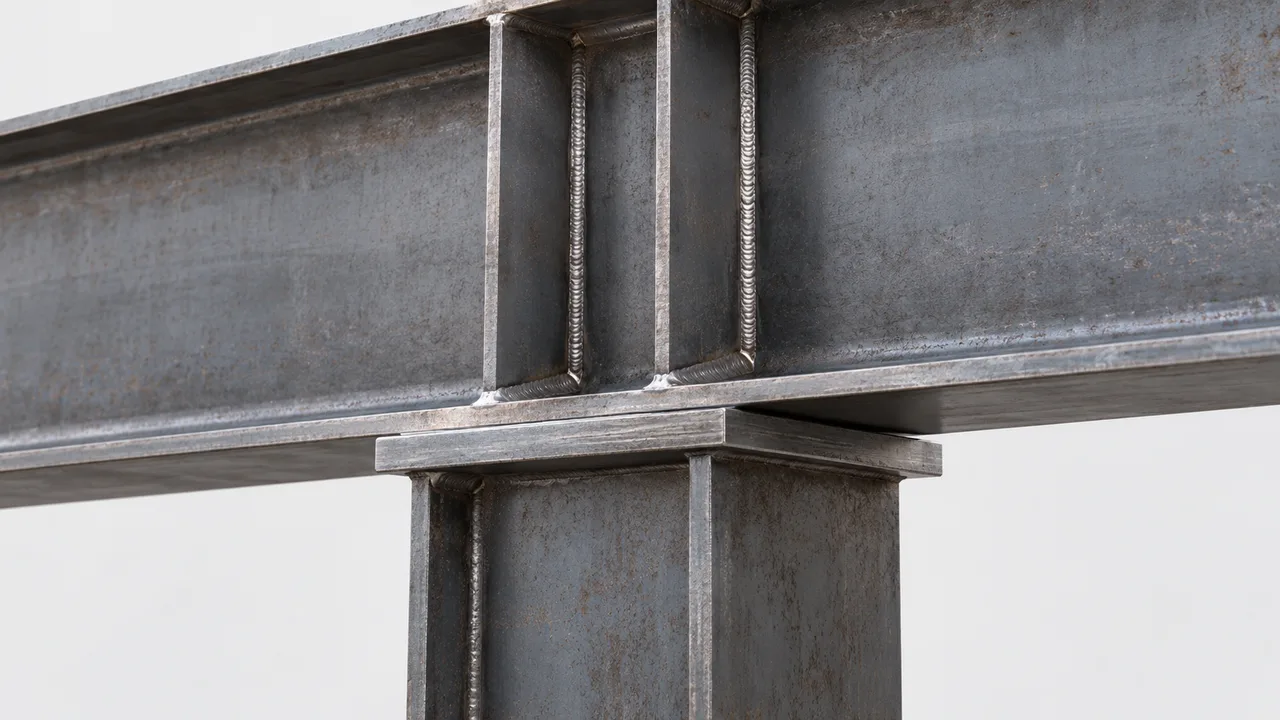
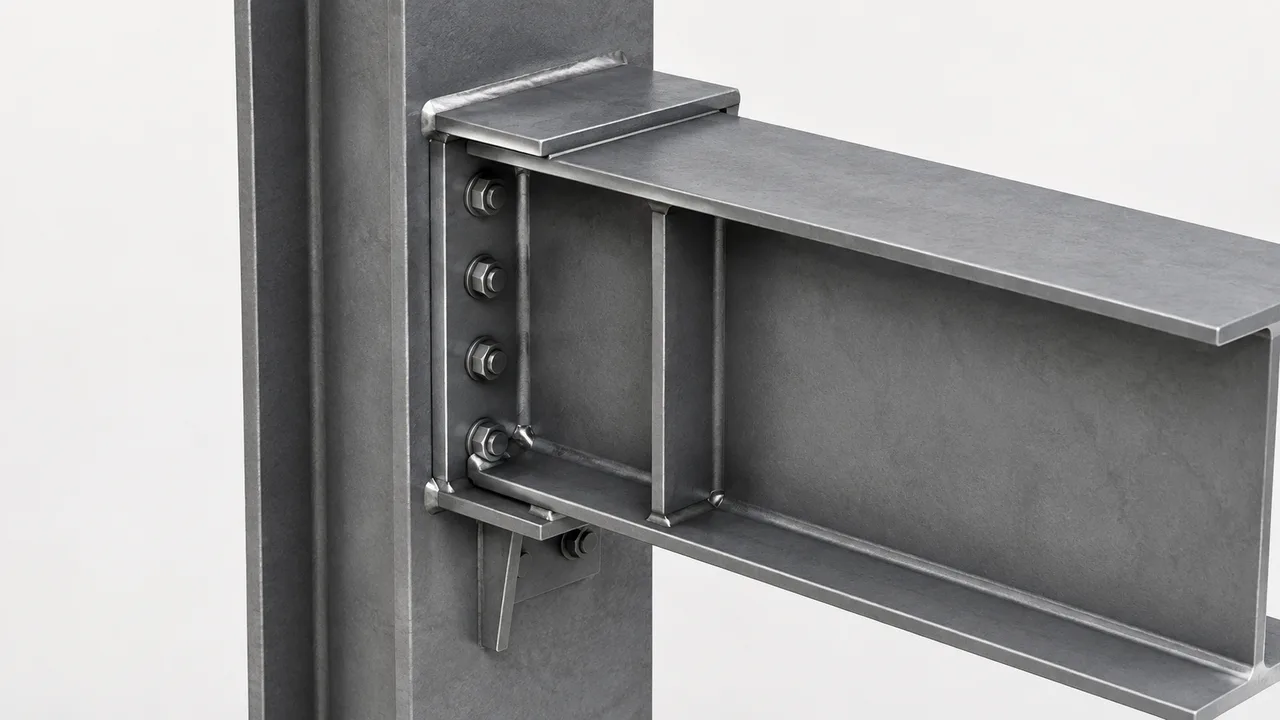
Steel columns provide the primary vertical support for industrial buildings, equipment platforms, and utility structures throughout energy facilities.
Steel Beams
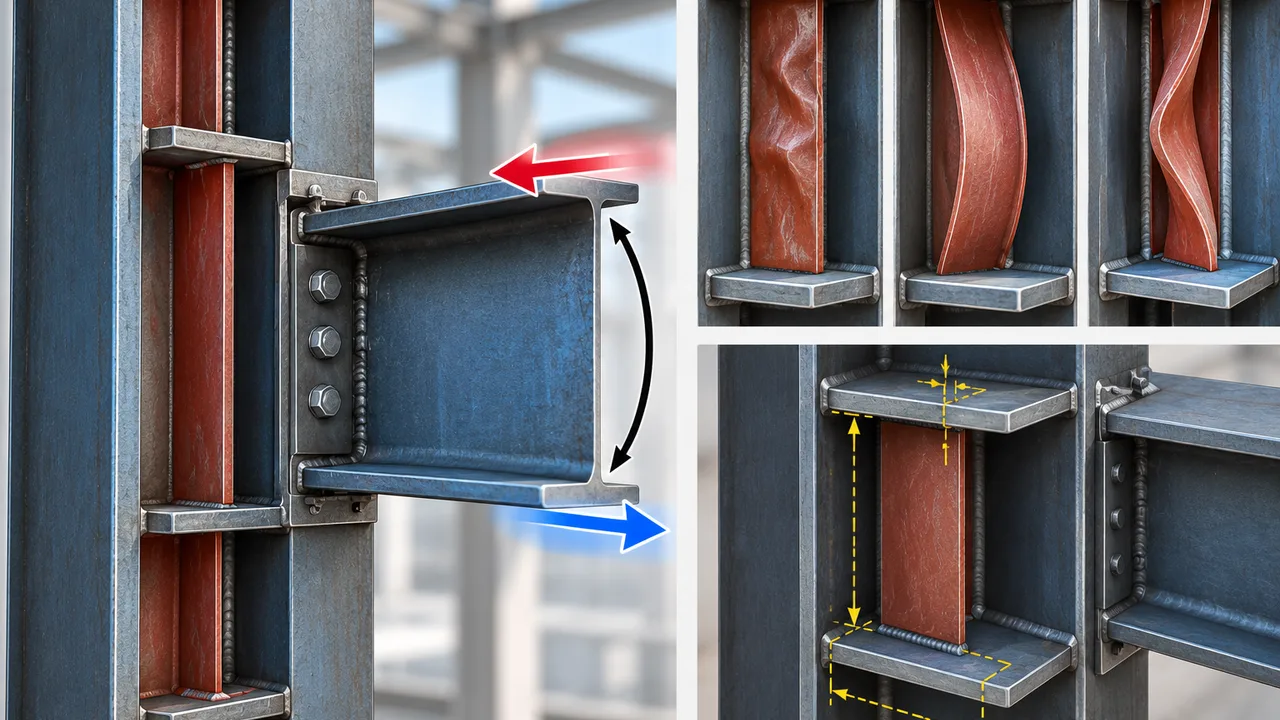
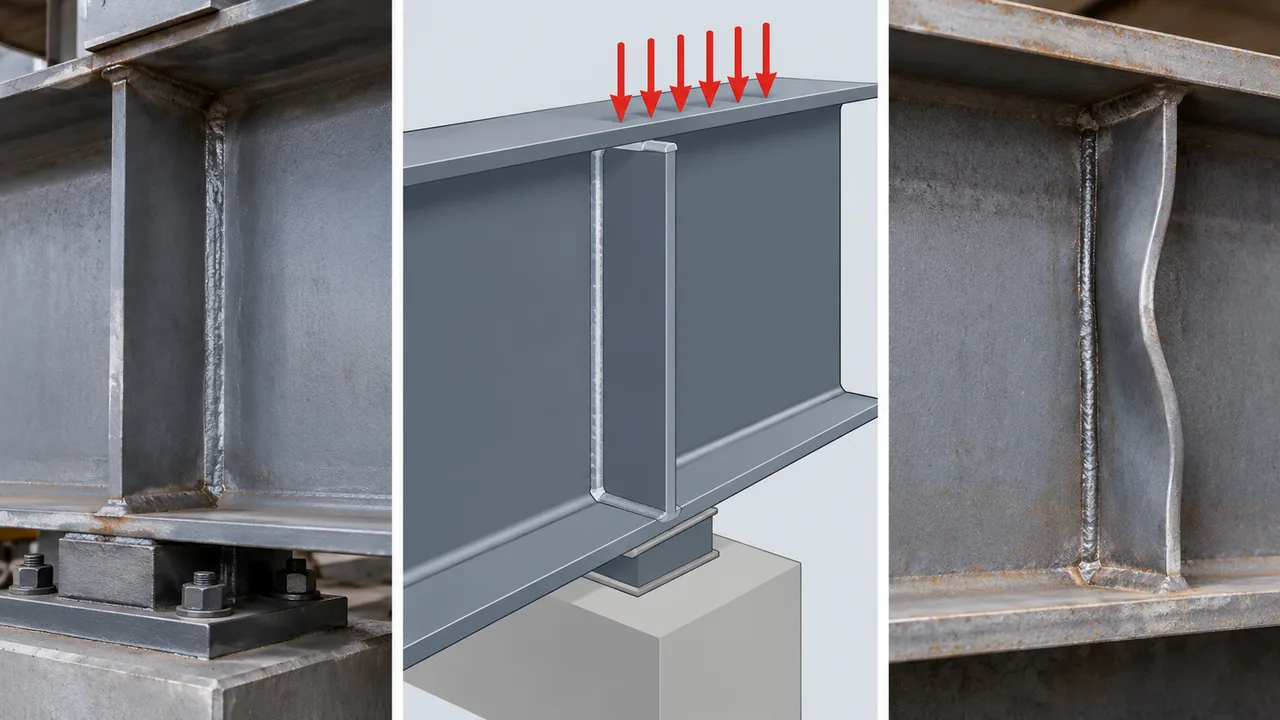
Steel beams transfer structural loads while supporting roof systems, industrial equipment, elevated platforms, and operational facilities.
Roof Systems
Energy buildings commonly utilize portal frames, steel trusses, and long-span roof systems to create efficient operational spaces with minimal interior obstructions.
Equipment Support Structures
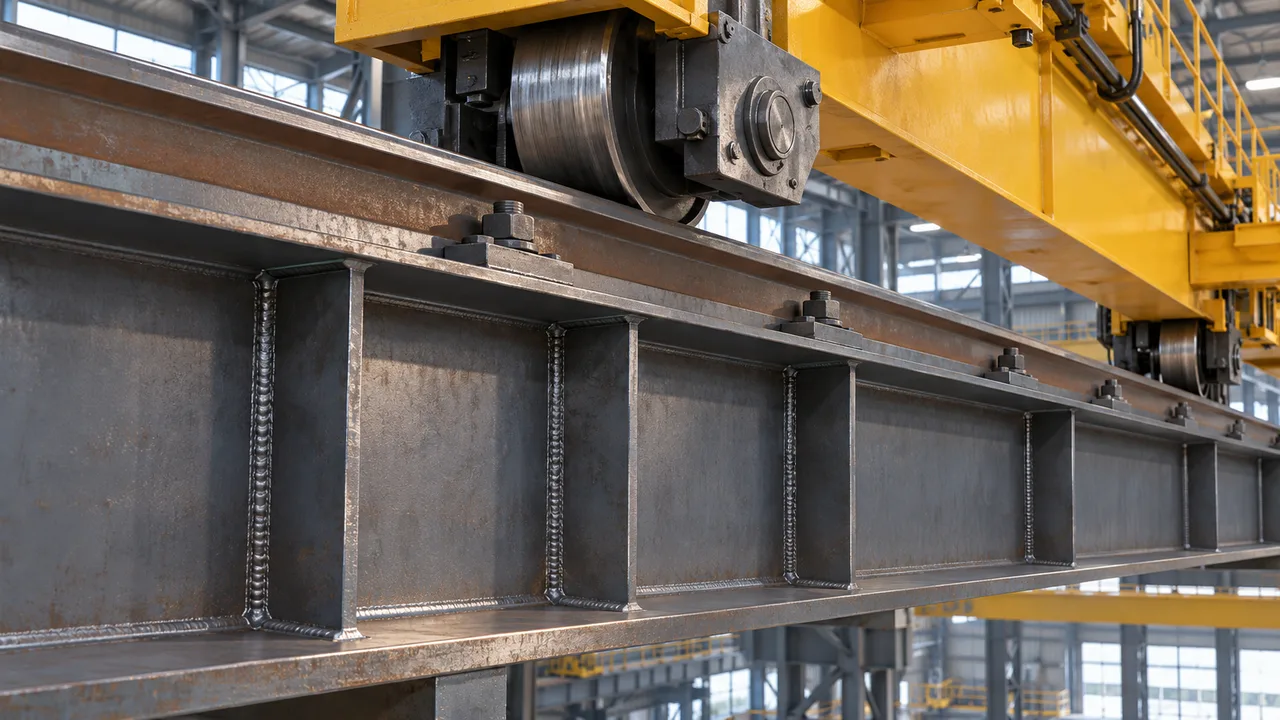
Specialized structural systems support process equipment, pipe racks, utility platforms, elevated machinery, and other operational components essential to energy production.
Access Structures
Walkways, stair towers, maintenance platforms, and inspection systems provide safe access for routine maintenance, equipment servicing, and operational monitoring.