What Is Steel Structure Assembly Construction?
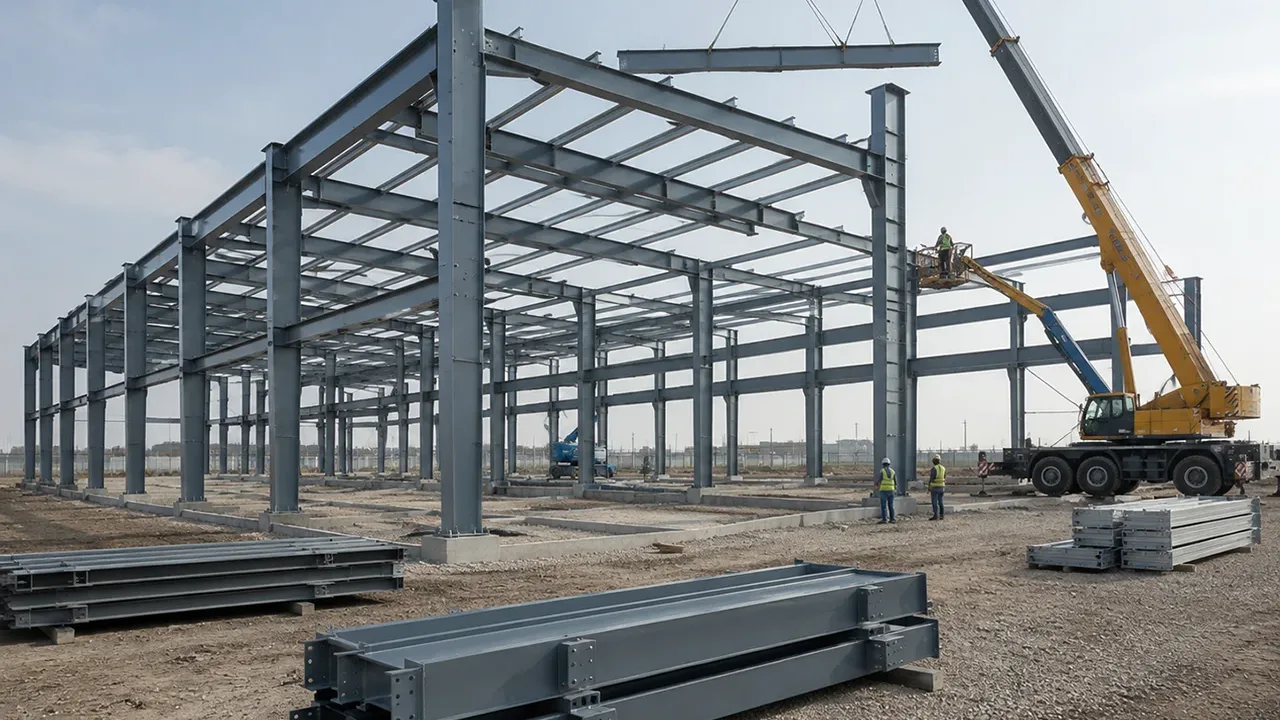
Steel structure assembly construction refers to the organized process of connecting fabricated steel components into complete structural frames according to engineering drawings and approved construction procedures. Assembly includes positioning steel members, verifying dimensions, installing structural connections, and preparing the framework for final project completion.
Unlike steel fabrication, which occurs inside manufacturing facilities, assembly is typically performed on-site or in designated pre-assembly areas before the structure is fully erected.
A typical assembly project includes:
- Engineering review
- Component inspection
- Frame assembly
- Structural connections
- Secondary steel assembly
- Final dimensional verification
Each activity follows carefully planned engineering procedures to ensure assembly accuracy and structural stability.
Why Proper Steel Structure Assembly Is Important
Structural Integrity
Every structural member must be assembled according to engineering specifications to ensure that loads are transferred correctly throughout the completed building.
Professional assembly ensures:
- Correct member positioning
- Stable structural behavior
- Reliable structural connections
- Compliance with engineering requirements
- Safe building performance
Accurate assembly provides the foundation for long-term structural reliability.
Dimensional Accuracy
Maintaining dimensional precision during assembly minimizes installation problems and improves construction quality.
Assembly teams verify:
- Column locations
- Beam elevations
- Connection alignment
- Overall frame geometry
- Engineering tolerances
Careful dimensional verification reduces field corrections while improving overall project efficiency.
Construction Efficiency
Well-planned assembly allows construction teams to complete projects more quickly while maintaining consistent quality standards.
Efficient assembly provides:
- Faster erection schedules
- Reduced labor requirements
- Improved equipment utilization
- Better construction coordination
- Earlier project completion
Efficient assembly directly contributes to lower construction costs and improved project delivery.
Long-Term Performance
The quality of structural assembly affects how the building performs throughout its service life.
Proper assembly contributes to:
- Improved structural durability
- Reduced maintenance
- Greater operational safety
- Reliable building performance
- Long service life
Careful workmanship ensures that fabricated components function together as a complete structural system.
Steel Structures That Require Assembly
Industrial Buildings
Industrial buildings require precise assembly to support heavy production equipment and continuous operations.
Typical applications include:
- Manufacturing plants
- Processing facilities
- Industrial workshops
- Production buildings
- Equipment assembly plants
Professional assembly provides reliable structural performance under demanding operating conditions.
Warehouses
Warehouse projects benefit from carefully assembled steel structures that create large clear-span storage spaces.
Applications include:
- Distribution centers
- Logistics warehouses
- E-commerce fulfillment centers
- Cold storage buildings
- Bulk storage facilities
Accurate assembly maximizes usable storage space while supporting efficient warehouse operations.
Workshops
Steel workshops require flexible structural layouts that accommodate manufacturing equipment and maintenance activities.
Assembly commonly includes:
- Maintenance workshops
- Machine shops
- Fabrication facilities
- Repair buildings
- Service centers
Proper structural assembly allows these facilities to adapt to changing operational requirements.
Commercial Buildings
Commercial developments increasingly utilize steel framing because of its speed, flexibility, and structural efficiency.
Common projects include:
- Office buildings
- Retail centers
- Exhibition halls
- Shopping complexes
- Public facilities
Professional assembly supports efficient construction while maintaining architectural flexibility.
Infrastructure Projects
Infrastructure developments often require highly coordinated structural assembly procedures.
Examples include:
- Steel bridges
- Pipe racks
- Conveyor galleries
- Industrial platforms
- Transportation structures
Specialized assembly techniques help ensure safe construction and reliable long-term performance.
Steel Structure Assembly Process
Engineering Review
Assembly begins with a detailed review of engineering drawings, construction procedures, and project sequencing.
This stage includes:
- Drawing verification
- Assembly planning
- Sequence coordination
- Safety planning
- Resource preparation
Careful planning minimizes delays and improves overall construction efficiency.
Component Inspection
All fabricated steel components are inspected before assembly begins.
Inspection includes:
- Material verification
- Dimensional checking
- Coating inspection
- Connection preparation
- Component identification
Early inspection reduces assembly interruptions later in the project.
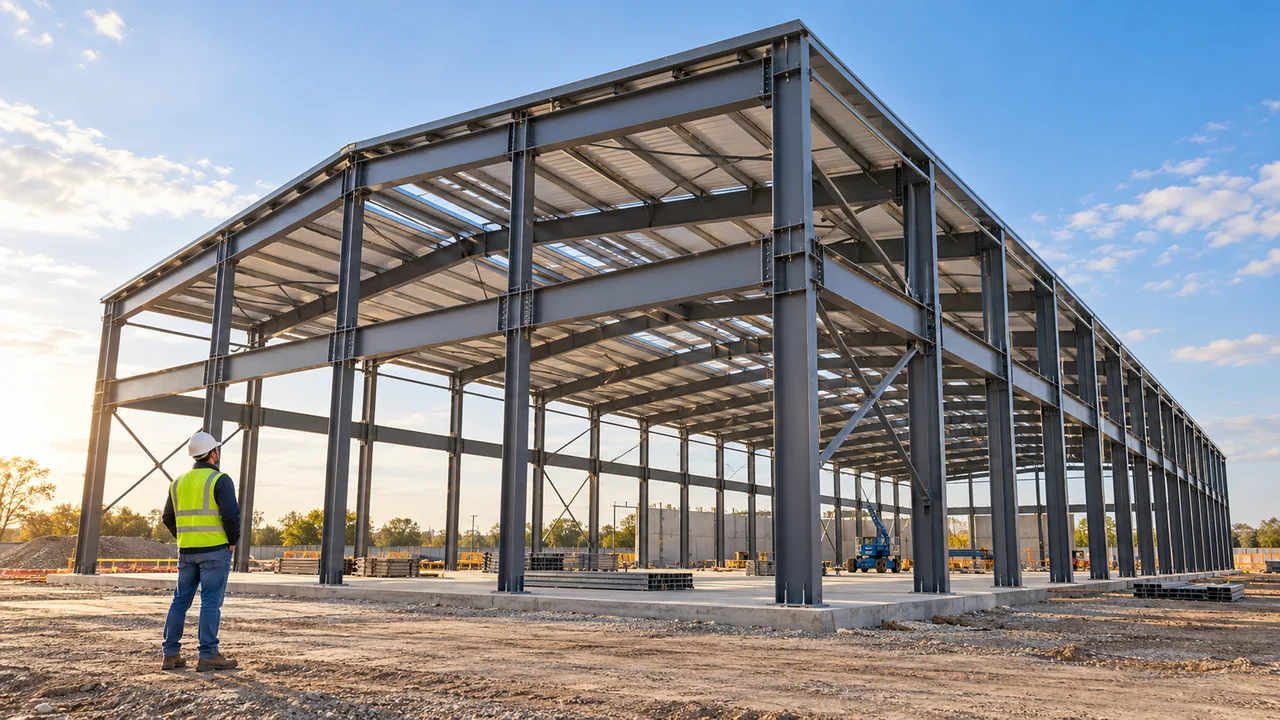
Frame Assembly
Primary structural members are assembled following the approved erection sequence.
The assembly process generally includes:
- Column assembly
- Beam assembly
- Temporary bracing
- Frame stabilization
- Alignment verification
Each stage ensures the structure remains stable throughout construction.
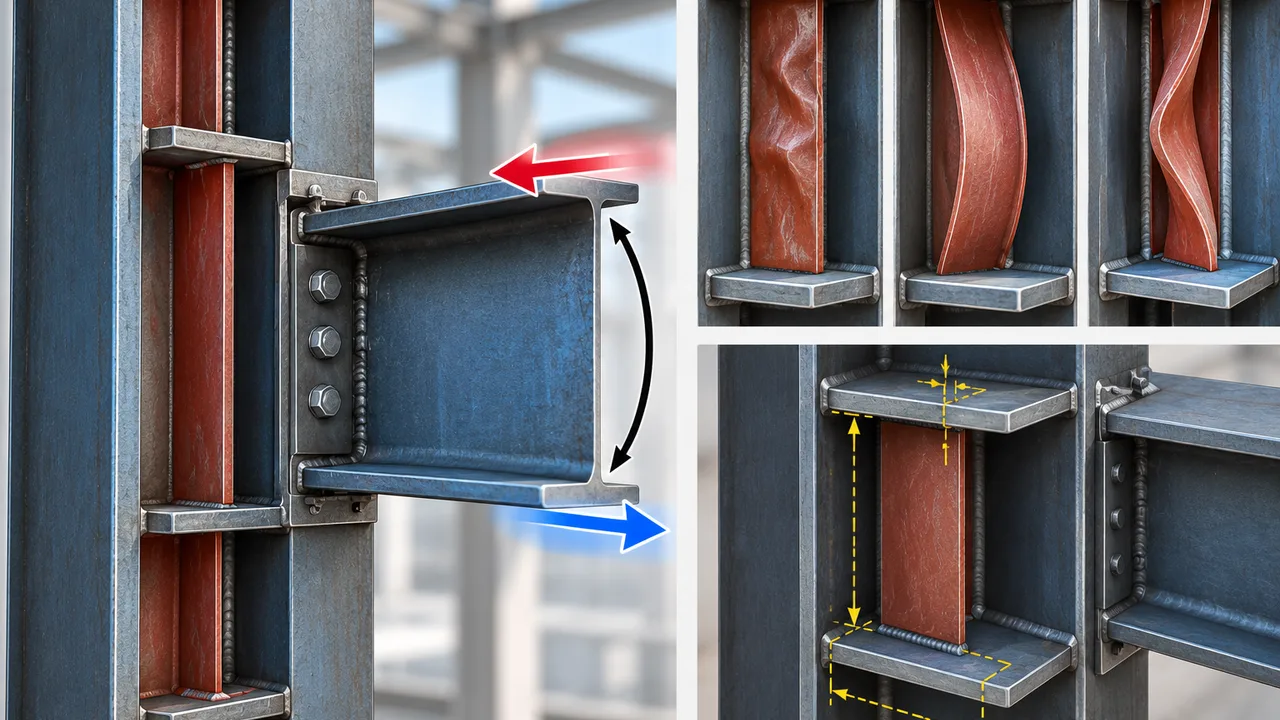
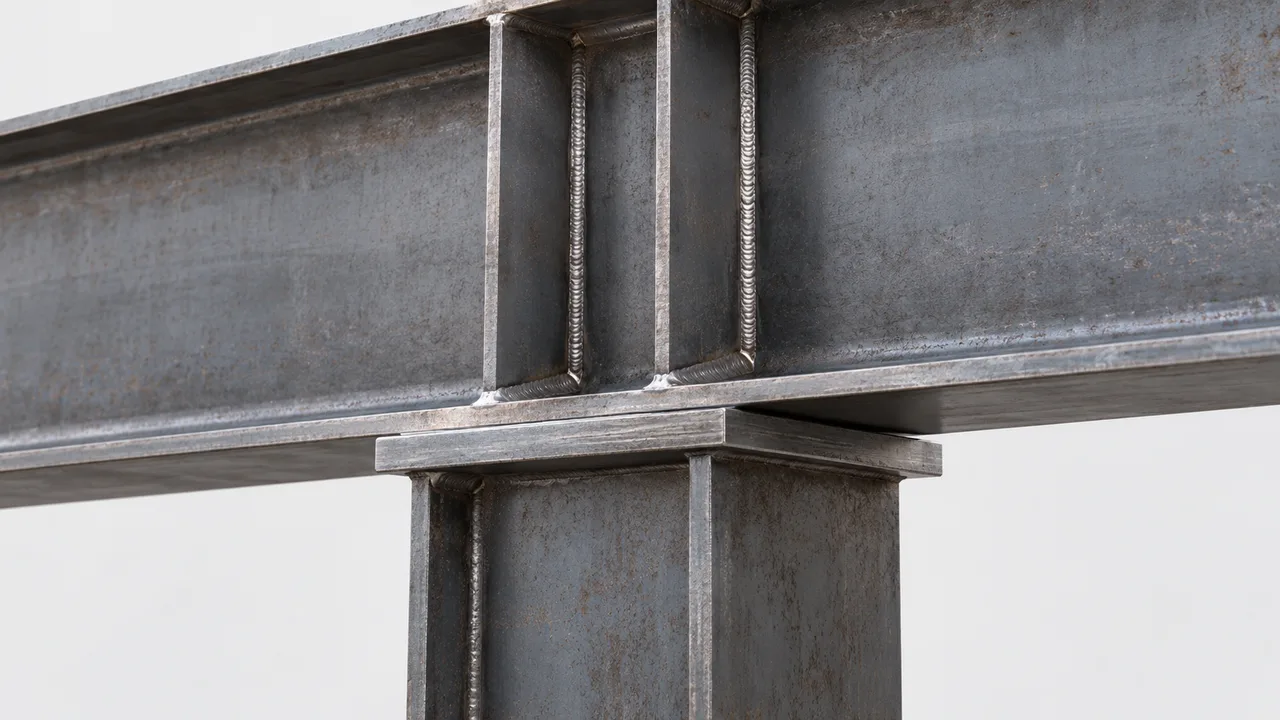
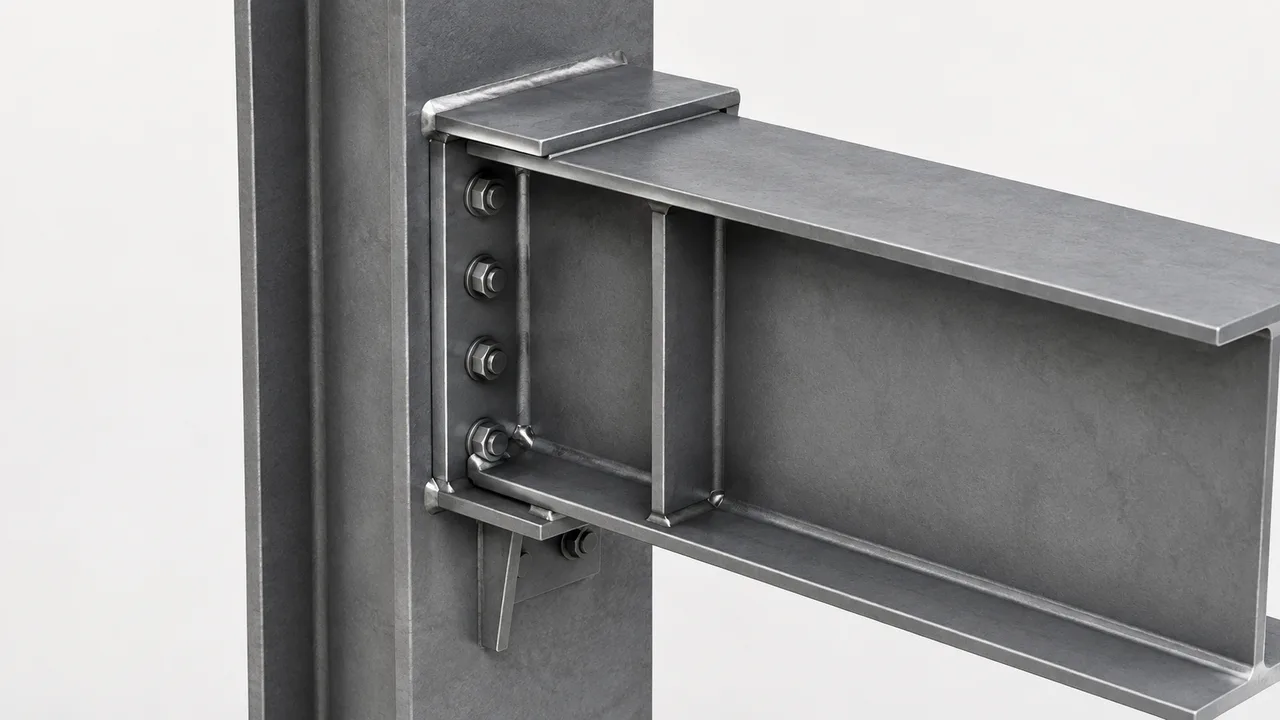
Structural Connections
Permanent structural connections are completed once the primary framework has been assembled.
Connection methods include:
- High-strength bolting
- Field welding where required
- Connection plate installation
- Bolt torque verification
- Joint inspection
Reliable structural connections ensure safe load transfer throughout the completed building.
Secondary Steel Assembly
Secondary structural members are assembled after the primary frame has been stabilized.
These components include:
- Roof framing
- Purlins
- Wall girts
- Bracing systems
- Roof support members
Secondary steel strengthens the complete structural system while supporting building enclosure components.
Final Verification
Before project completion, the assembled structure undergoes comprehensive quality verification.
Final inspection includes:
- Dimensional measurements
- Alignment inspection
- Connection verification
- Quality documentation
- Overall structural assessment
Comprehensive verification confirms that the completed assembly satisfies engineering specifications and project quality requirements.