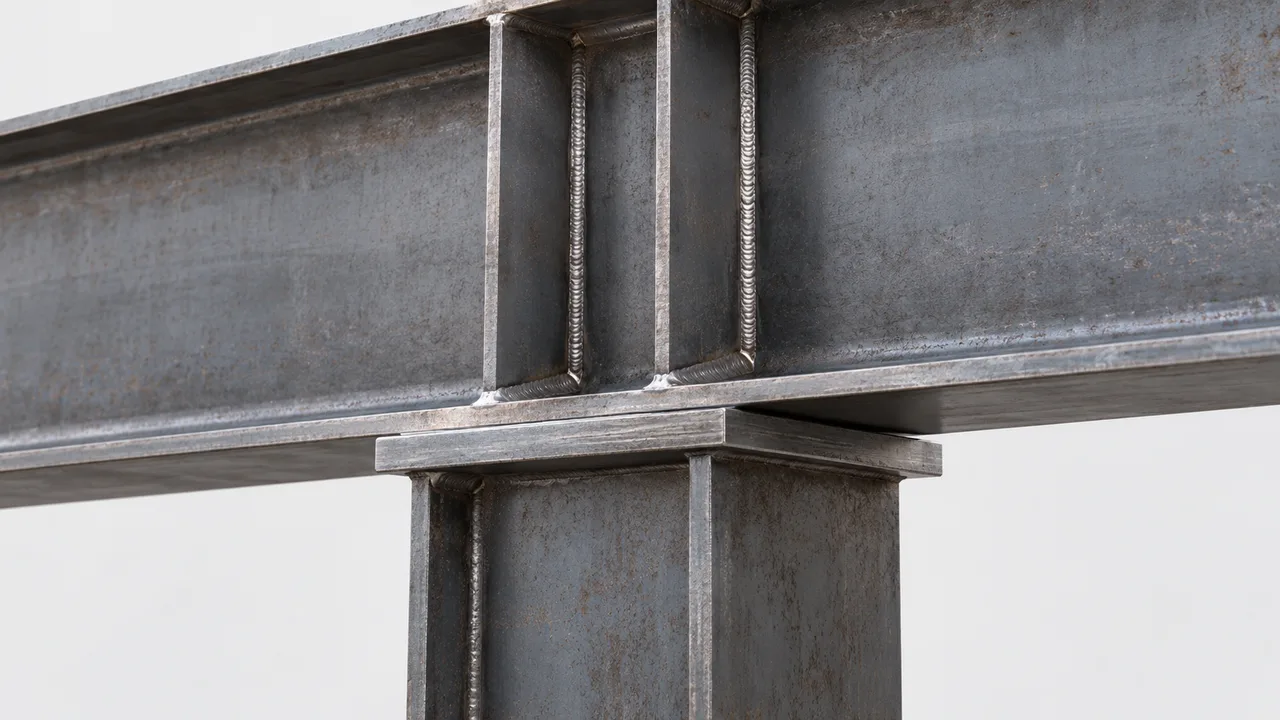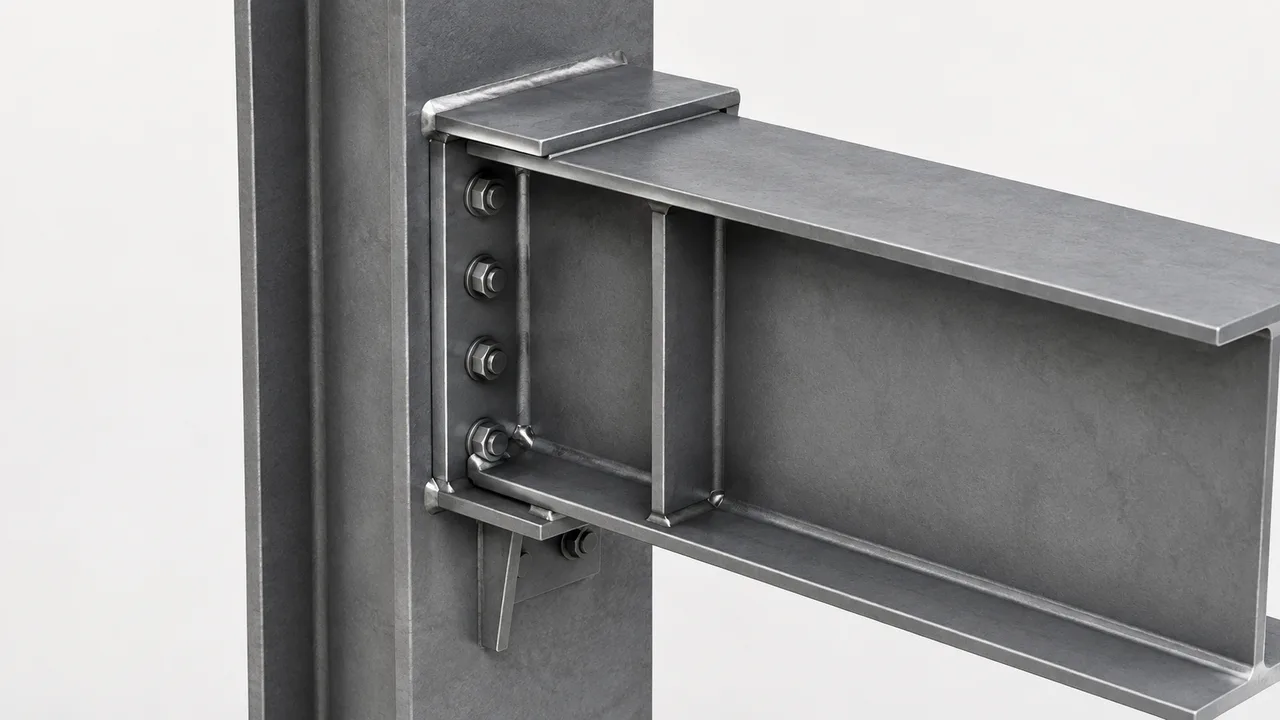
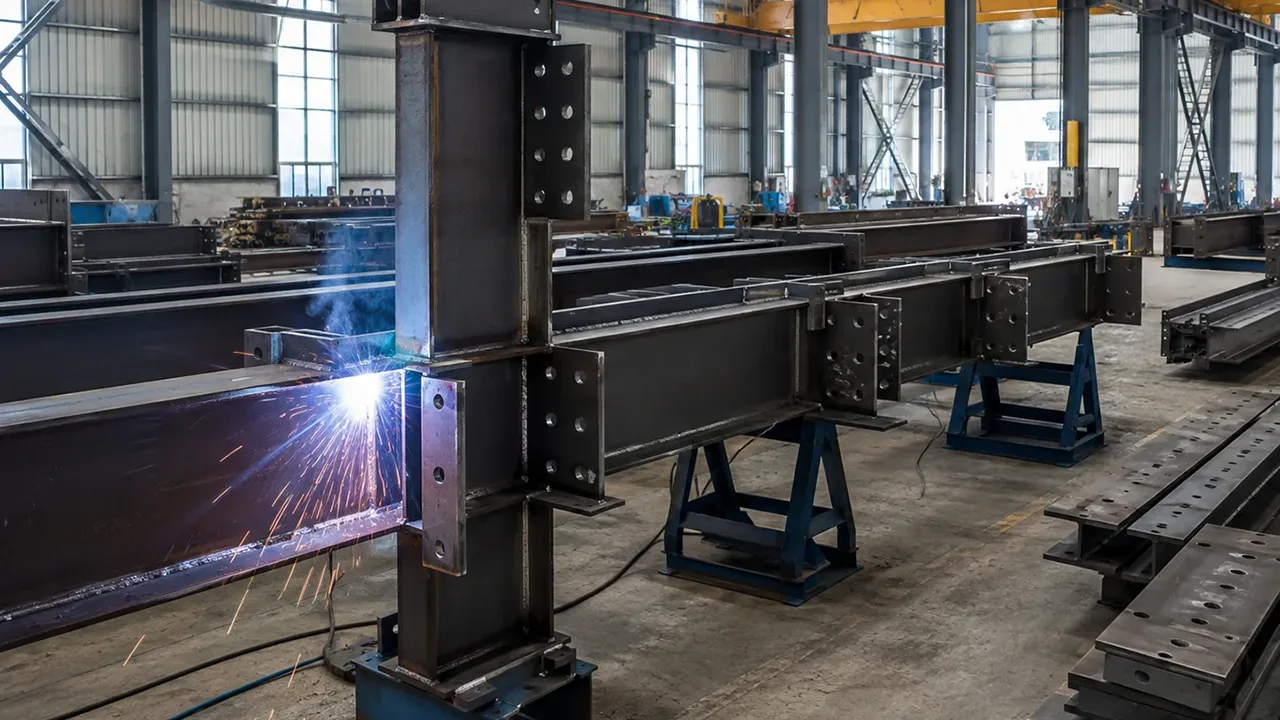
What Is Steel Welding Fabrication?
Steel welding fabrication is the manufacturing process of joining steel components through controlled welding procedures to create complete structural assemblies. Instead of delivering individual pieces of steel, fabrication produces finished components that are ready for transportation and installation.
The fabrication process integrates several manufacturing stages, including material preparation, CNC cutting, edge preparation, component fit-up, structural welding, inspection, surface treatment, and final packaging.
Steel welding fabrication is widely used for:
- Industrial factories
- Steel warehouses
- Production workshops
- Mining facilities
- Logistics buildings
- Power plants
- Equipment support structures
- Industrial platforms
- Bridges
- Infrastructure projects
Each welded component must satisfy engineering drawings, dimensional tolerances, connection details, and project specifications before it can become part of the overall structural system.
Why Welding Quality Matters in Steel Fabrication
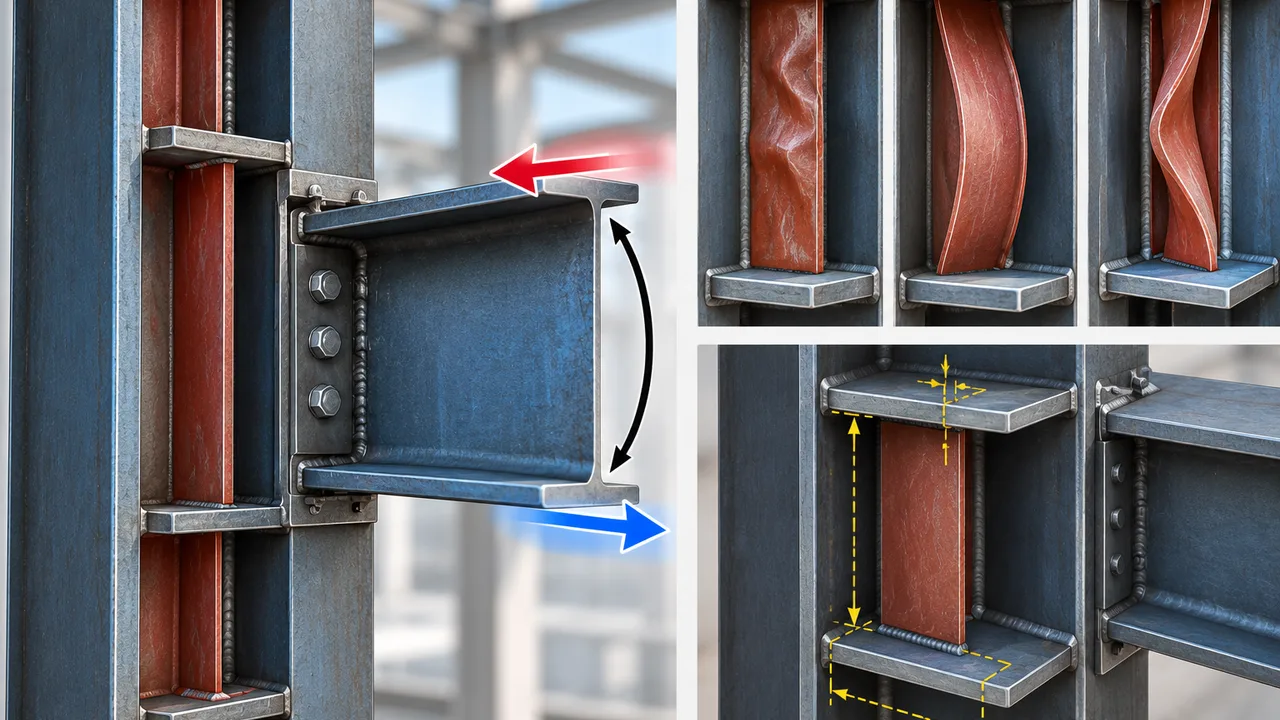
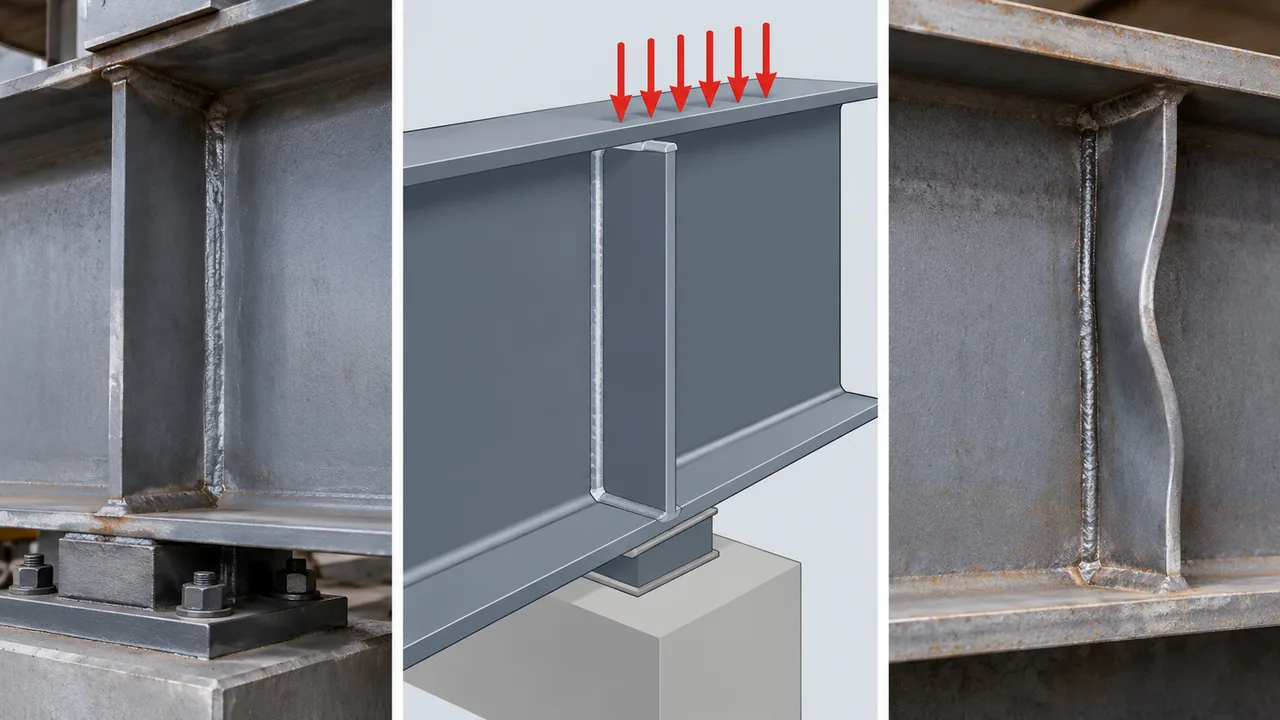
Welding is much more than joining pieces of steel together. Every weld becomes part of the load path that transfers structural forces throughout the building. Consistent welding quality contributes to safer structures, improved construction efficiency, and dependable long-term performance.
Structural Strength
Proper welding ensures that structural loads are transferred efficiently between steel members. Whether supporting roof systems, cranes, heavy equipment, or production floors, reliable welded joints contribute to the overall integrity of the structure.
High-quality welding helps achieve:
- Reliable load transfer
- Stable structural connections
- Consistent joint strength
- Improved structural durability
- Long-term performance under operational loads
Dimensional Accuracy
Accurate welding depends on precise fit-up and controlled fabrication procedures. Maintaining dimensional consistency helps reduce alignment issues during installation and minimizes the need for field modifications.
Fabrication accuracy supports:
- Correct connection geometry
- Proper bolt hole alignment
- Consistent component dimensions
- Efficient assembly on site
- Reduced installation delays
Construction Efficiency
Well-fabricated welded components arrive on site ready for assembly. This improves erection efficiency by reducing unnecessary adjustments, simplifying installation sequencing, and allowing construction teams to work according to project schedules.
Long Service Life
Reliable welded joints contribute to structural stability throughout the building’s operational life. Combined with appropriate corrosion protection and quality inspection, professional welding fabrication helps minimize maintenance requirements while supporting long-term facility performance.
Steel Structures That Require Welding Fabrication
Industrial Buildings
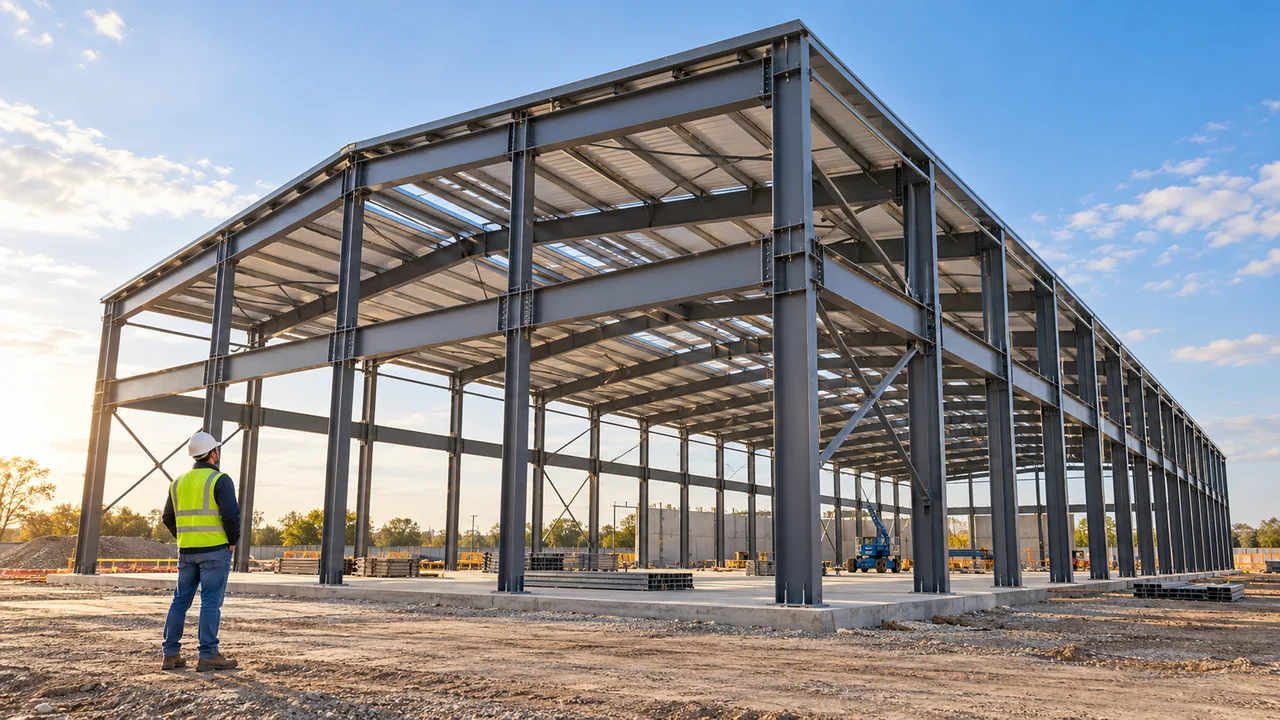
Manufacturing facilities rely heavily on welded structural components because production buildings often require customized framing layouts, equipment supports, overhead crane systems, and future expansion capability.
Typical industrial applications include:
- Manufacturing plants
- Production workshops
- Assembly facilities
- Industrial processing buildings
- Equipment manufacturing plants
Steel Warehouses
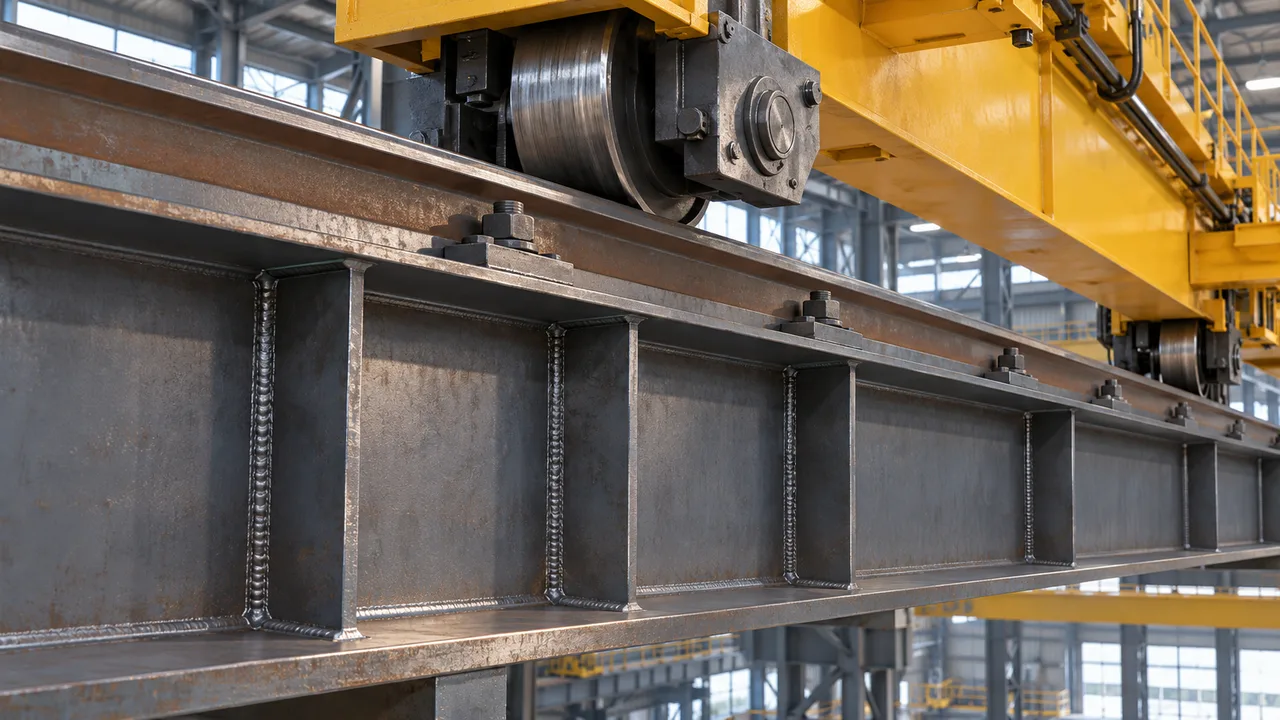
Warehouse construction frequently utilizes welded portal frames, roof trusses, crane beams, and customized structural connections. Large-span warehouse buildings benefit from fabricated steel assemblies that provide both strength and efficient installation.
Heavy Steel Structures
Heavy industrial projects often require fabricated structural members capable of supporting substantial operational loads.
Examples include:
- Heavy crane structures
- Industrial equipment frames
- Steel platforms
- Machine foundations
- Heavy support systems
Mining and Energy Projects
Mining and energy facilities commonly contain welded structural systems designed to support processing equipment, conveyor systems, pipe racks, maintenance platforms, and utility structures operating under demanding environmental conditions.
Infrastructure Projects
Large public infrastructure also depends on steel welding fabrication for customized structural assemblies.
Typical applications include:
- Steel bridges
- Transportation facilities
- Public buildings
- Industrial towers
- Utility support structures
Steel Welding Fabrication Process
Professional fabrication follows a coordinated production process that converts engineering information into finished structural components.
Material Preparation
The process begins with verifying incoming steel materials according to project specifications.
Preparation activities may include:
- Material identification
- Steel certificate verification
- Plate preparation
- Edge preparation
- Surface cleaning
Proper preparation establishes a reliable foundation for the following fabrication stages.
Cutting and Fit-Up
Steel members are cut according to fabrication drawings using CNC equipment and other precision manufacturing methods.
This stage commonly includes:
- CNC cutting
- Precision drilling
- Plate positioning
- Temporary assembly
- Dimensional verification
Accurate fit-up helps ensure welded assemblies meet engineering requirements before welding begins.
Welding Operations
Qualified welding personnel perform structural welding following approved manufacturing procedures. Welding sequences are carefully planned to maintain dimensional accuracy while producing consistent structural joints.
Controlled welding activities include:
- Structural welding
- Joint completion
- Heat input control
- Welding sequence management
- Continuous quality monitoring
Distortion Control
Heat generated during welding can introduce distortion if not properly managed. Fabrication planning includes measures to minimize dimensional changes during production.
Typical control methods include:
- Balanced welding sequences
- Component clamping
- Controlled heat application
- Monitoring deformation
- Corrective straightening where necessary
Inspection and Testing
Each fabricated component undergoes inspection before proceeding to surface treatment or shipment.
Inspection activities may include:
- Visual weld inspection
- Dimensional verification
- Component identification checks
- Non-destructive testing where specified
- Production documentation