What Is Seismic Resistant Steel Structure Construction?
Definition
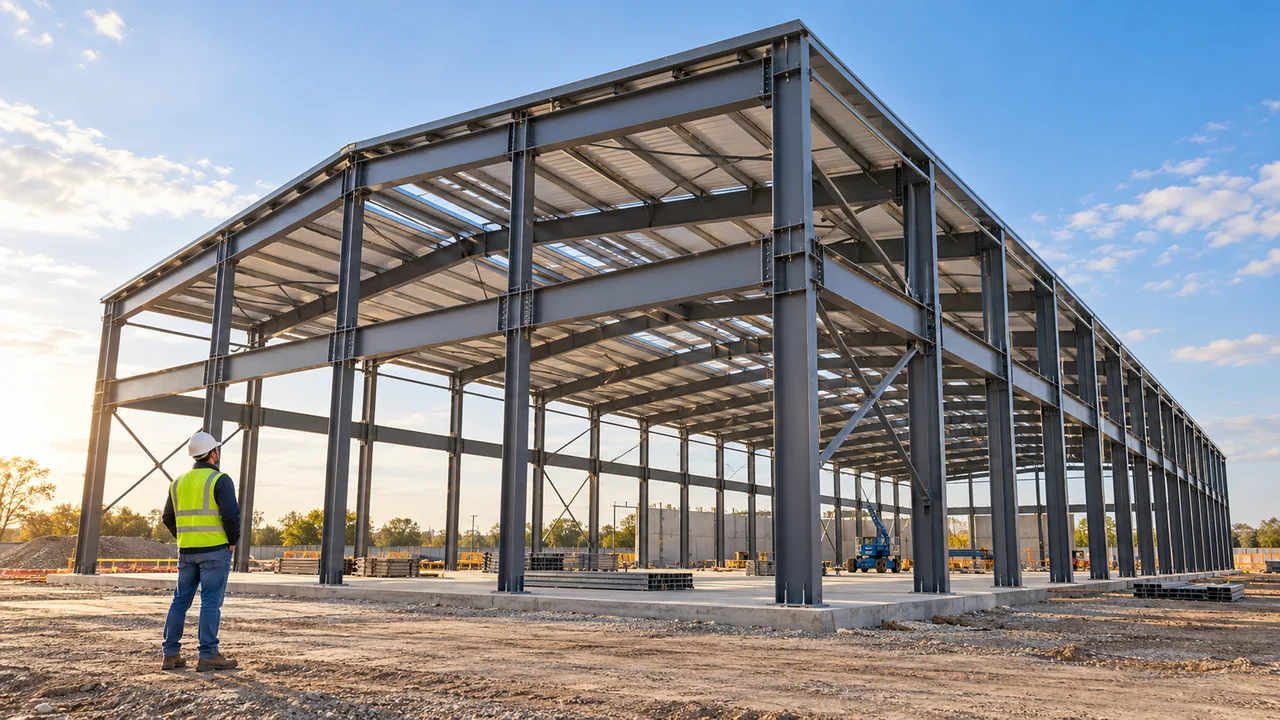
Seismic resistant steel structure construction refers to the design, fabrication, and installation of steel buildings engineered to resist earthquake forces. Rather than attempting to eliminate movement, these structures are designed to safely absorb, distribute, and dissipate seismic energy while maintaining overall stability.
The system combines structural analysis, carefully designed steel frames, engineered connections, bracing systems, and precision fabrication to improve building performance during earthquakes.
Why Earthquake Resistance Matters
Earthquakes generate horizontal and vertical ground movements that create significant stresses throughout a building. Without proper engineering, these forces may damage structural members, weaken connections, or even cause collapse.
Steel structures are widely selected for seismic applications because they offer excellent ductility, allowing structural members to deform without losing their load-carrying capacity. This characteristic significantly improves life safety and reduces structural damage.
Performance-Based Structural Design
Modern seismic engineering focuses on structural performance rather than simply increasing member sizes. Engineers evaluate expected seismic loads, building configuration, occupancy requirements, and structural behavior to develop an efficient and reliable steel framing system.
This engineering approach helps achieve the required balance between safety, construction efficiency, long-term durability, and project cost.
How Steel Structures Improve Earthquake Resistance
High Structural Ductility
Steel possesses excellent ductility compared with many traditional construction materials. During an earthquake, structural members can undergo controlled deformation while continuing to support building loads.
This ability reduces the likelihood of sudden structural failure and provides additional time for safe evacuation if major seismic events occur.
Energy Dissipation
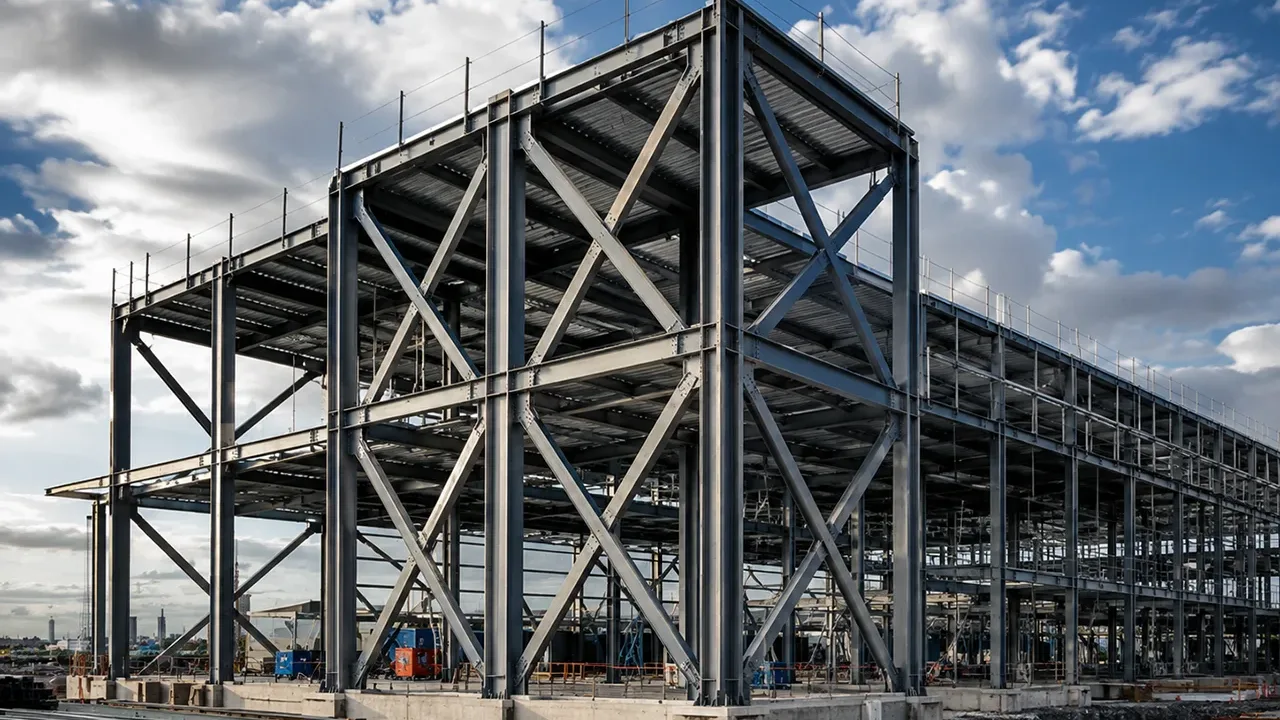
Properly engineered steel structures absorb and dissipate seismic energy through controlled deformation of structural members, braces, and connections.
Instead of transferring excessive forces directly into the building frame, energy is distributed throughout the structural system, reducing stress concentrations.
Reduced Structural Weight
Steel structures generally weigh less than reinforced concrete buildings with similar spans. Lower structural weight results in smaller seismic forces because earthquake loads are directly related to the mass of the building.
This advantage often contributes to improved seismic performance while also reducing foundation requirements.
Reliable Structural Connections
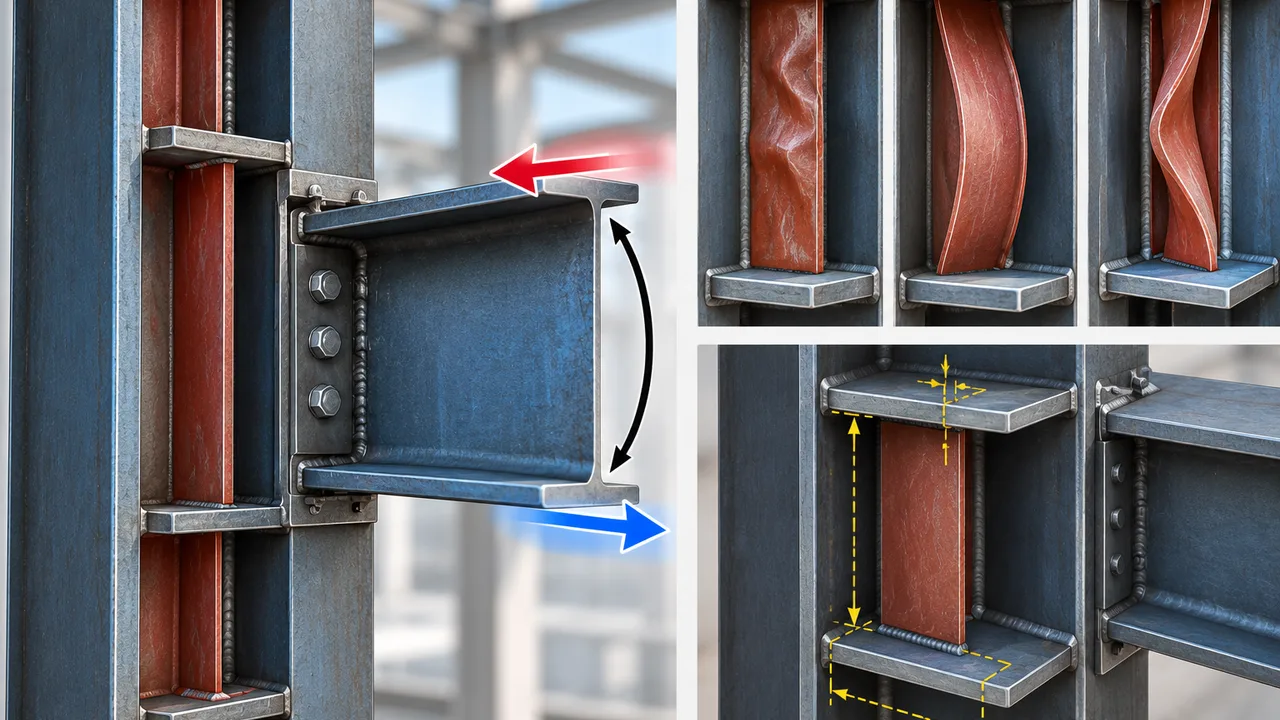
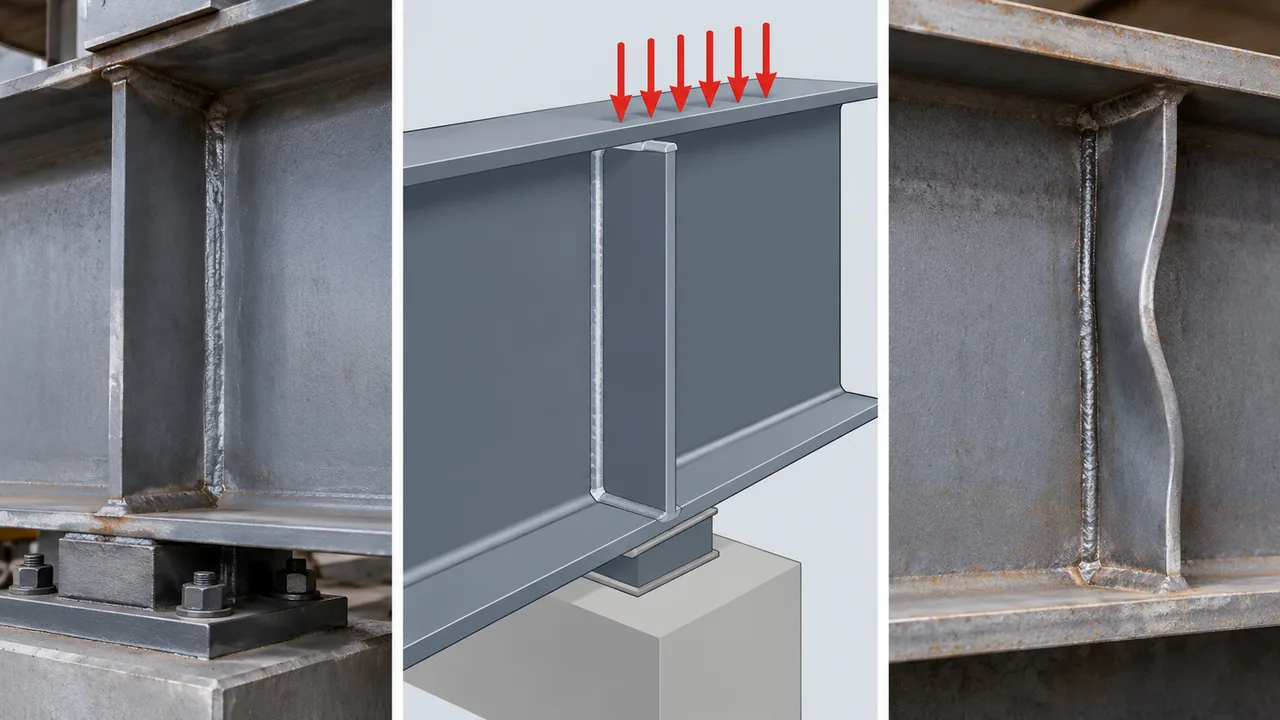
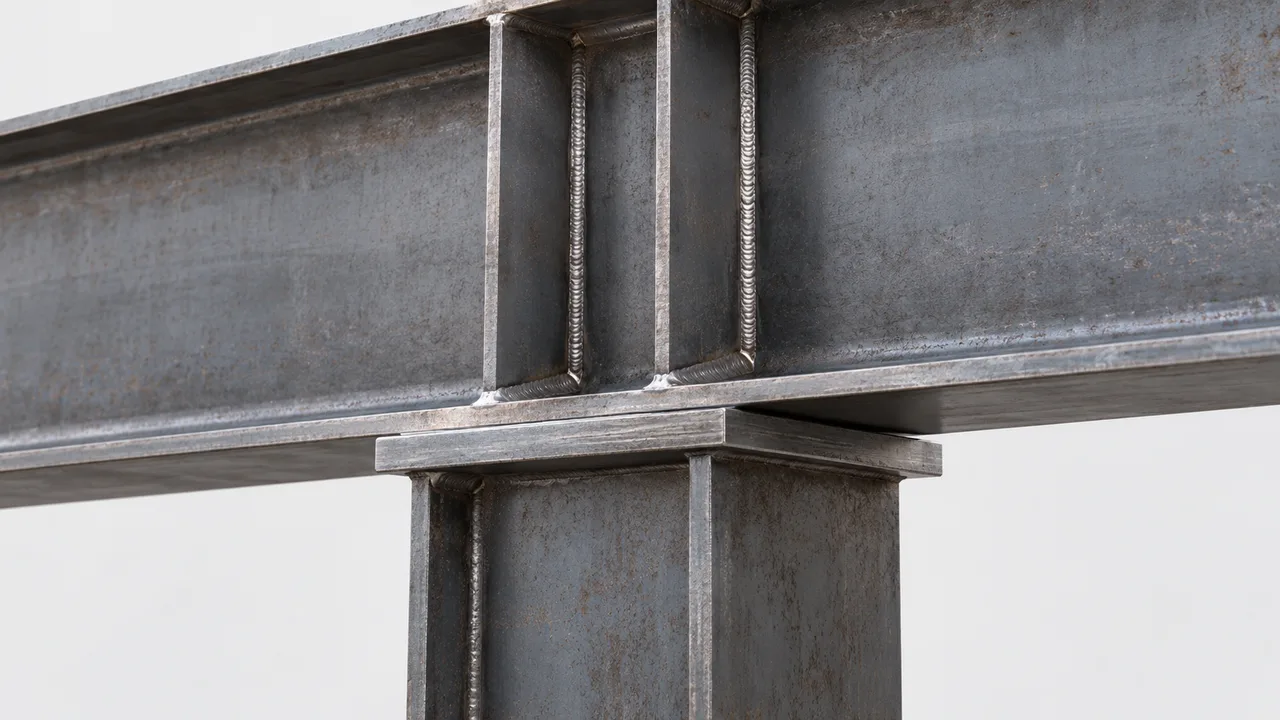
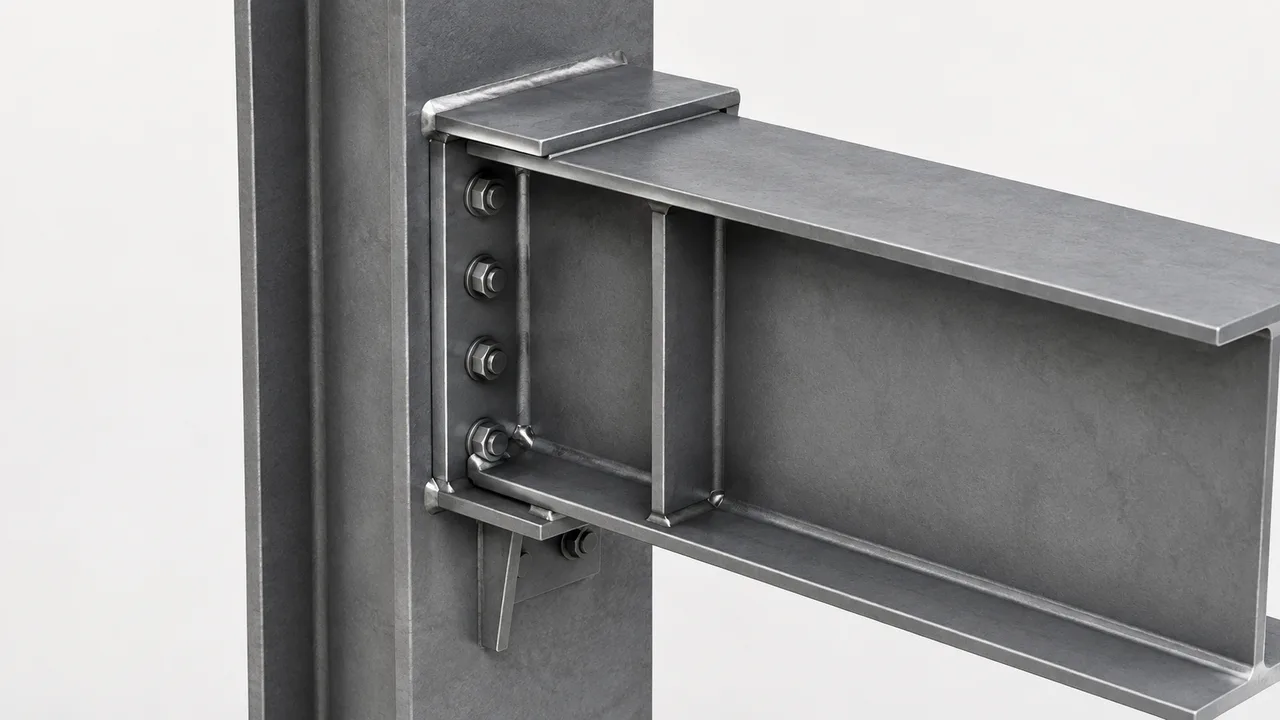
Connections play a critical role in seismic-resistant construction. Bolted and welded connections are engineered to transfer loads efficiently between beams, columns, braces, and other structural components.
Precision fabrication ensures that these connections fit accurately during installation, improving both structural reliability and construction efficiency.
Applications of Seismic Resistant Steel Structures
Industrial Facilities
Manufacturing plants, production workshops, processing facilities, and industrial complexes located in seismic regions require structural systems capable of protecting equipment and maintaining operational continuity after earthquake events.
Steel Warehouses
Large warehouses often contain valuable inventory and automated storage systems. Seismic-resistant steel structures help improve operational safety while supporting wide-span layouts and future expansion.
Commercial Buildings
Office buildings, retail centers, exhibition halls, and commercial complexes benefit from steel framing systems that combine architectural flexibility with dependable seismic performance.
Public Buildings
Schools, hospitals, transportation terminals, sports facilities, and government buildings frequently require enhanced structural reliability because they accommodate large numbers of occupants during daily operation.
Infrastructure Projects
Bridges, transportation stations, industrial platforms, utility buildings, and other infrastructure projects often utilize seismic-resistant steel construction to improve long-term structural performance under dynamic loading conditions.
Engineering and Fabrication Capabilities
Comprehensive Structural Analysis
Successful seismic-resistant projects begin with detailed structural engineering. Design teams evaluate seismic zones, building geometry, load combinations, foundation interaction, structural redundancy, and connection behavior before fabrication begins.
This analysis ensures that the completed structure satisfies both engineering requirements and project objectives.
Precision Steel Fabrication
CNC cutting, drilling, welding, and automated fabrication equipment produce structural components with high dimensional accuracy. Precision manufacturing minimizes installation adjustments and improves the overall quality of structural connections.
Quality-Controlled Welding
Weld quality directly affects structural performance during earthquakes. Qualified welding procedures, dimensional inspections, and appropriate testing help ensure that fabricated components meet project specifications before shipment.
International Project Support
XTD Steel Structure supports international steel building projects through engineering coordination, fabrication management, export packaging, logistics planning, and technical documentation for overseas construction.
Benefits of Seismic Resistant Steel Structure Construction
- Improved structural safety during earthquakes.
- Excellent ductility and energy absorption.
- Reduced structural weight and seismic loading.
- High precision through factory fabrication.
- Fast installation with engineered steel components.
- Lower long-term maintenance and repair costs.
- Flexible layouts and future expansion capability.
- Suitable for industrial, commercial, agricultural, and infrastructure projects.
Quality Assurance and Design Standards
Material Inspection
Structural steel materials are inspected before fabrication to verify compliance with project specifications and maintain full material traceability throughout production.
Dimensional Verification
Critical dimensions, connection locations, bolt holes, and fabrication tolerances are inspected throughout manufacturing to ensure accurate field installation.
Welding Inspection
Certified welding procedures, visual inspections, and additional testing when required help maintain consistent fabrication quality for structural components.
Surface Protection
Protective coating systems, primers, painting, and hot-dip galvanizing options are available according to project environmental conditions and durability requirements.
Why Choose XTD Steel Structure?
XTD Steel Structure integrates engineering expertise, automated fabrication, quality management, export logistics, and project coordination into one complete service. Our experienced team delivers steel structure solutions that combine structural reliability, manufacturing precision, and efficient project execution for clients worldwide.
- Professional structural engineering support.
- Advanced CNC fabrication equipment.
- Strict quality inspection procedures.
- Extensive international project experience.
- Complete fabrication and export services.
- Solutions for industrial, commercial, and infrastructure buildings.
Frequently Asked Questions
Are steel structures suitable for earthquake-prone regions?
Yes. Properly engineered steel structures are widely recognized for their excellent seismic performance due to their strength, ductility, and energy absorption capability.
Can existing steel buildings be upgraded for better seismic performance?
In many cases, existing steel structures can be strengthened through structural retrofitting, additional bracing, improved connections, or other engineering solutions based on detailed structural assessment.
Does seismic-resistant construction increase project cost?
Additional engineering and specialized structural details may increase initial investment, but they often reduce long-term repair costs and significantly improve building safety and reliability.
Can large-span steel buildings achieve seismic resistance?
Yes. With proper engineering analysis, appropriate framing systems, and carefully designed connections, large-span steel buildings can provide excellent seismic performance.
Do you support international seismic-resistant projects?
Yes. We provide engineering coordination, fabrication, export packaging, technical documentation, and logistics support for international steel structure projects.
Request a Quote for Seismic Resistant Steel Structure Construction
Successful seismic resistant steel structure construction requires more than high-quality steel. It depends on integrated engineering, precision fabrication, reliable quality control, and coordinated project execution. Our experienced team delivers customized steel structure solutions that help clients improve structural safety while maintaining construction efficiency.
Contact us with your architectural drawings, structural requirements, project specifications, seismic design criteria, building dimensions, and project location. We will prepare a customized steel structure solution that meets your engineering, operational, and seismic performance requirements.