Structural Steel Assembly Fabrication Services
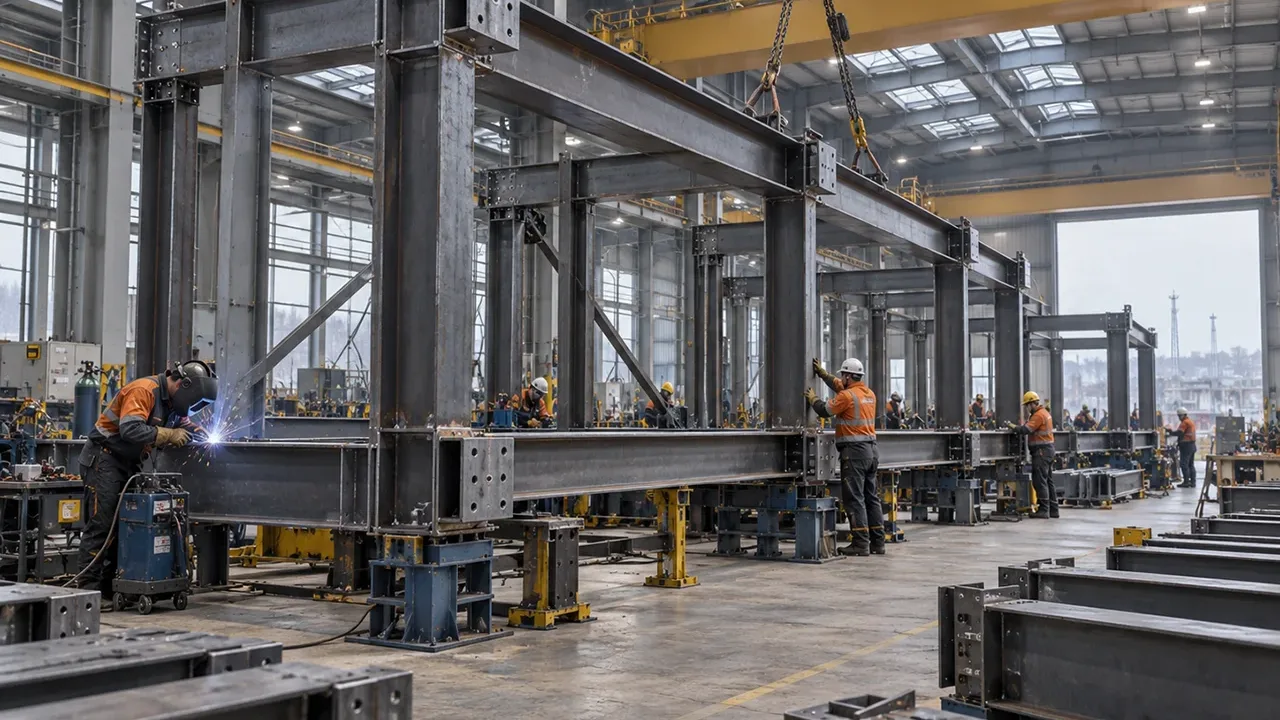
A complete structural steel assembly fabrication service connects material preparation, component production, fit-up, welding, inspection, finishing, and delivery planning within one managed workflow. The objective is to produce structural components and subassemblies that arrive ready for efficient site installation.
This approach is different from fabricating individual members without considering their relationship to surrounding components. Assembly fabrication evaluates connection geometry, orientation, dimensional interfaces, erection sequence, transport limits, and practical installation requirements before the finished package leaves the workshop.
Fabrication of Individual Structural Components
The process begins with the production of individual structural members and connection elements. Depending on the project, these may include:
- Steel beams and columns
- Roof and vertical bracing members
- Truss chords and web members
- Base plates and end plates
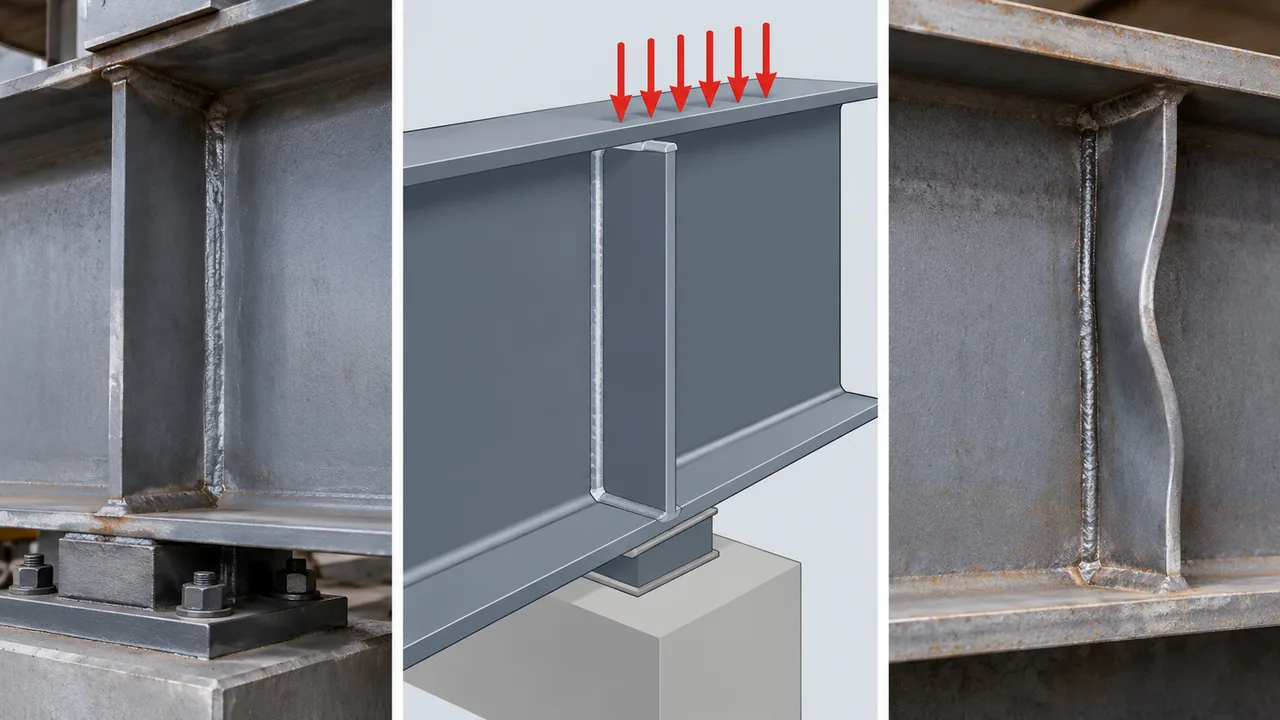
- Connection plates and stiffeners
- Purlins, girts, and secondary framing
- Project-specific brackets and supports
Each part must be manufactured accurately because errors in a single component can affect the geometry of the complete assembly.
Assembly of Multi-Component Steel Units
After individual parts are prepared, they may be fitted and assembled into larger units such as preassembled frames, truss segments, built-up members, equipment support modules, complex nodes, or project-specific structural packages.
Preassembly allows connection positions, overall geometry, and interface compatibility to be checked in the workshop before the units are transported to site.
What Structural Steel Assembly Fabrication Includes
Material Preparation
Material preparation begins with the selection and verification of steel plates, sections, and related components according to approved project specifications. Processing may include cutting, drilling, beveling, coping, end profiling, and surface cleaning.
Accurate material preparation provides the foundation for reliable fit-up and helps maintain consistent dimensions throughout later assembly stages.
Component Fit-Up
Fit-up involves positioning parts in the correct orientation before welding or mechanical connection. Fabricators verify member centerlines, plate locations, joint gaps, edge alignment, bracket positions, and overall assembly geometry.
Proper fit-up is essential because welding cannot compensate for poorly positioned components without increasing the risk of distortion or dimensional error.
Welding and Mechanical Connection
Assemblies may include shop-welded joints, bolted trial connections, installed connection plates, and built-up members formed from multiple steel plates or sections.
The selected connection method depends on structural requirements, fabrication drawings, transport strategy, and the intended field erection sequence.
Dimensional Verification
Dimensional checks may include overall length, width, squareness, diagonal measurements, hole positions, connection spacing, base plate alignment, and orientation of attached components.
Inspection focuses especially on dimensions that directly influence installation and connection compatibility.
Types of Structural Steel Assemblies We Fabricate
Beam and Column Assemblies
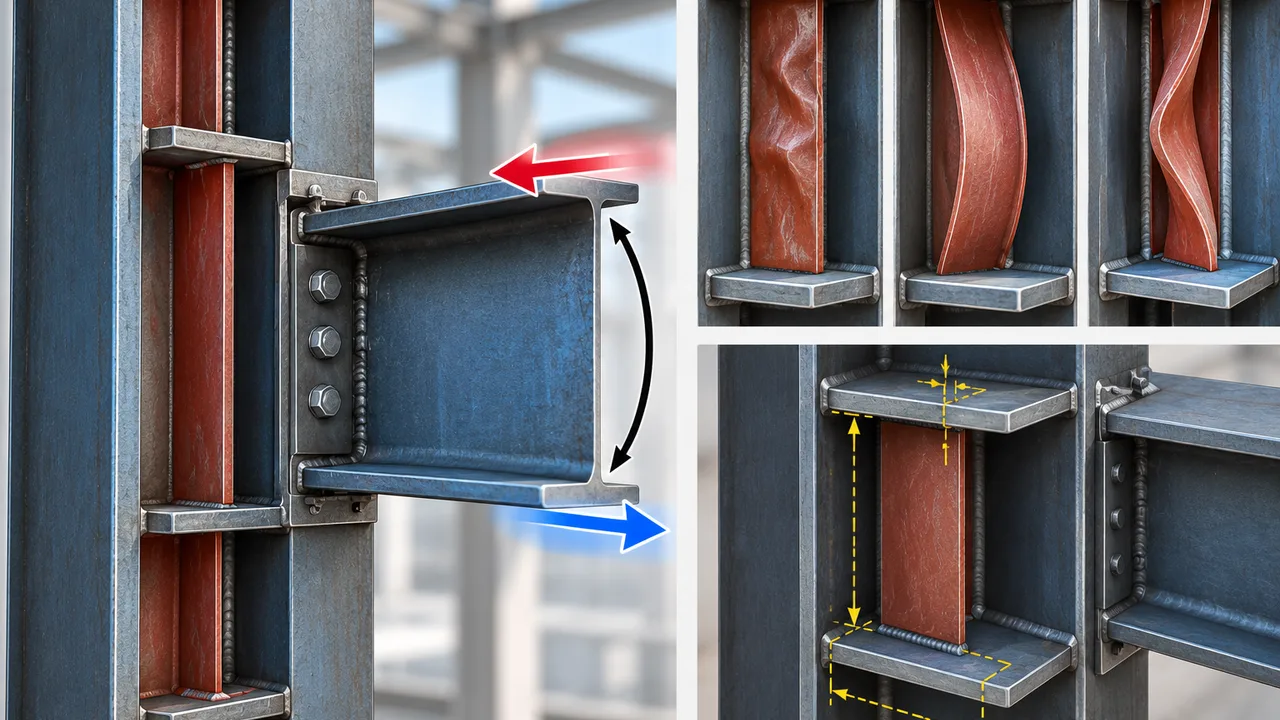
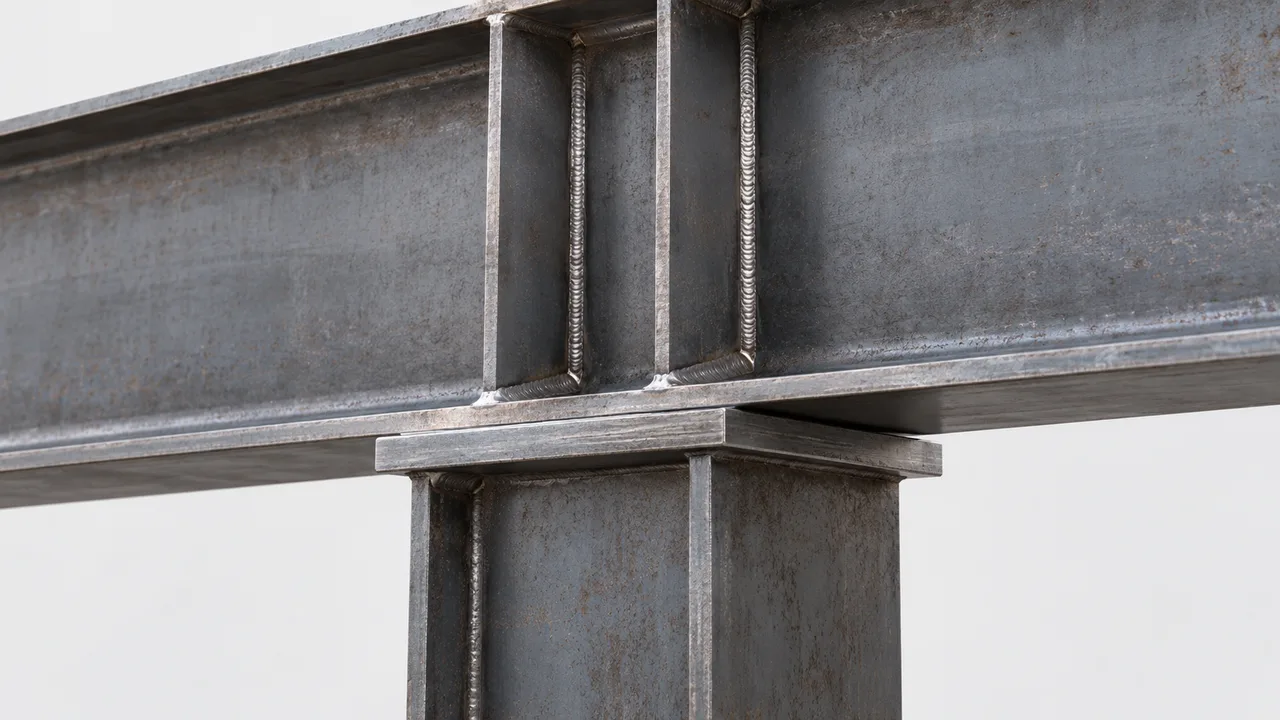
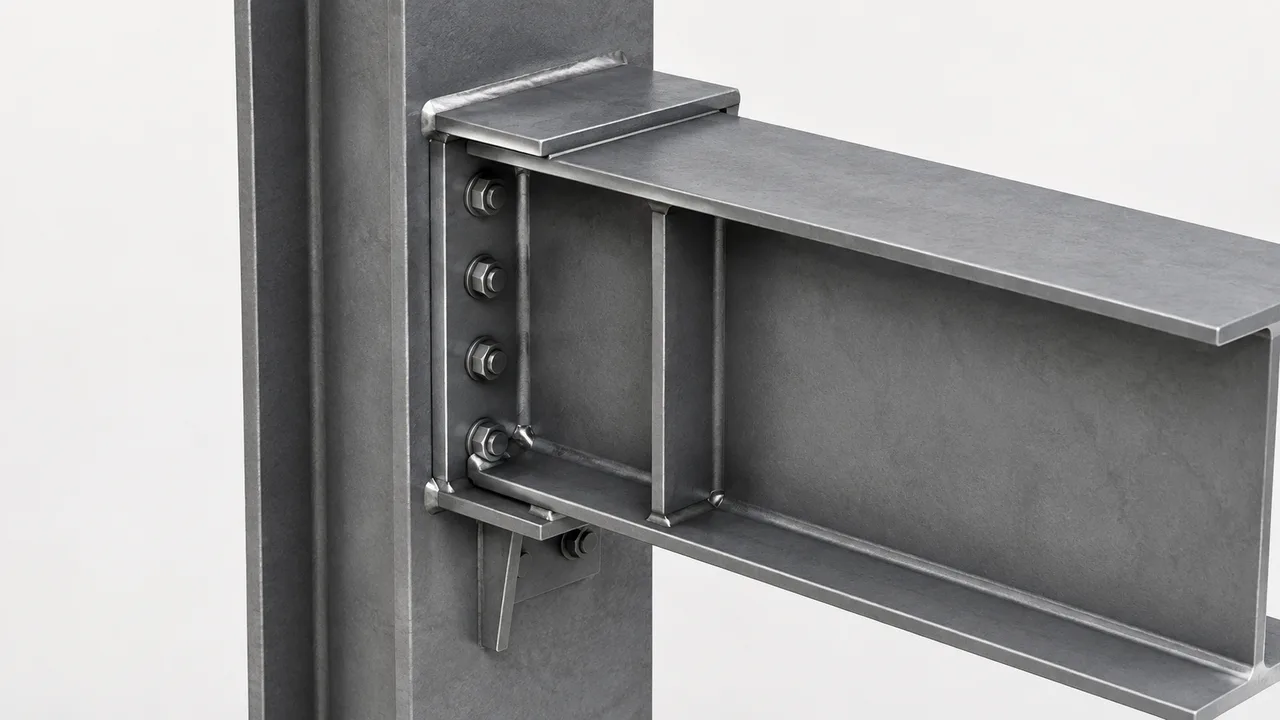
Beam and column assemblies form the primary load-bearing framework of many steel buildings. Fabrication may include end plates, stiffeners, brackets, splice plates, base plates, and other connection features.
Accurate positioning of these elements is essential for proper frame alignment during erection.
Portal Frame Assemblies
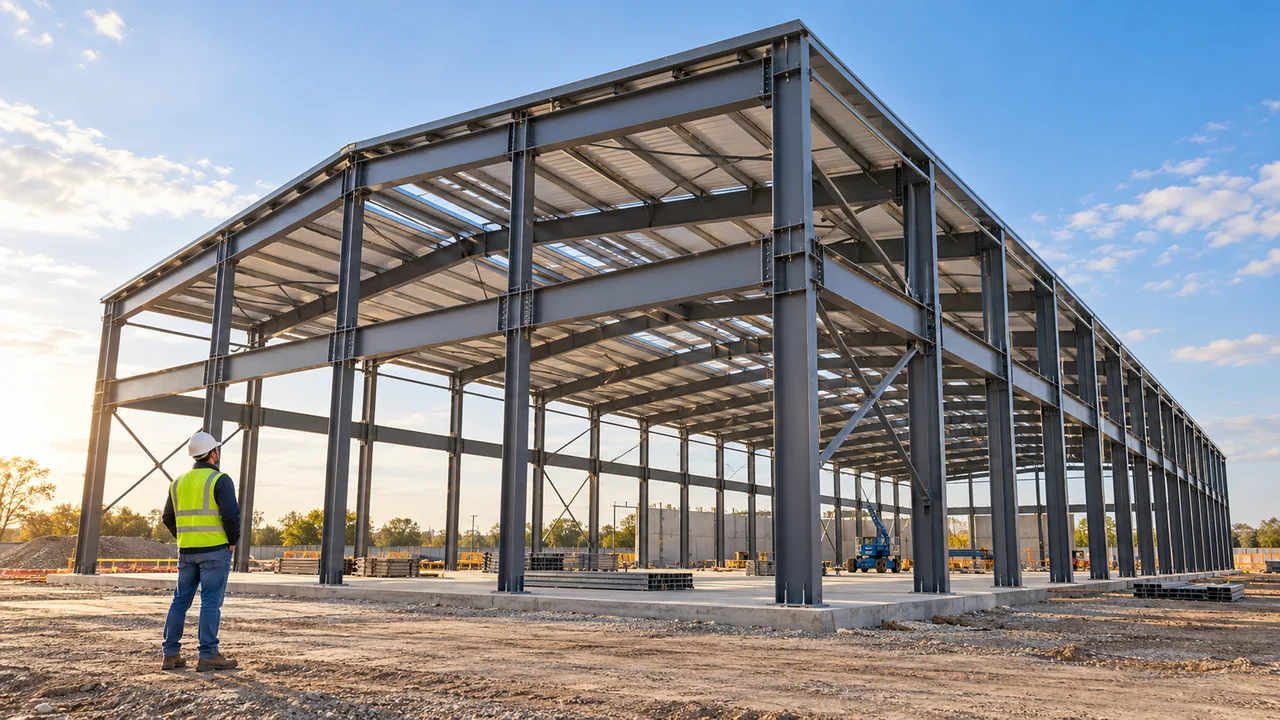
Portal frame systems are widely used for warehouses, factories, workshops, agricultural buildings, and industrial facilities. Their main components typically include columns, rafters, haunches, base plates, and connection plates.
Workshop fabrication and dimensional control help ensure that frame lines connect correctly and maintain the required building geometry.
Steel Truss Assemblies
Roof trusses, industrial trusses, transfer trusses, and large-span assemblies often contain multiple chords, web members, gusset plates, and splice connections. These components must be fitted carefully to preserve truss geometry and load paths.
Large trusses may be fabricated in transportable segments and trial assembled before delivery where connection accuracy is especially critical.
Bracing and Support Assemblies
Bracing systems provide structural stability and may include vertical bracing, roof bracing, equipment supports, platform frames, and secondary support structures.
Accurate hole locations, connection plate positions, and member lengths are important because bracing often connects between structural areas produced in different fabrication packages.
Custom Structural Modules
Some projects require preassembled industrial modules, special-shaped components, equipment support frames, process structures, or other project-specific units. These assemblies often involve multiple connection interfaces and strict dimensional requirements.
Coordinated assembly fabrication helps verify these interfaces before the modules are dispatched.
Applications Across Steel Structure Projects
Industrial Buildings
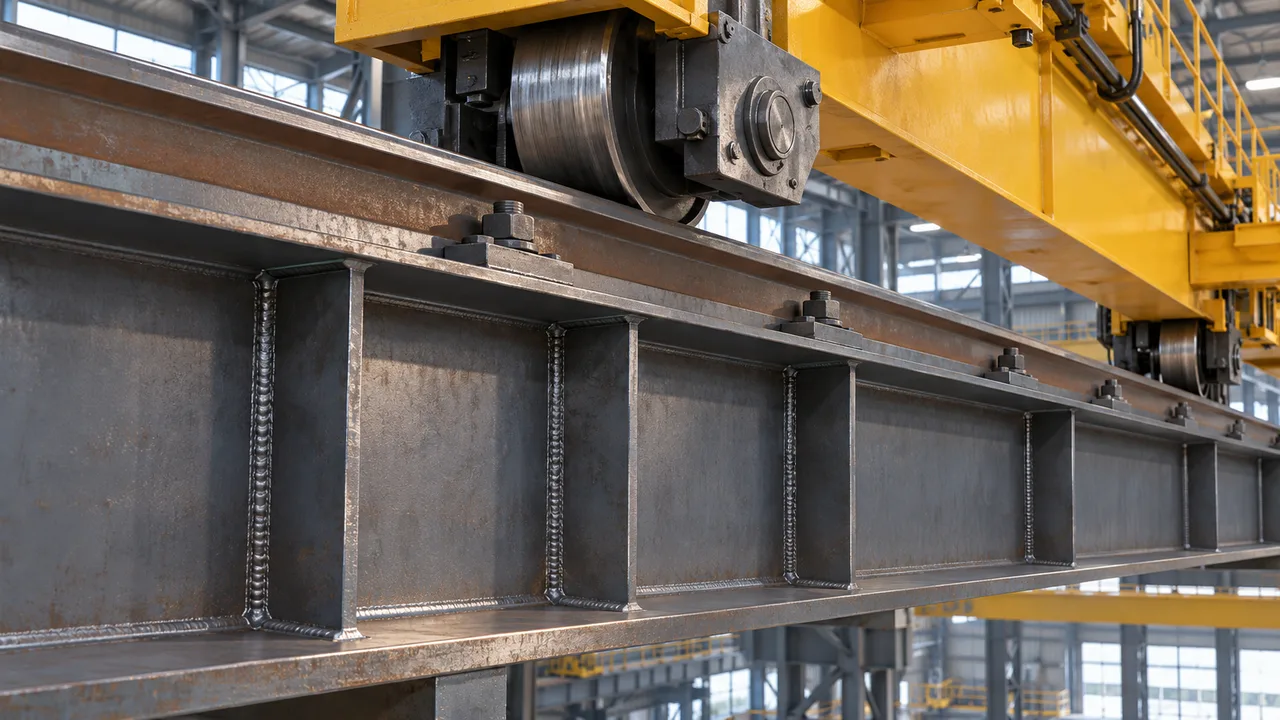
Industrial projects may require factory frames, process structures, crane-supporting assemblies, equipment platforms, maintenance structures, and heavy support steelwork. These systems often interact with machinery, pipework, utilities, and production lines.
Workshop assembly helps coordinate the primary structure with these operational requirements.
Warehouses and Logistics Facilities
Warehouse projects commonly use portal frames, loading structures, mezzanine supports, high-bay components, and large-span roof assemblies. Structural accuracy supports efficient installation and helps maintain the required internal clearances.
Commercial and Public Buildings
Commercial and public facilities may contain large roof structures, atriums, exhibition halls, entrance canopies, and architecturally coordinated steelwork. Assembly fabrication helps control geometry where structural and architectural interfaces must align.
Infrastructure Projects
Infrastructure applications can include corridors, transport stations, platforms, canopies, bridge-related assemblies, and specialized public structures. These projects often require careful coordination between fabrication, transport, and restricted installation sequences.
Engineering Review Before Assembly Fabrication
Drawing and Shop Detail Review
Before production begins, fabrication teams review structural drawings, shop details, member marks, dimensions, connection requirements, and assembly references. Missing information or conflicting details should be resolved before material processing starts.
This review is especially important when different assemblies are produced in separate batches but must connect accurately on site.
Assembly Sequence Planning
The order of fit-up, welding, inspection, and finishing can influence both quality and productivity. Production teams determine how components should be assembled to maintain access for welding, reduce unnecessary handling, and protect critical dimensions.
A suitable sequence also helps prevent one operation from blocking or distorting another.
Interface and Tolerance Planning
Critical mating surfaces, splice points, base plate positions, hole groups, and connection zones are identified before fabrication begins. Tolerance planning helps manage small deviations so they do not accumulate across a larger structural system.
CNC Processing for Structural Steel Assemblies
CNC Cutting
CNC cutting is used to prepare steel plates, stiffeners, gusset plates, connection components, and custom contours with consistent accuracy. Digital processing reduces manual marking errors and improves repeatability across production batches.
CNC Drilling
Precise drilling helps maintain bolt hole alignment between mating components. This is particularly important for splice plates, end-plate connections, base plates, and multi-component assemblies.
Section End Processing
Structural sections may require coping, beveling, notching, end profiling, or other preparation before fit-up. Accurate end processing improves connection quality and supports more reliable assembly geometry.
Fit-Up and Assembly Control
Jigs and Fixtures
Jigs and fixtures can be used to maintain geometry, stabilize components, and improve repeatability during assembly. They are particularly useful for repeated frame components, built-up members, and alignment-sensitive units.
Alignment and Positioning
Fabricators verify member centerlines, plate locations, bracket orientation, hole positions, base plate alignment, and the relationship between connected components before welding proceeds.
In-Process Dimensional Checks
Dimensional checks are performed before full welding so that deviations can be identified while correction remains practical. Early inspection helps prevent small fit-up errors from becoming permanent assembly problems.
Welding Structural Steel Assemblies
Welding Procedure Control
Welding procedures are selected according to material grade, plate thickness, joint type, structural demand, and project specifications. Controlled procedures help maintain consistent weld quality and predictable production results.
Welding Sequence
Welding introduces heat into the assembly and can cause movement or distortion. Balanced welding sequences, temporary restraints, and suitable fixtures help distribute heat and preserve geometry.
Heavy and Multi-Pass Welding
Thick plates, built-up members, and heavy connection zones may require multi-pass welding. These operations need controlled access, heat input management, intermediate inspection, and dimensional monitoring.
Weld Inspection
Weld quality may be verified through visual inspection and non-destructive testing when required by the project. Inspection criteria and documentation should follow the approved technical requirements.
“`
Trial Assembly and Pre-Assembly
When Trial Assembly Is Required
Trial assembly may be required for multi-segment trusses, complex nodes, long-span structures, modular frames, and critical field connections. These assemblies contain interfaces where small deviations can create significant difficulties during erection.
By checking compatibility in the workshop, fabrication teams can confirm whether the components connect as intended before they are packed and transported.
Verifying Connection Compatibility
Trial assembly can verify bolt hole alignment, splice geometry, plate positions, member orientation, connection clearances, and the relationship between adjoining structural units.
This process is especially valuable where different packages are fabricated separately but must join accurately at the project site.
Reducing Site Rework
Resolving mismatches in the workshop helps reduce field drilling, cutting, forced alignment, temporary correction work, and erection delays. Better workshop verification can improve installation speed and reduce uncertainty during site assembly.
Dimensional Accuracy and Tolerance Management
Critical Control Dimensions
Not every dimension has the same effect on installation. Critical control dimensions may include overall member length, diagonal measurements, connection spacing, base plate geometry, splice locations, and bolt hole alignment.
These dimensions receive focused inspection because they directly affect frame geometry and field connection compatibility.
Cumulative Tolerance Control
Small deviations can accumulate across multi-part assemblies, repeated frame lines, long trusses, and extended structural sequences. Tolerance management therefore considers the complete assembly rather than evaluating every component independently.
Reference points and inspection stages can be established to prevent cumulative deviations from exceeding practical installation limits.
Final Dimensional Inspection
Completed assemblies are compared with approved fabrication drawings before release. Inspectors verify critical geometry, connection positions, alignment, and installation interfaces while recording any deviations according to project requirements.
The objective is to confirm that each assembly is ready for transportation and efficient site installation.
Surface Treatment After Assembly Fabrication
Surface Cleaning and Preparation
Before protective coatings are applied, steel surfaces may need cleaning to remove rust, mill scale, weld spatter, oil, dust, and other contaminants. Abrasive blasting can be used where required by the specified coating system.
Correct preparation supports coating adhesion and contributes to long-term corrosion resistance.
Protective Coating Systems
Depending on the project environment and specifications, structural assemblies may receive:
- Shop primer systems
- Industrial protective paint
- Multi-layer anti-corrosion coatings
- Project-specific finish systems
Coating selection should reflect expected exposure, transport conditions, operational requirements, and maintenance planning.
Galvanizing Where Suitable
Hot-dip galvanizing may be considered for suitable assemblies, but component size, geometry, venting, drainage, and distortion risk must be reviewed before treatment.
Large or complex assemblies may require segmentation or alternative protection systems when galvanizing is not practical.
Quality Control for Structural Steel Assembly Fabrication
Material Verification
Steel grades, dimensions, certificates, and material identification are checked according to project requirements before production begins. Traceability can be maintained where specified to connect materials with relevant fabrication records.
In-Process Inspection
Inspection during production may cover material preparation, fit-up, weld preparation, component orientation, assembly geometry, and critical dimensions. These checks help identify problems before they become incorporated into completed assemblies.
Final Inspection
Final inspection may include weld quality, overall dimensions, connection locations, coating condition, component markings, quantity verification, and completion of required documents.
Assemblies are released for packing only after the applicable quality requirements have been confirmed.
Production Planning and Capacity
Coordinated Workshop Flow
Effective assembly fabrication depends on coordination between material processing, component preparation, fit-up, welding, inspection, surface treatment, and packing. Delays in one stage can affect the entire delivery sequence.
Production planning therefore considers workshop flow, handling requirements, available assembly space, and the priority of each structural package.
Parallel Assembly of Multiple Packages
Large projects may require several assembly packages to progress simultaneously. Separate production zones, clear member identification, scheduled inspections, and coordinated material movement help maintain control.
Package organization is particularly important when assemblies must be delivered in a specific erection sequence.
Scalable Production Control
Increasing production output should not remove inspection checkpoints or dimensional controls. Scalable manufacturing requires a balance between speed, quality, traceability, workshop capacity, and project priorities.
Reliable planning allows larger volumes to be handled without losing control over assembly accuracy.
Packaging and Delivery of Structural Steel Assemblies
Component and Assembly Marking
Every component or assembly should be clearly marked so that site teams can identify its position and relationship to the erection drawings. Numbering systems can also connect delivery packages with installation phases.
Packaging for Transport
Packaging should protect connection areas, coated surfaces, projecting plates, and alignment-sensitive components during handling and transportation. Assemblies must also be secured to reduce movement and transport damage.
Container and Breakbulk Planning
The transportation method depends on assembly size, weight, destination, and delivery schedule. Smaller packages may be optimized for containers, while oversized or heavy assemblies may require breakbulk or specialized shipping arrangements.
Where necessary, large assemblies can be segmented into practical transport units with coordinated field splice locations.
Advantages of Structural Steel Assembly Fabrication
Coordinated assembly fabrication offers several practical advantages for steel structure projects:
- Improved dimensional consistency
- Better compatibility between connected components
- Faster and more predictable site erection
- Reduced field drilling, cutting, and corrective work
- Greater workshop control over welding quality
- Better coordination with installation sequencing
- More reliable project delivery
These advantages are most valuable on projects where several components must connect accurately within restricted installation schedules.
Why Choose a Specialist Structural Steel Assembly Fabricator?
Engineering Interpretation
A specialist fabricator must understand structural drawings, shop details, connection behavior, tolerance requirements, and assembly interfaces. Practical risks should be identified before they affect production or installation.
Fabrication and Assembly Capability
Professional capability includes CNC processing, controlled fit-up, heavy welding, dimensional verification, fixture use, trial assembly, and the handling of large structural units.
Equipment alone is not enough; every production stage must operate within a coordinated fabrication system.
Quality and Delivery Coordination
Inspection discipline, material traceability, package sequencing, clear component identification, and export logistics all contribute to successful delivery.
XTD Steel Structure supports structural projects through coordinated fabrication, assembly, welding, dimensional control, quality inspection, surface treatment, and delivery preparation for both domestic and international requirements.
Frequently Asked Questions
What is structural steel assembly fabrication?
It is the controlled fabrication and preassembly of multiple structural steel components into frames, trusses, modules, supports, built-up members, or other installation-ready units before delivery to the project site.
What types of assemblies can be fabricated?
Typical assemblies include portal frames, beam-column units, steel trusses, bracing systems, industrial support frames, built-up members, equipment modules, and customized structural packages.
How is dimensional accuracy controlled?
Accuracy is managed through coordinated drawings, CNC processing, jigs and fixtures, controlled fit-up, in-process checks, final dimensional inspection, and trial assembly where required.
Can large assemblies be divided for transportation?
Yes. Large structural assemblies can be segmented into transportable units, with field splice positions coordinated according to structural behavior, shipping limits, lifting capacity, and erection sequence.
Does trial assembly reduce installation problems?
Yes. Trial assembly helps verify connection compatibility, hole alignment, splice geometry, and orientation before shipment, reducing the risk of site rework and installation delays.
Start Your Structural Steel Assembly Fabrication Project
Reliable structural steel assembly fabrication requires coordinated material processing, accurate fit-up, controlled welding, dimensional management, systematic inspection, surface protection, and delivery planning. Each stage must support the next so that finished assemblies arrive ready for efficient installation.
For warehouses, factories, industrial facilities, commercial buildings, infrastructure projects, large-span systems, or customized steel modules, early technical review helps establish a practical production strategy. Submit your drawings, assembly requirements, tolerances, project schedule, and shipping information so the fabrication scope can be evaluated and planned around your specific installation needs.