When Warehouse Durability Depends on Corrosion Protection
Corrosion protection becomes critical when the warehouse is exposed to moisture, salt air, chemical vapor, acidic or alkaline particles, fertilizer, industrial dust, or frequent condensation. In these environments, standard painted steel may not provide enough long-term protection unless the surface preparation and coating system are properly specified.
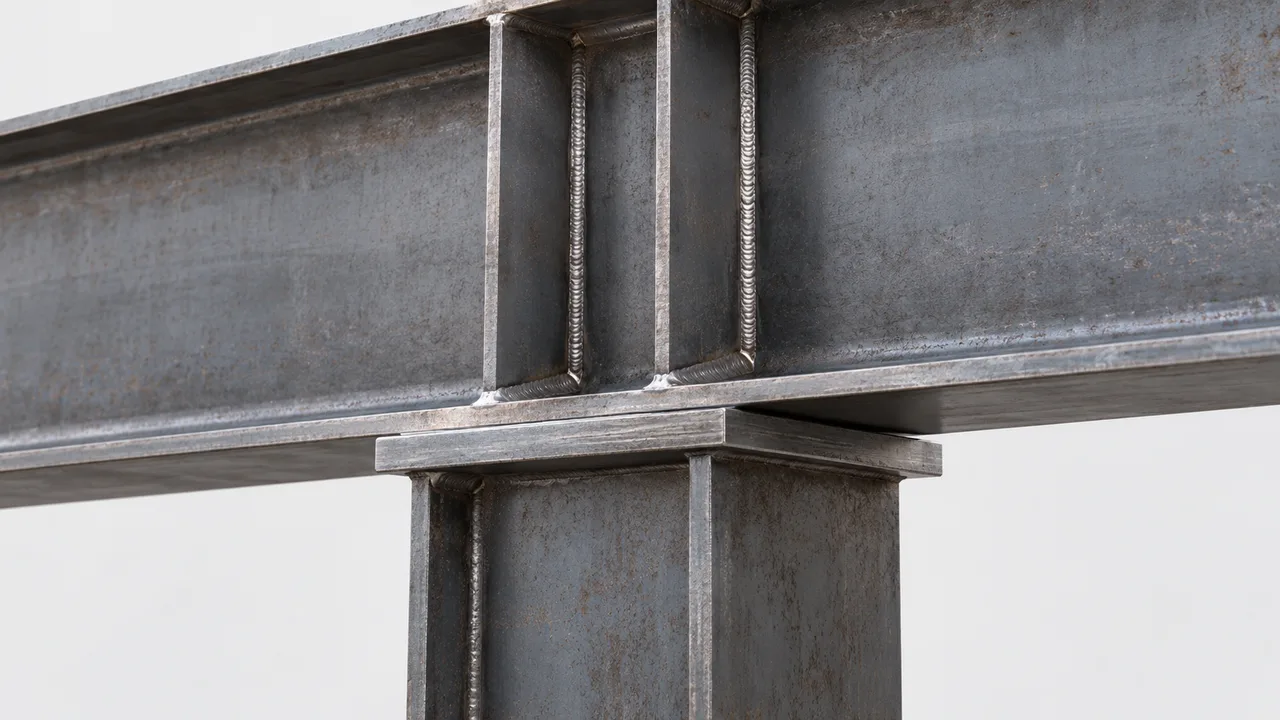
A corrosion issue rarely begins as a large structural problem. It often starts around exposed edges, bolt holes, weld zones, roof leaks, base plates, water traps, or damaged coating areas. If these weak points are ignored, they can increase maintenance needs and shorten the useful life of the building.
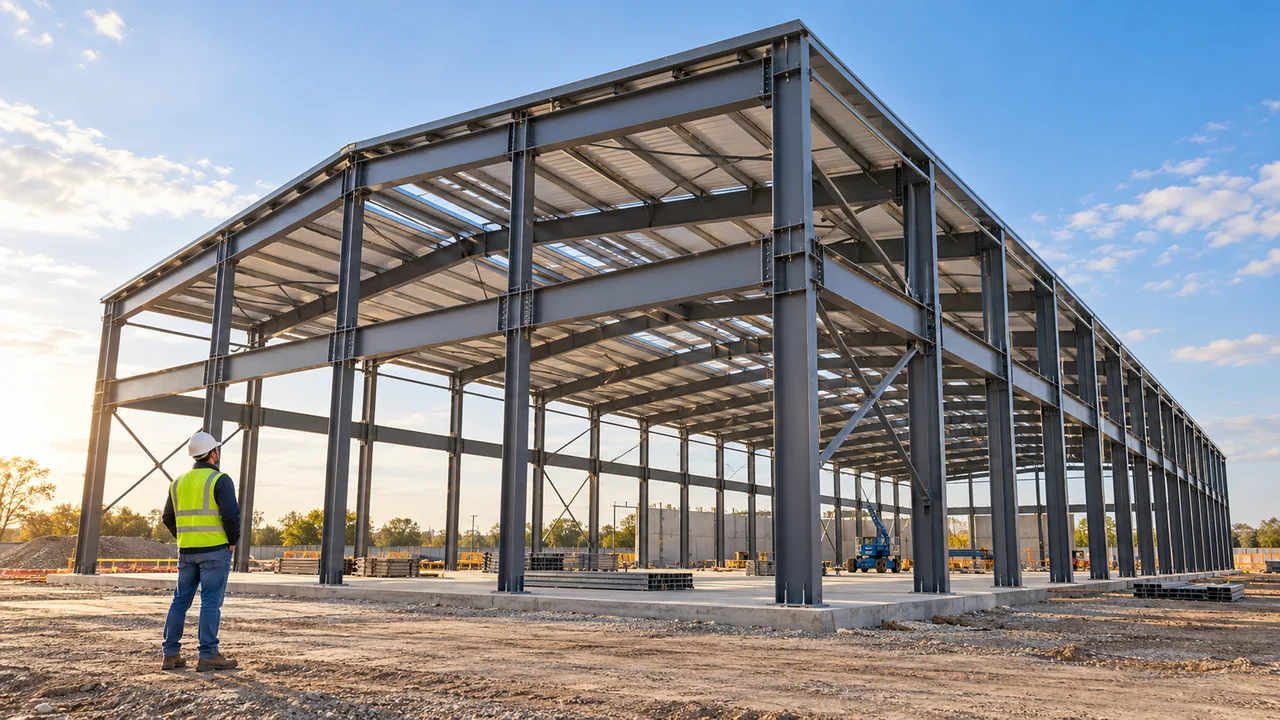
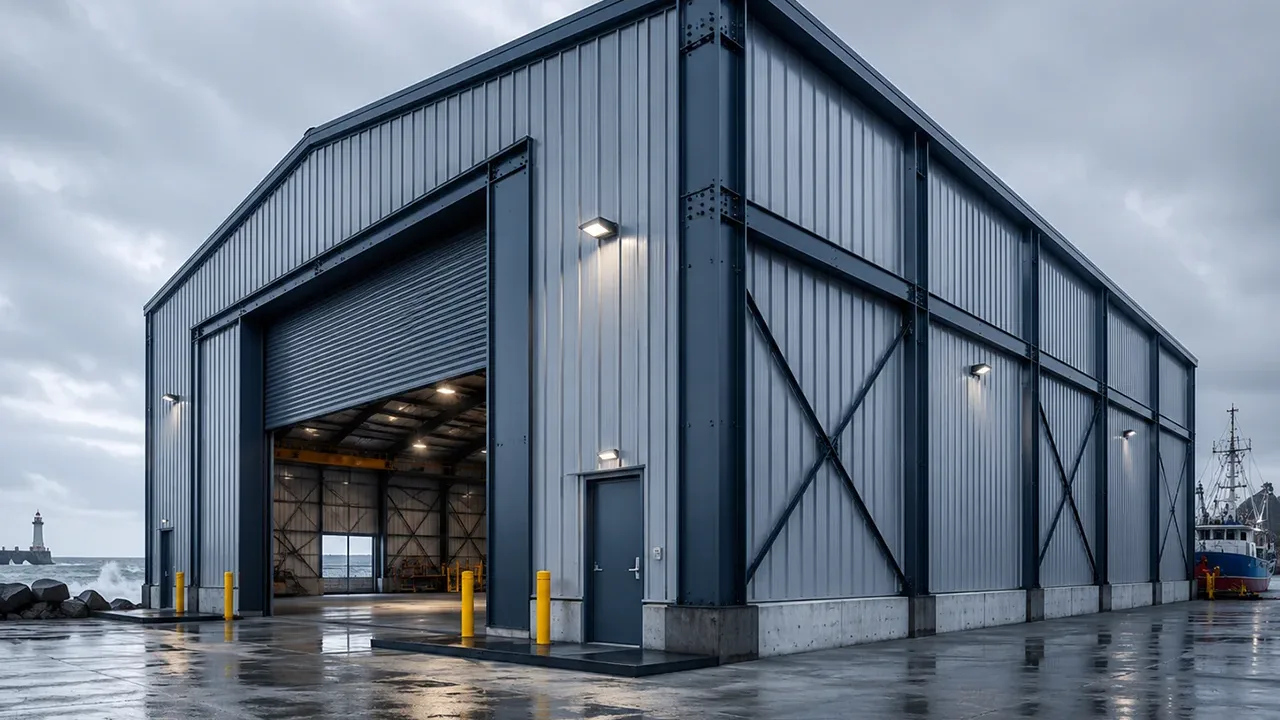
A well-planned corrosion resistant steel warehouse considers the full exposure condition of the project. The structural design, member detailing, surface treatment, and building envelope must work together so the warehouse remains durable under real operating conditions.
Where Corrosion Resistant Steel Warehouses Are Needed
Coastal and High-Humidity Locations
Warehouses located near the sea, rivers, ports, or high-rainfall regions often face continuous moisture and salt exposure. Salt spray can accelerate corrosion on steel members, fasteners, cladding interfaces, and exposed components. In these projects, stronger coating systems or galvanized components may be required depending on the exposure level.
High humidity also increases the risk of condensation inside the warehouse, especially when temperature changes occur between day and night. Proper roof insulation, ventilation, drainage, and moisture control become important parts of the corrosion protection strategy.
Industrial and Chemical Storage Areas
Industrial warehouses may be exposed to fumes, dust, chemical vapors, or process-related particles that increase corrosion risk. Facilities used for chemical-related storage, manufacturing support, machinery parts, metal products, or industrial materials should be reviewed carefully before coating specifications are selected.
In these environments, the warehouse structure should not be treated as a standard building shell. The steel surface protection, connection details, and maintenance planning should match the actual exposure conditions inside and outside the facility.
Agricultural and Food-Related Storage
Agricultural storage can also create corrosion challenges. Fertilizer, grain moisture, animal feed, food-related humidity, cold-room adjacency, and cleaning activities may expose the steel structure to moisture and chemical interaction. Even if the warehouse is not located in a coastal area, the internal environment can still be aggressive.
For agricultural and food-related projects, ventilation, drainage, coating selection, and easy-to-clean building details help improve long-term performance and reduce hidden corrosion risks.
How Corrosion Resistance Is Built Into the Structure
Material Selection and Steel Member Planning
Corrosion resistance begins before coating is applied. The engineering team should review steel member exposure, roof and wall layout, water flow, base conditions, and maintenance access. Structural details should reduce water accumulation and avoid unnecessary pockets where moisture or dust can collect.
Member thickness, connection type, frame spacing, and exposed component locations should be considered together. A stronger coating system is helpful, but good structural detailing makes the protection system more effective.
Surface Preparation Before Coating
Surface preparation is one of the most important steps in anti-corrosion performance. Steel components should be cleaned, blasted, inspected, and prepared before primer or protective coating is applied. Rust, oil, welding residue, sharp edges, and surface contamination can reduce coating adhesion if they are not handled properly.
For a corrosion resistant steel warehouse, fabrication quality and coating preparation must be aligned. Good coating cannot compensate for poor preparation, so inspection before coating is essential.
Protective Coating and Galvanizing Options
Different environments require different protection systems. Common options include anti-corrosion primer, intermediate coating, topcoat systems, zinc-rich coatings, and hot-dip galvanizing for selected members or exposed components. The best choice depends on climate, humidity, corrosion category, expected service life, and maintenance plan.
Hot-dip galvanizing may be useful for components exposed to high moisture, outdoor conditions, or frequent handling. For larger structural members, protective paint systems are often selected based on project requirements and coating thickness specifications.
Structural Details That Help Reduce Corrosion Risk
Roof and Drainage Coordination
Water management is a key part of corrosion control. Roof slope, gutters, downpipes, flashing, wall junctions, and drainage paths should be designed to move water away from the steel structure. Poor drainage can create repeated wet areas and increase corrosion around roof edges, columns, wall panels, and base plates.
Condensation should also be considered, especially in warehouses with temperature-sensitive storage or changing indoor conditions. Insulation and ventilation can help reduce moisture accumulation under the roof system.
Connection and Fastener Protection
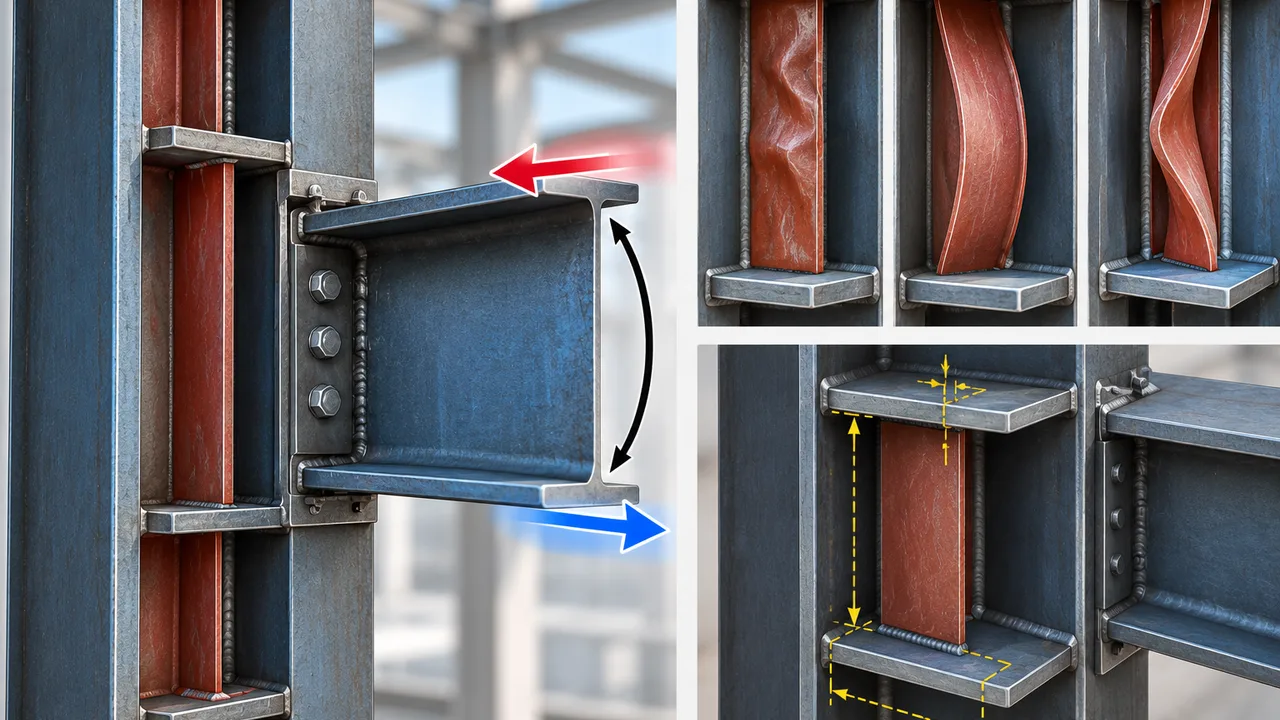
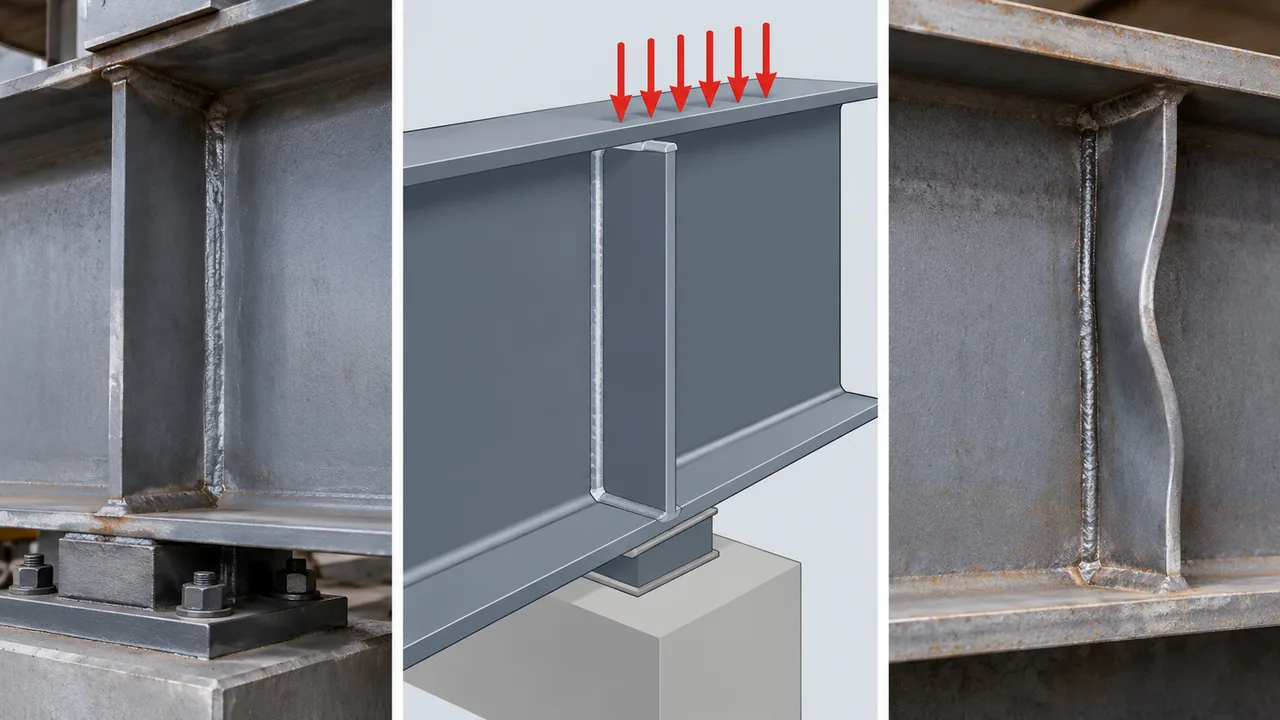
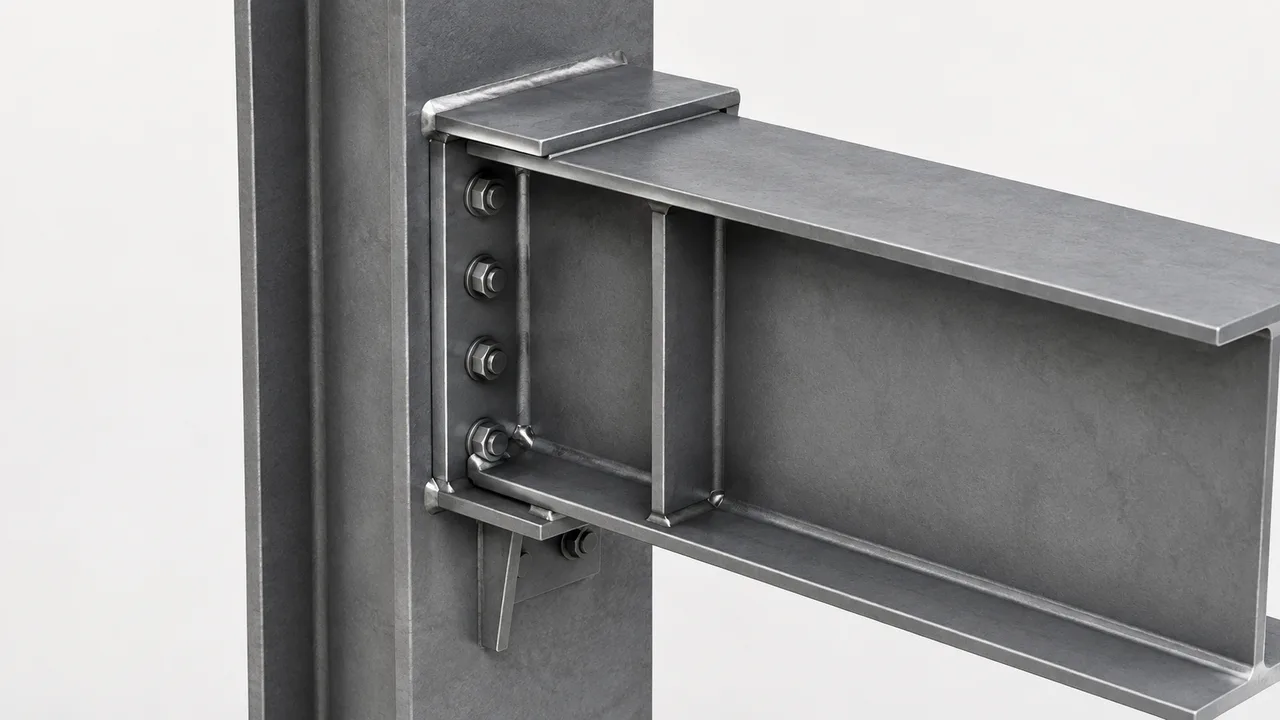
Connections are common corrosion-sensitive areas because bolts, plates, welds, and edges are often exposed to moisture and coating damage. Base plates and lower column areas are especially important because they may be affected by floor cleaning, rainwater, splash zones, or ground moisture.
Protective detailing may include proper sealing, compatible fasteners, coated plates, touch-up coating after installation, and inspection access for maintenance. These details help the warehouse perform better over time.
Ventilation and Moisture Control
Corrosion risk increases when humid air remains trapped inside the building. Ventilation helps reduce condensation, improve indoor air movement, and support a more stable storage environment. In some projects, roof vents, wall louvers, insulation, or mechanical ventilation may be required.
Moisture control is especially important for warehouses storing goods that release humidity or require cleaning, washing, cooling, or temperature control.
Recommended Protection Systems for Different Environments
The right anti-corrosion approach depends on the project environment. The table below shows common planning directions for different warehouse exposure conditions.
| Environment | Main Corrosion Risk | Recommended Protection Approach |
|---|---|---|
| Inland industrial area | Industrial dust, humidity, occasional chemical exposure | Anti-corrosion primer and durable topcoat system based on exposure level |
| Coastal area | Salt air, high humidity, accelerated surface corrosion | Higher-grade coating system, zinc-rich primer, or galvanized selected components |
| Agricultural storage | Fertilizer, grain moisture, animal feed, cleaning moisture | Moisture-resistant coating, ventilation planning, and protected lower steel areas |
| Chemical-related storage | Chemical vapor, aggressive indoor air, coating degradation | Project-specific coating specification and careful review of stored materials |
| Humid warehouse | Condensation and repeated wet-dry cycles | Roof insulation, ventilation, drainage coordination, and anti-corrosion coating |
| Outdoor-exposed components | Rain, UV exposure, handling damage, standing water | Galvanizing or heavy-duty coating with touch-up and maintenance access |
Fabrication Quality for Long-Term Corrosion Resistance
Long-term corrosion resistance depends on controlled fabrication as much as coating selection. Steel members must be cut, drilled, welded, cleaned, inspected, and prepared according to project requirements before surface treatment begins. Accurate fabrication also reduces forced modification on site, which can damage protective coatings.
XTD Steel Structure supports steel warehouse projects with structural coordination, CNC processing, welding, drilling, surface preparation, coating coordination, component marking, and export-ready packing. This helps connect design intent with practical fabrication and delivery requirements.
For international projects, packaging protection is also important. Coated steel components should be handled and packed to reduce scratches, impact damage, and moisture exposure during loading, sea shipping, unloading, and site storage.
Why Choose a Corrosion Resistant Steel Warehouse?
A standard warehouse may look acceptable when new, but long-term performance depends on how well the structure resists its environment. Choosing a corrosion-focused solution helps protect both the building and the operation inside it.
- Longer service life in humid, coastal, agricultural, or industrial environments
- Lower maintenance pressure when coating, drainage, and detailing are planned correctly
- Better protection for stored goods by reducing leaks, rust contamination, and structural deterioration
- More reliable structural performance over years of operation
- Improved long-term project value compared with low-protection building solutions
For owners who need a durable storage facility, a corrosion resistant steel warehouse is not just a material choice. It is a complete planning approach that connects engineering, fabrication, coating, installation, and future maintenance.
Project Planning Before Production
Confirm the Storage Environment
Before production begins, the project team should understand the warehouse location and internal storage conditions. Important details include distance from the coast, humidity level, rainfall, chemical exposure, stored goods, cleaning method, temperature variation, and ventilation needs.
These details help determine whether the project requires standard anti-corrosion coating, upgraded paint systems, galvanized components, improved ventilation, or special detailing around high-risk areas.
Select the Right Coating Specification
Coating specification should be selected according to the exposure environment and expected service life. Primer type, dry film thickness, topcoat system, curing requirements, inspection method, and touch-up procedures should be clarified before fabrication moves into surface treatment.
A clear coating specification helps reduce misunderstanding between engineering, factory production, shipment, and site installation teams.
Coordinate Packaging and Delivery Protection
Even a strong coating system can be damaged if components are not handled properly during packing and transport. For export projects, the team should consider sea-shipping moisture, loading methods, lifting points, stacking protection, and site storage conditions.
Proper component marking and packing also help installers identify steel members quickly without unnecessary handling that could scratch the coating surface.
Corrosion Resistant Steel Warehouse FAQs
What makes a steel warehouse corrosion resistant?
A steel warehouse becomes corrosion resistant through proper structural detailing, surface preparation, protective coating, moisture control, drainage planning, and maintenance access. The protection system should match the project environment.
Is galvanizing always required?
No. Galvanizing is useful in many high-exposure conditions, but it is not always required for every component. Some projects use protective paint systems, while others combine coating and galvanizing for selected areas.
Can anti-corrosion coating be customized for coastal areas?
Yes. Coastal projects can use upgraded coating systems, zinc-rich primers, thicker protective layers, or galvanized components depending on salt exposure, humidity, and service life expectations.
How should this type of warehouse be maintained?
Maintenance should include regular inspection of coating damage, roof drainage, connection areas, base plates, fasteners, and any location exposed to standing water or chemical contact. Damaged coating should be repaired promptly.
Build a Warehouse That Performs in Harsh Environments
A corrosion resistant steel warehouse is a practical investment for projects where humidity, salt, chemicals, or industrial exposure can shorten building life. By planning corrosion protection from the beginning, owners can reduce maintenance risk and improve long-term warehouse performance.
To begin planning, prepare your project location, warehouse size, stored goods, exposure conditions, coating expectations, and delivery schedule. With the right engineering and fabrication coordination, your warehouse can be built to perform reliably in challenging environments.