When Fabrication Accuracy Controls Project Performance
In steel construction, small fabrication errors can create large site problems. A misaligned hole, incorrect plate thickness, poor edge preparation, or inconsistent welding detail may not look serious inside the factory, but it can delay lifting, connection, bracing, and final alignment during erection.
Accurate fabrication helps each component arrive on site ready for assembly. Columns, beams, rafters, bracing members, base plates, gusset plates, purlin supports, and connection plates must match the approved shop drawings and project requirements. When this control is handled properly, installation teams can work with fewer adjustments and less uncertainty.
For complex projects, precision engineered steel fabrication becomes even more important. Large-span roof systems, truss structures, multi-component assemblies, and export projects require tighter coordination because site correction is more difficult, more expensive, and more disruptive to the construction schedule.
Precision Engineered Steel Fabrication Services
Technical Review and Shop Drawing Coordination
The fabrication process should begin with a careful review of technical information. Drawings, member sizes, connection details, bolt-hole positions, plate thicknesses, bracing layouts, erection sequence, and interface points must be checked before production starts.
Shop drawing coordination helps convert engineering intent into clear fabrication instructions. This step reduces ambiguity for cutting, drilling, welding, assembly, inspection, marking, and packing. It also helps identify conflicts before steel members enter production.
CNC Cutting, Drilling, and Steel Processing
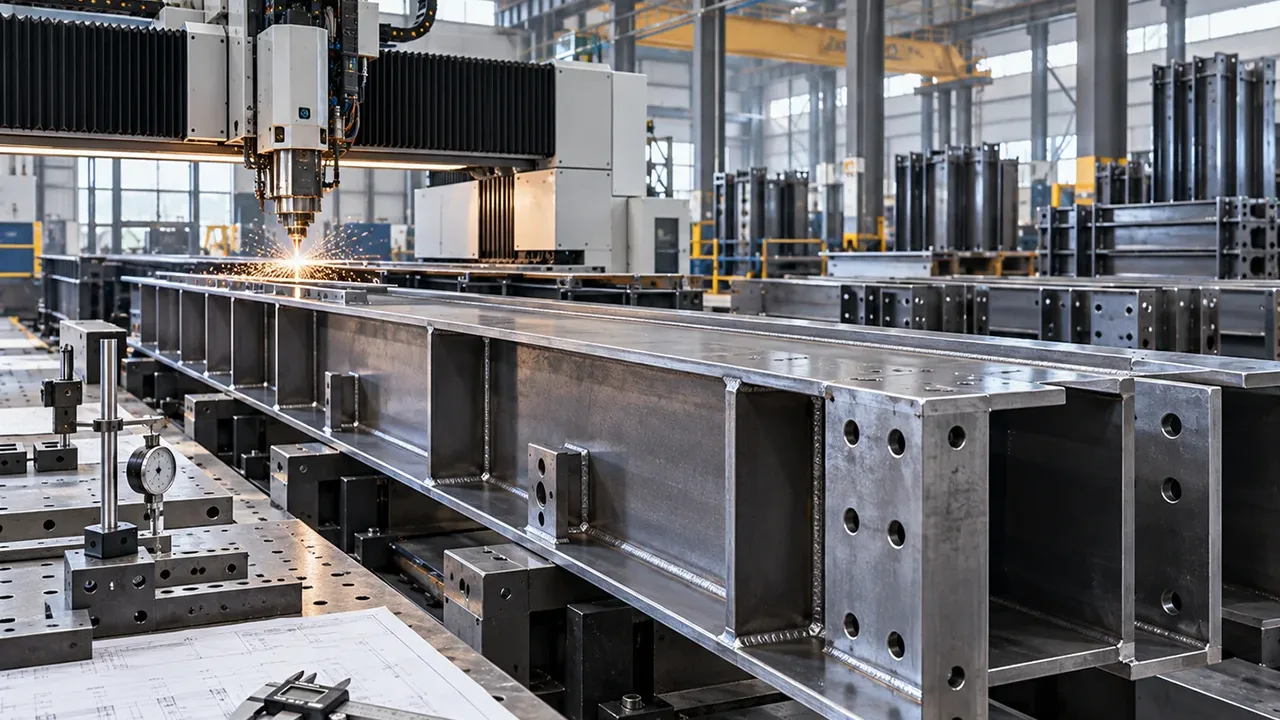
CNC processing plays an important role in steel fabrication quality. Controlled cutting, drilling, profiling, plate preparation, and beam processing improve repeatability and reduce manual errors. This is especially useful when a project contains many repeated components or connection details that must align accurately on site.
For portal frames, trusses, brackets, base plates, stiffeners, and connection plates, processing accuracy supports better fit-up and more reliable assembly. It also helps maintain consistency across different production batches.
Welding, Assembly, and Component Preparation
Welding and assembly require both technical control and practical production experience. Fit-up, welding sequence, weld consistency, assembly positioning, and dimensional checking all affect the final quality of steel components.
Before surface treatment, components should be checked for shape, alignment, connection compatibility, and marking requirements. This preparation helps ensure that each fabricated member is not only produced correctly, but also ready for coating, packing, shipment, and installation.
Why Precision Matters in Steel Structure Fabrication
Better Fit-Up During Installation
Good fit-up is one of the clearest benefits of accurate fabrication. When steel members are produced correctly, site teams can connect frames, braces, purlins, and plates more efficiently. This reduces forced alignment, temporary modification, and unnecessary waiting time during erection.
Better fit-up also improves site safety because workers can install components according to the planned sequence rather than making uncontrolled adjustments at height or under pressure.
Fewer Reworks and Site Delays
Rework is one of the most expensive consequences of poor fabrication control. Re-drilling, cutting, welding repair, connection adjustment, repainting, and delayed lifting can all increase project cost. In export projects, rework can be even more difficult because replacement parts may require additional international shipping.
By controlling dimensions and connection details in the factory, project teams can reduce avoidable delays and protect the installation schedule.
More Reliable Connection Performance
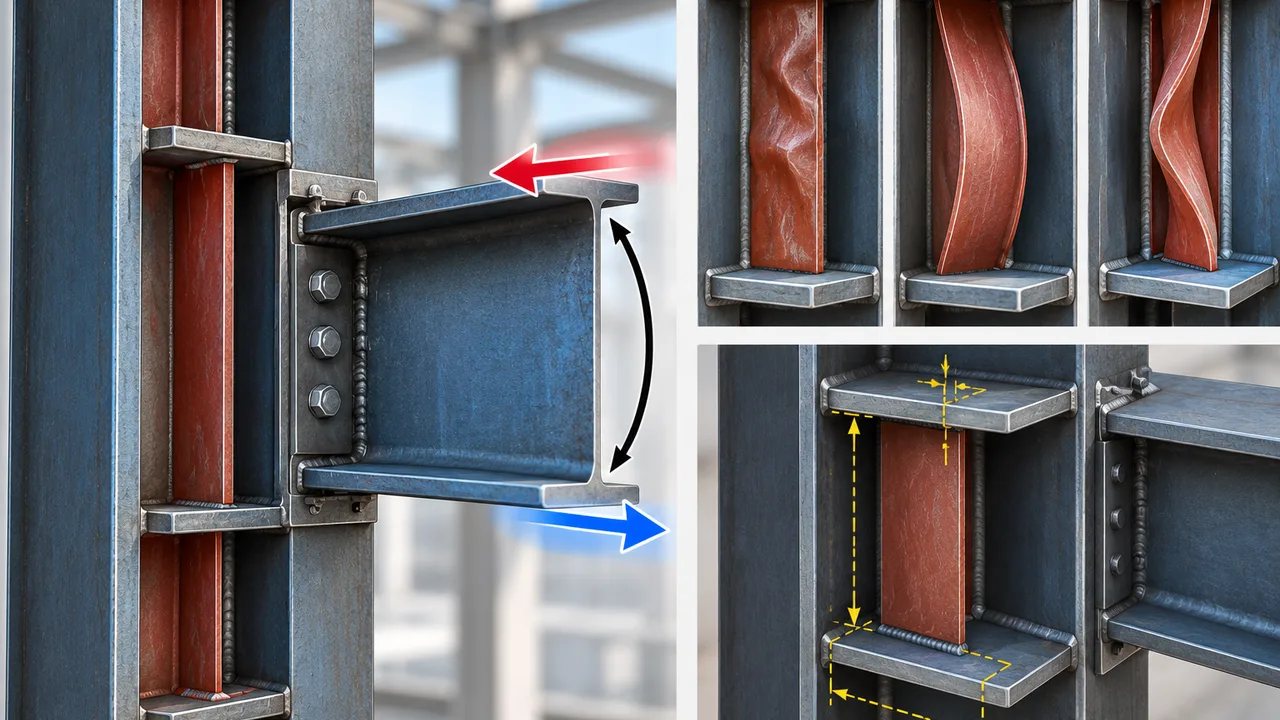
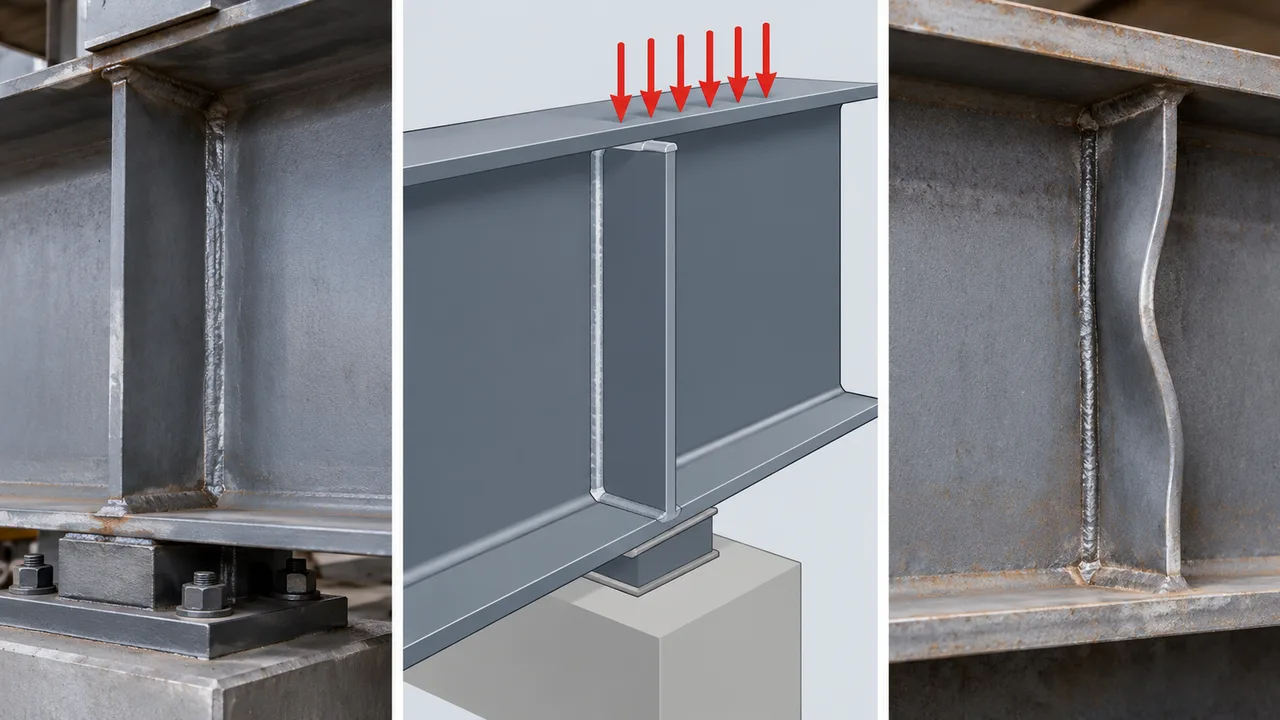
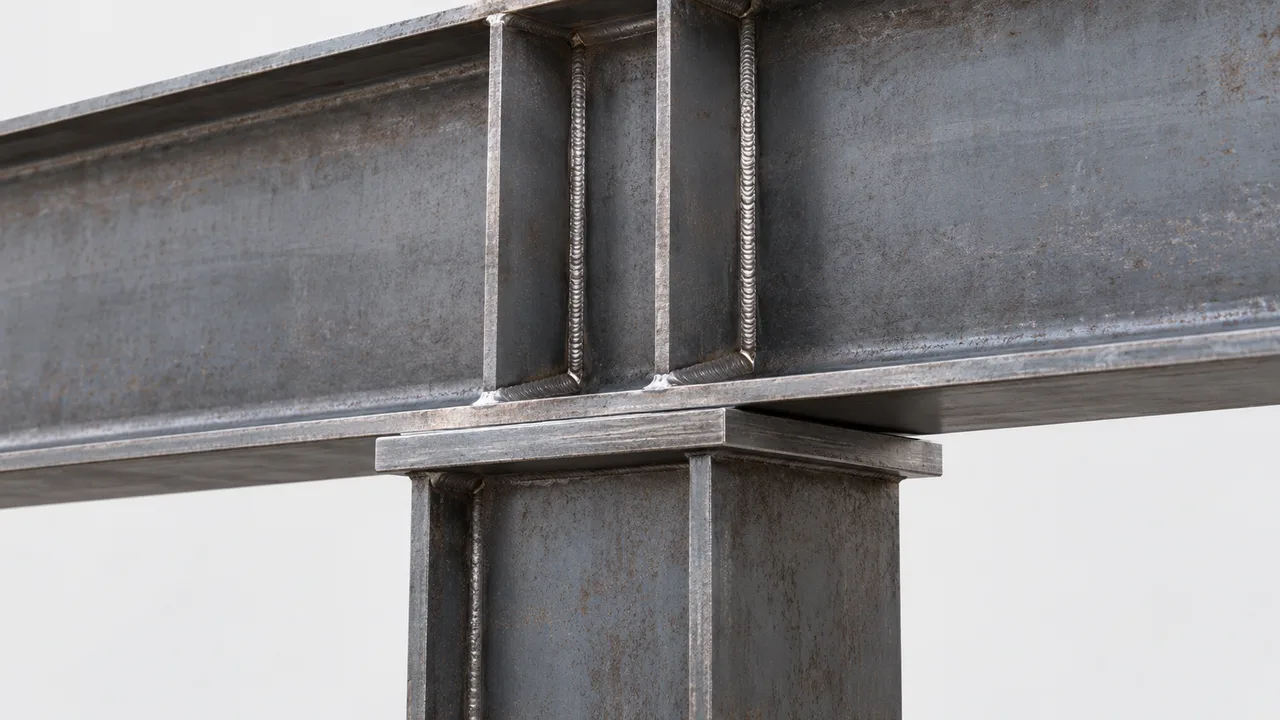
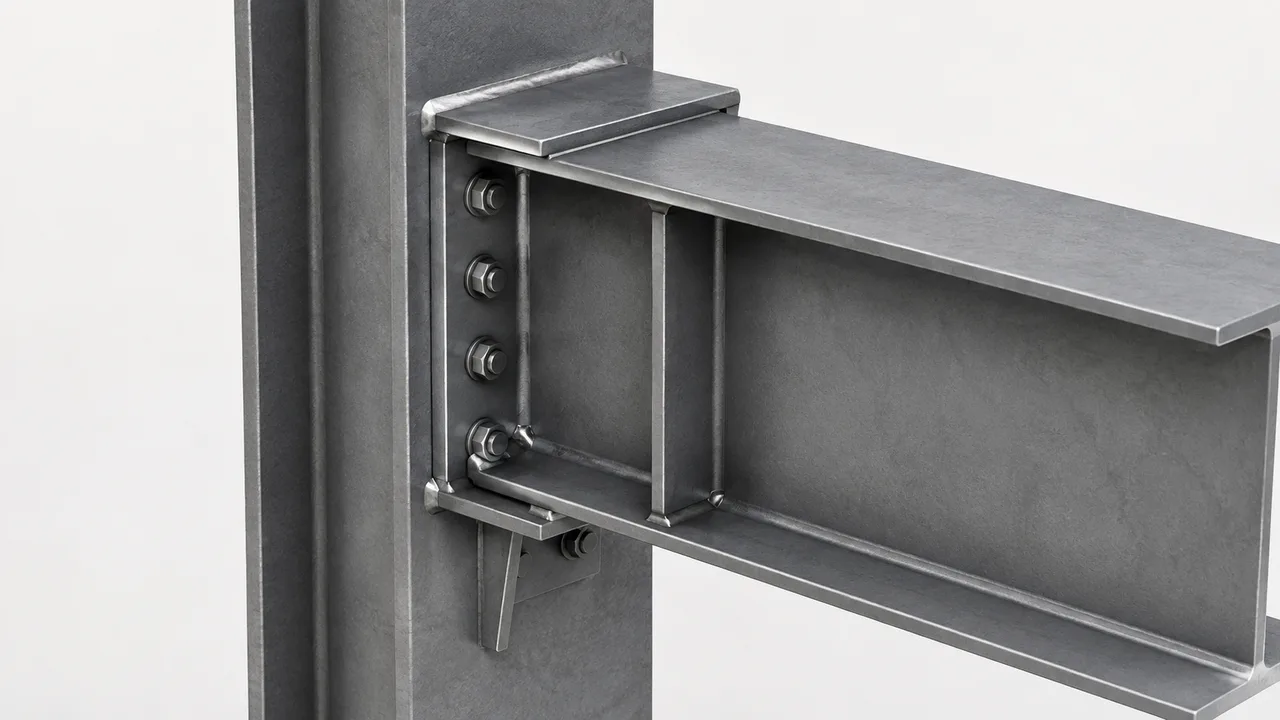
Steel structures depend on accurate load transfer through connections. Bolted joints, welded joints, base plates, gusset plates, stiffeners, bracing points, and beam-column interfaces must be fabricated correctly so the structure can perform as designed.
Precision is not only about appearance. It supports the structural function of the building and helps ensure that the fabricated components match the engineering assumptions behind the design.
Quality Control Behind Precision Fabrication
Material and Dimensional Verification
Quality control starts with material verification. Steel grade, plate thickness, section size, material certificates, and project specifications should be reviewed before production. This helps confirm that the correct materials are used for the required structural performance.
Dimensional inspection is also essential. Critical measurements such as member length, hole spacing, plate geometry, connection location, and assembly alignment should be checked during production instead of waiting until the final stage.
Welding and Connection Inspection
Welding quality affects both strength and installation readiness. Weld appearance, size, continuity, fit-up condition, and assembly accuracy should be inspected according to the project requirements. Connection interfaces also need attention because even small deviations can affect bolt installation or member alignment.
For structural assemblies, inspection before shipment is especially important. Once components leave the factory, correction becomes slower and more expensive.
Surface Treatment and Final Release
Surface treatment protects fabricated steel against corrosion and environmental exposure. Depending on the project, this may include blasting, anti-corrosion coating, hot-dip galvanizing for selected components, or other protective systems.
Final release should confirm coating condition, component marking, packing method, shipping order, and documentation. Clear marking is particularly important for large steel structure projects because it helps site teams identify components quickly during installation.
Suitable Projects for Precision Engineered Fabrication
Industrial Buildings and Portal Frames
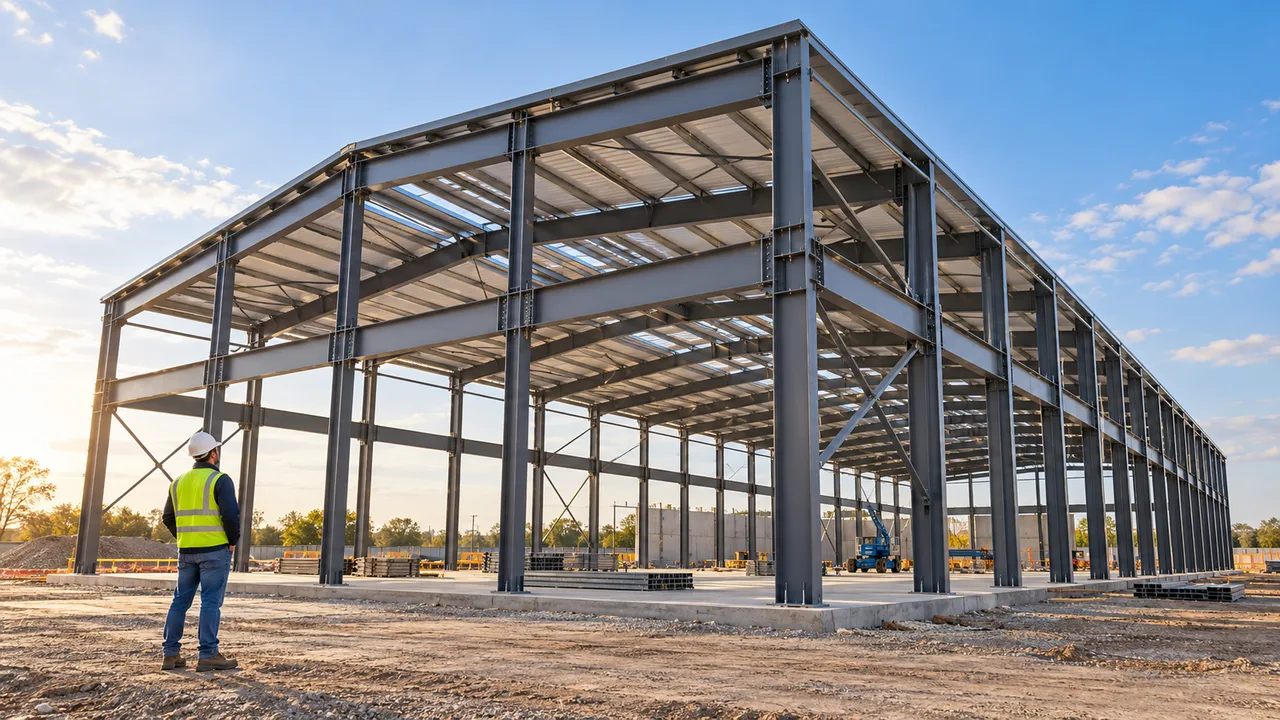
Factories, warehouses, workshops, logistics buildings, and portal frame structures all benefit from accurate fabrication. Even when the building form is relatively standard, connection accuracy and production consistency help improve installation speed and reduce site correction.
Trusses, Space Frames, and Complex Steel Components
Large-span roofs, truss systems, space frames, tube trusses, special-shaped structures, stadium structures, station buildings, and airport projects require closer coordination. These projects often involve complex geometry, segmented fabrication, special node details, and strict erection planning.
For these applications, precision engineered steel fabrication helps ensure that individual steel components can be assembled into a larger structural system with fewer conflicts.
Export Steel Structure Projects
Export projects require additional attention because components may be installed far from the fabrication plant. Clear marking, proper packing, accurate documentation, and installation-ready components are critical. Poor fabrication accuracy can create expensive problems when correction must be handled overseas.
XTD Steel Structure supports export-oriented fabrication with component marking, packing coordination, production inspection, and delivery preparation according to project requirements.
From Engineering Input to Fabrication Output
Requirement Review
The workflow begins by reviewing client drawings, structural requirements, project location, material specifications, expected tolerances, surface treatment needs, and installation method. This helps define the production approach before detailed fabrication begins.
Fabrication Detailing
Fabrication detailing converts project information into shop drawings, member coding, connection layouts, cutting lists, welding instructions, and inspection points. A clear detailing package helps the factory team produce components consistently and reduces confusion between engineering and production.
Factory Production and Delivery Preparation
Factory production includes cutting, drilling, welding, assembly, inspection, surface treatment, marking, packing, and shipment preparation. The delivery sequence should support the erection plan so that site teams receive the right components at the right stage of construction.
Recommended Project Information Before Fabrication
Accurate fabrication depends on clear project input. The more complete the technical information is before production, the easier it is to control quality, cost, and delivery schedule.
| Information Needed | Why It Matters | Example |
|---|---|---|
| Structural drawings | Define member size, layout, loads, and connection positions | General arrangement drawings and structural plans |
| Connection requirements | Control bolt holes, plates, welds, and assembly details | Base plates, gusset plates, end plates, bracing nodes |
| Material grade | Ensures the steel matches strength and project specifications | Q235, Q355, ASTM, EN, or other required standards |
| Surface treatment | Protects steel components against corrosion and exposure | Paint coating, galvanizing, or blasting and coating system |
| Tolerance requirement | Helps define inspection focus and production control level | Critical hole spacing, member length, assembly dimensions |
| Shipping destination | Affects packing method, container planning, and marking | Domestic delivery or overseas export project |
| Installation method | Supports erection sequence and component preparation | Crane lifting plan, bolted assembly, phased installation |
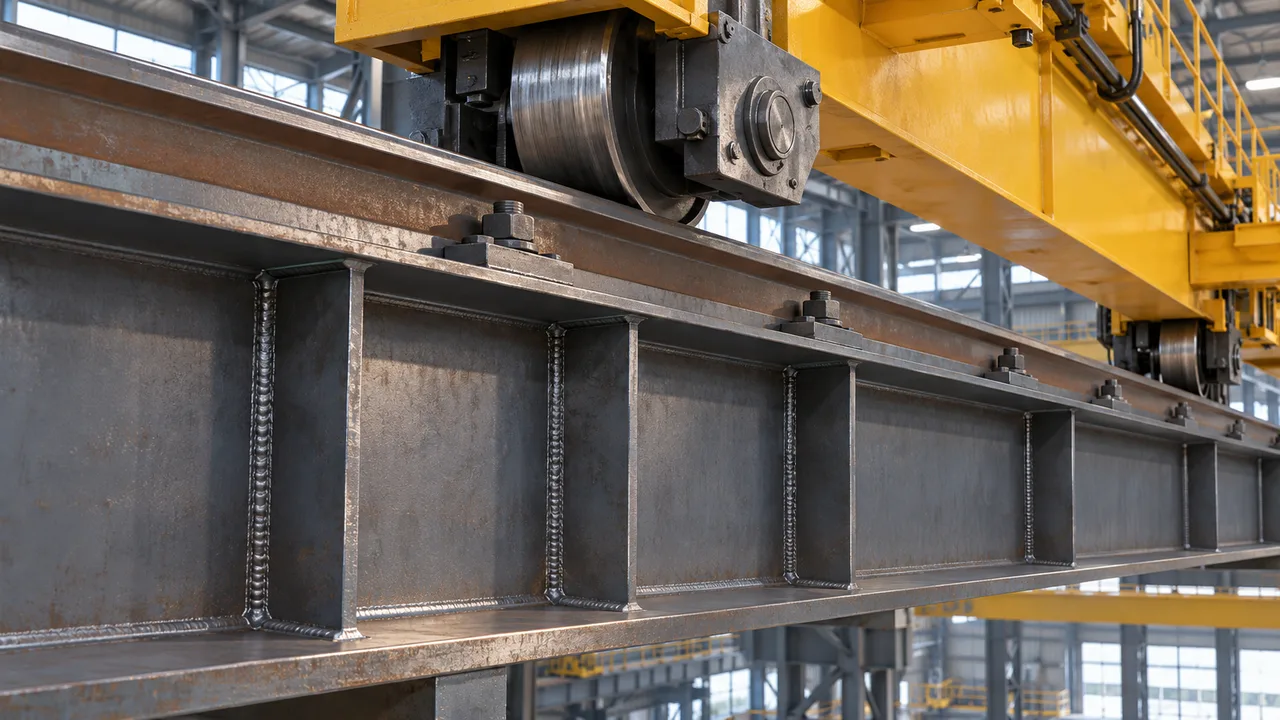
| Equipment interface | Prevents conflicts with cranes, platforms, ducts, or machinery | Crane beams, equipment supports, service openings |
Why Choose XTD Steel Structure for Precision Steel Fabrication
Precision in steel fabrication requires more than machines. It requires coordination between engineering review, shop drawing interpretation, production planning, skilled welding, dimensional inspection, surface protection, and logistics preparation.
XTD Steel Structure provides fabrication support for portal frames, warehouses, factories, trusses, space frames, industrial platforms, and project-specific steel components. The company combines steel processing capability with practical construction understanding, helping components move from drawings to installation with better control.
- Engineering and fabrication-detail coordination
- CNC cutting, drilling, profiling, and steel processing
- Welding, assembly, and dimensional checking
- Fabrication for portal frames, trusses, and complex steel structures
- Surface treatment and anti-corrosion protection options
- Component marking, packing, and export delivery preparation
- Project-specific production instead of generic steel processing
Precision Engineered Steel Fabrication FAQs
What does precision engineered steel fabrication mean?
It means steel components are fabricated with controlled engineering coordination, accurate processing, dimensional checking, and quality inspection so they match the approved drawings and installation requirements.
Why is fabrication tolerance important?
Fabrication tolerance affects how well steel components fit together on site. Poor tolerance control can lead to misaligned holes, connection problems, forced adjustment, rework, and installation delays.
Can precision fabrication reduce installation problems?
Yes. Accurate cutting, drilling, welding, marking, and inspection help components arrive on site ready for assembly, reducing rework and improving erection efficiency.
What information is needed before fabrication starts?
Key information includes structural drawings, connection details, material grade, surface treatment requirements, tolerance needs, shipping destination, and installation method.
Is this service suitable for export steel structure projects?
Yes. Export projects benefit from precise fabrication, clear marking, proper packing, and installation-ready components because overseas site correction can be costly and time-consuming.
Build Steel Structures With Factory-Controlled Accuracy
Precision engineered steel fabrication helps steel structure projects move from drawings to site assembly with better control, fewer avoidable errors, and stronger installation readiness. From standard portal frames to complex truss structures, fabrication accuracy supports both structural performance and construction efficiency.
To begin your project, prepare drawings, load data, connection requirements, material specifications, surface treatment needs, project location, and delivery schedule. With a coordinated fabrication partner, your steel components can be produced with the accuracy needed for reliable assembly and long-term use.